Can doubling the carbohydrate in a long workout help you hold onto power when your legs are already tired? A controlled 2026 experiment suggests that, for a small group of trained cyclists, drinking 120 grams of carbohydrate per hour preserved more late-session critical power than 60 grams per hour or water alone. That is an intriguing result, but it is not a blanket recommendation to double your gels.
The distinction matters because endurance fueling is not only about avoiding a dramatic bonk. It can also change how much power remains available after hours of steady work. Here is what the experiment actually measured, what it did not prove, and how to test a sensible fueling strategy without turning every long ride into a stomach challenge.
1. What the 2026 three-hour cycling trial tested
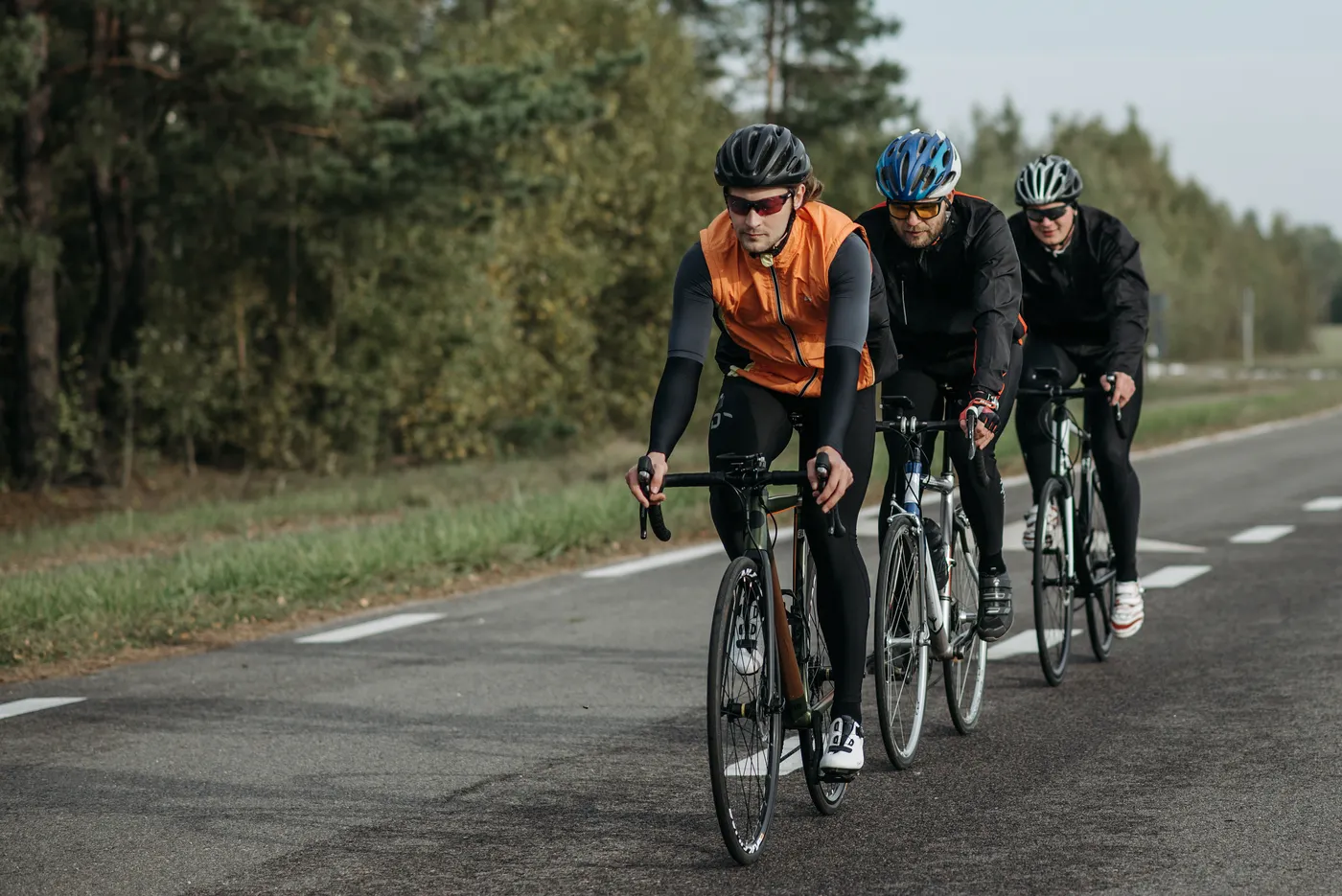
Sixteen endurance-trained cyclists and triathletes completed a crossover experiment comparing three drink strategies: water without carbohydrate, 60 grams of carbohydrate per hour, and 120 grams per hour. In the carbohydrate conditions, the drink used maltodextrin and fructose in a 1:0.8 ratio. Each participant experienced the different conditions, helping reduce some between-person variability that complicates nutrition comparisons.
The protocol was demanding but carefully standardized. Before each trial, participants followed a high-carbohydrate preparation period and ate a prescribed pre-exercise meal. Researchers measured a fresh-state estimate of critical power, then had the athletes cycle for three hours at a controlled moderate intensity before repeating the power assessment. The question was not who could ride the farthest on a real road; it was how much the boundary between sustainable heavy exercise and more severe work shifted after prolonged exertion.
This design is valuable because many athletes feel reasonably strong at the start of a ride yet struggle to produce familiar power late in the session. The trial tested whether supplying different amounts of carbohydrate could change that late-session deterioration. It was still a laboratory study with just 16 trained people, not a multi-month training intervention or a direct test of race results.
2. Critical power fell in every condition, but by different amounts

The participants’ estimated critical power in the rested condition averaged 277 watts. After three hours of cycling, it averaged 236 watts with water, 257 watts with 60 grams of carbohydrate per hour, and 266 watts with 120 grams per hour. All three post-exercise values were lower than the fresh measurement. More carbohydrate did not eliminate fatigue; it reduced the measured loss.
The difference between the two carbohydrate conditions was nine watts on average in this sample, while the gap between water and the higher-carbohydrate drink was 30 watts. Those are group averages, not a promise that every cyclist will gain exactly nine or 30 watts. Individual responses and the uncertainty around them matter, particularly when the study is small.
Critical power is an exercise-physiology estimate, not an exact finishing-time prediction. A higher fatigued critical-power value can be useful for understanding durability, but it does not establish that 120 grams per hour will automatically improve a marathon, trail race or century ride. Race terrain, pacing, heat, gut comfort, equipment and the ability to continue eating can all change the practical outcome.
For training, the most useful lesson is that a power target set while fresh may become disproportionately hard late in a long session. If your intervals are scheduled after two or three hours of aerobic work, fueling can influence whether those intervals remain appropriately controlled.

Equipment Worth Exploring
Explore equipment, accessories and gear from our carefully selected range.


GymPin Squat Wedges
Non-slip 15-degree squat wedges help elevate the heels for deeper quad-focused squats.

GymPin Starting Blocks
Portable high-density foam blocks for adjusting machine starting positions and range of motion.


3. Why carbohydrate dose can affect endurance durability
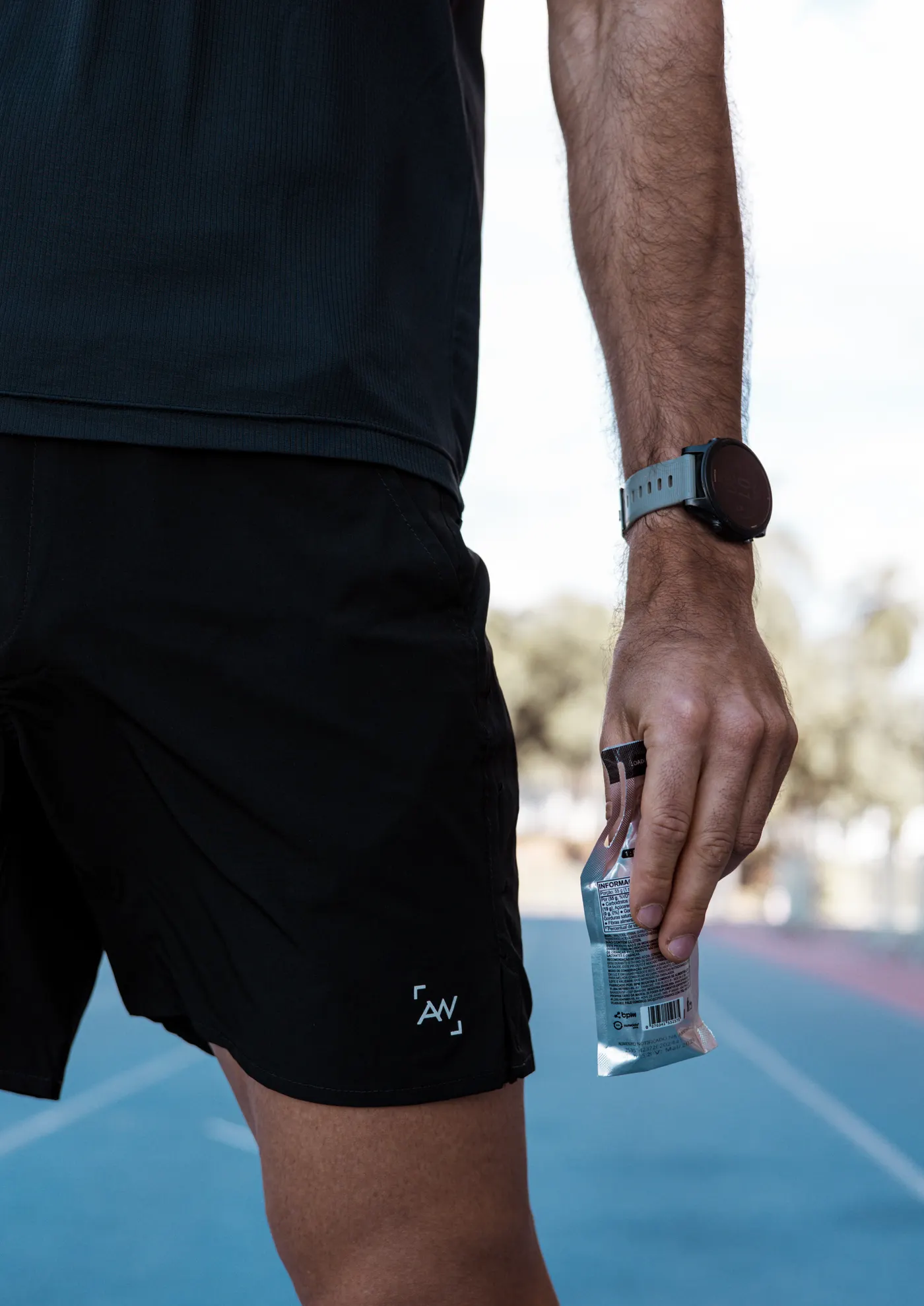
Carbohydrate supports exercise through several overlapping pathways, including maintenance of blood glucose and provision of fuel that can be oxidized during activity. The body also relies on stored glycogen, and the contribution of different fuels changes with intensity, duration and training status. A drink cannot instantly replace every gram of muscle glycogen that is being used, but it can supply energy while exercise continues.
In this experiment, whole-body carbohydrate oxidation averaged about 1.84 grams per minute with water, 2.16 with 60 grams per hour and 2.31 with 120 grams per hour. The stepwise pattern helps explain why a higher dose might support late-session output. It does not mean that the body burned every ingested gram directly or that carbohydrate oxidation alone proves the mechanism behind the critical-power differences.
The study used a blend of maltodextrin and fructose, rather than simply adding extra table sugar to water. Different carbohydrate transport pathways can help support higher total absorption and oxidation at elevated intake rates. The exact recipe, concentration, drink volume and timing still matter; 120 grams delivered as one thick serving is not equivalent to smaller repeated servings across an hour.
A separate study in eight elite male marathoners also found greater measured exogenous carbohydrate oxidation at 120 than at 90 or 60 grams per hour. That strengthens the case that some highly trained athletes can use more fuel than older practical ceilings suggested. It is not proof that every recreational runner needs to chase the largest number.

Cardio Shirts & Workout Gear
Cardio and conditioning gym gear for runners, endurance athletes and anyone who earns the sweat.

Running Dost Thou Even Trot Medieval Treadmill Crewneck T-Shirt
Show some gym-day personality with “Running”.

Cardio Heartbeat Hoodie
Show off your cardio humor in a laid-back “Cardio Heartbeat” hoodie.

Hybrid Athlete – HYROX Training Crewneck for Strength & T-Shirt
Show some gym-day personality with “Hybrid Athlete”.


Track Panther Pullover Hooded for Running Fitness Black Hoodie
Bring “Track Panther” gym humor to lazy days and post-workout plans.

Anti Running Club Tee
Heavy lifts, good laughs, and a little “Anti Running Running Club” energy.

Cardio Is Calling You , Meme Top Answer Or Decline? T-Shirt
Make gym days more fun with “Cardio Is Calling You” style.

Jump Rope Wonder Woman Tee
Show some superhero attitude with a playful “Jump Rope Wonder Woman” tee.

Shirt – Cardio Is Hardio – & Gymbros T-Shirt
Show some cardio attitude with a playful “Cardio is Hardio” tee.

Funny Uncle Sam Gym – I Want You To Do Cardio Patriotic Sticker
Stick a little “Uncle Sam” humor on your favorite gear.
4. The gut is a performance variable, not an afterthought

Higher intake has a cost if it produces nausea, bloating, cramping or an urgent stop. In the 2026 cycling trial, moderate or severe gastrointestinal symptoms were uncommon, but several specific symptoms and cumulative discomfort were higher with 120 grams per hour than with water. The difference between the two carbohydrate drinks was not statistically clear for every symptom. A result from a controlled laboratory ride should not be interpreted as guaranteed tolerance on a hot, bumpy race course.
Running adds repeated impact and may feel less forgiving than steady cycling. Fluid needs vary with conditions, sweat rate and personal preference, and a concentrated carbohydrate mixture can become unpleasant when drinking is insufficient. Sodium replacement may matter on long, sweaty sessions, but neither excessive fluid nor a fixed sodium dose is a substitute for an individualized plan.
Gut tolerance is trainable to some degree. Research on repeated feeding challenges suggests that practicing carbohydrate intake during exercise can reduce discomfort for some athletes, although studies vary in design and not everyone improves. Treat that as a reason to rehearse your plan, not a guarantee that you can force your digestive system to tolerate any target.
If you experience repeated vomiting, severe abdominal pain, confusion or signs of serious dehydration, stop the session and seek appropriate medical help. Performance experiments are never worth ignoring symptoms that could signal something more serious.
5. What the wider evidence says about 90 to 120 grams
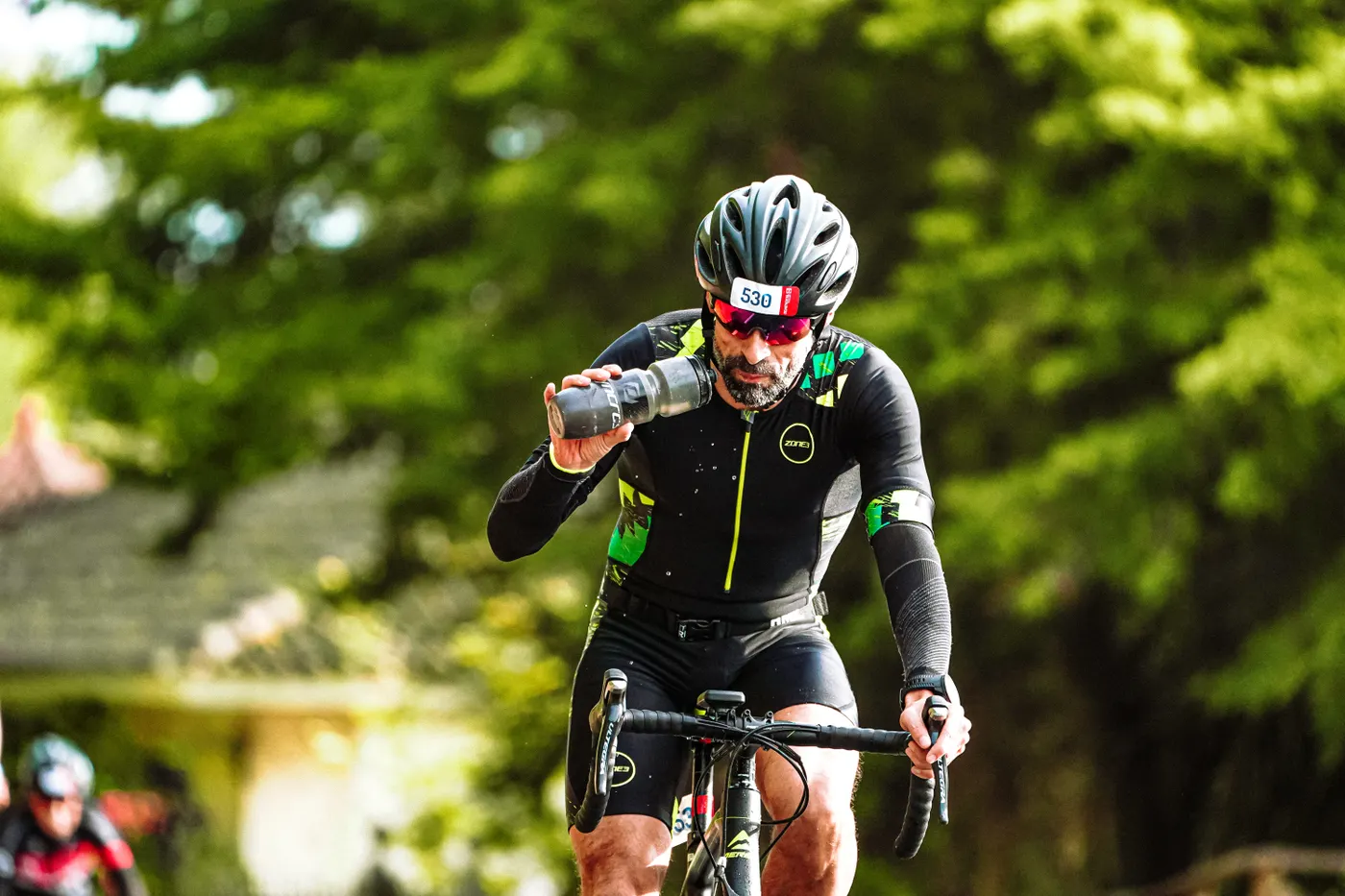
Traditional endurance recommendations often placed a practical upper range around 90 grams of carbohydrate per hour for events lasting several hours, especially when using multiple carbohydrate sources. Recent laboratory work has investigated higher doses, but the evidence base is still smaller than the social-media excitement around very high fueling might imply.
A 2026 review of ultra-high carbohydrate strategies emphasized the difference between higher oxidation rates and a demonstrated improvement in actual performance. Other researchers have raised methodological questions about interpreting metabolic measurements in small studies. Those disagreements are useful: they prevent a promising physiological result from becoming a universal claim before enough people, sports and race conditions have been tested.
The new three-hour trial gives a stronger dose comparison for fatigued cycling power than an anecdote about one elite athlete’s race-day gel count. Yet the participants were endurance trained, arrived carbohydrate loaded, consumed a particular glucose-fructose mixture, and rode at a specified intensity. The study did not compare a broad menu of commercial products or show how a first-time marathoner would respond.
A practical hierarchy remains sensible. First establish enough total daily energy and carbohydrate to support training. Next make sure you can reliably fuel your longer sessions. Only then consider whether moving from a well-tolerated moderate dose toward a higher one solves a real performance problem.
Equipment Worth Exploring
Explore equipment, accessories and gear from our carefully selected range.

Apple Watch Ultra 3
Rugged 49 mm smartwatch with cellular connectivity, GPS and fitness tracking.

Powerbeats Fit
Secure-fit wireless workout earbuds with active noise cancellation and a charging case.


Go-Tone Pro
Portable digital cable trainer with up to 66 lb (30 kg) of adjustable resistance.
VOLTRA
Compact digital cable trainer with smooth, adjustable resistance.

FID Bench MAX
Adjustable bench offering flat, incline, and decline positions + adjustable headrest.


Leather Lifting Straps
Padded leather straps support grip during heavy rows, deadlifts and pulling exercises.
6. A four-week way to practice fueling without guessing

Start by matching intake to the workout. An easy 45-minute session usually does not need the same on-bike carbohydrate plan as a three-hour ride. For long endurance sessions, many athletes can begin with a tolerable amount such as 30 to 60 grams per hour, depending on duration and intensity. If you already use 60 grams comfortably, there is no requirement to jump straight to 120.
During week one, record the amount you actually consume rather than the amount you pack. Split it into regular servings and note your drink volume, weather, session length and stomach comfort. In week two, keep the exercise broadly comparable and, if there is a clear reason to test more, increase intake modestly rather than doubling it. For example, a trained athlete comfortable at 60 might try 70 to 75 grams per hour.
In week three, repeat the dose that worked or adjust slightly while using the same mixture and timing. If symptoms appear, return to the last comfortable level. In week four, rehearse the intended event pattern: duration, expected intensity, carrying method, and the availability of water. This progression is an illustrative practice framework, not a clinical protocol validated by the 16-person trial.
Use simple arithmetic to avoid surprises. A gel containing 25 grams of carbohydrate plus a drink providing 35 grams across the same hour equals 60 grams total. Three such gels plus the drink would be 110 grams, not 75. Read the label of every product, count carbohydrate from both drinks and foods, and remember that a highly concentrated bottle still needs an appropriate fluid plan.
Funny Gym Shirts & Workout Gear
Funny gym shirts, tanks, hoodies and workout gear for lifters who like training hard.

Carbie Barbie I Love Pasta I Love T-Shirt
Make gym days more fun with “Carbie Barbie I Love Pasta I Love Carbs” style.

Donut Mugshot – Guilty Carb Meme Pullover Jumper T-Shirt
Show some gym-day personality with “Donut Mugshot”.


Fuel The Flame Knight Shirt & Meme T-Shirt
Make gym days more fun with “Fuel The Flame Gym Knight” style.

Fueled By Bacon | Gymbro Workout & Graphic T-Shirt
Rep “Fueled By Bacon” humor in and out of the gym.

Caffeine & Weights for Coffee Fueled Workouts, Bodybuil T-Shirt
For laid-back days and powerlifting humor: “Caffeine & Weights”.

Protein Monster – Protein Lovers, & Bros – Meme T-Shirt
Heavy lifts, good laughs, and a little “Protein Monster” energy.

Protein Power Cereal Tee
Heavy lifts, good laughs, and a little “Protein Power Cereal” energy.

Carbie Barbie I Love Carbs I Love T-Shirt
Rep “Carbie Barbie I Love Carbs I Love Donuts” humor in and out of the gym.

Heavy Weights And Protein Shakes Meme And Gymbros T-Shirt
Show some powerlifting attitude with a playful “Heavy Weights and Protein Shakes” tee.
7. Who might benefit, what to track and the bottom line

A competitive cyclist completing three-hour sessions with hard work near the end may have a clear reason to investigate whether higher carbohydrate availability helps preserve late-session output. A slower recreational runner may have a lower hourly fuel requirement, a different gut tolerance and a very different pacing challenge. Body size alone is not a reliable reason to prescribe an extreme intake.
For several comparable long workouts, record the target and actual carbohydrate grams per hour, perceived exertion, average or interval power, gastrointestinal symptoms and how well you recover afterward. Avoid drawing conclusions from one unusually good day. Temperature, prior training load, sleep, caffeine, menstrual cycle, terrain and hydration can all affect the comparison.
Keep strength training and recovery in the picture. Fueling does not replace aerobic development, sound pacing, progressive loading or adequate rest. The study also found that the separate work-capacity measure above critical power declined after the three-hour ride without a meaningful difference among drink conditions. In other words, more carbohydrate preserved one important metric better, not every dimension of fatigue.
The defensible conclusion is encouraging but narrow: in 16 trained cyclists and triathletes, 120 grams of mixed carbohydrate per hour reduced the fall in estimated critical power after three hours more than 60 grams or water. It is a reason to take fueling seriously and practice it intelligently, not a mandate to chase an elite intake number regardless of comfort or need.
Some product links may be affiliate links, which can support Mind Muscle Perfection at no additional cost to you.