Two workouts can last the same thirty minutes and produce very different calorie estimates. Exercise intensity is part of the explanation, but so is the fact that most watches and cardio machines are estimating energy expenditure rather than directly measuring it. Metabolic equivalents, or METs, offer a useful way to compare activities. Understanding what the number represents helps you use it without mistaking a tidy calculation for an exact result.
1. What a MET measures – and what it cannot
A metabolic equivalent describes the energy cost of an activity relative to a standardized resting reference. One MET is conventionally defined as oxygen use of about 3.5 milliliters per kilogram of body mass per minute. An activity assigned four METs is estimated to require roughly four times that reference rate. Less than three METs is generally considered light activity, three to less than six is moderate, and six or more is vigorous. These labels describe absolute intensity, not the effort a particular person experiences.
The difference is important. Brisk walking may be a demanding workout for someone rebuilding fitness and a recovery activity for an experienced runner. The activity can have the same table value even when the two people report very different breathing, heart rate and fatigue. A MET number is therefore a common comparison scale, not a personalized laboratory reading.
Contemporary activity compendiums include more than a thousand tasks, from sports and household work to occupational movement. Some entries come from measured oxygen consumption; others are estimated. Terrain, pace, technique, carried weight and rest breaks can all make your real session different from the listed average. Treat METs as a description of typical activity demands, not proof of how many calories you personally burned.
2. Calculate estimated calories without confusing gross and active energy

The conventional formula is calories per minute = MET value x 3.5 x body mass in kilograms / 200. For an 80 kg person, thirty minutes at four METs gives 4 x 3.5 x 80 / 200 = 5.6 calories per minute, or about 168 calories for the whole session. At eight METs for the same thirty minutes, the estimate doubles to 336 calories. The arithmetic is precise; the assumptions about the real activity are not.
There is a second complication. That calculation gives gross expenditure, including the energy you would have spent resting during those minutes. At 80 kg, the one-MET reference is about 1.4 calories per minute, or 42 calories over half an hour. Subtracting that reference gives approximately 126 calories above rest for the four-MET session and 294 for the eight-MET session. Fitness apps may label these quantities active calories or total calories. Comparing them without checking the definition can produce a misleading difference.
The formula scales directly with body mass, but people of the same weight do not necessarily use identical amounts of oxygen during the same movement. Economy, training experience, age and individual physiology affect actual energy demand. For weight management, it is wiser to examine activity and nutrition trends over weeks than to treat the output of one workout calculator as permission to eat a precisely matched amount of food.
A longer moderate session may accumulate as much estimated energy as a shorter vigorous one. Recovery, enjoyment, injury history, schedule and adherence matter more than choosing the activity with the largest number beside its name.

Equipment Worth Exploring
Explore equipment, accessories and gear from our carefully selected range.

Apple Watch Ultra 3
Rugged 49 mm smartwatch with cellular connectivity, GPS and fitness tracking.


Power Tower
Freestanding pull-up and dip station with adjustable handles for bodyweight training.


3. Why lifting weights has no single reliable MET value
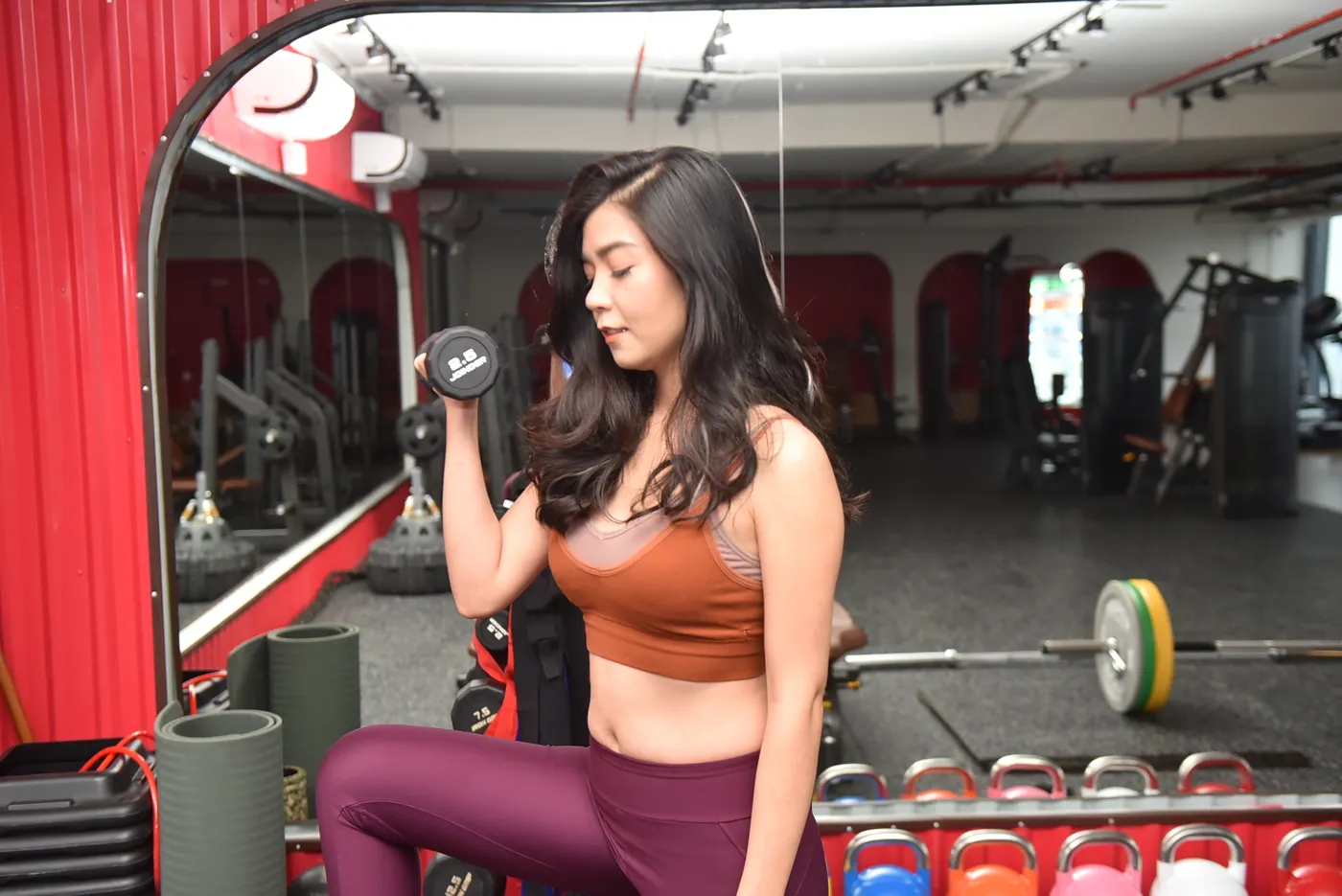
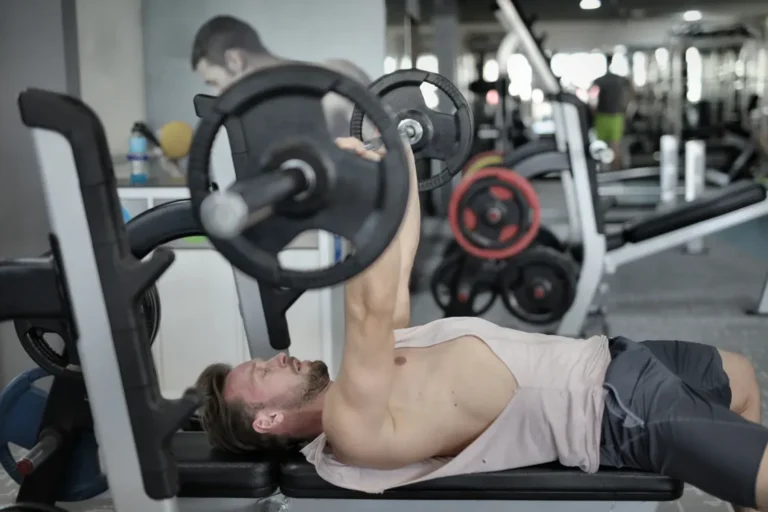
Strength training is unusually difficult to summarize as one average metabolic task. A demanding squat set may create a high short-term oxygen requirement, followed by several minutes of relatively low demand while the lifter rests. A fast circuit and a powerlifting session with long breaks might occupy the same forty-five-minute calendar slot but produce very different patterns of exertion. A generic resistance-training entry in a MET chart cannot fully represent both.
Exercise selection also changes the picture. A loaded squat involves more muscle mass than an isolated wrist movement, but total work, tempo, proximity to failure and rest time influence the session average. A smartwatch cannot reliably infer the barbell load or every muscle contraction from wrist acceleration. Even a perfectly recorded heart rate would not reveal the entire mechanical training stimulus.
Crucially, calorie expenditure is not the scorecard for muscle growth. Progressive overload, sufficiently challenging sets, sensible exercise selection, recovery and consistency are much more directly useful for building strength and size. A high heart rate does not guarantee that the target muscle received an effective stimulus. Conversely, a productive lifting session can have a modest average heart rate because the lifter rests enough to perform quality repetitions.
If hypertrophy is the main goal, record loads, repetitions, sets and the effort of each set before worrying about an exercise calorie total. If cardiovascular fitness also matters, include deliberate aerobic work. You do not need to transform every heavy set into a breathless interval just to increase the number on a wearable. METs help describe the broad activity category, while a training log tells you whether your lifting is progressing.

Cardio Shirts & Workout Gear
Cardio and conditioning gym gear for runners, endurance athletes and anyone who earns the sweat.

Shirt – Your Mom Is My Cardio – Meme , Gymbros & Fans T-Shirt
Make gym days more fun with “Your Mom Is My Cardio” style.

We Don'T Need No Cardio Pink Floyd Meme , & Gains – T-Shirt
Bring “We Don't Need No Cardio Pink Floyd Meme” humor to your next gym day.

Aquaman Swimming & Cardio – Superhero Shirt Heroes & T-Shirt
Bring “Aquaman” humor to your next gym day.

Iron Man Triathlon – Superhero Comic Book Swimming, T-Shirt
Show some superhero attitude with a playful “Iron Man Triathlon” tee.

Jigsaw'S Cardio Killer Spin Bike Horror T-Shirt
Show some gym-day personality with “Jigsaw's Cardio Killer Workout”.

Negative Cardio Review 1 Star Sweater Cardio Sucks T-Shirt
Show some gym-day personality with “Negative Cardio Review”.

Cardio Is A Horror Show Gym | Funny Chucky Spin Class M Tank Top
Add some cardio attitude to training with “Cardio Is A Horror Show”.

Jump Rope Wonder Woman Gym | Funny Superhero Cardio Wor Tank Top
Add some superhero attitude to training with “Jump Rope Wonder Woman”.

Straight Outta Shape Hoodie
Stay casual and show some cardio attitude with “Straight Outta Shape”.

– Swimming Sharks Motivation Meme Decal for Water Bottl Sticker
Give your everyday gear a playful “Swimming Sharks Motivation Meme” twist.
4. Walking, cycling and swimming require different comparisons

Exercise charts help explain why thirty minutes of easy walking and thirty minutes of fast cycling can represent different energy demands. Yet the name of the activity is only a starting point. Walking uphill with a loaded backpack differs from strolling on level pavement. Cycling against heavy resistance differs from gentle pedaling. Swimming technique can make the same distance far more costly for one person than another.
On a stationary bike, actual power output, resistance and cadence tell you more than a generic label such as indoor cycling. Outdoors, hills, wind and drafting complicate matters. For runners, speed and incline matter; for rowers, stroke mechanics and power matter. Even a steady-looking workout may contain intervals, rests and changes in effort that make one published MET value an imperfect match.
The good news is that you do not need the supposedly highest-calorie sport to build aerobic fitness. Someone who dislikes running may prefer cycling, rowing, swimming or brisk walking. A lifter with demanding leg days may choose lower-impact cardio to reduce additional soreness. A session that looks superior on a calorie chart may be a poor choice if it leaves you unable to recover or unwilling to repeat it.
Choose an activity you can perform safely and consistently. Progress by gradually increasing time, pace, resistance or frequency. For mixed workouts, consider each meaningful segment separately instead of assigning the whole session the intensity of its hardest minute. A useful estimate should clarify your choices, not exaggerate them.
5. Absolute workload is not the same as personal effort

Absolute intensity asks how much energy an activity typically requires. Relative intensity asks how demanding it feels for the individual. The first can be expressed in METs; the second can be assessed through breathing, the talk test, perceived exertion and sometimes heart rate. These measurements answer different questions and work best together.
During moderate aerobic exercise, most people can speak in sentences, although singing becomes uncomfortable. During vigorous exercise, you may only manage a few words before pausing for breath. A simple zero-to-ten effort scale gives another guide: moderate work often feels around five or six, while vigorous work is closer to seven or eight and above. Neither method is a diagnostic test, but both are useful without expensive equipment.
A brisk walk might be vigorous relative to the current fitness of a beginner, while the same pace feels easy to an endurance athlete. Copying another person’s treadmill speed is therefore not a reliable way to copy their training stress. Heat, poor sleep, caffeine, dehydration, medication and illness can change the body’s response to a fixed workload as well.
When the goal is sustainable health and fitness, use your actual response to select a manageable session. Treat absolute MET ratings as context rather than commands. Anyone experiencing unusual breathlessness, chest discomfort or other concerning symptoms should seek appropriate medical assessment instead of trying to solve the problem with an online calorie chart.
Equipment Worth Exploring
Explore equipment, accessories and gear from our carefully selected range.
VOLTRA
Compact digital cable trainer with smooth, adjustable resistance.

Go-Tone Pro
Portable digital cable trainer with up to 66 lb (30 kg) of adjustable resistance.


GymPin Squat Wedges
Non-slip 15-degree squat wedges help elevate the heels for deeper quad-focused squats.

FID Bench MAX
Adjustable bench offering flat, incline, and decline positions + adjustable headrest.


Leather Lifting Straps
Padded leather straps support grip during heavy rows, deadlifts and pulling exercises.

Powerbeats Fit
Secure-fit wireless workout earbuds with active noise cancellation and a charging case.
6. Build a week around useful intensity, not calorie promises

For most adults, a practical target is at least 150 minutes of moderate-intensity aerobic activity per week, or 75 minutes of vigorous activity, or an equivalent mixture. Muscle-strengthening exercise on at least two days is an additional recommendation. The objective is not to reach a particular smartwatch calorie number. It is to accumulate enough consistent activity to support fitness and long-term health.
Here is a flexible example. Monday could include forty minutes of strength work and a fifteen-minute easy walk. Tuesday could be thirty minutes of conversational cycling. Wednesday could feature a thirty-minute brisk walk. Thursday could be another strength session followed by fifteen minutes of comfortable aerobic movement. Friday might be thirty minutes of steady swimming or cycling, while Saturday could be a forty-five-minute walk or hike. Sunday can be rest or gentle movement according to recovery. Adjust this illustration to your experience, schedule and capacity.
If you are starting from a low activity level, shorter sessions are a sensible first step. If you already train hard, do not automatically add more intervals because they carry a higher MET rating. Recovery matters. Strength-focused athletes may prefer to separate their hardest cardio from demanding leg sessions, while endurance-focused athletes can place lifting where it best supports their primary sport.
Track the minutes you completed, the intensity you could actually sustain and how you recovered. Walking farther at the same perceived effort or feeling less breathless at a familiar pace can be a useful sign of progress. Consistency across months is a stronger achievement than a single high-calorie display.
Funny Gym Shirts & Workout Gear
Funny gym shirts, tanks, hoodies and workout gear for lifters who like training hard.

Cardio Speed Superhero Treadmill Workouts Gymbro T-Shirt
Make gym days more fun with “Cardio Speed Superhero” style.

Shirt – Cardio Is Hardio – & Gymbros T-Shirt
Show some cardio attitude with a playful “Cardio is Hardio” tee.

Freedom To Skip Cardio Patriotic Gym – Funny Statue of Sticker
Put “Freedom To Skip Cardio Patriotic” gym humor on your laptop, bottle, or gym gear.

Dumbbell Heartbeat Hooded Pullover Fitness Fans Hoodie
Stay casual and show some bodybuilding attitude with “Dumbbell Heartbeat”.

Come As You Are Sweaty Tank
Add some lifting attitude to training with “Come As You Are Sweaty”.


Pumping Love Strong Heart Stronger Soul Valentine’s Day Tank Top
Bring “Pumping Love Strong Heart Stronger Soul” humor to your next lifting session.

Exercise Your Demons Gym | Funny Workout From Hell Musc Tank Top
Add some lifting attitude to training with “Exercise Your Demons”.

I So I Can Eat Cookies Meme Decal Sticker
Stick a little “I Workout So I Can Eat Cookies” humor on your favorite gear.
7. How much should you trust a watch’s calorie estimate?

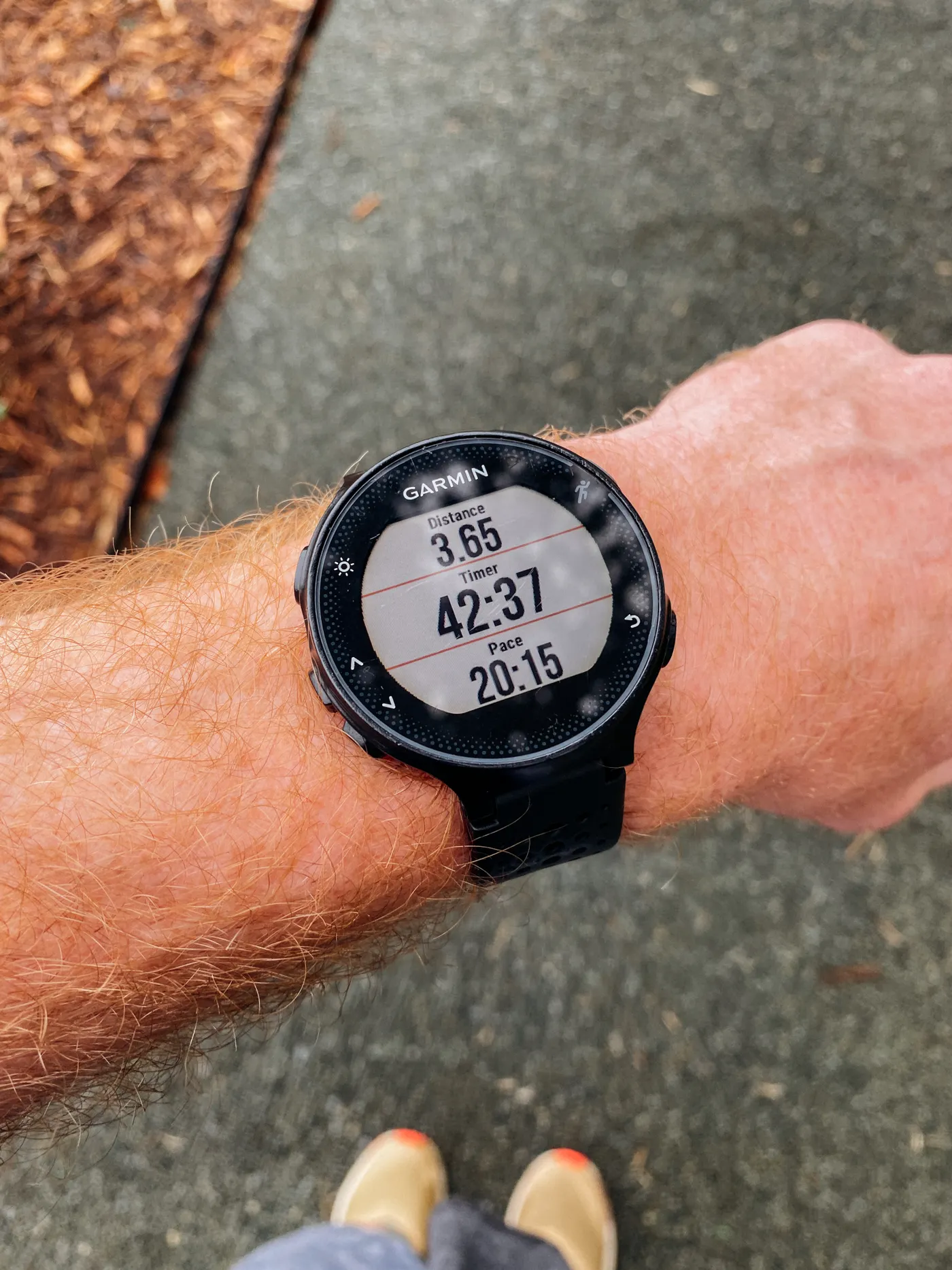
Consumer fitness trackers combine signals such as heart rate, wrist movement, GPS and personal profile data to estimate energy expenditure. Some cycling systems also include measured power. These inputs can help compare sessions, but they do not turn a wearable into a metabolic laboratory. Reviews of validation research find meaningful variation in calorie-estimation accuracy across devices, exercise modes and individuals.
Heart rate is affected by more than mechanical work. Stress, caffeine, temperature and dehydration can raise it, while intervals and exercises that involve gripping may challenge optical wrist sensors. Resistance training is especially complicated because muscular effort and external load are not captured neatly by arm movement. A plausible heart-rate trace does not automatically make the accompanying calorie number correct.
For useful tracking, keep the device and settings consistent when comparing similar sessions. Check whether the app reports active calories or total calories. Compare the same route, treadmill protocol or workout format rather than expecting every sport to be equally measurable. If weight management matters, look at longer-term changes in activity, nutrition and body mass rather than obsessing over whether one session showed 310 or 390 calories.
MET charts and wearables are not useless. They can guide activity selection, time planning and motivation. Their estimates belong alongside perceived exertion, exercise performance, recovery and the ability to repeat the plan. The best number is the one that helps you make a better decision, not the largest one you can produce on a screen.