Is a 7 a.m. workout worse for blood sugar than a 6 p.m. session? Not necessarily. Some controlled experiments favor later-day exercise for people with type 2 diabetes, but that does not establish a universal best hour for every person, workout or meal. The type of activity, when you last ate, medications, sleep and the consistency of your routine can matter just as much as the clock.
For most lifters, the useful question is how to combine aerobic movement, resistance training and short bouts of activity around meals without sacrificing recovery. Here is what the timing evidence can—and cannot—tell us, plus a practical plan that works whether your training window is before breakfast, at lunch or after work.
What morning-versus-evening exercise studies actually found
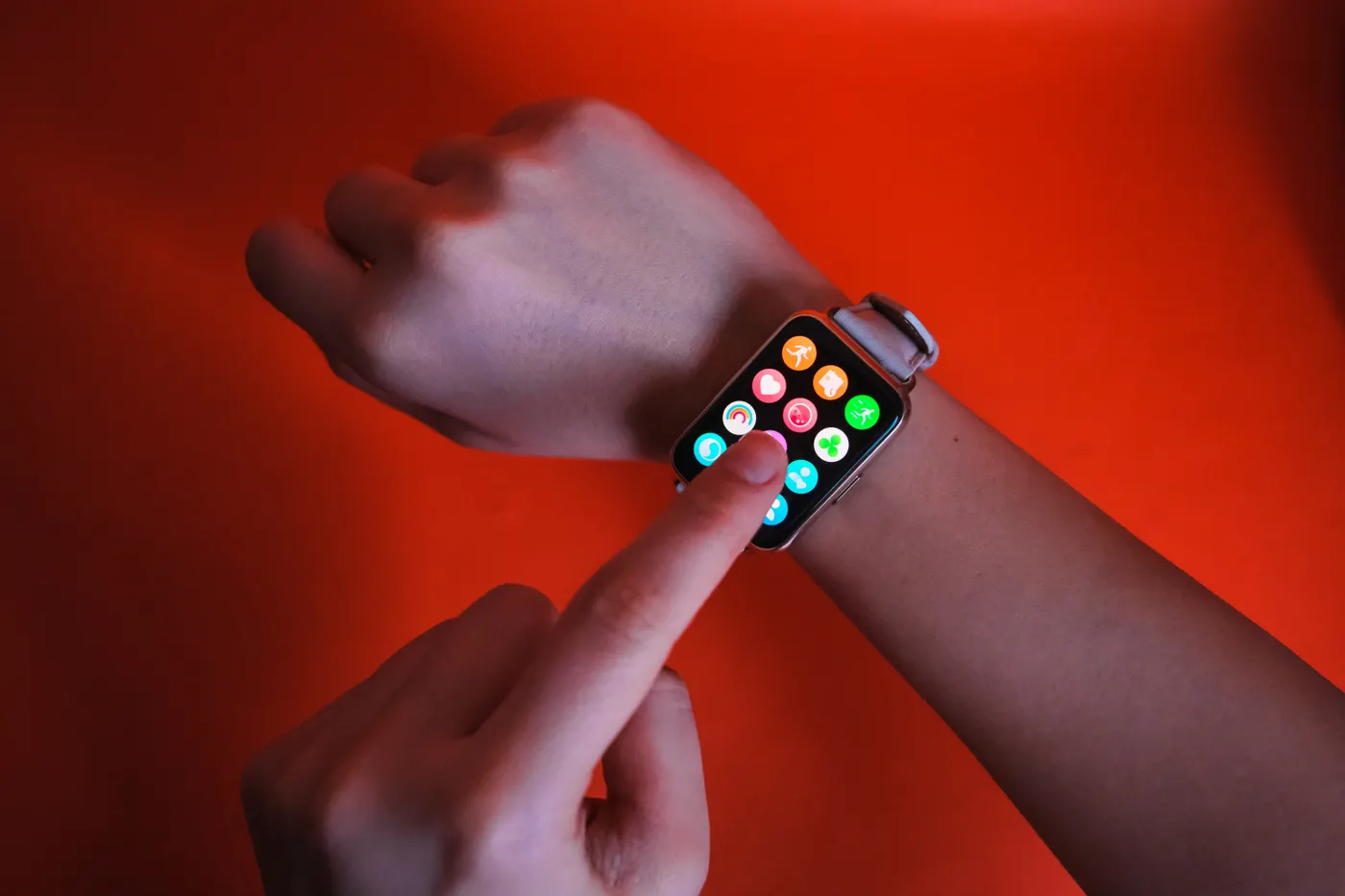
One randomized crossover experiment enrolled 11 men aged 45–68 with type 2 diabetes. Each completed two weeks of morning high-intensity interval training and two weeks of afternoon training, separated by a washout period. The sessions occurred three times per week, and continuous glucose monitors captured the response. During the first training week, mean glucose on exercise days was about 6.9 mmol/L in the morning condition and 6.2 mmol/L in the afternoon condition; the pre-training value was about 6.4 mmol/L.
That is an interesting short-term contrast, not a rule that morning workouts are harmful. The trial was small, limited to men with type 2 diabetes, and studied a particular HIIT protocol rather than walking, moderate cycling or normal lifting. Researchers could not establish that the difference persists for months or applies to healthy adults. Other reviews of exercise timing combine diverse methods and participants, which makes broad prescriptions uncertain.
If you have a reliable morning slot and enjoy it, there is no reason to abandon a consistent routine based on this single experiment. If glucose management is a clinical priority and your schedule is flexible, comparing a later session with your usual time may be reasonable—with guidance appropriate to your treatment and safety needs.

Equipment Worth Exploring
Explore equipment, accessories and gear from our carefully selected range.


Apple Watch Ultra 3
Rugged 49 mm smartwatch with cellular connectivity, GPS and fitness tracking.

Powerbeats Fit
Secure-fit wireless workout earbuds with active noise cancellation and a charging case.
VOLTRA
Compact digital cable trainer with smooth, adjustable resistance.

Go-Tone Pro
Portable digital cable trainer with up to 66 lb (30 kg) of adjustable resistance.


Power Tower
Freestanding pull-up and dip station with adjustable handles for bodyweight training.


Why meals and the body clock complicate the comparison

Morning and evening are not isolated laboratory switches. They usually come with different meals, sleep histories, activity levels and medication timing. Cortisol normally follows a daily rhythm, and the liver can release glucose in response to exercise-related stress hormones. A hard sprint session can therefore produce a temporary rise in measured glucose even when the overall training habit improves metabolic health. A temporary spike is not automatically evidence that exercise failed.
Meal timing is a second variable. A systematic review of eight randomized crossover trials, involving 116 people with and without type 2 diabetes, found that activity after eating reduced the immediate glucose rise more effectively than the same activity before eating or no exercise. The included studies had substantial bias concerns, so the finding supports a useful option rather than an exact prescription for everyone.
A separate analysis pooling 31 studies of post-meal exercise also found lower glucose exposure compared with remaining inactive. Its subgroup results varied by exercise duration and timing, including signals favoring longer sessions or a later start in some groups. That apparent disagreement matters: study populations, meals, intensity and outcome windows differ. No single minute mark is proven optimal across all settings.
The practical lesson is simpler than the physiology: if you usually sit for hours after eating, replacing a portion of that sitting with comfortable movement is a reasonable experiment. Do not confuse the clock time of a workout with how close that workout is to a meal.
Walking, cycling, HIIT and lifting have different glucose effects
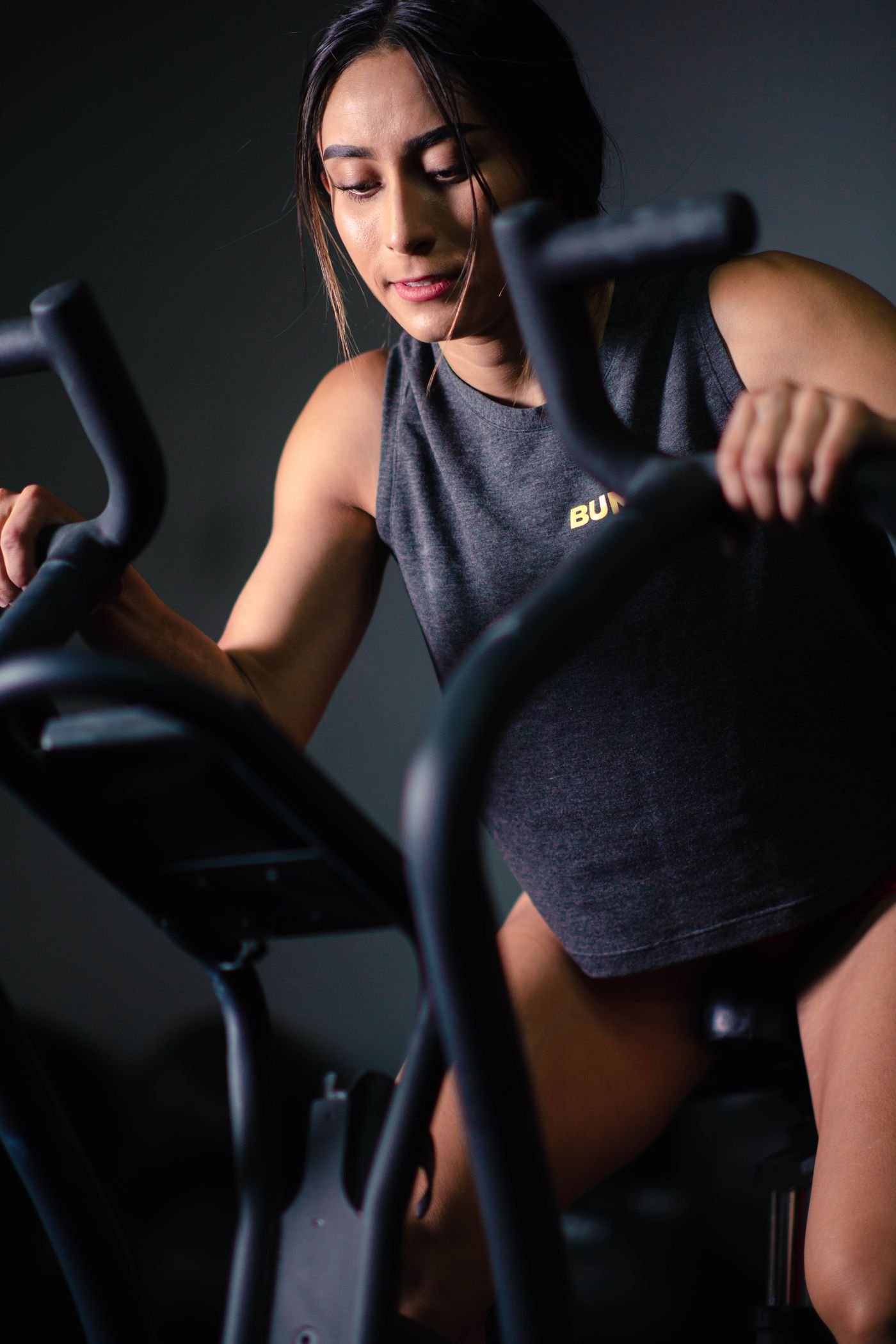
Moderate aerobic activity asks working muscles to use fuel repeatedly. Walking, easy cycling and swimming can help lower glucose during or after a session, depending on starting levels and individual physiology. You do not need to reach breathless intensity to make movement worthwhile. A comfortable walk after dinner can be a more repeatable habit than a punishing interval workout.
Resistance training adds a different long-term benefit: it builds or maintains muscle and improves the body’s capacity to perform daily tasks. Contracting muscles can take up glucose, and regular training can improve insulin sensitivity. The effect is not identical to a short walk’s immediate post-meal response, and building more muscle does not guarantee a particular blood glucose reading.
HIIT and very heavy lifting can temporarily elevate glucose in some people because intense effort stimulates counter-regulatory hormones. That does not negate their cardiovascular or strength benefits, but it is a reason not to judge a session solely by the first number displayed on a monitor afterward. Look at the broader pattern and how you feel.
A well-rounded plan can use easy walking for frequent movement, moderate cardio for aerobic fitness and two or three resistance sessions for strength. You do not need to choose a single ‘glucose-burning’ exercise and repeat it every day. Select the modes you can sustain, progress them gradually and remember that nutrition and prescribed care remain separate parts of the picture.

Cardio Shirts & Workout Gear
Cardio and conditioning gym gear for runners, endurance athletes and anyone who earns the sweat.

Don't Quit Do It – Motivational Workout Vest Muscle Shi Tank Top
Bring “Don't Quit Do It” humor to your next lifting session.

Cardio Is Hardio – Workout Meme Decal for Water Bottles Sticker
Put “Cardio Is Hardio” gym humor on your laptop, bottle, or gym gear.

Funny Uncle Sam Gym – I Want You To Do Cardio Patriotic Hoodie
Bring “Uncle Sam” gym humor to lazy days and post-workout plans.

Exercise I Thought You Said Extra Fries Retro Workout C T-Shirt
Show some gym-day personality with “Exercise I Thought You Said Extra Fries”.


Iron Man Triathlon Hooded Pullover for Swim Bike Run At Hoodie
Stay casual and show some superhero attitude with “Iron Man Triathlon”.

Hybrid Athlete – Iron Man Medieval Triathlon Gym Decal Sticker
Give your everyday gear a playful “Hybrid Athlete” twist.

with Shark Meme – Motivation Finds You Workout Pullover T-Shirt
Show some gym-day personality with “with Shark Meme”.

Cardio Heartbeat for Runners, Cyclists and Endurance Fa Tank Top
Bring “Cardio Heartbeat” humor to your next lifting session.

Triathlon – Iron Man Medieval Knight Crewneck for Swim T-Shirt
Show some gym-day personality with “Triathlon”.
A workable post-meal movement routine
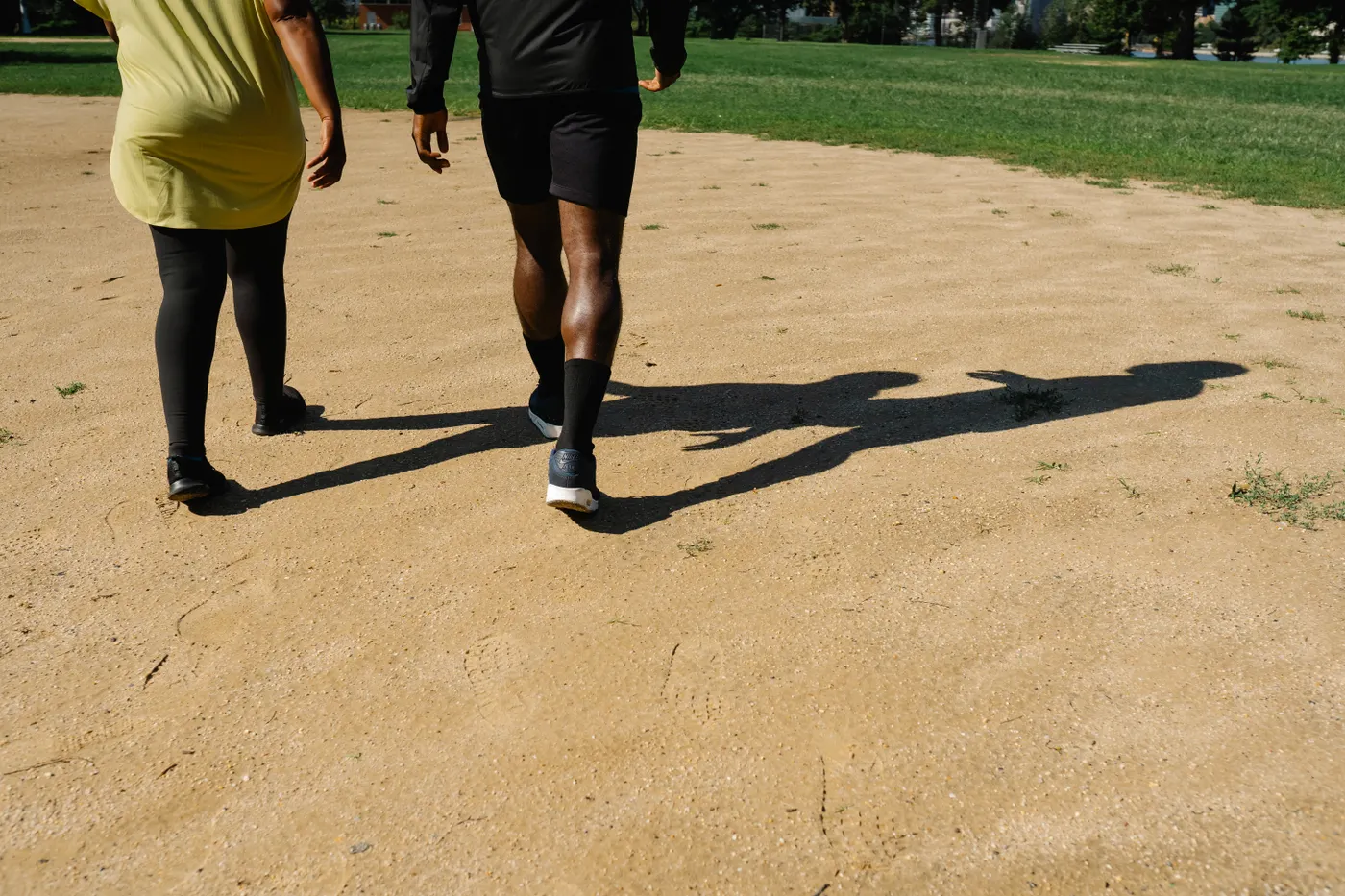
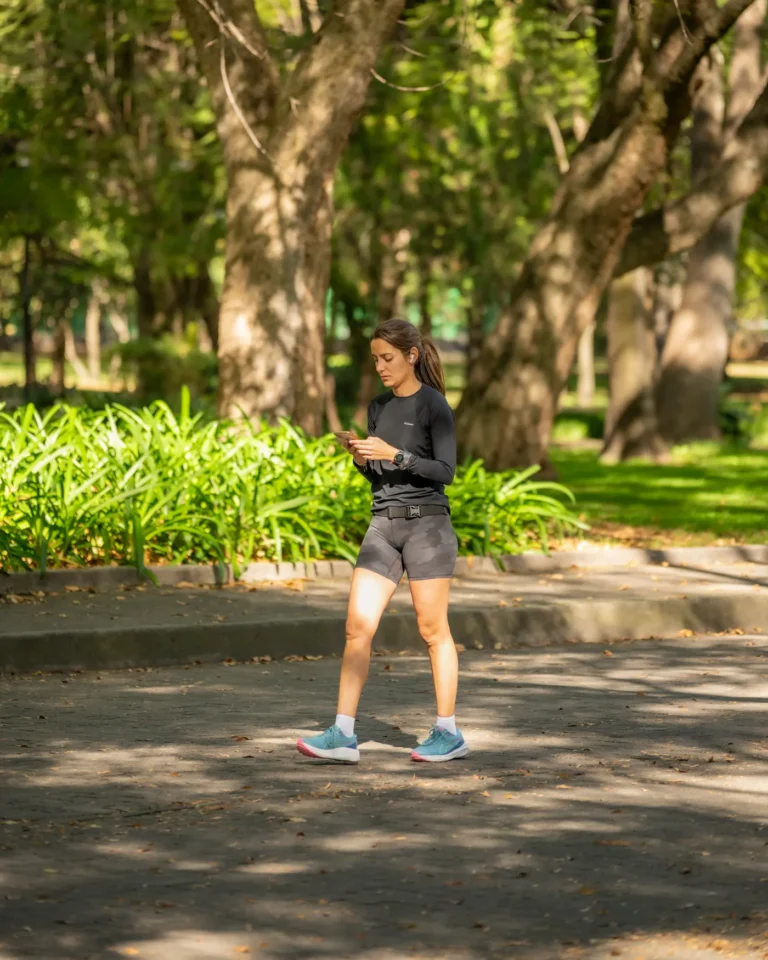
Start with one meal that is regularly followed by a long sitting period. After finishing, try a relaxed 10-minute walk at a pace that still allows conversation. If that feels comfortable, gradually extend to 15–20 minutes or add a similar walk after another meal. These durations are practical starting points, not a medically proven minimum dose or a guarantee of a specific glucose reduction.
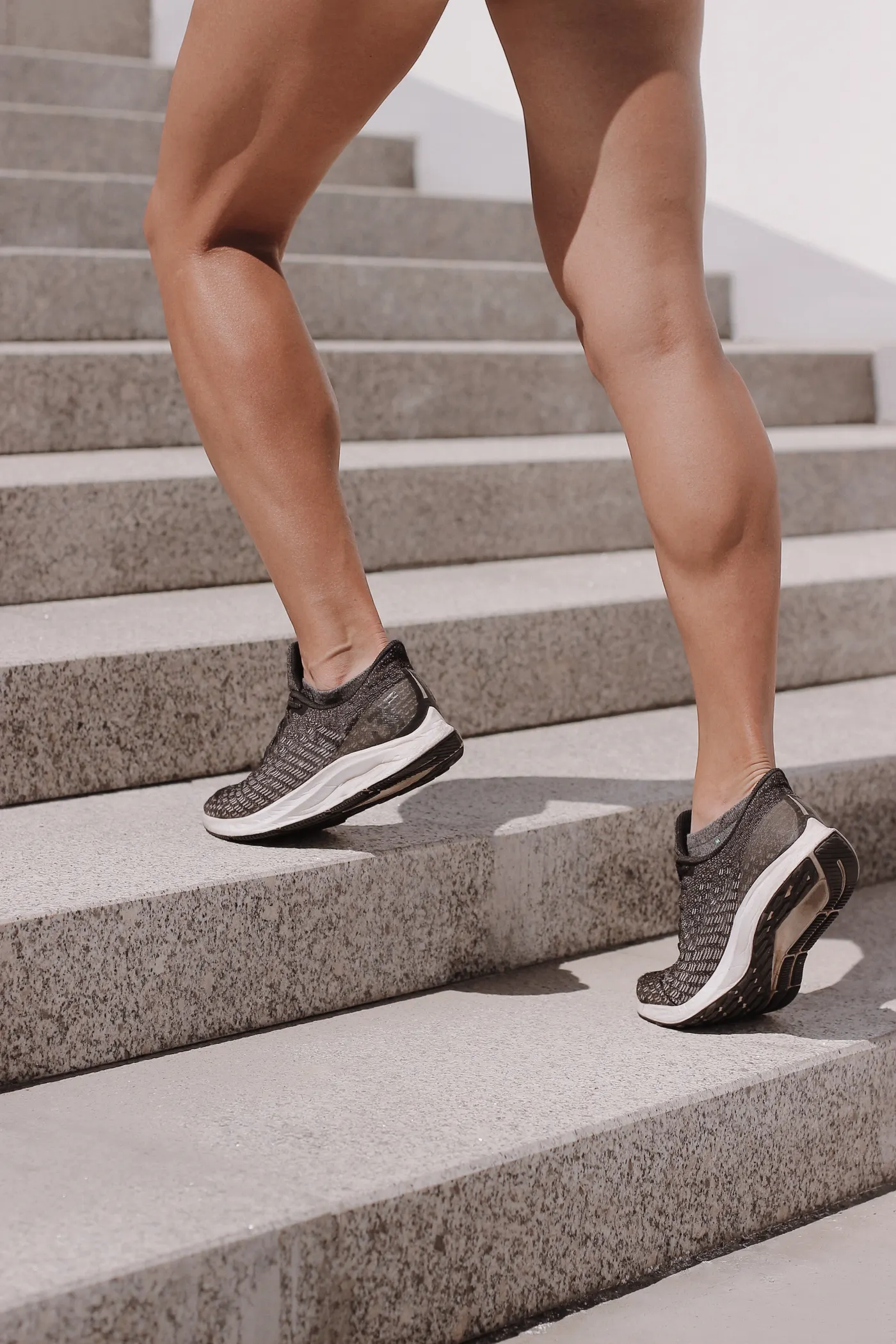
Weather, work and mobility can make outdoor walking impractical. A few minutes of indoor marching, easy stationary cycling, gentle step-ups or light household tasks can also interrupt prolonged sitting. The goal is repeatable movement, not exhausting yourself while digestion is underway. After a very large meal, high-intensity intervals may feel unpleasant; choose comfortable effort instead.
Consider a simple example. Lunch ends at 1:00 p.m., followed by eight hours at a desk. You could walk for 10 minutes shortly after eating, stand and move briefly between meetings, and take a longer walk after dinner. This is an example of building activity into the day, not a strict schedule. A five-minute walk you actually do most days is more useful than an idealized 30-minute session that never happens.
For people with diabetes, glucose responses can vary with medication, meal composition and activity intensity. If you use insulin or medicines that can cause low blood sugar, ask your care team about monitoring and precautions before changing activity around meals. Do not treat a walking routine as a substitute for medication or individualized advice.
Why resistance training belongs in a blood-sugar plan

Strength work is often left out of conversations about metabolic health because walking and cycling are easier to picture as ‘burning sugar.’ Yet resistance training recruits large muscle groups, supports muscle mass and improves physical function. For adults with type 2 diabetes, established activity guidance commonly includes two or three resistance sessions on nonconsecutive days alongside aerobic exercise.
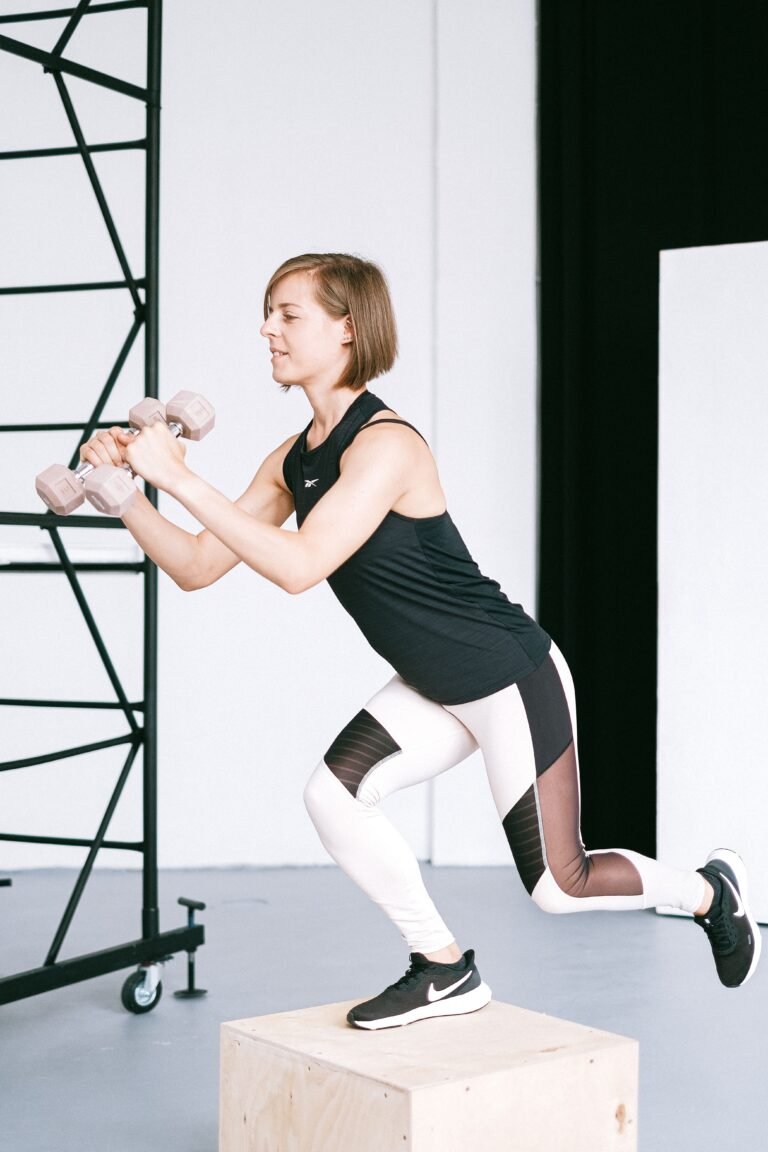
A practical full-body session could include a squat or sit-to-stand, a hip hinge, a horizontal or vertical push, a row or pulldown, and a loaded carry or simple trunk exercise. Start with one or two controlled sets per movement at a manageable effort. As technique and tolerance improve, add repetitions or resistance gradually. The aim is steady strength development, not chasing exhaustion or a dramatic glucose reading after every set.
Someone already lifting three times a week does not need to abandon that routine to add metabolic benefits. Keep progressive training, then use short walks or easy cycling on nonlifting days and after meals when convenient. A beginner may find that two shorter full-body sessions are easier to recover from than a complicated split. Both approaches can be useful when done consistently.
Exercise is only one influence on glucose regulation. Sleep, food intake, body composition, medication and underlying health conditions all matter. Do not assume a bigger squat automatically means a normal HbA1c, and do not interpret a single continuous-monitor reading as a verdict on whether a workout was effective.
Functional Fitness Shirts & Workout Gear
Functional-fitness shirts, tanks and workout gear for athletes who train strength, conditioning and everything in between.

Gym Is My Happy Place Happy Kettlebell Emoji Graphic Wh T-Shirt
Make gym days more fun with “Gym Is My Happy Place” style.

Gym Equation Kettlebell Makes Me Happy Workout Decal Sticker
A fun “Gym Equation” touch for bottles, laptops, and lockers.

Cheeseburger Kettlebell – Burger Swings Meme Hooded Pul Hoodie
Bring “Cheeseburger Kettlebell” gym humor to lazy days and post-workout plans.

Watermelon Kettlebell – Fruit Themed Jumper Pullover T-Shirt
Keep things casual with a little “Watermelon Kettlebell” attitude.

Strawberry Kettlebell – Viral Kettlebell Meme Decal for Sticker
Stick a little “Strawberry Kettlebell” humor on your favorite gear.

Pineapple Kettlebell – Kettlebell Meme Hooded Pullover Hoodie
Make your off-duty look more fun with “Pineapple Kettlebell”.

Pancake Kettlebell – Breakfast Gains Meme Vest Muscle S Tank Top
Bring “Pancake Kettlebell” humor to your next lifting session.

Pink Macaroon Kettlebell – Girly Strength Meme Hooded P Hoodie
Bring “Pink Macaroon Kettlebell” gym humor to lazy days and post-workout plans.

Kettlebell Heart X-Ray – Valentine's Workout Jumper Pul T-Shirt
Keep things casual with a little “Kettlebell Heart X-Ray” attitude.

Earth Kettlebell Meme Shirt – Lifting The Earth T-Shirt
Show some lifting attitude with a playful “Earth Kettlebell” tee.
Build a week that fits your actual schedule
A useful starting target for many adults is at least 150 minutes of moderate-intensity aerobic activity per week, with strength training on two or more days. For people with type 2 diabetes, common recommendations spread aerobic activity across at least three days and avoid more than two consecutive inactive days. Your medical situation may require a different plan, but these targets show why regularity usually matters more than finding a perfect hour.
Here is one realistic example: lift on Monday and Thursday; walk for 20–30 minutes on Tuesday, Wednesday and Saturday; add shorter walks after meals on busy days; and keep Sunday flexible for rest or gentle movement. Another person might lift three mornings a week and take an evening walk most days. Neither schedule is automatically superior. The best one is the one you can follow without undermining sleep, work or family obligations.
If late-night intervals keep you wired and reduce sleep, move them earlier or use easier activity in the evening. If early training forces you to cut sleep short, consider lunchtime or after-work sessions. Avoid stacking demanding leg workouts and intense cycling sessions when fatigue is already high. Recovery is part of a sustainable program.
To evaluate whether your plan works, track attendance, walking minutes, progression on key lifts, energy and sleep over several weeks. People monitoring glucose for clinical reasons can discuss longer-term trends with their care team. A single workout, whether at sunrise or sunset, tells only a small part of the story.
Equipment Worth Exploring
Explore equipment, accessories and gear from our carefully selected range.


FID Bench MAX
Adjustable bench offering flat, incline, and decline positions + adjustable headrest.


GymPin Squat Wedges
Non-slip 15-degree squat wedges help elevate the heels for deeper quad-focused squats.
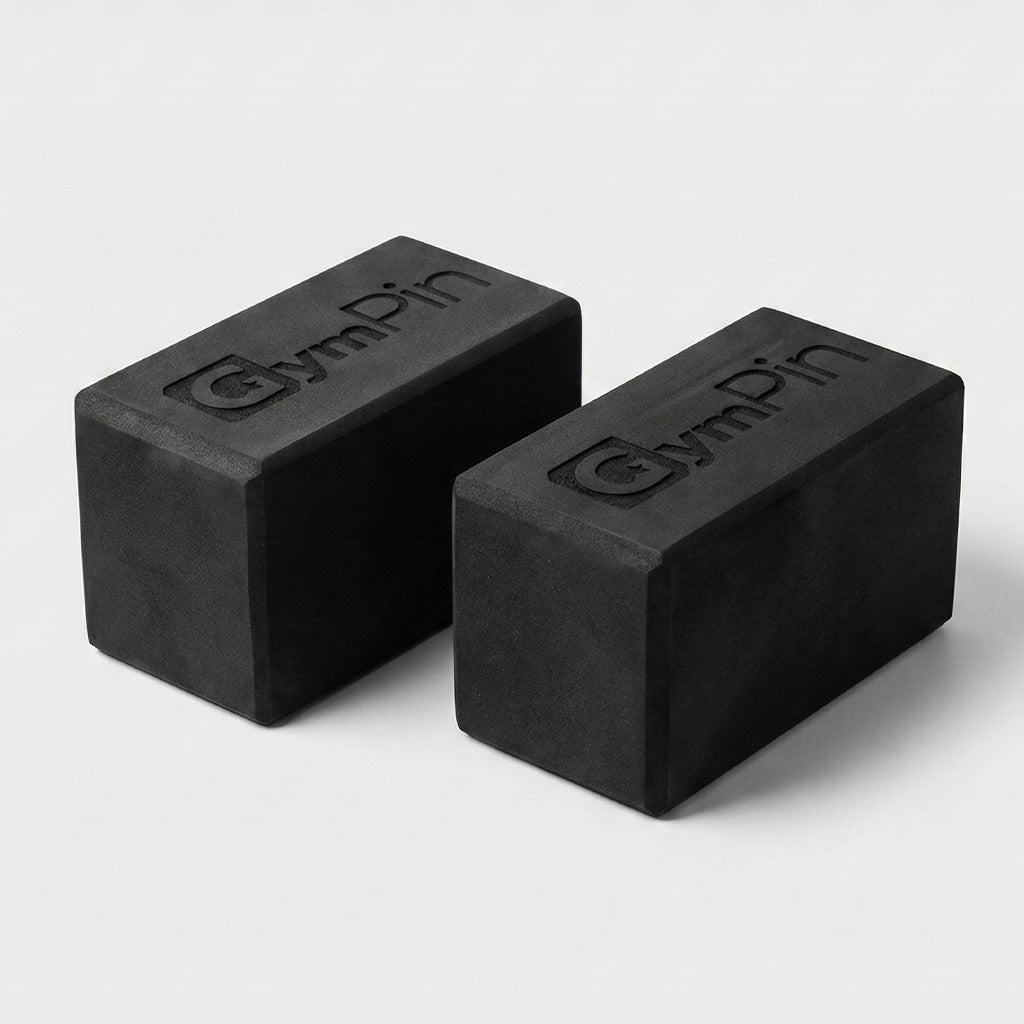
GymPin Starting Blocks
Portable high-density foam blocks for adjusting machine starting positions and range of motion.


Leather Lifting Straps
Padded leather straps support grip during heavy rows, deadlifts and pulling exercises.
Who needs extra glucose precautions—and the bottom line

Most healthy adults do not need a continuous glucose monitor to decide when to train. If you have diabetes, use insulin or a medication that can cause hypoglycemia, or have been advised to monitor glucose, activity timing may need more individual planning. The response to a brisk walk is not the same as the response to sprints or heavy sets, and exercise can affect glucose for hours afterward.
Follow your clinician’s guidance on checking glucose, carrying fast-acting carbohydrate when indicated and adjusting treatment only with appropriate advice. Stop activity and seek help if you develop concerning symptoms such as confusion, severe dizziness or weakness. People with complications affecting the feet, eyes, heart or nerves may need tailored exercise choices rather than a generic interval program.
Do not overread the research. A small crossover trial can show that afternoon HIIT produced a better short-term glucose pattern than morning HIIT in its participants. Reviews of post-meal movement can show an average benefit without proving the ideal time or dose for every person. Neither result means that training before breakfast is worthless, or that exercising at night is always superior.
For most people, the strongest approach is straightforward: keep a sustainable exercise schedule, combine aerobic activity with resistance training, break up long sitting periods and try comfortable movement after meals. If your primary goal is blood sugar management, prioritize consistency and individualized safety over chasing a supposedly magical time of day.