Does tracking bar speed actually build a bigger chest? A September 2026 bench-press experiment offers a useful reality check. It compared loads adjusted with velocity feedback against conventional percentage-based loading. Both approaches improved chest size and strength, but the extra measurement did not deliver a clear growth advantage. That does not make bar-speed data worthless: it means measuring a training variable and improving a training stimulus are not the same thing.
1. What the 10-week bench-press trial tested
Nineteen resistance-trained young men took part in a ten-week comparison of two ways to prescribe bench-press loads. One group used a load-velocity relationship to guide adjustments at each session. The other used conventional percentages of maximum lifting capacity. The researchers assessed pectoralis major cross-sectional area at several regions, bench-press one-repetition maximum, maximal voluntary isometric contraction and muscle electrical activity.
The important design detail is that the groups were not performing entirely different exercises. The question was whether a more responsive way of prescribing intensity would produce better adaptations than an established loading method. Both groups completed a similar number of repetitions, making the comparison meaningful for lifters who already track sets, reps and weights.
The sample was small and specific. Nineteen people cannot represent every training population, and ten weeks is not a lifetime of progression. These results cannot establish the best method for older adults, women, beginners, rehabilitation patients or competitive strength athletes. They also do not test every possible use of velocity feedback. The experiment is most useful as a direct comparison of two practical bench-press loading strategies in trained young men.
2. The results: similar chest growth and bench strength
Both groups increased chest-muscle cross-sectional area in the measured distal, medial and proximal regions. Bench-press one-repetition maximum also improved. The investigators reported broadly comparable gains between loading methods, with an approximately fifteen-percent improvement from pre- to post-training in the reported strength outcome. The velocity-based approach did not show a statistically detectable additional advantage in muscle growth or maximal strength.
Maximal voluntary isometric contraction and measured muscle electrical activity remained broadly unchanged. Interestingly, the velocity-based group accumulated less eccentric time under tension despite a similar total number of repetitions. A shorter lowering phase therefore did not automatically translate into worse growth in this experiment, but that observation should not be stretched into a claim that faster negatives always work better.
There is an important distinction between not detecting superiority and proving two methods identical. A small study may miss modest effects. It cannot exclude every possible advantage under different conditions. Nevertheless, the result demonstrates that an ordinary percentage-based bench program can deliver meaningful chest and strength gains without expensive real-time monitoring.
For someone considering a velocity sensor, the most useful question becomes whether the device solves a real problem in their training. If the goal is simply more muscle, a better program and consistent effort may matter more than adding another number to the workout log.

Equipment Worth Exploring
Explore equipment, accessories and gear from our carefully selected range.


FID Bench MAX
Adjustable bench offering flat, incline, and decline positions + adjustable headrest.


3. How velocity-based training differs from fixed percentages
Velocity-based training measures how fast the bar moves during a repetition. A coach may use those readings to estimate how challenging a load is on a given day, adjust resistance, or end a set after speed declines beyond a chosen threshold. The approach can be valuable when daily readiness varies or when an athlete needs to protect explosive output.
Percentage-based programming starts with a known or estimated one-repetition maximum. A workout might prescribe three sets of eight at a planned weight, then increase resistance after a repetition goal is met. It is simpler and does not require specialized hardware. It can also be autoregulated: a lifter can reduce the planned load when warm-ups feel unusually heavy or stop a set with two repetitions still in reserve.
Neither method determines training quality on its own. A velocity-based program can be high-volume or low-volume, close to failure or far from it. A percentage-based program can be rigid or responsive. Hypertrophy depends on the overall combination of mechanical challenge, effort, exercise selection, range of motion, weekly work, progression and recovery.
Consider two lifters benching eighty kilograms. One arrives well rested and moves it smoothly; the other is exhausted from a demanding week. A bar-speed reading may identify that difference earlier and more objectively. But the second lifter can also notice slower warm-ups, adjust the load and complete useful sets without a sensor. The technology supplies information; it does not replace judgment.

Powerlifting Shirts & Lifting Gear
Powerlifting shirts and gym gear for squat, bench and deadlift lifters who live for heavy numbers.

for Chest Day | I Love Bench Press Muscle Shirt with Pi Tank Top
Add some lifting attitude to training with “for Chest Day”.


Three Plates Bench Club – Chest Day & Gains T-Shirt
Make gym days more fun with “Three Plates Bench Club” style.

Gym Sir Swole of Benchalot Medieval Knight Chest Day Cr T-Shirt
Show some gym-day personality with “Sir Swole of Benchalot Medieval Knight”.

My Bench Press Is Stuck Horror Movie Meme Scary Vest Tank Top
Bring “My Bench Press Is Stuck” humor to your next lifting session.

I Want You To Bench Press Uncle Sam – 4th of July Patri Sticker
Stick a little “I Want You To Bench Press Uncle Sam” humor on your favorite gear.


Who'S Next To Use This Bench Rock Music Meme & T-Shirt
Rep “Who's Next To Use This Bench” humor in and out of the gym.

Barbell Heartbeat Muscle Shirt Athletic Vest for Powerl Tank Top
Train hard, laugh a little, and rep “Barbell Heartbeat”.

Lift Heavy – Hardcore Heavy Metal Gym Muscle Shirt for Tank Top
Bring “Lift Heavy Tank” humor to your next lifting session.
4. Why other studies can appear to tell a different story
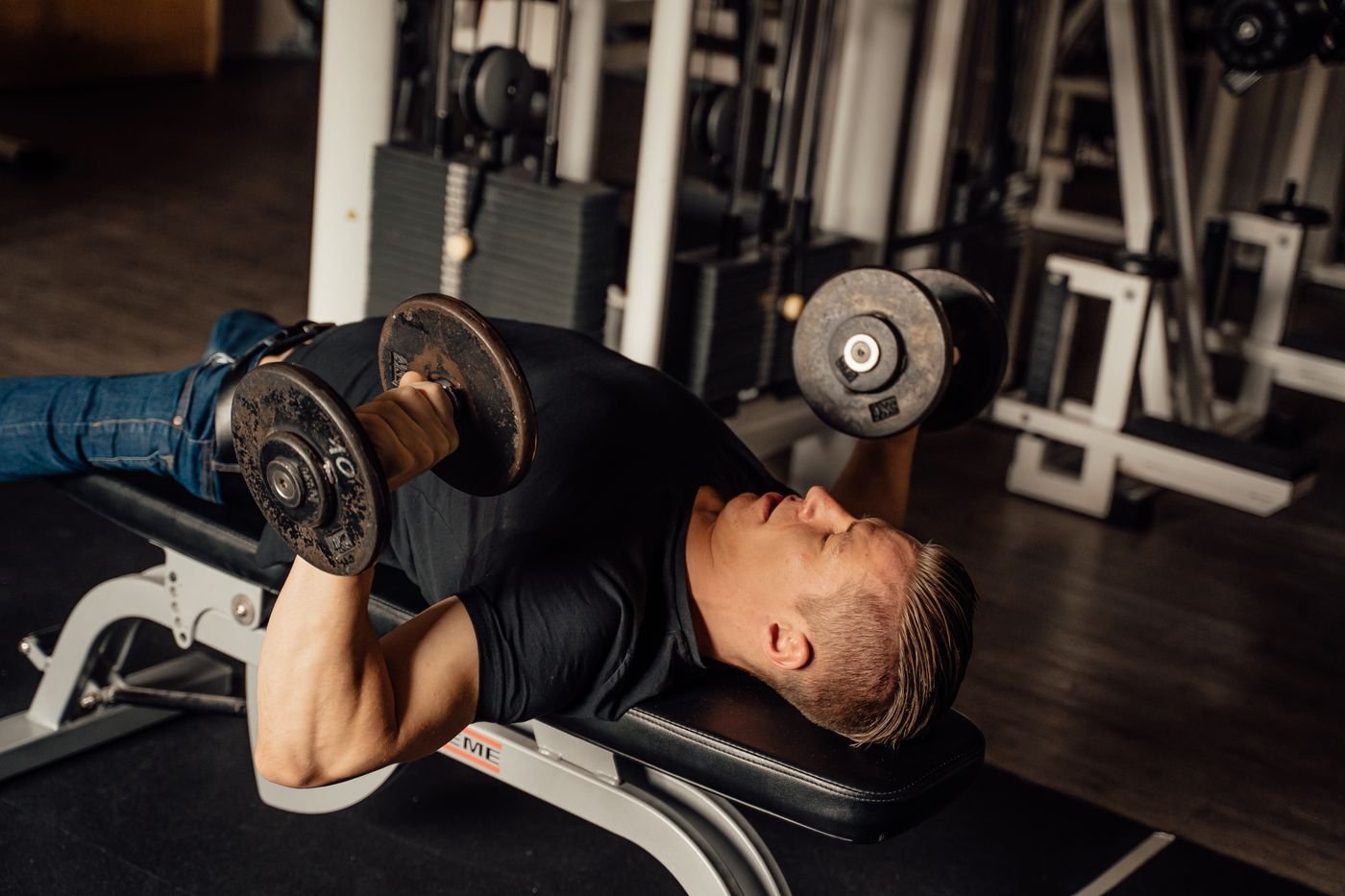
A separate 2026 experiment compared velocity-oriented bench pressing with a deliberately timed repetition style in fourteen healthy men. During a set performed to failure, the faster concentric approach allowed more repetitions and a greater volume load without reducing total time under tension. That was an acute exercise comparison, not a months-long test of muscle growth. More work in one session does not automatically establish better hypertrophy.
Another 2026 investigation examined the interaction of bench-press intensity and the percentage of speed loss permitted during sets. Higher relative intensities were associated with strong adaptations. Greater allowed velocity loss favored muscle-size and repetition-endurance gains in that design, whereas a more moderate threshold was associated with better maximal-strength gains. This shows that how velocity data guide training matters more than whether a sensor is present.
A 2026 synthesis of seventeen studies with 348 trained participants reported small advantages for velocity-based approaches in jump and change-of-direction outcomes. Those athletic-performance results should not be mistaken for proof of extra chest hypertrophy. A broader review of advanced resistance-training systems likewise did not establish consistent muscle-growth superiority over traditional multiple-set programs when key variables were comparable.
The findings can coexist. Velocity feedback may be useful for explosive sport performance and fatigue management; faster repetitions may change the amount of work completed in a single session; and yet a longer hypertrophy program may produce similar muscle growth when meaningful work and effort are comparable. Distinguish the question being tested before turning any result into a universal training rule.
5. The fundamentals that matter more for chest growth
If building the chest is the priority, begin with a repeatable pressing plan. Choose movements you can perform through a controlled range of motion, train consistently, and increase the challenge gradually. Track the load, repetitions, hard sets and approximate effort. Those basic records reveal whether your training is progressing more reliably than a single impressive velocity reading.
Contemporary evidence-informed guidance emphasizes sufficient weekly volume and consistency. Around ten challenging sets per muscle group per week is a useful reference point for hypertrophy, not a mandatory starting dose or guarantee. A beginner may grow with considerably less. An experienced lifter may need to distribute more work, monitor recovery and account for overlap from shoulder and triceps training.
A simple double-progression approach works without technology. Suppose your bench prescription is three sets of six to ten. Keep the weight steady until you can reliably perform the top end of the range with good form and appropriate effort. Then add a small amount of resistance and build the repetitions again. Progress need not be linear every week; stable technique and a gradual upward trend matter.
Press with intent while keeping the bar under control. Maximum intended speed is not permission to bounce off the chest, shorten the range or lose shoulder position. If performance falls across multiple sessions, consider sleep, nutrition, total training stress and exercise volume before assuming you need a more sophisticated monitoring device.
Equipment Worth Exploring
Explore equipment, accessories and gear from our carefully selected range.
VOLTRA
Compact digital cable trainer with smooth, adjustable resistance.

Go-Tone Pro
Portable digital cable trainer with up to 66 lb (30 kg) of adjustable resistance.

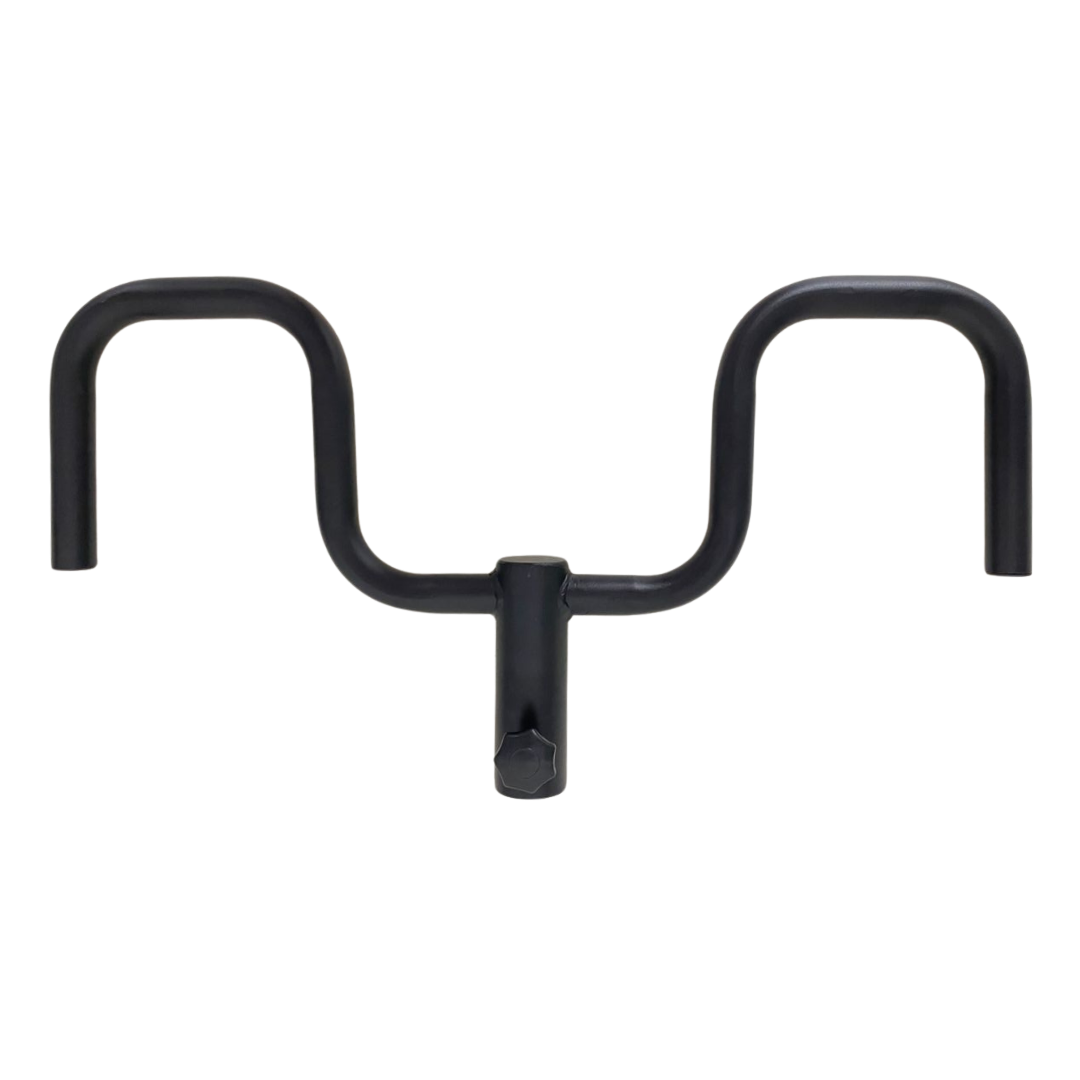


GymPin D Handle Bar
Multi-use steel D-handle bar for cable rows, pulldowns and other cable exercises.
6. A practical two-day bench and chest program
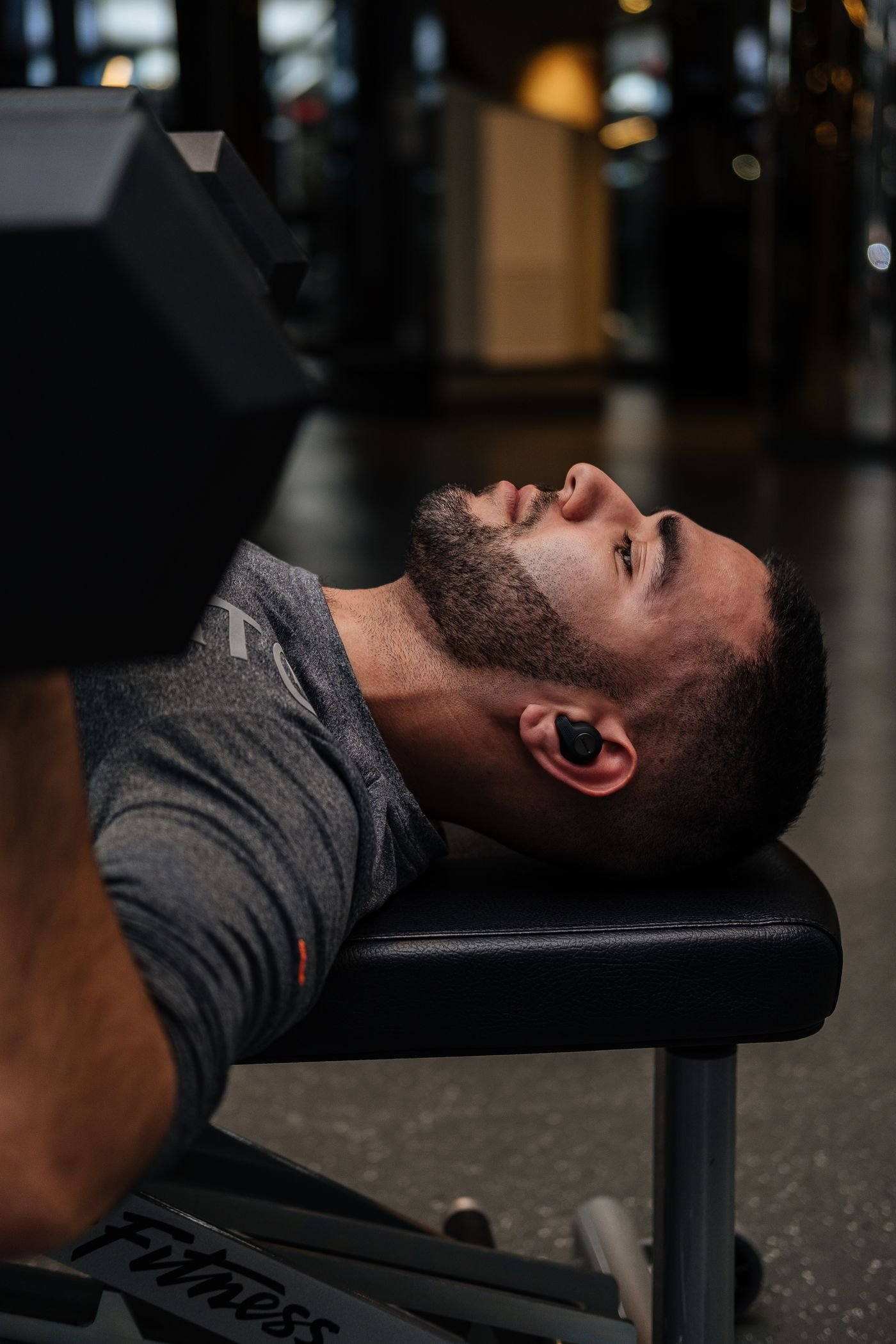
Two spaced pressing sessions can provide a manageable amount of quality chest work. The example below is for a generally healthy lifter already comfortable with pressing. It is a template, not a medical or individualized strength prescription. Leave at least a day between sessions and reduce accessory work if your overall training week already includes substantial pressing.
Day A: bench strength emphasis
- Barbell bench press: three sets of five to eight, resting two to three minutes.
- Incline dumbbell press: two sets of eight to twelve.
- Machine or cable chest press: two sets of ten to fifteen.
- Optional upper-back pulling: two or three controlled sets.
Day B: chest volume and technique
- Bench press or a stable chest-press variation: three sets of eight to ten.
- Dumbbell or cable fly: two sets of ten to fifteen within a comfortable range.
- Push-up variation: one or two controlled sets.
- Optional rowing: two or three sets scaled to your full training week.
Begin most hard sets with roughly two repetitions in reserve. Newer lifters should start with fewer accessory sets and build gradually. Log the actual load and repetitions for four weeks. Increase weight when you can repeat your target performance without sacrificing range or control. If soreness, joint irritation or performance decline persists, adjust the plan instead of forcing more volume.
If you own a reliable velocity device, use it to spot unusually slow warm-ups or to maintain explosive intent. Do not copy a universal bar-speed cutoff from this trial: appropriate thresholds depend on the exercise, sensor and objective. Without one, consistent warm-ups and effort estimates provide a workable basis for decisions.
Bodybuilding Shirts & Workout Gear
Bodybuilding shirts, tanks and gym gear for lifters chasing muscle, size, symmetry and the pump.

First Progressive Overload President Theodore Roosevelt Tank Top
Your gym-day look, with a playful “First Progressive Overload President” twist.

Hypertrophy Stoic Sigma Greek God Marble Sculpture T-Shirt
Bring “Hypertrophy Stoic Sigma Greek God Marble” humor to your next gym day.

Gym Dost Thou Even Fly Medieval Knight Chest Workout Cr T-Shirt
Show some gym-day personality with “Dost Thou Even Fly Medieval Knight Chest”.

The Chestfather Arnold – Big Chest , Meme Shirt, T-Shirt
Bring “The Chestfather Arnold” humor to your next gym day.


Muscle Mountain – Gymbro , & Gains Meme Top T-Shirt
Rep “Muscle Mountain” humor in and out of the gym.

Gains O'Clock | Muscle Shirt & Gym Bros | Workout Vest Tank Top
Show some personality between sets with “Gains O'Clock”.

No Reps No Glory Viking Gym – Funny Norse Workout Vest Tank Top
Bring “No Reps No Glory Viking” humor to your next lifting session.

Gains Or Go Extinct Gym | Funny Dinosaur T-Rex Muscle S Tank Top
Add some lifting attitude to training with “Gains Or Go Extinct”.

Gainsonomics Shirt: Bro Science Muscle Graph T-Shirt
Rep “Gainsonomics” humor in and out of the gym.
7. When bar-speed tracking is worth using
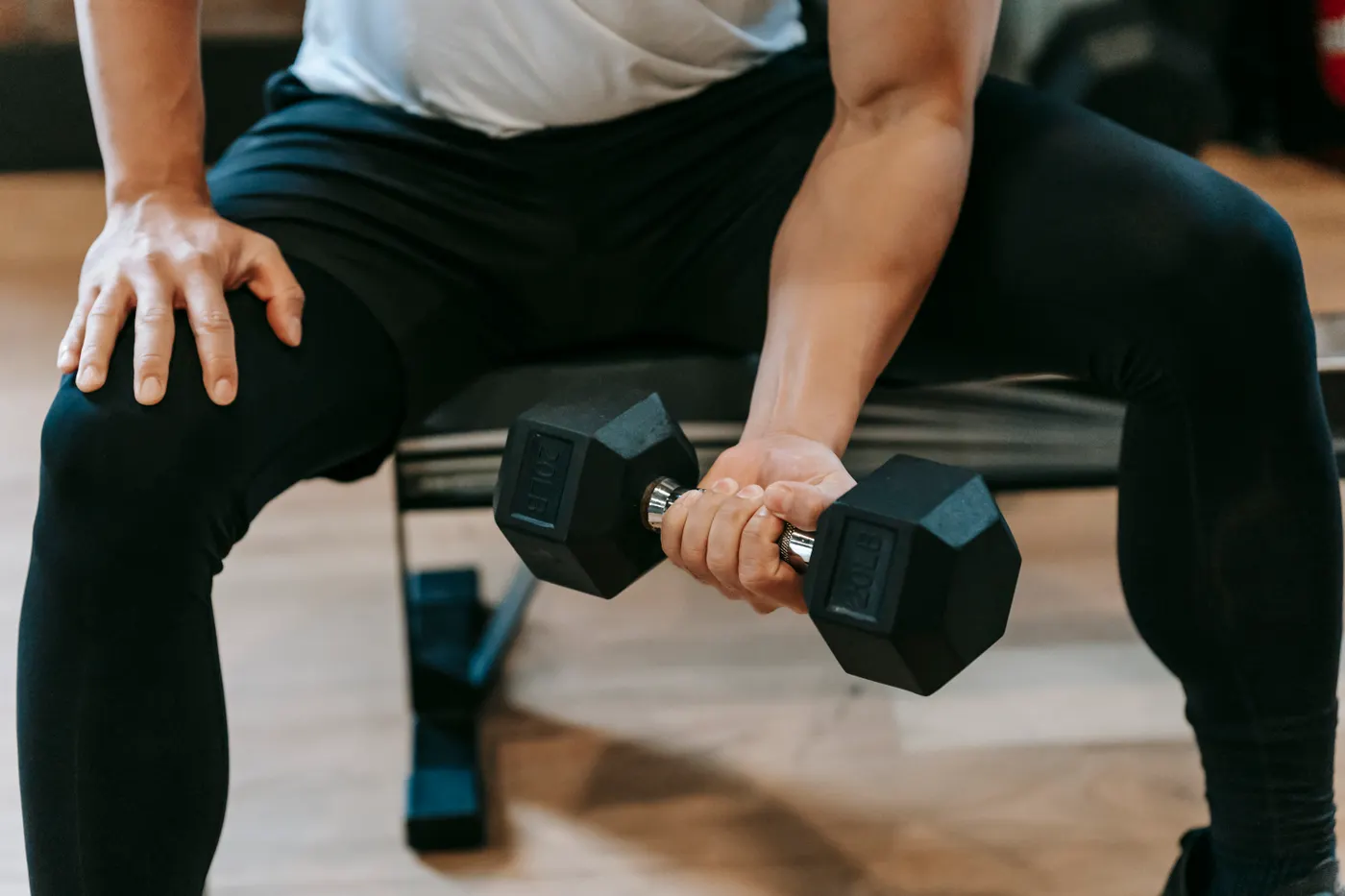
Velocity tracking makes sense when it addresses a defined coaching problem. A strength coach managing several athletes may value consistent feedback. An explosive-sport athlete may need to limit fatigue within sets. A lifter whose readiness varies considerably may appreciate an additional objective signal for daily load adjustment. These benefits can be valuable even without a proven extra hypertrophy effect.
For a recreational lifter mainly chasing chest size, the priority list is different. A stable bench, appropriate weights, a training log, sufficient recovery and a sustainable progression rule cover the essentials. Buying a sensor will not automatically fix inconsistent technique, inadequate weekly training or a program that changes every few days.
The ten-week trial also leaves open questions. Would a larger sample detect a small difference? Would results change over six months, with different experience levels, or under higher fatigue? Could specific velocity-loss prescriptions offer advantages when effort and volume are carefully matched? These possibilities deserve further testing, not confident marketing claims.
Bottom line: both velocity-based and percentage-based bench-press programs can build strength and chest muscle. This 2026 comparison did not show that velocity-informed loading produced superior hypertrophy under the tested conditions. Use speed data if it improves training decisions; do not mistake a more advanced measurement for a guaranteed better stimulus. Controlled effort, progressive challenge, adequate work and recovery remain the foundation.