A diet can look convincing on a before-and-after photo and still be a poor fit for your training, budget or everyday life. The useful question is not which eating style has the most dramatic name. It is whether the plan helps you manage energy intake, eat nutritious food, preserve muscle and keep going when work, travel or social occasions interrupt your routine.
Low-carbohydrate, low-fat, time-restricted and traditional portion-controlled plans can all work for some people. None automatically solves the practical problems of hunger, food cost, meal preparation and consistency. A recent evaluation framework asks people to examine the evidence, nutritional quality, exercise, affordability and adherence before committing. Here is a lifter-friendly way to turn those ideas into decisions you can actually test.
Start with a realistic energy deficit, not a diet label

Body-weight reduction generally requires energy intake to remain below energy expenditure over time. A particular diet may make that easier by changing food choices, portions or eating opportunities, but the name itself is not a mechanism. Cutting snacks, replacing calorie-dense drinks, building meals around filling foods or setting a consistent meal schedule can all reduce intake without a complicated rulebook.
Look at what the plan asks you to do on an ordinary Tuesday. Does it replace three familiar meals with expensive shakes? Does it remove an entire food group without a medical reason? Does it leave you so hungry that you are likely to compensate at night? A useful deficit is one you can sustain while still training, sleeping and functioning normally. Extremely low-energy diets are specialist interventions, not a casual shortcut for healthy recreational lifters.
Scale changes are also noisy. Salt, carbohydrate intake, menstrual-cycle changes, travel and hard training can shift body water over several days. Judge the direction of several weeks of measurements alongside waist, strength and how you feel rather than reacting to one morning. A sudden drop in the first week of a restrictive diet may reflect water and glycogen as well as body fat.
Instead of promising a fixed rate for everybody, choose a modest change you can monitor. If your weekly trend, performance and hunger suggest the plan is too aggressive, adjust it. If nothing changes after a meaningful trial, check portion sizes, drinks, snacks and activity before declaring that your metabolism has stopped working.
Check nutritional quality before debating carbs versus fat

A successful calorie deficit is not the same thing as a nutritious diet. You still need adequate protein, essential fats, vitamins, minerals and fiber. A plan dominated by highly processed replacement products might lower the scale while leaving ordinary meals difficult to manage. A diet that includes foods you enjoy and enough fruit, vegetables, legumes, whole grains and varied protein sources is usually easier to live with.
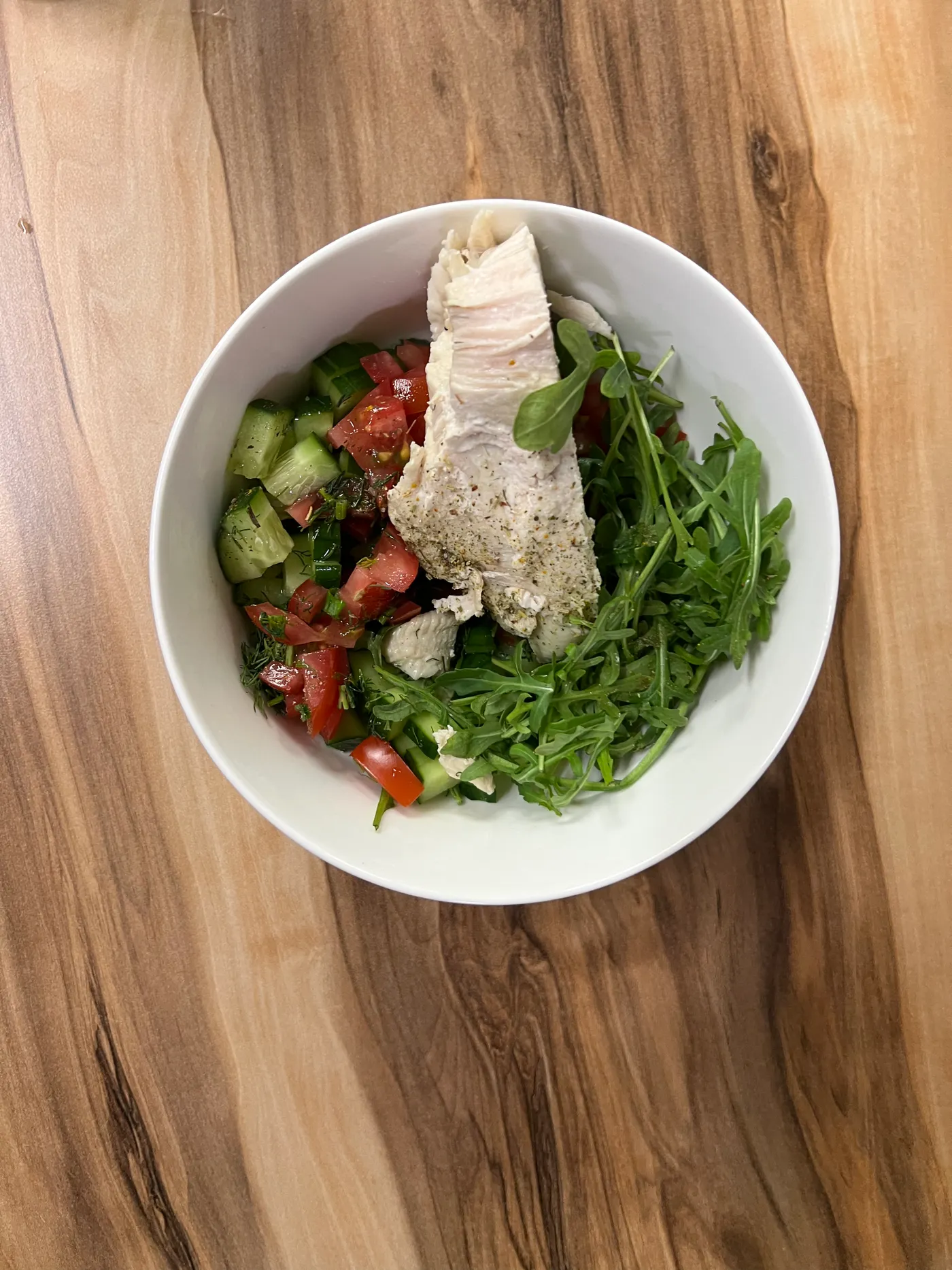
There is no requirement to eat the same breakfast every day or ban bread to improve food quality. A bowl of oats with yogurt and berries, a bean-and-vegetable lunch or a dinner with fish, rice and vegetables can all fit different energy targets. The portions and total pattern matter more than whether a food has been labeled clean, forbidden or fat-burning.
Compare two hypothetical plans. Plan A provides a long list of permitted foods but no guidance for getting enough protein or fiber. Plan B gives you a flexible meal template: a protein source, a generous portion of vegetables or fruit, a carbohydrate serving matched to your activity and some dietary fat. Even if both create the same initial deficit, Plan B is more likely to teach useful skills you can keep after the diet ends.
Be wary of claims that a single supplement, detox or secret ingredient makes nutrient quality irrelevant. Supplements can have legitimate uses, but they do not replace a balanced food pattern. If you have allergies, dietary restrictions or a health condition that affects food choices, adapt the plan to those realities rather than forcing yourself into a generic template.

Bodybuilding Shirts & Workout Gear
Bodybuilding shirts, tanks and gym gear for lifters chasing muscle, size, symmetry and the pump.

Rice Chicken Broccoli Diet Hooded Meal Prep Hoodie
Keep it laid-back with a little “Rice Chicken Broccoli” attitude.

Protein Gym Cosmic Muscle Shirt , Macros Workout Top Tank Top
Bring “Protein” humor to your next lifting session.

Donut Dumbbell Donuts Barbell Bulk T-Shirt
Bring “Donut Dumbbell Donuts Barbell” humor to your everyday gym style.

Work Hard Eat Hard Donut Tee
Heavy lifts, good laughs, and a little “Work Hard Eat Hard Donut Dumbbell Donuts” energy.

Pizza Weight Plate Tee
Show some pizza-loving attitude with a playful “Pizza Weight Plate” tee.

Donut Weight Plate 45LB Plate Donuts & Weights Crewneck T-Shirt
For laid-back days and donut-loving humor: “Donut Weight Plate”.

Free Protein Gym | Sarcastic Workout Decal for Water Bo Sticker
Bring “Free Protein” attitude to your water bottle or laptop.

Dreams of Calorification Sweatshirt
Keep things casual with a little “Dreams of Calorification” attitude.

Eat Your Chicken – Chicken Bro Protein Meme Hooded Pull Hoodie
Make your off-duty look more fun with “Eat Your Chicken”.

Chocolate Chip Cookie Weight Plate 45LB Plate Cookies & T-Shirt
Show some powerlifting attitude with a playful “Chocolate Chip Cookie Weight Plate” tee.
Protect your muscle with enough protein and resistance training

For people who lift, the scale is only part of the outcome. Losing body mass while retaining strength and lean tissue is different from losing weight at any cost. A sustained energy deficit can reduce both fat and fat-free mass, especially when protein is insufficient and resistance training disappears. Keeping a progressive lifting routine gives the body a reason to retain the muscle it already uses.
Protein targets depend on body size, training status, energy deficit and medical circumstances. A 2026 synthesis of weight-reduction evidence describes roughly 1.2–1.6 grams per kilogram of body weight per day as a useful range for many generally active adults, while approximately 1.6–2.2 grams per kilogram can support muscle-focused training. Those are context-dependent ranges, not mandatory prescriptions; people with certain kidney or other medical conditions may need individualized advice.
Spread protein across meals in a way that is convenient. For example, breakfast could contain yogurt or eggs, lunch could include beans, tofu, fish or poultry, and dinner another substantial protein source. You do not need to chase an exact minute after exercise or buy multiple powders if normal food covers your needs.
Two or three well-planned full-body strength sessions can be more sustainable than a punishing daily routine. Include a squat or knee-dominant movement, a hinge, a push, a pull and some trunk work. Track repetitions and loads. If your performance collapses week after week, examine recovery, food intake and programming before adding more exercise. The goal is to maintain a strong training signal while making gradual changes to body composition.

Equipment Worth Exploring
Explore equipment, accessories and gear from our carefully selected range.


VOLTRA
Compact digital cable trainer with smooth, adjustable resistance.

Go-Tone Pro
Portable digital cable trainer with up to 66 lb (30 kg) of adjustable resistance.

FID Bench MAX
Adjustable bench offering flat, incline, and decline positions + adjustable headrest.



GymPin D Cuffs
Adjustable wrist cuffs with textured grips for supported cable-machine exercises.
Compare popular diet formats by their real tradeoffs

Low-carbohydrate plans often simplify decisions by reducing foods that are easy to overeat. They are not automatically superior for fat loss when energy intake and adherence are comparable. Lifters who perform demanding sessions may prefer enough carbohydrate to support training quality, although individual tolerances differ. A ketogenic approach can be workable for some, but early body-weight changes may exaggerate fat loss because stored carbohydrate and water shift together.
Low-fat diets can leave room for carbohydrate-rich foods that fuel training. They still need enough essential fats and should not become an excuse to consume unlimited low-fat desserts. Time-restricted eating may help people who prefer fewer eating occasions, yet it does not consistently outperform continuous energy restriction when the overall deficit is similar. If a narrow eating window makes it difficult to fit protein and family meals, its simplicity may be misleading.
Plant-forward eating patterns can provide fiber and varied micronutrients, but they need deliberate protein planning, particularly for athletes. Commercial meal-replacement plans can reduce decision fatigue for a short period, though cost and the transition back to ordinary meals are major questions. None of these formats is universally best. A plan should fit your preferences, work schedule, culture, appetite and medical needs.
Ask the practical questions: What foods will I eat before and after training? What happens at a restaurant? Can I shop for this in my normal supermarket? Is there a reasonable fallback when I miss meal preparation? A diet that answers those questions honestly is more valuable than a dramatic headline promising effortless fat loss.
Budget, family meals and social life decide whether a plan lasts

Adherence is often discussed as willpower, but logistics matter just as much. A plan requiring expensive branded products, daily specialty ingredients or separate dinners from your household can become exhausting. Compare its weekly shopping bill with what you currently spend. Include the cost of delivery, subscriptions, coaching and foods that go unused because the menu is too rigid.
Social support can make routines easier without turning friends and family into food police. Agree on a few shared meals, keep adaptable ingredients available and avoid framing a restaurant visit as failure. A sustainable approach leaves room for celebrations and travel. One higher-calorie meal does not erase weeks of progress; the pattern you return to matters.
Think in systems rather than perfect days. Keep a simple protein-rich breakfast option, two repeatable lunches and a handful of dinners you enjoy. Stock convenient foods such as frozen vegetables, canned beans, fruit and yogurt. Prepare components instead of identical boxed meals if variety matters to you. The best system is the one you can operate when tired or busy, not just when motivation is high.
Watch how the plan affects your relationship with food. Persistent guilt, fear of ordinary meals, compulsive exercise to compensate for eating or increasing isolation are signs to reconsider the approach and seek appropriate support. Health improvements should not require treating every meal as a test of personal worth.
Funny Gym Shirts & Workout Gear
Funny gym shirts, tanks, hoodies and workout gear for lifters who like training hard.

Habit Stoic Sigma Greek God Marble Sculpture & T-Shirt
Bring “Habit Stoic Sigma Greek God Marble” humor to your next gym day.

Commitment To Gains Stoic Sigma Greek God Marble T-Shirt
Rep “Commitment to Gains Stoic Sigma Greek God” humor in and out of the gym.

No Excuses Mermaid Strong Motivational Hooded Hoodie
Bring “No Excuses Mermaid” gym humor to lazy days and post-workout plans.

Gym Rat Cheese Barbell | Funny Workout Decal & Bodybuil Sticker
Put “Gym Rat Cheese Barbell” gym humor on your laptop, bottle, or gym gear.

Shirt – Train Hard Gains – Meme , & Workouts T-Shirt
Bring “Train Hard Gains” humor to your next gym day.

Discipline Stoic Tee
Show some lifting attitude with a playful “Discipline Stoic Sigma Bodybuilder” tee.

Consistency King Tee
Make gym days more fun with “Consistency King Stoic Greek God Marble” style.

The Only Difference Between Good And Great Is One T-Shirt
Bring “The Only Difference Between Good And Great” humor to your next gym day.

Off-Season Rest Day Sweater & Bros Meme T-Shirt
For laid-back days and powerlifting humor: “Off-Season Rest Day”.

Progressive Overload Milo Tee
Bring “Progressive Overload Milo Bull” humor to your next gym day.
Run a seven-day trial before buying into a program
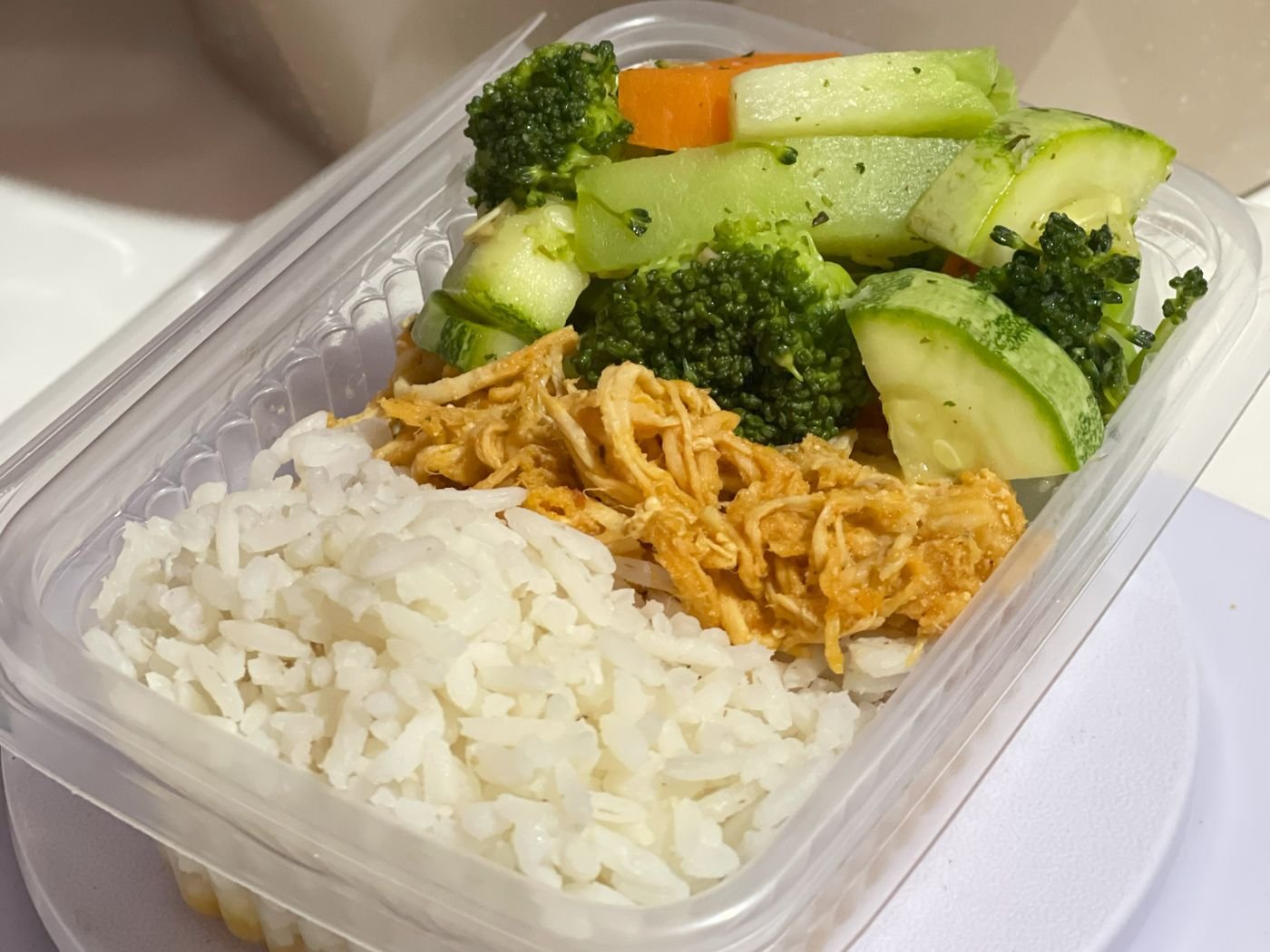
You do not need to commit to twelve months of a branded diet to learn whether its habits fit. Use one week as a feasibility test, not as proof of long-term fat loss. Choose a small set of actions: include protein at most meals, add produce to lunch and dinner, plan a manageable grocery list, and maintain your normal resistance-training schedule. Keep a short note on hunger, energy, time and expense.
For example, on Monday choose two breakfasts and two lunches that meet your needs. On Tuesday shop for ingredients you already know how to cook. On Wednesday train as planned and notice whether meals leave you prepared for the session. On Thursday eat socially without inventing a compensatory punishment. On Friday review whether you were consistently hungry or constantly thinking about food. Use the weekend to identify what needs simplifying.
Movement can support the plan, but exercise does not have to be used to earn food. Build toward regular aerobic activity that you enjoy and strength work for major muscle groups. For many adults, a common baseline is at least 150 minutes of moderate aerobic activity per week plus muscle-strengthening activity on two days. That is a general health target, not a required minimum for starting weight management.
At the end of the trial, ask whether the plan made your life easier or harder. Did grocery shopping take twice as long? Did you miss training because meals were poorly timed? Were you able to adjust when work changed? If the answer is mostly negative, revise the structure before paying for a subscription or adding more rules.
Equipment Worth Exploring
Explore equipment, accessories and gear from our carefully selected range.


Power Tower
Freestanding pull-up and dip station with adjustable handles for bodyweight training.


Leather Lifting Straps
Padded leather straps support grip during heavy rows, deadlifts and pulling exercises.

GymPin Squat Wedges
Non-slip 15-degree squat wedges help elevate the heels for deeper quad-focused squats.


Spot the red flags and choose a plan you can repeat

A credible diet should explain what changes, why those changes could help and who may need a different approach. Be skeptical of guarantees, universal calorie prescriptions, claims that hormones make energy balance irrelevant, or promises that a specific supplement removes the need for ordinary habits. Testimonials are not the same as controlled evidence, and a dramatic short-term result is not proof of lasting benefit.
Use a practical scorecard before committing. Energy: does the approach create a realistic deficit without extreme restriction? Food quality: can you eat enough protein, fiber and varied nutritious foods? Training: can you keep lifting and recover? Flexibility: can you adapt it to social occasions, travel and food preferences? Cost: can you afford it after the introductory offer ends? Evidence: are claims proportional to what was actually studied?
Also ask what happens after you reach a target. A program that teaches only temporary restriction offers little guidance for maintaining weight. Your energy needs may change as body mass changes, and the habits that supported the initial loss need to be adjusted rather than abandoned. A sustainable plan includes maintenance, regular activity and a way to respond calmly to normal fluctuations.
If you are pregnant, underweight, have a history of disordered eating, use medication affecting glucose or appetite, or have a condition requiring specialized nutrition, a generic weight-loss template may be inappropriate. Individual care takes priority over an online checklist. For everyone else, the strongest choice is usually the least theatrical one: nutritious food you like, an energy intake you can manage, lifting you can sustain and enough flexibility to keep living your life.