Two soccer players can cover similar distances in a match and finish in completely different physical states. One might have handled the work comfortably; the other might have spent much of the game near their limit. A fast sprint, a high heart-rate reading and a good fitness-test result are related, but they do not measure the same thing.
A new conceptual framework released in October 2026 makes this distinction central to interpreting soccer training. Its useful message is not that coaches need another expensive sensor. It is that every number needs a question attached: What did the player do? How did their body respond? What are they capable of sustaining? Keeping those questions separate helps players and coaches plan more intelligently.
1. Three different questions behind a training number
Consider a winger who completes six hard accelerations in a short-sided game. The accelerations are observable outputs. Their heart rate, breathing and perceived exertion describe an internal response. Their ability to repeat those accelerations late in a match reflects a wider set of fitness capacities, tactics and current fatigue.
It is tempting to collapse all three into one score. That shortcut loses context. An athlete who runs less than usual may have played a different tactical role rather than become less fit. A player with a higher heart rate may be coping with heat, poor sleep or a harder relative effort, even if the GPS distance is unchanged.
The 2026 framework is a conceptual synthesis, not a new randomized trial proving one monitoring method wins. It organizes established measures according to the decision being made. For a speed-development session, the question might be whether sprint quality stayed high. For aerobic conditioning, it might be whether the intended physiological effort was reached. For match preparation, it might be whether the player can repeatedly produce the running and acceleration demands their position requires.
Better interpretation starts before the workout: define the goal, choose one or two measures that answer it, and avoid treating a single data point as a verdict on fitness.
2. External load: what the player actually did
External load describes the work performed, not the difficulty experienced. Soccer examples include total running distance, high-speed running, sprint exposures, accelerations, decelerations, changes of direction and the amount of work completed in drills. GPS units can estimate some of these measures, while a stopwatch, cones and a simple repetition count can capture others.
Context matters more than a large number. A defender may accumulate fewer fast runs than a wide player because of the team’s shape. A short pressing drill may produce intense acceleration and braking despite modest total distance. A long technical session may add considerable movement volume without many near-maximal sprints. None of those sessions is automatically better or worse.
Distance is especially easy to misuse. Ten minutes of jogging and ten minutes of rapid changes of direction can cover comparable ground while demanding different mechanical and neuromuscular work. High-speed thresholds also vary with the player’s actual maximum speed. A fixed threshold can classify the same relative effort differently for two athletes.
For practical training, record the output that matches the objective. In a sprint session, note sprint distance, recovery and whether the last repetitions are still crisp. In an agility drill, record the number and quality of cuts and decelerations. In a longer conditioning session, duration and pace may be sufficient. External data becomes useful when compared with a meaningful reference: the athlete’s previous sessions, current role and the intended match demand.
One isolated GPS total is not a diagnosis of fatigue or readiness. It is a description of work that still needs interpretation.
3. Internal load: how hard that work felt
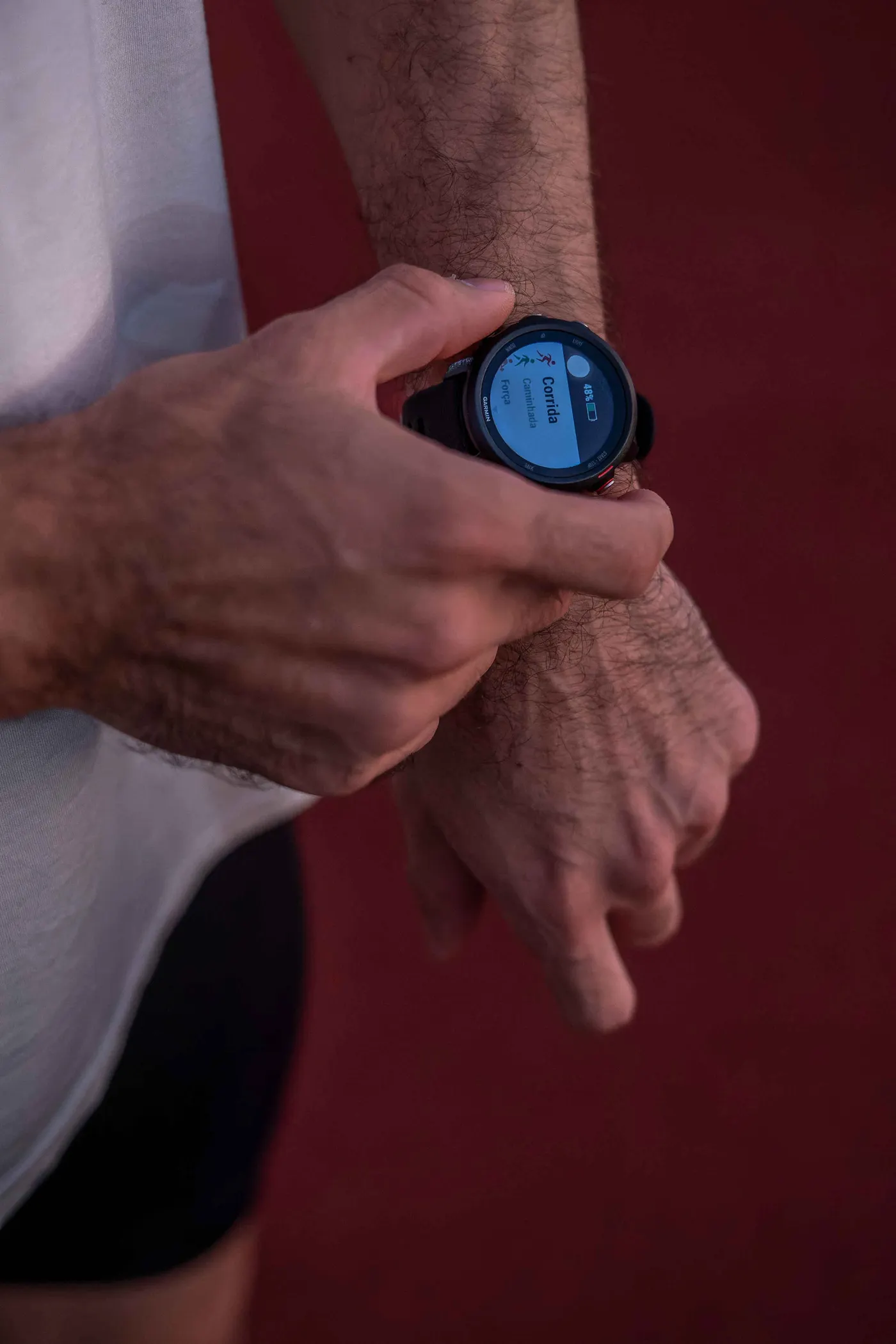
Internal load is the body’s response to a session. Heart rate, breathing, blood lactate in laboratory settings and rating of perceived exertion (RPE) offer different windows into that response. The same external drill can create a harder internal challenge on a hot day, after travel or when the athlete is under-recovered.
Heart-rate data can be useful during sustained aerobic intervals, but it responds with a delay during very short sprints. It is also influenced by temperature, hydration, illness, stimulants and individual physiology. A high reading does not automatically mean the session was productive, and a lower reading does not automatically mean the player worked less.
Session RPE is a practical low-cost alternative. Roughly 15–30 minutes after training, ask how demanding the entire session felt on a consistent 0–10 scale. Multiplying that score by session minutes creates a simple arbitrary-unit load: 60 minutes at RPE 6 gives 360 units. This is a tracking convention, not a laboratory measurement or an injury-risk threshold. Its value comes from consistency across weeks.
Use internal response to interpret the output. If a familiar 20-minute running session suddenly feels much harder at the same pace, look at sleep, stress, heat and recent workload before increasing intensity. If the same drill becomes easier over several weeks and technique remains sound, the athlete may be adapting—but one session cannot prove that on its own.
Neither GPS nor heart rate should overrule what the player reports. Combining a small amount of objective data with an honest effort rating often tells a clearer story than collecting dozens of metrics nobody uses.
4. Fitness capacity is not the same as today’s performance
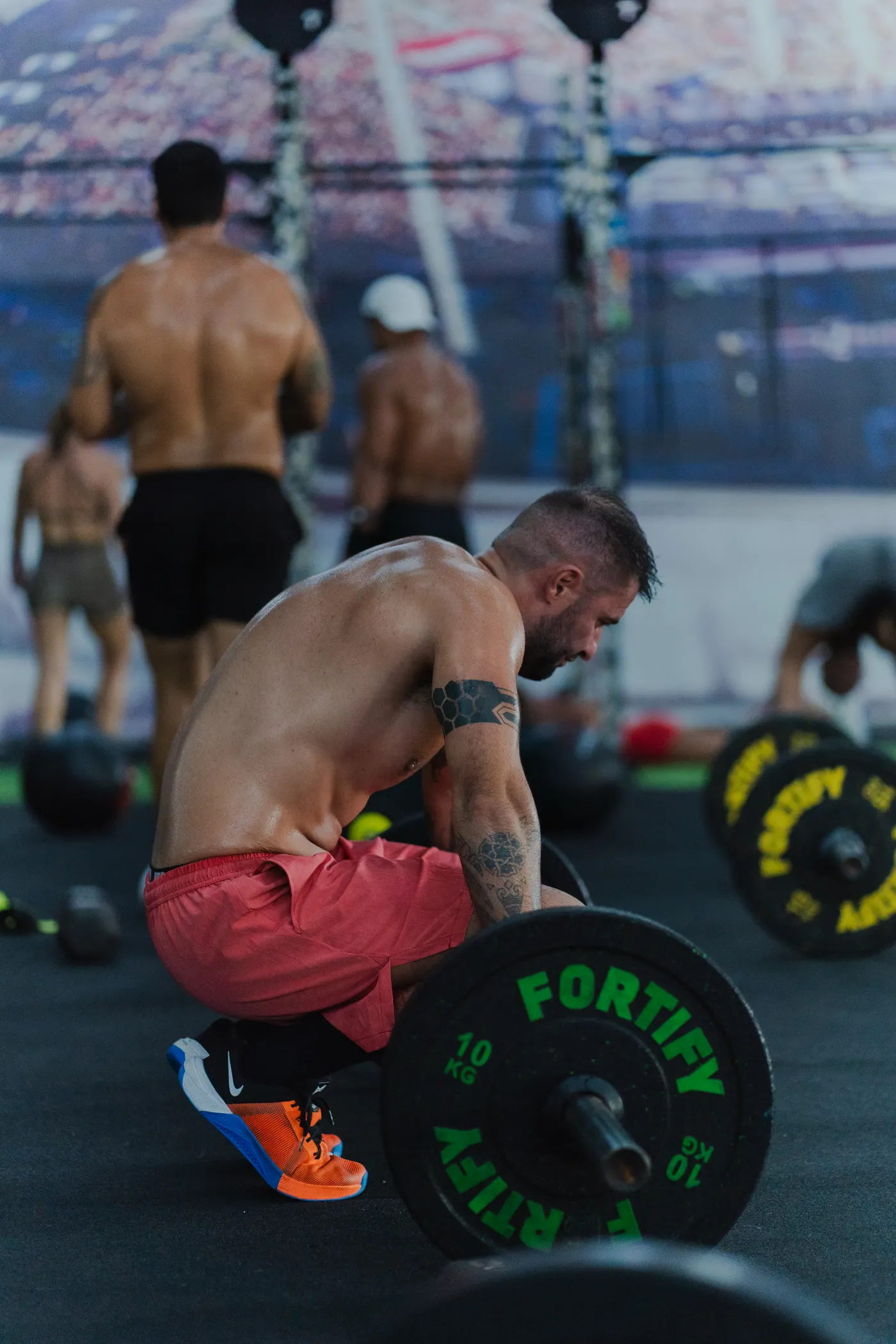
Fitness capacity concerns what an athlete can produce or sustain under appropriate conditions. Useful soccer qualities include aerobic endurance, acceleration, maximal sprint speed, repeated-sprint ability, lower-body strength, braking control and the ability to change direction. A single match or workout shows only part of that potential because tactics, motivation, opponents and fatigue affect the output.
A simple example: two players can each run 20 meters in three seconds when fresh. After repeated efforts, one slows sharply while the other maintains pace. Their best sprint speed was similar, but their repeated-sprint capacity was not. Conversely, an athlete can have excellent aerobic fitness without the strength or technical skill needed to stop and turn efficiently.
Tests should therefore match the performance quality. A timed 10–20 meter sprint evaluates acceleration better than a generic distance total. A repeatable change-of-direction test gives information about planned cutting, although it does not capture every reactive decision in a match. A field endurance test can help track conditioning, while a controlled squat, split squat or jump assessment may reveal a different physical quality.
Strength training belongs in this picture without being confused with match load. Squats, hinges, unilateral leg work, calf training and trunk stability can support the force-production qualities that soccer demands. They do not replace field running, tactical practice or repeated exposure to sport-specific braking and acceleration.
Re-test under comparable conditions every few weeks rather than chasing daily personal records. Improvement in one test is evidence about that test and related capacity, not a guarantee of better match decisions or fewer injuries.

Equipment Worth Exploring
Explore equipment, accessories and gear from our carefully selected range.
GymPin Starting Blocks
Portable high-density foam blocks for adjusting machine starting positions and range of motion.


GymPin Squat Wedges
Non-slip 15-degree squat wedges help elevate the heels for deeper quad-focused squats.
5. A monitoring system without expensive wearables
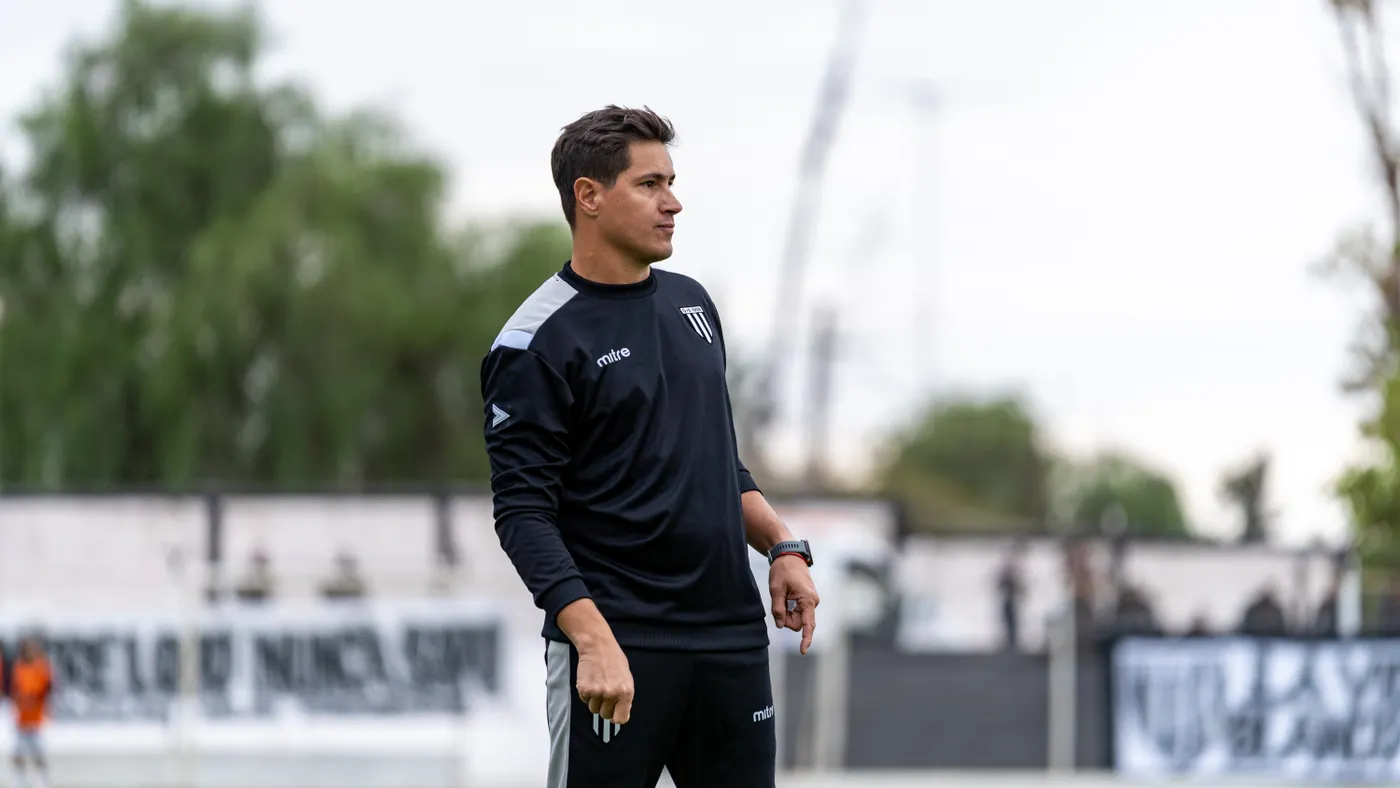
A small amateur team does not need professional GPS infrastructure to apply these ideas. Start with a one-page log and four repeatable questions. What was the session goal? What work was completed? How hard did it feel? Was the player unusually tired, sore or unwell beforehand?
For a speed day, record sprint distances, sets, rest periods and whether technique deteriorated. For an aerobic day, record minutes, interval structure and RPE. For strength work, record exercises, sets, loads and repetitions. Add a brief note on sleep, muscle soreness and any pain that changes movement. Use the same definitions each time so trends are interpretable.
Suppose two athletes complete six 20-meter sprints with generous recovery. Athlete A keeps times fairly stable and reports RPE 6. Athlete B slows noticeably and reports RPE 9. It would be careless to prescribe identical extra sprint volume solely because both completed six repetitions. The next session should consider each player’s goal, training history and recovery, not just the headline count.
Keep the system deliberately small. Three months of consistent, comparable notes are often more actionable than one week of detailed but noisy dashboard readings. Ask players to report honestly; if high RPE automatically earns punishment, the monitoring data becomes unreliable.
For developing athletes, prioritize technique, enjoyment and progressive exposure rather than constant maximal testing. For anyone returning from injury, use individualized medical or rehabilitation guidance instead of a generic load formula.

Funny Gym Shirts & Workout Gear
Funny gym shirts, tanks, hoodies and workout gear for lifters who like training hard.

Shirt – Trenaldo – Soccer Football Meme Top Gymbros T-Shirt
Heavy lifts, good laughs, and a little “Trenaldo” energy.

Strength Stoic Sigma Greek God Marble Sculpture – T-Shirt
Rep “Strength Stoic Sigma Greek God Marble” humor in and out of the gym.

SIUUU Deadlift – Meme Soccer & Football Fans – & T-Shirt
Bring “SIUUU Deadlift” humor to your next gym day.

Vive La Resistance Bands – Resistance Bands Warmup Reha Tank Top
Your gym-day look, with a playful “Vive La Resistance Bands” twist.

Live Love Lift Crewneck Pullover Sweater Gymbro Workout T-Shirt
Keep things casual with a little “Live Love Lift” attitude.

Break The Stereotype Gym | Feminist Workout Decal for S Sticker
Put “Break The Stereotype” gym humor on your laptop, bottle, or gym gear.

Hybrid Athlete Strength Tee
Show some lifting attitude with a playful “Hybrid Athlete” tee.

Never Skip Legday – Chicken Legs Meme , , & Leg Day T-Shirt
Heavy lifts, good laughs, and a little “Never Skip Legday” energy.

Squats Leg Day Heavy Weights Meme – Essential Top T-Shirt
Bring “Squats Leg Day Heavy Weights” humor to your next gym day.

My Leg Hurts Leg Day , Meme Lovers & Bros Casual T-Shirt
Bring “My Leg Hurts” humor to your next gym day.
6. Put output, response and capacity into a training week
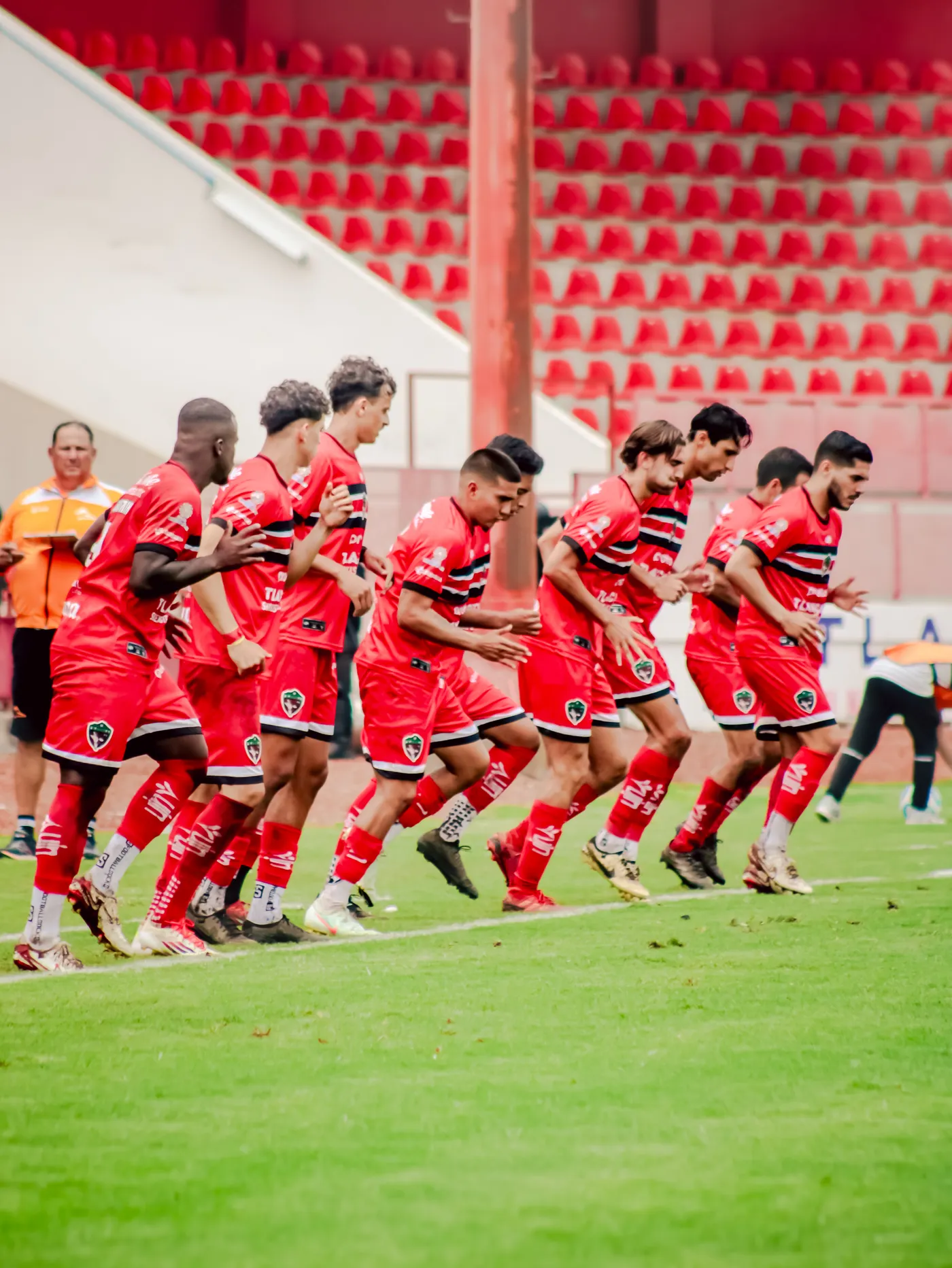
Consider a recreational player with one Saturday match. The aim is to maintain strength, improve running fitness and arrive reasonably fresh for competition. The following is an illustrative template, not a universal schedule: team practices, match minutes, experience and recovery may require a different distribution.
- Monday: easier recovery movement or rest after the match. Record soreness, energy and any pain rather than forcing a hard session.
- Tuesday: short acceleration work while fresh, followed by strength training. Keep sprint repetitions technically sharp and note how many quality efforts were completed.
- Wednesday: team practice or controlled aerobic conditioning. Record duration and session RPE, not just kilometers.
- Thursday: technical training, changes of direction or a second modest strength exposure if recovery allows. Reduce volume when match fatigue remains high.
- Friday: brief low-fatigue ball work and movement preparation rather than a demanding new conditioning test.
- Saturday: match day. Interpret running output alongside position, minutes played, conditions and how demanding the game felt.
- Sunday: rest or easy activity as needed.
There is a reason not to make every day a repeated-sprint test. A 2026 synthesis of 17 randomized trials involving 386 soccer players found benefits for short sprints, repeated-sprint ability and change-of-direction performance, but not clear overall improvements in vertical jump or aerobic capacity. Those are different adaptations, so a balanced week uses different tools.
Progress one variable at a time: a little more quality sprint exposure, an extra strength set or a modest aerobic interval progression. If performance quality drops and effort rises unexpectedly, adjust the next session rather than treating the planned numbers as mandatory.
Equipment Worth Exploring
Explore equipment, accessories and gear from our carefully selected range.
VOLTRA
Compact digital cable trainer with smooth, adjustable resistance.

Go-Tone Pro
Portable digital cable trainer with up to 66 lb (30 kg) of adjustable resistance.


FID Bench MAX
Adjustable bench offering flat, incline, and decline positions + adjustable headrest.


Leather Lifting Straps
Padded leather straps support grip during heavy rows, deadlifts and pulling exercises.

Power Tower
Freestanding pull-up and dip station with adjustable handles for bodyweight training.
7. Mistakes to avoid when turning data into decisions
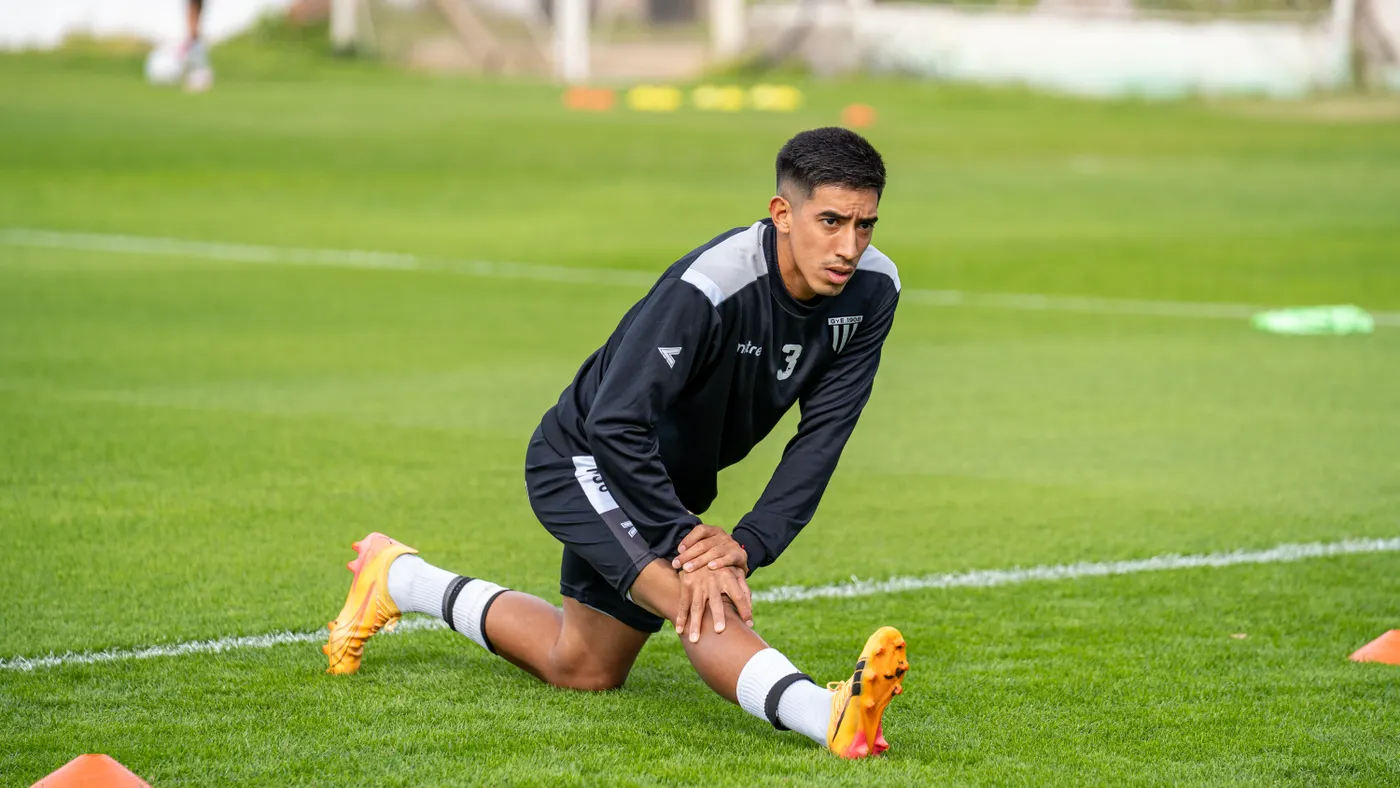
Confusing exposure with improvement. Running farther this week does not prove a player became fitter. It may simply mean the session was longer. Look for repeatable changes in performance at a comparable effort or changes in appropriate fitness tests.
Comparing players without context. The same high-speed distance can represent very different relative intensity for a fast winger and a slower central defender. Playing time, tactics, age, training background and individual speed all affect interpretation.
Reading fatigue from one number. Elevated heart rate, poor sleep or slower sprint times can have multiple explanations. Check the pattern and ask questions. Monitoring is a decision aid, not a reliable standalone injury predictor.
Ignoring the distinction between a review and an experiment. The October 2026 framework clarifies how to think about established metrics. It did not test a new training plan or prove that one dashboard prevents injuries. Other evidence supports targeted sprint, agility and endurance training, but the optimal mix depends on the athlete and competitive schedule.
Adding work whenever a graph looks low. A lighter session can be exactly what the week needs. The goal is not to maximize distance, heart rate or soreness; it is to build qualities that can be expressed repeatedly on the pitch.
The practical takeaway is simple: track what was done, how hard it was, and what the player can reliably do. When those three questions stay separate, even a basic notebook can support better soccer training decisions.
Cardio Shirts & Workout Gear
Cardio and conditioning gym gear for runners, endurance athletes and anyone who earns the sweat.


Running Dost Thou Even Trot Medieval Treadmill Crewneck T-Shirt
Show some gym-day personality with “Running”.

Track Panther Athletic Vest Muscle Shirt for Running Wo Tank Top
Train hard, laugh a little, and rep “Track Panther”.

Cardio Speed Flash Decal for Treadmill Running Laptop W Sticker
Bring “Cardio Speed Flash” attitude to your water bottle or laptop.

Hero Jump Rope Cardio Speed Flash Inspired Workout Musc Tank Top
Add some cardio attitude to training with “Gym Hero Jump Rope Cardio Speed”.

with Shark Meme – Motivation Finds You Workout Vest for Tank Top
Bring “with Shark Meme” humor to your next lifting session.

Skip Cardio Exit Cardio Meme Decal Water Bottles & Sticker
Put “Skip Cardio” gym humor on your laptop, bottle, or gym gear.

Negative Cardio Review Cardio Sucks 1 Star Vest Tank Top
Bring “Negative Cardio Review” humor to your next lifting session.

Exercise Your Demons | Cardio Workout From Hell Decal Sticker
Put “Exercise Your Demons” gym humor on your laptop, bottle, or gym gear.

Freedom To Skip Cardio Patriotic – Statue Of Liberty T-Shirt
Rep “Freedom To Skip Cardio Patriotic” humor in and out of the gym.