Cold plunges promise an appealing bargain: finish a hard workout, step into icy water, and feel ready to go again. But feeling recovered is not the same thing as adapting to training. For lifters chasing bigger muscles, the timing of a cold bath may matter more than its reputation as a recovery shortcut.
A synthesis of eight training studies found a tendency toward smaller muscle-growth gains when cold-water immersion was used soon after resistance exercise. That does not mean one cold shower erases a workout, or that cold exposure has no place in sport. The useful question is which recovery goal you are prioritizing, how often you use cold water, and how confident we can be about the tradeoff.
What eight training studies found about muscle growth
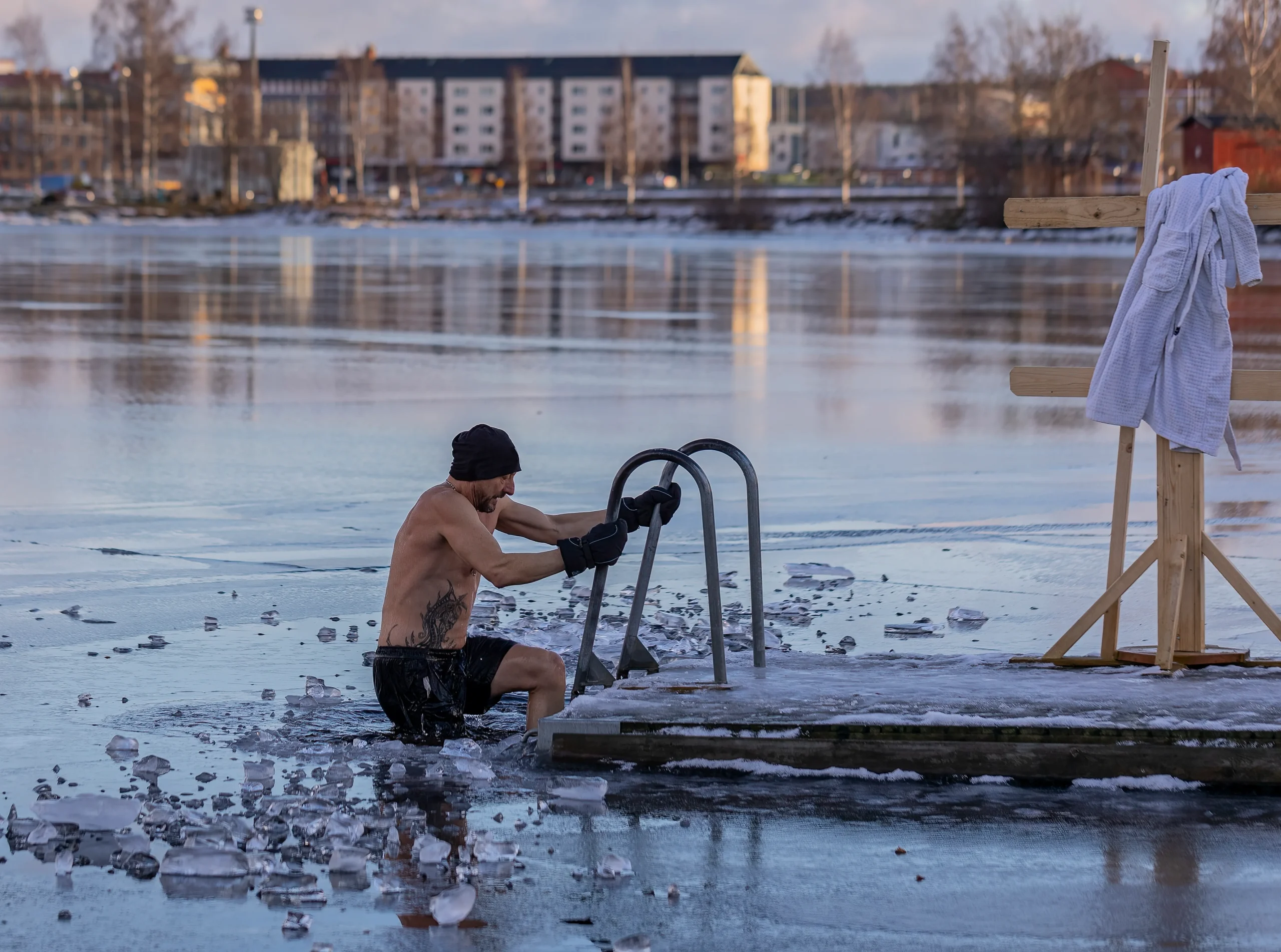
The clearest long-term signal comes from an analysis of eight interventions that paired resistance training with cold-water immersion. People who lifted without routine post-workout cold exposure generally showed larger increases in measures of muscle size than people who combined lifting with cooling. The comparative standardized effect estimate favored resistance training alone by about 0.22 units. Its uncertainty interval crossed zero, so it would be wrong to present this as a precise or guaranteed loss of gains for every lifter.
These studies did not all use identical temperatures, immersion depths, schedules, training programs or muscle-size tests. Some measured limb cross-sectional area; others used different proxies for growth. That makes a pooled result useful for direction, but less useful for predicting whether your biceps will grow a particular percentage more slowly. The underlying evidence was judged mostly fair to poor in quality, another reason to avoid dramatic claims.
The most defensible conclusion is narrower: making a cold plunge an immediate, routine part of every hypertrophy workout may reduce the size of the adaptation. It does not establish that an occasional dip, a cool shower, or a plunge on a rest day has the same effect. Nor does it tell us that every muscle or training background responds identically.
Why cold can change the muscle-building response
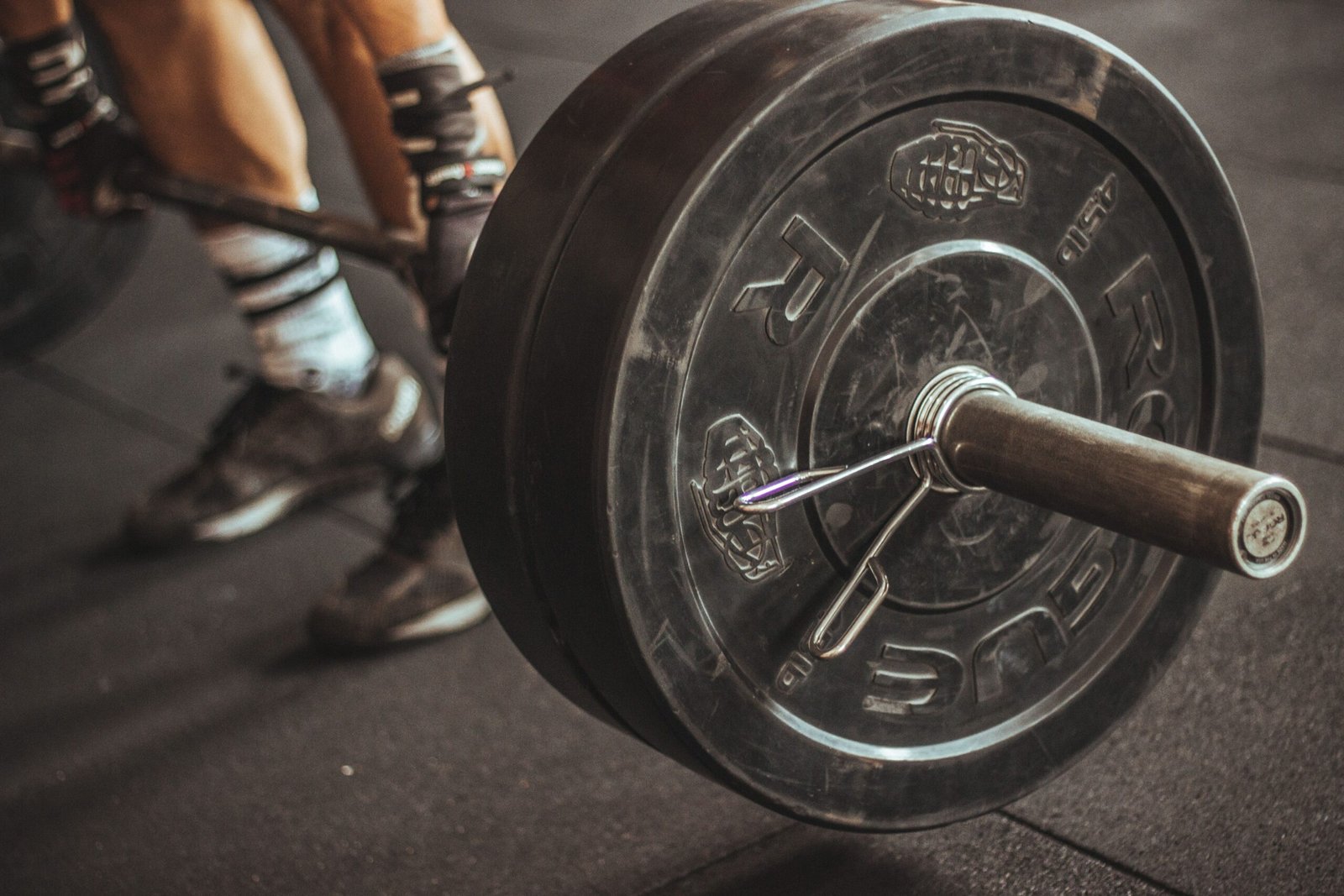
Strength training is not only the mechanical work you complete while the bar moves. The following hours involve repair, remodeling and changes in how muscle proteins are produced. Cooling exercised tissue changes that environment. Lower muscle temperature and altered blood flow may influence the processes that turn a training stimulus into longer-term growth, although no single molecular signal can fully explain the outcome.
In one tightly controlled experiment, 12 healthy young men trained and then immersed one leg in water at 8°C while the other leg was immersed at 30°C for 20 minutes. Researchers tracked labeled dietary protein and muscle-protein synthesis. The cooled leg showed lower incorporation of amino acids into new muscle protein and lower synthesis rates over the initial recovery window. A two-week follow-up also showed lower daily synthesis rates with repeated cooling.
That experiment strengthens the biological explanation, but it is not the same as measuring months of hypertrophy. A short-term synthesis response is a clue, not a complete prediction of muscle size. Protein intake, training quality, sleep and the overall program still matter. A useful mental model is that a recovery treatment can make you feel better today while slightly changing the adaptation you wanted from yesterday’s workout.
Less soreness does not necessarily mean more growth
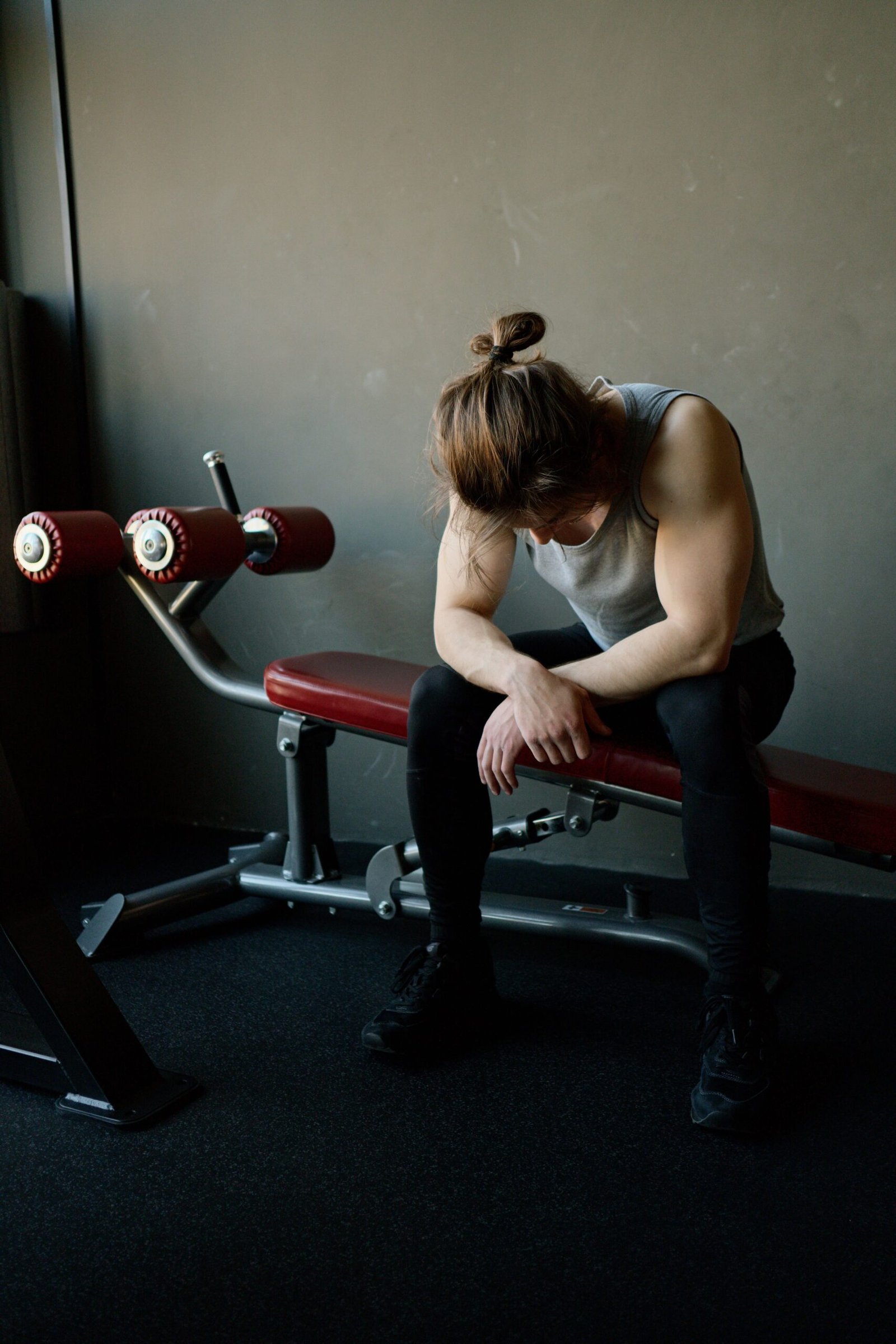
Muscle soreness is an imperfect guide to recovery. It can reflect unfamiliar movements, high eccentric loading and individual sensitivity; it does not measure how much useful growth stimulus a session produced. Cold-water immersion may reduce perceived soreness or fatigue after demanding exercise, especially when another performance effort is approaching. That is a different outcome from maximizing hypertrophy over weeks.
A large analysis of recovery treatments examined 57 studies involving 1,220 healthy participants across cold-water immersion, contrast baths, warmer water and other cooling methods. It dealt with short-term consequences of exercise-induced muscle damage, not just bodybuilding progress. Improvements in a soreness score or an acute recovery marker therefore cannot be automatically translated into larger muscles.
Think of the distinction this way: a lifter might feel less tender and walk downstairs more comfortably after cooling, yet still gain slightly less muscle if the practice repeatedly interrupts post-lifting adaptation. Conversely, avoiding the plunge will not guarantee growth if training volume, food and sleep are inadequate. Use soreness as one piece of feedback, not a scoreboard for how anabolic a session was. If your priority is a multi-month size phase, routine immediate cold exposure is a tradeoff worth questioning.

Bodybuilding Shirts & Workout Gear
Bodybuilding shirts, tanks and gym gear for lifters chasing muscle, size, symmetry and the pump.

Off-Season Rest Day & Meme Fans Athletic Shirt Tank Top
Add some lifting attitude to training with “Off-Season Rest Day”.

Netflex Pump Chill Meme Motivation Hooded Hoodie
Bring “Netflex Pump Chill” gym humor to lazy days and post-workout plans.

Icy 45LB Weight Plate Frozen Barbell Lifting Workout Co Sticker
Put “Icy 45LB Weight Plate” gym humor on your laptop, bottle, or gym gear.

Hardcore Gains Gym | Funny No Pain No Gain Muscle Shirt Tank Top
Add some lifting attitude to training with “Hardcore Gains”.

Muscle Mountain – Shirt , Bicep Mountain Meme T-Shirt
Heavy lifts, good laughs, and a little “Muscle Mountain” energy.

Funny Pain Train Gains Gym | Thomas The Tank Engine Mem Tank Top
Your gym-day look, with a playful “Pain Train Gains” twist.

Slim Shady Recovery Album Parody | & Workout Pullover T-Shirt
Keep things casual with a little “Slim Shady Recovery Album Parody” attitude.

Deadlift Frozen Skull Gym Shirt for Powerlifters, Hardc T-Shirt
Bring “Deadlift” humor to your next gym day.

Neverest – Muscle Mountain , Gymbros & Meme Lovers T-Shirt
Make gym days more fun with “Neverest” style.

Listen Heavy Lift Heavy – Heavy Metal & Gymbros – Top T-Shirt
Heavy lifts, good laughs, and a little “Listen Heavy Lift” energy.
Strength gains, bar performance and the evidence gap
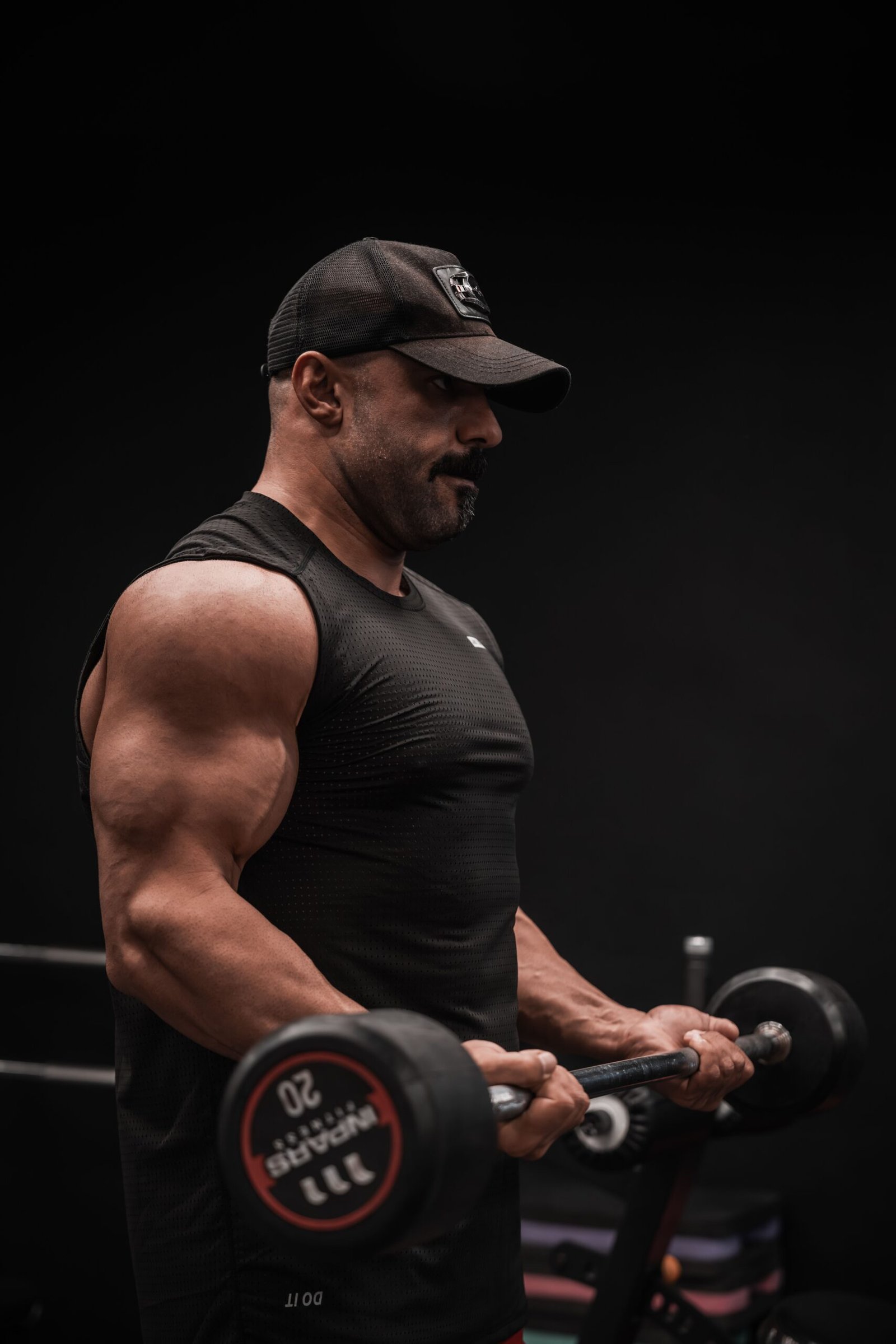
Muscle size and maximal strength overlap, but they are not identical. Technique, coordination and neural adaptations can improve a lift even when measured muscle growth is modest. That helps explain why some cold-water studies report different outcomes for strength and hypertrophy. A 12-week comparison found smaller gains in muscle mass and strength with regular post-exercise cooling than with an active recovery approach, but individual protocols and participant groups limit how broadly that result can be applied.
A separate synthesis of ten strength-training studies, covering 170 participants, found a small average disadvantage for cold-water immersion after lifting. Most participants were men. In a subset that cooled only trained limbs, the disadvantage was clearer; the whole-body immersion subset did not show a statistically clear difference. That split is a reminder that treatment area and study design matter. It is not proof that full-body plunges are harmless for strength.
For a recreational lifter, the practical implication is not to panic after a single cold session. Instead, ask whether the routine supports the next high-quality workout and the months-long outcome you actually care about. If you are improving your lifts, adding muscle and recovering adequately without plunges, there is no evidence-based requirement to introduce them. If cold exposure is part of your sport schedule, you can manage it as one competing priority rather than a magical performance tool.

Equipment Worth Exploring
Explore equipment, accessories and gear from our carefully selected range.


FID Bench MAX
Adjustable bench offering flat, incline, and decline positions + adjustable headrest.
VOLTRA
Compact digital cable trainer with smooth, adjustable resistance.

Go-Tone Pro
Portable digital cable trainer with up to 66 lb (30 kg) of adjustable resistance.


Temperature, timing and frequency: what we can actually say
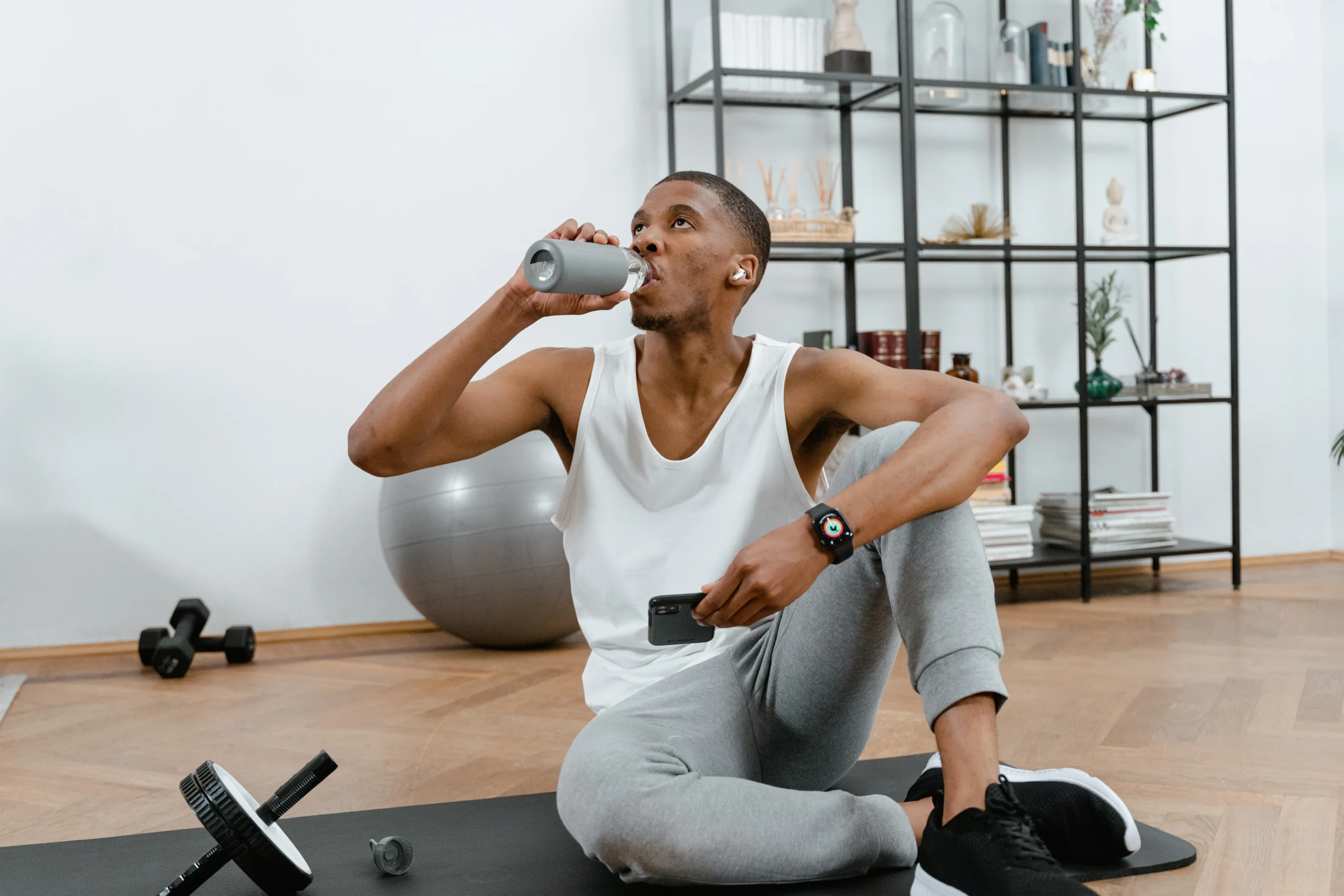
Most research concerns deliberate immersion in genuinely cold water, often below about 15°C, for several minutes shortly after exercise. That is not interchangeable with a brief lukewarm shower or washing your face with cold water. Dose matters: temperature, duration, immersed muscle mass, how soon cooling begins and how many sessions per week it follows all change the exposure. Unfortunately, the available trials do not establish a universal safe threshold for hypertrophy.
You may see claims that waiting a fixed number of hours completely protects your gains. A precise cutoff is not established by the evidence discussed here. Separating a cold plunge from a lifting session, or scheduling it on a nonlifting day, is a sensible way to reduce overlap with the immediate post-workout period, but it should be described as a cautious scheduling choice rather than a scientifically proven guarantee.
Frequency is another important distinction. A single plunge after a hot day is unlikely to be equivalent to a rigid ritual after every leg session for twelve weeks. If you enjoy cold exposure, start by identifying why you use it: mood, heat relief, competition recovery or a perceived reduction in soreness. Then decide whether the benefit is important enough to accept uncertainty around muscle adaptation. More extreme cold is not automatically more effective, and prolonged exposure introduces avoidable safety risks.
When an athlete might reasonably choose cold anyway
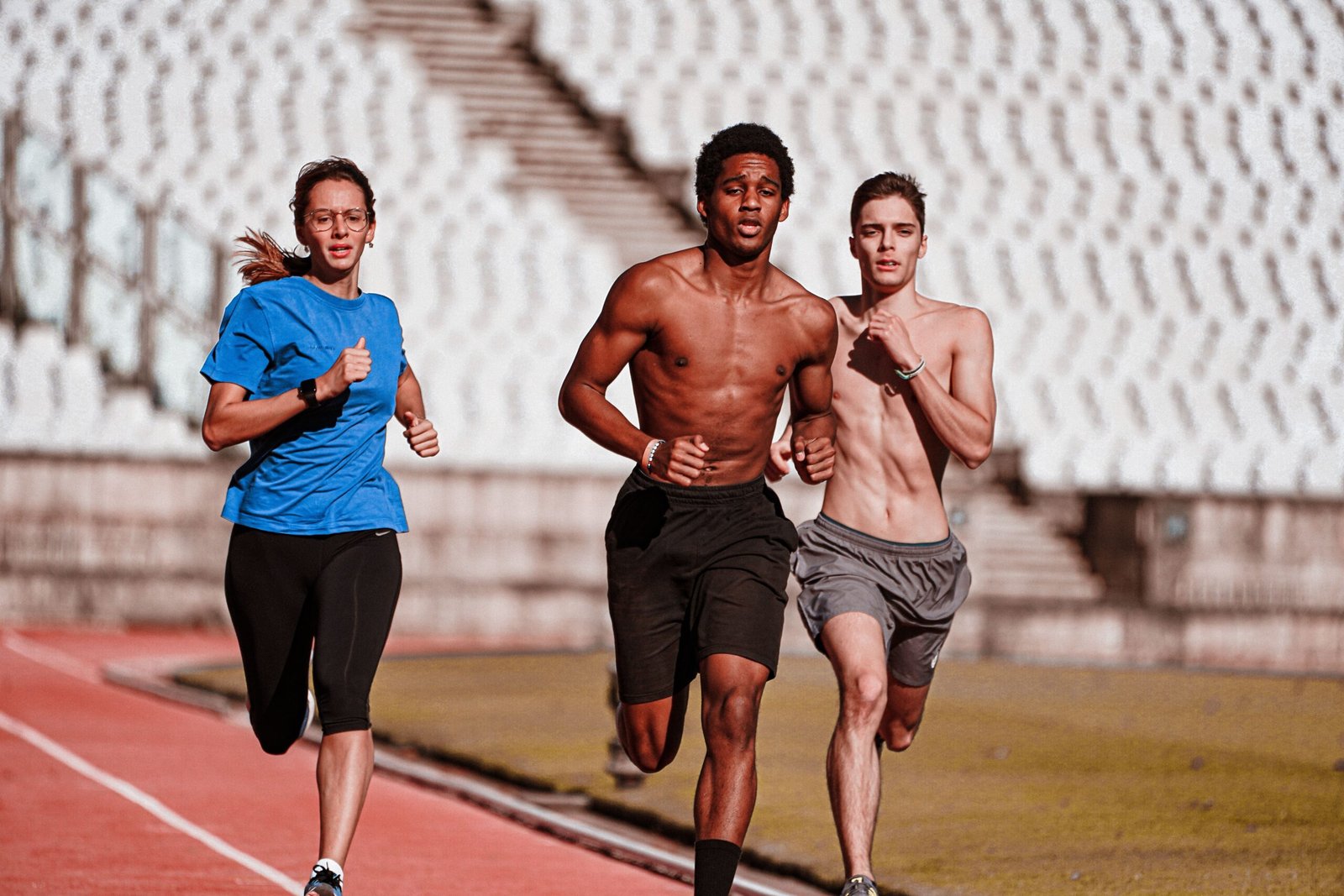
Not every training block is designed to maximize muscle size. A field-sport athlete with another match tomorrow, a runner racing on consecutive days or someone completing a multi-event competition may value short-term comfort and readiness over a marginal difference in long-term hypertrophy. Recovery tools should be judged against the next performance demand, not only against a bodybuilding ideal.
The evidence on cold-water immersion is more favorable for certain short-term recovery outcomes than for repeated post-lifting muscle growth, but results vary with the exercise performed and the test used afterward. A strategy that helps you tolerate a congested competition schedule may be unnecessary during an ordinary four-day lifting week. There is also a difference between cooling after endurance work and immediately cooling muscles you are deliberately trying to grow.
A practical compromise is to reserve immersion for unusual high-fatigue or competition situations rather than making it the default finish to every strength workout. If you train twice in one day, consider which session matters most and what outcome must be protected. Record whether the treatment actually improves your next session rather than assuming that a colder bath always equals better recovery. For most lifters, consistent programming and sleep offer a less ambiguous return on effort.
Funny Gym Shirts & Workout Gear
Funny gym shirts, tanks, hoodies and workout gear for lifters who like training hard.

Ice In My Gains The Shining Meme T-Shirt
Add a playful “Ice In My Gains The Shining Gym Meme” touch to your casual rotation.

Fat Aquaman : Meme Rest Day & Bulking Season T-Shirt
Rep “Fat Aquaman” humor in and out of the gym.

Resilience Stoic Tee
Make gym days more fun with “Resilience Redefined: Stoic Sigma Greek God” style.

Endurance Stoic Tee
Bring “Endurance Stoic Sigma Greek God Marble” humor to your next gym day.


Deadlift Cyberpunk Skull Gym Shirt for Powerlifters, Sc T-Shirt
Bring “Deadlift” humor to your next gym day.

Super Weights Superman Hero & Gymbros Meme Top T-Shirt
Heavy lifts, good laughs, and a little “Super Weights” energy.

Movin Metal Shirt – Heavy Metal , Gymbro Meme Top & T-Shirt
Rep “Movin Metal” humor in and out of the gym.

Lat Man Big Back – With Huge Lats – Vest Back Day Tank Top
Your gym-day look, with a playful “Lat Man Big Back” twist.

Everything Hurts And I'm Tired Duck Meme , Lifting & T-Shirt
Heavy lifts, good laughs, and a little “Everything Hurts And I'm Tired” energy.
A simple recovery plan for muscle-focused lifters
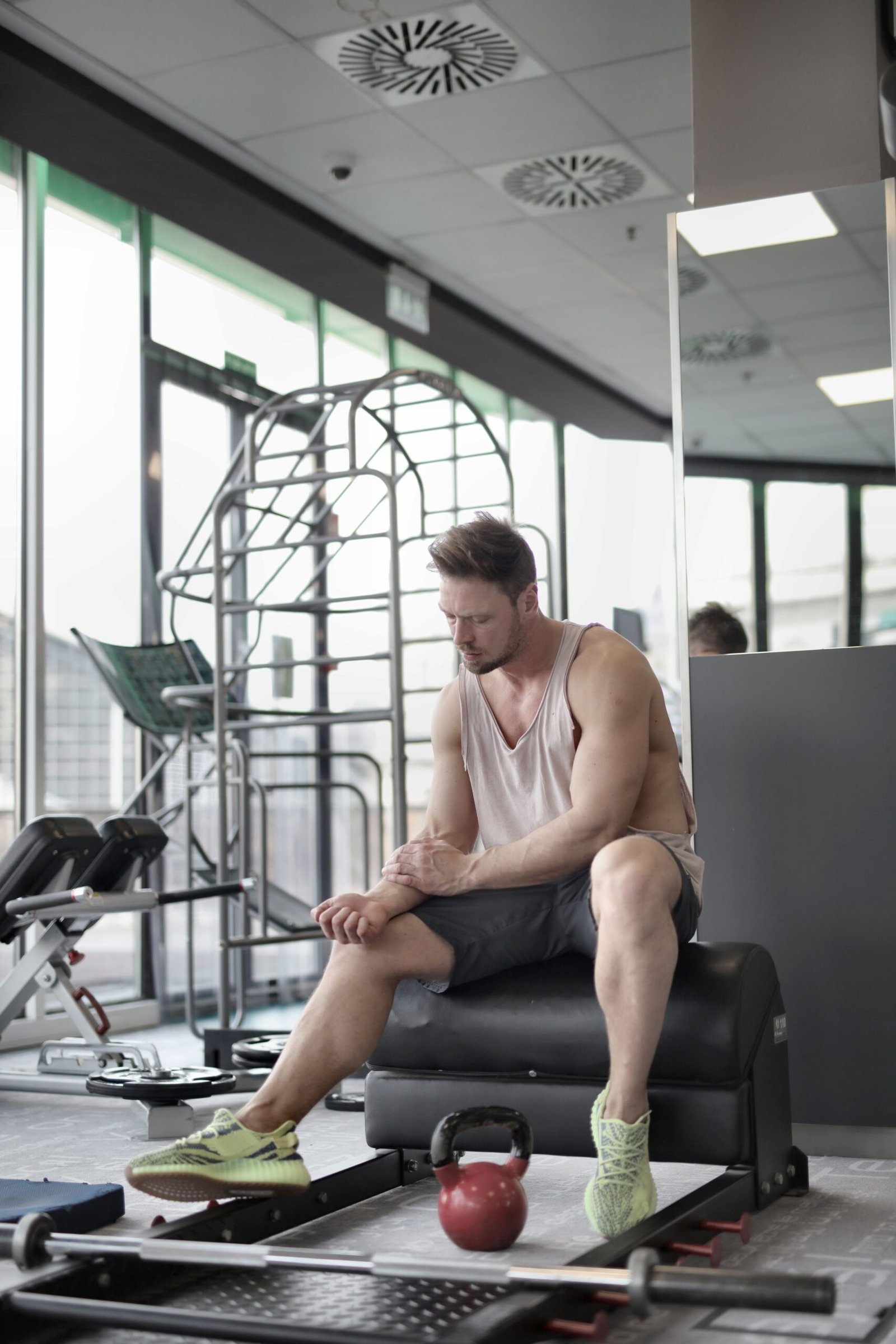
When hypertrophy is the priority: finish your resistance workout, eat enough protein and calories, hydrate, and skip the routine immediate cold plunge. Progressively challenging training, adequate sleep and manageable weekly volume remain more dependable foundations than a complicated recovery ritual. If you are already growing and performing well, you do not need to add an ice bath.
When soreness is the problem: examine whether training volume increased too quickly, unfamiliar exercises caused excessive damage, or too many sets were pushed past a recoverable effort. Easy walking and ordinary movement may help you feel better. A foam roller can be pleasant, but comfort does not prove that a treatment increases muscle growth.
When you enjoy cold water: use it selectively and consider separating it from your main lifting sessions. This is a cautious scheduling compromise, not a proven guarantee that timing eliminates interference. Avoid extreme exposure or pushing through a strong cold-shock reaction; enter the water gradually and do not attempt risky plunges alone.
When you compete frequently: short-term readiness may matter more than maximizing every training adaptation. A tournament weekend can justify different choices from an offseason muscle-building block. The useful rule is to match the recovery tool to the outcome: feeling less sore tomorrow and building more muscle over months are related, but not interchangeable, goals.
Equipment Worth Exploring
Explore equipment, accessories and gear from our carefully selected range.


Leather Lifting Straps
Padded leather straps support grip during heavy rows, deadlifts and pulling exercises.




GymPin Ergo Handles
Pair of ergonomic cable handles shaped for comfortable triceps and pulling exercises.