Most lifters think of stretching as a way to loosen tight muscles or make the next morning less uncomfortable. But a controlled experiment published in September 2026 asked a different question: could stretching immediately after weights change how quickly the cardiovascular and nervous systems return toward their pre-workout state?
The short answer is that several laboratory markers recovered sooner when stretching followed a small upper-body workout. That is interesting, but it is not proof that stretching speeds muscle repair, prevents soreness or improves tomorrow’s lifting performance. Understanding the distinction helps you decide whether a cool-down deserves a place in your training.
What the 2026 trial actually tested
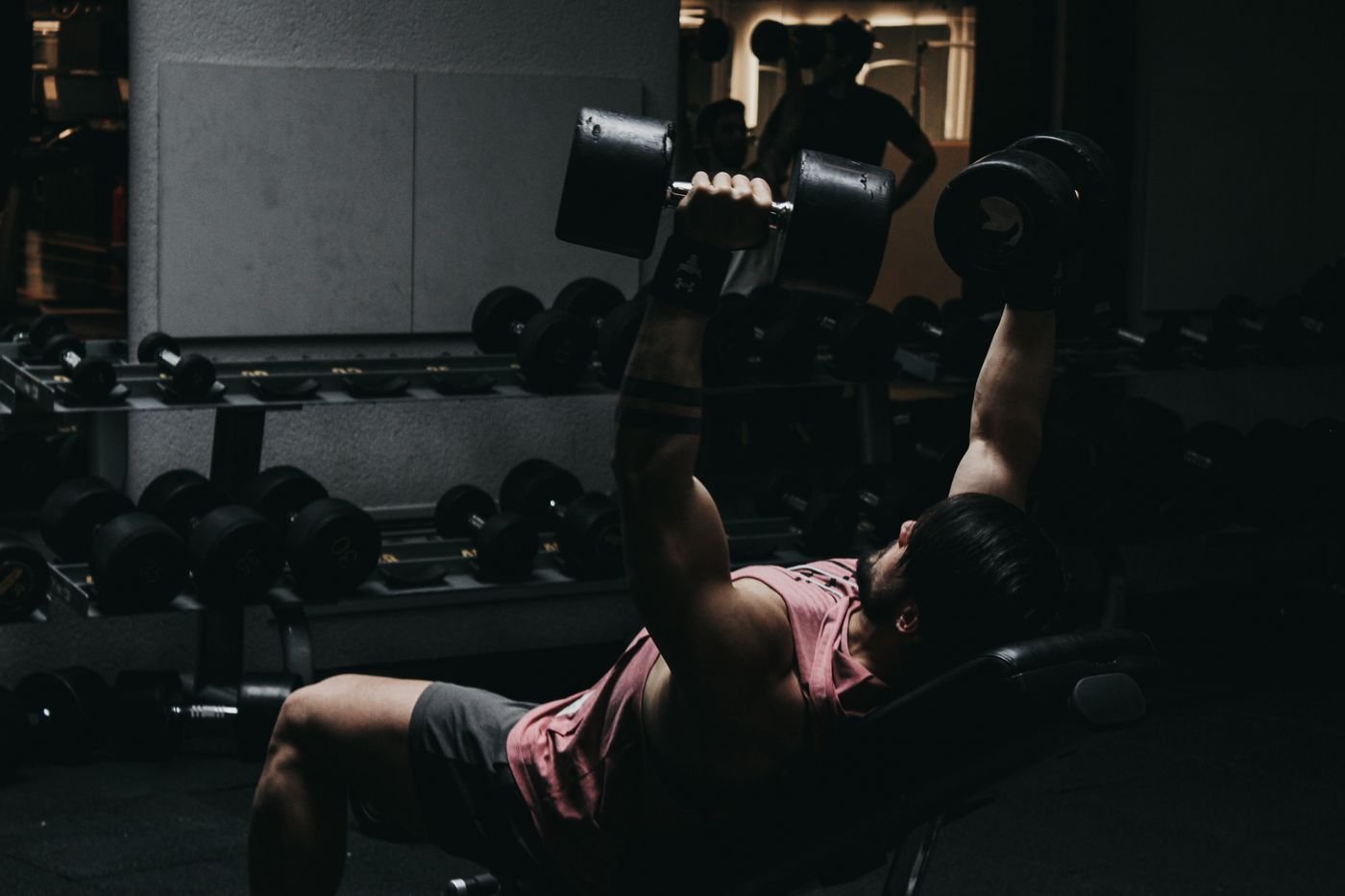
Twenty-seven healthy, physically active men, averaging about 25 years old, each completed three conditions in randomized order: a resistance-training session alone, the same workout followed by static stretching, and a seated control session. This crossover design let each participant serve as his own comparison. Visits were separated by at least 72 hours, and the researchers standardized time of day and pre-session restrictions.
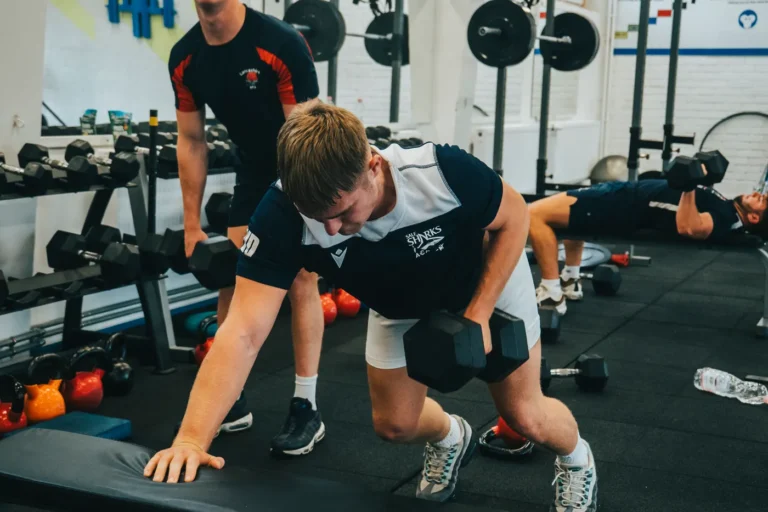
The lifting was deliberately narrow rather than a complete body workout. Participants performed Smith-machine bench presses and seated biceps curls, four sets of eight repetitions per exercise at an individually established eight-repetition maximum, with two minutes between sets. In the stretching condition, they then spent 12 minutes stretching the chest and elbow flexors. Each stretch involved four 30-second holds separated by 30 seconds of rest; the prescribed sensation was a demanding eight out of ten on a discomfort scale.
The no-stretch workout was followed by 12 minutes of sitting, so elapsed time before measurement was comparable. Researchers measured vascular function, heart-rate variability, pulse and blood pressure before, immediately after, and 30 minutes after each condition. This is a carefully controlled test of early physiological recovery from one session, not a trial of long-term hypertrophy, injury prevention or exercise performance.
The results: several markers normalized sooner with stretching
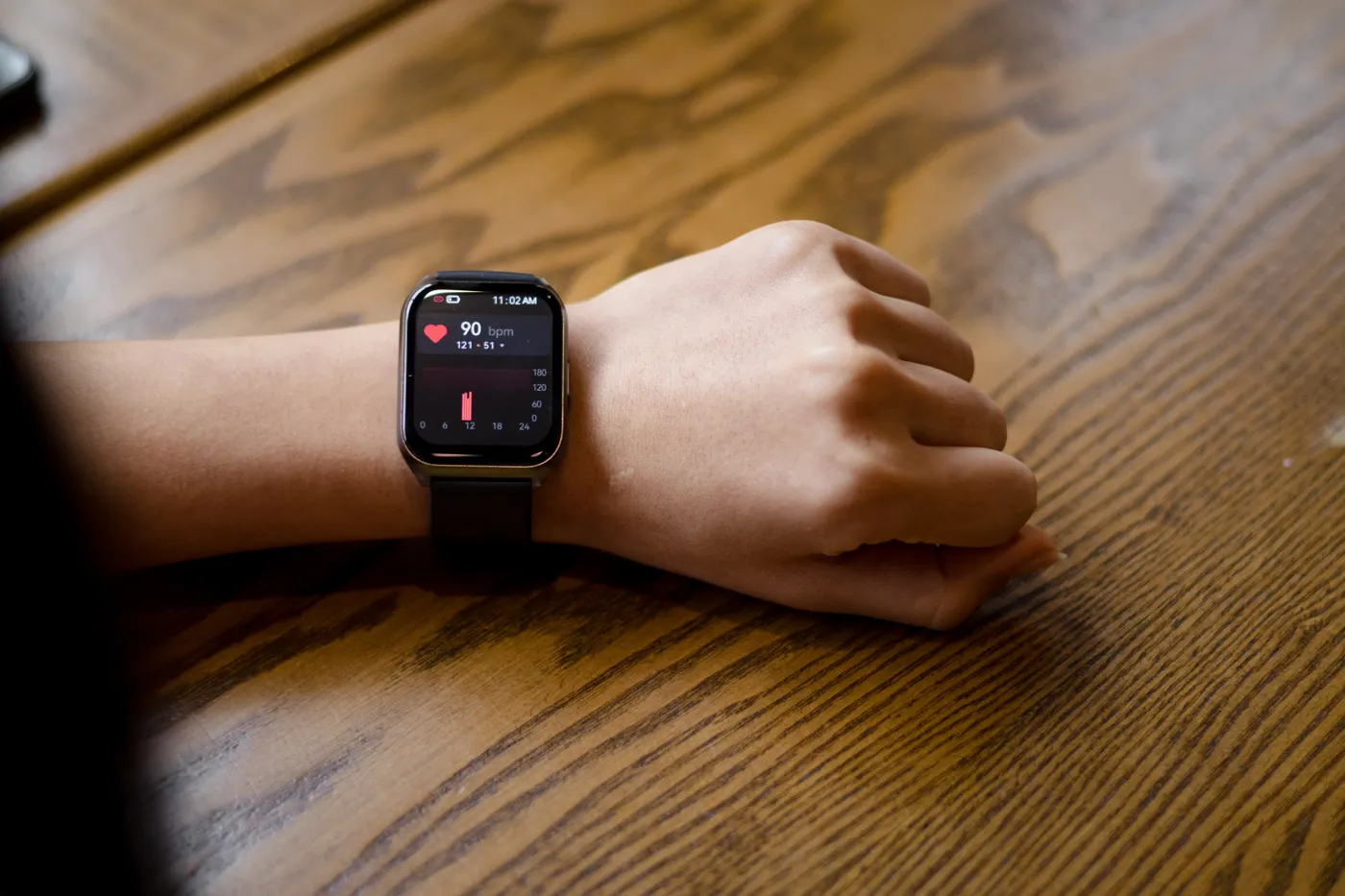
After lifting without stretching, flow-mediated dilation—a measure of how an artery responds to a temporary increase in blood flow—fell immediately and was still below its pre-exercise level 30 minutes later. In the lift-plus-stretch condition, the investigators did not observe that statistically significant decline. Brachial-artery diameter rose after both workouts, but remained elevated at 30 minutes only in the lifting-alone condition.
The heart-rate-variability findings told a related but not identical story. Two commonly used measures, RMSSD and high-frequency power, fell immediately after both exercise conditions. By the 30-minute measurement, those indices had returned to baseline in the stretching condition but remained significantly different from baseline after lifting alone. Both protocols increased heart rate. Mean arterial pressure decreased after exercise in both and returned toward baseline by 30 minutes.
That pattern suggests stretching altered the timing of some early autonomic and vascular responses. It does not mean the non-stretching group was injured or that its temporary changes were inherently dangerous. Exercise itself is a stressor; transient changes in pulse, blood-vessel behavior and autonomic signals are expected. A single measurement returning to baseline sooner should not be confused with proof of better cardiovascular health months later.
Importantly, the experiment did not test whether the stretching group lifted more weight at the next session, experienced less delayed-onset muscle soreness or gained more muscle. Those are separate outcomes that need their own measurements and longer follow-up.

Bodybuilding Shirts & Workout Gear
Bodybuilding shirts, tanks and gym gear for lifters chasing muscle, size, symmetry and the pump.

Science Based Lifting Pickle Rick Meme & Top T-Shirt
Make gym days more fun with “Science Based Lifting Pickle Rick” style.

Swolenomics Bro Science Muscle Graph : The Ultimate T-Shirt
Heavy lifts, good laughs, and a little “Swolenomics Bro Science Muscle Graph” energy.

Shirt – Micro Biceps Club President – Gymbros, & T-Shirt
Rep “Micro Biceps Club President” humor in and out of the gym.

I Love Bench Press Valentine'S Day Meme – Chest Day T-Shirt
Rep “I Love Bench Press Funny Valentine's Day” humor in and out of the gym.

Beauty And The Biceps Meme – Top , Princess & T-Shirt
Bring “Beauty and the Biceps Meme” humor to your next gym day.

Abolish Sleevery Abraham Lincoln Huge Arms Meme T-Shirt
Add a playful “Abolish Sleevery” touch to your casual rotation.

Right To Bare Arms George Washington Decal Sticker
Stick a little “Right To Bare Arms” humor on your favorite gear.

Lift Eat Sleep Repeat Hoodie
Make your off-duty look more fun with “Lift Eat Sleep Repeat”.

Bench Press and Chill Funny Gym T
Make gym days more fun with “Bench Press and Chill” style.

Dino Sore Dinosaur Decal Water Bottles & Equipment Sticker
Bring “Dino Sore” attitude to your water bottle or laptop.
What vascular function and HRV can—and cannot—tell a lifter
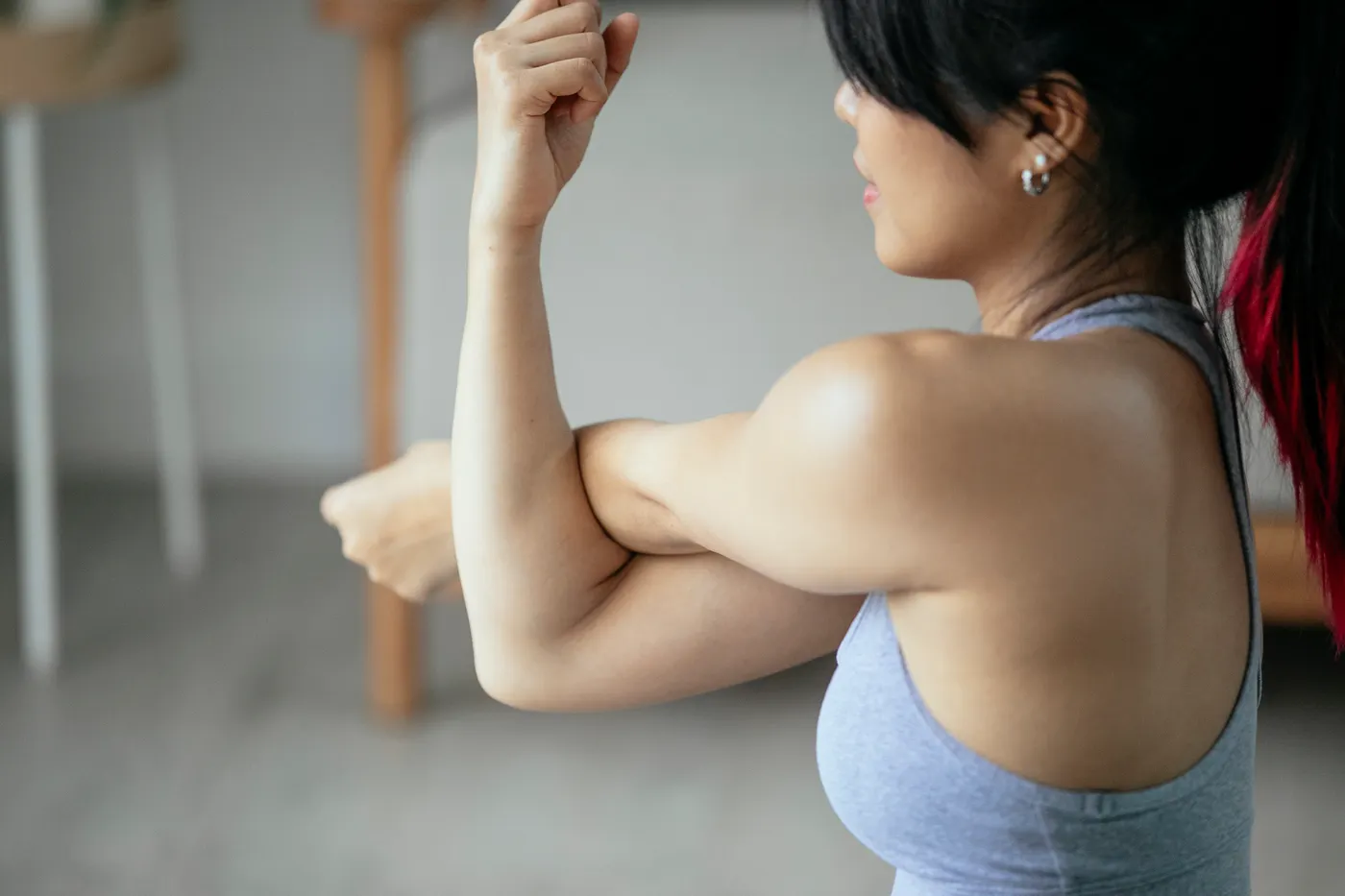
Flow-mediated dilation, often shortened to FMD, uses ultrasound to examine an artery’s dilation response after a brief restriction and restoration of blood flow. It is useful in research on endothelial function, the behavior of the inner lining of blood vessels. It is not a number you can reliably estimate from how pumped your arms feel after curls. The acute response to lifting is also not the same as the effect of months of exercise on vascular health.
Heart-rate variability describes variation in the intervals between successive heartbeats. RMSSD is often discussed as a marker influenced by parasympathetic activity. It can be informative across repeated, standardized measurements, but one post-workout reading is affected by breathing, posture, time of day, hydration, exercise intensity and measurement conditions. A high or rapidly rebounding number is not automatically evidence of superior muscle recovery.
There is a particularly important distinction between a laboratory protocol and a consumer watch. This experiment used controlled supine recordings and specialized analysis. A wrist-based readiness score gathered while walking around the locker room cannot be treated as the same test. If you track HRV, compare trends under consistent conditions rather than reacting to one post-training fluctuation.
The study also enrolled only young healthy men and used a specific upper-body session. We cannot assume identical effects for women, older lifters, people taking cardiovascular medications, very heavy full-body workouts or endurance intervals. Nor can we assume that a two-minute casual stretch reproduces a 12-minute demanding protocol. These limits make the result useful as a hypothesis for training habits, not a universal recovery prescription.

Equipment Worth Exploring
Explore equipment, accessories and gear from our carefully selected range.

FID Bench MAX
Adjustable bench offering flat, incline, and decline positions + adjustable headrest.


VOLTRA
Compact digital cable trainer with smooth, adjustable resistance.

Go-Tone Pro
Portable digital cable trainer with up to 66 lb (30 kg) of adjustable resistance.

Long Tricep ERGO Ropes
Extended triceps ropes with ergonomic grips for cable pressdowns and overhead extensions.
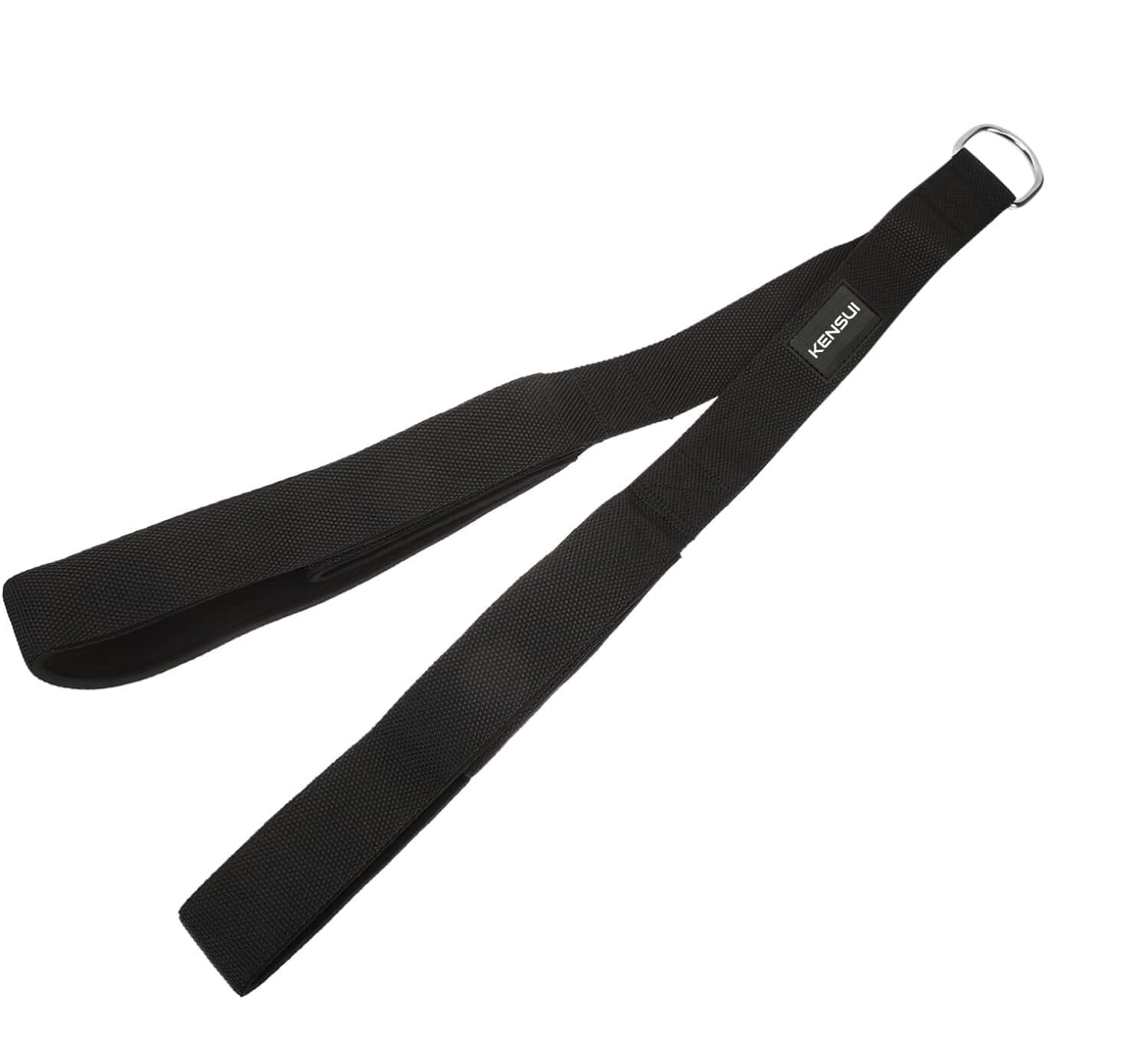
Multi-Length Tricep Strap
Adjustable-length cable strap for triceps, biceps and upper-body cable exercises.
Does stretching after weights actually reduce soreness?
This is where the recovery story needs separating into different questions. A 2025 meta-analysis pooled 15 controlled studies involving 465 participants that compared post-exercise stretching with no stretching. Across the included outcomes, stretching did not produce statistically significant improvements in muscle soreness, strength, performance, flexibility or pressure-pain threshold when used as a standalone recovery intervention.
That does not mean every stretch is pointless. It means the evidence does not justify promising that a cool-down will eliminate tomorrow’s soreness. Delayed-onset muscle soreness is influenced by unfamiliar exercise, eccentric loading, training volume and individual response. Stretching a tired muscle may feel pleasant or may feel irritating; neither sensation establishes that microscopic repair is proceeding faster.
Consider a heavy chest-and-arms session. If you add a short stretch, you might enjoy a calmer transition out of training and practice moving through comfortable ranges. But do not count on that routine to rescue you from a sudden doubling of training volume. Better load progression, sufficient food and sleep, and spacing demanding sessions sensibly remain more dependable ways to manage how much fatigue you accumulate.
Be equally cautious with the word recovery. The new experiment observed vascular and autonomic markers during the first half hour. The meta-analysis evaluated soreness and performance outcomes across other protocols. Both can be accurate without contradicting each other because they measure different things. An appealing headline about faster recovery should never quietly switch from one definition to another.
Stretching and strength training both have roles in flexibility
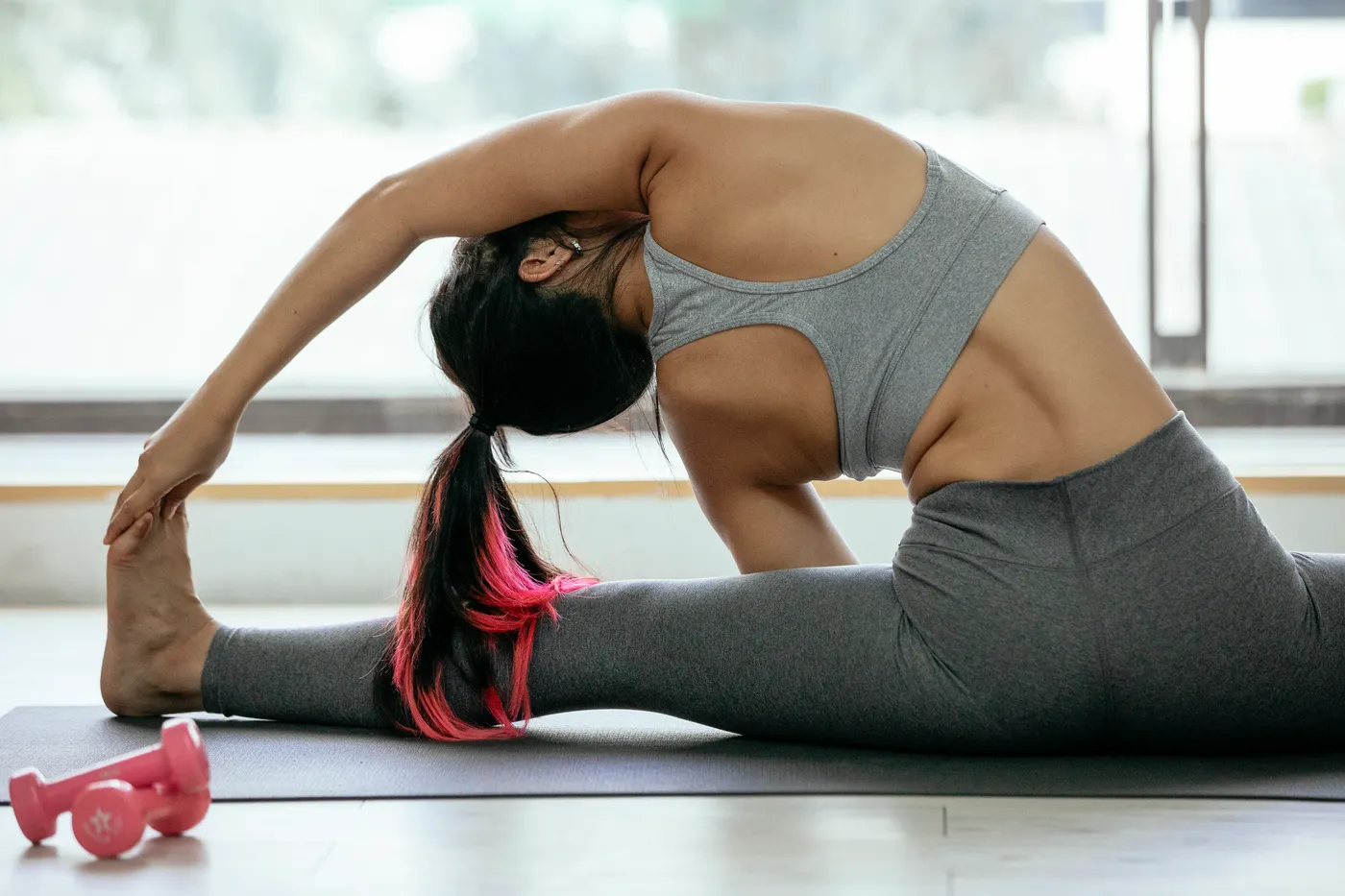
Flexibility is a different goal from immediately recovering after a workout. A large synthesis of 189 studies and 6,654 adults found that static stretching improves range of motion both acutely and over repeated sessions. In that analysis, improvements tended to level off beyond roughly four cumulative minutes in one session for acute effects and ten minutes per week for chronic flexibility gains. Those are research-level averages, not rigid prescriptions for every joint or athlete.
Resistance training can also improve mobility when exercises move through an appropriate range. A separate review of 55 studies found that externally loaded resistance exercise improved joint range of motion, with no clear overall difference versus stretching in the comparisons analyzed. Deep, controlled squats, presses and rows can therefore contribute to usable movement capacity while training strength. They do not necessarily address every individual mobility restriction.
The practical choice depends on your goal. If you already lift through full comfortable ranges and have no movement limitation, adding lengthy stretching purely because a fitness checklist says so may have a small payoff. If you struggle to raise your arms comfortably, reach a needed squat depth or maintain a specific position, targeted mobility work may deserve dedicated time. The answer is not to force painful end ranges after a tiring workout.
Static stretching and foam rolling are not interchangeable with muscle repair, either. Both may improve range of motion over time, but neither should be sold as a guaranteed way to remove soreness. Track the outcome you actually care about—comfortable movement, training performance or subjective relaxation—instead of assuming one technique delivers every benefit.
Funny Gym Shirts & Workout Gear
Funny gym shirts, tanks, hoodies and workout gear for lifters who like training hard.

Anti Stretching Stretching Club Meme Shirt – T-Shirt
Bring “Anti Stretching Stretching Club” humor to your next gym day.

More Rest More Test Meme Testosterone Bro Tank Top
Bring “More Rest More Test Gym Meme Testosterone” humor to your next lifting session.

Shirt – Pain Train Gains Bros Muscle Train & Meme T-Shirt
Rep “Pain Train Gains” humor in and out of the gym.

This Is My Therapy Shirt Meme , & Gains Top T-Shirt
Bring “This Is My Therapy” humor to your next gym day.

Bro Science Graph Shirt – Essential Maximum Rizz & T-Shirt
Bring “Bro Science Graph” humor to your next gym day.

Just Flex It Meme Shirt – Essential T-Shirt
Show some bodybuilding attitude with a playful “Just Flex It” tee.

Six Plates Bench Club Meme Shirt – Chest Day T-Shirt
Heavy lifts, good laughs, and a little “Six Plates Bench Club” energy.

Pressure Meme Stoic Bodybuilder With Greek God T-Shirt
Rep “Pressure Gym Meme” humor in and out of the gym.

Bro Science Element Chemical T-Shirt
Show some bodybuilding attitude with a playful “Bro Science Element” tee.

White Marble Greek God Statue – Bicep Pose T-Shirt
Bring “White Marble Greek God Statue” humor to your next gym day.
A sensible five-to-eight-minute post-lifting routine
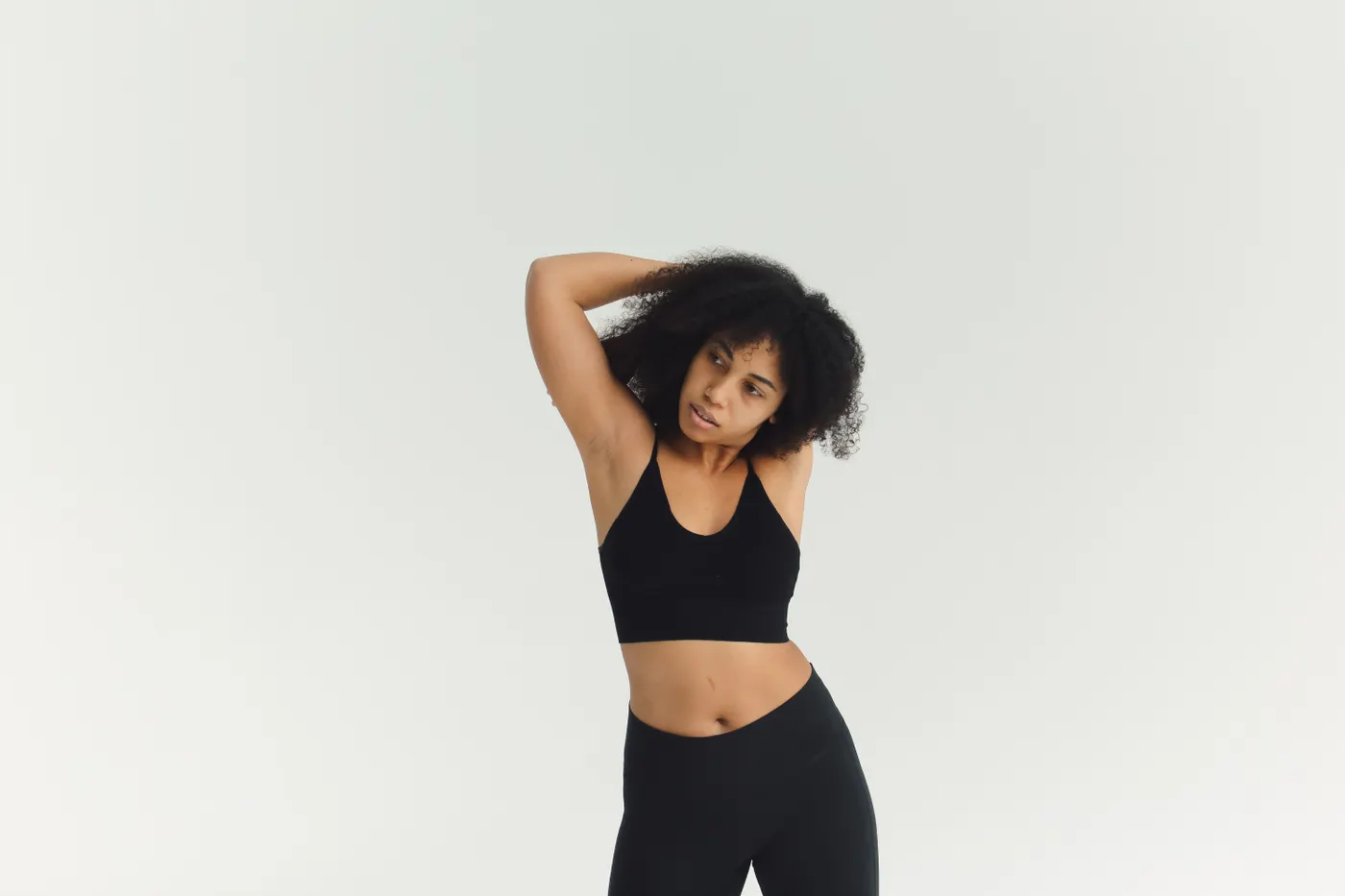
You do not need to copy the experiment’s eight-out-of-ten discomfort level to build a useful cool-down. For general recreational training, start with easy movement and comfortable stretches rather than trying to win a flexibility contest while fatigued. The protocol below is a practical option, not a proven reproduction of the study’s cardiovascular effects.
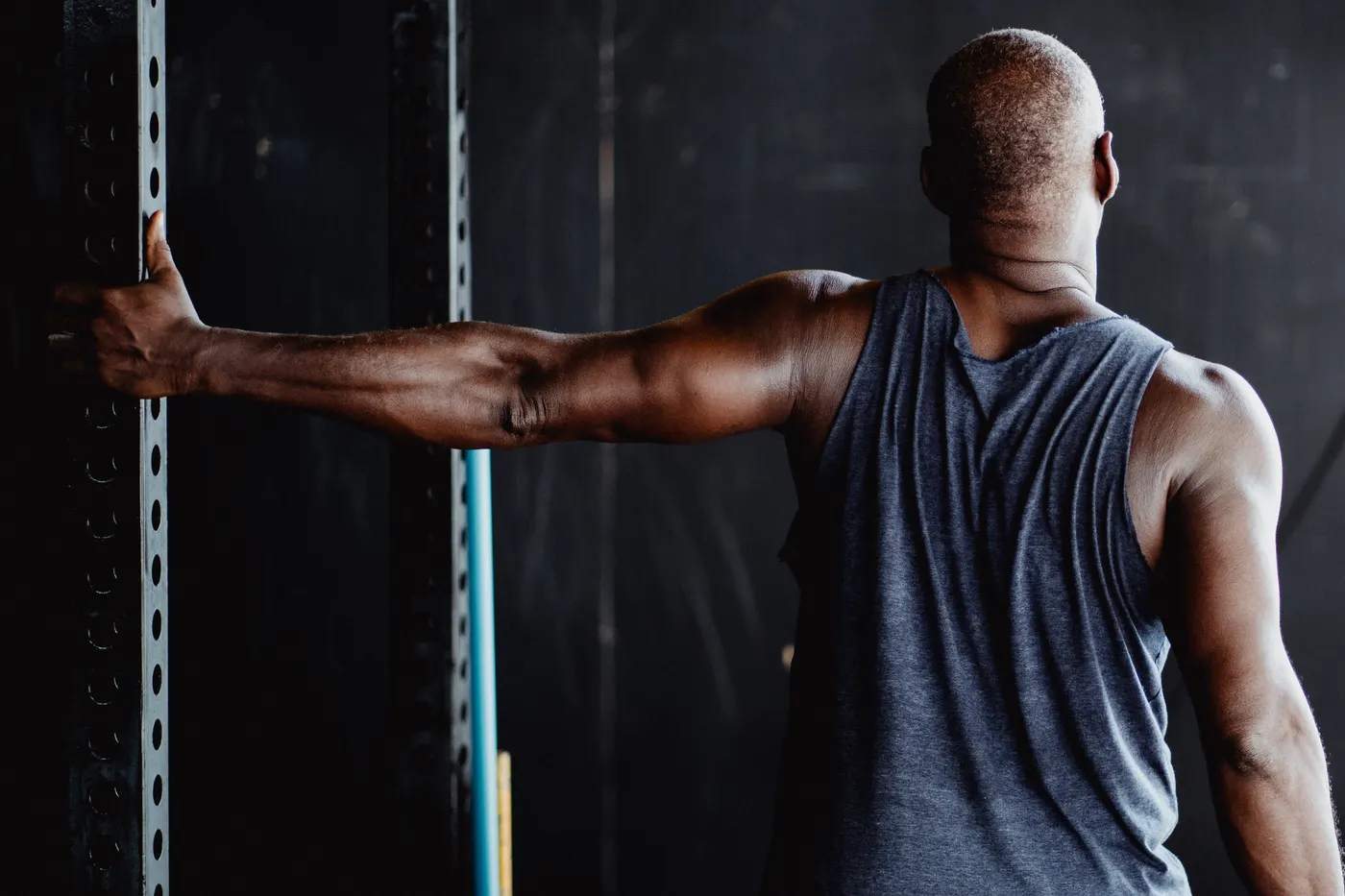
Minute one: Walk slowly or move around the gym until breathing feels settled. Avoid abruptly sitting down if you feel lightheaded after heavy sets. Minutes two and three: Stretch the chest gently at a doorway or upright support, using two 20–30-second holds per side without twisting aggressively through the shoulder. Minutes four and five: Use a comfortable elbow-flexor or forearm stretch, alternating sides, while keeping the joint position pain-free.
Minutes six and seven: If your workout included legs, add a hip-flexor or calf stretch that targets a movement restriction you actually notice. If it was entirely upper body, spend this time on gentle shoulder and upper-back mobility instead. Minute eight: Return to easy breathing, hydrate as needed and note any unusual discomfort before leaving.
Hold a position long enough to settle into it, but avoid bouncing, numbness, tingling or sharp joint pain. There is no requirement to stretch every muscle trained that day. A short, repeatable routine is easier to evaluate than a random sequence of ten aggressive positions. If a stretch consistently aggravates a shoulder, elbow or back, change the angle or omit it; pushing harder is not evidence-based recovery.
Keep the priorities in order: your training program should still manage load and technique, your schedule should allow recovery between demanding sessions, and stretching should be a modest optional addition rather than a replacement for those fundamentals.
Equipment Worth Exploring
Explore equipment, accessories and gear from our carefully selected range.


GymPin Ergo Handles
Pair of ergonomic cable handles shaped for comfortable triceps and pulling exercises.

GymPin D Cuffs
Adjustable wrist cuffs with textured grips for supported cable-machine exercises.


Who should try it—and what to watch next
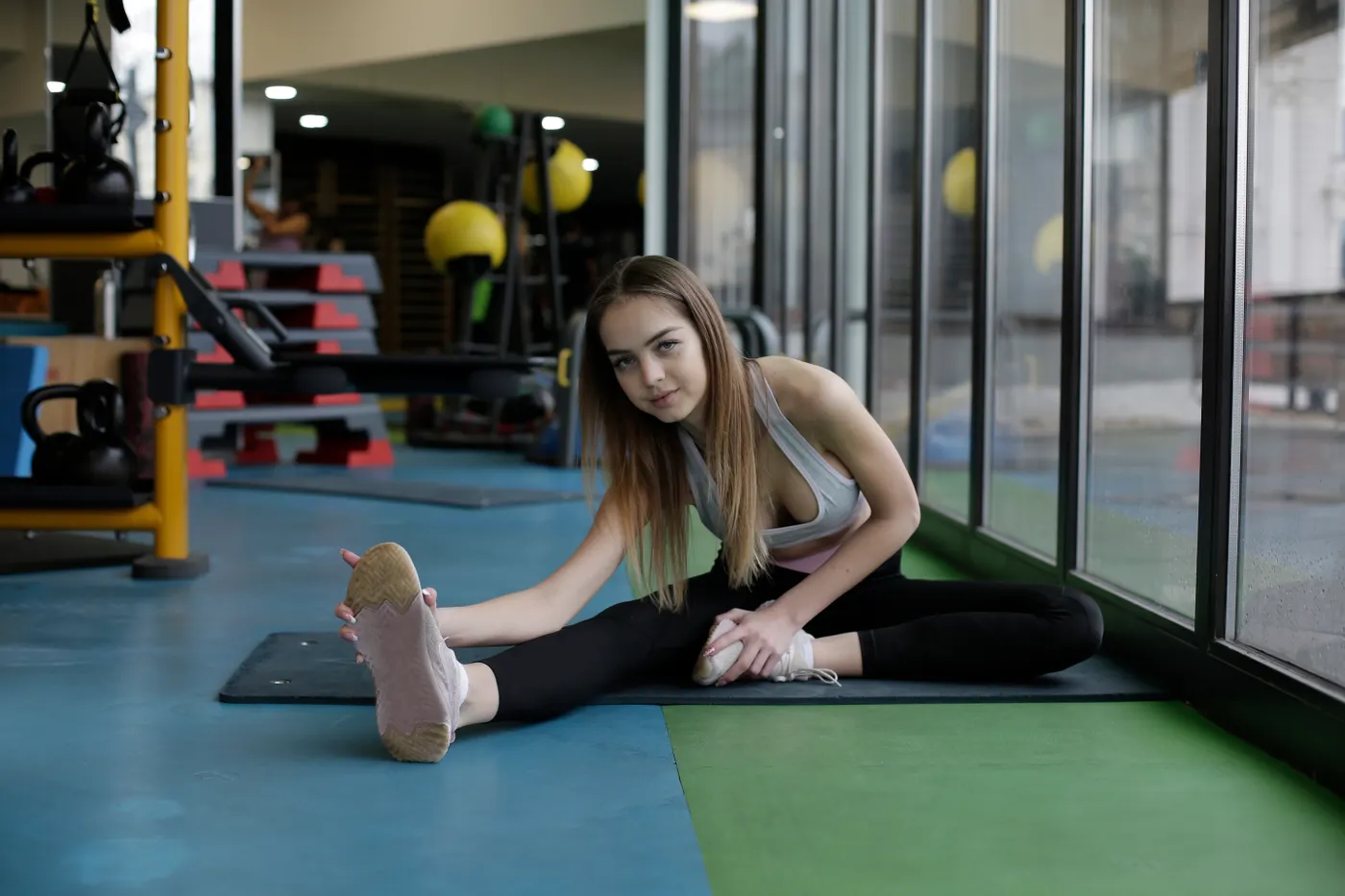
A brief cool-down is most appealing if you enjoy stretching, want a consistent transition after lifting, or are working on a specific range-of-motion goal. It is also easy to test personally: keep your lifting plan stable for a few weeks, add a repeatable low-discomfort routine, and note whether you move more comfortably and are more willing to stick with it. Those observations can guide your habits even though they do not prove a physiological mechanism.
There are reasons to be conservative. The study participants were healthy young men without known cardiovascular or orthopedic disorders, and the stretching was supervised. People with unstable symptoms, dizziness, recent injuries or joint pain should not use intense end-range holds as an improvised treatment. After a hard workout, chest pain, fainting or unusual shortness of breath warrants prompt medical attention rather than another stretch. This is a sensible safety boundary, not a claim that ordinary stretching is dangerous.
Future studies need to test women, older adults, different training volumes and muscle groups, and outcomes beyond 30 minutes. It would be especially useful to compare easy five-minute routines with longer, higher-intensity stretching, and to measure next-day performance, soreness and longer-term cardiovascular adaptation. Until then, the 2026 findings support a narrower conclusion: after one upper-body session, adding 12 minutes of static stretching was associated with a faster return of several vascular and autonomic markers toward baseline.
For most lifters, that is a reason to consider a comfortable cool-down—not a reason to believe stretching is mandatory, that more pain means more benefit, or that skipping it ruins recovery. Train progressively, sleep consistently, and use mobility work where it genuinely helps you move and feel better.