Strength training during menopause is not a special kind of exercise reserved for a particular birthday. It is ordinary progressive resistance training, adjusted for the person doing it: current strength, bone health, sleep, symptoms, training history and goals. What changes in midlife is the value of protecting muscle and physical function—and sometimes the amount of recovery needed to train consistently.
Hormonal changes may contribute to shifts in body composition, but they do not switch off the ability to build strength. The practical goal is to make lifting a reliable part of life rather than chase an intimidating program or treat every tired session as proof that hormones have made progress impossible. Here is how to build a balanced plan without confusing promising research with guarantees.
What changes around menopause—and what remains trainable
Perimenopause is the transition before the final menstrual period; menopause is identified retrospectively after twelve months without menstruation when no other cause explains the change. Timing, symptoms and individual responses vary widely. Hot flashes, interrupted sleep, mood changes and shifting schedules can all affect training consistency even when an exercise itself remains appropriate.
Studies comparing women at different stages of the transition often find differences in lean mass, but that does not prove menopause alone causes every change. Age, activity levels, nutrition, body size and measurement methods overlap. One 2026 evidence review highlighted the uncertainty: most muscle-size comparisons use body-composition scans that estimate lean tissue rather than directly measuring muscle fibers. The relationship between sex hormones and muscle protein turnover is biologically plausible, yet human evidence is incomplete.
The useful conclusion is neither “nothing changes” nor “muscle loss is inevitable.” Resistance training remains a modifiable stimulus. You can track how many controlled repetitions you complete, how much load you move, whether stairs feel easier and how confidently you handle everyday tasks. Those outcomes matter more than assuming a specific percentage of muscle loss applies to every woman.
If you are already lifting, keep the foundations that work and adapt recovery as needed. If you are starting, a simple program performed twice weekly can be a better first investment than a complicated five-day split. Build a baseline, learn the movements and give the program enough weeks to show a trend.
Build strength with progressive effort, not constant exhaustion
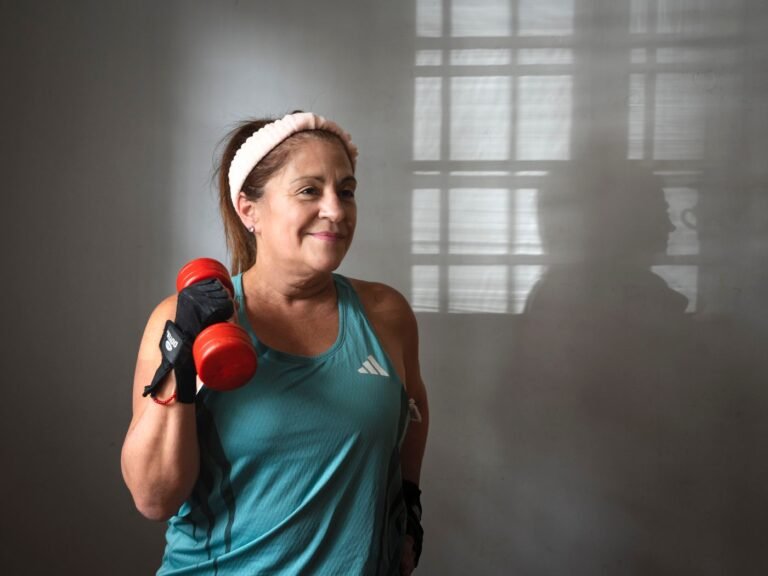
Muscle responds to sufficiently challenging work. For a beginner, body-weight squats, supported rows, machine presses and moderate dumbbells may be demanding enough. As those exercises become easier, the stimulus should progress through a slightly heavier load, more controlled repetitions, greater range of motion or additional work sets. The goal is measurable challenge, not maximal soreness.
Choose five or six movement patterns to cover the body: a squat or sit-to-stand, hip hinge, push, pull, loaded carry and optional calf or trunk work. Start with one or two working sets per exercise. A useful general range is six to twelve repetitions, although lower or higher repetitions can also develop muscle when the effort is appropriate. Stop most sets with roughly one to three good repetitions still possible rather than turning every set into a grind.
For example, if a goblet squat is comfortable for two sets of ten, first make all twenty repetitions stable and deep enough for your mobility. Then increase the load modestly and accept that repetitions may drop. If adding weight aggravates a joint, maintain the load and improve technique, tempo or range instead. Progression should be gradual enough to repeat next week.
A broad 2026 synthesis of resistance-training evidence found that multiple approaches can improve muscle function and size. That evidence concerns adults generally, not a menopause-only population, so it supports flexible programming rather than a universal prescription to lift extremely heavy. Consistency and individual tolerance remain central.
Keep a short log: exercise, load, repetitions and an effort note. If two sessions per week fit your life, that is a credible starting point. Add a third only when the extra work improves rather than undermines recovery.

Gym Girl Shirts & Workout Gear
Gym shirts, tanks and workout gear for women who lift, train hard and live the gym lifestyle.

Feminist Gym For Strong Women | Break The Stereotype Fu Hoodie
Bring “Feminist” gym humor to lazy days and post-workout plans.

The Powerlift Girls Meme – Gains Top T-Shirt
Bring “The Powerlift Girls” humor to your next gym day.

Powerpump Girls Sweater Female Meme Top T-Shirt
Keep things casual with a little “Powerpump Girls” attitude.

Lifterbell Fairy Meme Decal Water Bottles & Gear Sticker
Bring “Lifterbell Gym Fairy” attitude to your water bottle or laptop.

Muscle Mommy Lifting Club for Gym Girls, Workout & Body Hoodie
Make your off-duty look more fun with “Muscle Mommy Lifting Club”.

Girl Strong Woman Leg Day Squats Meme Barbie Tank Top
Show some personality between sets with “Gym Girl Strong Woman”.

Valentine'S Day I Love Lifting & Pink Bumper Plate T-Shirt
Heavy lifts, good laughs, and a little “Gym Valentine's Day” energy.

Shirt – Strawberry Kettlebell Meme Top Gymbros & T-Shirt
Heavy lifts, good laughs, and a little “Strawberry Kettlebell Meme” energy.

No Excuses Mermaid Motivational Sweater Strong Meme T-Shirt
Keep things casual with a little “No Excuses Mermaid” attitude.

In My Muscle Mommy Era for Gym Girls, Lifting, Fitness Tank Top
Show some personality between sets with “In My Muscle Mommy Era”.
Bone health needs loading, but heavier is not always safer
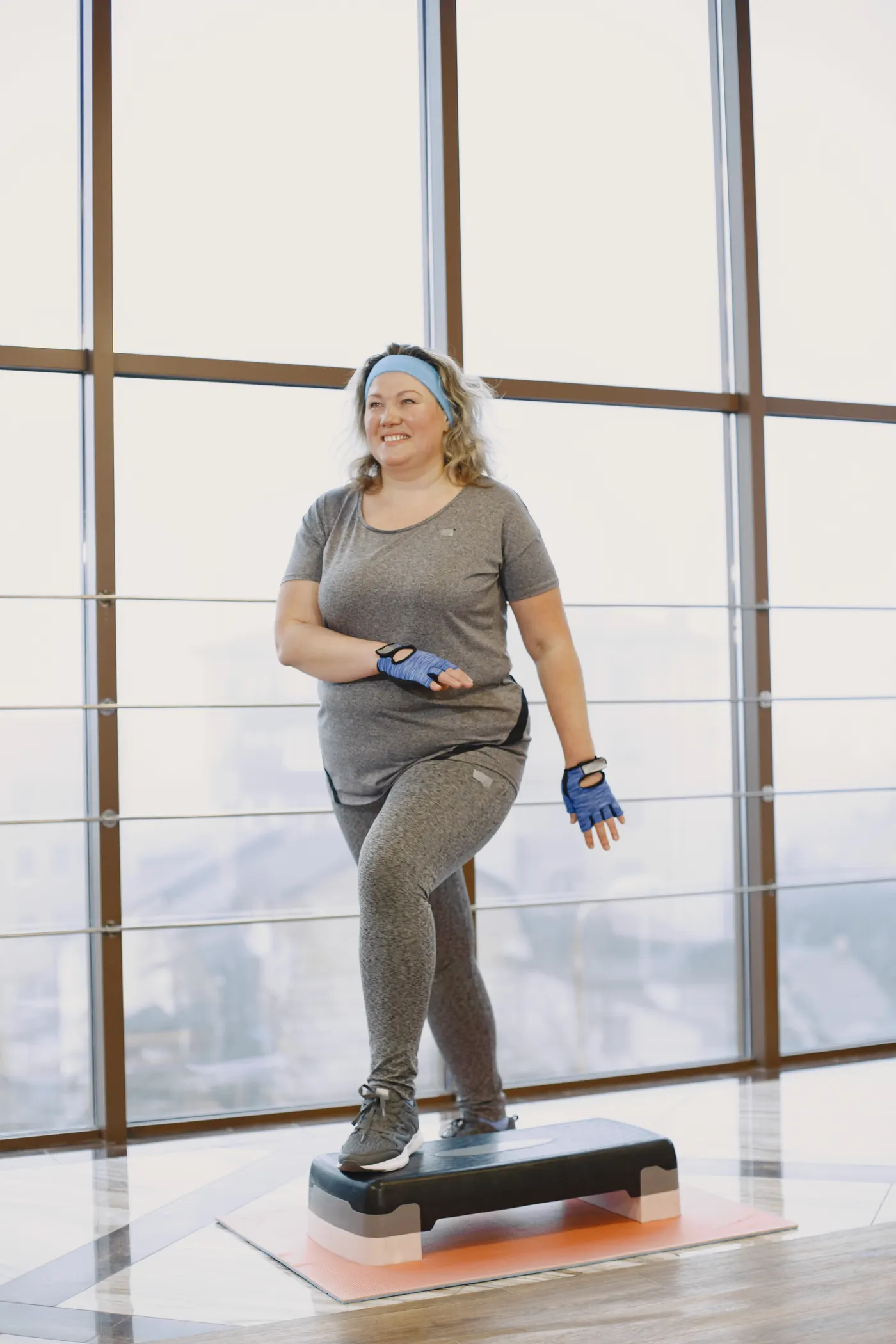
Muscles and bones respond to related but different demands. Walking supports activity and general health, while resistance and weight-bearing impact provide mechanical loading that can help maintain skeletal function. The right dose depends on whether bone density is normal, reduced or already in the osteoporosis range—and whether there have been fractures.
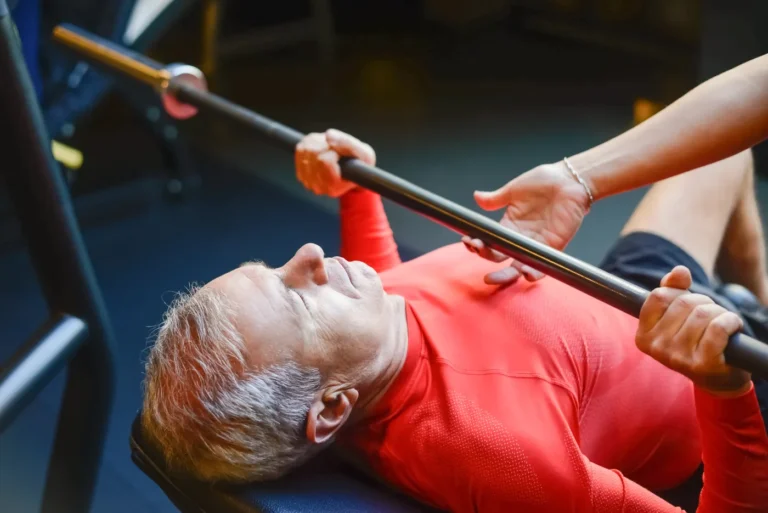
One well-known controlled trial enrolled 101 postmenopausal women with low bone mass and compared a supervised high-intensity resistance-and-impact program with a low-intensity exercise approach over eight months. The higher-intensity group showed better changes in lumbar-spine and femoral-neck bone-density measures and functional tests. Importantly, participants were screened and closely supervised; the results do not mean that anyone with osteoporosis should begin maximal deadlifts or jumping without assessment.
For many people, a safe entry point is a squat to a stable bench, step-ups using a low step, a supported hip hinge, a row and a press. These build movement confidence while exposing muscles and bones to load. If you have diagnosed osteoporosis, a vertebral fracture, significant balance problems or persistent pain, exercise selection and loading need to reflect those findings. In particular, aggressive loaded spinal flexion or unfamiliar high-impact drills may be inappropriate.
It is also worth separating bone density from fracture risk. Stronger legs, better balance, safer movement strategies and fewer falls matter even when a scan changes slowly. Training should aim to make daily movement more resilient, not merely chase a number on a report.
Progress slowly, especially after a long period of inactivity. Technique and a repeatable workload come before testing a one-repetition maximum. There is no need to imitate a research protocol to benefit from regular resistance training.

Equipment Worth Exploring
Explore equipment, accessories and gear from our carefully selected range.


FID Bench MAX
Adjustable bench offering flat, incline, and decline positions + adjustable headrest.


VOLTRA
Compact digital cable trainer with smooth, adjustable resistance.

Go-Tone Pro
Portable digital cable trainer with up to 66 lb (30 kg) of adjustable resistance.
A realistic two-day full-body strength template
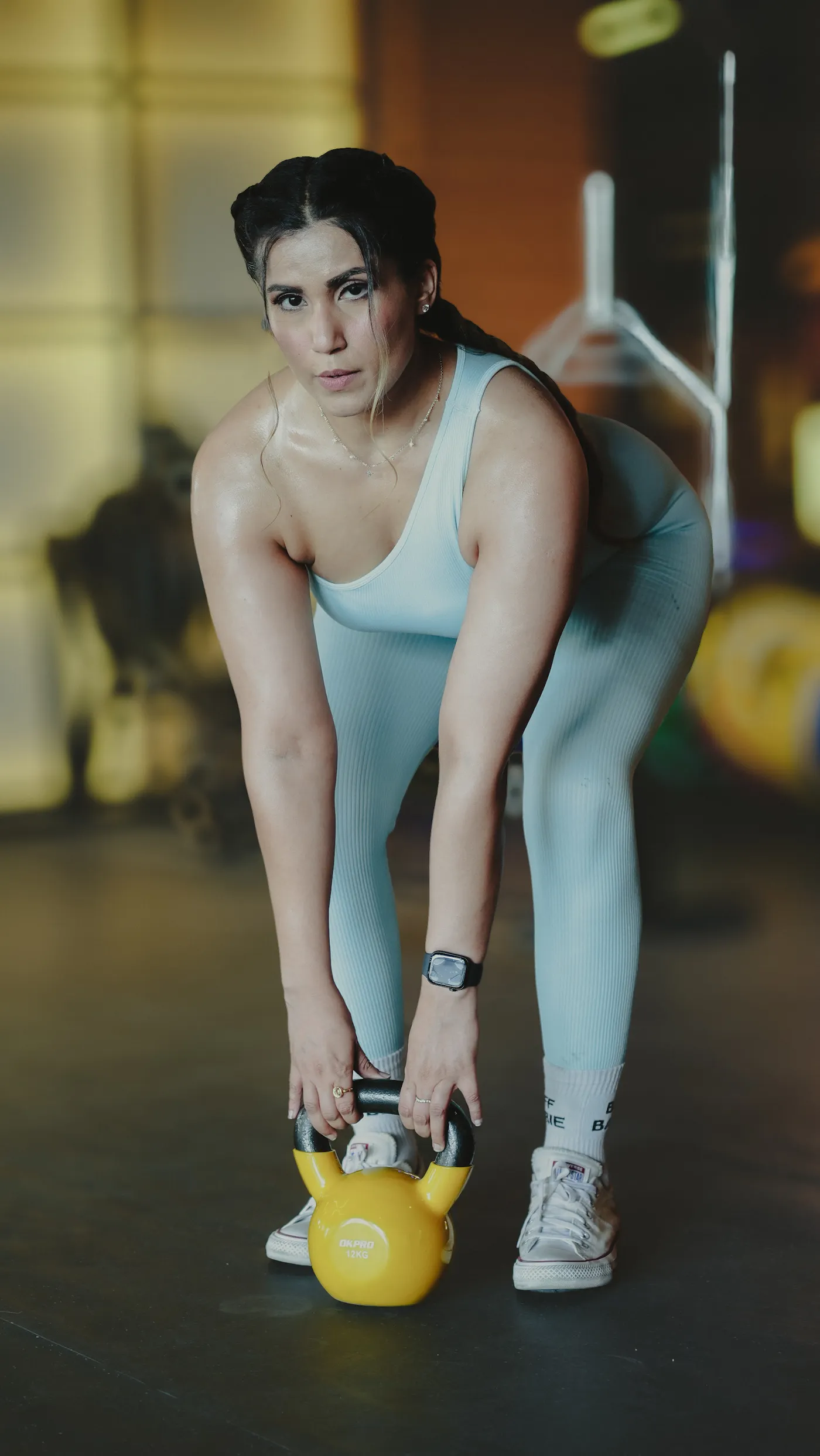
The best program is the one you can complete when life is busy and sleep has been uneven. Two nonconsecutive sessions cover the major patterns while leaving room for walking, cycling and rest. The template below is an example for a generally healthy adult without specific exercise restrictions; adjust range, support and load to your own abilities.
| Session A | Starting work | Session B | Starting work |
|---|---|---|---|
| Goblet squat or supported sit-to-stand | 2 × 6–10 | Step-up or split squat | 2 × 6–10 per side |
| Dumbbell or machine chest press | 2 × 8–12 | Hip hinge or Romanian deadlift | 2 × 8–10 |
| Supported row | 2 × 8–12 | Lat pulldown or band row | 2 × 8–12 |
| Farmer carry | 2 × 20–40 seconds | Calf raise and balance hold | 2 controlled sets |
Warm up for five to ten minutes with easy movement and lighter versions of the first exercise. Rest long enough to regain control of breathing and technique, commonly one to three minutes depending on the set. Beginners can perform one working set during the first week if even this volume feels excessive.
Use a simple progression rule: when every set reaches the top of its range with stable form on two consecutive sessions, increase resistance by the smallest practical amount. If a night of poor sleep makes the usual load unusually difficult, repeat the previous week or reduce one set. This is not failure; it is load management.
Training equipment can be basic. Dumbbells, a sturdy bench, a cable station or a few machines can cover the patterns. There is no requirement to buy a particular device, perform complicated supersets or train at a particular time of day. What matters is having enough resistance to progress and enough confidence to keep showing up.
Cardio and balance are partners, not rivals, to lifting
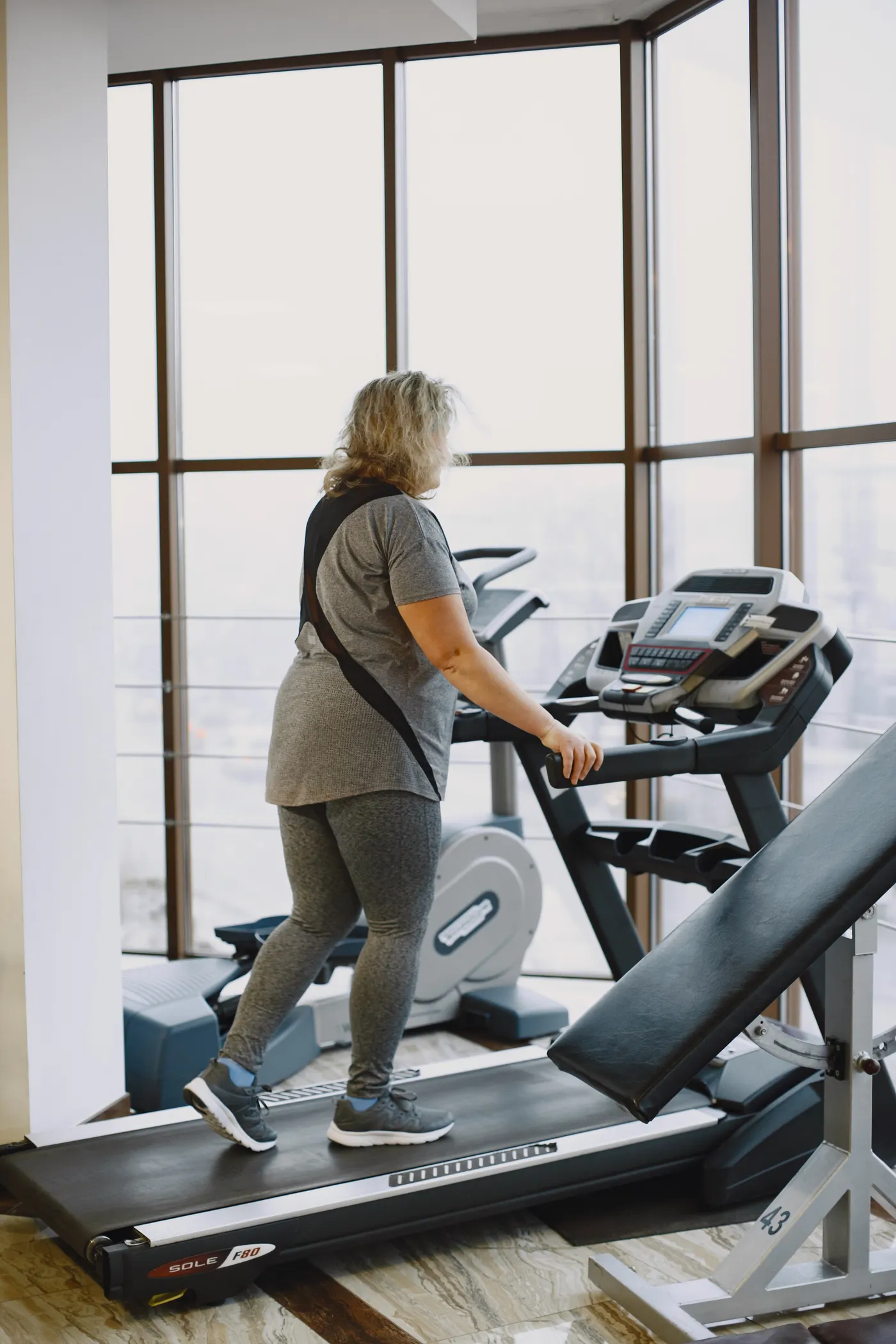
Resistance training is valuable, but it does not replace aerobic exercise. Walking, cycling, swimming and other rhythmic activity help build cardiovascular fitness, support blood-pressure and glucose management, and offer an approachable way to move on days between lifts. A useful public-health baseline is around 150 minutes of moderate aerobic activity per week alongside muscle-strengthening work on at least two days, scaled to individual capacity.
Balance also deserves deliberate attention. Practice standing on one leg near a counter, walking heel-to-toe beside a support, or controlled step-ups where you can catch yourself. Start with ten to twenty seconds of good control, then extend the duration or reduce hand support. Falls can be consequential when bone health is compromised, so stability is a performance goal in its own right.
There is no evidence-based reason to ban steady cardio during menopause. Very intense intervals may be enjoyable and effective for some people, but they are not mandatory, and exhausting sessions are a poor fit when sleep or recovery is already strained. Choose a mix that you can sustain. A brisk walk after lunch may be more realistic than another high-intensity class.
On weeks with two lifting days, add several comfortable walks and perhaps one longer aerobic session. If your legs are sore after a new squat exercise, easy cycling or walking may feel better than hard intervals. The aim is complementary work, not winning an imaginary competition between strength and endurance.
Remember that balance and cardio progress can be tracked too: an easier hill, a longer comfortable walk, or fewer hand contacts during a supported balance drill all indicate useful improvements.
Bodybuilding Shirts & Workout Gear
Bodybuilding shirts, tanks and gym gear for lifters chasing muscle, size, symmetry and the pump.

– Installing Muscles Downloading Gains Meme Hoodie
Stay casual and show some lifting attitude with “Installing Muscles Downloading Gains Meme”.

Meme – "Shhh I'M Doing Plate Math" & Weightlifting Sticker
Stick a little “"Shhh I'm Doing Plate Math" Workout &” humor on your favorite gear.

Gymhead Skull Plate Jumper T-Shirt
For laid-back days and powerlifting humor: “Gymhead Skull Plate Funny Powerlifting”.


OnlyGains Meme Hooded Bros Jumper Top Hoodie
Show off your lifting humor in a laid-back “OnlyGains Gym Meme” hoodie.

Bear Protein : Hilarious Meme T-Shirt
Add a playful “Gym Bear Protein” touch to your casual rotation.

Skeleton Deadlift Sweater & Fans Meme T-Shirt
For laid-back days and deadlift humor: “Skeleton Deadlift”.

Genie Wishing Gains Meme Decal Water Bottle & Laptop Sticker
Bring “Gym Genie” attitude to your water bottle or laptop.

Everything Hurts And I'M Tired Duck Meme Gains T-Shirt
Add a playful “Everything Hurts And I'm Tired” touch to your casual rotation.

Anti Social Lifting Club Decal Water Bottles & Sticker
Bring “Anti Social Lifting Club” attitude to your water bottle or laptop.
Protein, energy and sleep support the work you do in the gym
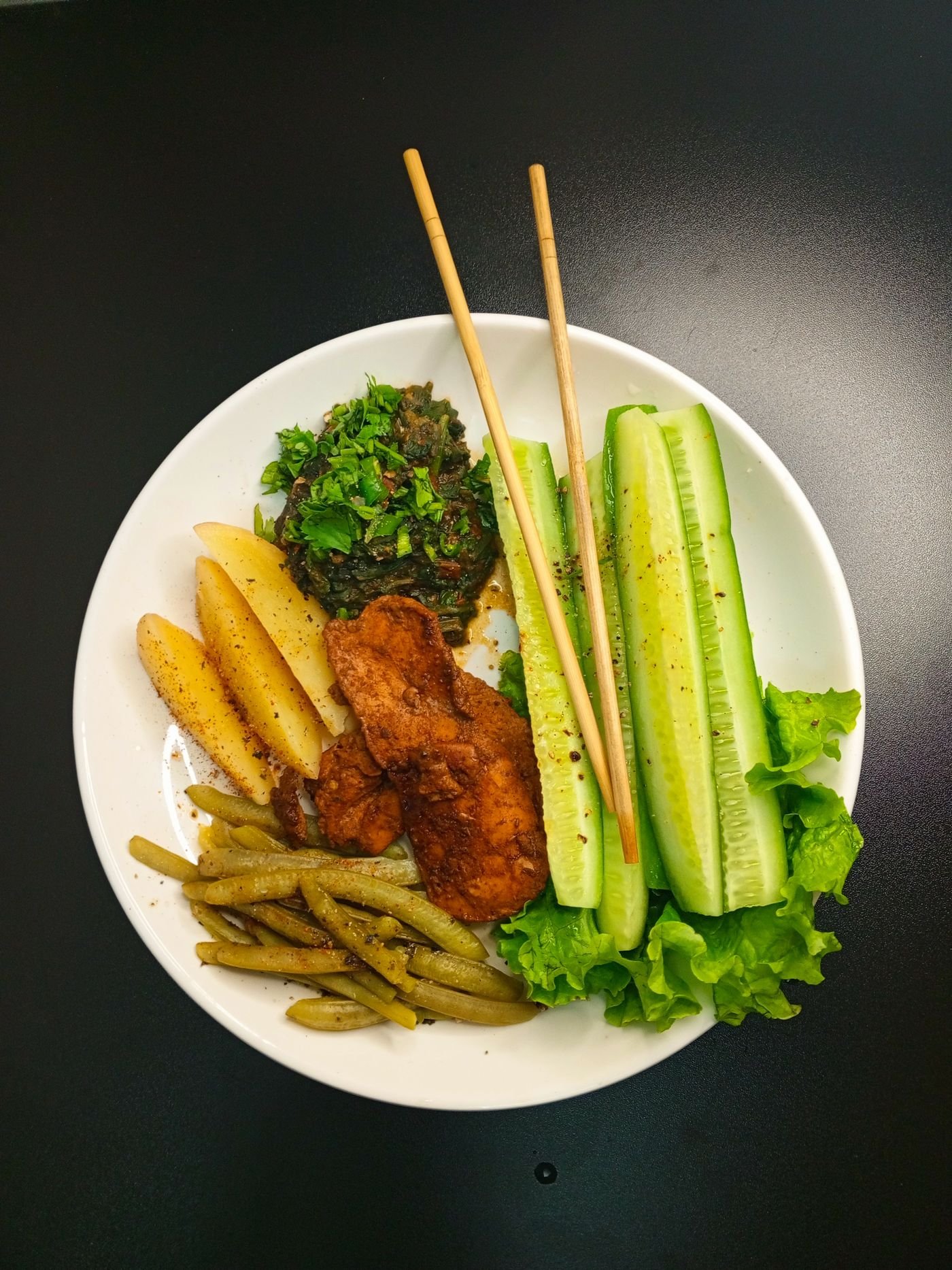
Training provides the stimulus; food and recovery help make it repeatable. Adequate protein supports muscle maintenance and adaptation, while sufficient total energy helps you train with reasonable effort. A simple approach is to include a protein-containing food at each main meal—such as eggs, yogurt, beans, tofu, fish or poultry—rather than relying on one very large serving at dinner.
Protein needs vary with body size, activity, health conditions and energy intake. Many active adults aim for roughly 1.2–1.6 grams per kilogram of body weight daily, but that is a planning range, not a universal medical target. Someone with kidney disease or another condition affecting dietary requirements may need a different approach. Spreading protein across meals can make the goal easier to reach without elaborate supplements.
Bone health also depends on adequate calcium and vitamin D, along with other aspects of diet and medical care. Food sources, sunlight exposure, local recommendations and individual test results influence whether supplementation is appropriate. A pill cannot substitute for progressive exercise, and a workout cannot correct a clinically important deficiency by itself.
Interrupted sleep is common during the menopausal transition and can change how hard a familiar session feels. On a poor-sleep day, keep the warm-up, choose safe exercises and reduce the final set if necessary. One imperfect workout does not erase progress. Persistent symptoms that interfere with daily life are worth addressing rather than treating them as a test of willpower.
There is no special fat-loss rule that overrides basic nutrition and training principles. Rapid restriction may make strength work harder and recovery worse. If body-composition change is a goal, aim for a sustainable approach that protects protein intake and performance instead of chasing a short-term scale result.
Equipment Worth Exploring
Explore equipment, accessories and gear from our carefully selected range.


Safety Squat Handles
Barbell squat handles that reduce shoulder positioning demands during high-bar squats.

GymPin Squat Wedges
Non-slip 15-degree squat wedges help elevate the heels for deeper quad-focused squats.


Power Tower
Freestanding pull-up and dip station with adjustable handles for bodyweight training.


How to progress over twelve weeks—and when to adapt
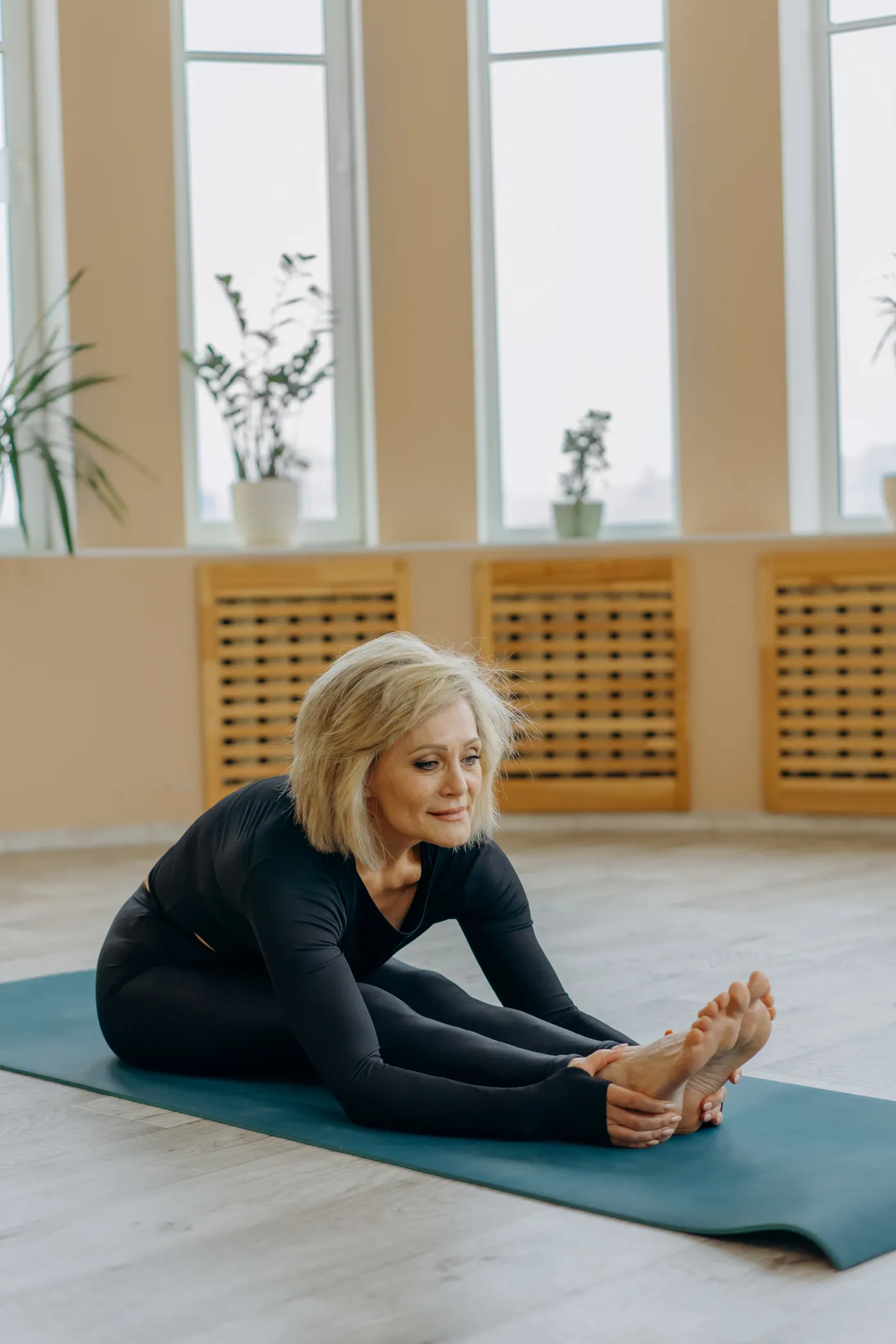
For weeks one through four, prioritize learning. Complete two sessions, use comfortable loads, write down repetitions and practice the movement patterns. Keep cardio conversational and balance drills supported. The first sign of success may be that the routine no longer feels intimidating.
During weeks five through eight, make small increases where technique is consistent. Add a repetition to a row, a little resistance to a squat or a few seconds to a carry. Avoid increasing every exercise at once. If soreness lingers or joint symptoms worsen, reduce the offending load or range and reassess the movement rather than assuming you need to push through.
In weeks nine through twelve, review the trend. Are the same dumbbells easier? Can you climb stairs with less effort? Has your supported balance improved? Can you complete the week without feeling depleted? These are useful outcomes even if body weight and appearance barely change. If progress has stalled but recovery is good, consider a small increase in training volume or difficulty. If energy is low and sleep poor, solve the recovery problem before adding more work.
Seek individualized guidance when there is a history of fragility fractures, severe osteoporosis, new neurological symptoms, significant dizziness, chest pain or exercise-related pain that changes your movement. The goal is not to avoid activity indefinitely; it is to choose an appropriate starting point and progress safely. Heavy loading may be suitable for some people under expert supervision, but a blanket prescription is not responsible.
The bottom line: menopause can change the context of training without taking away its value. A manageable combination of progressive lifting, regular aerobic movement, balance practice, adequate food and adaptable recovery offers a practical route to stronger muscles and better physical function over time.