Advertising disclosure: This page includes affiliate links that may earn us a commission at no additional cost to you.
The bar can become the most distracting part of a Zercher squat. Your legs may be ready for another repetition while the narrow contact across your elbow creases makes you want to rack it. A purpose-built pad addresses that contact problem. Whether it earns space in your gym depends on the bar you own, the exercises you actually use and how securely the complete setup works.
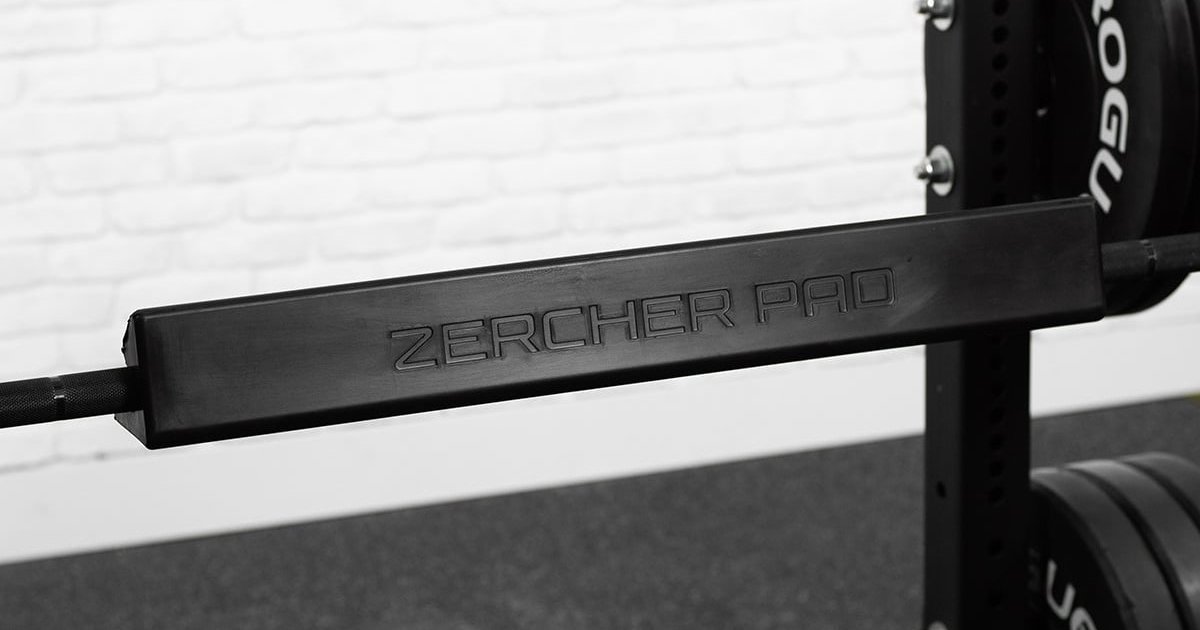
The AbMat Zercher Pad is a molded foam accessory for that elbow-crook position. This is a specification-based buying and setup guide, not an MMP hands-on test. Its usefulness should be judged as an accessory to a familiar lift: cushioning may change how the hold feels, but it does not establish better technique, greater strength or a reason to load more weight.
Check the shaft diameter before buying
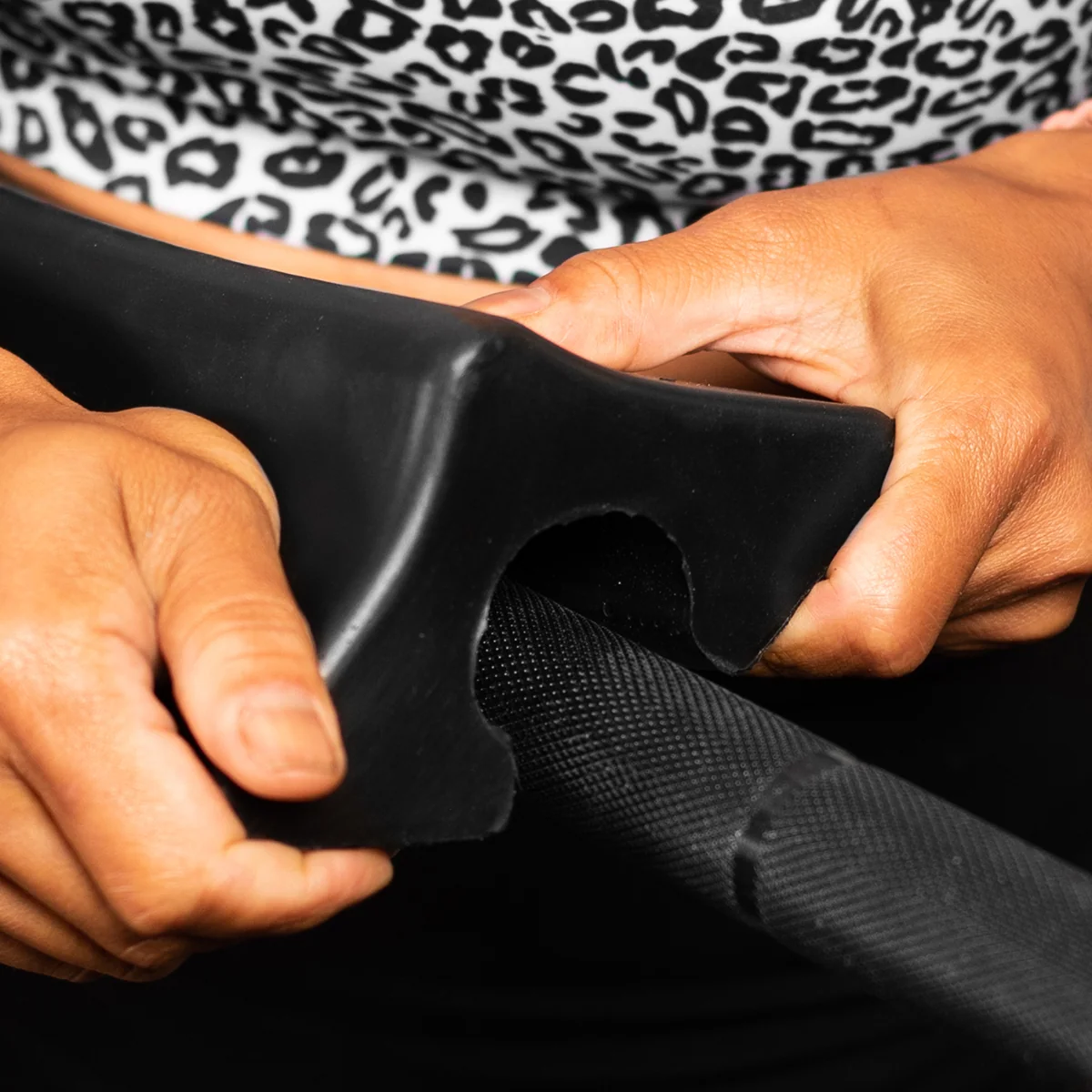
AbMat specifies compatibility with 25 mm and 28 mm Olympic barbell shafts. Check the diameter of the part held in your arms, rather than the sleeves that carry the plates. An Olympic sleeve designation does not tell you that the central shaft matches either supported size.
Find the specification for your exact bar model. If your gym has several similar bars, identify the one you intend to use before ordering. Do not assume that a familiar brand, a general-purpose label or the fact that a pad appears to fit in a photograph establishes compatibility. For another shaft diameter, ask AbMat to confirm suitability instead of treating the opening as universally adjustable.
The pad is listed at 28 inches long. Consider that span in relation to your normal elbow spacing and the rack position where you will install it. The aim is to support the intended contact area without forcing a new arm position simply to accommodate an accessory. Your body proportions and preferred stance still matter.
Keep the buying decision separate from a lifting decision. A bar that accepts the pad is only one part of a usable setup. You also need appropriate supports, room to position your arms and a controlled way to return the bar. Check those practical requirements before deciding that cushioning is the missing piece.
Fit the pad while the bar is securely supported
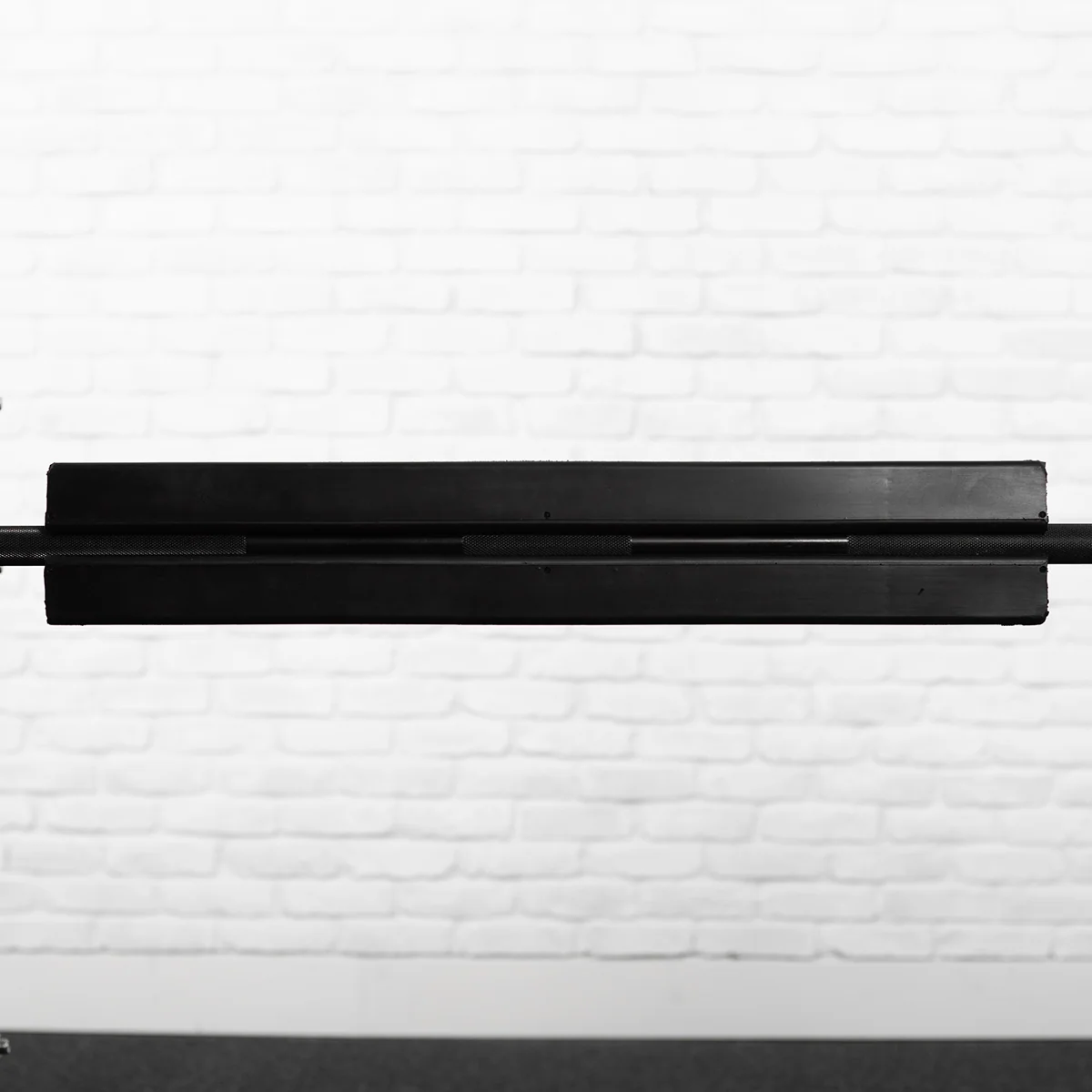
The press-on channel attaches directly to a compatible shaft without separate straps. Install it with the bar securely racked and unloaded so that you can concentrate on positioning. Keep control of the accessory and confirm that it is seated as intended before getting underneath the bar.
Centre the pad for your planned hold, then check both arm positions. Uneven contact is easier to notice before you lift than halfway through a repetition. If the pad does not sit correctly or the fit seems uncertain, stop and resolve that with the manufacturer. Do not modify the channel or improvise fastening hardware to make an unsupported bar work.
Rehearse the complete sequence with the unloaded setup: approach, place the elbows, stand clear of the supports, pause and return. The pad adds material between the shaft and your arms, so the pickup may feel different from your usual unpadded hold. Adjust the support position for the setup in front of you rather than relying on a remembered rack setting.
Our Zercher squat setup and bracing guide covers the movement itself. Keep that distinction clear: fitting the accessory is a short equipment task; learning a stable squat remains a separate training task. Finish each practice pickup with a deliberate return, and remove the pad only after the bar is fully supported.
Judge the contact without chasing a heavier lift
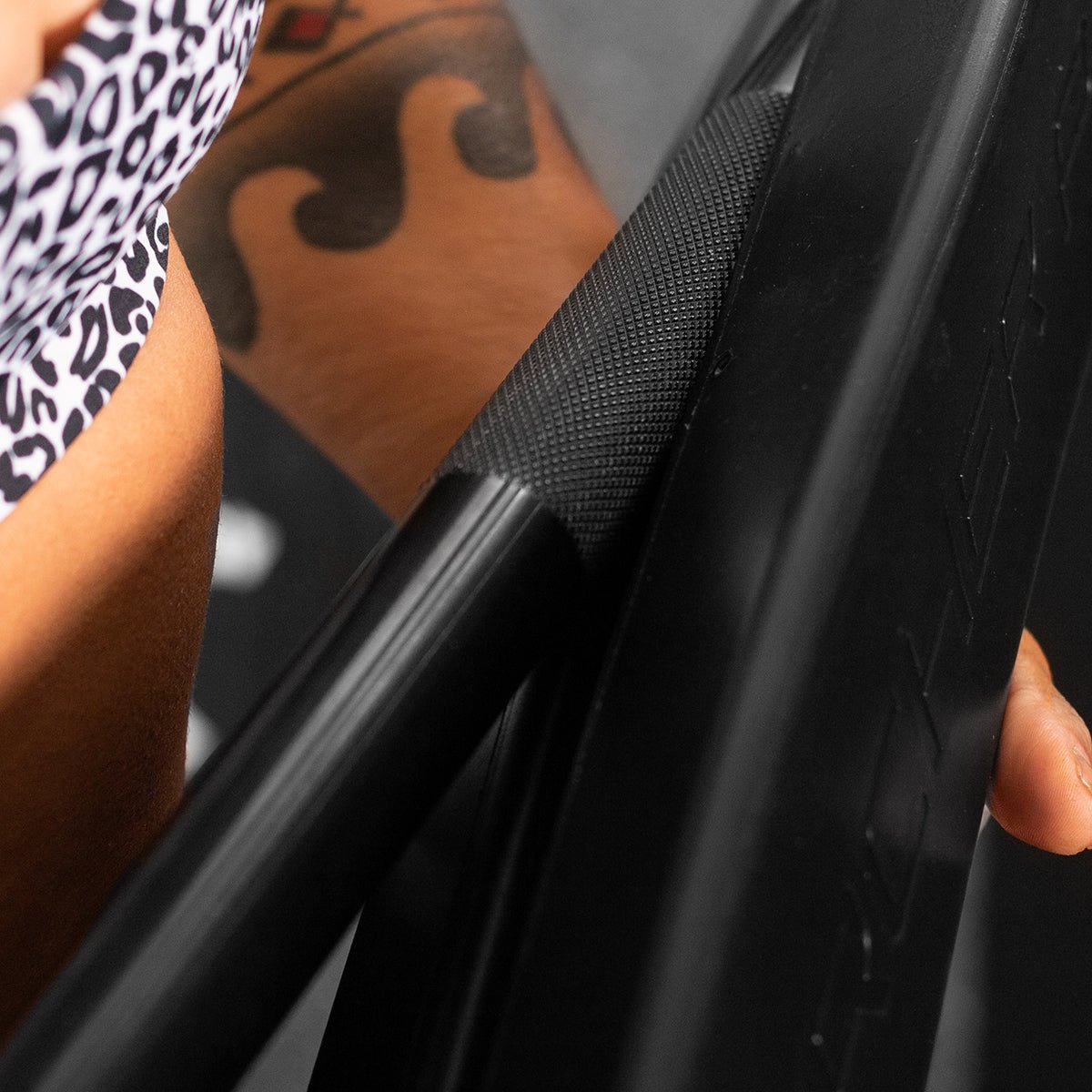
A wider, shaped contact surface is the reason to consider this pad. The useful personal question is whether it lets you maintain a consistent, comfortable hold during an exercise you already understand. That answer cannot be guaranteed by product photographs, customer enthusiasm or the amount another lifter uses.
Begin conservatively and notice what actually changes. Can you position both arms consistently? Does the setup remain predictable as you lower and stand? Can you return the bar without readjusting it? Compare those observations with your normal experience rather than immediately testing whether the extra cushioning permits a personal record.
Keep the comparison fair. If you change the pad, stance, rack height and weight together, it becomes difficult to identify which change helped or caused a problem. Write down the equipment change and use manageable practice sets. A more comfortable surface can be useful even when the working weight stays the same.
Ordinary contact pressure and pain are not interchangeable. Do not use padding to push through sharp, persistent or worsening symptoms. Stop the painful movement and seek appropriate advice when needed. The accessory is not a treatment, and a comfortable elbow hold does not establish that the rest of the repetition is well controlled.
Also keep padded and unpadded performances identifiable in your log. Neither needs to be treated as the superior version. They are different setups, and noting the difference makes later comparisons more useful than recording a heavier number without the conditions that produced it.
Match the accessory to squats, carries and lunges
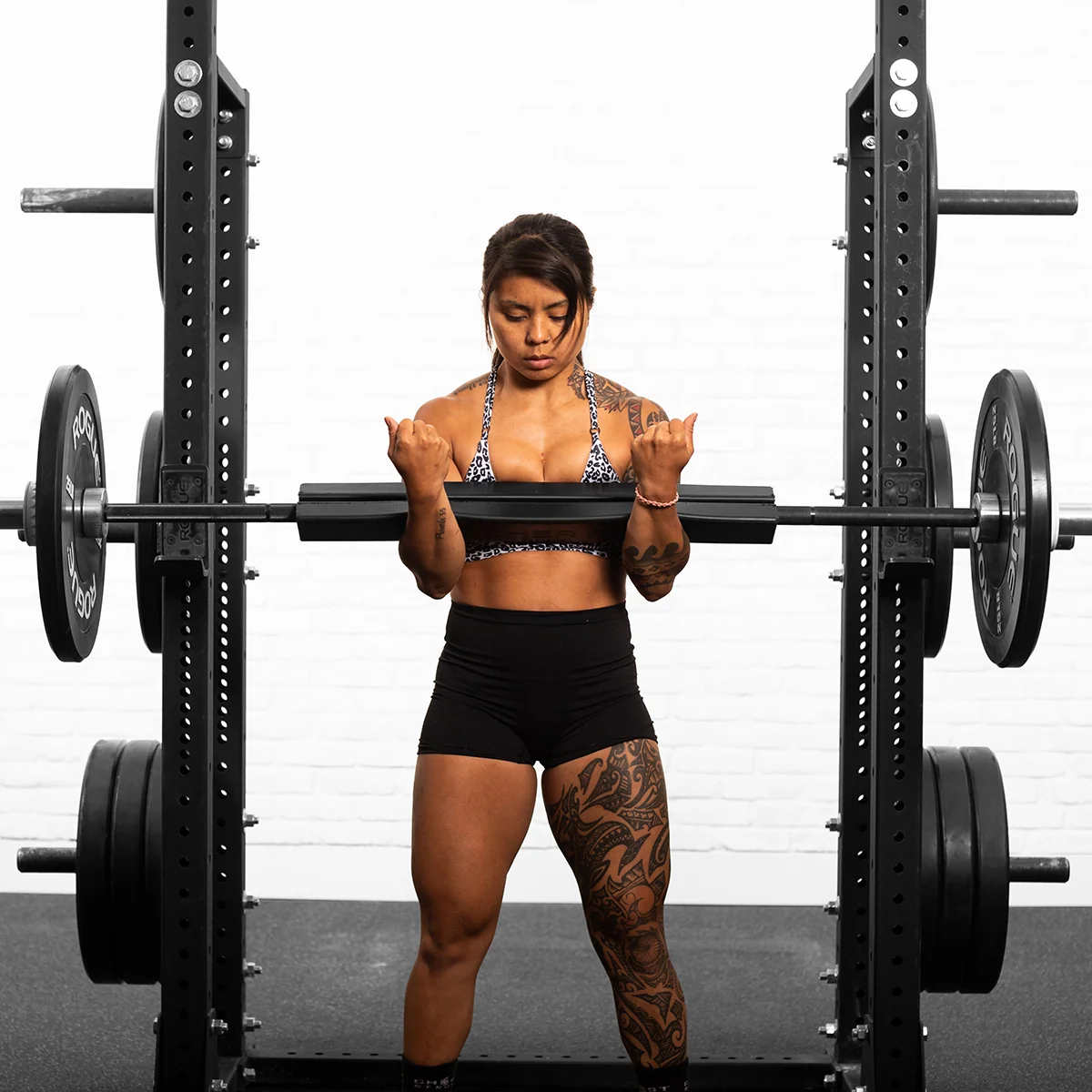
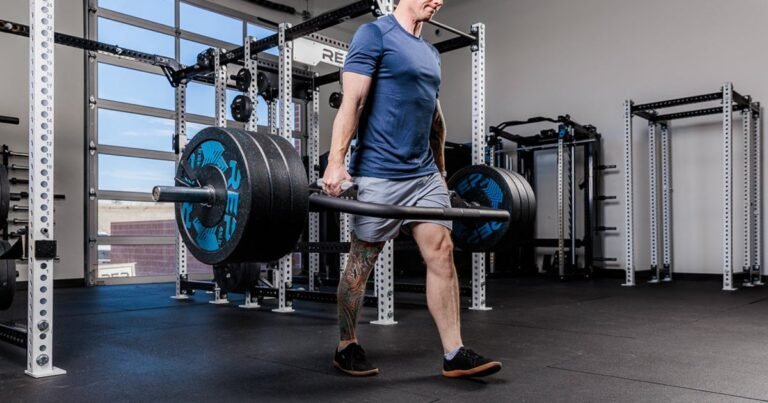
The intended applications include Zercher squats, carries and lunges. They share an elbow-crook hold, but their practical demands differ. A squat stays near the rack. A carry moves the entire loaded bar through the room. A lunge adds stepping while you maintain the hold. Success with one does not automatically establish readiness for the others.
For carries, plan the return before starting. Check the whole bar’s clearance, including its ends and any plates, and choose a short, unobstructed route. Your arms may be lower at the end than at the beginning. A rack position that requires an awkward final lift is a problem to solve during rehearsal, not after fatigue develops.
The MMP guide to rack height and a controlled Zercher carry return explains that sequence in more detail. If the available space does not allow a predictable pickup and finish, select another exercise. Cushioning does not create a clear walking lane or make an unsuitable set-down convenient.
Introduce a lunge separately with a manageable setup instead of borrowing your squat load. Likewise, an advanced Zercher hinge requires its own movement skills; a pad does not teach them. Choose the variation because it fits your training, then assess whether the accessory improves the contact involved.
For lifters who enjoy squat sessions, leg-day clothing and stickers are optional ways to express that interest. They are separate from the equipment decision and do not change the setup checks that matter under the bar.

Leg Day Shirts & Workout Gear
Leg-day gym shirts and workout gear for lifters who never skip squats, lunges and lower-body punishment.

Legday – Squats & Deadlifts , Meme Top Bros & T-Shirt
Bring “Legday” humor to your next gym day.


Leg Day Is Calling You Decal Water Bottles & Sticker
Bring “Leg Day Is Calling You” attitude to your water bottle or laptop.

Leg Day No Thanks Skip Leg Day Meme Squats Deadlifts Tank Top
Bring “Leg Day No Thanks” humor to your next lifting session.

Negative Leg Day Review Not Recommended 1 Star T-Shirt
Keep things casual with a little “Negative Leg Day Review” attitude.

Never Skip Leg Day Flamingo – Fitness Meme Hooded Pullo Hoodie
Bring “Never Skip Leg Day Flamingo” gym humor to lazy days and post-workout plans.

Everyday Is Leg Day Octopus Meme & Top T-Shirt
Show some leg-day attitude with a playful “Everyday Is Leg Day Funny Octopus” tee.


1 Plate Squat Club Meme – Essential Top T-Shirt
Heavy lifts, good laughs, and a little “1 Plate Squat Club” energy.

Squats Leg Day Heavy Weights Meme – Essential Top T-Shirt
Bring “Squats Leg Day Heavy Weights” humor to your next gym day.
Decide whether this solves your actual equipment problem
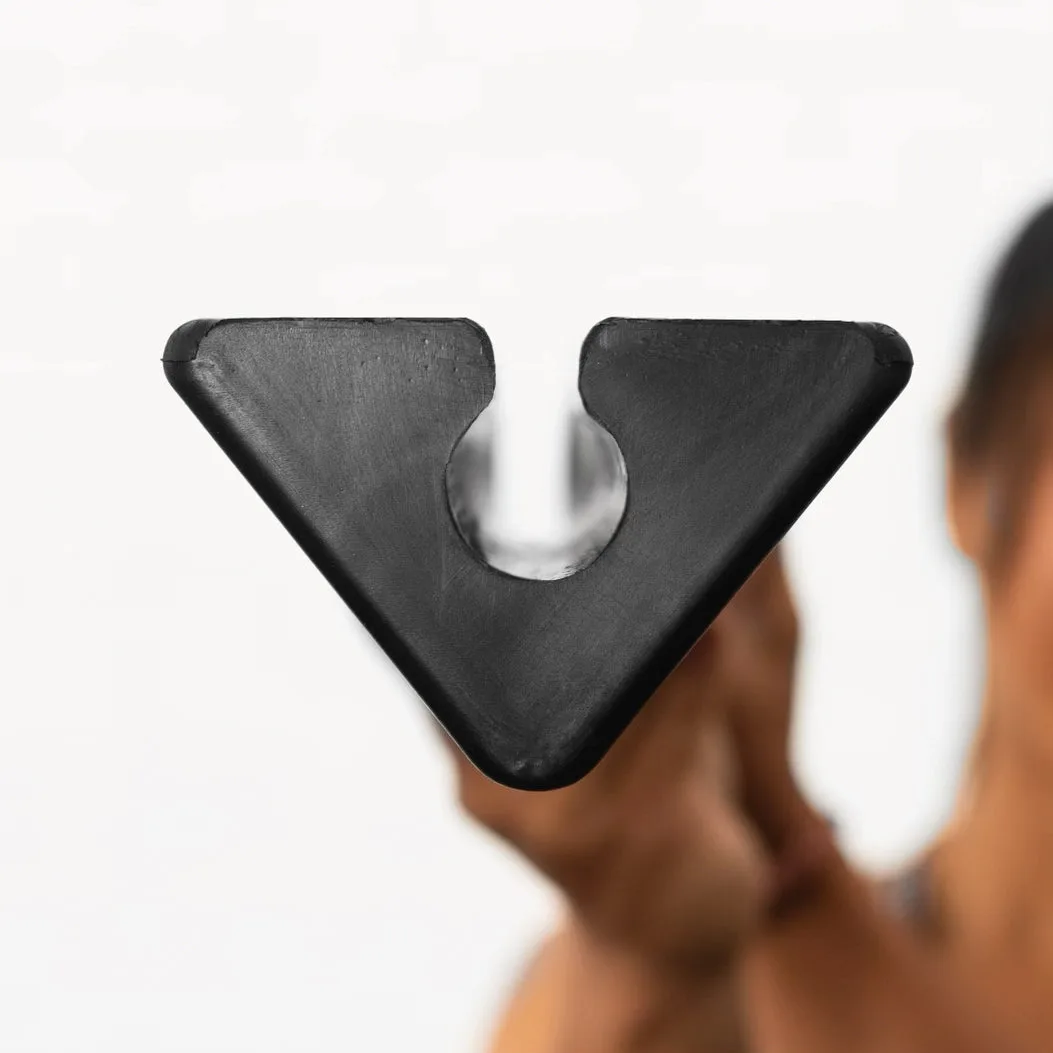
The strongest case for the Zercher Pad is straightforward: you regularly use the elbow-crook position, have a confirmed compatible bar and find the direct contact distracting despite a sensible setup. In that situation, a dedicated accessory may be worth considering. Someone who rarely performs Zercher movements has less reason to buy it speculatively.
Do not treat every barbell pad as interchangeable. A product intended for another contact position may have a different shape, closure and feel. Equally, a photograph of this pad does not establish how it will suit your arms. Check current product details and purchase conditions if personal fit is central to your decision.
Before each session, look for obvious damage and confirm that the attachment still seats correctly. Store it where it will not obstruct your rack or walking lane. Those simple habits keep an accessory from adding avoidable inconvenience to an otherwise familiar lift.
Buy it for a specific contact problem, after confirming the bar and rehearsal sequence. Continue judging the exercise by control, repeatability and an orderly finish. A useful pad should make an existing training choice easier to perform consistently; it does not need to become a justification for a different programme or a heavier lift.