Advertising disclosure: This page includes affiliate product links that may earn us a commission, as well as products from our own store.
Eight metres of rope, a stopwatch and an Olympic gold medal. In Los Angeles in 1932, Raymond Henry “Benny” Bass won the rope climb in 6.7 seconds. It is an extraordinary little fragment of strength history: a familiar gym object once had its own place in the Olympic gymnastics programme.
The result invites an obvious question for anyone who lifts: how would that performance compare with a climb today? The answer starts with the event, the athlete and the conditions. A rope climb is specific enough that changing the start, distance or use of the feet can turn an apparently simple comparison into a different test.
The 1932 event was a sprint with very little room for error
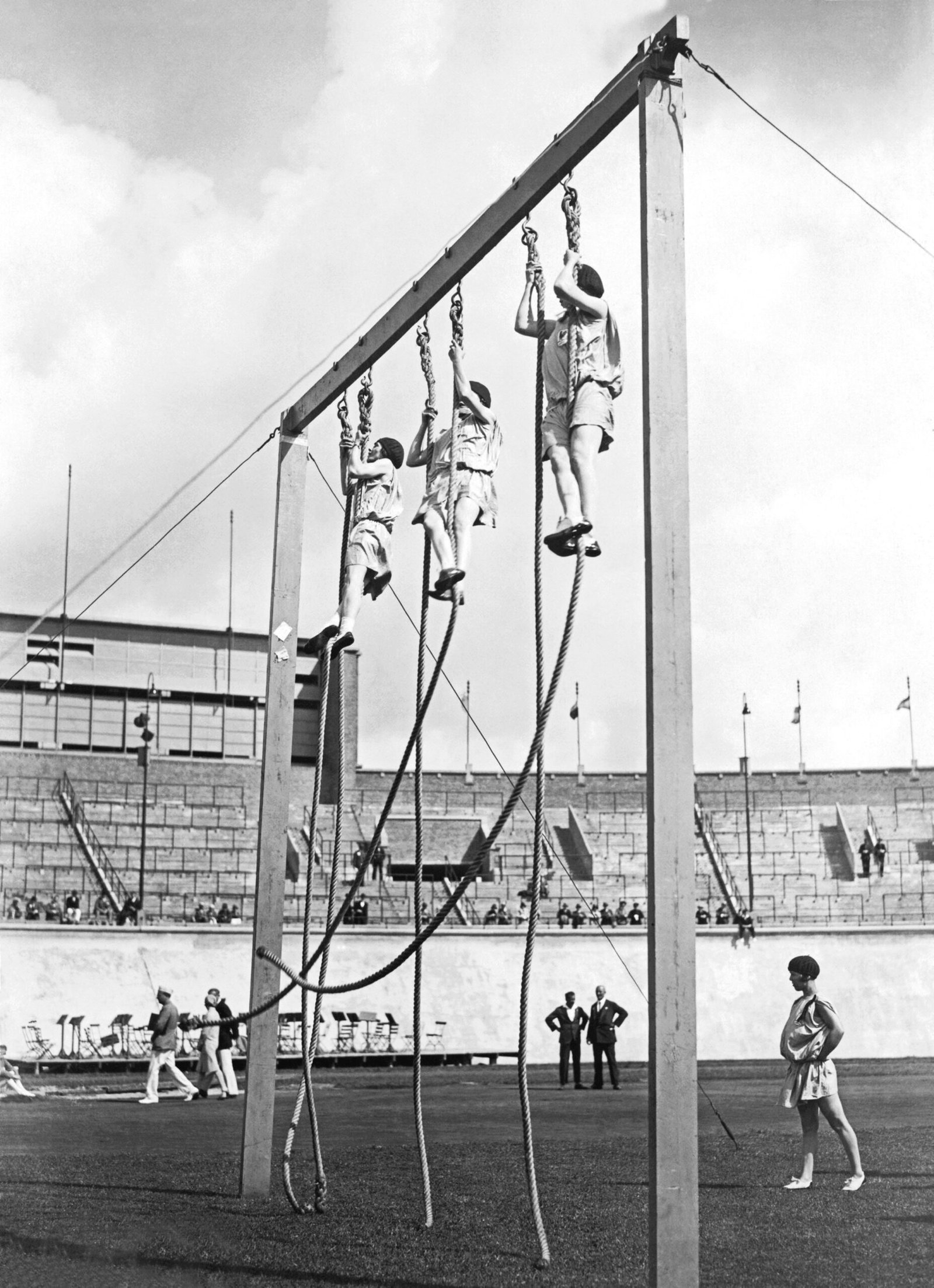
The men’s rope climb took place on August 10 at the Los Angeles Memorial Coliseum. Five athletes from two countries contested an eight-metre rope, with the best time from three trials determining the placings. The American competitors swept the medals.
Bass recorded 6.7 seconds on his opening attempt. His subsequent marks were 6.8 and 6.9, so the first climb remained his best. The winning performance was fast, but the three-attempt format also makes consistency visible: his times occupied a narrow window rather than describing one successful effort among several incomplete climbs.
The useful lesson is about interpreting a result. A best attempt and an average attempt answer different questions. If two lifters compare a single excellent repetition with a whole session of work, they can disagree without actually measuring the same thing. The stopwatch only helps once the task is defined.
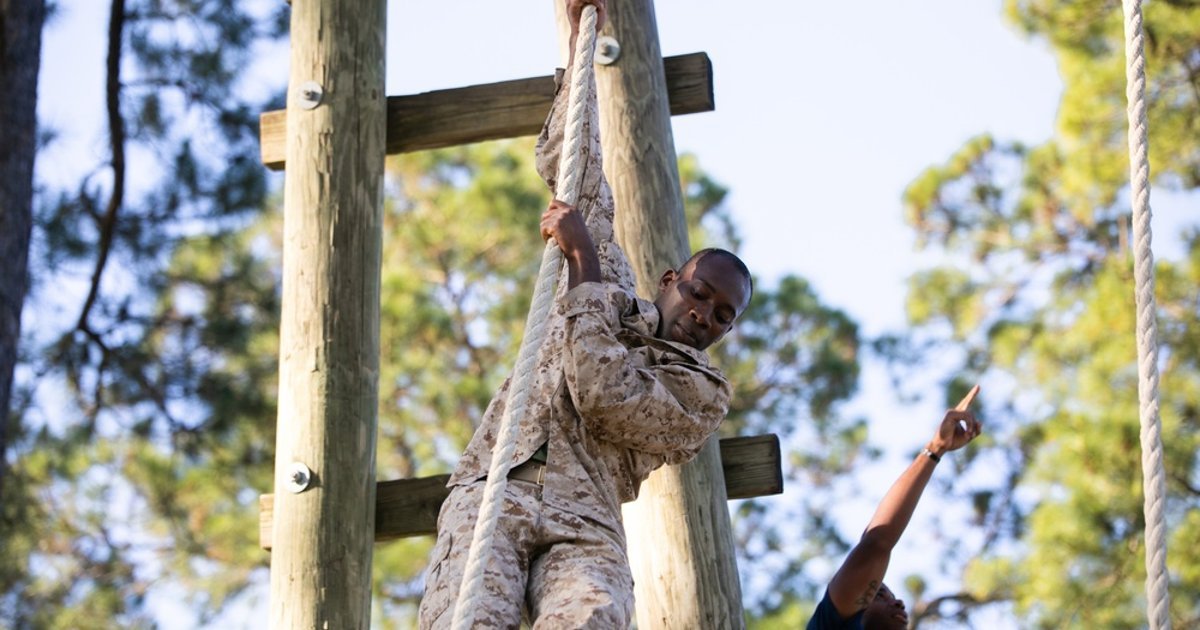
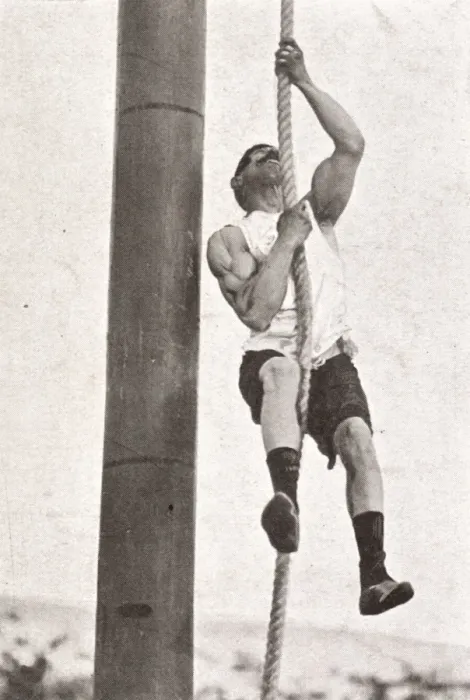
Historical photographs also require care. A rope, a stadium and old-fashioned sportswear do not establish that an image shows Bass or the 1932 final. Earlier climbing photographs illustrate the wider history, while modern obstacle-course pictures show a later use of the movement. Neither should be mistaken for evidence of the winning attempt.
That distinction preserves the appeal of the event. It was a short, clearly scored performance by identifiable competitors, not an interchangeable clip of somebody going up a rope. The result deserves its actual context rather than a dramatic caption built around an unrelated photograph.
Benny Bass brought a wider athletic background to the rope
Bass graduated from the U.S. Naval Academy in 1931, and its Olympic history records his gold medal in the rope climb the following year. His sporting background included boxing and wrestling before gymnastics became the route to his Olympic success.
That combination is interesting for strength athletes because it resists the idea that an unusual event necessarily required an entirely isolated sporting life. Pulling, controlling body position and responding to another person’s movement can all be familiar demands in combat sports. They do not make those sports identical to climbing, but they provide a broader picture of the athlete.
His coach Lou Mang is associated with an approach that emphasised rhythm and balance. Those words are worth taking seriously without turning them into a recovered training programme. We do not have a verified set-by-set prescription here, and a short biography cannot establish how frequently Bass trained or what accessory exercises he performed.
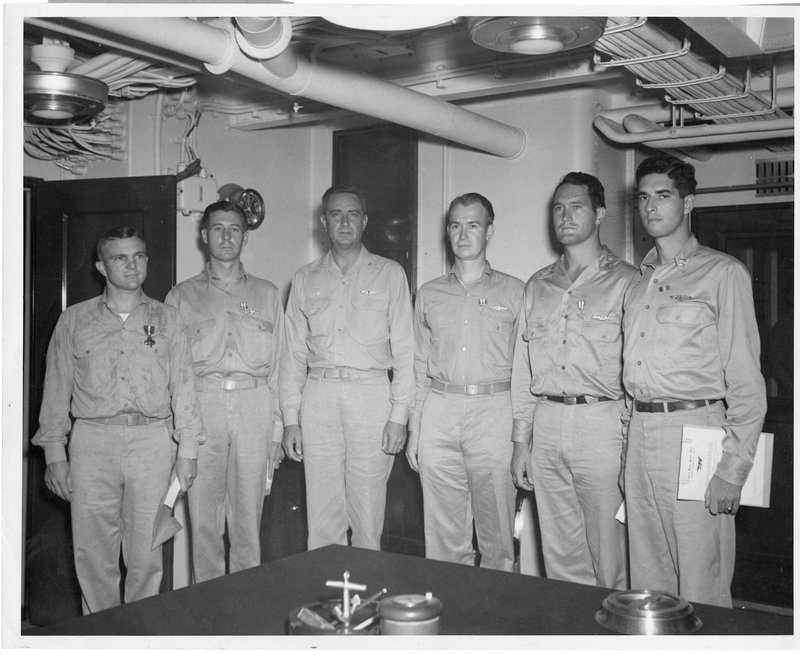
His subsequent naval career also explains why photographs of Bass may show a uniform rather than a climbing rope. A 1942 group photograph identifies him at the far left among decorated naval officers. It depicts another period of his life, not the Olympic medal ceremony or his competition preparation.
The responsible way to borrow inspiration is therefore narrow: appreciate an athlete who developed a remarkable specific skill within a wider athletic background. Avoid inventing a secret routine, assuming a particular physique caused the result, or treating later achievements as evidence for how he trained before Los Angeles.
Why eight metres and 6.7 seconds are not a universal benchmark
Dividing eight metres by 6.7 seconds gives roughly 1.19 metres per second. That arithmetic describes the nominal course distance per unit of recorded time. It does not reconstruct how far Bass’s centre of mass travelled, how he accelerated or the exact mechanics of each hand movement.
This matters when someone uses a modern gym rope to make an Olympic comparison. Where does the measurement begin? Does the athlete start standing, seated or already hanging? Where are the hands at the start, and what action stops the timer? A rope reaching an eight-metre ceiling does not automatically mean every climber moves through eight metres.
The feet create another major distinction. A climber who secures the rope between the shoes can stand up against that support and reduce the amount of work done by the arms alone. A climb performed without that assistance demands a different strategy. Describe the actual method before comparing the times.
Rope thickness, surface, footwear and clothing can also change the experience. Even two climbs in the same building may differ if one starts after a conditioning circuit and the other follows a full recovery. Those differences do not make either effort worthless; they explain why a personal training log should record more than seconds.
Bass’s Olympic result belongs to its historical event. Calling a faster modern clip a new world record would require an applicable record category, equivalent conditions and the relevant verification. An impressive training performance can stand on its own without borrowing a title it has not earned.
What a modern lifter can learn without copying the test
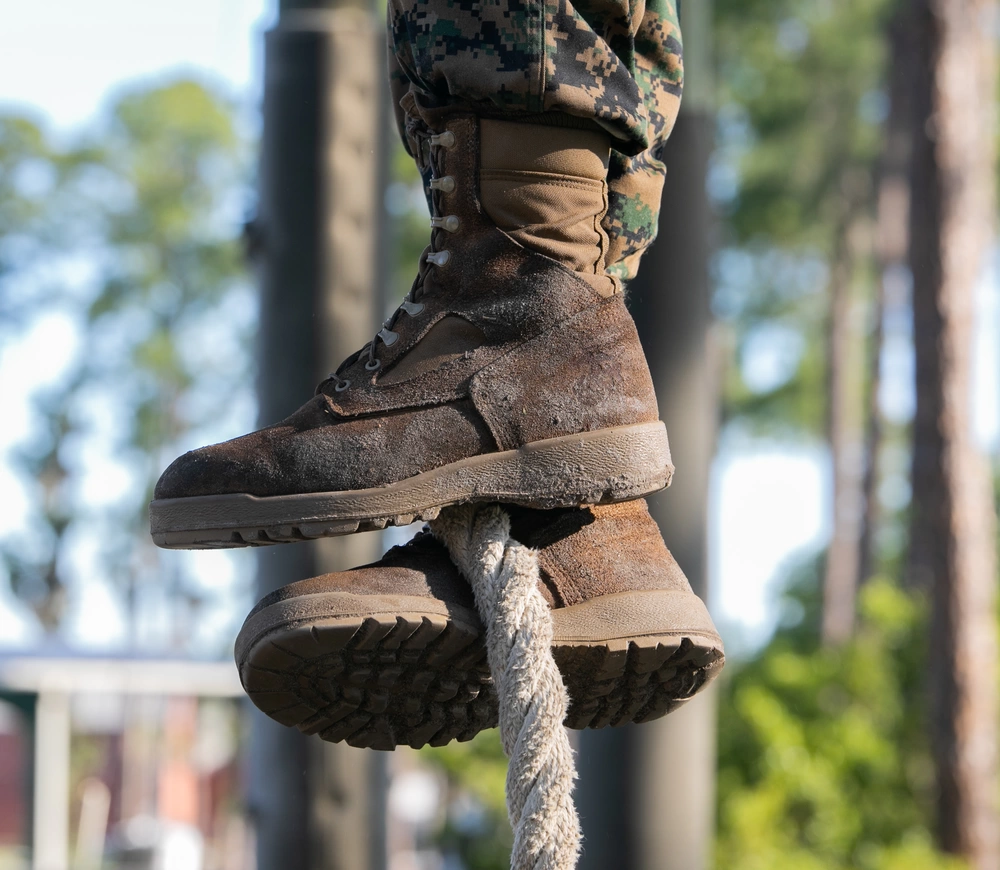
The first useful distinction is between general pulling strength and rope skill. Pull-ups, controlled rows and other pulling exercises can contribute to a stronger base. They do not teach a foot lock, determine when to move a hand or guarantee that someone can descend safely after reaching the top.
A rope is also a different gripping surface from a fixed horizontal bar. The hands wrap around a vertical object while the body moves beneath them. A person can have strong gym numbers and still spend too much effort gripping, reaching inefficiently or fighting unnecessary body movement.
For anyone interested in learning, supervised practice near ground level is a better starting point than an eight-metre time trial. Learn to support weight with the feet, rehearse repositioning and practise a controlled return before increasing height. Use a facility with an appropriate inspected installation and qualified instruction; an improvised overhead anchor is not a training progression.
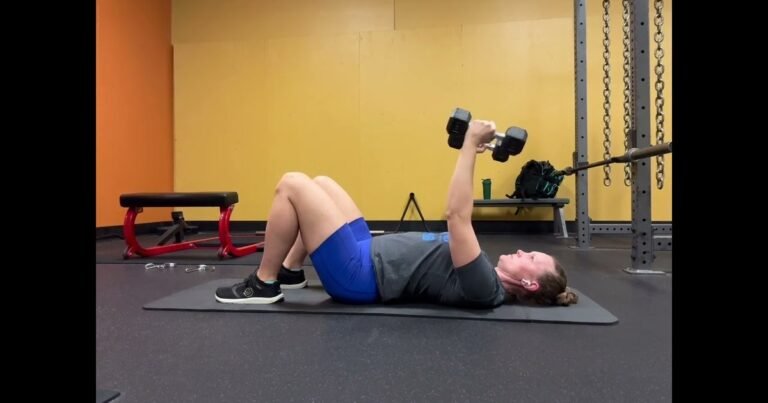
Keep accessory work proportionate. A pull-up station, rings or a suitable cable setup can support general pulling practice. Grip implements can train particular hand demands. None should be advertised as equivalent to the Olympic apparatus, and lifting straps are not a solution for securing yourself to a climbing rope.
Manage fatigue as part of the skill. If grip is failing, continuing upward makes the return harder rather than improving the quality of the practice. Finish while you can still follow the descent method you have learned. The interesting challenge is gaining control of the task, not accumulating height at any cost.

Equipment Worth Exploring
Explore equipment, accessories and gear from our carefully selected range.

Power Tower
Freestanding pull-up and dip station with adjustable handles for bodyweight training.


VForce Lat Tower
Wall-mounted cable tower with pivot arms and adjustable 1:1 or 2:1 pulley ratios.
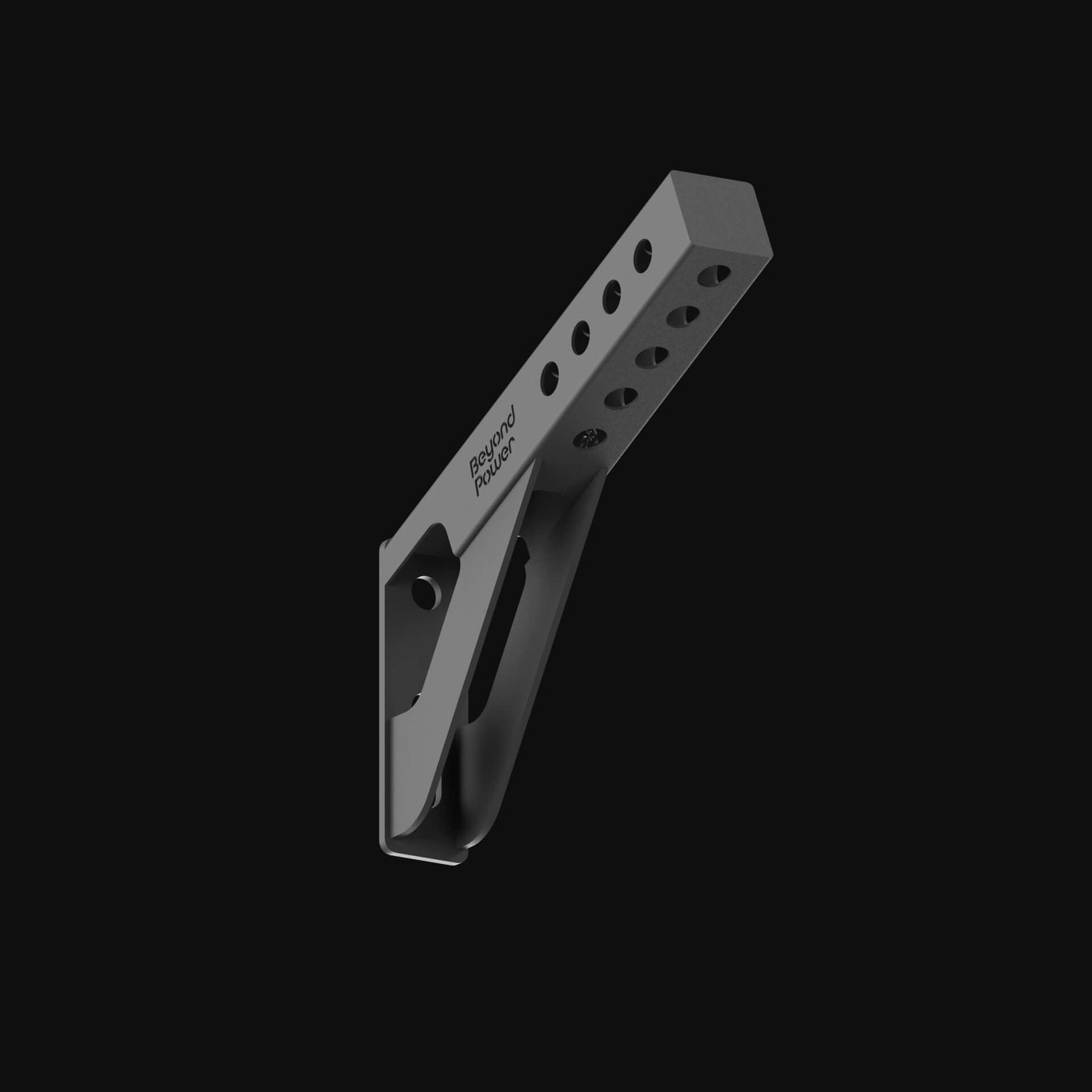

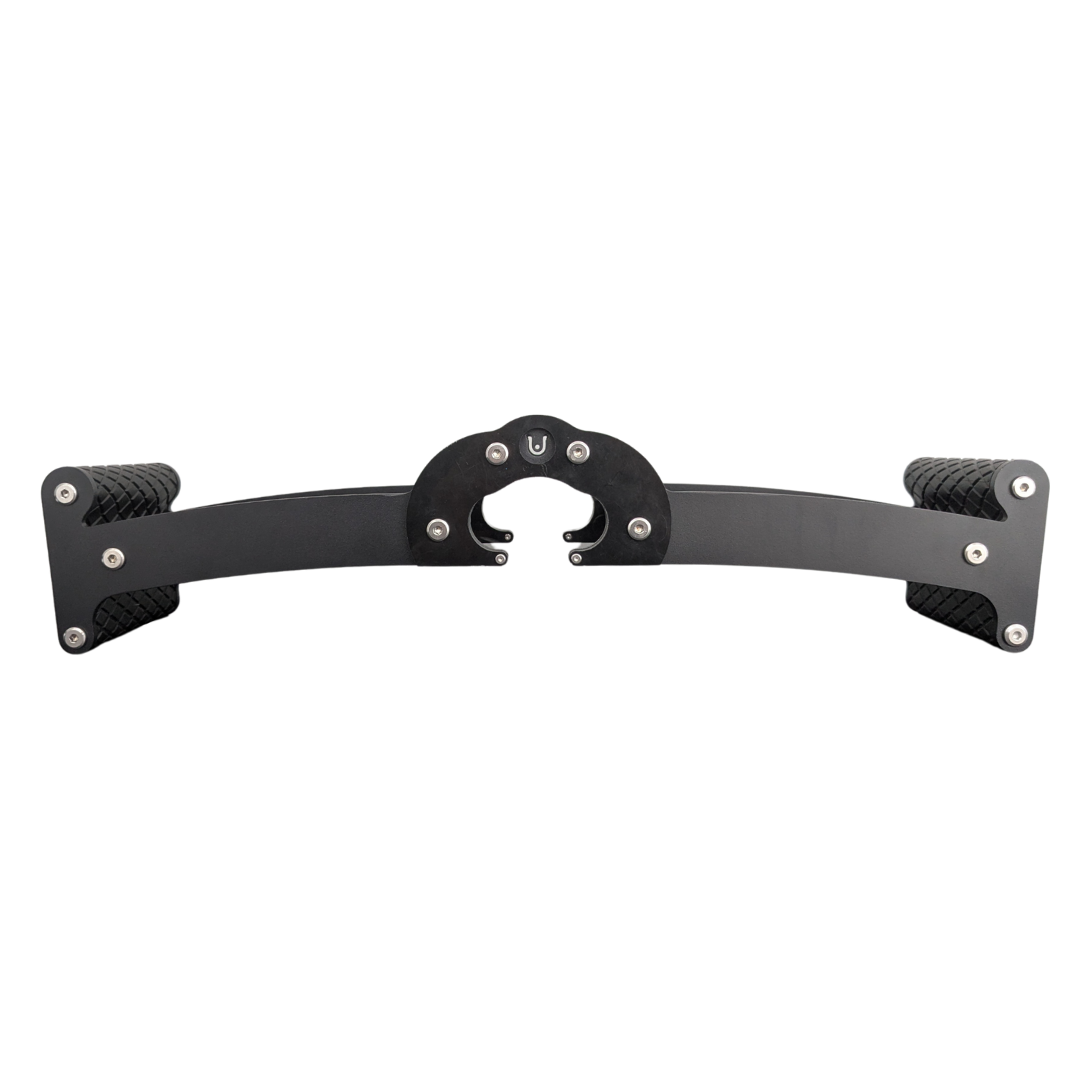
Back Bar
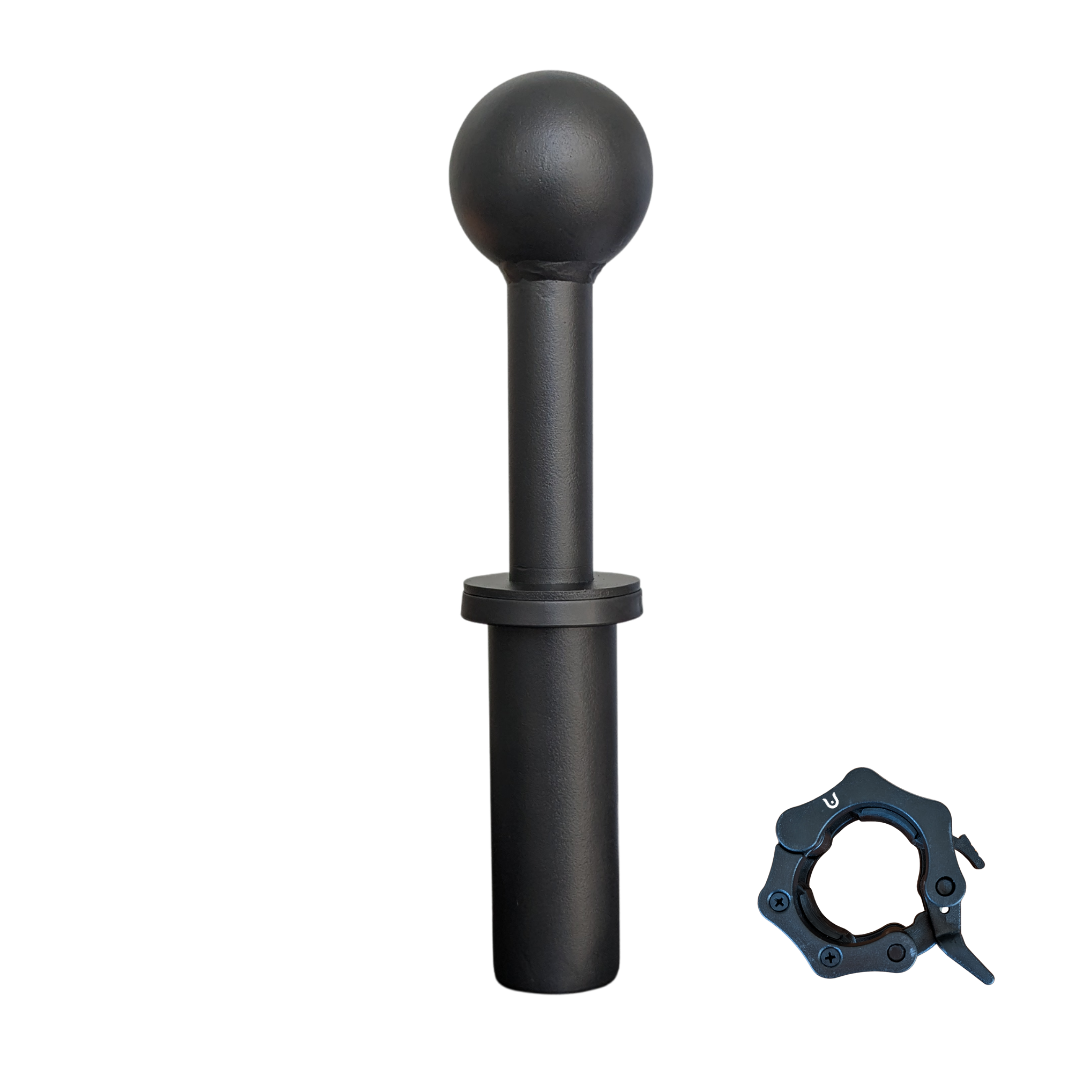
Multi-grip cable and landmine bar with a built-in deadlift jack.


Calisthenics Shirts & Street Workout Gear
Calisthenics and bodyweight-training gear for pull-ups, dips, handstands and street-workout athletes.

Pull Up or Shut Up Hooded Pullover for Calisthenics Pul Hoodie
Keep it laid-back with a little “Pull Up or Shut Up” attitude.

Always Pull Yourself Up Crewneck Calisthenics Pullover T-Shirt
Bring “Always Pull Yourself Up” humor to your everyday gym style.

Pullups Heartbeat Tank
Train hard, laugh a little, and rep “Calisthenics Pullups Heartbeat”.

Be Stronger Than Your Excuses Motivational Workout for Sticker
A fun “Be Stronger Than Your Excuses” touch for bottles, laptops, and lockers.

Calisthenics Workout Sweatshirt
Add a playful “Calisthenics” touch to your casual rotation.

Calisthenics Evolution
Show some lifting attitude with a playful “Calisthenics Evolution” tee.

Calisthenics Hanging Out Hoodie
Make your off-duty look more fun with “Calisthenics Hanging Out”.

Calisthenics – Meme & Lovers – Top & Gains T-Shirt
Heavy lifts, good laughs, and a little “Calisthenics” energy.


Keep the historical result and your own progress in separate columns
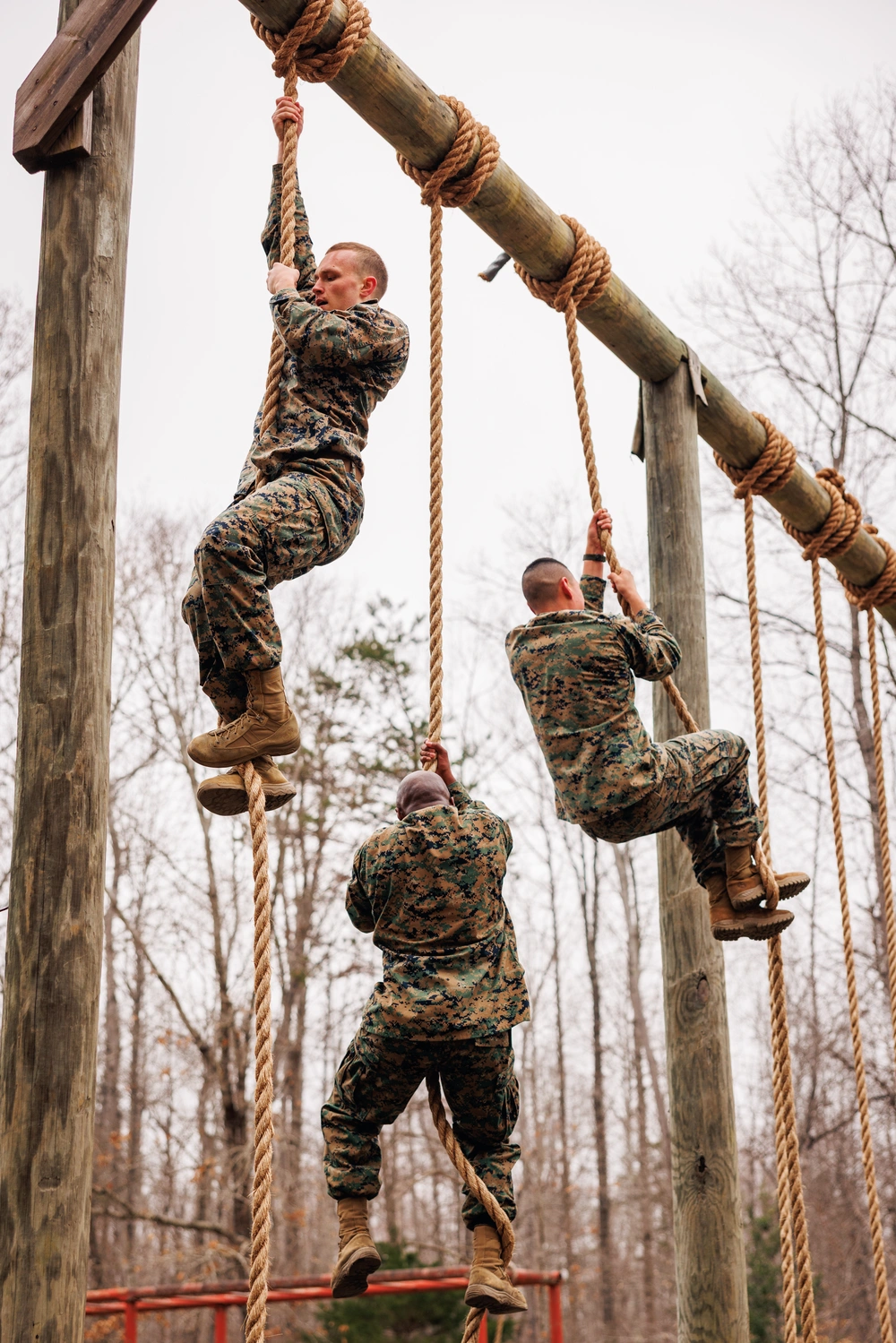
Rope climbing disappeared from the Olympic programme after 1932. That makes Bass’s result an endpoint in Olympic event history, not a demonstration that climbing stopped developing elsewhere. Military courses, gymnastics traditions and fitness facilities can use ropes for very different purposes.
If you track your own progress, write down the installation, measured start and finish, foot assistance, starting position and whether the effort was fresh or fatigued. Only compare a time with earlier sessions that used the same setup. For a beginner, a controlled low-height repetition may be more useful progress than a quicker climb with an uncontrolled return.
Video can make the record more informative. Frame the whole relevant task rather than cutting away before the finish or descent. You may discover that what felt like a strength problem was a pause between hand movements or difficulty resetting the feet. Those observations suggest a specific practice goal.
Keep rest periods in the log too. Repeating a short effort after several minutes of recovery is different from repeating it immediately. If the purpose is technical practice, enough rest to reproduce the movement makes the comparison easier to interpret.
There is no need to manufacture an Olympic challenge for the session to matter. Learning a new bodyweight skill, improving a repeatable pull-up or becoming more confident on a supervised obstacle course are legitimate outcomes. They should be described using the conditions under which they happened.
The fascination of the 1932 climb is precisely its specificity: a named athlete, an eight-metre event and a winning time of 6.7 seconds. Enjoy that piece of strength history, then give your own training the same clarity. Define the task before deciding what the number means.