
Advertising disclosure: This page includes affiliate product links that may earn us a commission, as well as products from our own store.
Whole eggs and egg whites solve different meal-planning problems. The white supplies protein with little energy from fat. Keeping the yolk adds more protein, fat and nutrients, as well as a different texture and flavour. Neither choice tells you whether the entire breakfast supports your training goal.
For a lifter, the useful comparison is the portion you will actually eat, its total calories, the rest of the meal and the cost of repeating it. Start there rather than treating the yolk as either a forbidden ingredient or a muscle-building shortcut.
Compare equal portions before declaring a protein winner
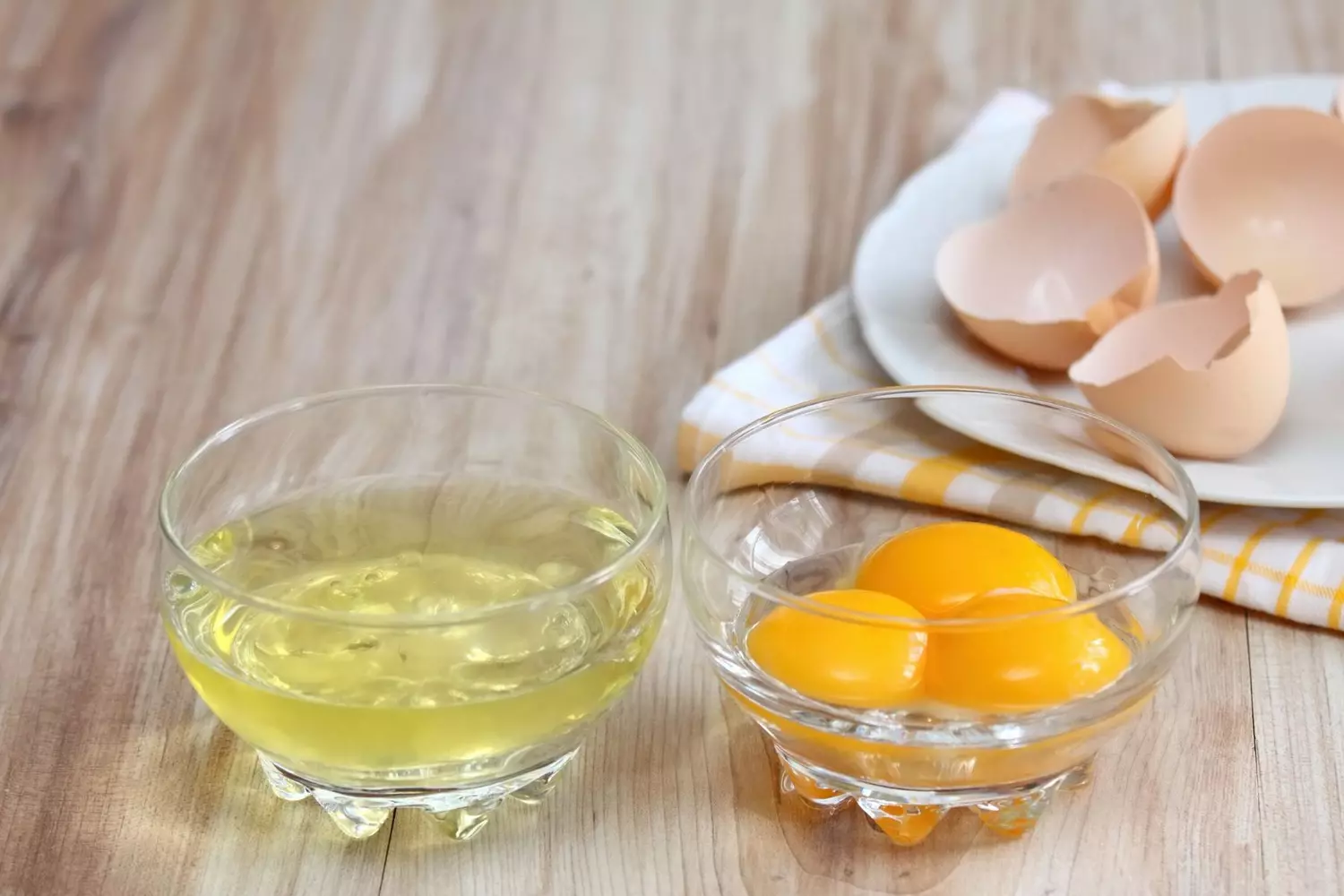
As a rounded planning reference, one large whole egg provides about 70 calories and 6g of protein. Its white alone provides roughly 17–20 calories and 3.6–4g of protein. Egg size, database conventions and label rounding explain why legitimate references differ slightly. Use the actual carton or product label when tracking your own meals.
One white therefore has less protein than one whole egg, but more protein relative to its calories. Those statements are compatible. Removing the yolk removes part of the protein as well as most of the egg’s fat. Comparing a bowl of six whites with two whole eggs answers a different question from comparing the components of one egg.
Using a consistent illustrative reference of 70 calories and 6g per whole egg, plus 20 calories and 4g per white, two whole eggs provide 140 calories and 12g of protein. Four whites provide 80 calories and 16g. One whole egg plus three whites provides 130 calories and 18g. These are ingredient calculations, not laboratory measurements of your breakfast.
That mixed option shows why an all-or-nothing argument is unnecessary. You can keep a yolk for taste and add whites when you want more protein without increasing the yolk portion. Alternatively, you might prefer two whole eggs and obtain the remaining protein elsewhere. The better choice depends on the meal you enjoy and the numbers you need, not the most impressive ratio in isolation.
Keep your comparison method consistent. Do not use the lowest calorie figure from one reference and the highest protein figure from another to make a favourite option look better. Small rounding differences matter less than repeatedly miscounting the portion.
The yolk contributes more than extra calories
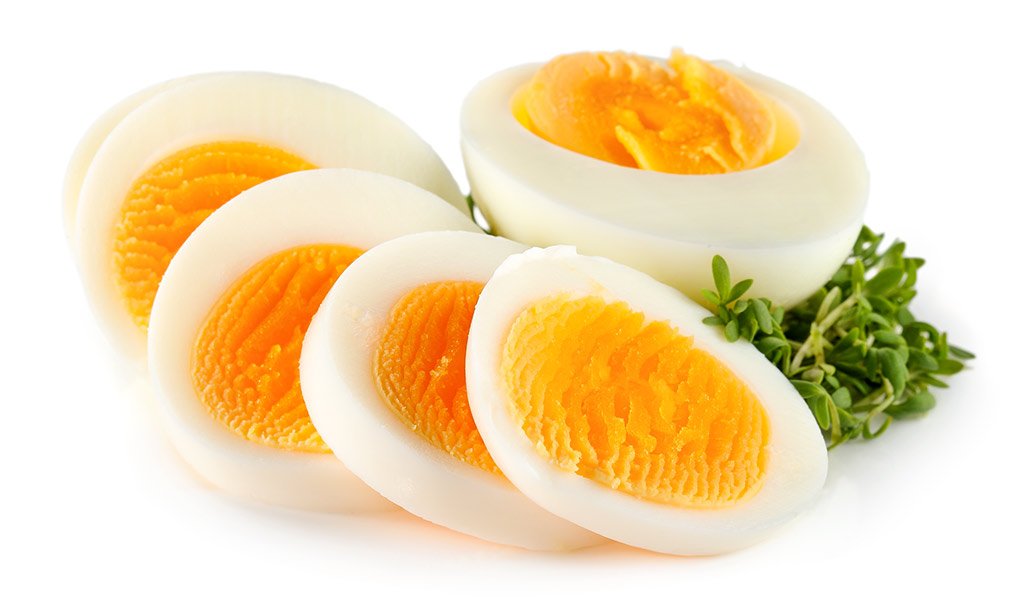
The yolk contains protein and fat alongside nutrients including choline and vitamin D. The white is a useful lean protein ingredient, but it does not reproduce the yolk’s overall nutrient profile. Choosing whites for a particular meal is different from claiming that removing yolks improves the nutritional value of every diet.
During a calorie cut, it can be practical to reduce some energy-dense ingredients so the meal fits your plan. That does not mean dietary fat has become undesirable. The relevant question is how the whole day’s food fits together: protein sources, vegetables, fruit, fibre-rich foods and adequate dietary fat all deserve space.
During maintenance or a muscle-gain phase, there may be less reason to make breakfast as lean as possible. Whole eggs might fit comfortably, especially if they make a meal more enjoyable. However, a higher calorie allowance is not an instruction to add unlimited eggs, cheese, butter and bacon without counting them.
Dietary cholesterol and cardiovascular risk require more context than a gym-food debate provides. If you have a cholesterol condition or have been given a personalised limit, follow the advice based on your medical history rather than a universal egg quota online. This guide compares practical food choices; it does not establish a safe daily egg number for everyone.
Variety also keeps one ingredient from carrying too much responsibility. Dairy foods, fish, poultry, beans, lentils and soy foods can all contribute protein within different eating patterns. Eggs are one option among them. A convenient breakfast does not need to become the template for every meal.
Build a meal, then count its additions
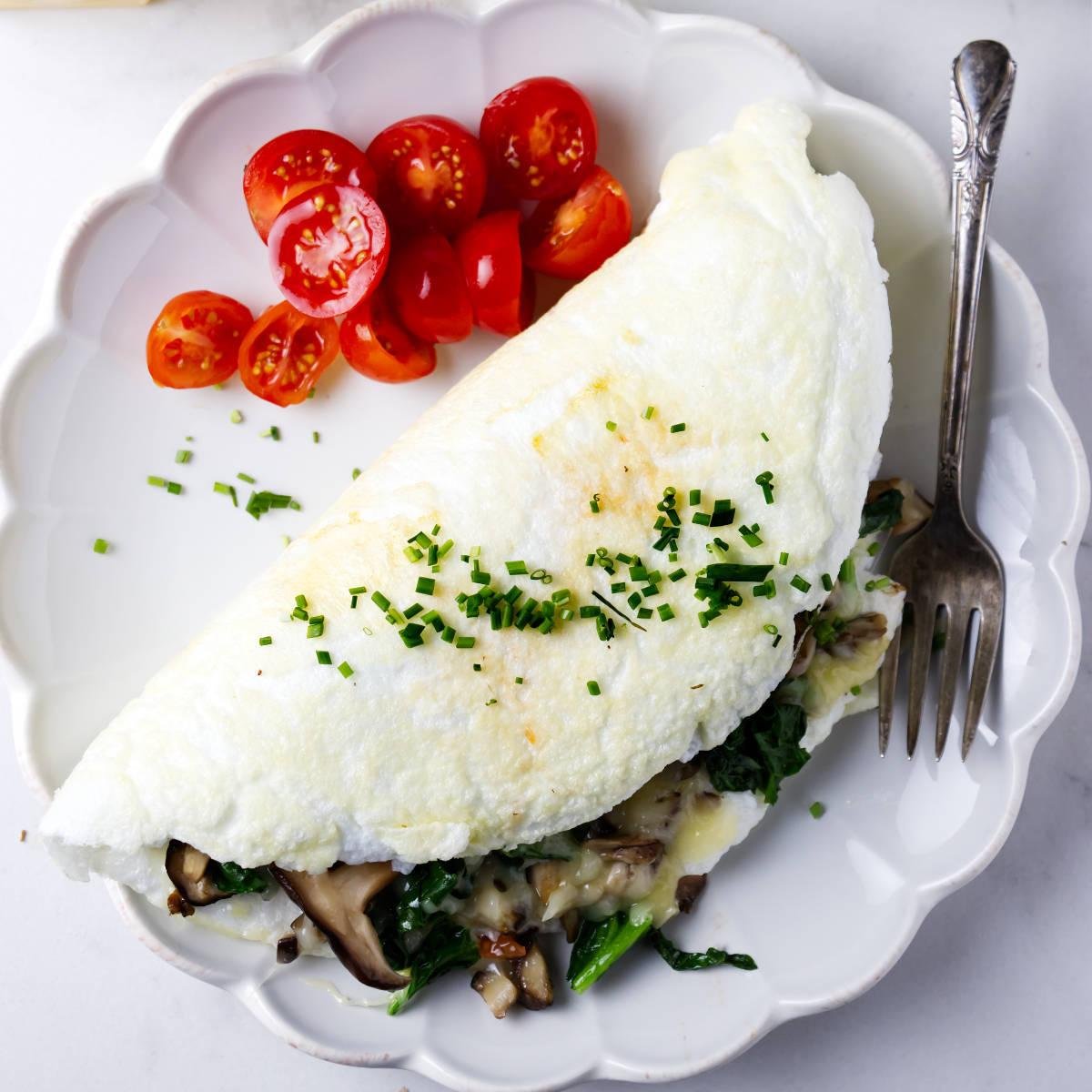
Suppose you like the mixed option of one whole egg and three whites. Its illustrative 18g protein is a useful contribution, but whether it is enough depends on your wider food plan. It is not automatically a complete high-protein breakfast for every lifter simply because egg whites appear in the recipe.
For a savoury meal, cook the eggs with vegetables you enjoy and add a suitable portion of bread, potatoes or another carbohydrate source. For a larger protein contribution, consider another protein food or adjust the egg mixture. These are adaptable meal-building ideas, not a fixed diet prescription or a promise of a specific body composition result.
Count cooking fat, cheese, sauces and sides separately. A white-only omelette cooked with an unmeasured amount of oil and served with a large cheese filling may contain more energy than a simpler whole-egg breakfast. That does not make either meal wrong; it makes the ingredients relevant. The name of the omelette cannot substitute for its recipe.
Texture matters for consistency. Some people enjoy fluffy whites; others find a mixture of whole egg and whites easier to repeat. Try a small portion before buying a large supply of a product you may dislike. Seasoning, vegetables and cooking technique can change the experience without demanding an elaborate recipe.
For training days, consider when you will eat and what feels comfortable before exercise. There is no need to force a large egg meal immediately before a session if it does not suit your digestion. Fit breakfast into a repeatable day that supports training rather than building the whole day around one supposedly optimal food.

Bodybuilding Shirts & Workout Gear
Bodybuilding shirts, tanks and gym gear for lifters chasing muscle, size, symmetry and the pump.


Weights Breakfast Pancake Weights Lifting Meme Sticker
Put “Weights For Breakfast Pancake Weights” gym humor on your laptop, bottle, or gym gear.

Lift Eat Repeat – Weightlifting & – Meme Bros & T-Shirt
Make gym days more fun with “Lift Eat Repeat” style.

Broccolift – Eat Broccoli & Lift , & Gains – Meme Top T-Shirt
Show some meal-prep attitude with a playful “Broccolift” tee.

Shirt – Eat Your Chicken – Meme & Gains T-Shirt
Rep “Eat Your Chicken” humor in and out of the gym.

Meat Mountain Shirt – , Steak & Sausage Meme Bros & T-Shirt
Show some lifting attitude with a playful “Meat Mountain” tee.

Bro – Protein Tub Meme , & Fans – Protein T-Shirt
Bring “Gym Bro” humor to your next gym day.

Shirt – Brotein Shake – Meme & Gains – & Gymbros Top T-Shirt
Heavy lifts, good laughs, and a little “Brotein Shake” energy.

I'm Just Here Because I Like To Eat , Bros & Meme T-Shirt
Heavy lifts, good laughs, and a little “I'm Just Here Because I Like To Eat” energy.
Read the carton and calculate the price of usable protein
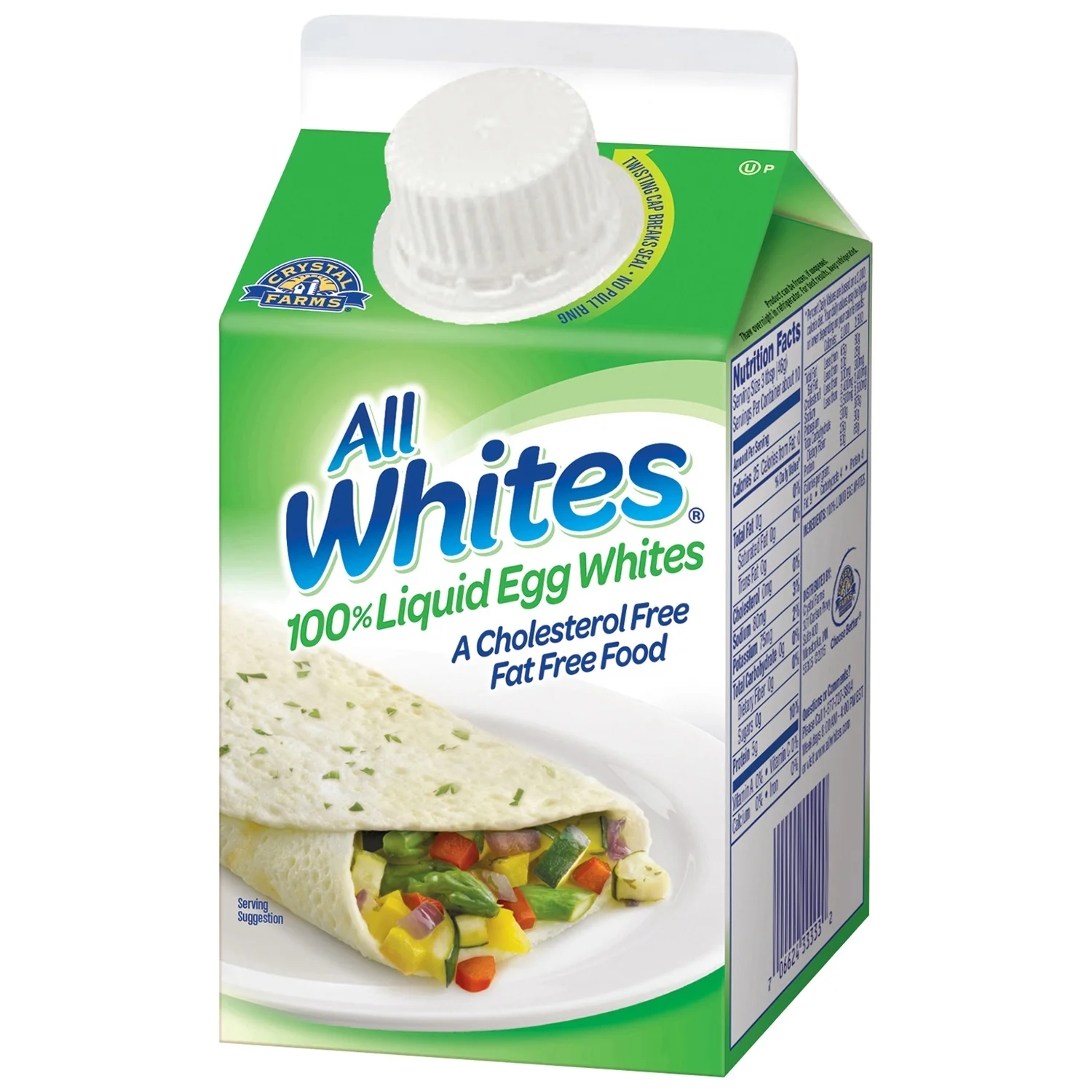
Liquid whites can save the effort of separating eggs. Check whether the label describes plain whites or a product with other ingredients, then note its serving size and storage instructions. Grams and millilitres are different units: use the conversion or serving information supplied for that product rather than assuming they are identical.
If a hypothetical carton contains 500g and its label states 10g of protein per 100g, the full carton contains 50g of protein. If it costs €3, that is €0.06 per gram of protein, or €1.20 for a 20g protein portion. These figures demonstrate the calculation; they are not a current supermarket price or a claim about a specific brand.
For comparison, suppose a dozen eggs costs €3 and you use the illustrative 6g protein per whole egg. The carton supplies 72g of protein, making a 20g protein equivalent about €0.83. If you discard every yolk, the usable protein total changes. A whole-egg price comparison cannot be reused unchanged for whites-only cooking.
Include waste and convenience in the decision. Separating shell eggs may be economical if the yolks are used in another dish. It may be less attractive if they are always thrown away. A larger liquid carton is not a saving if you cannot use it within the label’s opening instructions.
Repeat the calculation with actual local prices and the labels in your hand. Protein cost is one criterion, not a ranking of overall nutritional quality. A food can be relatively cheap per gram of protein while contributing a different nutrient mix, preparation burden and eating experience.
Make the habit safe and easy to repeat
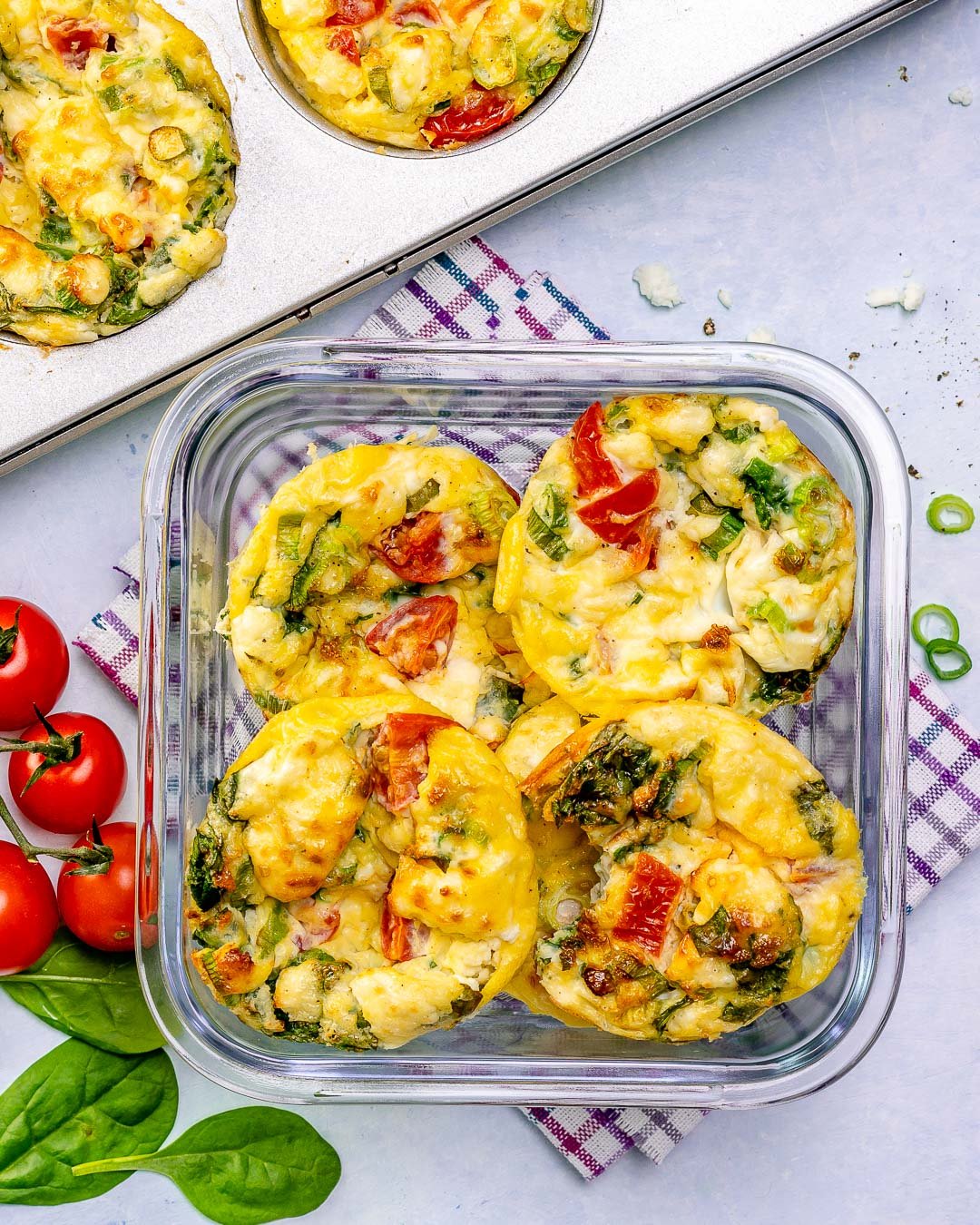
Keep eggs refrigerated as appropriate to their handling and packaging instructions, and wash hands and utensils after contact with raw egg. Cook whites and yolks until firm; egg dishes should reach 160°F, approximately 71°C. Use a food thermometer for dishes where appearance does not reliably show the centre temperature.
For a recipe served raw or undercooked, use appropriately pasteurised eggs or egg products and follow the product directions. Do not assume that every carton can be drunk safely simply because it contains whites. The package and intended use matter. Raw shell eggs are not a shortcut worth adding to a protein shake.
For meal prep, cook a manageable batch and divide it into sensible portions. Refrigerate cooked egg dishes promptly and use them within three to four days; hard-cooked eggs have a different guideline of up to one week refrigerated. Follow any shorter product-specific instruction. Label the preparation date instead of trying to remember which container was made first.
A practical weekly experiment is to choose one breakfast version, record the actual ingredients and see whether you enjoy repeating it. Adjust the portion if you are consistently hungry, short on protein elsewhere or unable to fit the meal into your energy plan. You are evaluating a meal habit, not testing whether yolks are good or bad.
Whole eggs offer a broader nutrient package. Whites make it easier to add lean protein. A combination often lets you use both advantages, while other protein foods provide alternatives. Choose the version that fits your goals, budget, preferences and individual health advice, then give the rest of your diet and training the same attention.






One Comment