Advertising disclosure: This page includes affiliate product links that may earn us a commission, as well as products from our own store.
A strong V-taper is not just a narrow waist. It is a relationship among shoulder width, lat development, leg proportions and body composition. A bodybuilder’s classic advice to build the shoulders, back and quads is useful precisely because it turns an aesthetic wish into training decisions. This guide separates measurable muscle-building choices from waist myths, shows where cables and dumbbells genuinely differ, and offers a four-week block you can adapt to your equipment rather than blindly copying an elite competitor’s routine.
The V-taper is a proportion, not a magic waist exercise
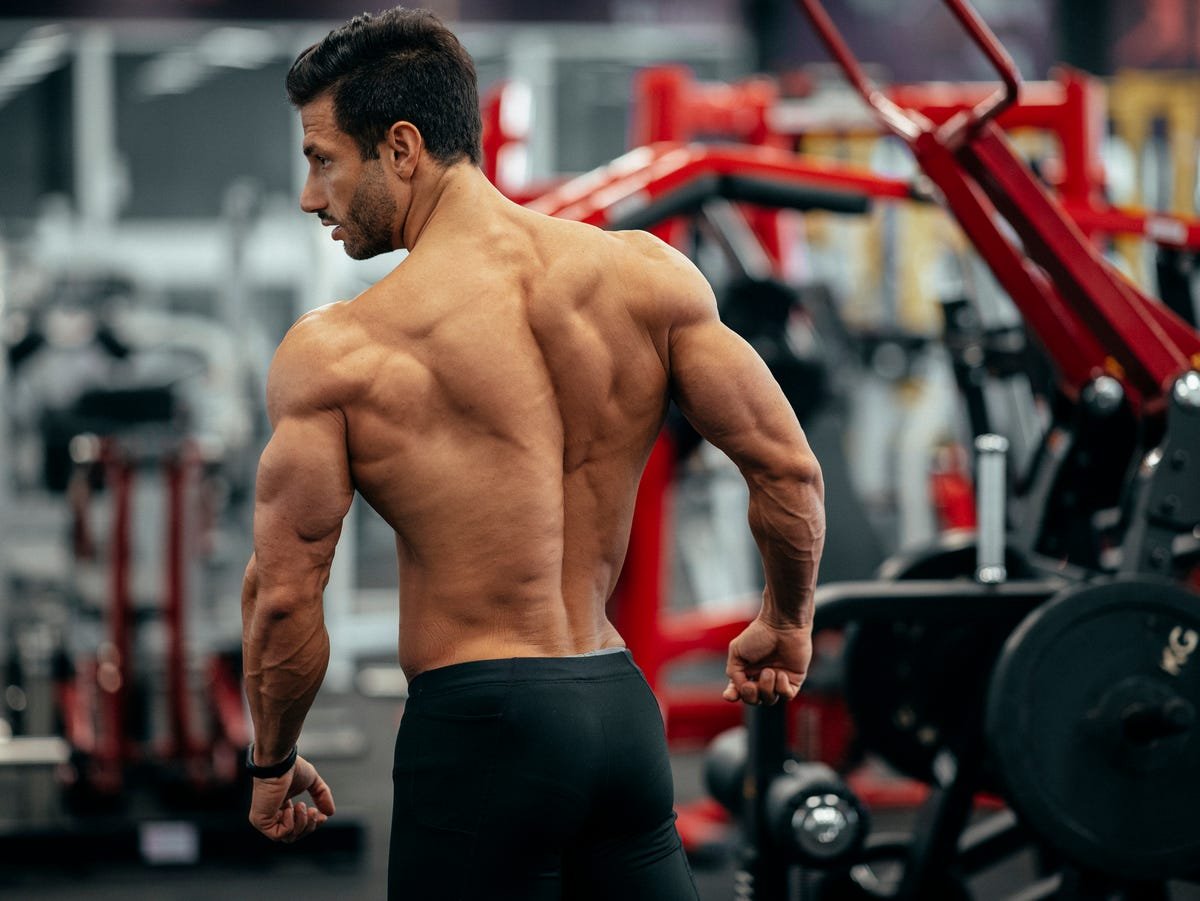
The V-taper is the contrast between shoulder and upper-back width and the waist beneath it. Two people with the same waist measurement can look dramatically different if one has more developed lateral deltoids and latissimus dorsi muscles. That makes proportion a useful training goal, but it also means the camera angle, a lat-spread pose, posture, lighting and clothing can exaggerate changes that have not happened in actual muscle size.
Classic physique competitor Sadik Hadzovic has described a simple way to think about the look: give attention to shoulders, lats and the sweep of the quadriceps rather than treating a tiny waist as the sole project. His examples have included goblet squats, chest-supported dumbbell rows and an unusual barbell lateral-raise variation. Those are personal training examples, not evidence that everybody needs that exact trio or that one exercise reshapes the skeleton.
Genetics influence clavicle width, rib-cage shape, pelvic structure, muscle insertions and where fat tends to be stored. Training does not change those basic dimensions. It can develop muscle around them, improve movement control and, when desired and appropriate, accompany a sustainable change in body composition. The best starting question is therefore not how to shrink your waist overnight; it is which trainable dimension currently limits your silhouette.
Build the lat width you can actually control
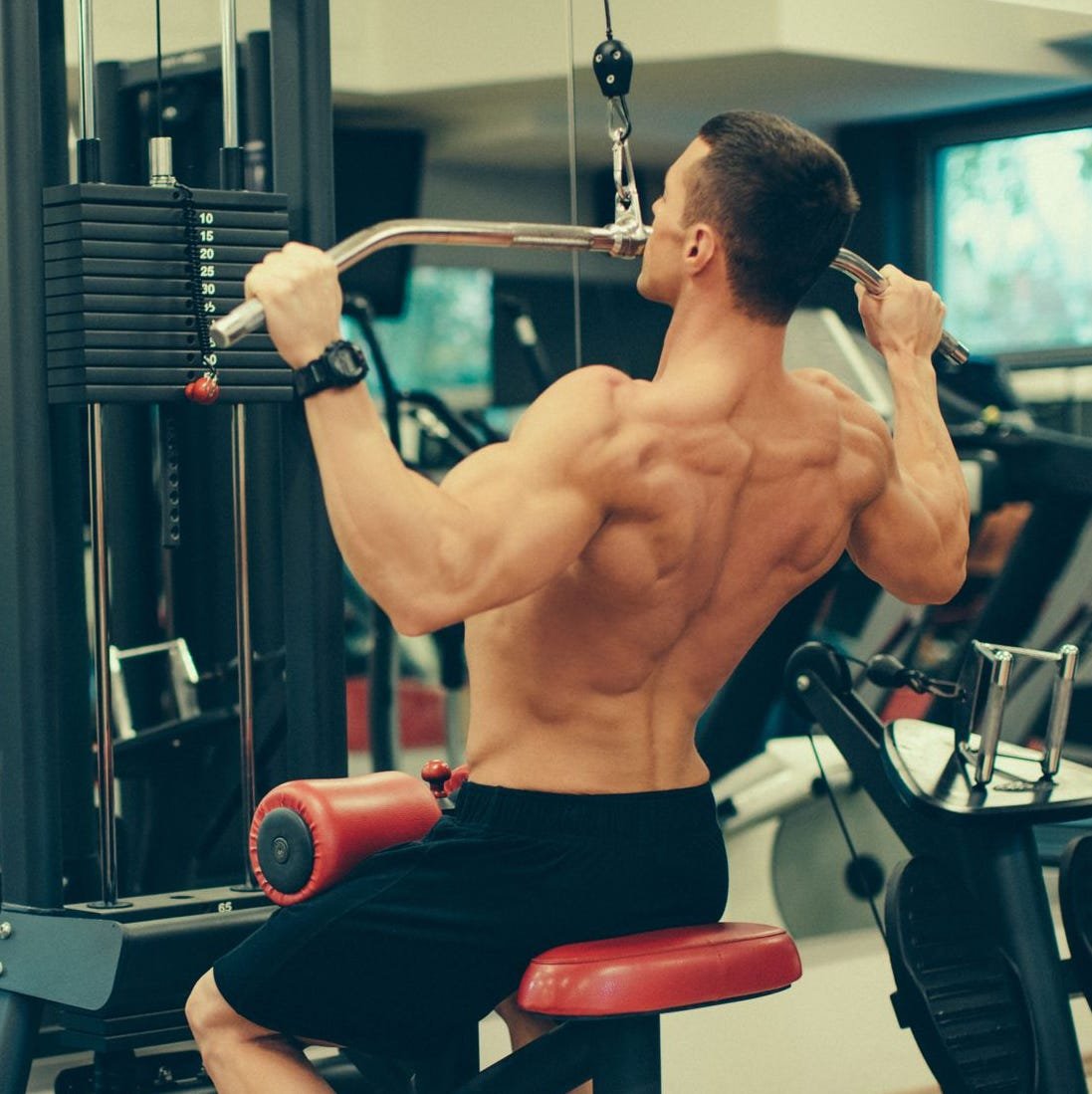
The lats extend, adduct and internally rotate the upper arm. In practical gym terms, they contribute when you pull the upper arm down toward the torso in a pulldown or pull-up and when a row drives the elbow back. A wide grip is not automatically a wider back: grip choices change comfort and leverage, and the productive part is repeated elbow travel with a stable trunk rather than a theatrical shoulder shrug.
Start a pulldown with the thighs secure, feet planted and the arms overhead at a range you can reach without pain. Think about bringing the elbows toward your sides while the bar travels toward the upper chest, then return under control. Avoid turning every heavy rep into a backward lean or using the neck as a target for the bar. A neutral or modestly pronated grip is fine when it lets you produce repeatable reps.
Pair that vertical pull with a supported row. Setting an adjustable bench at an angle and keeping the chest in contact reduces the temptation to heave the torso. Drive the elbows toward the hips for a lat-oriented variation; a slightly wider elbow path can emphasize other upper-back tissues. Neither version is a universal winner, so keep the version whose position you can reproduce and progress.
For home gyms, a single cable, two handles or an adjustable bench can cover the same movement categories without replicating an entire commercial machine floor. Note cable height, handle, seat position, strap use and range of motion. If those change each workout, a five-pound improvement might be only a different mechanical setup. Train the movement you can measure, not the machine with the most intimidating stack numbers.

Equipment Worth Exploring
Explore equipment, accessories and gear from our carefully selected range.

Trinity Lat Machine LSW-850
Weight-stack pulldown tower offering three cable directions and adjustable seated support.

VForce Lat Tower
Wall-mounted cable tower with pivot arms and adjustable 1:1 or 2:1 pulley ratios.

48in Aluminum Lat Bar
48-inch aluminum lat pulldown bar with knurled grip and rotating center swivel.

Lat Pulldown Set
Multi-grip cable attachment set for pulldowns, rows, and varied upper-body training.

Lateral Row Machine LRM-720
Rowing machine with independent lever arms, an adjustable seat and chest support.


Multi Bench MBX-650 2.0
Adjustable multi-bench with roller adjustment, 15 backrest positions and accessory mounts.
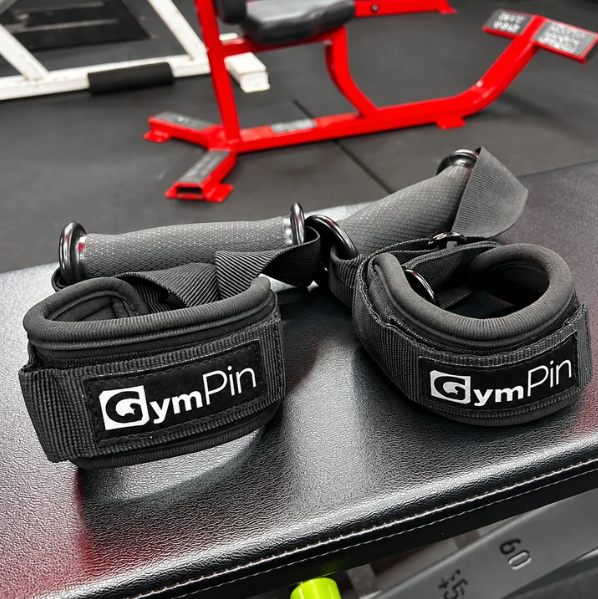
GymPin D Cuffs
Adjustable wrist cuffs with textured grips for supported cable-machine exercises.

GymPin Ergo Handles
Pair of ergonomic cable handles shaped for comfortable triceps and pulling exercises.

Leather Lifting Straps
Padded leather straps support grip during heavy rows, deadlifts and pulling exercises.
Prioritize lateral delts without worshipping one attachment
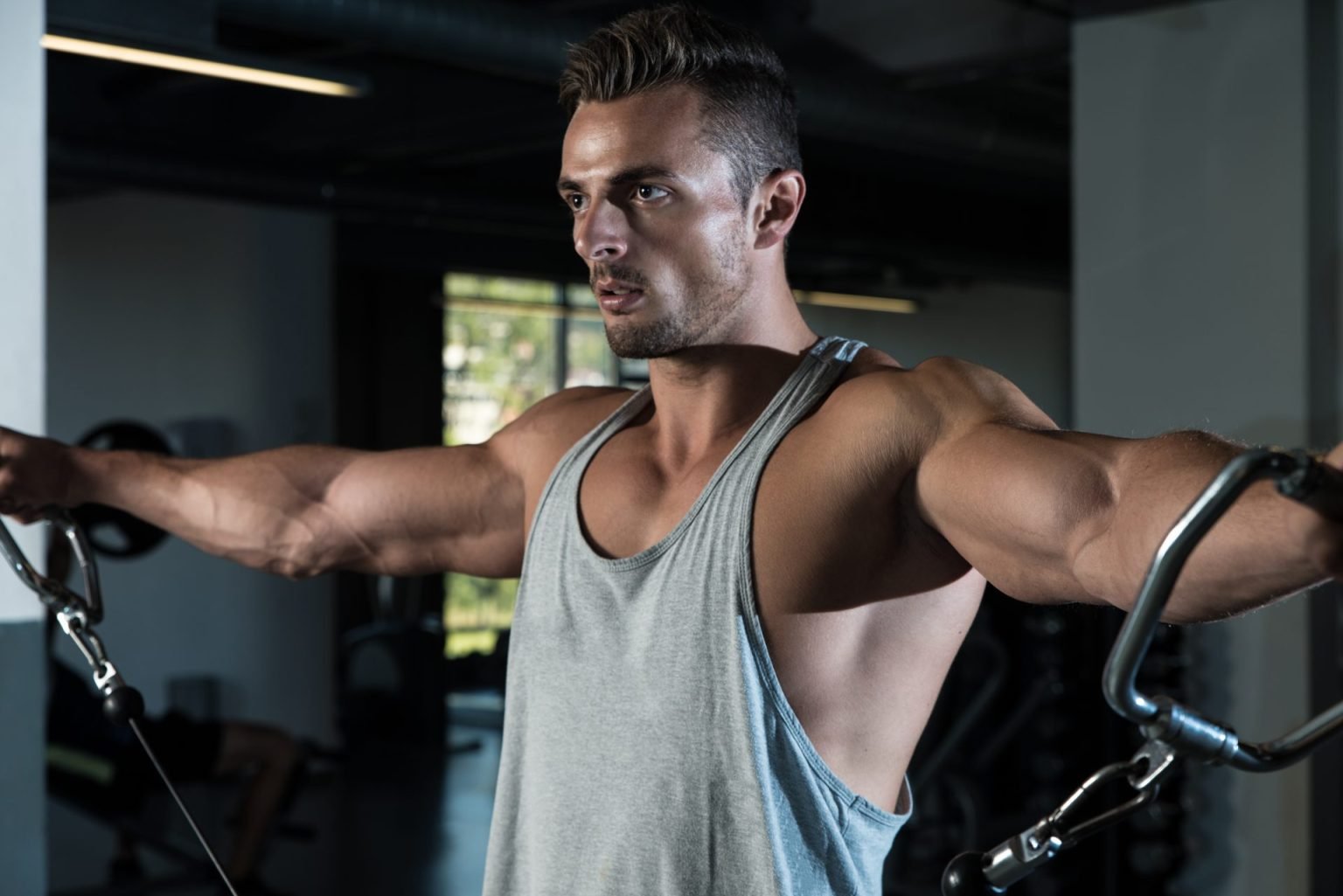
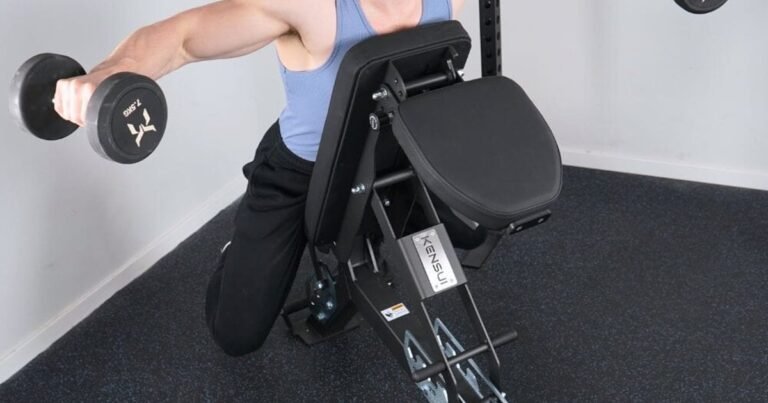
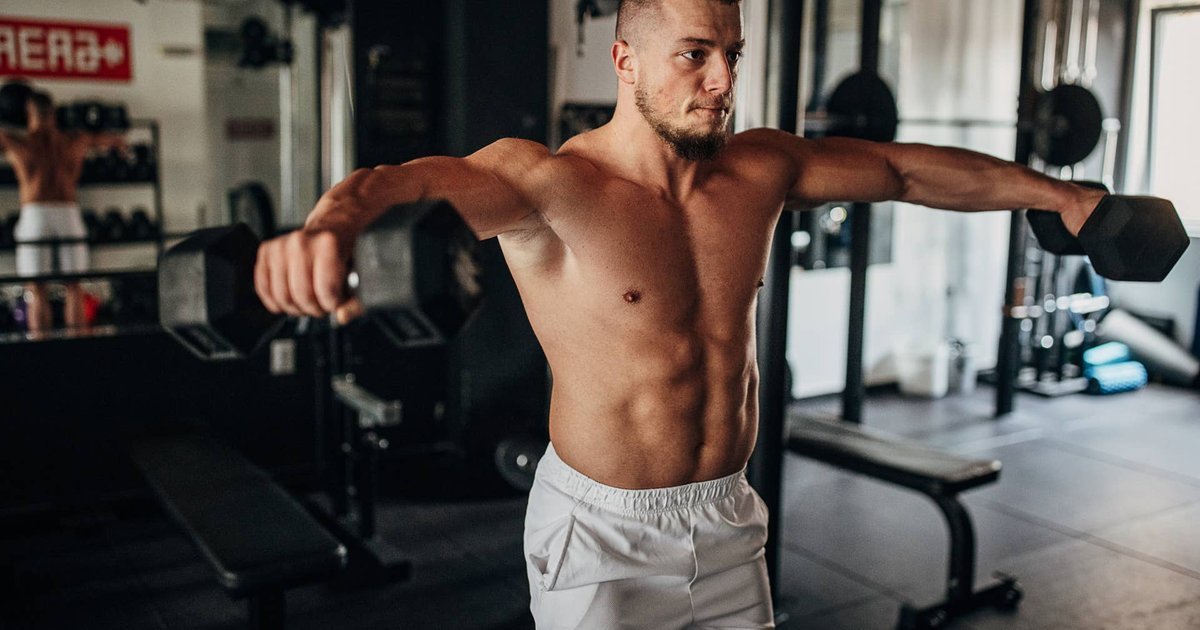
Shoulder width is not just overhead pressing strength. The lateral deltoid can benefit from targeted shoulder abduction, making a lateral-raise pattern a sensible complement to presses and rear-delt work. Start with a manageable load, soft elbow bend and a quiet torso. Raise the arms through a comfortable arc, stop when you can no longer control the shoulder position and lower without dropping the weights.
Cables and dumbbells create different resistance profiles. A dumbbell produces relatively little external shoulder torque with the arm hanging near the side; a low cable can provide more challenge earlier in the arc depending on pulley height and alignment. That mechanical distinction does not prove a unique muscle-growth advantage. In a controlled eight-week comparison involving 24 resistance-trained people, both cable and dumbbell lateral raises increased measured lateral-delt thickness, without a detectable difference between the methods under the study’s matched range and training conditions.
Choose the version that lets your shoulders feel stable, your elbow trace stay repeatable and your logbook show progress. If a standing cable pulls you sideways, try an offset stance or a rack-supported one-arm variation. If dumbbells encourage swinging, reduce the load and slow the lowering. A rough starting point is two or three sets per session twice a week with enough rest to avoid turning the last repetitions into momentum.
Include some rear-delt and upper-back work as well: chest-supported reverse flies, reverse cable flies and rows with an appropriate elbow path can complement the side-delt work. Their role is muscular development, not an unsupported claim that one exercise will permanently correct posture or eliminate shoulder pain.

Bodybuilding Shirts & Workout Gear
Bodybuilding shirts, tanks and gym gear for lifters chasing muscle, size, symmetry and the pump.


Lat Man Big Back – Decal With Huge Lats – Meme Back Sticker
Bring “Lat Man Big Back” attitude to your water bottle or laptop.

Strong Back Bodybuilder | Meme Hooded | The Simpsons Wo Hoodie
Bring “Strong Back Bodybuilder” gym humor to lazy days and post-workout plans.


Dost Thou Even Press Hoodie
Show off your medieval humor in a laid-back “Shoulder Press” hoodie.

Light Weight Baby Ronnie Hoodie
Show off your lifting humor in a laid-back “Bodybuilding Meme” hoodie.

Bodybuilders – Avengers Superhero Bros & T-Shirt
Heavy lifts, good laughs, and a little “for Bodybuilders” energy.

– Muscle Inflation Graph Meme Decal | Gym Economics Wor Sticker
Stick a little “Muscle Inflation Graph Meme” humor on your favorite gear.

The quad sweep belongs in the physique picture too
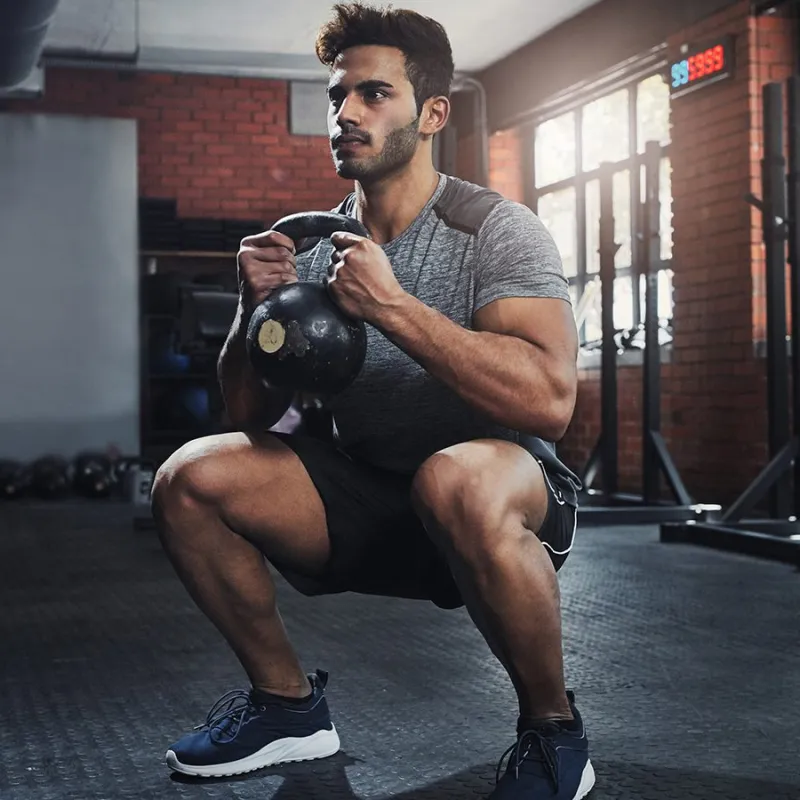
A V-taper discussion often stops above the belt. For a balanced front-and-back appearance, well-developed quadriceps can add visual width below the hips, though exactly how dramatic the outer sweep looks depends partly on anatomy and posing. That is why Hadzovic’s original advice also mentions legs. It is not a claim that a goblet squat somehow burns waist fat.
A goblet squat is a practical entry point because a dumbbell or kettlebell held at the chest gives many lifters a simple way to organize the torso and knee bend. Set a stance that allows the heels to remain planted, descend as far as mobility and control permit and stand without collapsing the knees inward or shifting onto the toes. Not everyone needs the same stance width or heel elevation.
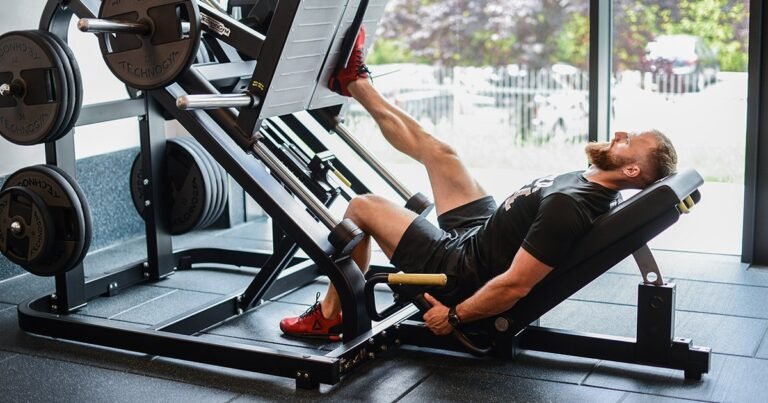
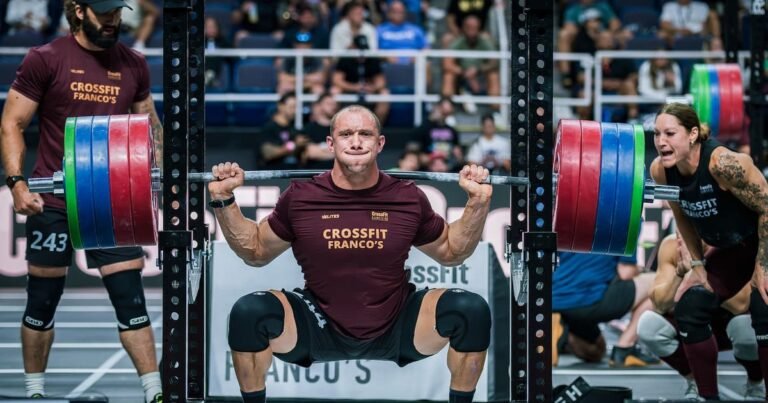
For higher-load quad training, a supported split squat, front squat, leg press or a well-set-up cable squat might allow more meaningful progression once goblet loading is limited by how much weight the hands can hold. There is no universal rule that one variation produces a superior ‘outer sweep’ on every body. If a movement becomes constrained by breathing, grip or back fatigue long before the quads are challenged, modify the exercise rather than merely adding repetitions.
Track full-depth quality before chasing plates. A set of controlled split squats with consistent stride length may provide clearer feedback than a heavier squat in which depth varies from workout to workout. Two productive quad sessions weekly can coexist with pulling and shoulder work as long as total effort and recovery remain manageable.
Equipment Worth Exploring
Explore equipment, accessories and gear from our carefully selected range.

Safety Squat Handles
Barbell squat handles that reduce shoulder positioning demands during high-bar squats.
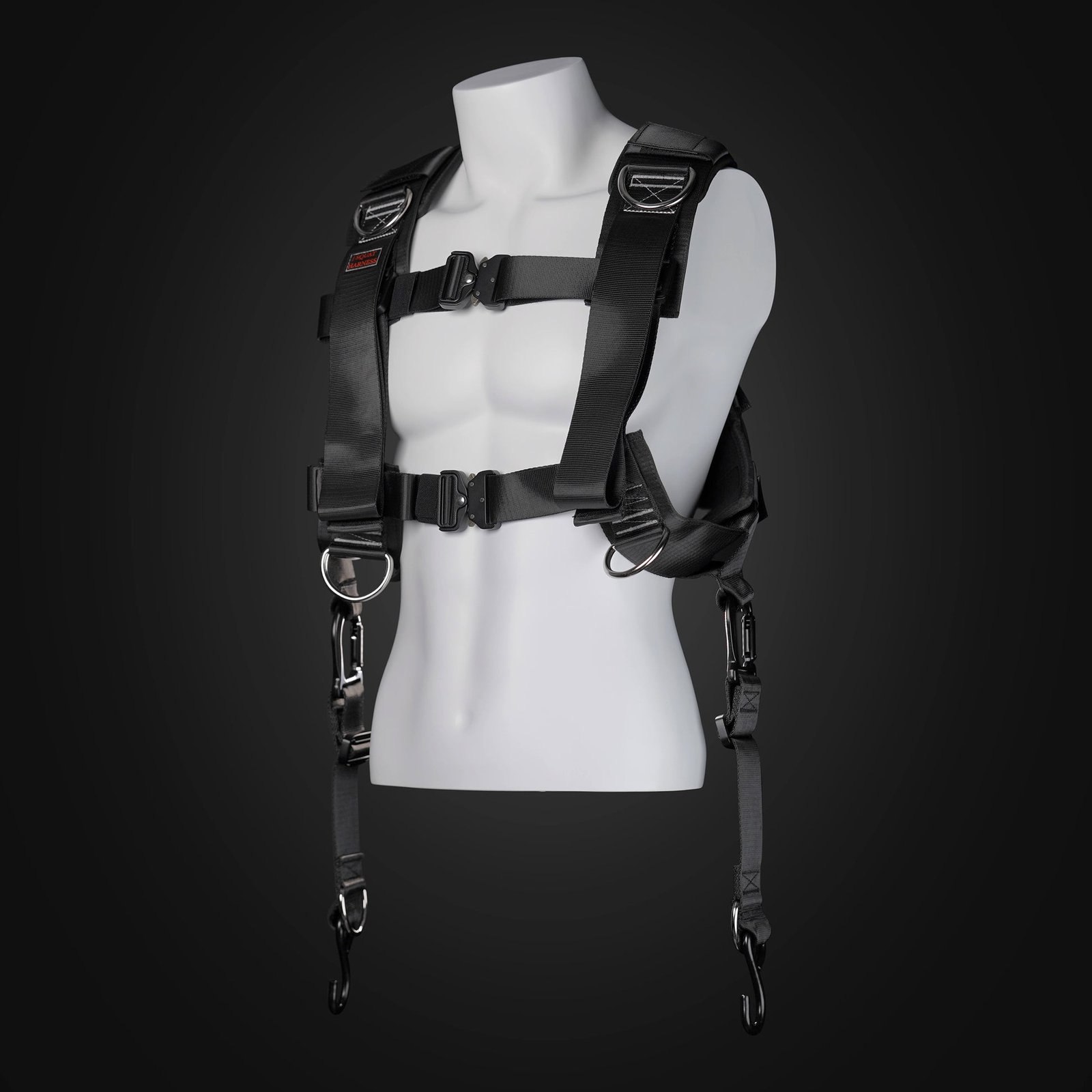
Squat Harness
Wearable harness for hands-free cable squats, sled work, and lower-body training.

GymPin Squat Wedges
Non-slip 15-degree squat wedges help elevate the heels for deeper quad-focused squats.


Leg Press/Hack Squat BPR-790
Convertible 45-degree leg press and hack squat machine with a broad footplate and band pegs.

Compact Leg Press CLP-700
Compact reverse-style leg press with a moving seat carriage and an adjustable footplate.


Belt Squat Collar
Heavy-duty collar adapter for compatible belt-squat and landmine bar setups.

Leg Extension/Curl BCO-780
Leg extension and lying leg curl combo with plate loading, band pegs and a cable-loading option.
Waist definition: what training can and cannot change
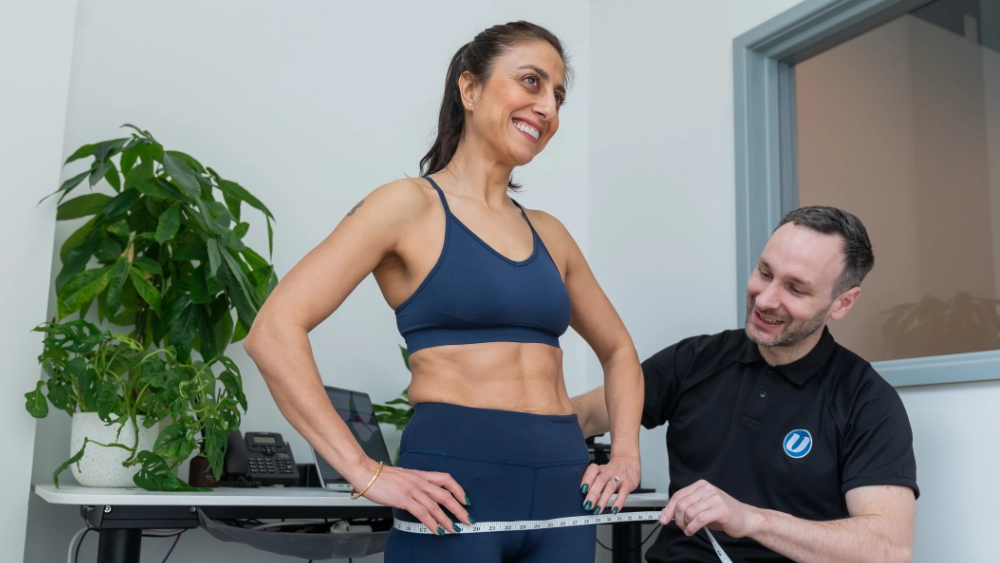
No training program can promise to spot-reduce fat from the lower abdomen or love handles. Abdominal exercises build skill and muscular endurance, but they do not reliably determine where fat is removed. A six-week controlled abdominal-training experiment found improved curl-up endurance without significant changes in abdominal fat or circumference attributable to the exercises. That does not make core training useless; it means the advertised fat-loss mechanism is wrong.
For someone pursuing a leaner appearance, the relevant levers are sustained overall energy balance, adequate protein, habitual activity, sleep and consistency rather than endless side bends or a targeted waist gadget. Leaner is not always better: a substantial calorie deficit can impair training performance and recovery, and aggressive cutting may flatten the muscle fullness that makes the tapered look appealing in the first place.
Measure waist circumference at the same location and under similar conditions, preferably alongside body weight trends and standardized photographs. A single picture after a pump or in flattering light is a poor outcome measure. Likewise, body-composition devices estimate rather than directly reveal exact body fat. Look for several weeks of consistent signals: better reps, slightly more muscle, a stable or gradually changing waist and a physique that looks the way you want in ordinary lighting.
Train the trunk for actual function as well. Bracing under squats, deadlifts and carries can improve how you control load; direct ab exercises can strengthen the abdominal wall. Neither requires obsessing over whether an exercise might ‘blockify’ the waist. Treat extreme claims about special waist-vacuum routines, belts or twisting movements with proportionate skepticism.
A realistic four-week V-taper training block
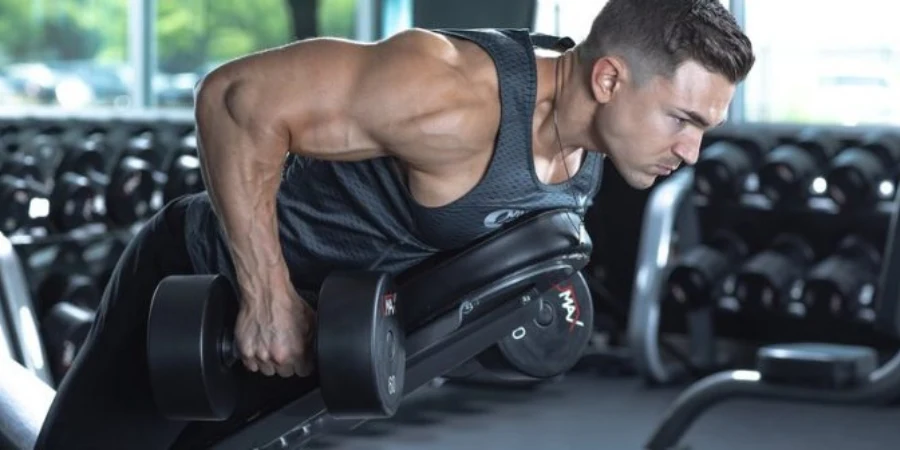
The following is a repeatable template rather than a promise of dramatic transformation in four weeks. Two upper sessions and two lower or mixed sessions give room to practice the relevant movements without requiring a body-part split with seven gym days. Keep most working sets around one to three repetitions shy of the point where technique fails, and start with a volume your current training history already tolerates.
Upper A: pulldown or pull-up, three sets of six to ten; chest-supported row, three sets of eight to twelve; cable or dumbbell lateral raise, three sets of ten to fifteen; optional rear-delt raise, two sets of twelve to twenty. Lower A: squat or leg press, three sets of six to ten; split squat, two sets of eight to twelve per leg; calf and core work as needed.
Upper B: a different comfortable vertical pull, three sets of eight to twelve; a row with deliberate elbow travel, two or three sets of ten to fifteen; lateral raise, three sets of twelve to twenty; light accessory pressing if it does not compromise recovery. Lower B: another quad-focused pattern such as a controlled goblet squat or supported split squat, three sets; then a posterior-chain movement and modest core training.
Week 1: establish repeatable setup, a conservative load and the number of clean repetitions. Week 2: keep equipment and range stable, then add a rep where the previous sets remained controlled. Week 3: increase load slightly on movements that have reached the top of their rep ranges, accepting fewer reps at the new weight. Week 4: repeat or modestly reduce volume if joints, sleep or performance have been struggling; otherwise consolidate the new performance.
Additional sets can help muscle growth up to a point, but more is not an unlimited prescription. A large research synthesis found a broad positive relationship between weekly resistance-training volume and hypertrophy, yet individual recovery and the quality of the sets still matter. Photos every four weeks, tape measurements and the training log provide better evidence than a daily mirror verdict. If the back and delts are progressing but fatigue is rising, hold the plan steady before adding another ten sets.
The useful V-taper formula is ultimately boring: build lats, shoulder width and balanced legs; use a sustainable nutrition strategy if waist reduction is personally appropriate; and compare progress under the same conditions. Proportions change with months of productive training, not with an attachment hack or a guaranteed ratio.
Leg Day Shirts & Workout Gear
Leg-day gym shirts and workout gear for lifters who never skip squats, lunges and lower-body punishment.


The Quadfather Leg Day Meme Top & T-Shirt
Bring “The Quadfather” humor to your next gym day.

Squats Booty Builder Barbie Meme Leg Day & Strong Tank Top
Bring “Squats Booty Builder” humor to your next lifting session.

Squat Inspector Gym | Edgy Leg Day Meme Workout | Booty Hoodie
Make your off-duty look more fun with “Squat Inspector”.

I Love Squats – Valentine's Day Leg Day Meme Hooded Pul Hoodie
Keep it laid-back with a little “I Love Squats” attitude.

Mermaid Leg Day Decal Water Bottles & Gear Meme Sticker
Put “Mermaid Leg Day” gym humor on your laptop, bottle, or gym gear.

Leg Day Gains Gym | LEGO Parody Workout For Squat & Dea Hoodie
Show off your leg-day humor in a laid-back “Leg Day Gains” hoodie.

Squats R Us Shirt – Leg Day Gains & T-Shirt
Heavy lifts, good laughs, and a little “Squats R Us” energy.


Leg Day Is Calling You Sweater Squats & Deadlifts T-Shirt
Add a playful “Leg Day Is Calling You” touch to your casual rotation.