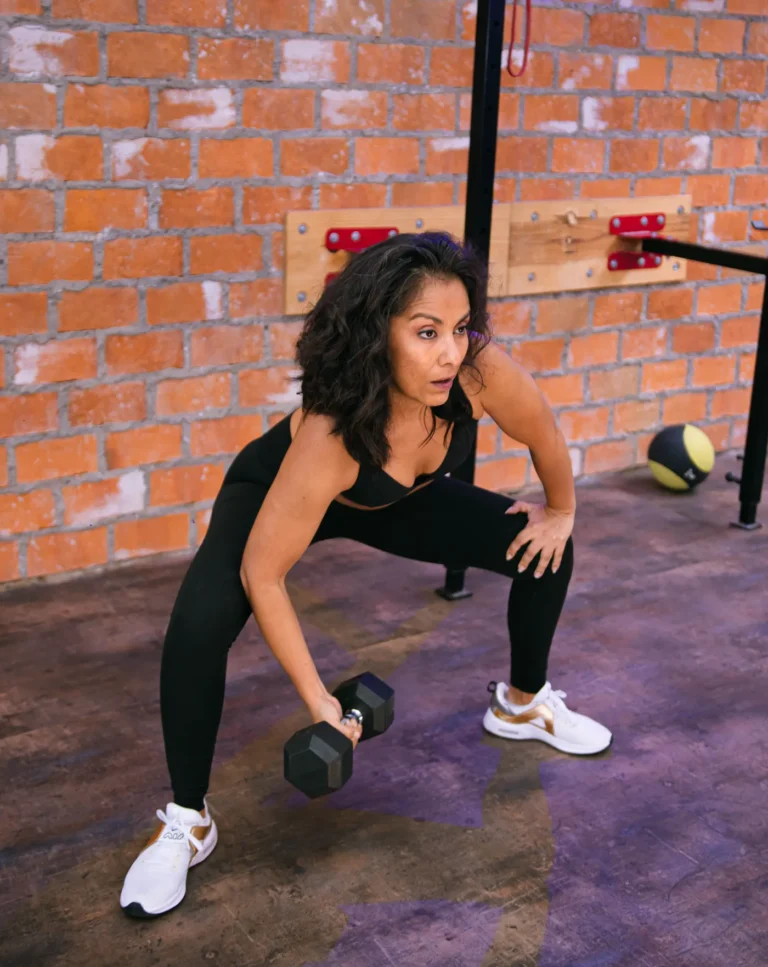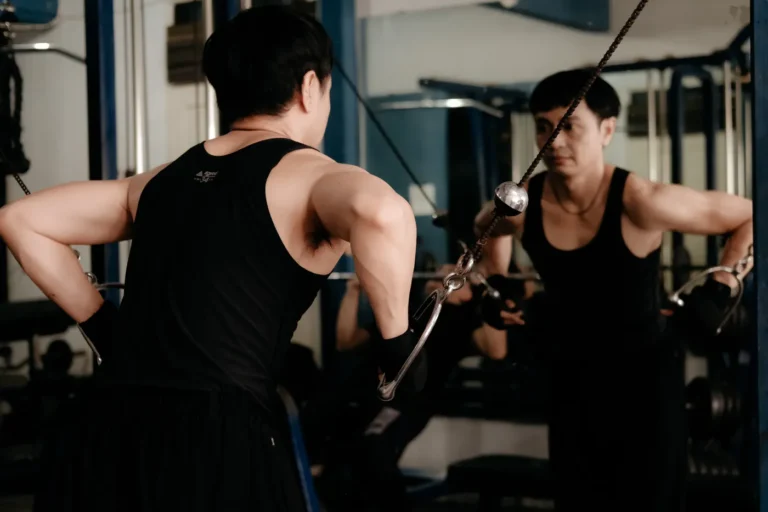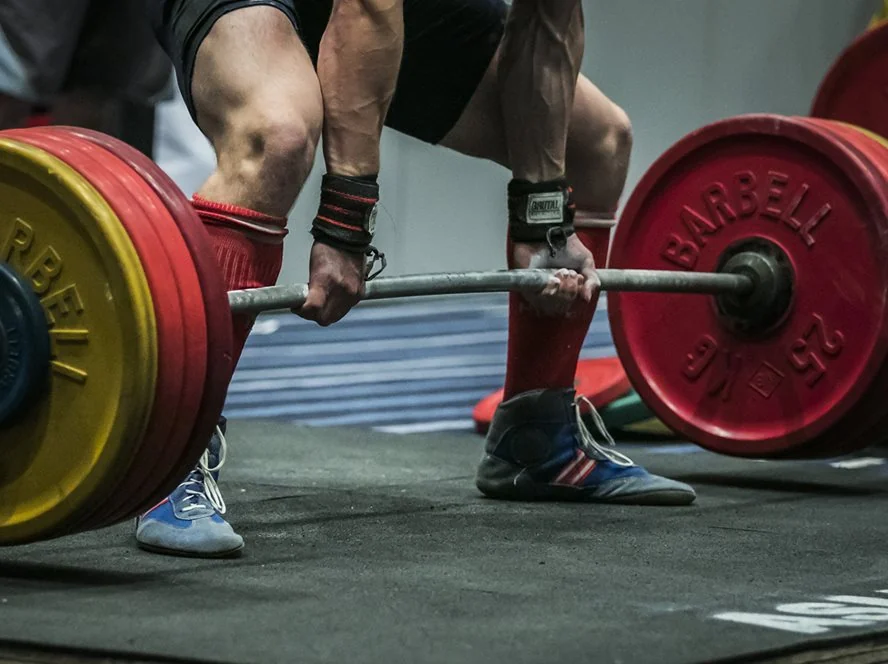
Your deadlift is moving, your back is braced—and then the bar rolls out of your fingers. Should you switch to hook grip, flip one hand for mixed grip or wrap on lifting straps? Each changes the mechanics in a different way. Here is how to choose a grip for heavy singles, bodybuilding volume and a four-week test, without turning every pull into a battle with your thumbs.
1. Why your grip fails before your back and legs
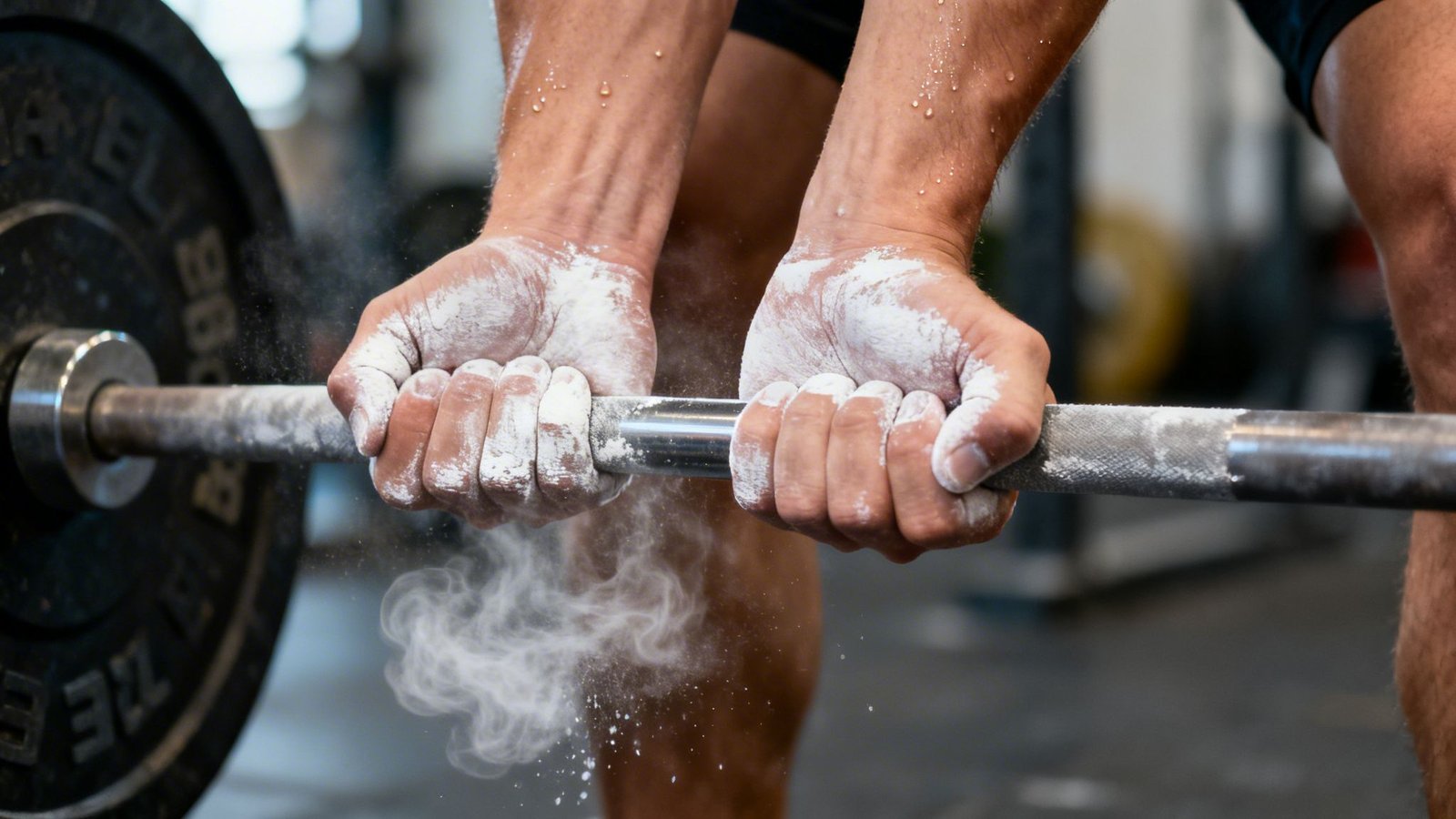
A deadlift can feel light off the floor and still turn into a failed rep when the bar starts rolling toward your fingertips. That is not automatically a weak back, poor bracing or a programming problem. It is a mismatch between the weight your posterior chain can move and the weight your hands can keep attached to the bar. The solution is not necessarily to squeeze harder. Your hand orientation, bar diameter, knurling, chalk and the choice to use straps all change the problem.
Picture a heavy bar trying to unwind your fingers. With both palms facing your body, its rotation encourages both hands to open in the same direction. A mixed grip opposes that rotation; a hook grip uses your thumb as a mechanical lock. Straps transfer some of the holding demand from the fingers to the wrist and fabric. Each method is useful, but each trains a slightly different quality.
For powerlifters, the goal is a legal, repeatable competition grip. For bodybuilders doing rows and Romanian deadlifts, the goal may be to keep the target muscles working even after the forearms tire. For a beginner, the best starting point is usually a clean double-overhand grip on every load they can securely control. Treat the grip as a tool matched to the session rather than an identity test.
First separate support-grip endurance from the strength of the deadlift itself. If your fingers open during a long set but your back position and bar speed are still good, your grip may be the limiter. If the bar stalls while the hands stay locked, changing grips is unlikely to solve the underlying strength issue. Film a set from the side, note exactly when the bar slips, and choose your next step based on the evidence.
2. Double overhand: the foundation, not a badge of honor
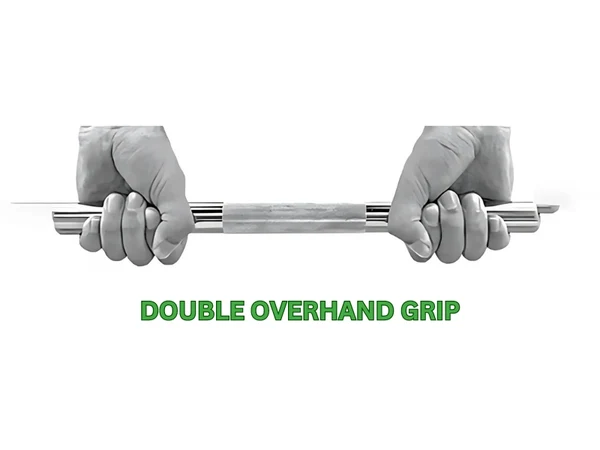
The conventional double-overhand grip puts both palms toward the lifter. It is simple, symmetrical and excellent for warm-ups, lighter working sets and deliberate grip development. Because both hands share the same orientation, it also makes it easier to notice an uneven stance or an arm drifting away from the body. Its weakness appears when a loaded bar rotates in the hands: the fingers are gradually forced open.
Set the bar near the base of your fingers rather than burying it high in the palm. A bar that starts too deep can roll across the palm, folding skin into a painful callus and increasing the distance it travels before reaching the fingers. Close your thumb around the bar, lock your elbows straight, draw the slack out and pull with the bar close to your shins. Chalk can help when sweat or smooth knurling is the real issue.
Use double overhand for the empty bar, most warm-ups and as many productive sets as you can complete without turning the lift into a finger-opening contest. If a five-rep set ends because the bar slips on rep three, switch grips or use straps for the remaining training rather than cutting hamstring and back work short. You can still train grip separately, when it will not compromise the main lift.
There is no magic load at which everyone must change. A lifter with large hands on a 28-millimeter bar may have a different threshold from someone with smaller hands on a thick, slick bar. Track the load and duration at which your overhand hold becomes unreliable. That number gives you a practical baseline to improve over time.

Equipment Worth Exploring
Explore equipment, accessories and gear from our carefully selected range.

Leather Lifting Straps
Padded leather straps support grip during heavy rows, deadlifts and pulling exercises.

Leather Wrist Grips
Padded leather lifting grips help support the hands and wrists on heavy pulling exercises.



3. Mixed grip: heavy weights without thumb compression
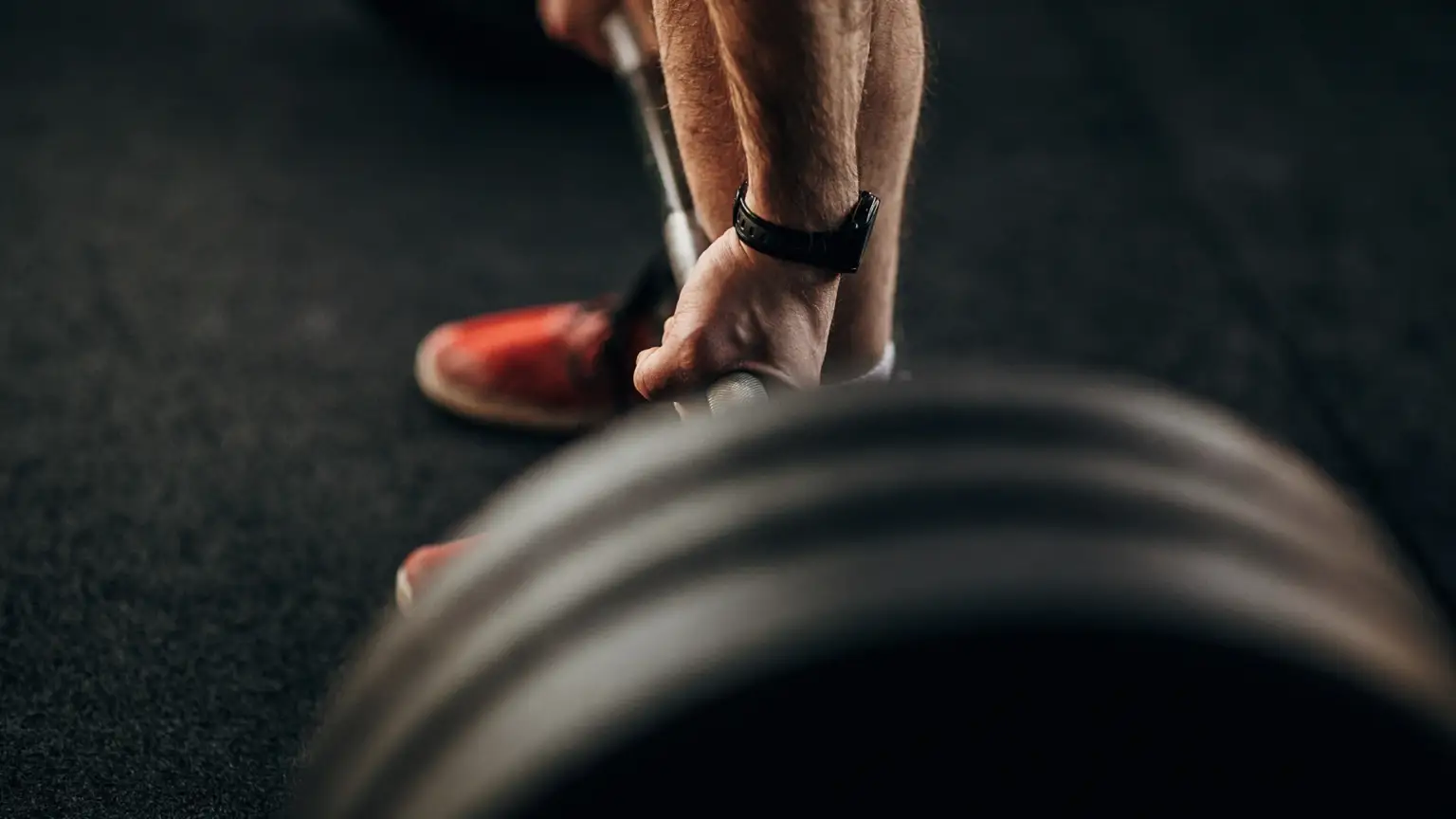
With a mixed grip, one hand is pronated and the other is supinated. Because the bar tends to roll in opposite directions relative to the two hands, it becomes harder for the bar to escape. This is why mixed grip remains a practical choice for heavy singles, doubles and competition deadlifts. It does not require the thumb adaptation of a hook grip, and many lifters find it immediately secure.
The trade-off is an asymmetric shoulder and arm position. Keep both elbows straight from setup to lockout; never try to curl the underhand side or use the biceps to initiate the pull. The underhand arm is particularly unforgiving if it bends under a suddenly moving heavy bar. Set your lats, keep the bar close and let the hips and legs do the work. A mixed grip is not inherently dangerous, but poor positioning under maximal load is a needless risk.
Which hand should face up? Start with whichever configuration allows you to set the shoulders evenly and maintain a straight elbow. You can alternate orientation between warm-up sets to practice both sides, but it is also reasonable to use your strongest consistent setup for a maximal attempt. If changing sides makes your torso rotate or the bar drift, reduce the load and rebuild the position before chasing numbers.
Do not interpret an uneven-looking photograph as proof that mixed grip causes long-term muscular imbalance. The evidence for that sweeping claim is limited. What matters more is the total training program, whether the bar remains controlled and whether you can reproduce your start position. For repeated bodybuilding sets, straps can be a simpler solution than accumulating dozens of high-fatigue mixed-grip reps.

Powerlifting Shirts & Lifting Gear
Powerlifting shirts and gym gear for squat, bench and deadlift lifters who live for heavy numbers.

Praise The Deadlift Holy Lifting Meme , & T-Shirt
Show some deadlift attitude with a playful “Praise The Deadlift” tee.

The Ultimate Deadlifter Jesus Christ – Deadlifts Liftin Tank Top
Show some personality between sets with “The Ultimate Deadlifter Jesus Christ”.

Doctor Deadlift Sticker
Put “Doctor Deadlift” gym humor on your laptop, bottle, or gym gear.


Deadlift Viking Skull Gym Decal for Powerlifters, Norse Sticker
Put “Deadlift” gym humor on your laptop, bottle, or gym gear.

Deadlift Zombie Skull Gym Crewneck , Halloween Powerlif T-Shirt
Keep things casual with a little “Deadlift” attitude.


Thou Art Not Yet Ripped Medieval Knight Deadlift Gym Sticker
Give your everyday gear a playful “Sticker Thou Art Not Yet Ripped Medieval” twist.

4 Plates Deadlift Club – Motivational & Deadlifts Top T-Shirt
Show some deadlift attitude with a playful “4 Plates Deadlift Club” tee.

4. Hook grip: the secure option that demands patience
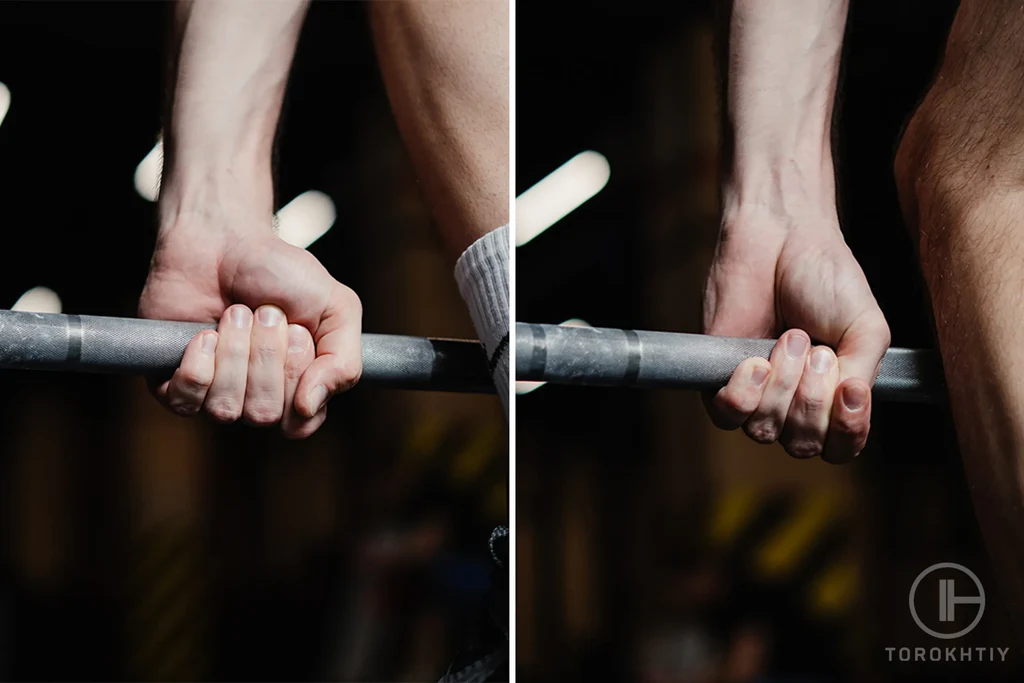
The hook grip looks like double overhand until you inspect the thumbs. Wrap each thumb around the bar first, then place the index and middle fingers over the thumb. The fingers trap the thumb against the knurling, creating a lock that resists the bar rolling open. Both arms remain pronated, which makes the setup attractive to Olympic lifters and powerlifters who prefer symmetrical hand orientation.
The first sessions can be unpleasant. Thumb pressure, skin sensitivity and hand size all affect how quickly the grip becomes tolerable. Start with light singles or short holds, not a sudden all-out personal record. Use a small amount of chalk on the thumb and fingertips. If you use thumb tape, choose a thin, suitable tape that does not create bulky folds or hide skin damage. Never ignore sharp pain, numbness or a torn nail.
A good setup is precise: put the bar across the thumb base, wrap the thumb as far as your hand allows, pin it with the first two fingers, then squeeze enough to maintain the lock. Avoid placing all the pressure directly on the thumbnail. If your fingers cannot overlap the thumb on your particular bar, the hook grip may simply be impractical. A thinner bar may help, but you do not need to force your anatomy into an unsuitable setup.
Give adaptation several weeks and judge progress by repeatable holds, not by whether the grip feels pleasant after one workout. A lifter who tolerates hook grip well can use it for heavy pulls without switching hand orientation. Another lifter may prefer mixed grip for competition and straps for training volume. Both can build an impressive deadlift; there is no universal winner for every hand.
5. When straps help—and what the research actually shows
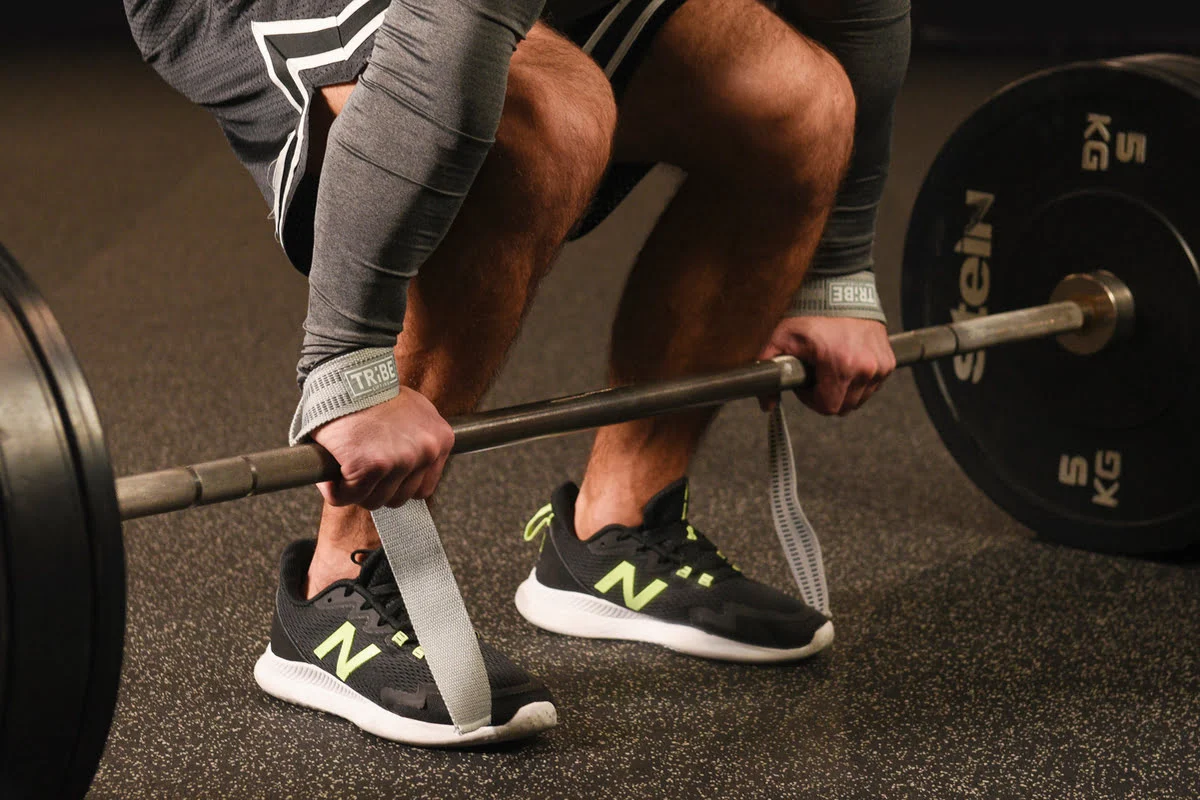
Lifting straps are not cheating in training. They are a way to prevent grip fatigue from capping work for the hamstrings, glutes, spinal erectors and upper back. Traditional lasso straps wrap around the bar; figure-eight straps hold the bar with less finger demand and are popular in some strongman settings. Neither replaces good setup or bracing, and neither is an excuse to pull a weight you cannot control.
Controlled experiments help clarify the trade-off. In one study, 16 young men performed heavy deadlift protocols with and without straps. Strapped conditions preserved more grip capacity and improved some measures of bar velocity and perceived grip security under the tested conditions. A separate experiment involving ten trained women found more completed repetitions with straps at a prescribed percentage of one-repetition maximum, with less grip-strength loss and no clear velocity penalty. These are useful short-term performance findings, not proof that straps automatically cause more muscle growth.
That distinction matters. If your goal is back hypertrophy, extra high-quality pulling reps may be valuable. If your goal is a legal powerlifting deadlift, you still need to practice the grip you will use on the platform. Most conventional powerlifting rule sets do not permit lifting straps in competition; check the current rules for your own federation. Straps can support accessory volume without replacing competition-specific practice.
Use straps for heavy Romanian deadlifts, high-rep rows and the final work sets that would otherwise end from hand fatigue. Keep at least some unstrapped pulls or loaded holds in the week if improving grip is also a goal. Fit straps securely, keep the wrist neutral and learn to release the bar safely. If a strap shifts or a hand goes numb, stop and reset rather than finishing a sloppy rep.
Equipment Worth Exploring
Explore equipment, accessories and gear from our carefully selected range.

Angles 90 Grips
Flexible grip attachments that allow natural wrist movement during pulling exercises.

GymPin Ergo Handles
Pair of ergonomic cable handles shaped for comfortable triceps and pulling exercises.
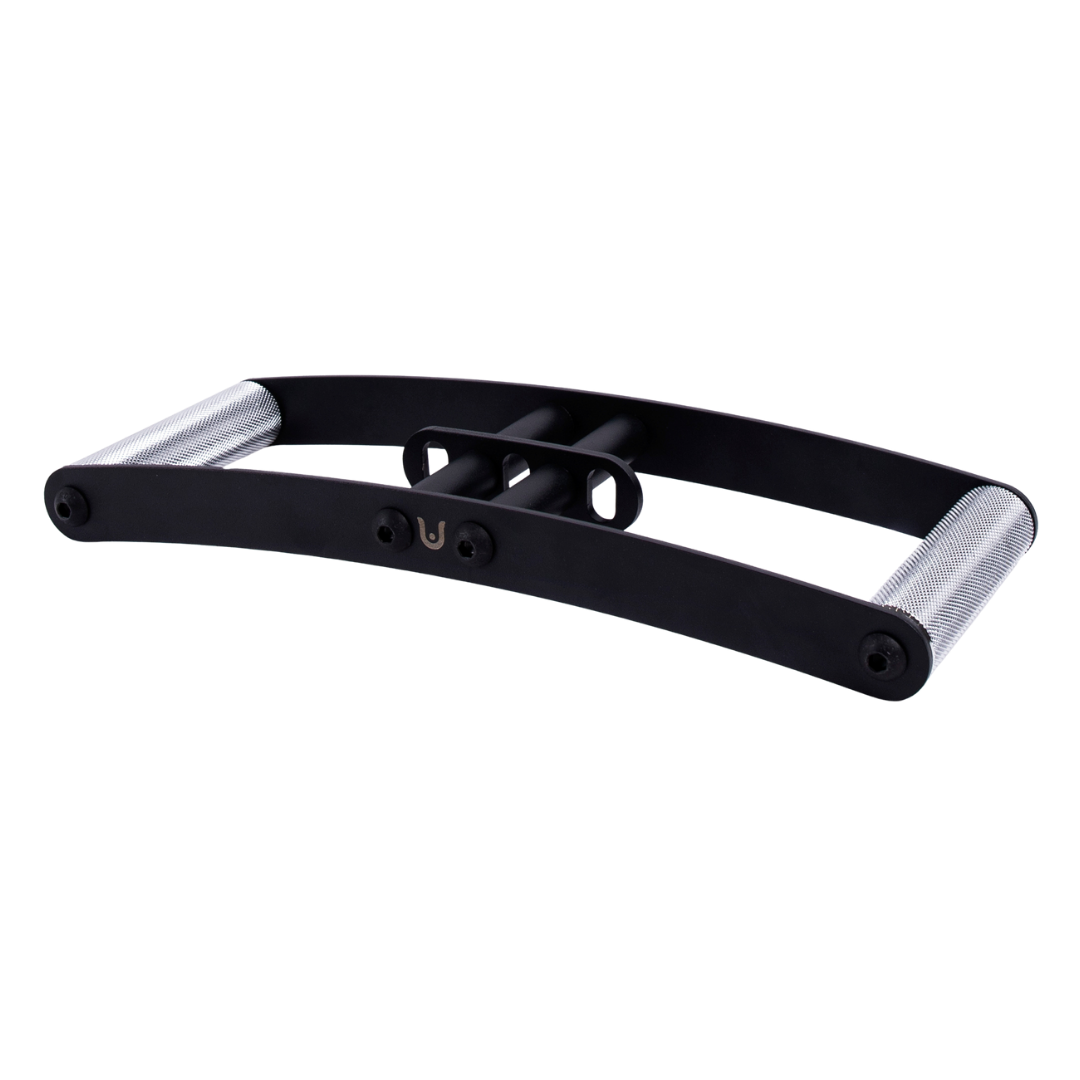
Horizon Grip
Ergonomic V-style cable grip for rows and back training.
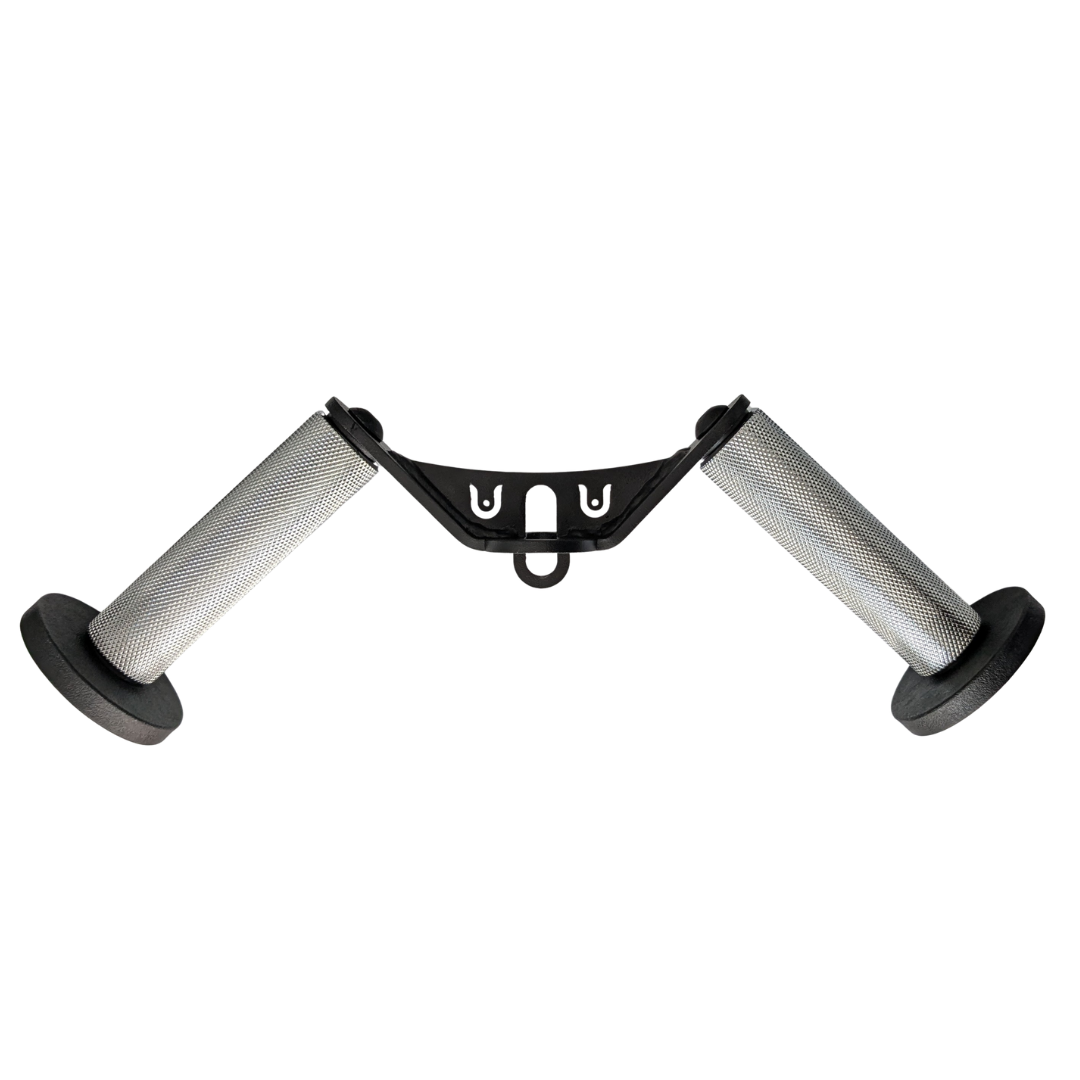
W Grip
Angled cable grip for comfortable rows, pushdowns, and curls.
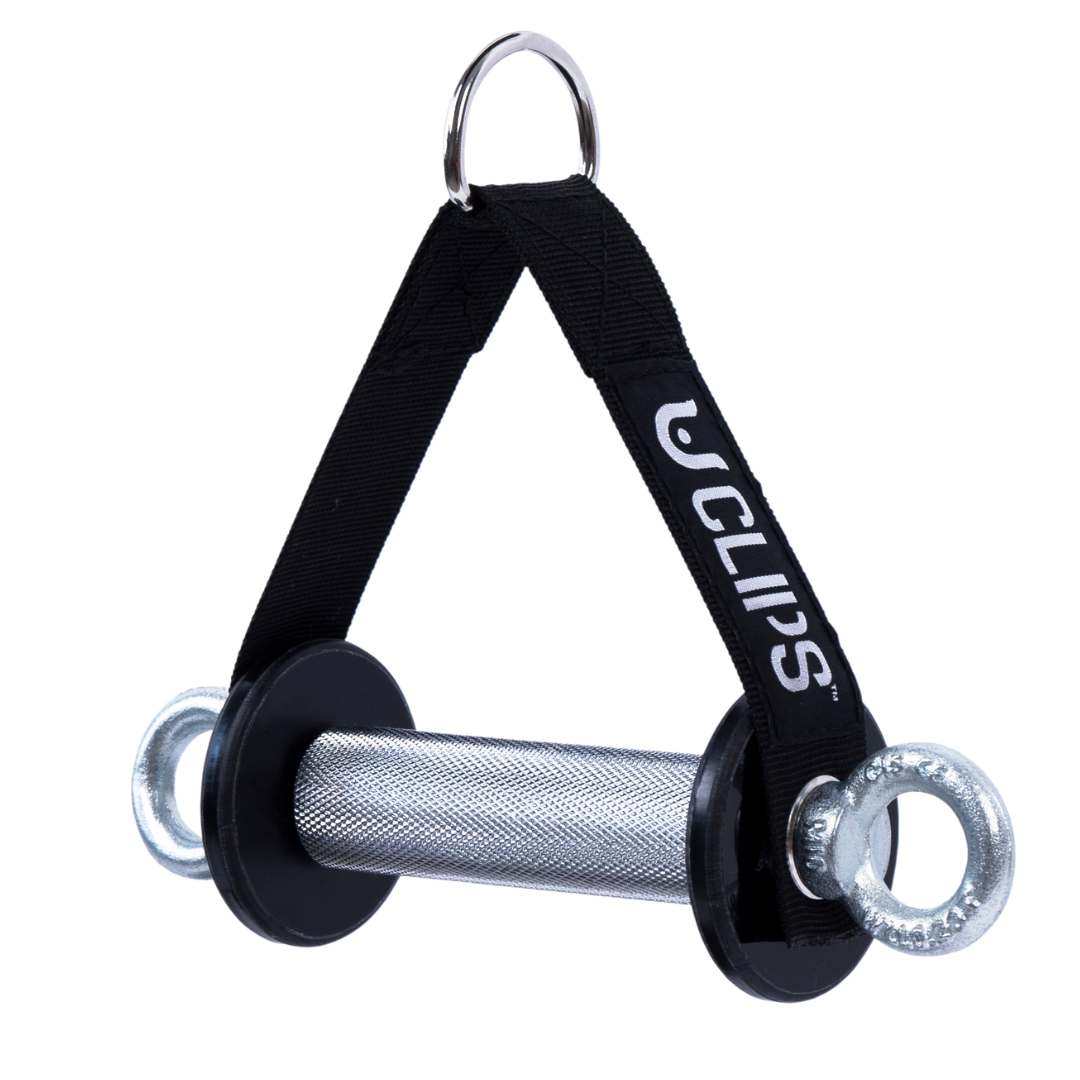
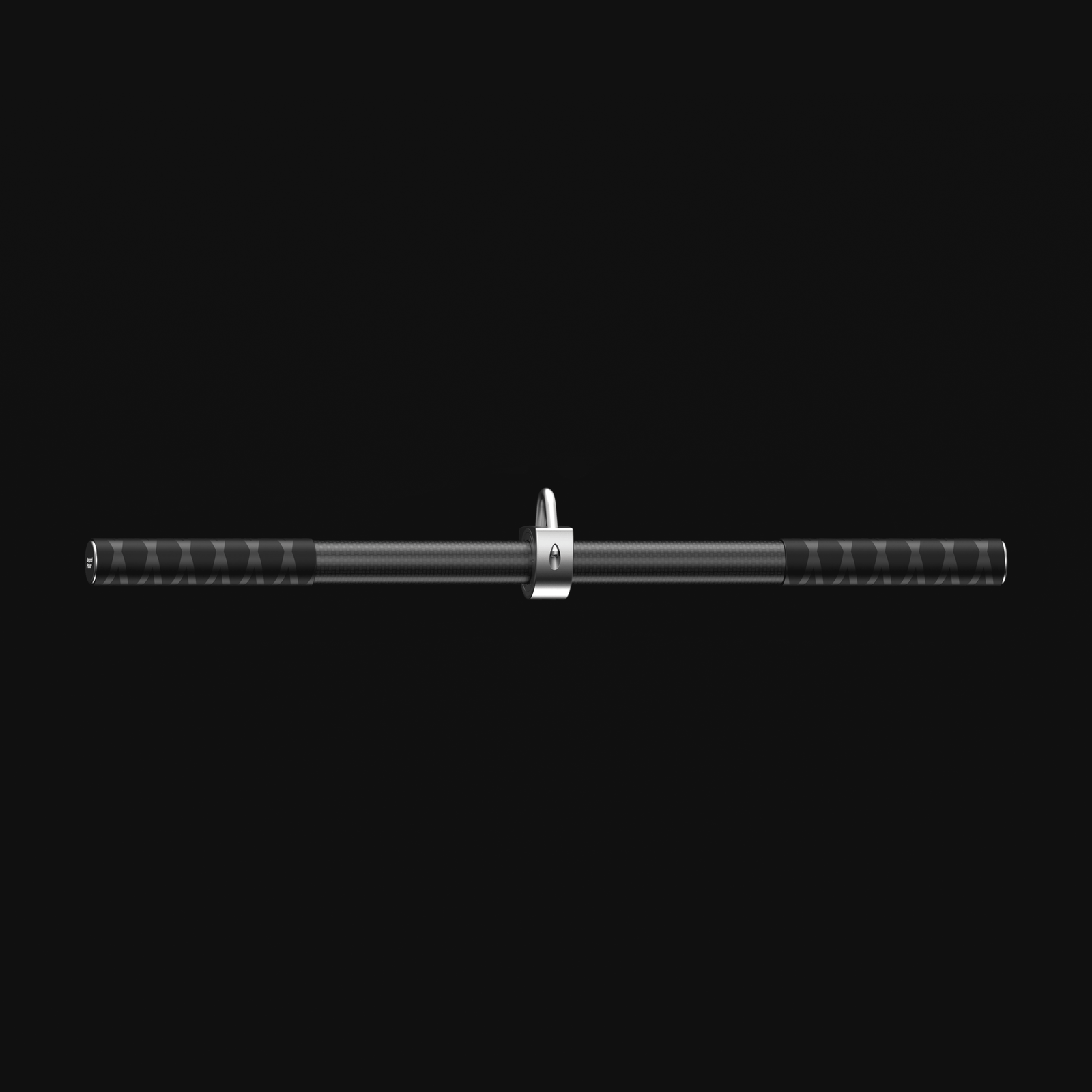


GymPin Barbell Row Handle
Heavy-duty handle attachment for barbell, landmine and T-bar rows.

T-Bar Row Attachment
Welded barbell attachment that connects a D-handle bar for landmine and T-bar rows.
VOLTRA
Compact digital cable trainer with smooth, adjustable resistance.
6. Chalk, knurling and forearm work: build a better grip system
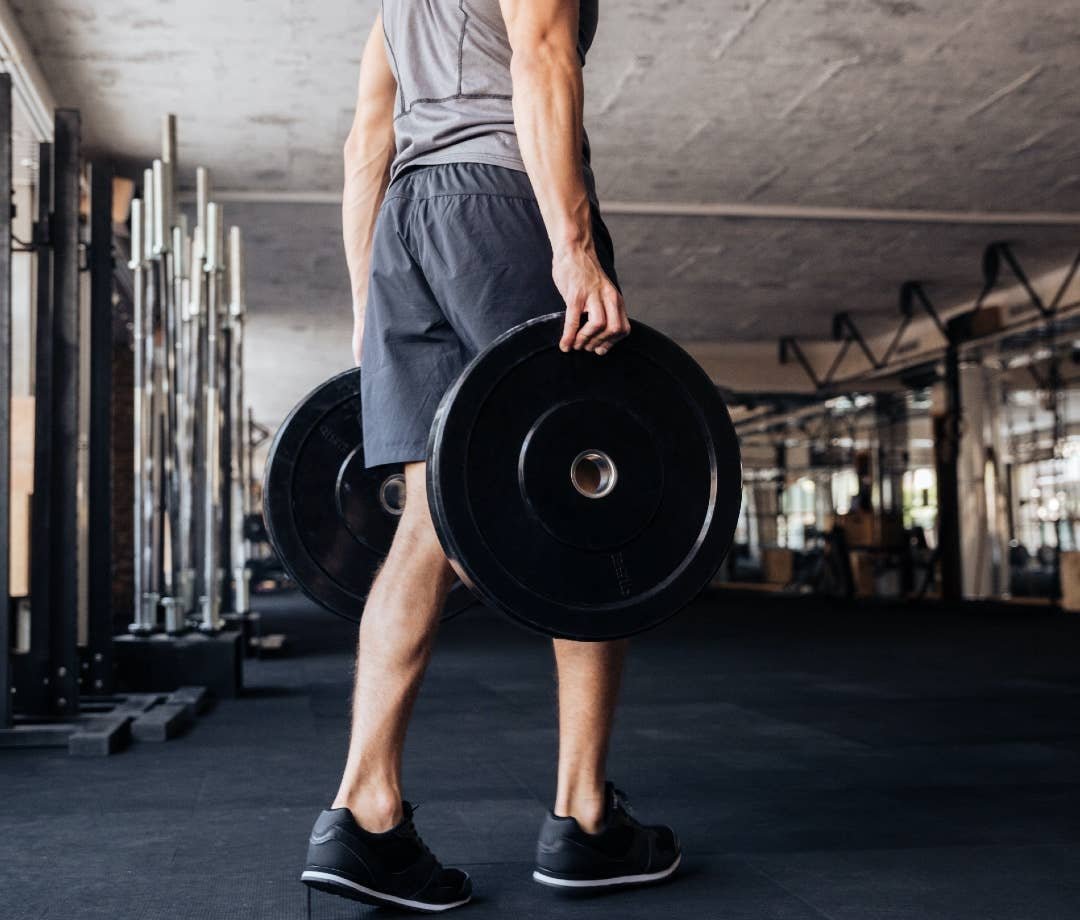
Grip strength is specific. Crushing a hand gripper, pinching plates and supporting a heavy bar challenge overlapping but not identical abilities. Deadlifts primarily require a strong support grip: the ability to keep the fingers closed against a downward load. Train that quality directly instead of assuming endless wrist curls will solve every slipping deadlift.
Start with the simplest tools. Keep your hands dry, clean the bar and use chalk if your gym permits it. A heavily worn, smooth bar can make a load feel harder to hold than a properly knurled bar of the same diameter. Thick grips can be a useful separate forearm challenge, but do not use them on a maximal deadlift and then conclude your normal grip is weak. Use a standard bar when comparing progress week to week.
Two accessory drills cover most needs. First, perform barbell holds: after a moderate deadlift set, stand tall with the bar for 10–20 controlled seconds, shoulders packed and knees locked without leaning backward. Second, add farmer carries for 20–40 meters, keeping the torso upright and the handles from twisting. For thumb strength, add plate pinches or pinch blocks for 10–20 seconds, but do not mistake these for direct replacements for heavy support holds.
Train these drills after—not before—your main deadlift. Start with two sets of each once or twice per week, leaving a little reserve rather than taking every hold to failure. If your elbows or finger tendons become irritated, reduce the total hanging and gripping volume. Recovery matters because the same hands are already working during rows, pull-ups, carries and daily life.
7. A four-week grip plan for powerlifters and bodybuilders
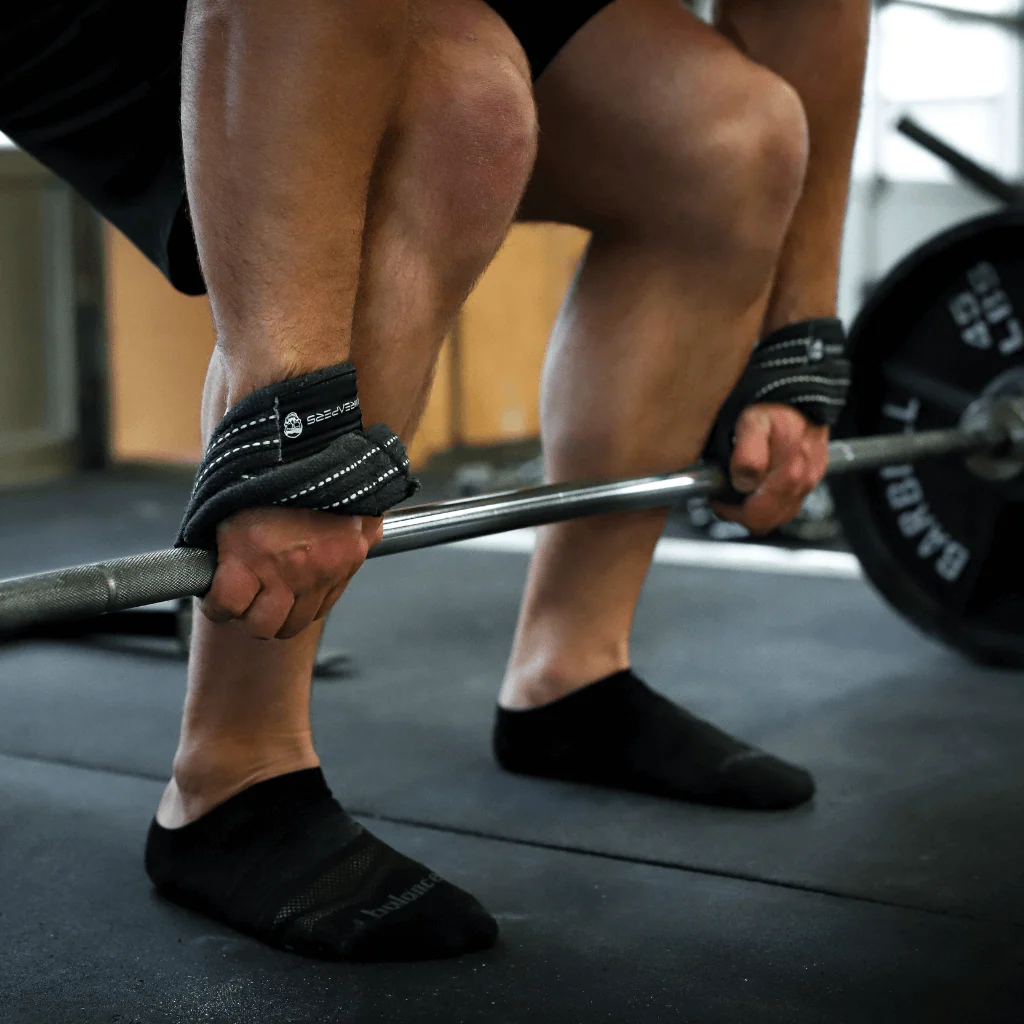
Choose a primary goal before you choose the grip. A competition lifter should practice the exact setup used for heavy attempts. A hypertrophy-focused lifter should avoid letting tired fingers dictate the number of quality posterior-chain reps. Someone building general strength can train both by separating heavy pulling from targeted grip work. Here is a four-week progression you can add to an existing program without turning every session into a forearm test.
| Week | Main deadlift grip | Grip accessory | Progression target |
|---|---|---|---|
| 1 | Double overhand warm-ups; chosen secure grip for top sets | 2 × 15-second bar holds | Find reliable starting loads |
| 2 | Same top-set grip; optional light hook practice | 3 × 15-second bar holds | Add a small amount of hold time |
| 3 | Heavy work with mixed or hook; straps for high-rep accessories | 2 × 20-meter farmer carries | Improve control without slipping |
| 4 | Repeat a comparable deadlift session | 2 × 20-second bar holds | Compare grip security and fatigue |
For a powerlifting focus, perform your heaviest specific deadlift work with the grip you intend to use in competition. Keep a few lighter double-overhand sets and optional short hook-grip exposures, then use straps only where they do not interfere with competition preparation. For a bodybuilding focus, use overhand warm-ups, straps on the sets where grip becomes the limiting factor, and a short dedicated grip finisher once or twice weekly.
Record four things: the load, number of clean reps, the first moment of bar slip and your perceived grip fatigue afterward. If bar speed and target-muscle effort improve with straps but your unstrapped holds stagnate, add a little specific support-grip work. If your hook grip causes persistent thumb pain, stop trying to win an adaptation contest and use mixed grip or straps as appropriate.
The practical verdict is simple. Double overhand is the default practice grip; mixed grip is immediately effective for heavy pulls; hook grip can provide a secure symmetrical lock if your hands tolerate it; and straps preserve productive pulling volume when forearms would otherwise quit first. Match the tool to the goal, keep technique strict and measure progress rather than arguing about which grip is toughest.
Funny Gym Shirts & Workout Gear
Funny gym shirts, tanks, hoodies and workout gear for lifters who like training hard.

Slip Not Grip Training – Heavy Metal Workout Vest Muscl Tank Top
Show some personality between sets with “Slip Not Grip Training”.


Pumpeye Forearm Gains & Grip Strength Popeye Meme Hoodie
Keep it laid-back with a little “Pumpeye” attitude.

Grip Training Essential Gymbro Jumper & T-Shirt
For laid-back days and lifting humor: “Grip Training Essential”.

Grip Day Legend Essential Gymbro & T-Shirt
Rep “Grip Day Legend” humor in and out of the gym.

Grip Strength Fanatic Meme Hoodie
Show off your lifting humor in a laid-back “Grip Strength Fanatic” hoodie.


Grip Day Legacy Gymbro & Decal Sticker
Give your everyday gear a playful “Grip Day Legacy” twist.

Trap Bar Deadlift Behold Thee Trap Bar Medieval Knight Tank Top
Bring “Trap Bar Deadlift” humor to your next lifting session.