Advertising disclosure: This page includes affiliate product links that may earn us a commission, as well as products from our own store.
Training to Failure vs Stopping Short: What Six Lifters’ 72-Hour Recovery Revealed
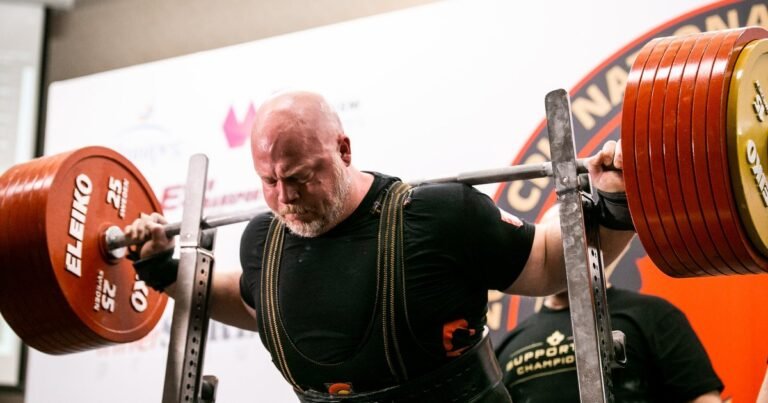
One more repetition can be the difference between finishing a hard set and reaching momentary muscular failure: the point where you cannot complete another full repetition with the required technique. But the cost of that final rep can last longer than the set itself. If you train the same muscles several times per week, recovery matters just as much as how dramatic the final repetition looks.
A controlled experiment involving six experienced male lifters monitored what happened after a full-body session taken to failure versus a lighter, non-failure session. It followed perceived recovery, muscle soreness, blood markers and jump performance for 72 hours. The findings offer a useful window into short-term fatigue. They do not prove that stopping short produces more muscle growth, nor that taking a set to failure is inherently unsafe. The practical goal is to decide when maximum effort is worth its recovery cost.
Failure is an effort endpoint, not a magic repetition
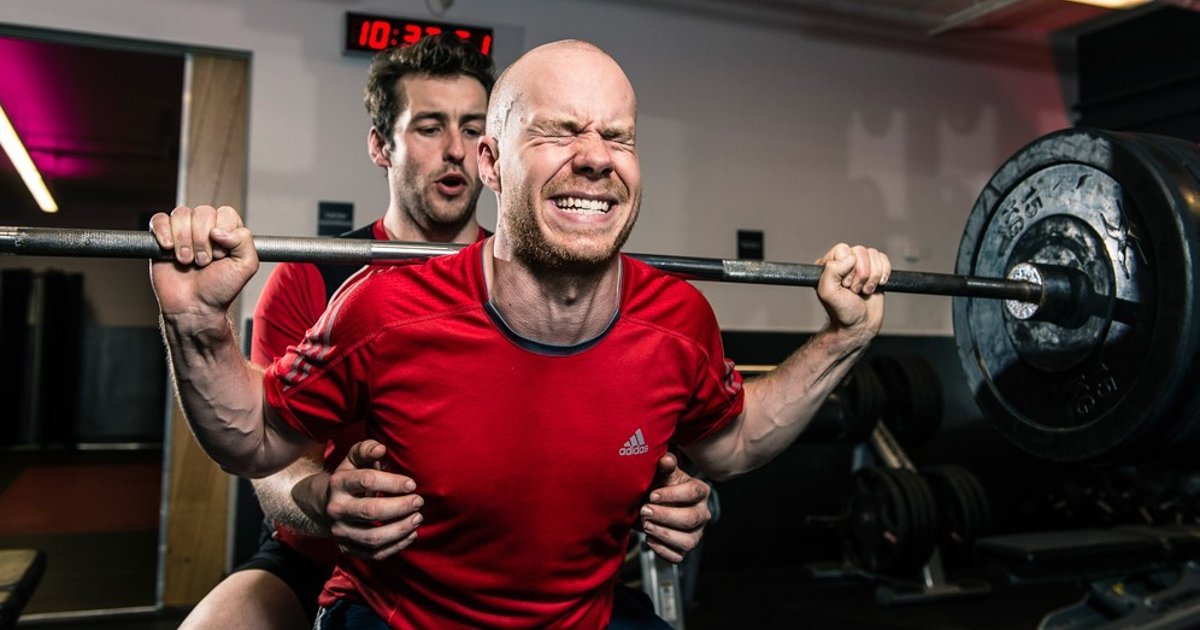
Failure has a specific meaning in strength training. A set reaches momentary muscular failure when, despite trying, you cannot complete another proper concentric repetition. This is not quite the same as deliberately stopping when your technique starts to deteriorate. A squat set should not turn into an uncontrolled grind just because there might be one more rep available with a spotter.
The useful counterpart is repetitions in reserve (RIR): an estimate of how many acceptable reps you could still perform. Ending a set at about two RIR means you believe two more technically sound repetitions were possible. Stopping at zero RIR means you are at the endpoint, or very close to it. RIR is an estimate, and it becomes more reliable when you regularly use repeatable ranges of motion and have experience with the exercise.
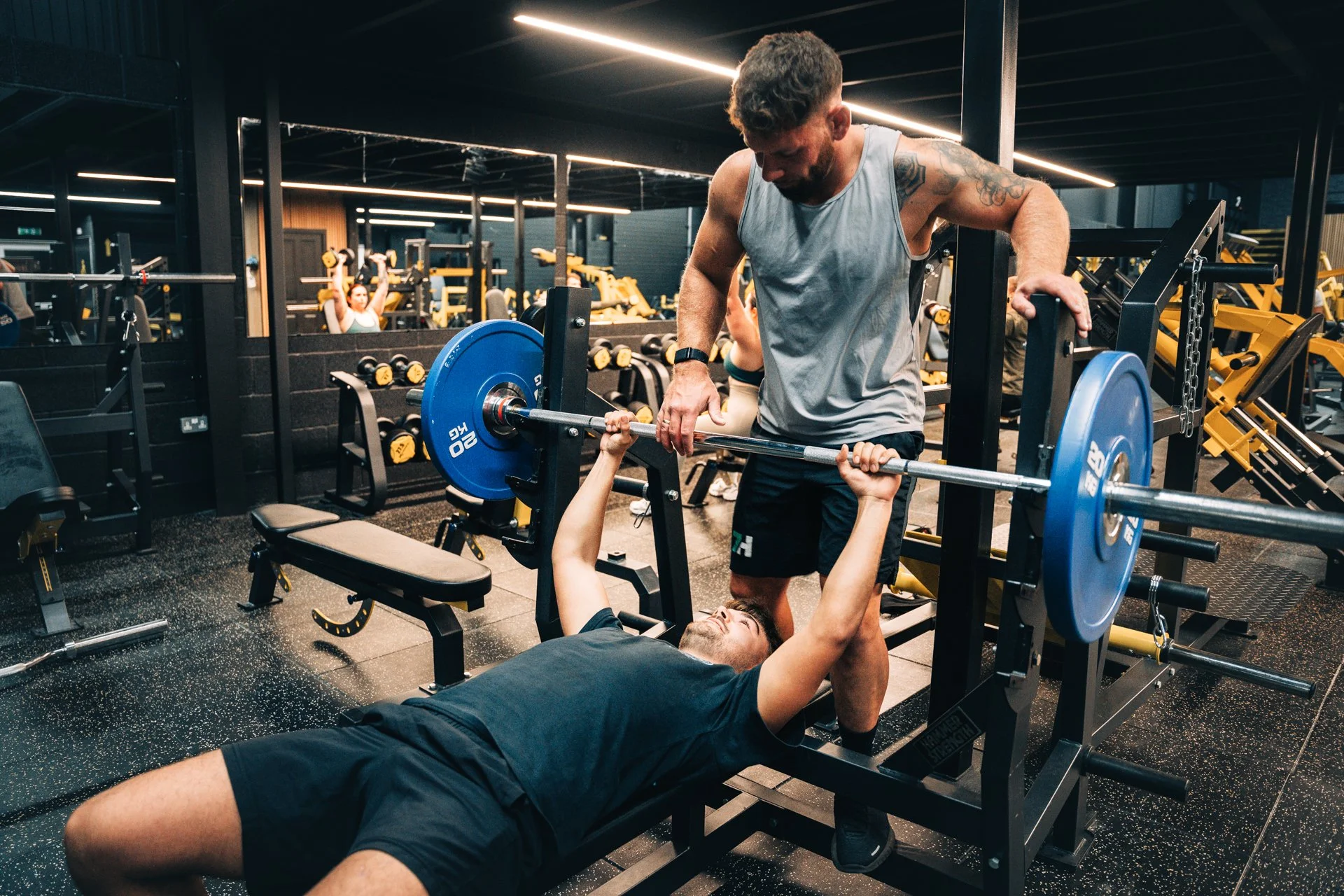
Picture two bench-press sets at the same weight. On the first, a lifter completes eight clean reps and racks the bar believing two more were available. On the second, the lifter performs every possible rep until a trained spotter must help. Both can challenge the chest, shoulders and triceps. However, the second set usually generates more immediate local fatigue and may demand a longer recovery window, particularly if other heavy sets follow.
The exercise matters. Reaching failure on a controlled cable curl is easier to manage than doing so under a heavy free-weight squat. Set termination also depends on training experience, equipment, the presence of safety bars or a spotter, and whether the technique stays consistent. Do not use a failed lift as the default way to measure effort.
What the six-lifter crossover experiment actually tested
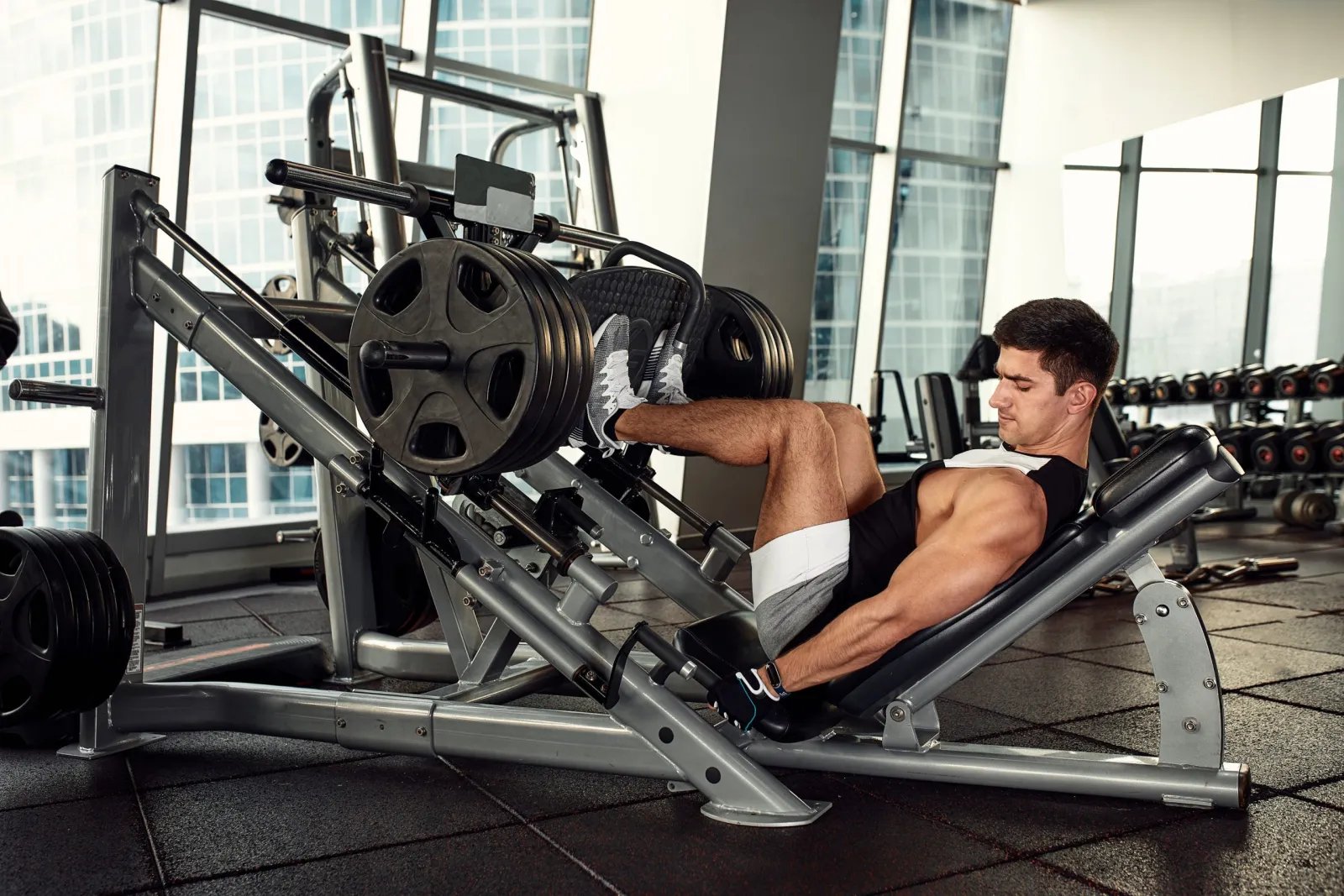
Six resistance-trained men, each with more than two years of lifting experience, completed two full-body protocols in a randomized crossover arrangement. That means every participant tried both conditions, with the sessions separated by a washout period. The exercise menu covered a 45-degree leg press, barbell bench press, neutral-grip row, Smith-machine squat, biceps curl and triceps extension. There were three working sets per exercise and two-minute rests.
For the failure condition, the researchers prescribed the lifters’ tested ten-repetition maximum load and asked them to continue until momentary muscular failure. For the comparison, participants performed ten repetitions per set using 85% of that ten-repetition maximum load. The non-failure sets averaged roughly one to two repetitions in reserve, depending on exercise and set. All six participants completed both protocols.
Here is the critical detail when interpreting the comparison: load and proximity to failure changed together. One condition was heavier and taken to failure; the other was lighter and stopped short. The two sessions were close in total measured session volume, but they were not identical mechanical exposures. Consequently, we cannot assign every observed physiological difference exclusively to the last repetition. The results describe these two entire training strategies.
The monitoring continued beyond the gym floor. The team assessed exertion during sets, metabolic and hormonal responses after training, muscle-soreness and indirect tissue-damage markers, perceived recovery, cardiovascular and autonomic variables, and countermovement-jump performance over the following three days. That broader view makes this a useful fatigue experiment, while its tiny sample and narrow population keep the conclusions provisional.

Equipment Worth Exploring
Explore equipment, accessories and gear from our carefully selected range.


Foldable Wall Rack
Wall-mounted folding squat rack designed to save floor space between workouts.


Competition Plates
Competition-style bumper plates for Olympic lifts and loaded strength training.


Multi Bench MBX-650 2.0
Adjustable multi-bench with roller adjustment, 15 backrest positions and accessory mounts.

Rubber Hex Dumbbells
Rubber-coated hex dumbbell pairs with a stable shape for home and commercial strength training.

The failure session cost more immediately
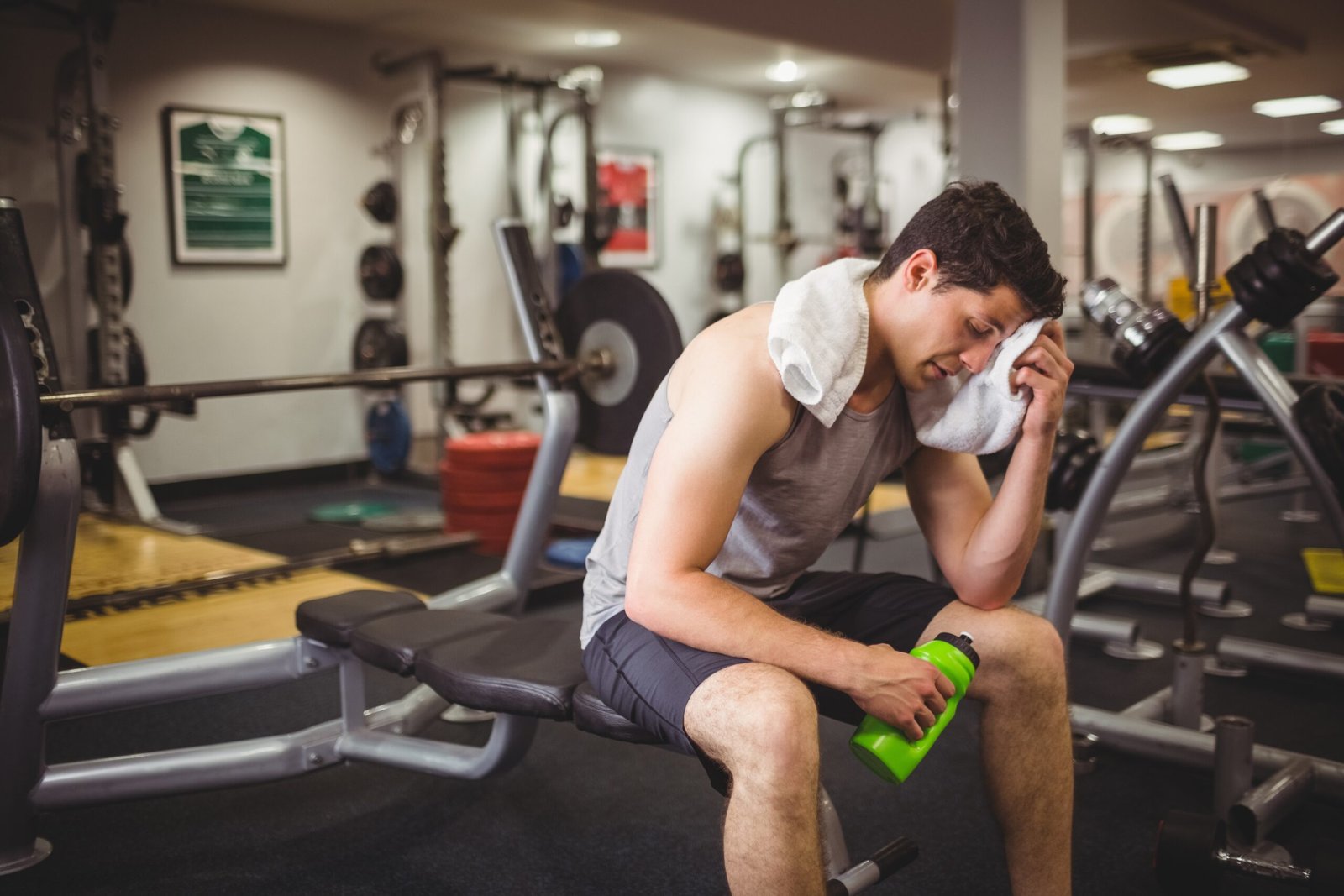
The lifters rated the failure protocol as harder across the measured exercises. Their local effort was near the top of the scale, while the non-failure sessions retained a modest rep reserve. That difference is what the prescriptions were designed to create, but it confirms that the two workouts felt very different even when total work was similar.
Blood lactate was higher after the harder protocol, as was the immediate cortisol response. The study also recorded stronger short-term cardiovascular strain and higher indirect muscle-damage markers, including creatine kinase and lactate dehydrogenase. The failure group reported more muscle soreness. These signals are consistent with a session that disturbed the body more, but their meaning needs care: a single cortisol reading does not predict long-term anabolic status, and a high creatine-kinase result is not a direct score of muscle growth.
It’s tempting to turn the largest possible spike in lactate or soreness into a badge of honor. That is not what the experiment measured. Soreness can reflect a novel or demanding stimulus, but the best training session is not necessarily the one that hurts most for the longest. What matters is whether you can repeat high-quality work on your next planned day and progress across weeks.
In practical terms, a workout combining hard leg presses, pressing, rows, squats and arm exercises may become a particularly demanding day if every set is taken to the limit. Keep the total schedule in view: your next squat day, conditioning session, or sport practice may matter more than squeezing out one extra technical breakdown rep tonight.

Powerlifting Shirts & Lifting Gear
Powerlifting shirts and gym gear for squat, bench and deadlift lifters who live for heavy numbers.

One More Rep Shirt: Motivational & T-Shirt
Make gym days more fun with “One More Rep” style.

If The Bar Ain't Bending You're Just Pretending – Power Tank Top
Add some powerlifting attitude to training with “If The Bar Ain't Bending You're Just”.

Skeleton Meme If You'Re Not Scared Sweater Top T-Shirt
Show some gym-day personality with “Gym Skeleton Meme”.

PR or ER – Horror Powerlifting Gym Decal for Deadlift F Sticker
Give your everyday gear a playful “PR or ER” twist.


Lift Heavy Be Happy Meme Bros & Gains Top T-Shirt
Show some powerlifting attitude with a playful “Lift Heavy Be Happy” tee.

This Is My Therapy Hooded Pullover Workout Humor Hoodie
Stay casual and show some powerlifting attitude with “This Is My Therapy”.

Bending Bars Meme Breaking Bad Decal Water Bottles & Sticker
Give your everyday gear a playful “Bending Bars Gym Meme” twist.

Funny Squat Game Gym | Squid Game Parody Workout Sweate T-Shirt
Add a playful “Squat Game” touch to your casual rotation.

Why jump performance and soreness still mattered 72 hours later
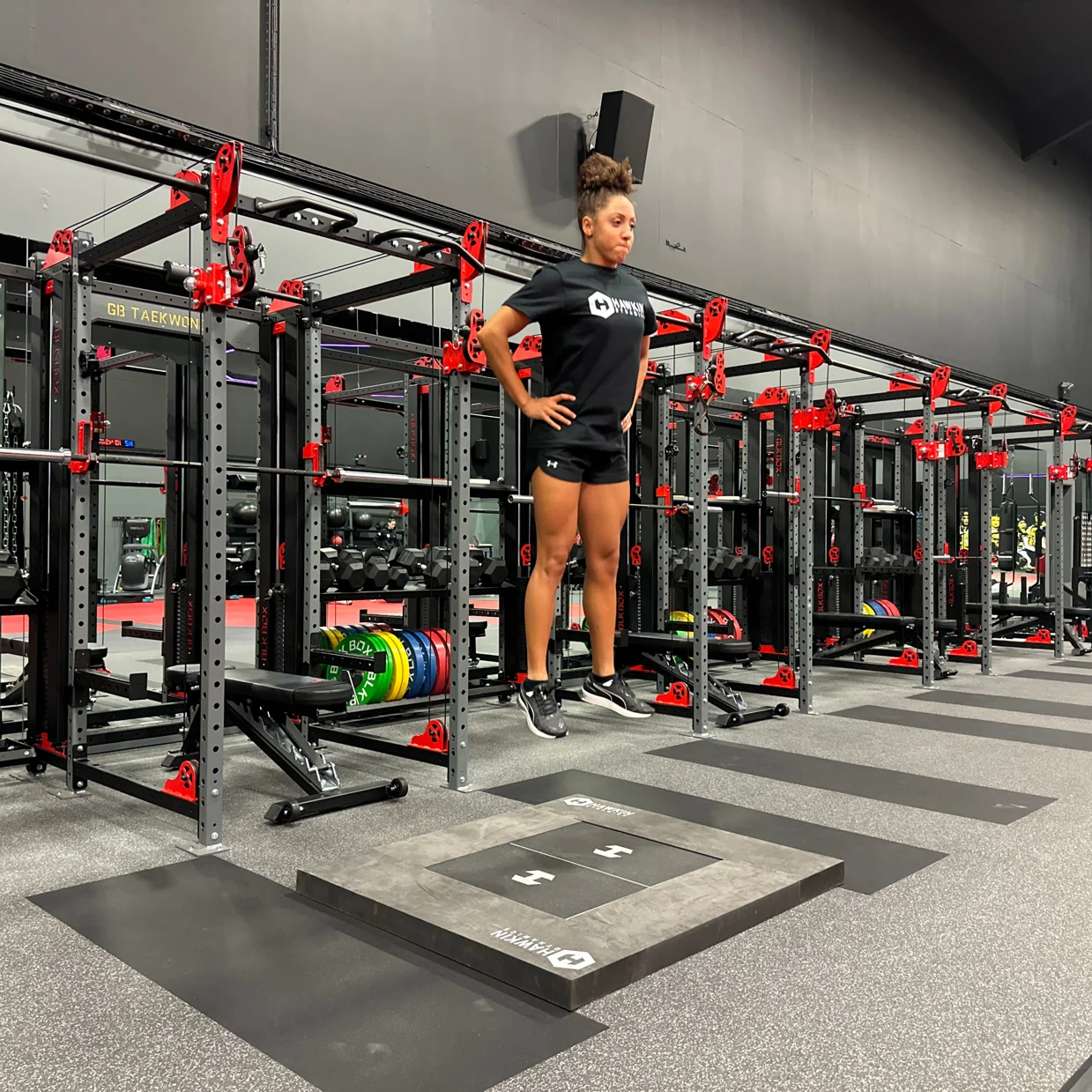
The researchers followed a countermovement-jump test because it provides a repeatable snapshot of neuromuscular performance after taxing lower-body work. Following the failure session, jump recovery was slower; the difference was still detectable during the observation period extending to 72 hours. Perceived recovery also returned more quickly after the non-failure protocol, and the failure condition generated a longer soreness response.
That does not mean every lifter will be impaired for exactly three days. A six-person study cannot establish a universal recovery timetable. Some people recover quickly, while others face poor sleep, additional cardio, manual labor, higher lifting volume, or simply a novel exercise. The test used also included a Smith squat and a leg press, so a jump-performance change should not be attributed to any one movement or to all possible programs.
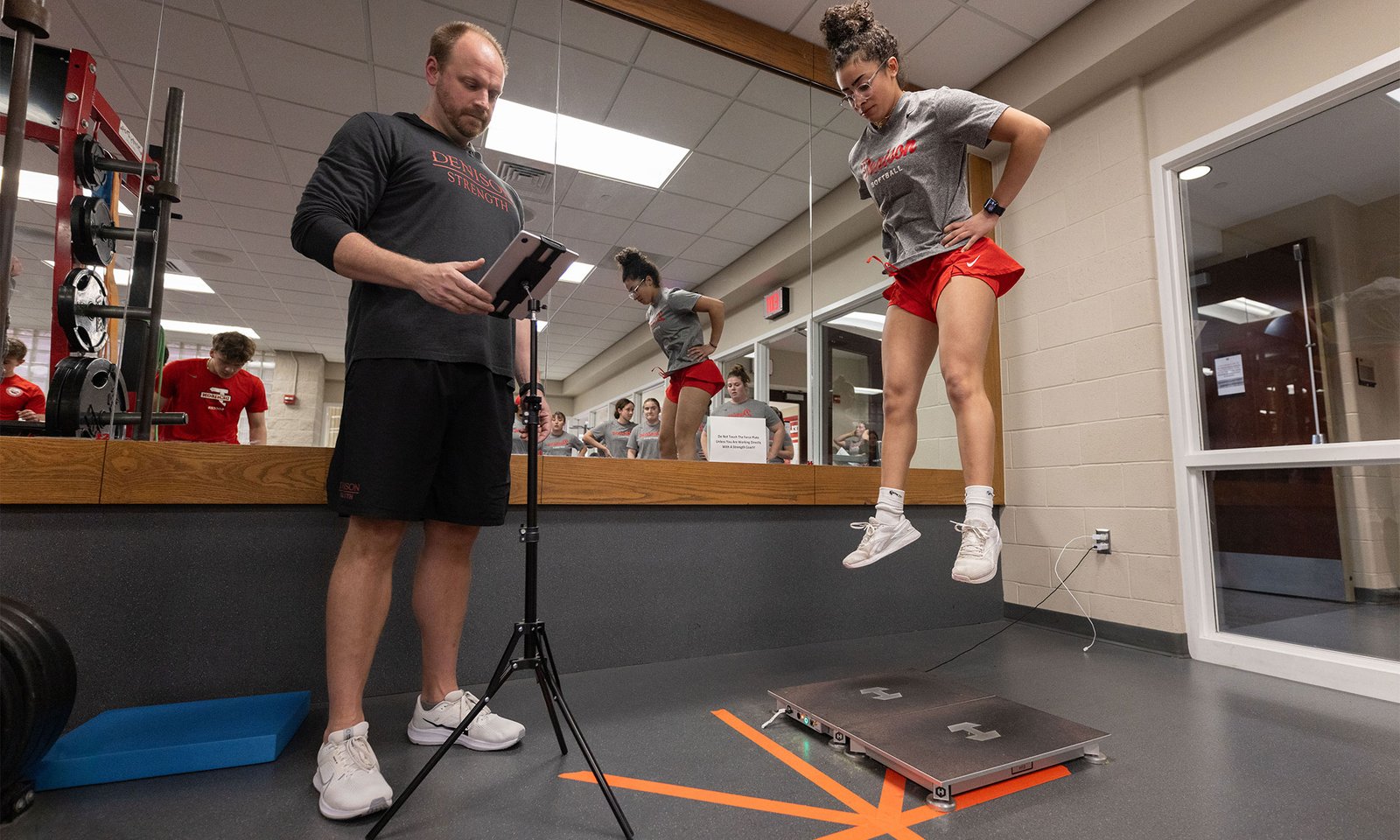
A countermovement jump is a useful laboratory marker, but most home lifters do not need a force plate. Instead, watch for a cluster of observations: an unusually sluggish warm-up, a meaningful drop in repeatable performance, soreness that alters your normal range of motion, and declining motivation paired with high session effort. One bad morning is less informative than a persistent pattern across several sessions.
If your program trains the same lower-body muscles on Monday and Thursday, repeatedly pushing every Monday set to failure may leave less room for Thursday’s work. An occasional hard test can still be worthwhile, but the recovery cost should be planned rather than treated as surprising. For high-frequency programs, managing fatigue is part of progressive overload, not a way to avoid working hard.
Does training to failure build more muscle?
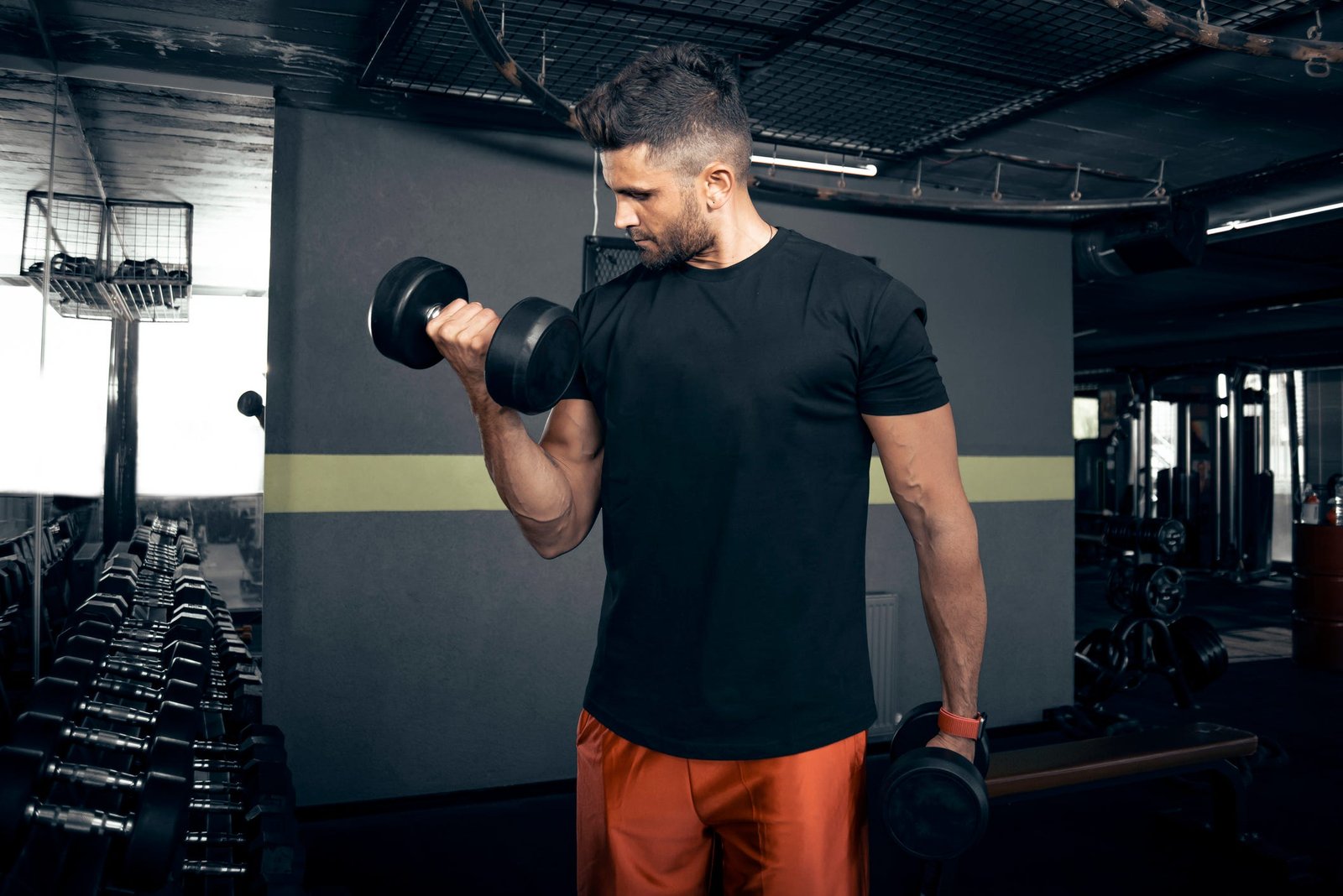
This experiment did not measure muscle size or strength adaptation after weeks of training. It measured what happened around two workouts. So the observation that the failure session produced more fatigue cannot be turned into a claim that it produces less hypertrophy. Likewise, a larger lactate or cortisol response cannot be used to claim superior muscle growth.
Longer-term evidence comparing training to failure with stopping short generally does not demonstrate a consistent hypertrophy or strength advantage from taking every set to complete failure. There are nuances: the load used, number of sets, how closely non-failure training approaches the limit, exercise selection and an individual’s level of experience can influence the actual stimulus. A set stopped six reps early is not equivalent to one stopped only one or two reps early.
The useful middle ground for many people is to make most working sets genuinely challenging without needing every set to be a maximal contest. Using roughly one to three RIR on compound exercises often allows good effort while limiting unnecessary fatigue. An occasional last set close to failure on a controlled machine or cable movement may be an acceptable choice when the surrounding weekly workload can accommodate it.
Equipment changes how you handle the endpoint. Adjustable dumbbells make small progressions straightforward, while a rack with correctly positioned safeties and a reliable training partner make heavy barbell practice more manageable. Cable stations or a stable curl setup can make technique easier to control when fatigue accumulates. None of these products makes forced repetitions safe by itself; supervision, familiarity and sensible setup remain essential.
Equipment Worth Exploring
Explore equipment, accessories and gear from our carefully selected range.
VOLTRA
Compact digital cable trainer with smooth, adjustable resistance.

Go-Tone Pro
Portable digital cable trainer with up to 66 lb (30 kg) of adjustable resistance.


VForce 2IN1
Half rack and pivot-arm functional trainer with switchable 1:1 and 2:1 pulley ratios.

Lever Arm Multi Press LMP-650
Multi-press with independent lever arms and an integrated adjustable bench for upper-body training.


EZ Curl Barbell
Olympic EZ curl bar with angled grips for curls and triceps exercises.
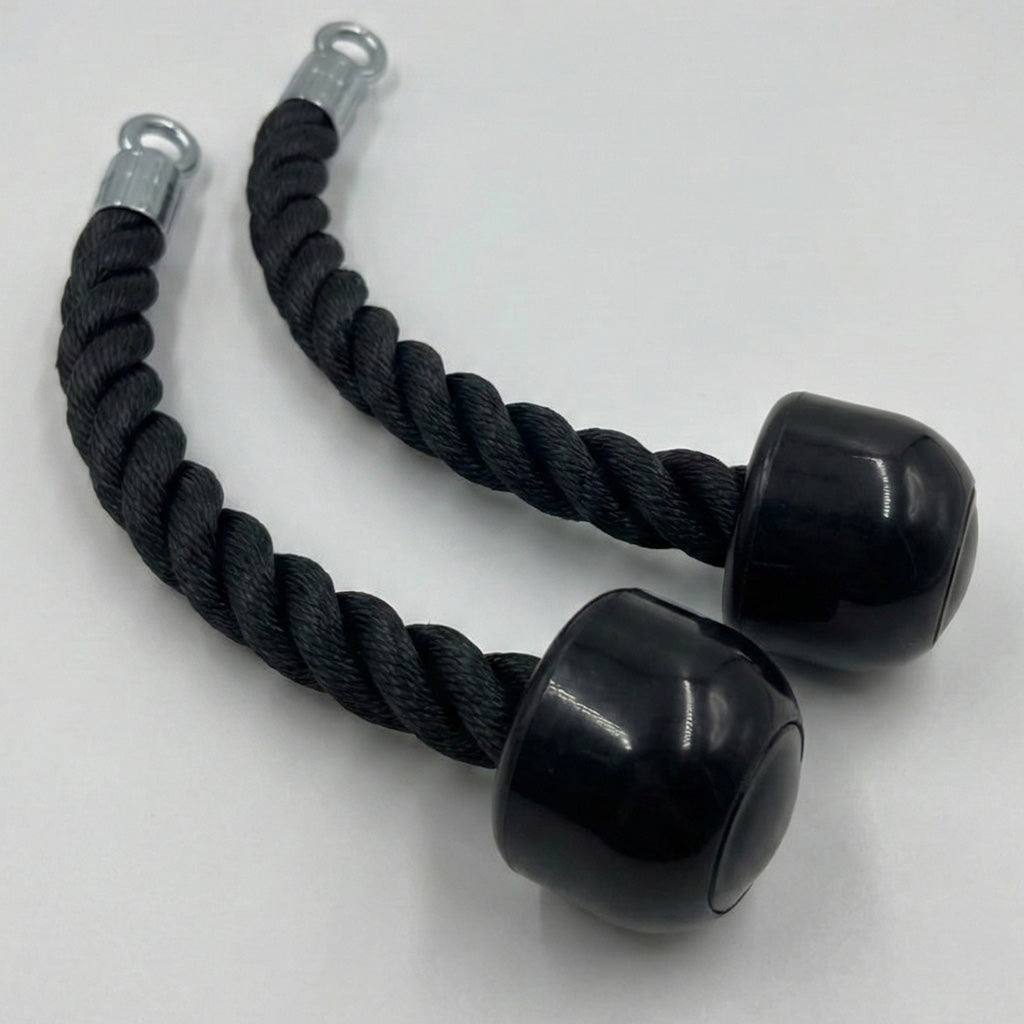
Individual Tricep Ropes
Pair of individual cable ropes for triceps pressdowns and cable hammer curls.

A practical four-week plan for choosing when to stop
The following is an original coaching example, not a protocol tested in the six-person experiment. Keep your exercises and weekly sets broadly stable so that changes in effort are easier to interpret. Use it with loads you already control and adjust around any medical restrictions, ongoing injury, or unusually demanding sport schedule.
| Week | Main compound sets | Controlled isolation sets | What to record |
|---|---|---|---|
| 1 | Stop with roughly 3 reps in reserve | Stop with around 2 RIR | Load, reps, technique and soreness next day |
| 2 | Keep 2–3 RIR | Try 1–2 RIR if form stays consistent | Whether performance repeats at next session |
| 3 | Aim for around 2 RIR | Optional final set at 0–1 RIR on a safe, familiar movement | Effort, next-session performance and any unusual fatigue |
| 4 | Match week two or use easier loading if needed | Return to 2–3 RIR | Compare how well you recovered and progressed |
For example, a two-day upper-body split might include three bench-press sets stopped two reps short, followed by two cable rows stopped one or two reps short and two cable curls, with only the final curl set occasionally pushed to momentary failure. Train hard on the exercises that matter, but preserve enough quality to execute your next scheduled session. A more demanding set should be chosen deliberately rather than added by habit.
Log the same simple markers for four weeks: planned load, repetitions completed, estimated RIR, a form note, and how ready you felt at the next session. If you are still adding reps with controlled technique while recovering between workouts, you do not need to chase failure more often. If work capacity stalls and fatigue rises, first examine total sets, sleep and scheduling before assuming the solution is more effort.
Bottom line: failure is a tool, not the definition of a good workout. Six trained men showed greater short-term fatigue from one heavier failure protocol than a lighter non-failure protocol. That supports being selective about all-out sets, especially around multiple weekly sessions. It does not justify rigid rules for everyone or replace the broader evidence on long-term training adaptations.
Bodybuilding Shirts & Workout Gear
Bodybuilding shirts, tanks and gym gear for lifters chasing muscle, size, symmetry and the pump.

Rest Day Sloth – Essential T-Shirt
Show some bodybuilding attitude with a playful “Rest Day Sloth” tee.

Off-Season Rest Day & Meme Fans Hooded Hoodie
Keep it laid-back with a little “Off-Season Rest Day” attitude.

Rep God | Rap Music Workout Decal & Gymbros Sticker
Bring “Rep God” attitude to your water bottle or laptop.

Work Hard Eat Hard Donut Dumbbell Donuts Barbell Tank Top
Bring “Work Hard Eat Hard Donut Dumbbell Donuts” humor to your next lifting session.

Be Stronger Than Your Excuses Funny Gym
Bring “Be Stronger Than Your Excuses” humor to your everyday gym style.

Whole Lotta Reps AC/DC Heavy Metal Rock Music Workout C T-Shirt
Add a playful “Whole Lotta Reps” touch to your casual rotation.

Hardcore Gains Gym | Funny No Pain No Gain Workout Deca Sticker
Put “Hardcore Gains” gym humor on your laptop, bottle, or gym gear.

Funny Lift O'Clock Gym | Muscle Shirt For Gym Bros & Li Tank Top
Show some personality between sets with “Lift O'Clock”.

Lifting Is My Therapy – Bodybuilding Powerlifting Meme T-Shirt
Add a playful “Lifting Is My Therapy” touch to your casual rotation.

No Reps No Glory Viking – Norse & Gymbros – Top T-Shirt
Heavy lifts, good laughs, and a little “No Reps No Glory Viking” energy.