Advertising disclosure: This page includes affiliate product links that may earn us a commission, as well as products from our own store.
The last repetition of a heavy squat set often looks nothing like the first. Bar speed falls, breathing becomes harder, and even experienced lifters start negotiating with the next rep. Cluster sets change one thing: instead of grinding out every repetition continuously, you take short breaks within a planned set. In a six-week comparison involving 36 resistance-trained men and women, that structure kept squat repetitions faster and reduced immediate fatigue—but did not produce a clear advantage in maximum squat strength. Here is how to interpret that tradeoff and use clusters without turning a straightforward squat session into an endless series of mini-breaks.
What counts as a cluster set—and what does not
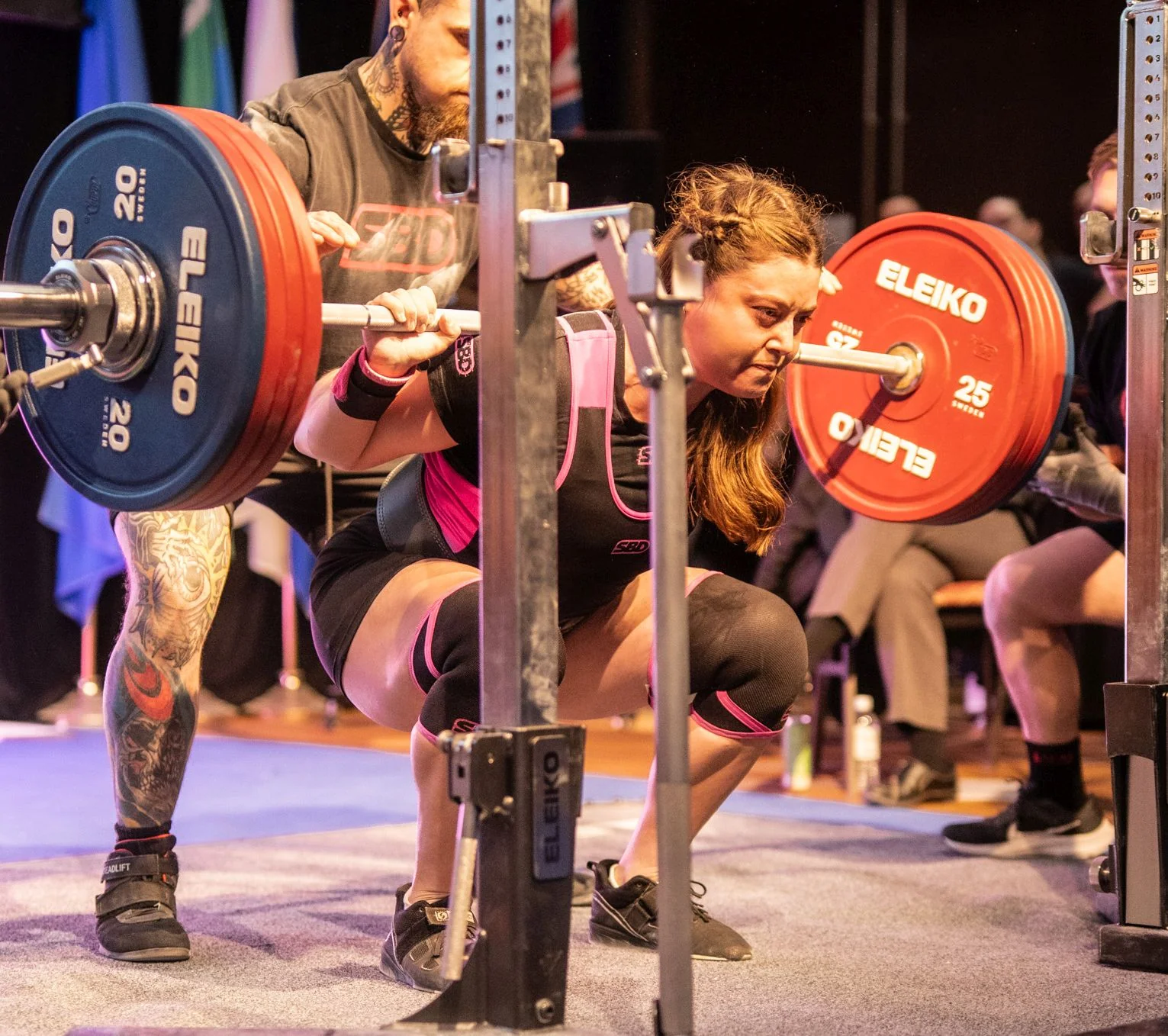
A conventional squat set is easy to recognize: unrack the bar, perform the prescribed repetitions without deliberate extra rest, then rack it and recover before your next set. A cluster set keeps the overall prescription but subdivides the repetitions into small groups. Four sets of six might become four sets of 2+2+2, with 20–30 seconds between those pairs. The bar can be reracked during each pause; the planned repetitions still belong to the same larger set. That pause is the feature, not a license to add extra repetitions.
There is an important distinction between a cluster set and rest-pause training. Traditional rest-pause approaches often extend a hard set close to or beyond the point where continuous repetitions would have ended. A properly programmed cluster can instead preserve the same planned repetition count while redistributing rest. These approaches create different total workloads and fatigue profiles. If your cluster workout adds five extra reps per set, you have changed both rest structure and training volume; it is not a clean comparison with straight sets.
One practical example uses 80% of a conservatively estimated one-repetition maximum. A conventional set of four is four continuous, controlled squats. A 2+2 cluster is two squats, a 30-second reracked pause, then two more. Both total four repetitions at the same load, but the cluster adds 30 seconds of recovery. In some sessions that recovery matters much more than the set label. Use safety pins or properly adjusted spotters and return the bar to the hooks before pausing; standing under a loaded bar for a long break is not the intended technique.
Clusters are especially interesting when the aim is to make the final rep resemble the first: fast on the way up, stable through the sticking point and technically repeatable. They are less exciting when your objective is simply to complete a short, efficient bodybuilding session with predictable time costs. Neither choice is inherently more serious or advanced.
Inside the six-week squat trial: 36 trained lifters, two structures
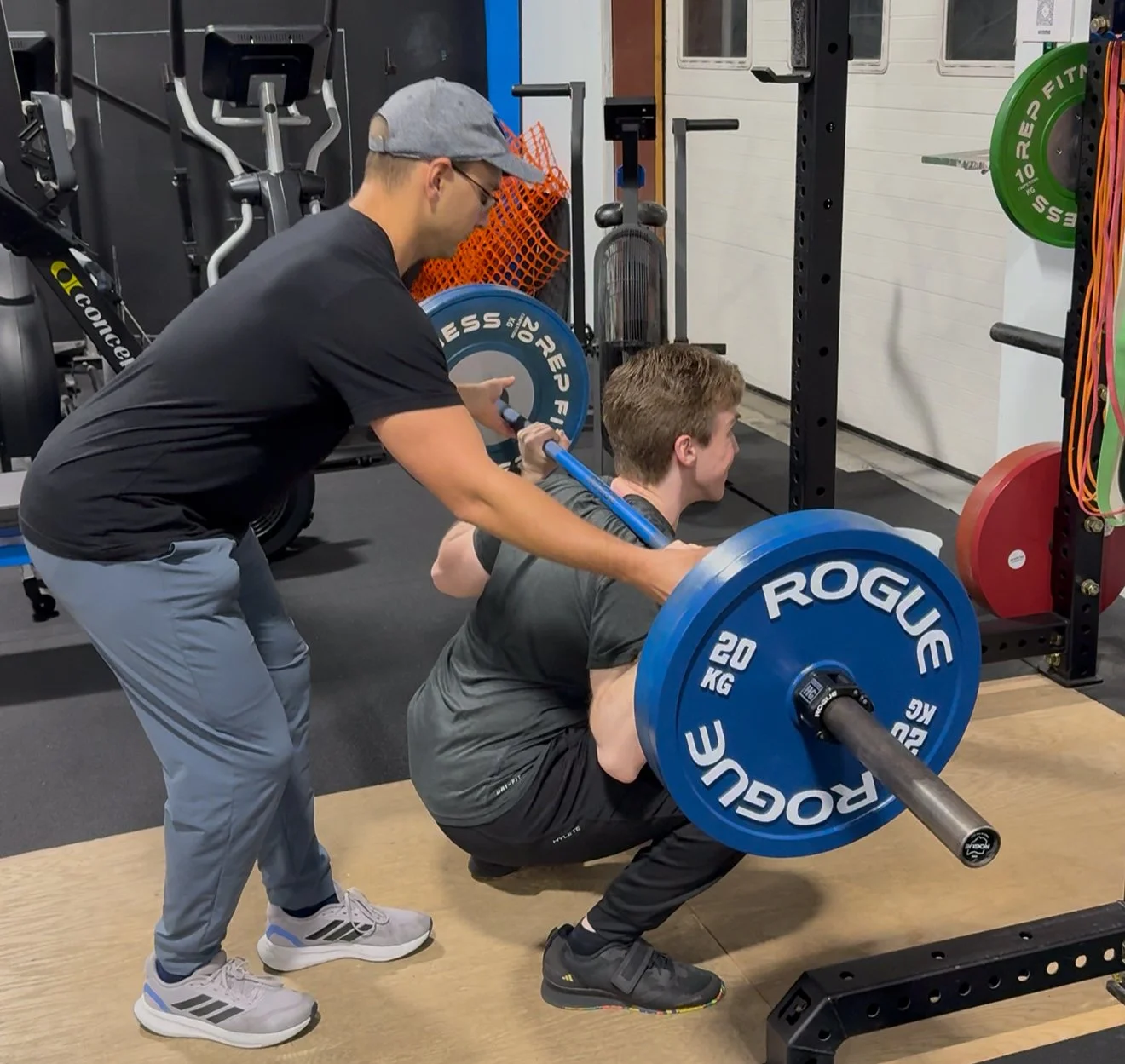
The central comparison randomly assigned 36 resistance-trained women and men to cluster or traditional free-weight back-squat training over six weeks. Both groups followed a progressive programme with two squat sessions per week, progressing from higher-repetition work around 70% of maximum toward lower-repetition work around 85%. The researchers assessed outcomes before and after the programme, and also measured how each type of session felt and performed while participants trained.
The traditional condition used continuous squat repetitions. The cluster condition inserted 30-second intra-set rests, with configurations ranging from two groups of four repetitions during early sessions to singles, doubles or small rep groupings as the loads became heavier. Rest between the larger sets was 180 seconds. That detail changes how the results should be read: the cluster group received additional within-set recovery time. In other words, the investigation tested a practical way to distribute recovery, not two protocols with absolutely identical clock time.
Measurements were more informative than simply checking whether lifters had gained a few kilos on the bar. The study tracked average propulsive velocity, velocity loss within sets, perceived exertion, blood lactate, squat one-repetition maximum, repetition endurance at a fixed relative load, and selected jump and isometric measures. There was also analysis of the relationship between barbell load and lifting speed. This allows a distinction between a better-feeling session and a better long-term strength result.
Participants were already resistance trained; these results should not be automatically applied to someone learning their first proper squat or to elite powerlifters trying to peak for a meet. The intervention was only six weeks, so it also cannot answer whether decades of programming with one method yield more muscle or a permanently higher total. That limitation is central to choosing how much weight to give the result.
For the lifter, the real comparison is not mysterious: would adding a short rack-and-rest within challenging sets let you preserve rep speed while keeping your weekly squat work sufficiently productive? The trial can answer part of that question, but not every question about muscle growth, competition readiness or exercise enjoyment.

Equipment Worth Exploring
Explore equipment, accessories and gear from our carefully selected range.


Competition Plates
Competition-style bumper plates for Olympic lifts and loaded strength training.


GymPin Squat Wedges
Non-slip 15-degree squat wedges help elevate the heels for deeper quad-focused squats.

Safety Squat Handles
Barbell squat handles that reduce shoulder positioning demands during high-bar squats.


The result: less fatigue, similar squat-strength gains
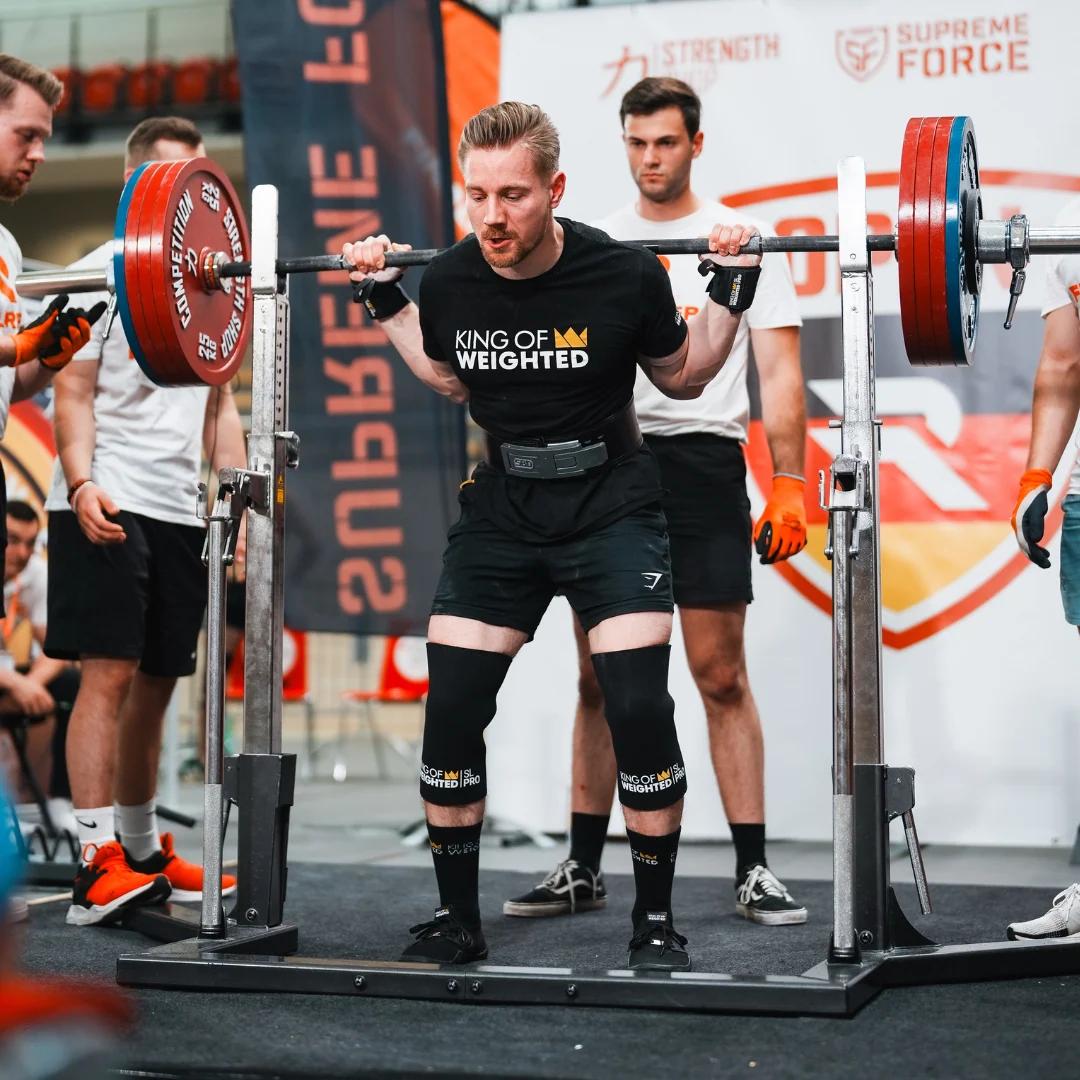
The clearest difference appeared within training sessions. Cluster sets maintained higher barbell velocities and produced less velocity loss as repetitions accumulated. They also showed lower blood lactate concentrations and generally lower perceived exertion than the continuous-set condition. If you value consistency from one heavy rep to the next, this is a meaningful acute benefit rather than just a nicer sensation.
The six-week outcomes were much less dramatic. Both groups improved one-repetition-maximum squat strength and squat repetition endurance, with comparable gains between conditions. Bar speed at a standardized 70% pre-training load improved in both groups. The main trial did not find significant improvement in countermovement jump height or measured isometric peak force. Thus the most defensible headline is not that cluster sets make you dramatically stronger; it is that they can make the work feel and move differently while delivering similar measured strength progress over this period.
There was a nuance in the load–velocity profile: the cluster group displayed a comparatively shallower relationship between increasing load and movement speed after training. In practical language, participants tended to retain relatively more speed at heavier loads. That can be interesting for athletes who train explosive efforts, yet it is not a substitute for demonstrating superior one-rep maximums, competition results or injury protection. A bar that moves faster in one test does not automatically mean a larger quadriceps muscle.
This distinction also agrees with a wider collection of controlled trials. An analysis combining 25 studies and 573 people found broadly similar lower-limb strength and jumping outcomes between cluster and traditional training, alongside a small pooled advantage in explosive-power measures under some conditions. It also found nuances suggesting that long-duration interventions or particular athletic groups do not always favor clusters for maximal strength. A single short programme should not overturn that mixed pattern.
Do not confuse lower lactate or lower RPE with an automatic signal that a session was better for hypertrophy. Those acute measures describe what happened during and shortly after the exercise. Muscle growth depends on a broader programme of tension exposure, effort, recoverable volume and progression. This trial was not designed to prove that one format creates more muscle tissue.

Leg Day Shirts & Workout Gear
Leg-day gym shirts and workout gear for lifters who never skip squats, lunges and lower-body punishment.

Shirt – Squat Inspector Leg Day & Booty Gains – Meme T-Shirt
Make gym days more fun with “Squat Inspector” style.


3 Plates Squat Club : Essential Meme & Leg Day T-Shirt
Make gym days more fun with “3 Plates Squat Club” style.

Squats Leg Day Heavy Weights Meme – Essential Top T-Shirt
Bring “Squats Leg Day Heavy Weights” humor to your next gym day.

Squatzilla Meme Leg Day & Squat Fans Hooded Hoodie
Show off your leg-day humor in a laid-back “Squatzilla” hoodie.

Quadzilla Massive Quads Decal Leg Day Squat Meme Sticker
Stick a little “Quadzilla” humor on your favorite gear.


Coffee Shots & Heavy Squats for Caffeine Fueled Lifting T-Shirt
For laid-back days and leg-day humor: “Coffee Shots & Heavy Squats”.
Heavy Metal Skeleton Squat for Powerlifters, Bodybuilde T-Shirt
A t-shirt featuring the Heavy Metal Skeleton Squat for Powerlifters, Bodybuilders and Leg Day Lifters artwork, bringing lifting-inspired humor and distinctive gym graphics to your everyday gear.
Why short rests preserve squat speed
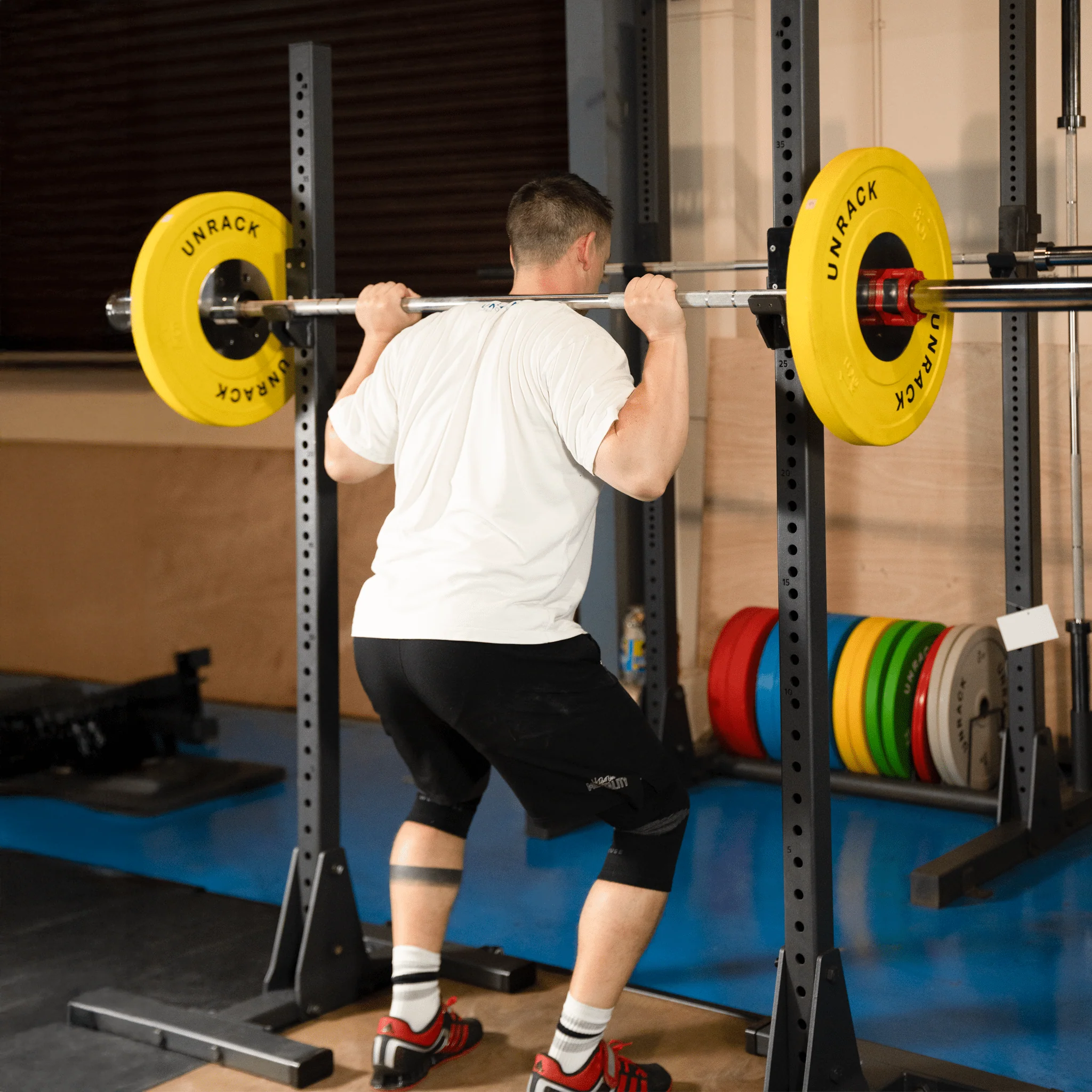
A heavy squat recruits large muscle groups and places substantial demands on coordination, breathing and the rapid availability of energy. During consecutive repetitions, fatigue develops, the bar slows and technique can become less consistent. A 20–30-second break may allow partial recovery of rapidly available energy and give the lifter enough time to rebrace, refocus and approach the next repetition with better intent. It will not fully restore readiness, but it can change the quality of the following rep.
In a separate acute back-squat comparison involving six strength-trained participants, 30-second pauses after selected repetitions reduced average velocity loss relative to continuous squatting. The small sample and single-session design limit what can be inferred about long-term adaptations, but the pattern explains why clusters often look cleaner: they reduce the amount of fatigue carried from one rep into the next.
There is a catch. Extra rest increases total session duration. In the six-week comparison, traditional sets were already separated by three minutes. The cluster versions added pauses on top of that, sometimes more than one pause per set. A coach planning an athletic practice can justify that time to preserve speed on selected lifts. A recreational lifter with 45 minutes for an entire workout may prefer conventional squats followed by useful accessory work.
Changing the goal also changes the physiology. A separate high-load experiment comparing continuous sets with 10- or 20-second clusters performed to failure found that longer intra-set rest let participants complete many more repetitions, particularly in the half squat. But the longer condition also prolonged set duration and raised the total physiological demands as work accumulated. The takeaway is not that clusters always make exercise easier. When you spend the recovered capacity on a lot more reps, the overall effort can be very hard.
A simple practical test is to film a working set from a stable side angle. If your last two repetitions slow substantially or your torso position changes even though the load is manageable, a small 2+2 cluster may help preserve quality. If the last reps are already crisp, you do not need to complicate your programming simply because there is a new training term.
When straight sets are the better choice
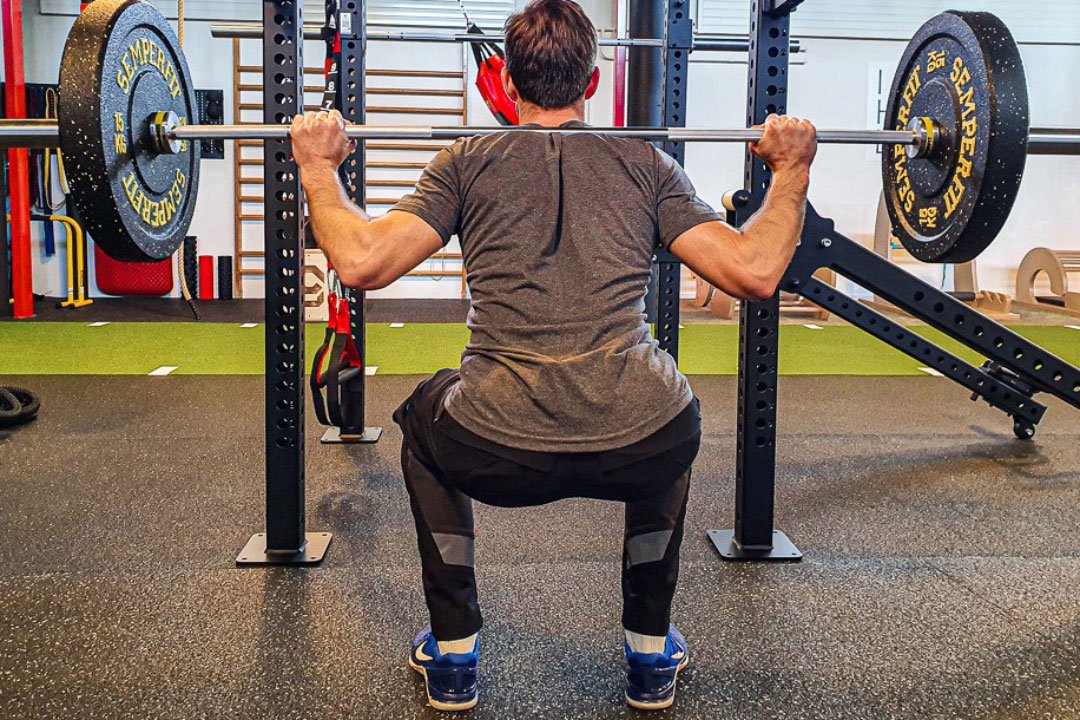
Traditional sets deserve credit for their simplicity. They are quick to log, easy to compare between workouts and straightforward to use for most hypertrophy-oriented accessory exercises. When doing machine presses, curls or moderate-load leg work, continuous reps can provide a productive combination of mechanical tension and manageable time cost. Pausing the clock every two reps is not automatically worth the administrative overhead.
Straight sets also make the set’s continuous fatigue component visible. If your goal is specifically to build tolerance for a set of eight or ten repetitions without setting the weight down, you need to practice that task. Cluster work may complement that approach, but it does not perfectly replace it. Likewise, a competition squat is a single uninterrupted effort; clusters can be supporting training rather than the entirety of your skill practice.
For lifters whose technique degrades dangerously before the target number of repetitions, the first fix may be reducing the load, improving exercise setup or ending the set earlier—not adding tiny breaks while retaining a bar that is too heavy. A cluster is a programming option, not permission to ignore lumbar position, bracing, knee tracking or depth control. The rack safeties should be set before hard efforts in either format.
Continuous sets are particularly sensible in busy gyms. Racking and unracking several times within one set is disruptive if other people are waiting. When total workout time is limited, three quality sets at a load you can control may outperform a needlessly elaborate scheme simply because you can perform them consistently for months.
Finally, some lifters enjoy the physical and mental rhythm of an uninterrupted set. Adherence matters. There is little reason to replace a progressing programme that you like with clusters purely because short-term bar-speed outcomes look attractive in an experiment.
Equipment Worth Exploring
Explore equipment, accessories and gear from our carefully selected range.

Studio V-Squat
Plate-loaded V-squat machine for supported lower-body strength training.

Grip Plates
Rubber-coated weight plates with handholds for loading barbells and machines.

Squat Harness
Wearable harness for hands-free cable squats, sled work, and lower-body training.

FID Bench MAX
Adjustable bench offering flat, incline, and decline positions + adjustable headrest.



Open Hex Bar
Open-frame trap bar with multiple handles for deadlifts, carries, and lower-body training.


Rubber Hex Dumbbells
Rubber-coated hex dumbbell pairs with a stable shape for home and commercial strength training.
A practical two-day squat plan with clusters
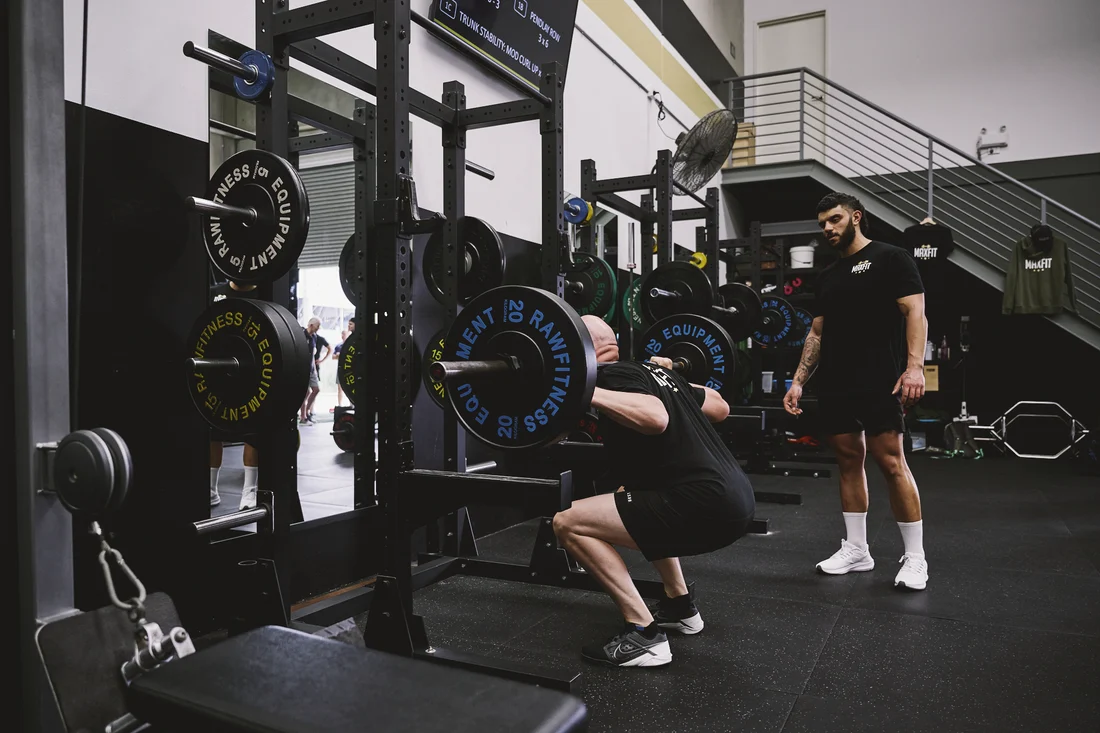
The following template is a conservative training example, not a reproduction of the six-week research protocol. It is for a lifter who already squats consistently and can estimate a technically sound training maximum. Use a squat rack with safeties, begin every session with progressively heavier warm-up sets, and leave at least two days between the sessions. The goal is to compare the quality of repetitions without doubling your weekly squat volume.
Day A — technique and speed: perform four sets of four back squats with a load that would normally permit about six smooth repetitions, roughly in the 70–80% range for many trained lifters. For the first two sets, use continuous groups of four. For the last two sets, use 2+2 clusters with a reracked 20–30-second pause between pairs. Rest two to four minutes between larger sets. Compare bar-speed consistency and how secure the setup feels, rather than forcing a rep-time record.
Then select one single-leg movement, such as split squats or step-ups, for two to three controlled sets per side. Follow with a hamstring exercise and a short core movement. Keep these accessory sets ordinary and leave one to three repetitions in reserve. The main squat session already provides the programme’s novel variable; the rest should stay predictable.
Day B — strength practice: after warm-ups, perform three sets of three controlled back squats at a challenging but clean load, typically somewhere around 75–85% of your current maximum, with full between-set rest. Keep these as straight sets if all three reps are stable. If the third rep repeatedly loses speed and your technique remains safe, trial a 2+1 cluster on one set with a 30-second rack pause. Do not increase the weight just because the cluster feels easier.
Over four to six weeks, progress only when depth, bracing and tempo remain consistent. You might add a small amount of weight, keep weight steady while reducing the visible speed loss, or complete an extra quality rep at the same load in a later training block—but change only one major variable at a time. Record the load, rep structure, rest length, approximate effort and any technique issues. Otherwise your log will not distinguish the impact of clustering from simple strength gains.
A cluster setup should not turn the session into a maximal test. If pain appears, abandon the set rather than relying on a pause to make it go away. If you are new to barbell squats, a technically comfortable straight-set progression and coaching usually offer more value than cluster structure.
Who actually benefits—and what this trial cannot settle
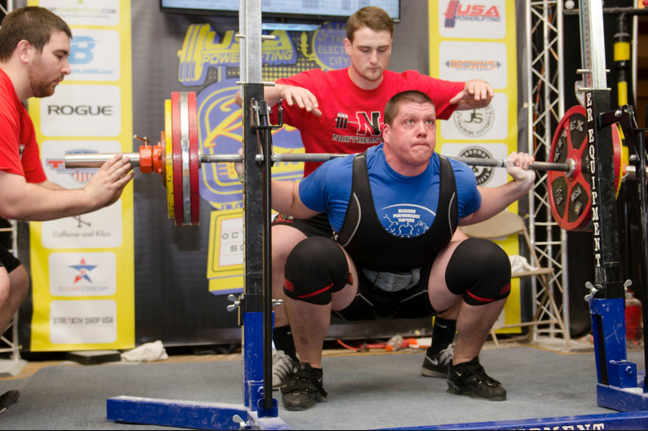
Cluster sets look most useful for lifters whose goal values repetition quality, bar speed and deliberate fatigue management. That may include athletes performing lower-body power work, experienced strength trainees in a demanding training phase, or recreational lifters who find the last rep of a heavy squat set disproportionately messy. The technique is not limited to squats, but different exercises can respond differently to short rest and changes in total volume.
The six-week experiment included men and women and reported broadly similar longer-term responses across sexes. That is useful because lifting recommendations too often generalize from one narrow group. Still, 36 participants are not enough to establish a universal best arrangement for different ages, competition levels, joint histories or training backgrounds. Different pause durations, weekly frequencies and proximity-to-failure decisions could also change the result.
Think carefully about the word fatigue. Lower immediate perceived exertion and lactate after a cluster session do not demonstrate that the same person will recover faster across several days, that injury risk falls or that the session is superior for every adaptation. A training structure can reduce fatigue within a matched set, yet be made much more fatiguing if the recovered capacity is converted into extra work. Keep track of total repetitions and total time, not just how quickly the bar moves.
For bodybuilding-focused lifters, cluster squats can be a tool for a technically demanding first exercise while the rest of leg day remains conventional. For powerlifters, they may sharpen controlled heavy rep execution but should coexist with uninterrupted singles, doubles and triples as appropriate. For conditioning-focused athletes, the extra time cost may be a deal breaker on dense circuit days. These are programming decisions, not rankings of who trains harder.
The practical verdict is pleasantly unglamorous: cluster sets can preserve squat speed and reduce immediate fatigue while making similar six-week strength gains to straight sets. Use them when that specific advantage solves a specific problem; keep traditional sets when simplicity, time efficiency and clear progression matter more. A good programme does not need every set to be a cluster—it needs a reason for the sets it contains.
Powerlifting Shirts & Lifting Gear
Powerlifting shirts and gym gear for squat, bench and deadlift lifters who live for heavy numbers.

Bending Bars Meme – Barbell Squat Bench Deadlift, & T-Shirt
Heavy lifts, good laughs, and a little “Bending Bars Gym Meme” energy.


Shirt – Squat Bench Deads Gains T-Shirt
Heavy lifts, good laughs, and a little “Squat Bench Deads” energy.

Don'T Fart Squats & Leg Day Meme Hoodie
Show off your leg-day humor in a laid-back “Don't Fart Squats” hoodie.

Leg Day Squats Deadlifts Sweater Meme T-Shirt
Show some gym-day personality with “Leg Day”.

Leg Day Is Calling You Sweater Squats & Deadlifts T-Shirt
Add a playful “Leg Day Is Calling You” touch to your casual rotation.

Lift And Bleed – Heavy Metal Workout Vest Muscle Shirt Tank Top
Train hard, laugh a little, and rep “Lift And Bleed”.

Barbell Breaker Heavy Metal Workout Bar Breaker Lifting T-Shirt
Show some metalhead attitude with a playful “Barbell Breaker” tee.

I’m Strong Barbell Heartbeat Crewneck Pullover for Powe T-Shirt
Bring “I’m Strong Barbell Heartbeat” humor to your everyday gym style.
PR or ER – Hardcore Deadlift Gym Shirt for Powerlifters T-Shirt
A t-shirt featuring the PR or ER – Hardcore Deadlift Gym Shirt for Powerlifters and Bodybuilders artwork, bringing lifting-inspired humor and distinctive gym graphics to your everyday gear.