Advertising disclosure: This page includes affiliate product links that may earn us a commission, as well as products from our own store.
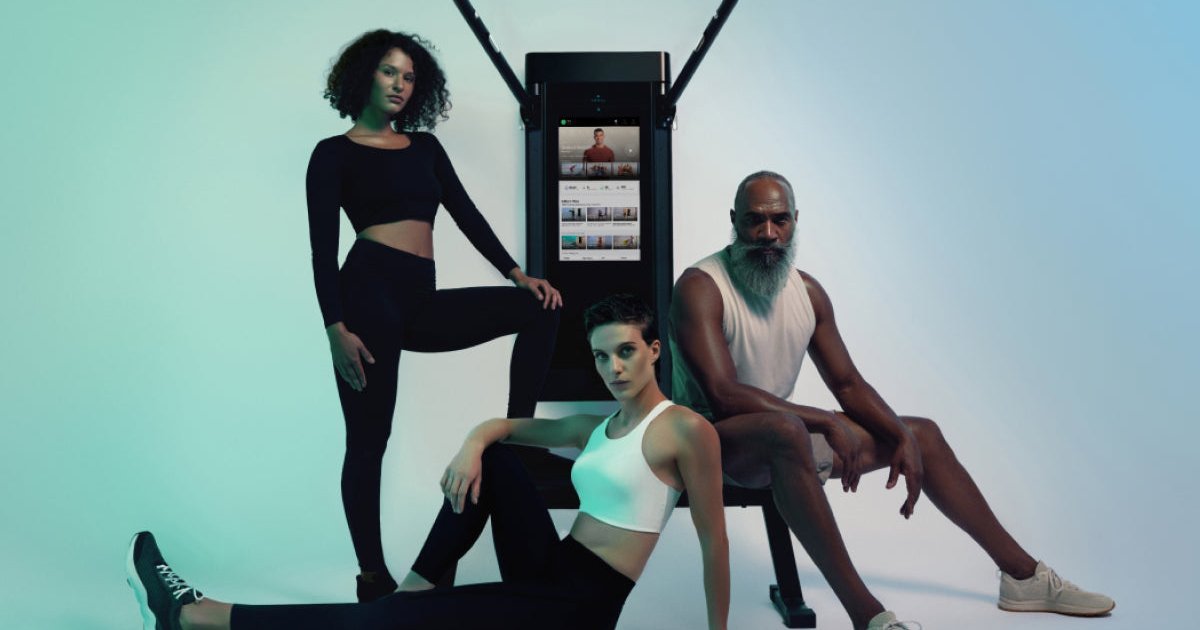
Tonal 2 promises 250 pounds of adaptive cable resistance, guided workouts and a whole strength-training system mounted on a wall. The specifications sound futuristic; the buying question is more familiar. Can it deliver enough effective training to build muscle, and does the convenience justify the cost, installation and subscription? Here is what changes compared with conventional weights, where it makes sense, and where serious lifters may still want traditional equipment.
What Tonal 2 replaces—and what it cannot
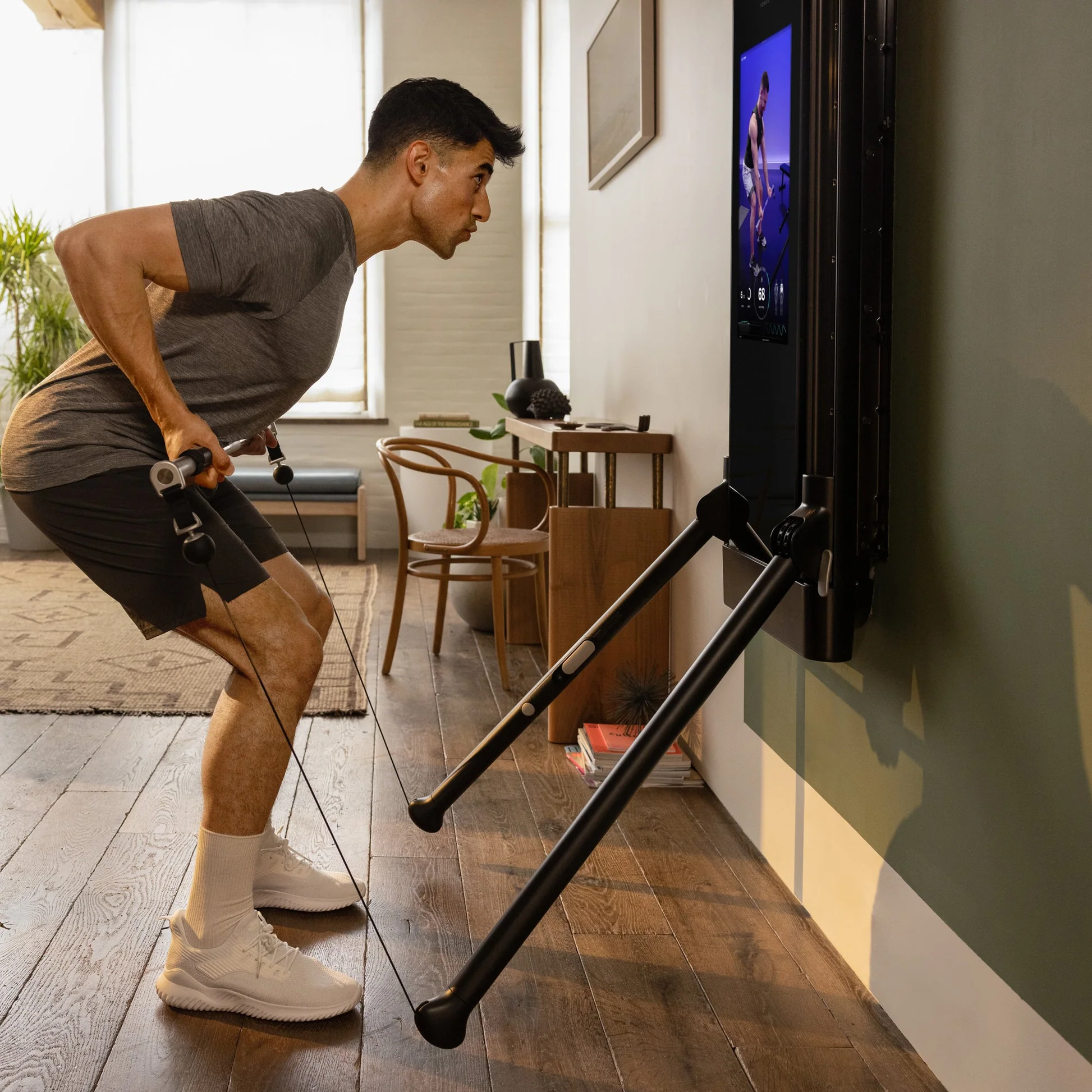
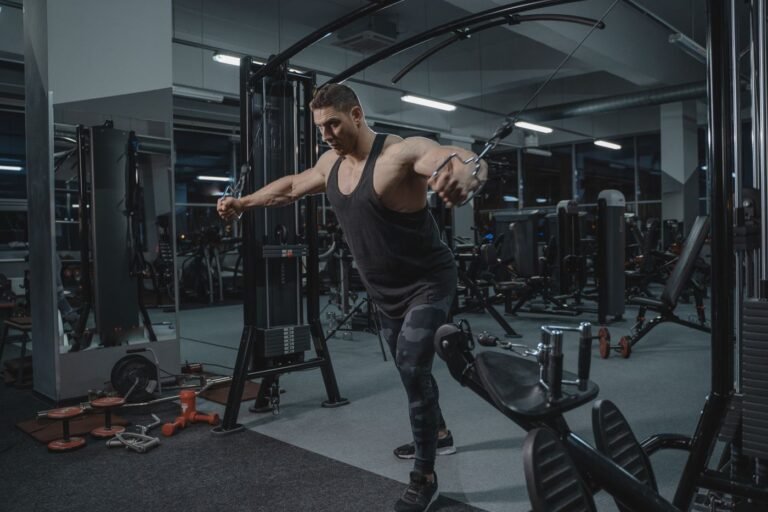
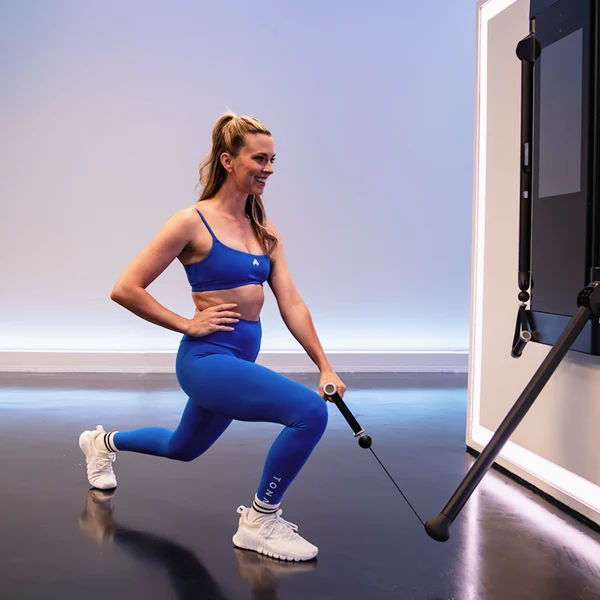
A full-size cable station, an adjustable bench and a rack of dumbbells can make an excellent strength setup, but they occupy very different kinds of space. Tonal 2 combines two motor-driven cable arms with a wall-mounted display, programmed resistance and guided sessions. That makes it particularly compelling for movements usually performed on a functional trainer: rows, chest presses, pulldowns, shoulder raises, curls, triceps extensions, chops and many unilateral leg exercises. Adjustable arm height and angle let you change the line of pull without moving an entire machine.
The important qualification is that Tonal is a digital cable system, not a barbell, squat rack and plate stack magically compressed into one box. A cable squat can challenge the legs; it is not mechanically identical to a free-weight back squat. A cable deadlift offers useful hip-extension loading; it does not reproduce every demand of pulling a heavily loaded barbell from the floor. Lifters who prioritize competition-specific squat, bench and deadlift technique will still want access to the actual implements.
That distinction helps set expectations. Someone chasing general strength, muscle, consistency and training convenience may find a huge proportion of useful movements in one station. A powerlifter preparing for a meet or a weightlifter needing overhead catches and platform work should think of it as complementary equipment. Training quality comes from selecting effective movements, progressing resistance and recovering—not from the size of the screen.
The 250-pound ceiling and the feel of digital resistance
Tonal 2’s headline upgrade over the first generation is a maximum of 250 pounds of digital resistance, compared with 200 pounds before. Its two arms apply resistance through cables, and the company allows adjustments in one-pound increments. That fine control is useful on smaller isolation exercises where a five- or ten-pound jump can be disproportionately large. It can also help bridge the progression gap as a lifter improves gradually rather than forcing a big increase before technique is ready.
But the displayed number is not a universal exchange rate for a dumbbell or barbell. Cable angle, exercise setup, friction and the type of resistance change what a movement feels like. Tonal describes improvements in lighter-load feel and a more demanding sensation at higher loads. Those descriptions should not be converted into invented strength records: lifting the machine’s displayed 150 pounds does not prove a 150-pound bench press, just as different cable machines do not always feel identical at the same selected stack weight.
A useful comparison is performance within the same setup. Record exercise, range of motion, tempo, reps and load, then track whether repetitions become smoother or the selected resistance rises at a comparable effort. If a row reaches 10 clean reps at a load you previously managed for eight, that is meaningful progress even before adding a pound. For the strongest lifters, the true limitation is whether each exercise can still provide a challenging, repeatable stimulus—not simply whether the total number sounds large.
Smart Flex, eccentric loading, chains and automatic drop sets
Digital loading becomes genuinely different from a fixed weight stack when resistance can change during the repetition. In Tonal’s Eccentric mode, the device can emphasize the lowering phase, which may allow a more demanding negative without needing another person to move plates. Chains mode changes resistance across the movement, rather than keeping the same nominal loading from start to finish. These options open ways to adjust training stimulus, but none is a shortcut around adequate weekly work and consistent execution.
Tonal 2 also supports automatic drop sets that detect slowing movement and reduce resistance so the set can continue. That is convenient for people who enjoy high-effort finishers. The downside is familiar: extended sets can be fatiguing and hard to compare with ordinary sets. A sensible baseline for most workouts remains a clearly defined load, stable range of motion and an effort level that leaves one to three controlled reps in reserve on many working sets.
Built-in spotting assistance is another convenience, particularly if someone trains alone and wants a controlled way to end a tough repetition. It is still wise to learn how the device behaves before selecting challenging loads. Smart resistance should follow the exercise goal. Keep predictable loading for foundational progression, then experiment with eccentric emphasis, chains or drop sets on one or two accessory movements. Changing every variable at once makes improvement harder to interpret.

Equipment Worth Exploring
Explore equipment, accessories and gear from our carefully selected range.
VOLTRA
Compact digital cable trainer with smooth, adjustable resistance.

Go-Tone Pro
Portable digital cable trainer with up to 66 lb (30 kg) of adjustable resistance.

VForce Wall Trainer
Space-saving wall-mounted functional trainer with pivoting cable arms and variable resistance ratios.

VForce 2IN1
Half rack and pivot-arm functional trainer with switchable 1:1 and 2:1 pulley ratios.

VForce 3IN1
All-in-one rack combining an adjustable Smith machine, functional trainer, and free-weight station.

VForce 3IN1 Max
Six-post all-in-one rack with Smith machine, functional trainer, and variable-force cables.

VForce Lat Tower
Wall-mounted cable tower with pivot arms and adjustable 1:1 or 2:1 pulley ratios.
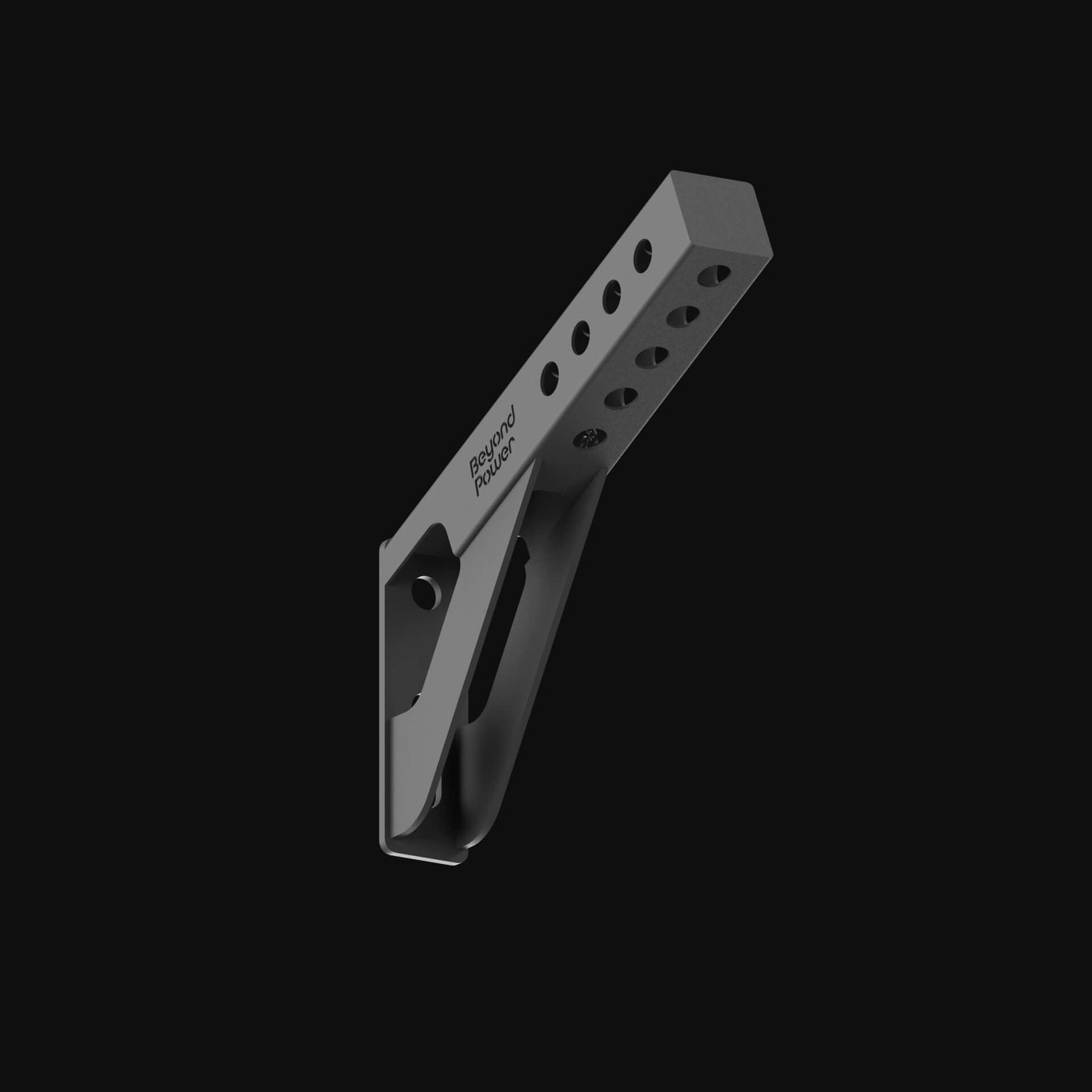

GymPin Ergo Handles
Pair of ergonomic cable handles shaped for comfortable triceps and pulling exercises.

48in Aluminum Lat Bar
48-inch aluminum lat pulldown bar with knurled grip and rotating center swivel.
An effective three-day strength plan on Tonal 2
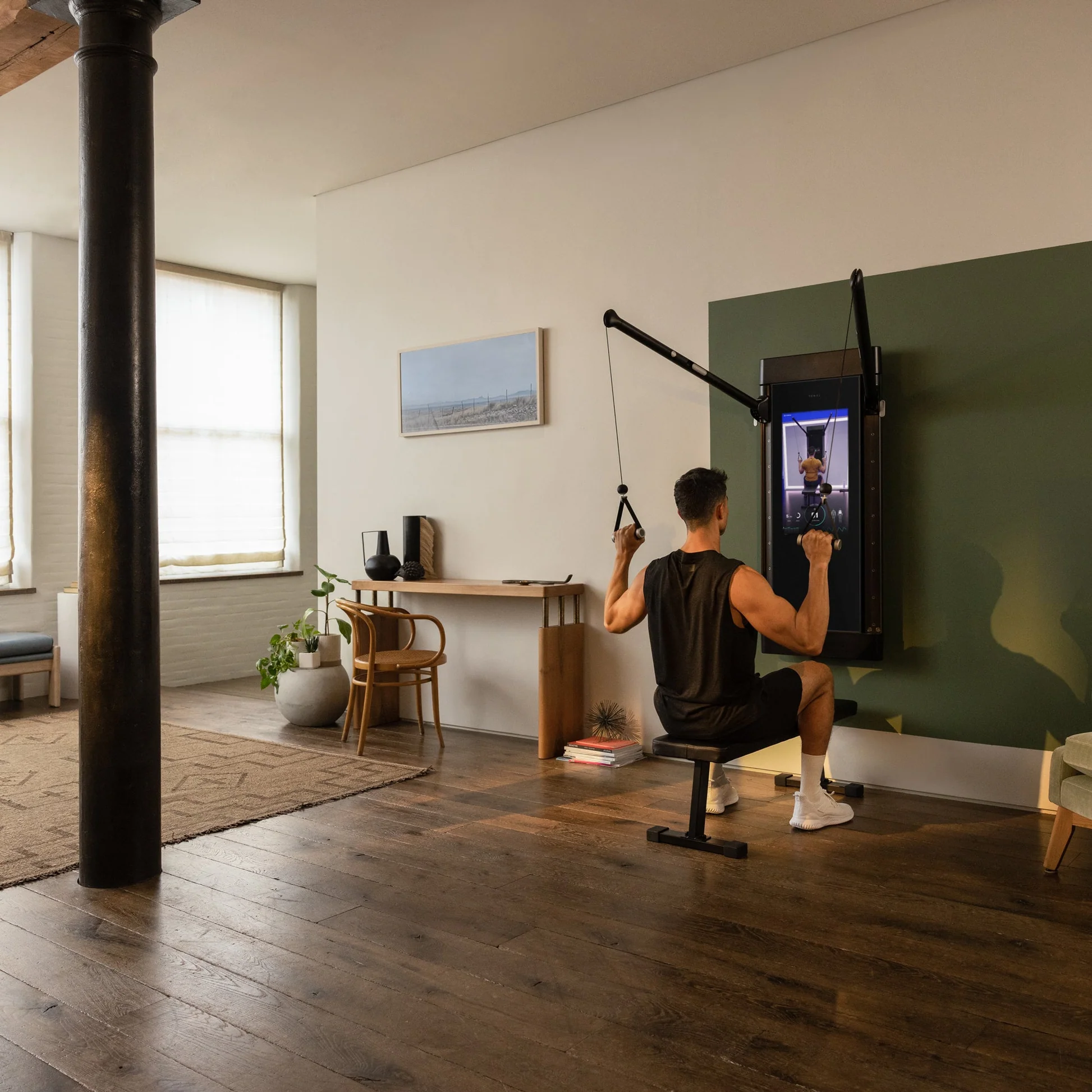
The easiest way to waste a sophisticated training system is to chase a new workout every session without repeating the patterns that drive progress. A full-body rotation three times per week is a straightforward starting point. Each day should include a knee-dominant leg movement, a hip hinge, a push, a pull and optional arm or core work. The specific exercise names matter less than selecting variations that can be performed consistently, loaded appropriately and controlled through a productive range.
For example, Monday could pair cable squats and Romanian-deadlift-style hinges with a chest press, one-arm row and lateral raise. Wednesday could emphasize split squats, a pulldown, an overhead press, a chest-supported-style row setup and triceps extensions. Friday could repeat the strongest movements, adding curls and a controlled core exercise. Begin most major exercises with two or three working sets of roughly six to twelve reps, while smaller accessories can use ten to twenty. Adjust ranges when the movement and comfort demand it.
Progress with a double-progression approach. Choose a resistance that permits the lower end of the target rep range with clean technique; build repetitions across sessions; increase load when all planned sets reach the upper end at the intended effort. If a cable squat is limited by grip, position or balance before the legs are challenged, change the setup or choose a unilateral variation instead of blindly increasing displayed weight. Keep rest long enough to preserve execution—often around two minutes or more for demanding sets, shorter if performance remains stable on simpler isolation work.

Bodybuilding Shirts & Workout Gear
Bodybuilding shirts, tanks and gym gear for lifters chasing muscle, size, symmetry and the pump.

Voltra Digital Resistance Gym for Beyond Power Fans and T-Shirt
Show some gym-day personality with “Voltra Digital Resistance”.

Lift Smart Brain Weight Plate Mind Muscle Connection 45 Hoodie
Keep it laid-back with a little “Lift Smart Brain Weight Plate” attitude.

| Pencilneck Science-Based Lifting Gym Nerd Muscle Shir Tank Top
Train hard, laugh a little, and rep “Pencilneck Science-Based Lifting Gym Nerd”.

Broscientology Hooded Pullover Bro Science Gymbros Top Hoodie
Show off your bodybuilding humor in a laid-back “Broscientology” hoodie.

Gains Before Brains Gym | Zombie Workout Vest | Funny B Tank Top
Train hard, laugh a little, and rep “Gains Before Brains”.

E=mclift Albert Einstein Science Based Lifting Bro Scie Hoodie
Keep it laid-back with a little “E=mclift” attitude.

Bro Science Albert Einstein Science Based Lifting T-Shirt
For laid-back days and powerlifting humor: “Bro Science”.

Science Based Lifting Rick And Morty Evidence-Based Tank Top
Train hard, laugh a little, and rep “Science Based Lifting”.

Physical Mass Albert Einstein Science Based Lifting Bro Sticker
Put “Physical Mass” gym humor on your laptop, bottle, or gym gear.

Mike Mentzer Heavy Duty Old School Bodybuilding Muscle Tank Top
Show some personality between sets with “Tank Top Mike Mentzer Heavy Duty Old”.
Coaching, camera feedback and the membership trade-off
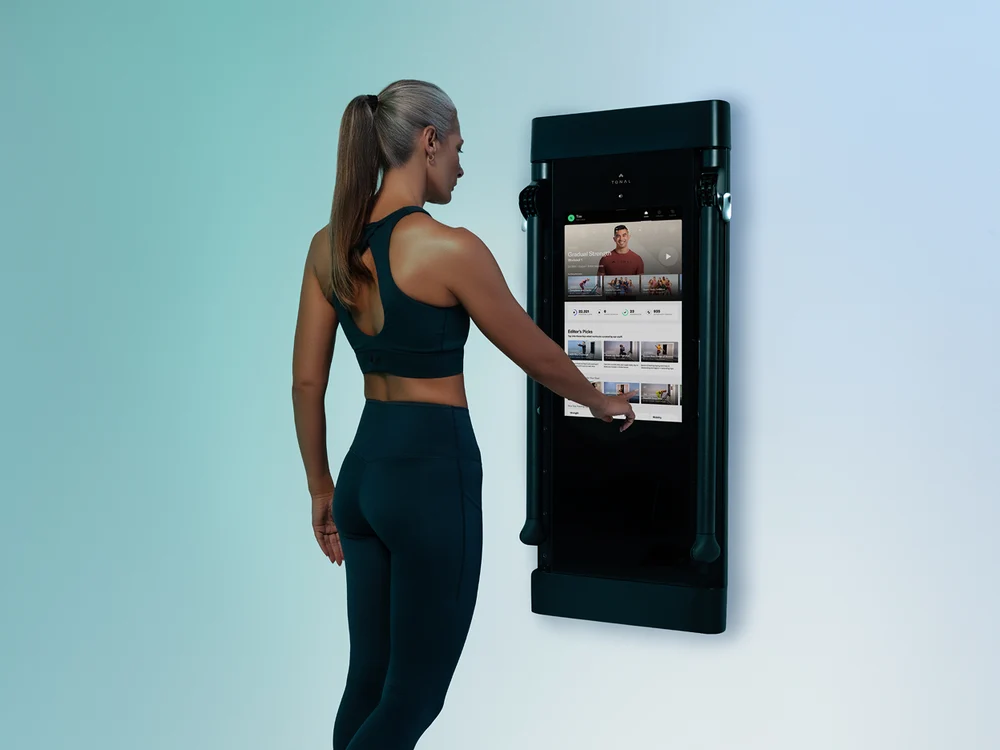
The wall-mounted touchscreen is not just a video player. Tonal can suggest starting resistance, log sets and repetitions, and organize workouts and progress. Tonal 2 adds built-in Smart View capabilities that use its camera for on-screen form feedback when the user opts in. That can be particularly appealing when someone trains without a partner or has trouble deciding how to progress exercises. The value depends on whether the feedback changes behavior, not merely whether a graph looks impressive.
A camera cannot replace every judgment a qualified coach might make. A particular range of motion may be appropriate for one trainee and uncomfortable for another. Cable path, body proportions and injury history matter. Use any cues as information, compare them with how the repetition feels, and keep movements controlled. For privacy-minded buyers, it also matters that the camera functions are opt-in; review the current recording and deletion choices before enabling anything.
The financial trade-off is ongoing access. Tonal’s listed membership is $59.95 per month plus tax, with an initial 12-month commitment; most personalized features require an active subscription. For one person who trains sporadically, that can make the device expensive to own. For a household where several people train consistently, multiple profiles and the guided library can make the subscription easier to justify. A good purchase decision should model the continuing expense, not treat it as a one-time equipment buy.
Equipment Worth Exploring
Explore equipment, accessories and gear from our carefully selected range.


FID Bench MAX
Adjustable bench offering flat, incline, and decline positions + adjustable headrest.


Rubber Hex Dumbbells
Rubber-coated hex dumbbell pairs with a stable shape for home and commercial strength training.

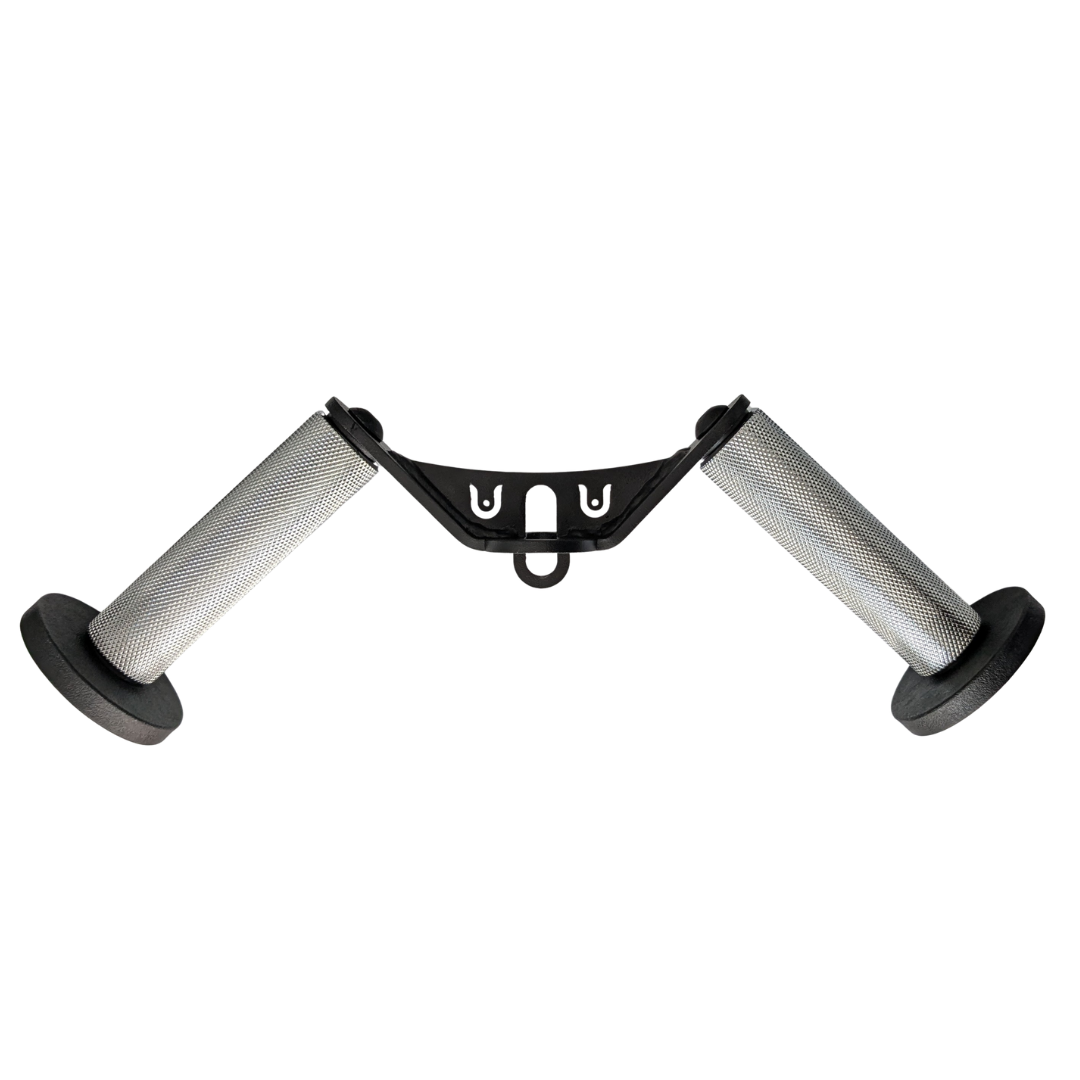
W Grip
Angled cable grip for comfortable rows, pushdowns, and curls.

GymPin D Cuffs
Adjustable wrist cuffs with textured grips for supported cable-machine exercises.

Wall requirements, accessories and what setup really involves
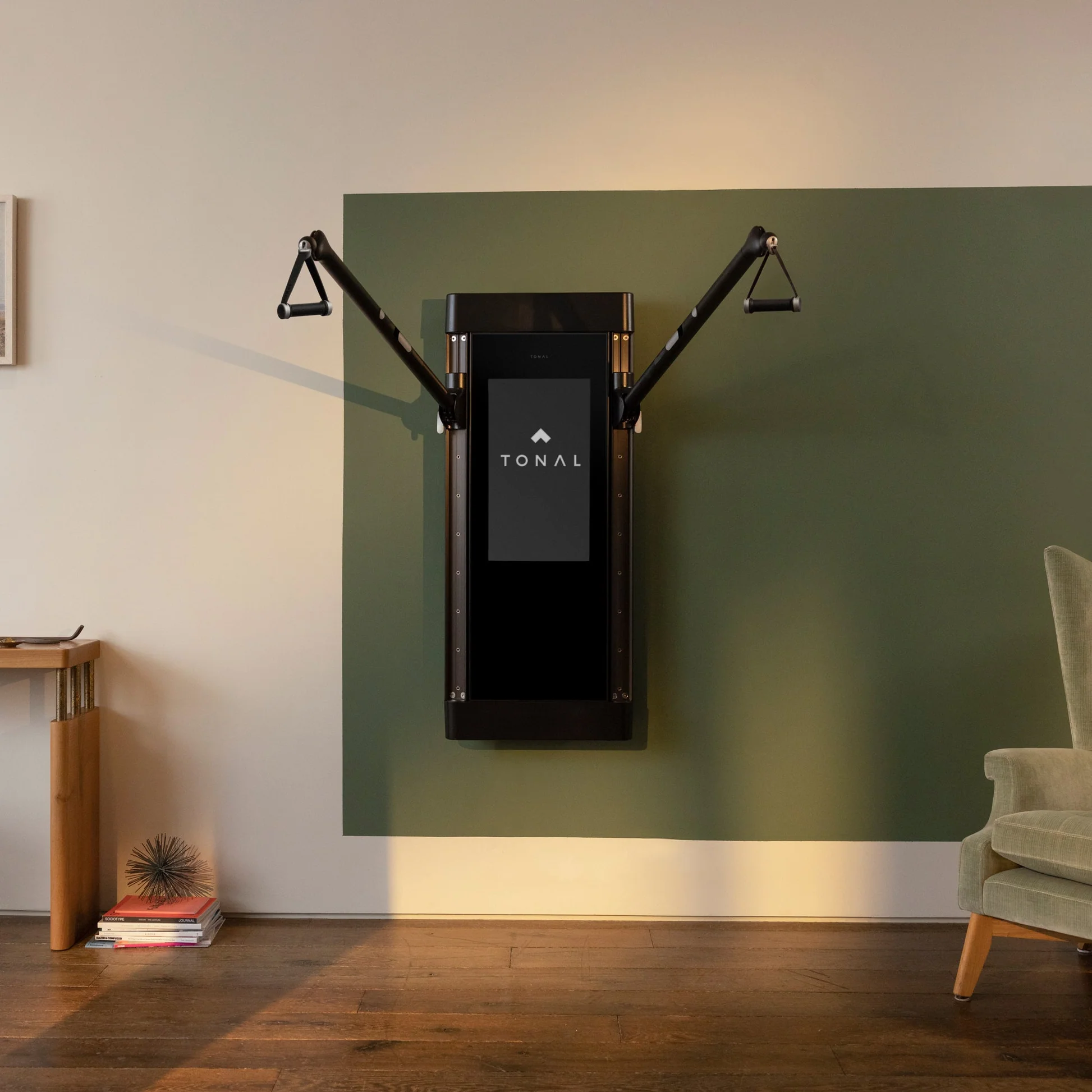
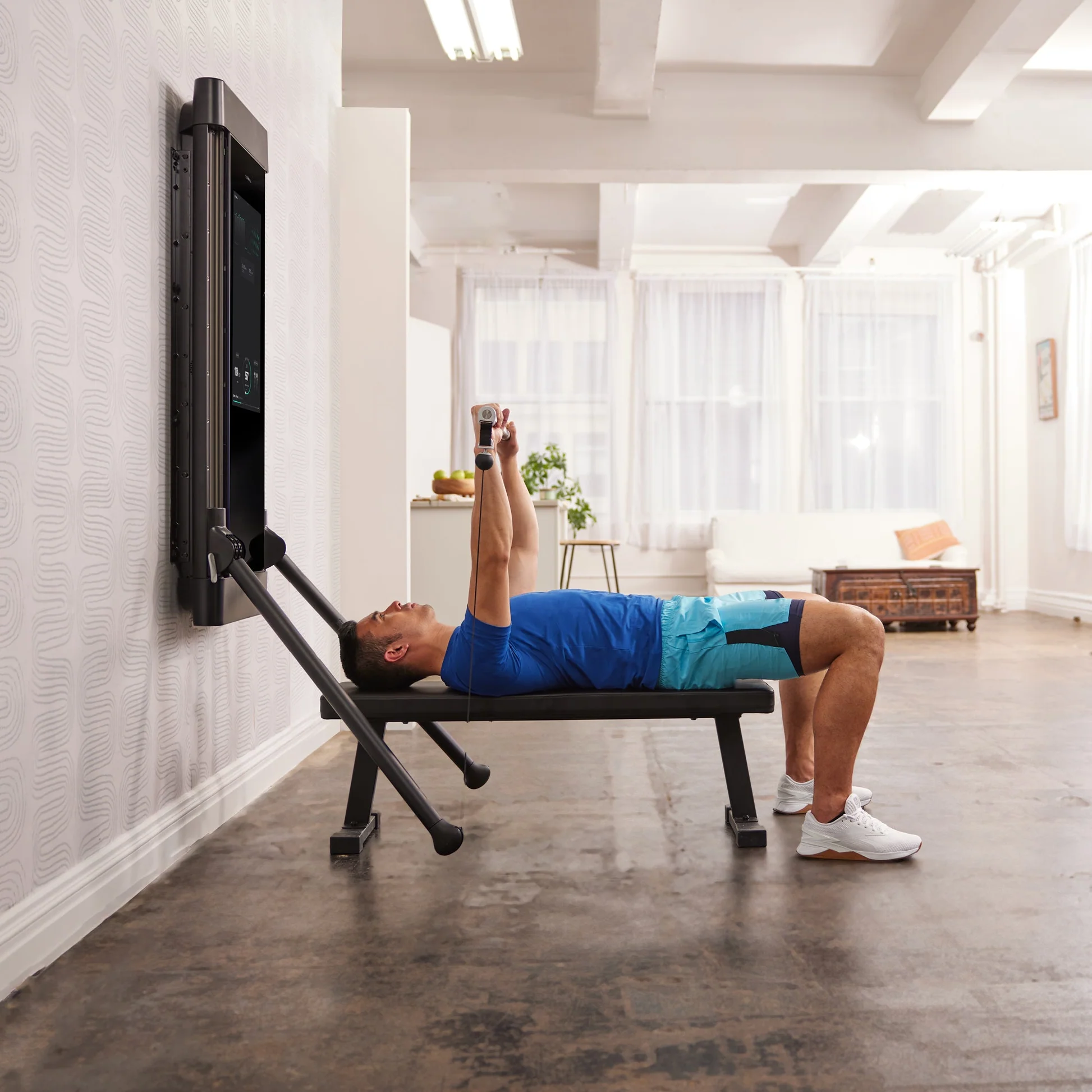
Tonal saves floor space when stored because the trainer sits on a wall, but workouts need open space in front. The listed clearance calls for seven feet of unobstructed wall space, a seven-by-seven-foot exercise zone and a ceiling at least seven feet ten inches high. Before buying, measure the actual training footprint with arms extended and enough room to step, lunge and lie on a bench. The obstacle is not only the machine’s wall dimensions; it is the space needed to move safely through exercises.
Installation is professional rather than do-it-yourself. Wall construction, studs, appropriate access, a standard outlet and reliable Wi-Fi all matter. Renters should confirm permission for wall mounting and think about relocation expenses. If installation is inconvenient or a dedicated room cannot provide the needed clearance, adjustable dumbbells plus a bench may be a simpler choice, even if they lack automated resistance and coaching.
Accessories are also part of the practical cost. Tonal lists an Essentials bundle with smart handles, a smart bar and control module, rope, bench, mat and foam roller, and an expanded bundle adding loops and ankle straps. These attachments substantially broaden the useful movement library, especially for lower-body and bilateral movements. Compare the actual included bundle at checkout rather than assuming a pictured bench or attachment arrives with the base unit. A polished device is not a useful gym if the accessories necessary for your training are missing.
Funny Gym Shirts & Workout Gear
Funny gym shirts, tanks, hoodies and workout gear for lifters who like training hard.

Home Gym Nerd Crewneck Pullover Sweater for Home Gym Li T-Shirt
Bring “Home Gym Nerd” humor to your everyday gym style.

Funny Garage Gym Hooded Pullover Garage Workout Gymbros Hoodie
Bring “Garage” gym humor to lazy days and post-workout plans.

Basement Gym Decal for Water Bottles Laptops Home Gym G Sticker
A fun “Basement” touch for bottles, laptops, and lockers.

Anti Gym Home Gym Club Crewneck Pullover Sweater for Ho T-Shirt
Add a playful “Anti Gym Home Gym Club” touch to your casual rotation.

Home Is Where The Gym Is Funny Home Gym Garage Basement Hoodie
Make your off-duty look more fun with “Home Is Where The Gym Is Funny Home”.

Funny Home Gym Owner Gym Muscle Shirt Athletic Vest for Tank Top
Bring “Home Gym Owner” humor to your next lifting session.

Garage Gym Hero Decal for Home Gym Equipment Water Bott Sticker
Put “Garage Gym Hero” gym humor on your laptop, bottle, or gym gear.

No Cars Allowed In My Garage Gym Crewneck Pullover Swea T-Shirt
Keep things casual with a little “No Cars Allowed In My Garage” attitude.

Home Gym Built Not Bought Muscle Shirt Athletic Vest fo Tank Top
Show some personality between sets with “Home Gym Built Not Bought”.

Anti Social Home Gym Club Muscle Shirt Athletic Vest fo Tank Top
Train hard, laugh a little, and rep “Anti Social Home Gym Club”.
Real first-year cost—and who should buy it
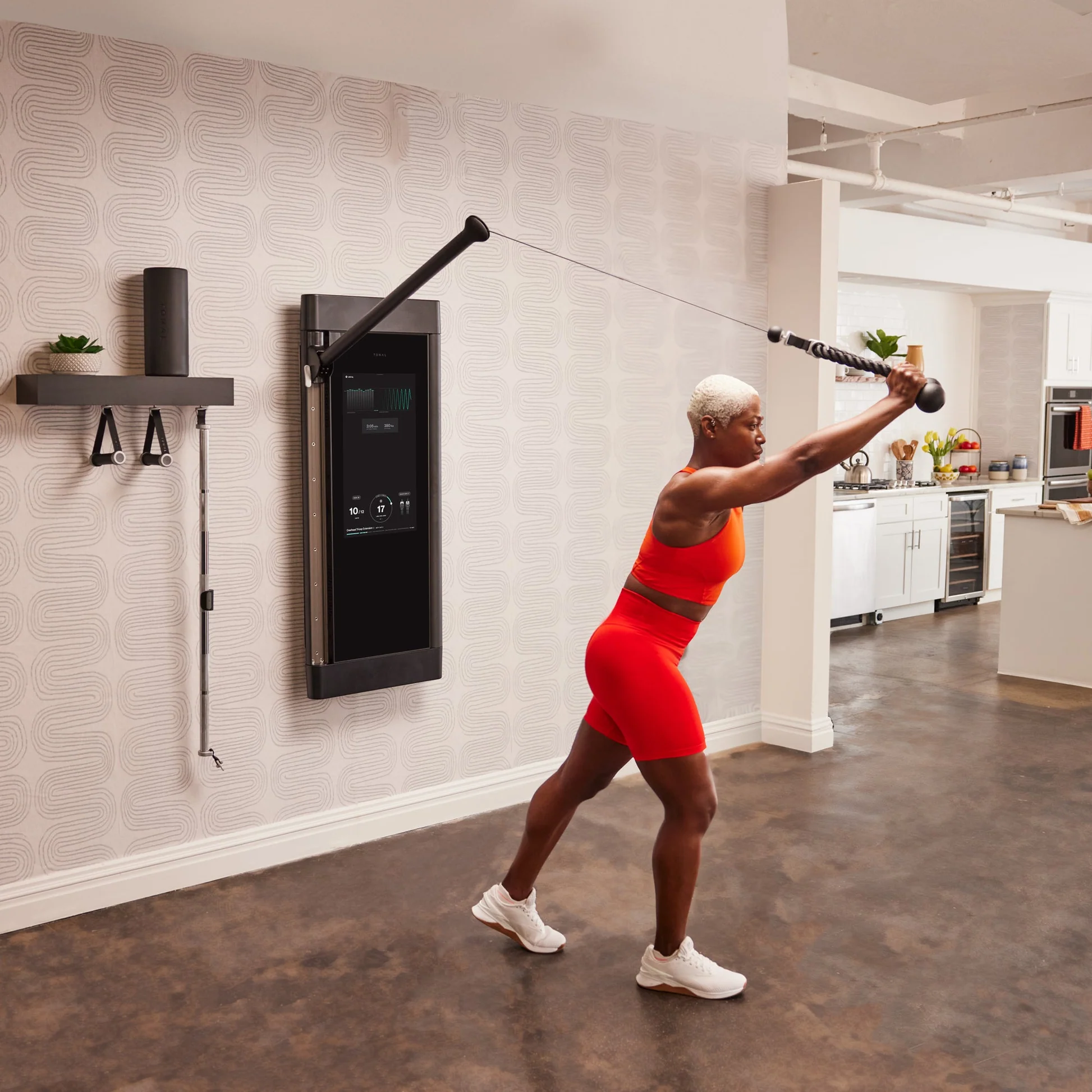
At its listed U.S. regular price of $4,295, the standard Tonal 2 starts well above a basic dumbbell-and-bench setup. Add the $495 Essentials bundle, installation starting at $295 and 12 months at $59.95—another $719.40 before tax—and a representative first-year outlay becomes at least $5,804.40 before applicable taxes or any regional installation surcharges. The $595 Ultimate bundle would raise that illustration by another $100. Those are arithmetic examples based on listed prices, not a guaranteed checkout quote, so confirm current totals and terms.
There is also a newer Glacier appearance option with a reflective finish and added storage. It should not be confused with a new strength-capacity tier: the core Tonal 2 platform is still about digitally controlled resistance and programmed coaching. Choose a colorway for design and storage preferences, not because the finish will add muscle. For a serious shopper, an in-person or virtual demo can reveal whether the cables, attachment changes and touchscreen feel intuitive enough to use repeatedly.
The right buyer values guidance and convenience, will actually follow a progressive plan, has compatible wall space and accepts the recurring membership. The wrong buyer expects a cable-based smart gym to substitute perfectly for a competition platform, wants to move equipment freely, or resents subscription-dependent features. Tonal 2 is an interesting combination of strength equipment and software, but the lasting result still comes from repeatable exercises, appropriate effort and training often enough to make the purchase worthwhile. See the official Tonal 2 configuration and current pricing before making a decision.