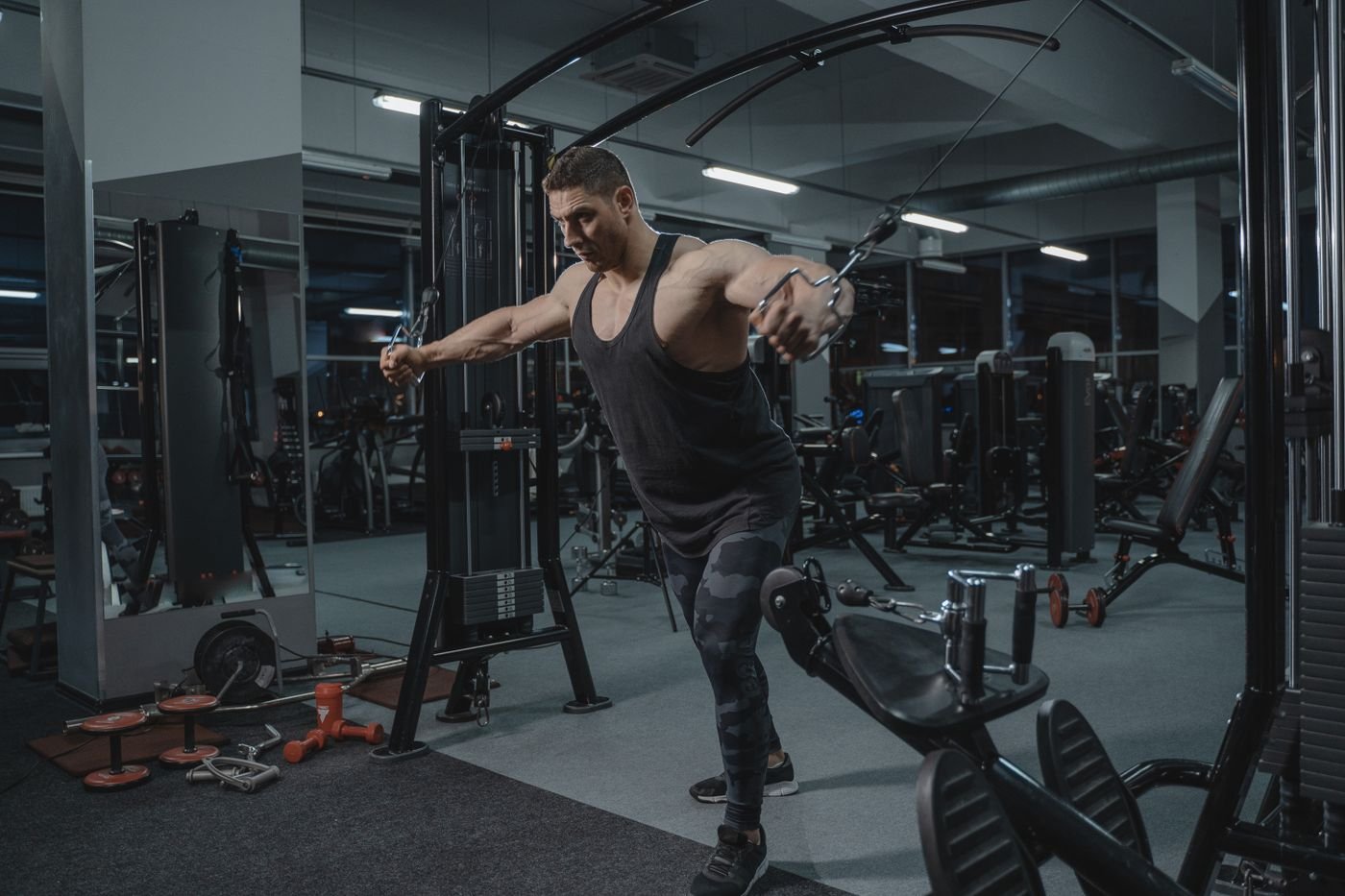
Face pulls are easy to underestimate. The load is usually modest, the movement looks like a short row, and a heavier stack can make the repetition worse rather than better. Yet a controlled pull gives the rear shoulders and upper back a different job from a heavy lat pulldown or bench press. It combines horizontal arm movement, shoulder-blade control and, when comfortable, external rotation at the shoulder.
This guide explains what the exercise can reasonably do, how to set up a cable or band, when to choose alternatives and how to progress for six weeks. It also separates muscle activation from actual muscle growth and avoids treating one accessory exercise as a guaranteed solution for posture or shoulder pain.
What face pulls train and what they cannot promise
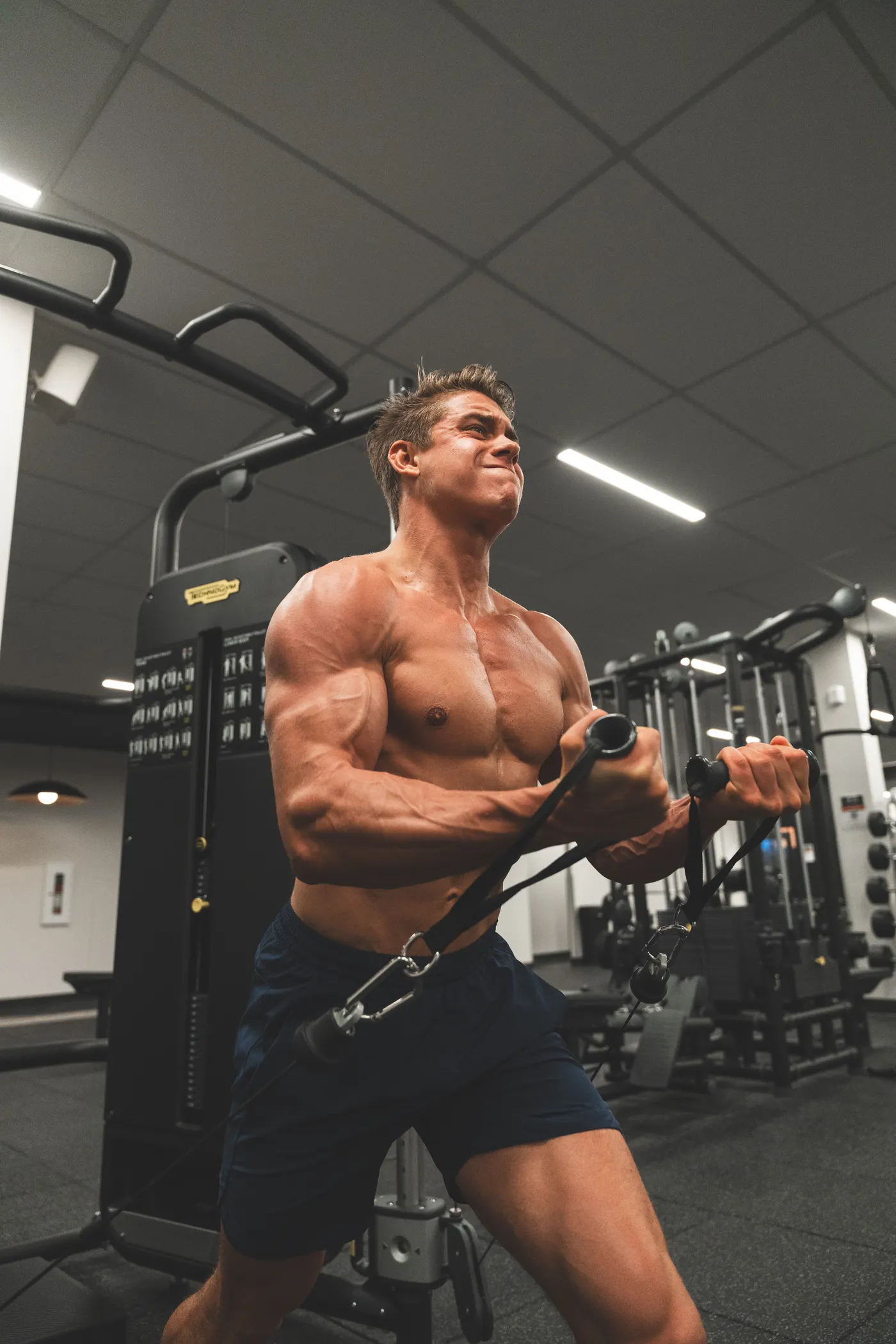
The rear deltoid helps move the upper arm backward and outward. The middle trapezius and rhomboids contribute to drawing the shoulder blades toward the spine, while the lower trapezius and other scapular muscles help coordinate shoulder-blade position. When the hands rotate backward near the end of a face pull, the external rotators of the rotator cuff also participate. The exact contribution depends on grip, pulley height, arm angle, resistance and the person’s anatomy.
That is why a face pull is neither simply a biceps curl nor a miniature heavy row. In a conventional row, you can often move substantial weight with the lats and other large pulling muscles. A face pull is usually limited by the ability to maintain a clean arm path and control the shoulder as the hands approach the head. Its value lies in training that specific pattern with repeatable tension, not in setting a cable-stack record.
Research on shoulder exercises shows that external rotation and horizontal-abduction movements can produce meaningful muscle activation. But an electromyography reading is a snapshot of electrical activity, not proof that a particular exercise produces more long-term hypertrophy. Similarly, evidence that a structured scapular exercise program may improve shoulder function does not prove that face pulls alone prevent injury, cure rounded shoulders or outperform every other rear-delt exercise.
Think of face pulls as an optional, useful tool. They can add controlled posterior-shoulder work when pressing dominates your routine, but rows, reverse flyes, external rotations and sensible overall training volume still matter. If you already cover these movements well, the additional benefit may be small.
Set up the cable and build one repeatable rep
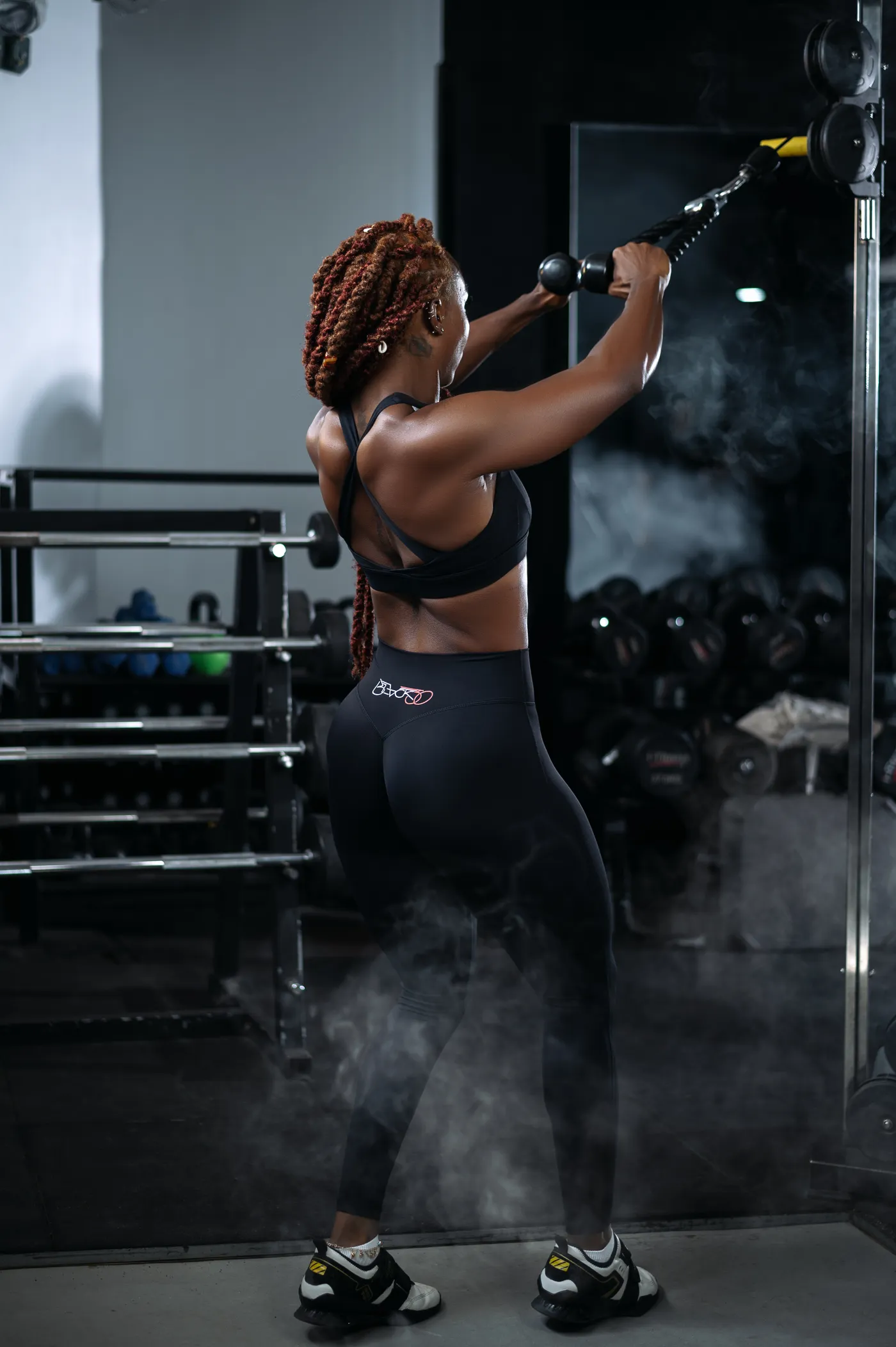
Start with a cable pulley around upper-chest to eye height. Attach a rope that allows the hands to separate comfortably. Select a light load, take two or three steps back and stand with feet roughly hip-width apart. A staggered stance is fine if it helps balance. Keep the ribs over the pelvis, soften the knees and brace enough that the torso does not sway when the weight moves.
Begin with the arms reaching forward, but do not force the shoulders into an uncomfortable stretched position. Pull toward the upper face by moving the elbows outward and backward while the shoulder blades glide together. As the hands near the temples, separate the rope ends and rotate the hands backward only as far as the shoulders tolerate. Pause briefly, then return under control until the arms extend again. The return should be smooth rather than a sudden yank from the stack.
Do not mistake a dramatic elbow flare for better technique. Some lifters feel best with elbows near shoulder height; others need a slightly lower path. What matters is that the elbows, hands and shoulder blades move together without the neck jutting forward or the shoulders hiking toward the ears. The finish can resemble a wide W, but it should not demand an extreme range of motion.
Use a weight that permits about twelve controlled repetitions with two or three more available. Film a side view if possible: the cable should not pull you forward, the head should stay roughly over the torso and the last rep should look like the first. If the machine forces a backward lean, reduce the load or use a seated or chest-supported setup.

Equipment Worth Exploring
Explore equipment, accessories and gear from our carefully selected range.

Long Tricep ERGO Ropes
Extended triceps ropes with ergonomic grips for cable pressdowns and overhead extensions.
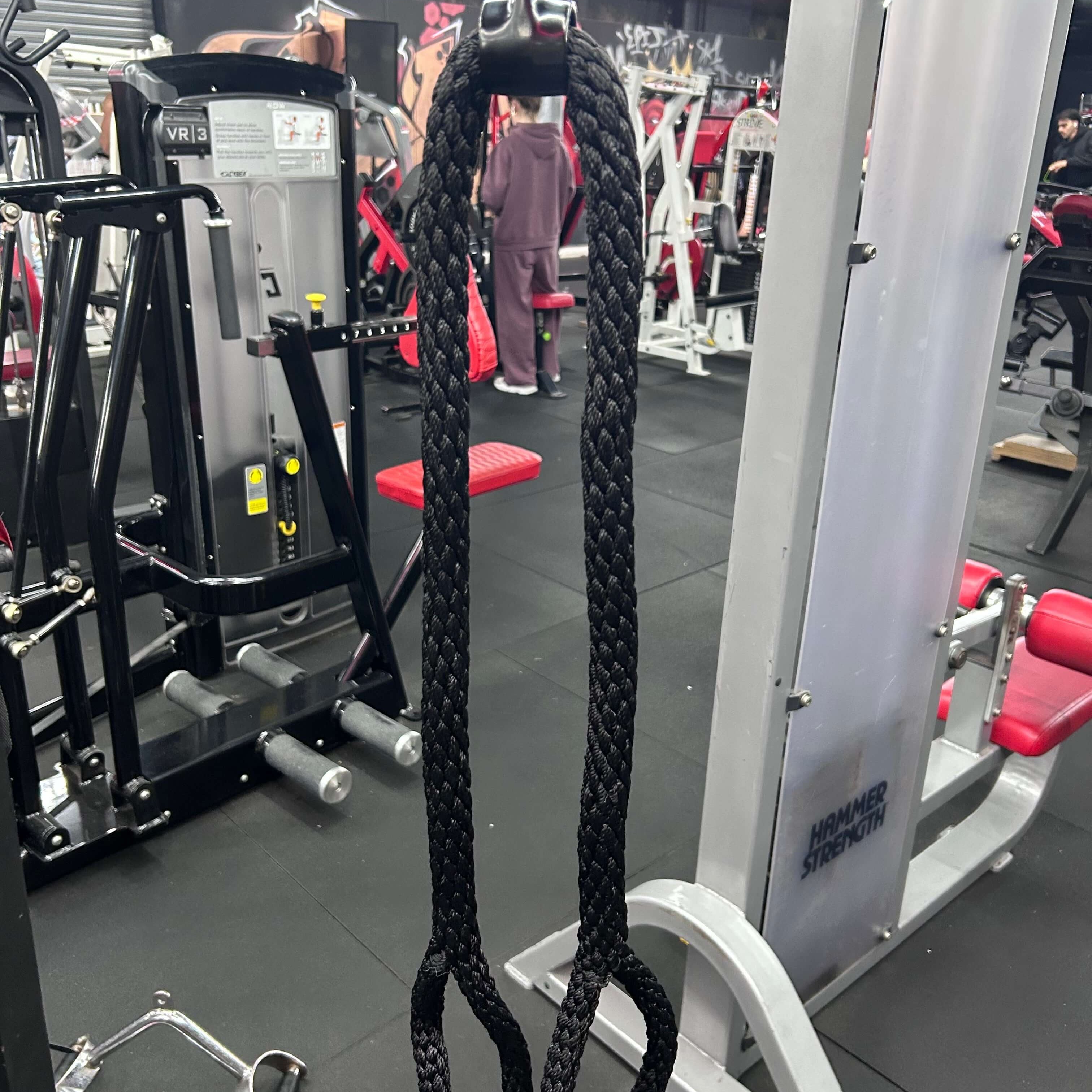
Super Long Tricep Rope
Extra-long looped cable rope for triceps pressdowns and overhead extensions.
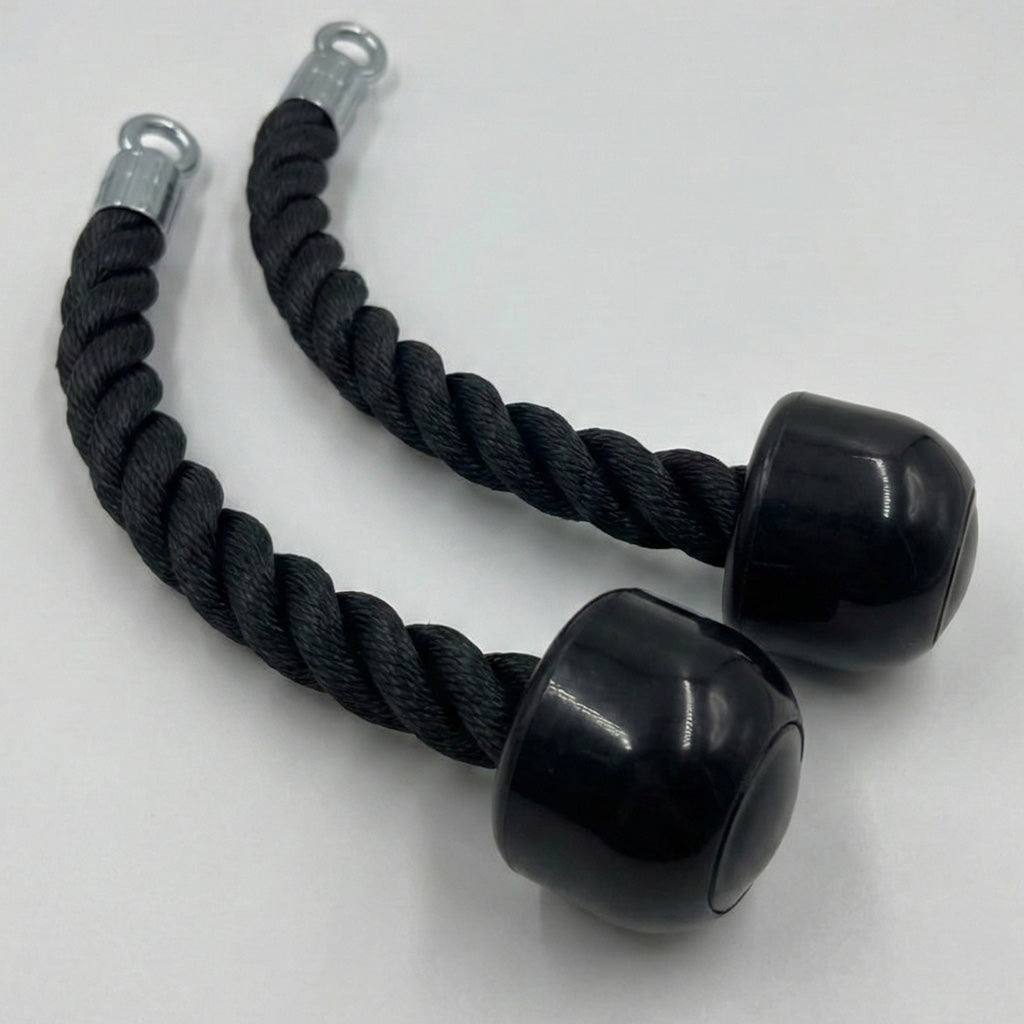
Individual Tricep Ropes
Pair of individual cable ropes for triceps pressdowns and cable hammer curls.
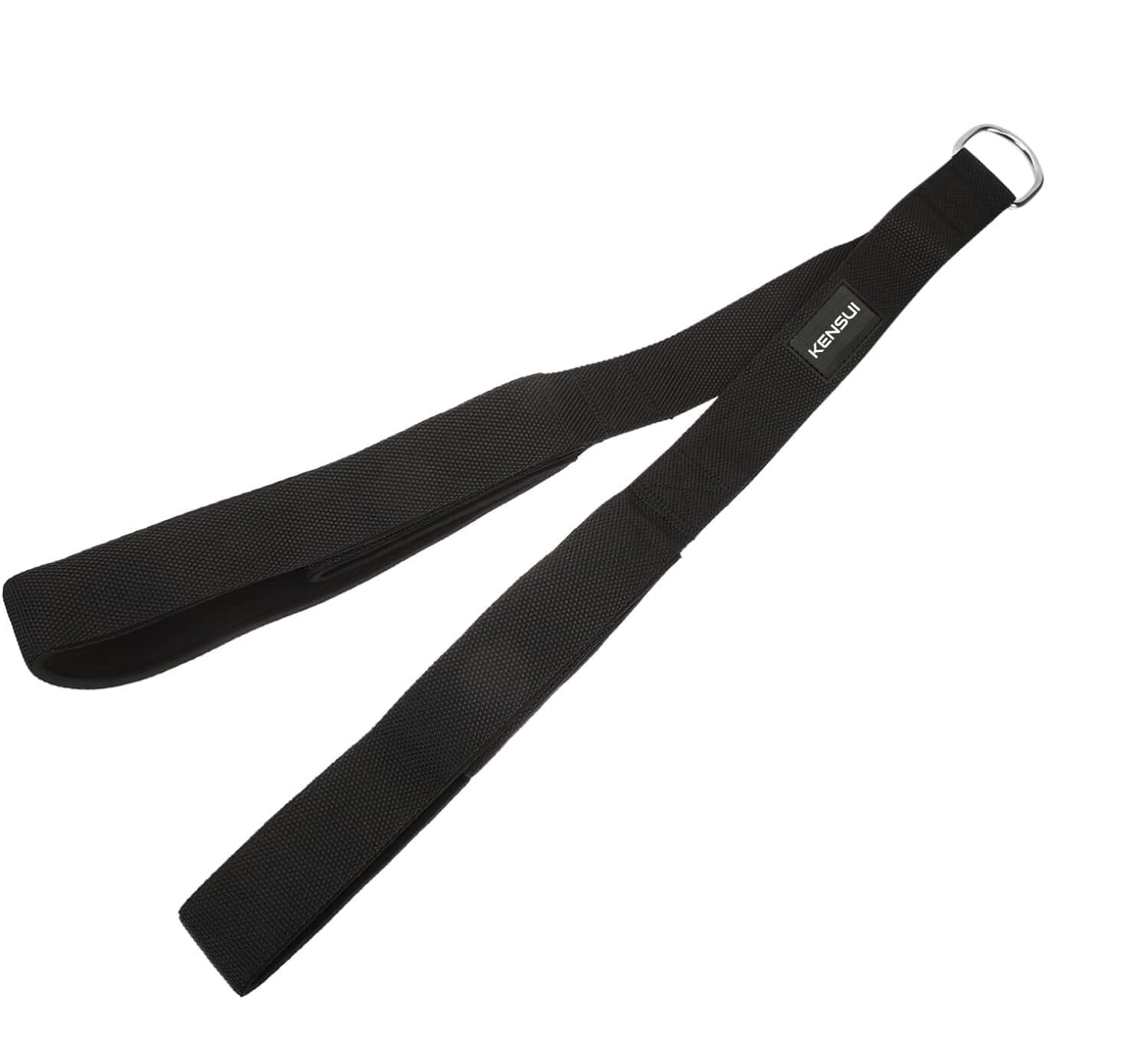
Multi-Length Tricep Strap
Adjustable-length cable strap for triceps, biceps and upper-body cable exercises.

GymPin Ergo Handles
Pair of ergonomic cable handles shaped for comfortable triceps and pulling exercises.

GymPin D Cuffs
Adjustable wrist cuffs with textured grips for supported cable-machine exercises.

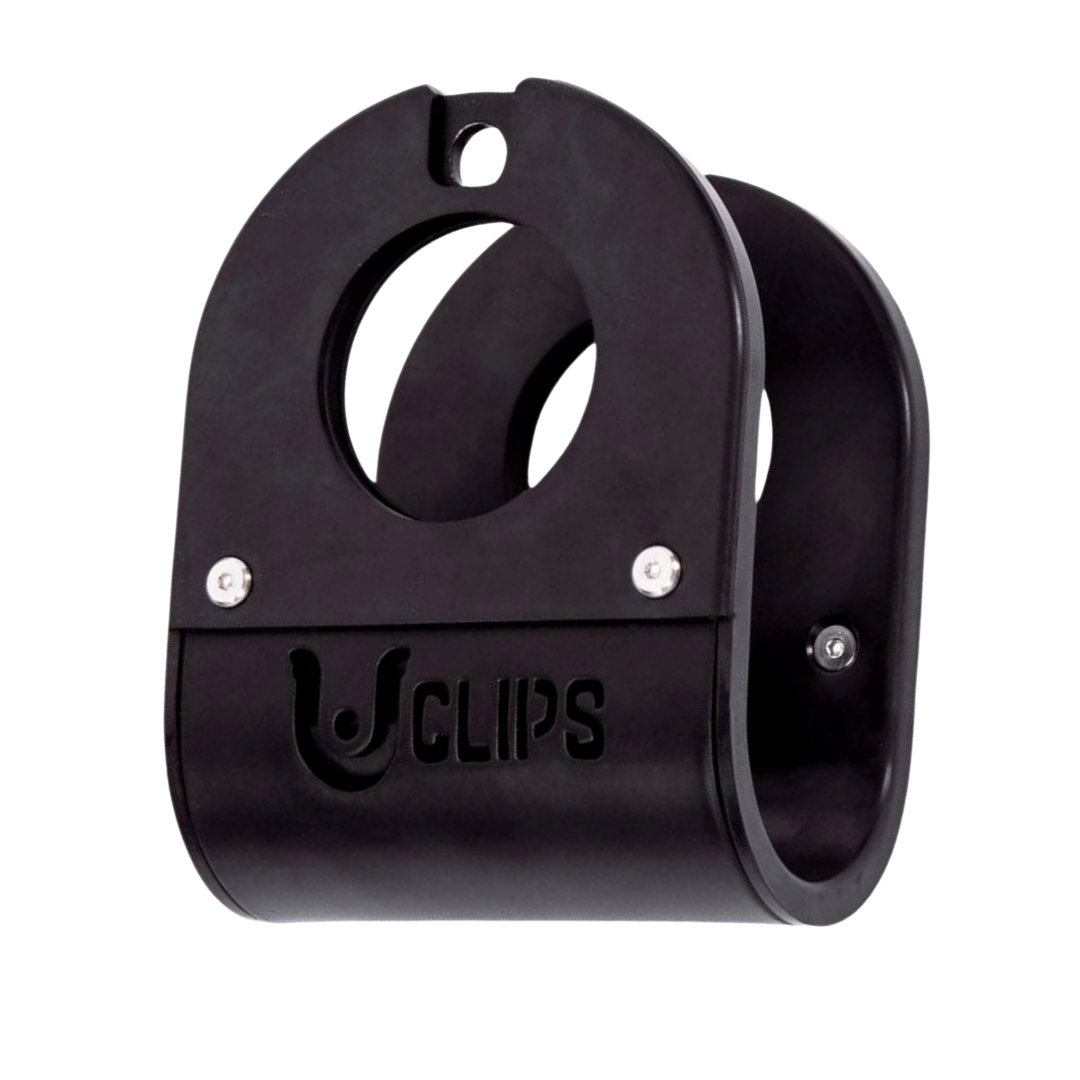
U Clips
Versatile gym clips for barbell, landmine, and attachment setups.

GymPin D Handle Bar
Multi-use steel D-handle bar for cable rows, pulldowns and other cable exercises.
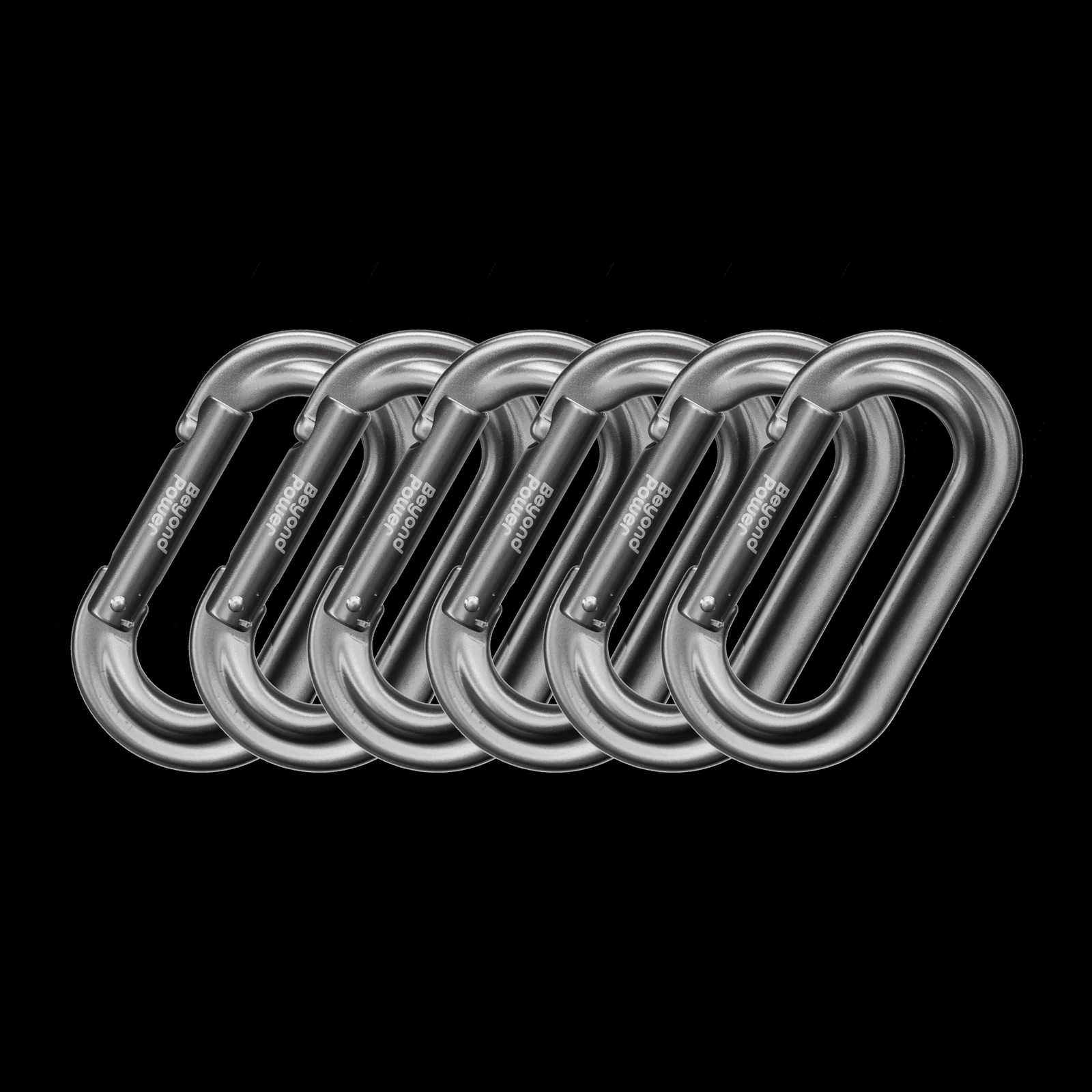
Premium Carabiner
Durable carabiner for connecting cable attachments and training accessories.
Rope height, grip and variations change the emphasis

There is no single magic pulley setting. A cable coming from slightly above the hands creates a different line of pull from one starting below shoulder level. Test a few positions using the same light resistance and compare where you can finish without shrugging, arching the back or pinching the front of the shoulder. A higher cable may make the movement feel more like a high row; a lower cable may demand more arm elevation. Neither automatically wins for everyone.
The standard rope permits the hands to move apart. Two separate handles offer more freedom if the rope is too short or the wrists feel constrained. A single-arm face pull can help you see whether one shoulder compensates with torso rotation. Keep the trunk facing forward and use a lighter load before attempting to match the two sides. Do not assume an apparent left-right difference means an injury or a permanent muscle imbalance.
Resistance bands are a practical substitute when no cable machine is available. Anchor the band securely around face height, stand far enough away to create tension and perform the same controlled movement. Band resistance rises as the material stretches, so the finish may feel disproportionately hard compared with the start. Change band thickness or distance to find a manageable resistance curve.
Another option is to split the task: use a rear-delt cable fly for horizontal abduction and a separate light external-rotation drill for the rotator cuff. This can be easier to learn than combining every component at once. Choose the version you can repeat with confidence rather than chasing a supposedly superior grip demonstrated in a short clip.

Bodybuilding Shirts & Workout Gear
Bodybuilding shirts, tanks and gym gear for lifters chasing muscle, size, symmetry and the pump.


Back Panther – Big Back & Gymbros – Meme Shirt T-Shirt
Show some superhero attitude with a playful “Back Panther” tee.


Policy Of Gains Hoodie
Bring “Policy Of Gains” gym humor to lazy days and post-workout plans.

Buff Smiley Grunge Hoodie
Stay casual and show some metalhead attitude with “Buff Smiley Face”.


The Empire Lifts Back – Star Wars Back Day Meme Pullove T-Shirt
Add a playful “The Empire Lifts Back” touch to your casual rotation.
Five common mistakes and how to correct them

The first mistake is treating the face pull like a maximum-effort row. When the load becomes too heavy, the hips drive backward, the chest rises and the hands travel toward the lower chest instead of the upper face. The fix is simple: lower the stack until you can pause at the finish without moving the torso. Progress in quality before progressing in kilograms.
Second, lifters often pull only with the hands while the elbows stay low. That can become a biceps-dominant cable curl. Try leading with the elbows, keeping the wrists relatively neutral and allowing the rope ends to separate. You should not need to twist the wrists sharply to manufacture a finish position. Third, some people shrug the shoulders high and tighten the neck. Use a slightly lower elbow path, relax the jaw and shorten the range until the upper traps stop taking over.
Fourth, avoid freezing the shoulder blades in one squeezed position. The scapulae normally move during a repetition. Let them travel forward at the start and backward during the pull, without exaggerating either end. Fifth, do not turn a mild stretching sensation into a contest to reach farther behind the head. More external rotation is not always better, especially when the shoulder is already irritated.
Muscular effort in the rear shoulders is expected; sharp pain, tingling, numbness or symptoms that worsen during the set are not useful training signals. Stop, change the setup or seek qualified assessment if symptoms persist. Face pulls are not a diagnostic test and should not replace individualized rehabilitation after an injury or surgery. The best repetition is the one that loads the intended pattern while remaining comfortable and controlled.
Where face pulls fit beside rows, flyes and pressing
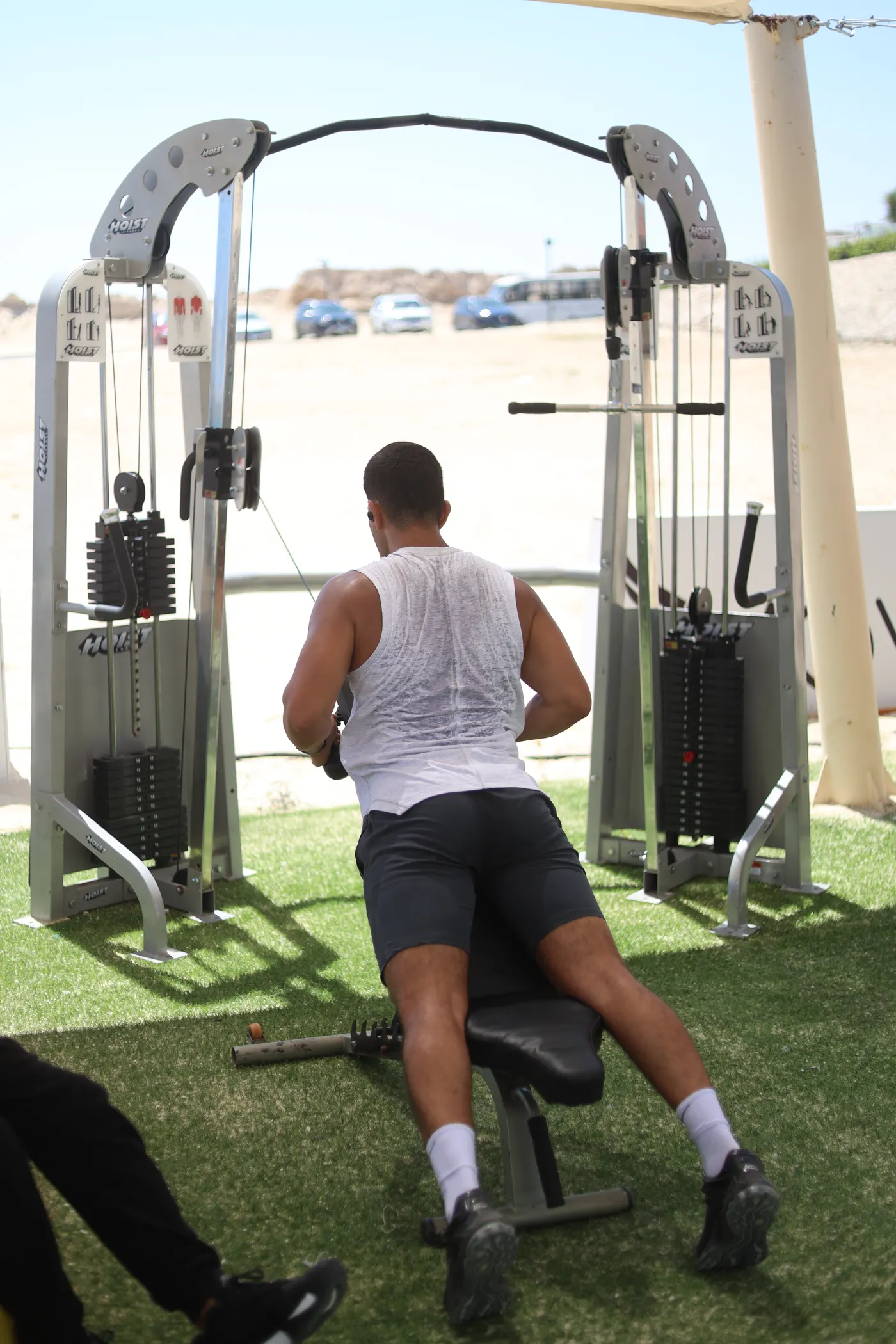
Face pulls work best when they fill a gap rather than duplicate everything else in a workout. Heavy rows and pulldowns can provide substantial loading for the larger back muscles. Reverse flyes give the posterior deltoids a more direct horizontal-abduction task. External-rotation exercises isolate a smaller shoulder action. A face pull sits between these categories, combining several movements at a modest load.
If your goal is maximum rear-delt size, do not rely exclusively on face pulls. Include a progressively overloaded rear-delt fly or similar movement, and account for the indirect work from rows. A systematic review of resistance-training volume found that greater weekly hard-set exposure generally supported more hypertrophy, although it did not establish one ideal number for every person or muscle. A separate load comparison found that hypertrophy can occur across a broad range of weights when effort is sufficient. Neither study establishes a special hypertrophy advantage for face pulls.
For a lifter who presses twice per week, two sets of face pulls after each upper-body session may be enough to start. A more focused posterior-shoulder block could use three sets twice per week, alongside rows and reverse flyes, provided recovery is good. Keep at least one or two repetitions in reserve while learning the pattern; there is little reason to turn every set into a form-breaking grind.
Equipment choice should follow the exercise. An adjustable cable system with a rope or two independent handles makes progression easy, but a secure band anchor works for lighter practice. A bench can stabilize the torso when standing balance limits technique. Choose attachments that permit a comfortable wrist position, not merely those that look elaborate. A sensible setup should make clean repetitions easier to reproduce.
Equipment Worth Exploring
Explore equipment, accessories and gear from our carefully selected range.
VOLTRA
Compact digital cable trainer with smooth, adjustable resistance.

Go-Tone Pro
Portable digital cable trainer with up to 66 lb (30 kg) of adjustable resistance.
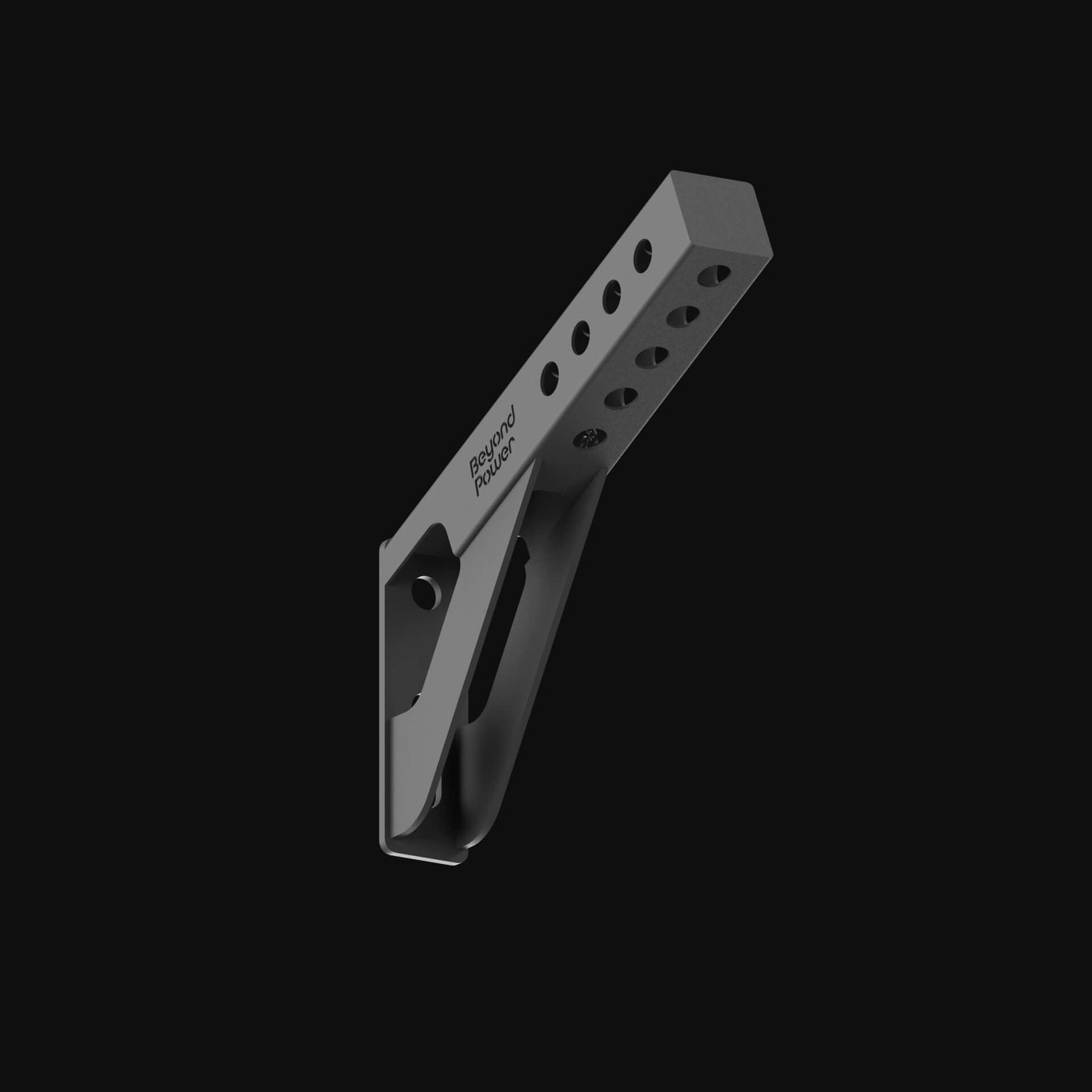
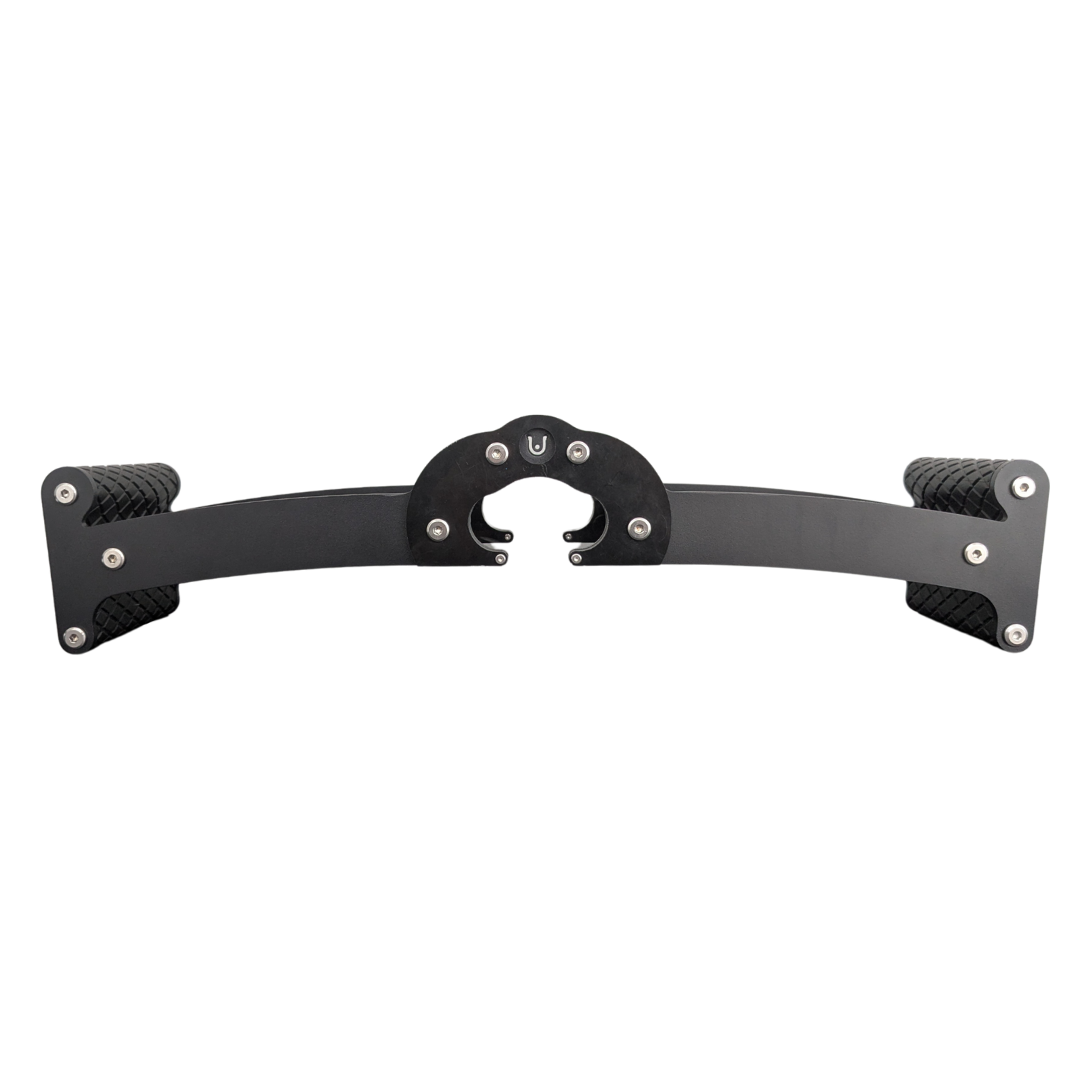
Back Bar
Multi-grip cable and landmine bar with a built-in deadlift jack.
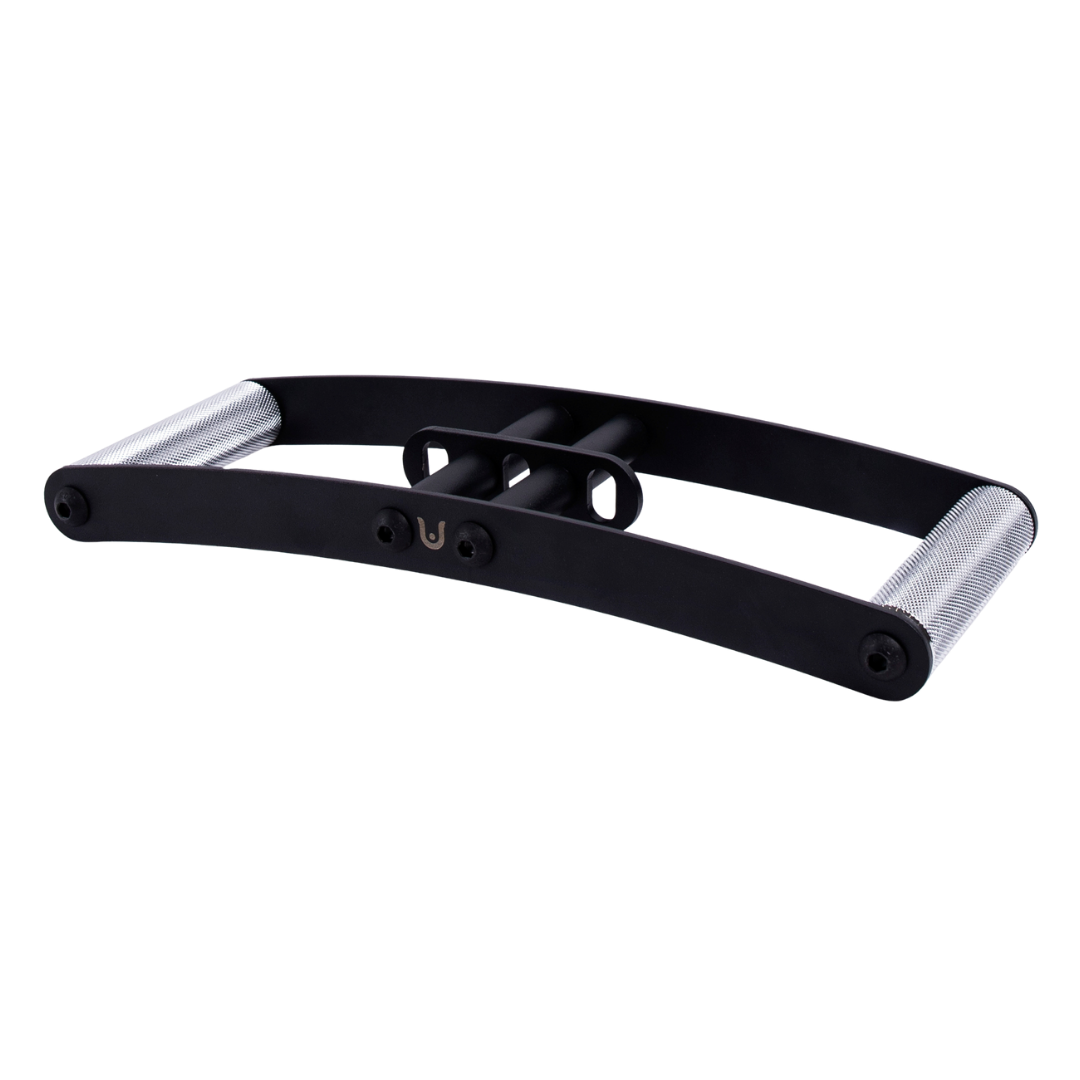
Horizon Grip
Ergonomic V-style cable grip for rows and back training.
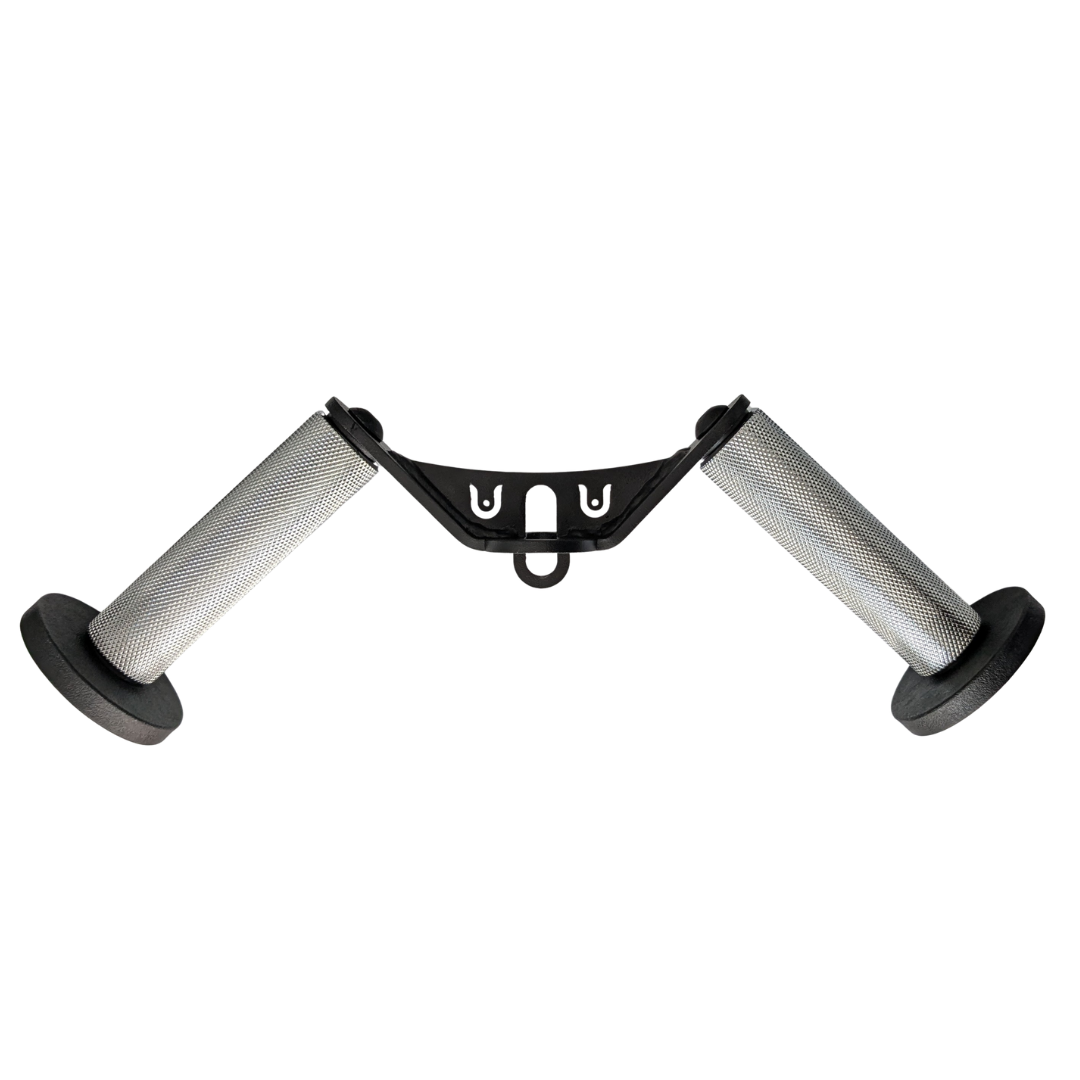
W Grip
Angled cable grip for comfortable rows, pushdowns, and curls.

Angles 90 Grips
Flexible grip attachments that allow natural wrist movement during pulling exercises.

Leather Wrist Grips
Padded leather lifting grips help support the hands and wrists on heavy pulling exercises.


FID Bench MAX
Adjustable bench offering flat, incline, and decline positions + adjustable headrest.
A six-week face-pull progression you can actually track
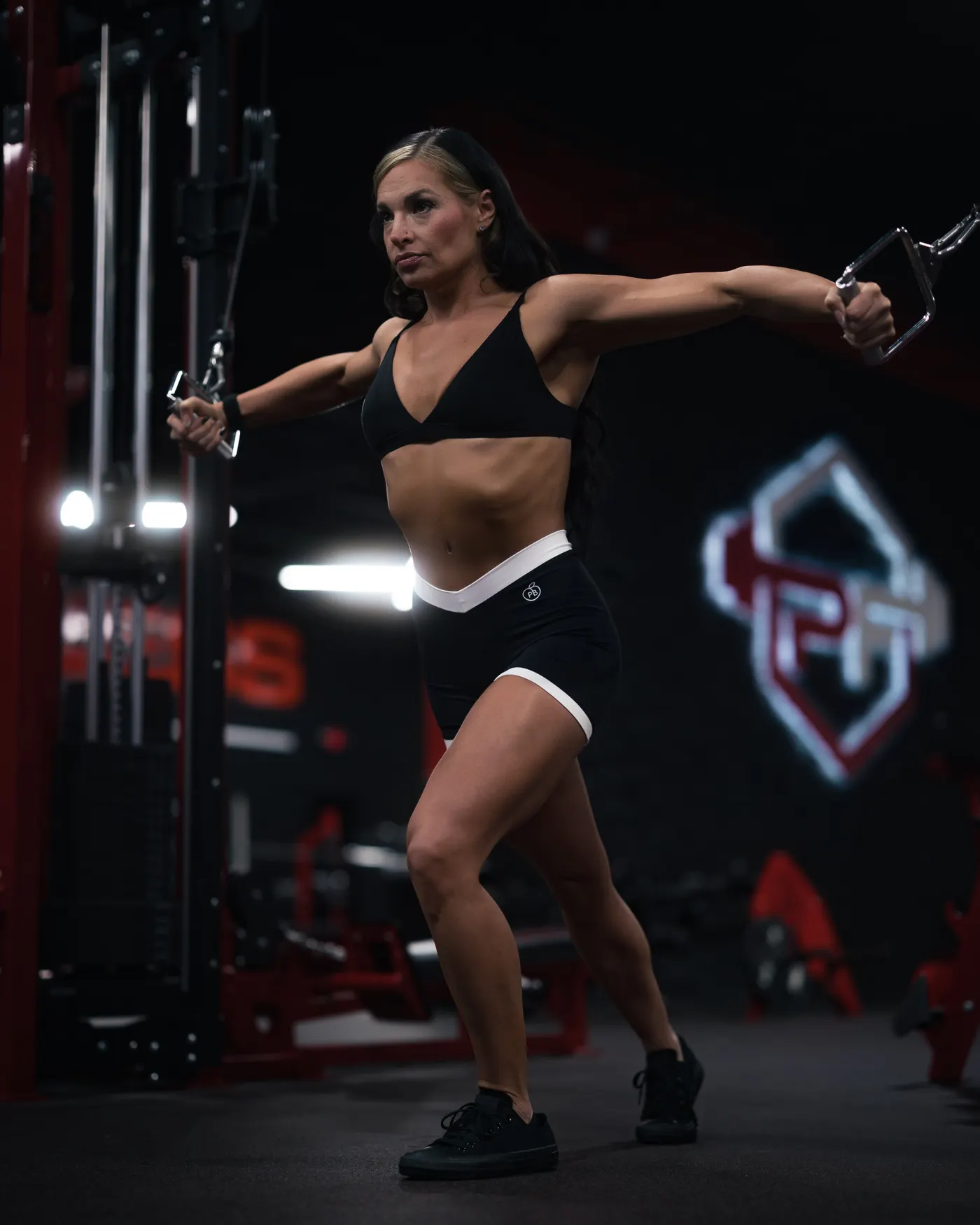
For weeks one and two, practice twice weekly after the main pressing or pulling work. Complete two sets of twelve to fifteen repetitions with a light cable or band, resting sixty to ninety seconds. Use the same stance, pulley height and grip each time. Pause for one second near the finish, then return for roughly two seconds. Your first target is twenty-four to thirty consistent repetitions per session, not the heaviest load.
During weeks three and four, increase to three sets per session if the shoulders feel good and the existing program leaves room for more pulling volume. Keep the repetitions in the twelve-to-fifteen range. Add one or two repetitions across sets before increasing resistance. If the rope stops separating or the torso begins to lean, the load increase was premature. You can also compare a single-arm version for one lighter set, but do not replace all your normal work with novelty.
For weeks five and six, keep three sets twice per week and use a modest resistance increase only when all sets reach fifteen clean repetitions. After increasing the weight, returning to twelve repetitions is fine. If your machine jumps in large increments, maintain the same load and improve the pause or eccentric control instead. You can add a third short session of one or two easy sets only if recovery and the rest of your training support it.
Record four things: pulley position, attachment, resistance and clean repetitions. Also note any shoulder discomfort and whether you needed to sway or shrug. Compare a video of week one with week six using the same camera angle. Better control and more clean reps are meaningful progress even when the cable-stack number barely changes. If discomfort increases, reduce volume or substitute another movement rather than forcing the schedule.
Funny Gym Shirts & Workout Gear
Funny gym shirts, tanks, hoodies and workout gear for lifters who like training hard.

Lat Spread Mickey Mouse Meme Sweater T-Shirt
Bring “Lat Spread” humor to your everyday gym style.

Lat Man Big Back – Decal With Huge Lats – Meme Back Sticker
Bring “Lat Man Big Back” attitude to your water bottle or laptop.

Big Back SpongeBob Bodybuilders Back Day Hooded Hoodie
Make your off-duty look more fun with “Big Back”.

Demon Back Big Back Decal Weight Plates & Water Sticker
Bring “Demon Back” attitude to your water bottle or laptop.


Nice Traps Big Back – Halloween Horror Jigsaw Meme Hood Hoodie
Keep it laid-back with a little “Nice Traps Big Back” attitude.

Dost Thou Even Pull Tee
Make gym days more fun with “Dost Thou Even Pull Medieval Knight Lat” style.

Shirt Pull Day – Back & Biceps Meme Top T-Shirt
Heavy lifts, good laughs, and a little “Pull Day Graphic” energy.

Wonder Snatch Weightlifting Tee
Bring “Wonder Snatch Wonder Woman Olympic” humor to your next gym day.

Pullups Heartbeat Sticker
Stick a little “Calisthenics Pullups Heartbeat” humor on your favorite gear.
What the evidence says about posture and shoulder health
It is tempting to describe face pulls as insurance against shoulder injury, especially for people who spend long hours at a desk or bench press frequently. The evidence supports a narrower conclusion. Shoulder-blade and rotator-cuff exercises can be useful components of broader strengthening or rehabilitation programs, but research rarely isolates one exact face-pull setup and follows healthy lifters long enough to prove that it prevents future injuries.
A review of scapular therapeutic exercise trials reported improvements in shoulder function compared with other interventions, particularly in longer programs, while effects on pain were less clear and study methods varied. Another study measured activation during selected shoulder exercises, showing that different movements recruit different muscles. Neither result means a specific face-pull grip can fix posture or guarantee painless overhead pressing. Pain has multiple causes, and a single accessory exercise cannot account for load management, technique, sleep and training history.
Can you perform face pulls every day? You probably do not need to. A few well-controlled sets twice weekly are easier to evaluate than adding daily volume to an already crowded routine. Are bands as good as cables? They can train a similar pattern, but the resistance curve differs, so use whichever permits stable repetitions. Should you feel the upper traps? Some contribution is normal; persistent neck tension and shrugging suggest the load or arm path needs adjustment.
The practical takeaway is uncomplicated: train the rear shoulders and upper back consistently, choose an angle that feels natural, progress gradually and measure technique rather than only load. Face pulls can be a useful part of that plan, but they are neither compulsory nor a substitute for a balanced strength program.