A “winter arc” sounds simple: train consistently through the colder months and arrive in spring stronger. But the season itself does not build muscle. Productive resistance training, enough food to recover and measured adjustments do. A successful gaining phase should improve your performance and physique rather than merely push up the scale. Here is a twelve-week framework for lifters who want real progress without treating winter as permission for an uncontrolled bulk.
1. Define the Goal Before You Add Calories

“Get huge” is not a useful goal. “Add two clean repetitions to my current press, improve my weekly pull-up total and gain bodyweight without a large waist increase” is something you can evaluate. Choose two or three performance markers and one body-composition marker rather than collecting dozens of numbers. The plan needs to tell you whether the next twelve weeks actually worked.
Record a baseline for seven to fourteen days. Note average morning bodyweight, a consistent waist measurement, working weights, repetitions and how many sessions you complete. If you are returning from inconsistent training, establish a realistic schedule before worrying about the perfect split. Three sessions you can repeat are more productive than six ambitious sessions you abandon after two weeks.
Not everyone needs a calorie surplus. A beginner or returning lifter may gain muscle while eating around maintenance and improving technique. A lean, experienced trainee focused on size may benefit from a small surplus. Someone carrying more body fat may prefer maintenance while building strength. The winter arc is a planning tool, not a requirement to bulk.
Set a review date now. Twelve weeks is long enough to see useful trends without committing to months of an ineffective routine. Progress photos can help when taken consistently, but training performance, bodyweight averages and waist changes often give more actionable feedback than daily mirror checks.
2. Build the Week Around Repeatable Hard Sets
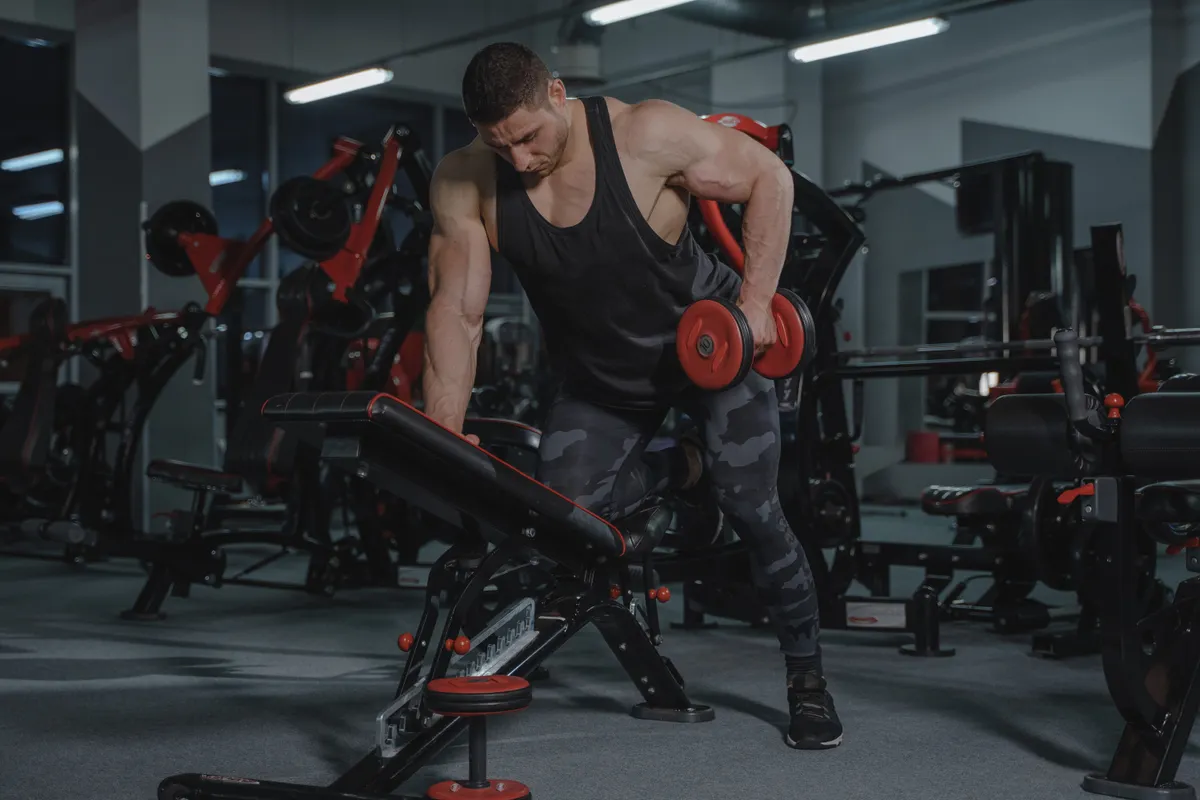
Muscle growth responds to sufficient challenging resistance work repeated over time, not constant exercise novelty. A meta-analysis of fifteen studies found a graded association between weekly set volume and hypertrophy, but it did not identify one perfect number of sets for everyone. Start with work you can recover from and add sets selectively rather than doubling volume because more sounds better.
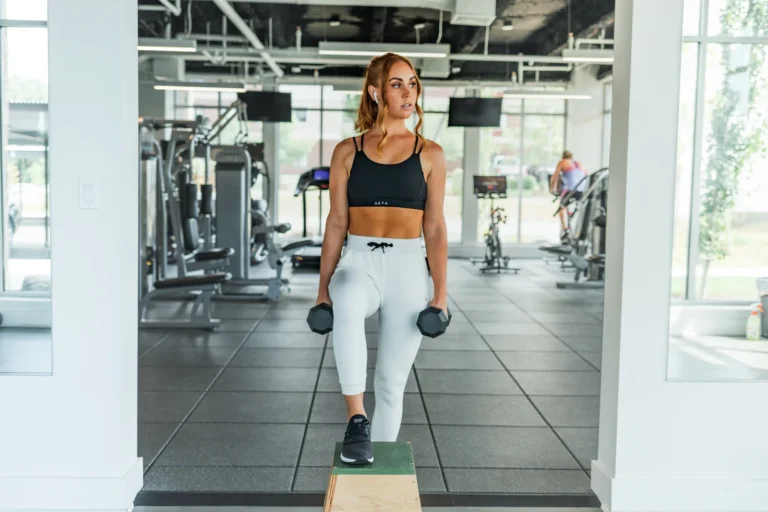
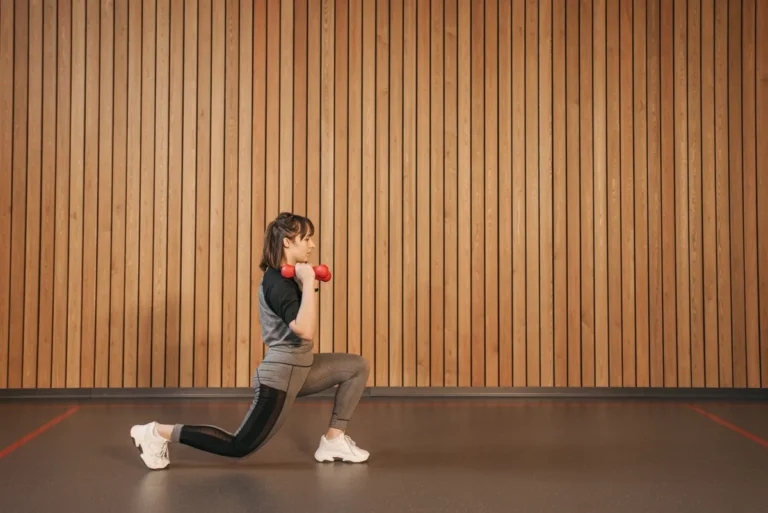
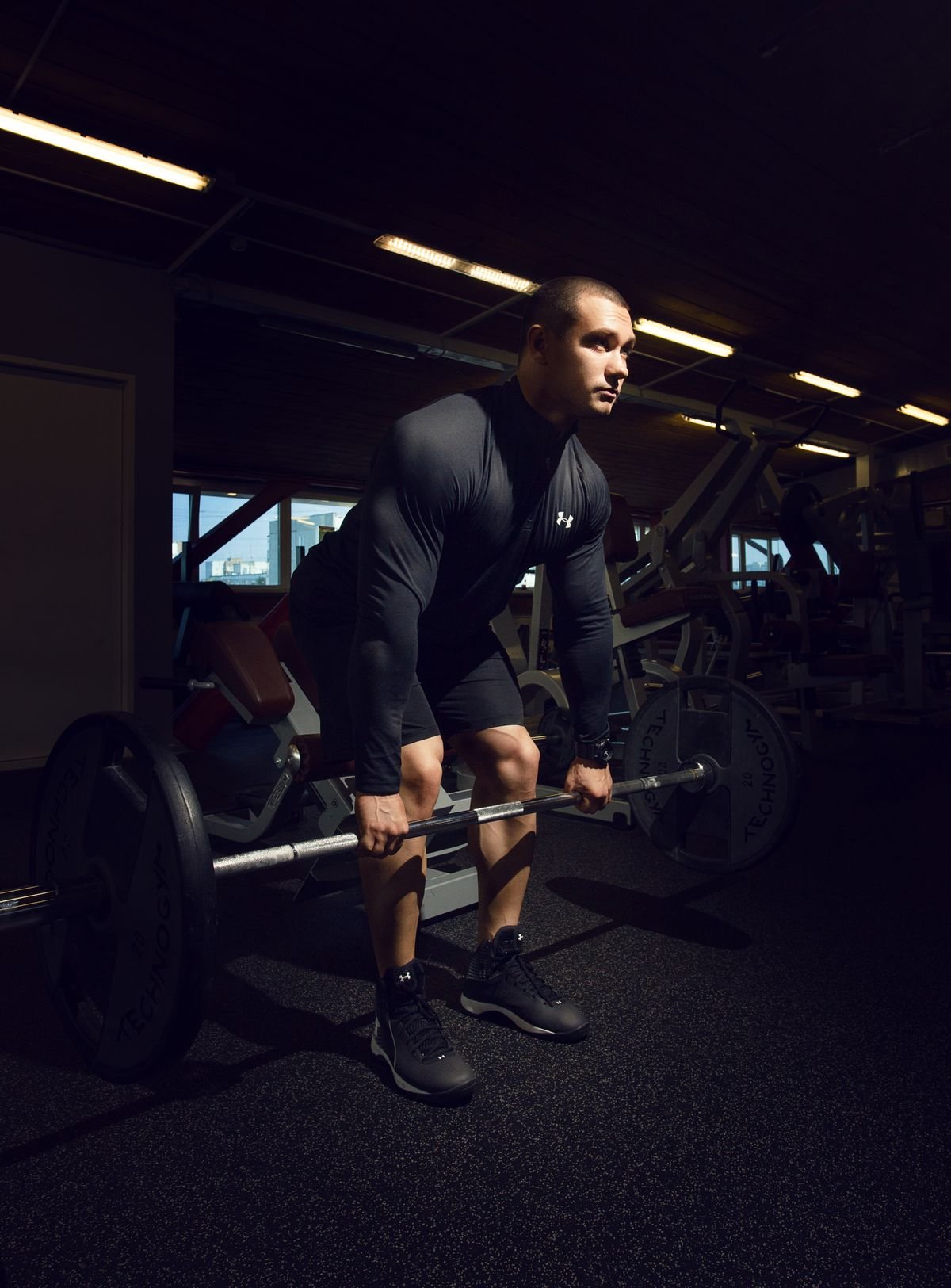
For a practical four-day upper/lower split, train upper body twice and lower body twice, with recovery between sessions for the same muscles. Each upper day can include a horizontal press, a row, a vertical pull, a shoulder movement and one or two arm accessories. Each lower day can include a squat pattern, a hinge, a unilateral movement and a hamstring or calf accessory. If four days are unrealistic, use three full-body days covering the same movement categories.
Start most exercises with two or three challenging working sets, generally stopping with one to three repetitions in reserve. You do not need to grind every set to failure. Control the lowering phase and use a useful range of motion. Keep the main exercises stable for at least six weeks so the logbook can show whether you are improving.
Heavy barbells are not mandatory for hypertrophy. A comparison of lighter and heavier resistance training found similar muscle-growth outcomes when training was sufficiently challenging, while heavier loads better supported maximal one-repetition strength. Dumbbells, cables, machines and bodyweight progressions can all work when the challenge can increase over time.
Leave room for walking, sport and normal life. A program that requires all your spare time is usually less productive than a slightly smaller one you can execute every week. Consistency is not glamorous, but it makes progression possible.

Equipment Worth Exploring
Explore equipment, accessories and gear from our carefully selected range.


FID Bench MAX
Adjustable bench offering flat, incline, and decline positions + adjustable headrest.


VOLTRA
Compact digital cable trainer with smooth, adjustable resistance.

Go-Tone Pro
Portable digital cable trainer with up to 66 lb (30 kg) of adjustable resistance.


3. Progress Deliberately Instead of Chasing Records Daily

Progressive overload means gradually asking the muscles to do more useful work as they adapt. It does not require increasing weight every session. Double progression is a simple method: choose a range such as eight to twelve repetitions, keep the load stable until all sets reach the top with good form, then increase the load slightly and rebuild the repetitions.
Imagine a three-set dumbbell row moving from 10, 9 and 8 repetitions to 12, 12 and 12 across several weeks. Only then do you move up to the next dumbbell. A cable stack with larger weight jumps may require more repetitions or an additional set before the next load is practical. These are legitimate progressions, but changing load, reps and sets simultaneously makes it harder to know what helped.
Record the exercise, load, repetitions and a short effort note. Include rest periods when they materially affect performance. Ten repetitions after three minutes of rest are not directly comparable to ten after forty seconds. Track technique too: a deeper controlled squat or a full-range pull-up can represent progress even when the external weight stays the same.
Performance fluctuates with sleep, stress, travel and illness. One poor session does not erase muscle. Judge trends across several exposures. If performance falls for two consecutive weeks while soreness and fatigue rise, reduce fatigue before adding sets. A short period with fewer working sets may help restore productive training.
Keep novelty in accessories rather than constantly rebuilding the main program. Changing a curl variation for comfort is reasonable; replacing every press, row and squat each week makes progress harder to measure. Your logbook is a feedback system, not a scoreboard demanding a personal record every day.

Bodybuilding Shirts & Workout Gear
Bodybuilding shirts, tanks and gym gear for lifters chasing muscle, size, symmetry and the pump.

Process Over Everything Stoic – Meme Shirt Sigma T-Shirt
Bring “Process Over Everything Stoic Bodybuilding” humor to your next gym day.

Growth Stoic Bodybuilder : Meme & Ancient Greek God T-Shirt
Rep “Growth Stoic Bodybuilder” humor in and out of the gym.

Progressive Overload Milo Tee
Bring “Progressive Overload Milo Bull” humor to your next gym day.

Bulking Season Pizza Chef Eat Big Lift Big T-Shirt
Bring “Bulking Season Pizza Chef” humor to your everyday gym style.


Lift Eat Sleep Repeat Hoodie
Make your off-duty look more fun with “Lift Eat Sleep Repeat”.

Off-Season Rest Day & Meme Fans Hooded Hoodie
Keep it laid-back with a little “Off-Season Rest Day” attitude.

Shirt – Gains Or Go Extinct T-Rex Dinosaur , Gymbro T-Shirt
Make gym days more fun with “Gains or Go Extinct T-Rex Dinosaur” style.

Lift Eat Repeat – Weightlifting & – Meme Bros & T-Shirt
Make gym days more fun with “Lift Eat Repeat” style.

Practice Stoicism Under The Barbell Meme – Sigma T-Shirt
Bring “Practice Stoicism Under the Barbell” humor to your next gym day.
4. Eat for Growth Without Turning Winter Into a Free-for-All
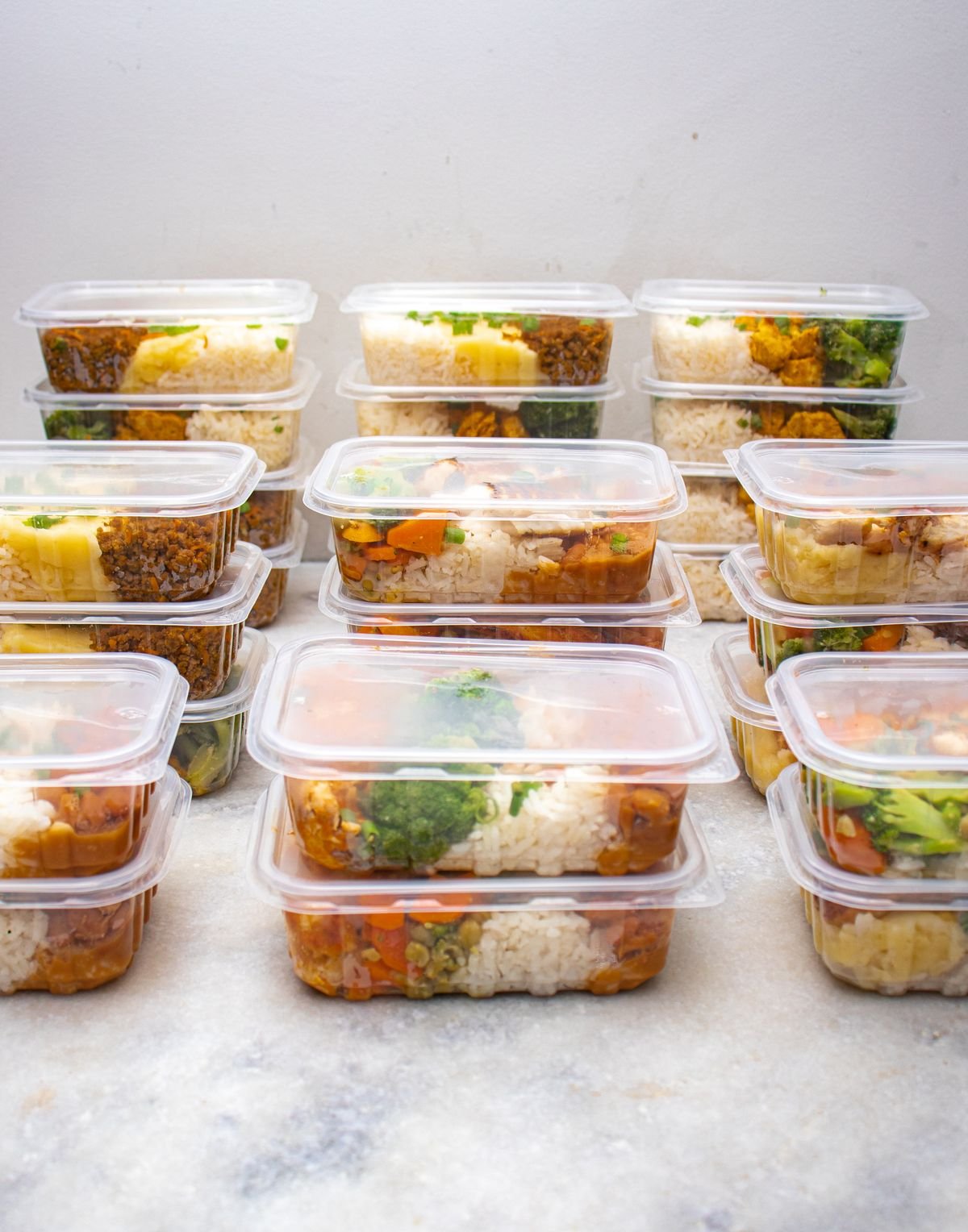
First learn roughly what maintains your weight. Weigh yourself under similar morning conditions several times each week and compare weekly averages. If the average remains stable for two weeks while food intake is fairly consistent, you have a useful maintenance estimate. From there, a modest surplus is easier to manage than a sudden large increase.
Off-season nutrition guidance suggests gaining roughly 0.25% to 0.5% of bodyweight per week for novice and intermediate bodybuilders, while advanced lifters may benefit from a slower pace. Those are broad guidelines, not a promise that all gained weight is muscle. For an 80 kg person, the suggested range is about 0.2 to 0.4 kg per week. An experienced lifter might choose the lower end or slower based on performance and waist trends.
Adding roughly 150 to 300 calories per day can be a reasonable starting experiment if a surplus suits your goal. Reassess after two or three weeks instead of making daily adjustments. Some people need more, others less. If weight rises quickly while gym performance barely changes, more food is not automatically better. If weight is stable but lifts improve, you may not need to change anything.
Protein matters, but you do not need a complicated supplement schedule. A large resistance-training meta-analysis found diminishing additional fat-free-mass benefits above total daily protein intake near 1.6 g/kg, with uncertainty around individual needs. A practical range of approximately 1.6 to 2.2 g/kg per day is reasonable for many lifters. Spread it across meals you enjoy, then leave enough calories for carbohydrates and fats.
Carbohydrates can fuel demanding sessions when training volume increases. Rice, oats, potatoes, fruit and bread are ordinary tools, not cheating. Include vegetables, fiber and varied protein foods. A winter bulk built entirely around takeaway meals may hit a calorie target while missing the nutrition quality and consistency that support recovery.
5. Treat Recovery as Training, Not a Reward

Muscle is not built by accumulating the greatest possible soreness. Training supplies a stimulus; recovery allows you to adapt and repeat it. Sleep, manageable stress and rest days belong in the plan rather than being optional rewards. A slightly shorter workout you can recover from often beats an exhausting session that disrupts the next three days.
Give yourself a realistic sleep window and keep waking times reasonably consistent. Seven to nine hours is a common adult target, though individual needs vary. If you are chronically short on sleep, address that before adding another high-volume day. Late caffeine can make a workout feel easier while quietly undermining the night before it.
On non-lifting days, walking, easy cycling or relaxed mobility work can be useful. You do not need to turn recovery into a second competition. Keep hard conditioning away from the most demanding lower-body sessions when possible, especially if your legs are adapting to new squat and hinge volume.
Learn to distinguish normal soreness from pain that changes movement. Mild familiar muscle soreness that improves during warm-up is not automatically a reason to skip training. Sharp pain, altered technique or symptoms worsening across sets call for modification or stopping the exercise, with professional guidance when problems persist.
Recovery also includes managing enthusiasm. A winter arc often begins with a burst of motivation, but the sustainable version is almost boring: repeat good sessions, eat adequately, sleep and adjust. Those ordinary decisions compound across months.
Equipment Worth Exploring
Explore equipment, accessories and gear from our carefully selected range.


Power Tower
Freestanding pull-up and dip station with adjustable handles for bodyweight training.


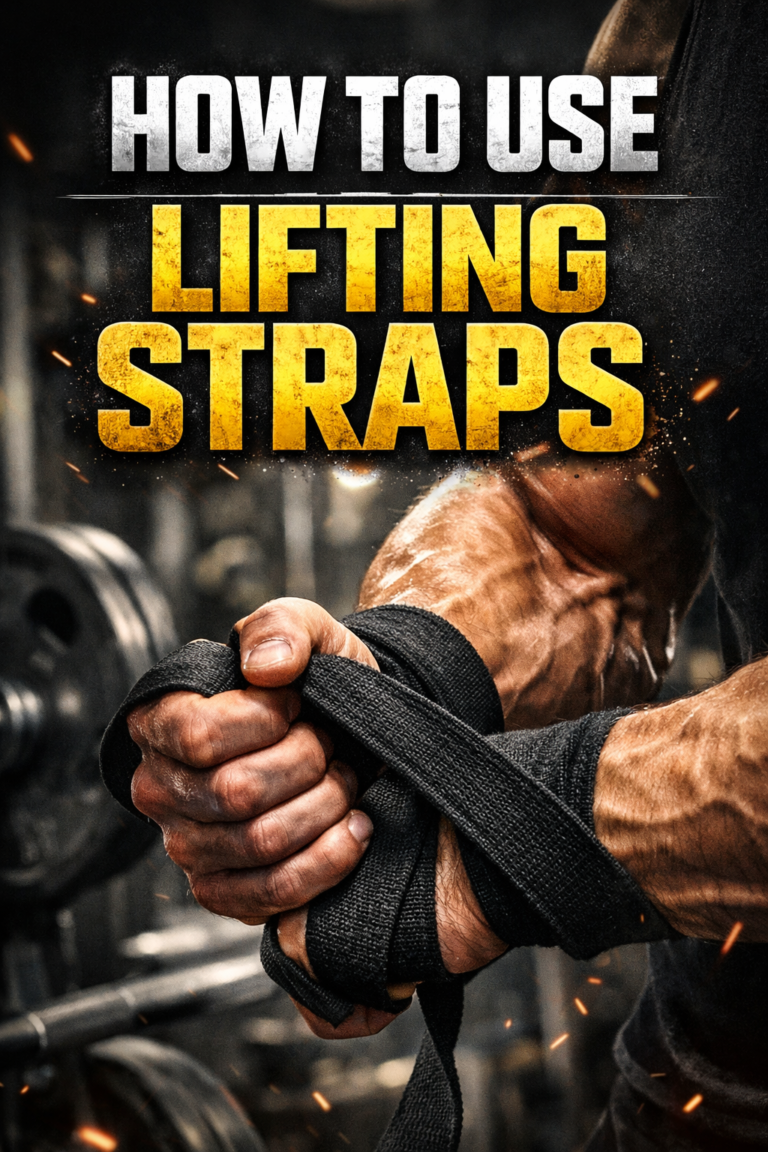
Leather Lifting Straps
Padded leather straps support grip during heavy rows, deadlifts and pulling exercises.

GymPin Squat Wedges
Non-slip 15-degree squat wedges help elevate the heels for deeper quad-focused squats.
6. Follow a Twelve-Week Block With Real Checkpoints
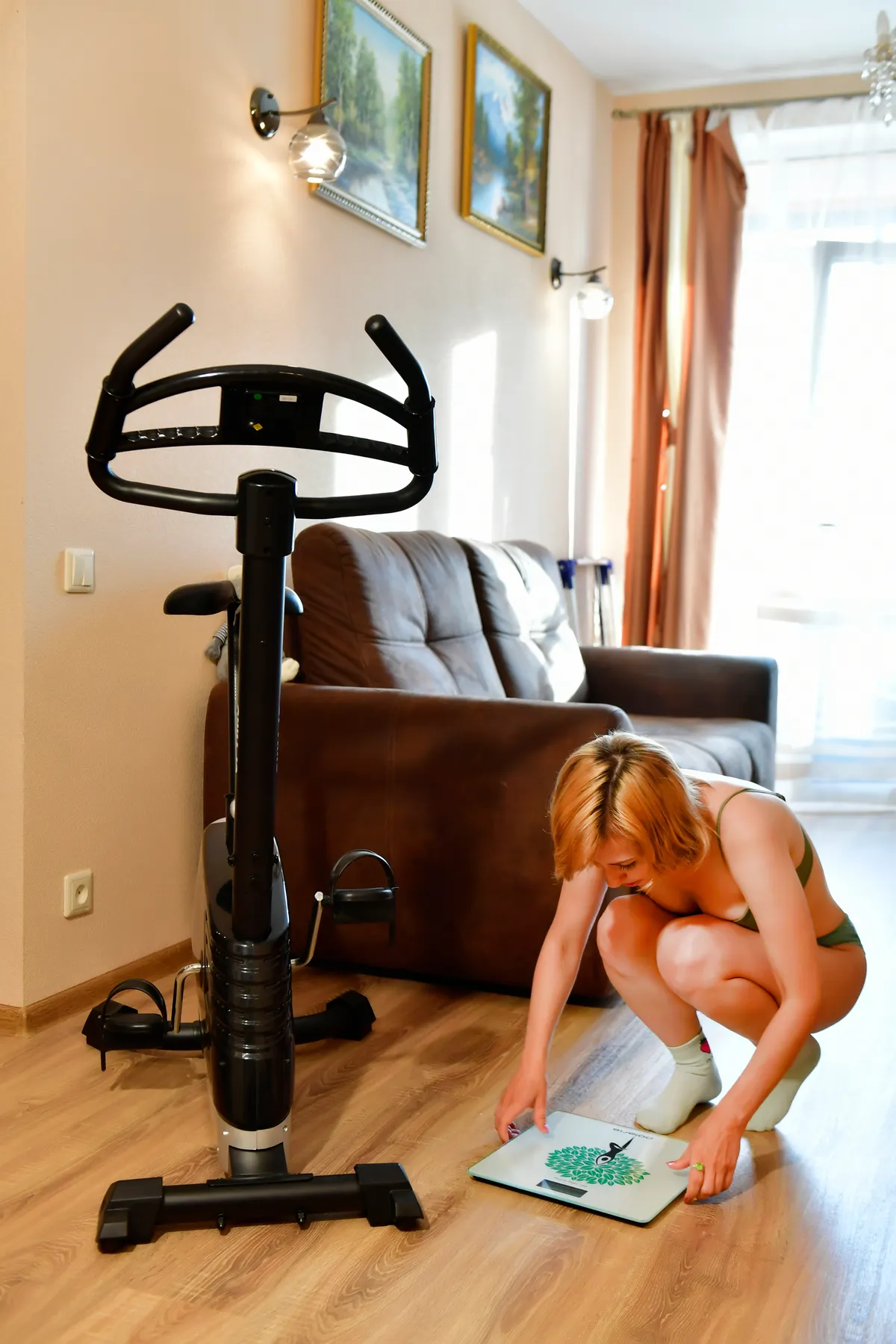
Weeks 1-2: establish the baseline. Choose three or four training days and keep main movements consistent. Use moderate loads, leave two or three repetitions in reserve and record working sets. Establish bodyweight averages and a repeatable meal structure. Do not rush into a large surplus while your schedule is unstable.
Weeks 3-5: build momentum. Progress repetitions before raising load. If performance is steady and recovery is good, add one working set to a lagging muscle group rather than every exercise. Use a modest surplus only if it matches your goal. Compare weekly weight averages rather than reacting to one salty meal or unusually light morning.
Week 6: review and manage fatigue. Compare benchmark sets with the first two weeks. If load, repetitions or technique improved, the program is doing useful work. If you feel run down, cut working sets by roughly one-third to one-half for several sessions while keeping familiar movements. A lighter week can help, but it is not a compulsory ritual.
Weeks 7-10: emphasize a weak link. Keep successful exercises and choose one or two priorities, such as upper-back size or squat strength. A lifter struggling with pull-ups might add a vertical-pull set twice weekly. Someone with irritated elbows might maintain leg work while switching to a more comfortable pressing grip. Adjust the limiting factor rather than rebuilding everything.
Weeks 11-12: consolidate and assess. Repeat benchmark sets under similar conditions. Review bodyweight trend, waist, training adherence and optional photos. If strength improved while weight rose slowly and waist stayed acceptable, the phase likely served its purpose. If weight climbed rapidly without matching performance, trim the surplus. If training improved at maintenance, you may have found a productive approach without a traditional bulk.
After twelve weeks, decide whether to keep gaining, maintain or shift goals. Spring is a checkpoint, not an automatic deadline for a crash diet. The best outcome is a repeatable system that works after seasonal motivation fades.
Funny Gym Shirts & Workout Gear
Funny gym shirts, tanks, hoodies and workout gear for lifters who like training hard.

Protein Monster Cookie Monster Meme T-Shirt
Keep things casual with a little “Protein Monster” attitude.

Powered By Rice Chicken Broccoli Bro Diet Vest Tank Top
Add some meal-prep attitude to training with “Powered By Rice Chicken Broccoli”.

I Workout for Cookies Tee
Heavy lifts, good laughs, and a little “I Workout So I Can Eat Cookies” energy.

Shirt – Brotein Shake – Meme & Gains – & Gymbros Top T-Shirt
Heavy lifts, good laughs, and a little “Brotein Shake” energy.

Shirt – Wheysted – Meme , & Gains – Humor Top T-Shirt
Rep “Wheysted” humor in and out of the gym.

Wheyhalla Viking Shirt Meme & Protein Lovers T-Shirt
Show some Viking attitude with a playful “Wheyhalla Viking” tee.

I'M Just Here Because I Like To Eat & Food Motivated Hoodie
Show off your bulking humor in a laid-back “I'm Just Here Because I Like To Eat” hoodie.

Meme – '? I Thought You Said Extra Fries' , & T-Shirt
Rep “'Exercise? I Thought You Said Extra Fries'” humor in and out of the gym.

Protein Gym Cosmic Graphic , Bodybuilding Workout T-Shirt
Make gym days more fun with “Protein” style.

Patriotic – I Want You To Eat Your Damn Protein T-Shirt
Bring “Patriotic” humor to your next gym day.
7. Avoid the Mistakes That Turn Muscle Gain Into Weight Gain
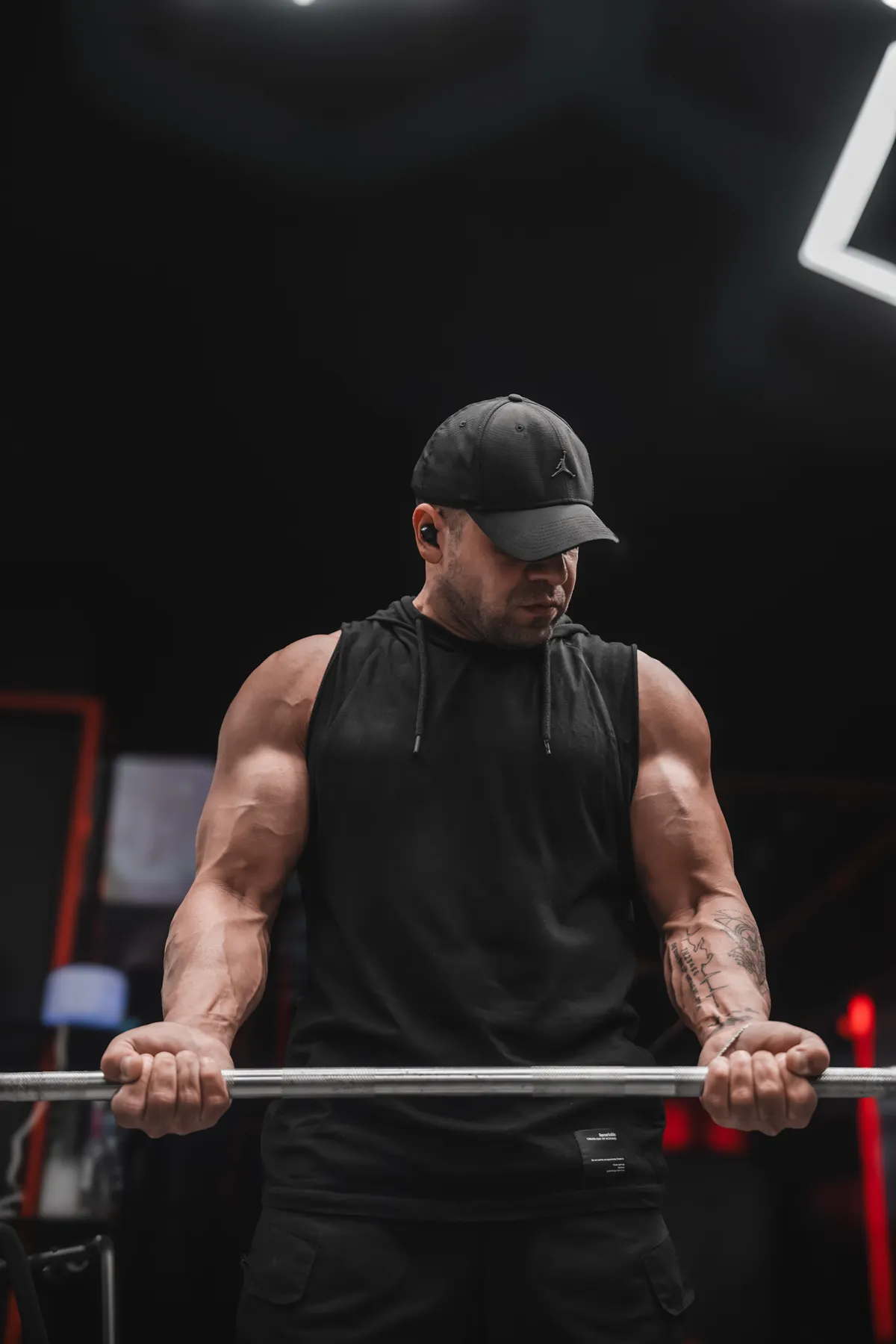
The first mistake is treating scale weight as muscle. Food volume, glycogen, water and body fat can change quickly, while meaningful muscle gain is usually slower. Use rolling bodyweight averages alongside gym performance and a consistent waist measurement. One week of rapid gain does not prove a breakthrough, and one flat week does not prove failure.
The second mistake is changing programs before they have time to work. A new exercise can create soreness and excitement, but those feelings do not replace progression. Keep core movements long enough to see whether they help. If an exercise hurts or does not fit your equipment, change it deliberately and track the replacement.
The third mistake is copying someone else’s recovery capacity. A highly trained athlete may tolerate volume that overwhelms a busy beginner. Workload should be based on session quality and your ability to recover, not the number of sets in a viral routine. More is useful only while it remains productive.
The fourth mistake is letting food become a performance costume. A burger or dessert can fit a gaining phase, but a surplus should be purposeful rather than an excuse to stop paying attention. Consistent protein, enough carbohydrate for training and measured weight trends matter more than extreme eating challenges.
Finally, do not wait for January to begin. A few reliable weeks in autumn are enough to establish training habits, a baseline and an evidence-informed direction. The real winter arc is a series of small repeatable decisions: lift with intent, eat for the goal, recover well and check the data before changing course. Finishing winter stronger and more consistent is worthwhile even without a dramatic transformation photo.