Advertising disclosure: This page includes affiliate product links that may earn us a commission, as well as products from our own store.
Twenty-three consecutive nose-to-ground handstand push-ups. That was the female-category record credited to Austrian acrobat Stefanie Millinger in a profile published on October 20, 2026. The number is striking, but it also describes a very particular skill: repeatedly controlling a deep inverted press without ending the set.
For lifters accustomed to bench presses and shoulder machines, the real story is not that everyone should attempt her feat. It is how pressing strength, spatial control, wrist tolerance and a carefully defined repetition standard combine. Here is what the achievement means, what it does not prove and how an ordinary trainee could build toward safer inverted pressing.
What Millinger’s 23-rep record actually establishes
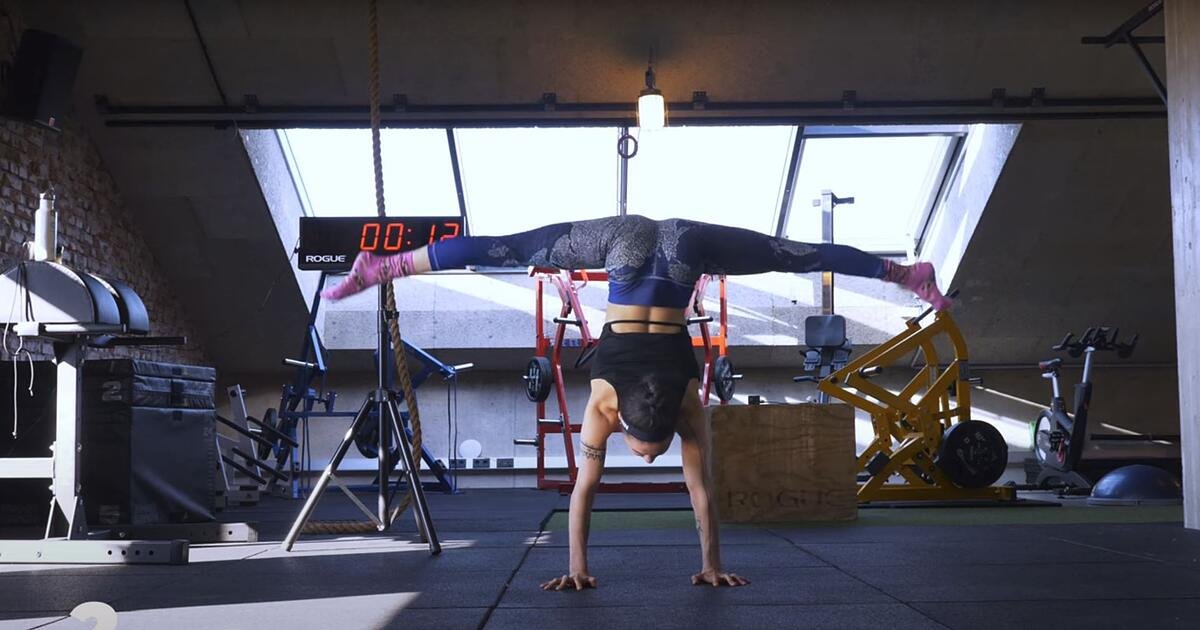
The 2026 recognition concerns consecutive nose-to-ground handstand push-ups in the female category. There is no time limit implied by the phrase consecutive, and the result should not be confused with the separate record for the most repetitions completed within one minute. These categories reward related but different qualities: the first requires an unbroken sequence, while the second additionally rewards speed.
Millinger already had a one-minute title: 12 nose-to-ground repetitions in Salzburg on July 13, 2025. That older performance was discussed again in August 2026, but the attempt and publication dates are not the same. Likewise, October 20, 2026 is the date of the later profile, not a verified date for her 23-repetition attempt. The distinction matters when feats circulate as supposedly brand-new training news.
Her record also does not mean she was simply performing a normal push-up upside down. Her shoulders and elbows have to move the body in a much narrower support position than a standard floor push-up. Meanwhile, balance changes whenever her head, hands or hips shift. The set requires repeating the same demanding movement, rather than surviving one dramatic-looking hold.
Why the nose-to-ground range makes the lift harder
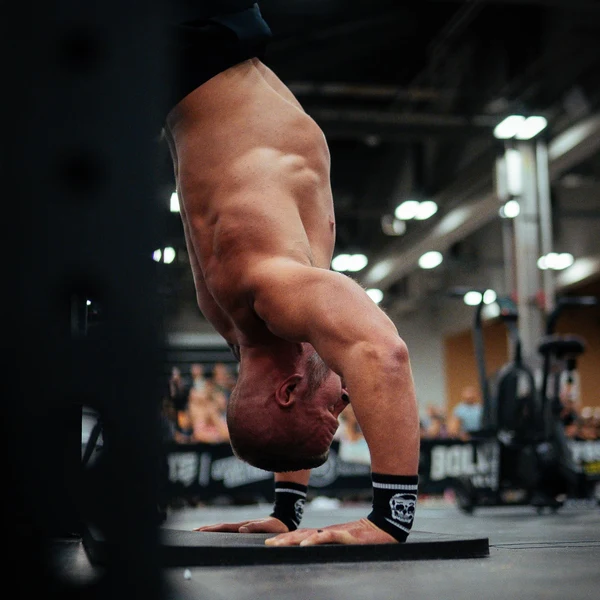
Think about the travel of your shoulders. In a wall-supported handstand push-up on raised pads, a shortened range can make the repetition less demanding. When the head must descend close to the floor and the body then returns to a controlled, supported finish, the exercise asks for much more usable pressing strength over a longer movement. Depth changes the task, not just its appearance.
Position matters as much as depth. Hands placed too narrowly may feel awkward at the wrist or elbow; hands positioned excessively wide can create a different pressing pattern. A tucked or flared elbow position changes leverage. Small variations are normal between athletes, but comparisons of repetition counts only mean something when the movement standard is reasonably consistent.
Not every handstand push-up video demonstrates the same standard. Some CrossFit workouts allow a wall, a defined head target or assistance from the legs. Other demonstrations show free balance and strict pressing. The exact 2026 record label is nose-to-ground, yet it should not be used to invent judging details that have not been publicly verified for this particular attempt.
At the gym, use an objective rule instead of chasing a heroic-looking clip: choose a safe range you can repeat without dropping onto your head, record the assistance and mat setup, and film from the side if useful. A shallow set with three consistent, controlled repetitions gives more training information than an uncontrolled attempt at one exceptionally deep rep.

Equipment Worth Exploring
Explore equipment, accessories and gear from our carefully selected range.


Power Tower
Freestanding pull-up and dip station with adjustable handles for bodyweight training.


Leather Wrist Grips
Padded leather lifting grips help support the hands and wrists on heavy pulling exercises.


Foldable Wall Rack
Wall-mounted folding squat rack designed to save floor space between workouts.
Balance, wrists and shoulders form one system
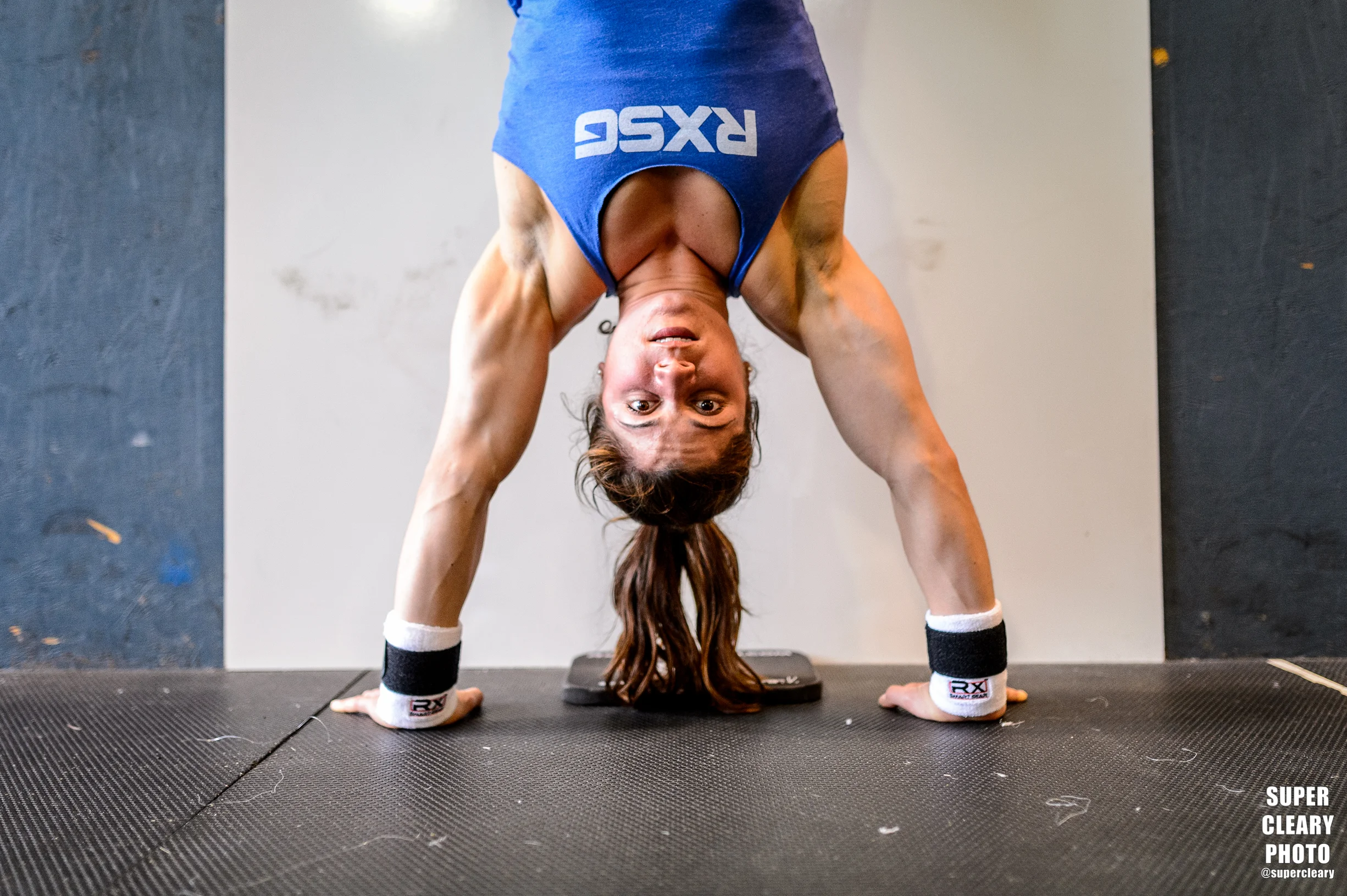
A handstand is not a rigid statue. A review drawing on 21 biomechanical studies found that experienced performers often use adjustments through the wrists to control balance; when that strategy is not enough, other joints contribute. This describes the behavior of trained gymnasts in researched handstands. It does not prove a specific number of handstand push-ups or predict a beginner’s injury risk.
The palms also carry load unevenly. In a small investigation involving 15 former collegiate athletes, researchers measured differences between the dominant and nondominant hands during a sustained handstand. The result helps explain why inverted work is not only about the deltoids and triceps. Hand placement, pressure distribution and the ability to make tiny corrections all influence the experience.
That is one reason longer holds are not a shortcut to limitless pressing. Fatigue can change the precision of small balance corrections before the shoulders feel fully exhausted. Practice on an open floor also has a genuine fall risk. Beginners are better served by stable wall-supported positions, space to exit safely and short exposures that preserve quality.
If wrist extension feels sharply painful, do not force longer holds in pursuit of an impressive number. Stop, reduce loading, reassess your setup and seek qualified advice if symptoms persist. Parallettes may alter wrist position, but they also change the skill and available range. They are a possible tool, not an automatic solution or a substitute for learning a safe exit.
Her wider record book is not a beginner plan
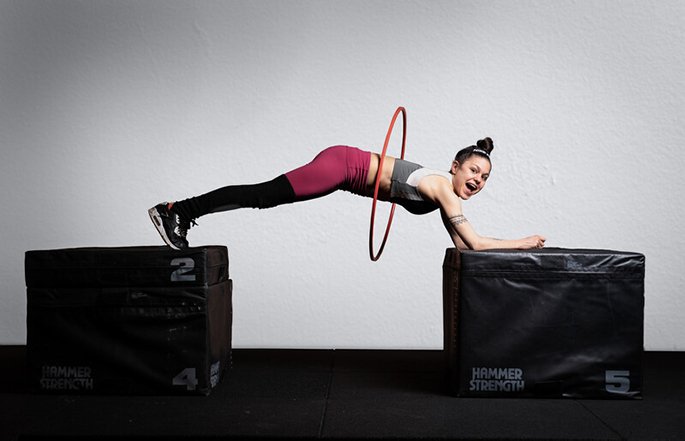
Millinger is not a newcomer who discovered a viral challenge last month. Her record history includes extended L-sit work, hand balancing and repeated straddle presses to handstands. One documented mark was 406 consecutive L-sit straddle presses to handstand; a separate 2026 record listed 20 such presses in a minute. The disciplines overlap in upper-body loading and control while demanding different timing and movement strategies.
Her earlier profile also described a long background in acrobatics and a previous wrist injury. That combination should discourage simple before-and-after myths. A person who has spent years developing coordination, shoulder capacity and tolerance for unusual positions is not following the same progression as a desk worker who has only recently started lifting.
The result cannot establish that she uses a particular number of sets, a certain exercise split or a secret recovery routine. Her public statements show a sustained commitment to training, but they do not document a repeatable six-week program that an unrelated trainee can copy. Any plan below is an editorial adaptation, not a claim about Millinger’s personal preparation.

Calisthenics Shirts & Street Workout Gear
Calisthenics and bodyweight-training gear for pull-ups, dips, handstands and street-workout athletes.

Handstand Walk Tee
Bring “: The Handstand Walk Beatles Graphic” humor to your next gym day.

Calisthenics Heartbeat Tank
Add some lifting attitude to training with “Calisthenics Heartbeat”.

Turn Off Gravity Funny Calisthenics Gym Crewneck Pullov T-Shirt
Show some gym-day personality with “Turn Off Gravity Funny Calisthenics”.

Calisthenics Evolution
Show some lifting attitude with a playful “Calisthenics Evolution” tee.


Be Stronger Than Your Excuses Motivational Workout Pull Hoodie
Make your off-duty look more fun with “Be Stronger Than Your Excuses”.

Calisthenics Hanging Out Decal for Water Bottles Laptop Sticker
A fun “Calisthenics Hanging Out” touch for bottles, laptops, and lockers.

Calisthenics Muscle Shirt Athletic Vest for Bodyweight Tank Top
Your gym-day look, with a playful “Calisthenics” twist.
Build stable positions before chasing deep repetitions
A sensible entry point begins with ordinary push-ups, pike pressing and shoulder strength through a pain-free range. Those exercises are not identical to an inverted press, but they give you a way to strengthen pushing muscles while keeping balance demands manageable. If you cannot control a pike push-up or maintain a firm trunk, deep free-standing repetitions are not a sensible first milestone.
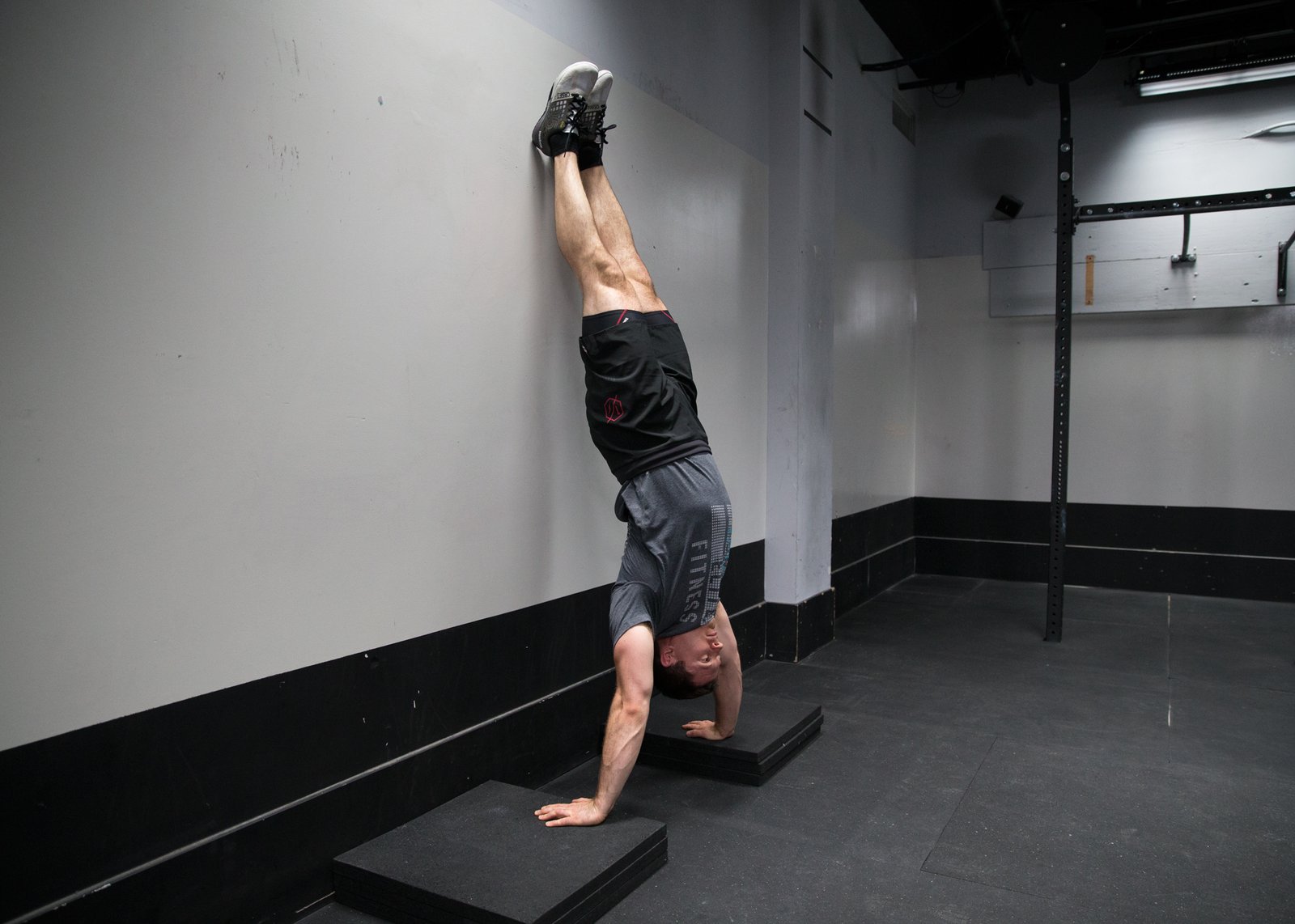
Next, practice short wall-supported handstands with deliberate breathing and a reliable exit. Work in small sets rather than one long, shaky hold. Introduce partial-range inverted pressing only after you can repeatedly establish your position without collapsing. Use a stable head target and a spotter or qualified coach when appropriate; never let the neck become the primary landing surface.
Progression is not just adding repetitions. You can earn a little more range, improve the pause at the bottom, reduce assistance or perform the same workload with cleaner alignment. Change one main difficulty at a time. When a modification changes the equipment or range substantially, label the new version separately in your training log.
Warm-ups should match the task: gentle wrist preparation, shoulder elevation and rotation, some unloaded pressing and a few easy practice positions. The goal is readiness, not fatigue. On a day when balance is unusually unreliable or the wrists protest, replace inverted work with supported pressing and return later. Quality over spectacle is how the skill remains trainable.
A six-week framework, not Millinger’s workout
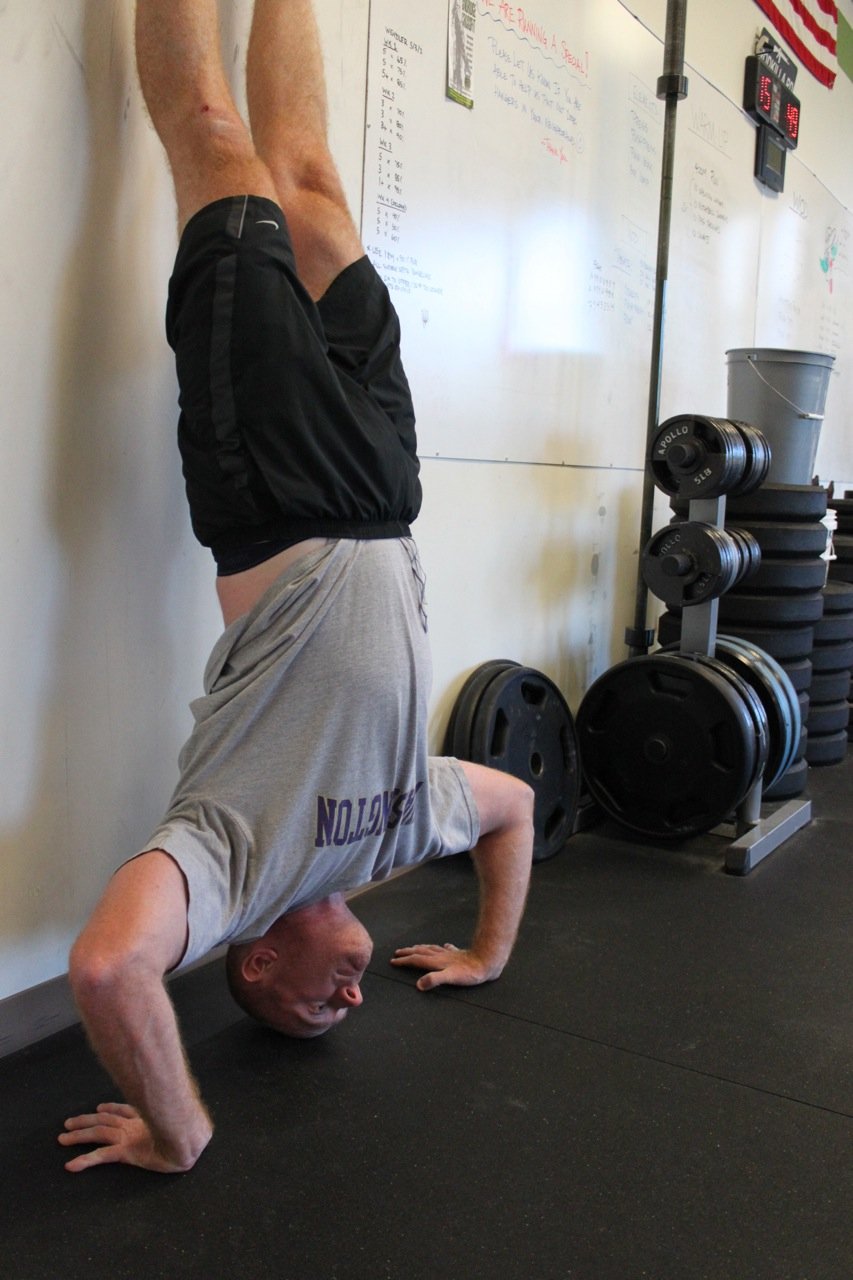
For weeks one and two, use two sessions per week with at least a day between them. Start with three sets of six to ten controlled pike push-ups, three short supported handstand holds of roughly ten to twenty seconds, and two sets of a comfortable horizontal press. These are illustrative starting ranges, not an evidence-backed guarantee of progress. Scale down whenever alignment deteriorates.
In weeks three and four, keep the two-session rhythm. Once stable, try three to five small sets of one to three shallow wall-supported handstand push-up repetitions with a trustworthy head target. Continue pike pressing and use brief holds for balance practice. Finish with an easy upper-back pulling exercise to maintain general shoulder training balance, not because a specific pull-to-push ratio has been proven for this feat.
In weeks five and six, expand the range only when each earlier repetition is controlled and the wrists, elbows and shoulders recover normally. Some lifters may advance to deeper assisted repetitions; many will not, and that is completely reasonable. Record the distance to the target, whether a wall is used, the hand spacing and how many clean reps you can perform.
Treat a successful week as one in which technique remains consistent and you recover for the next session. If your true goal is a competition-standard nose-to-ground free handstand push-up, skilled coaching and a much longer progression may be needed. Millinger’s 23-rep record is a useful reminder of what years of specialization can produce, not a six-week promise or a challenge to gamble with your neck.
Equipment Worth Exploring
Explore equipment, accessories and gear from our carefully selected range.
VOLTRA
Compact digital cable trainer with smooth, adjustable resistance.

Go-Tone Pro
Portable digital cable trainer with up to 66 lb (30 kg) of adjustable resistance.


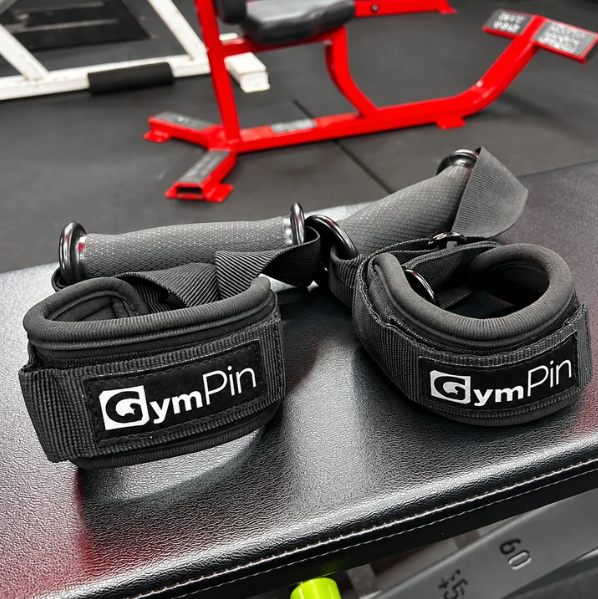
GymPin D Cuffs
Adjustable wrist cuffs with textured grips for supported cable-machine exercises.
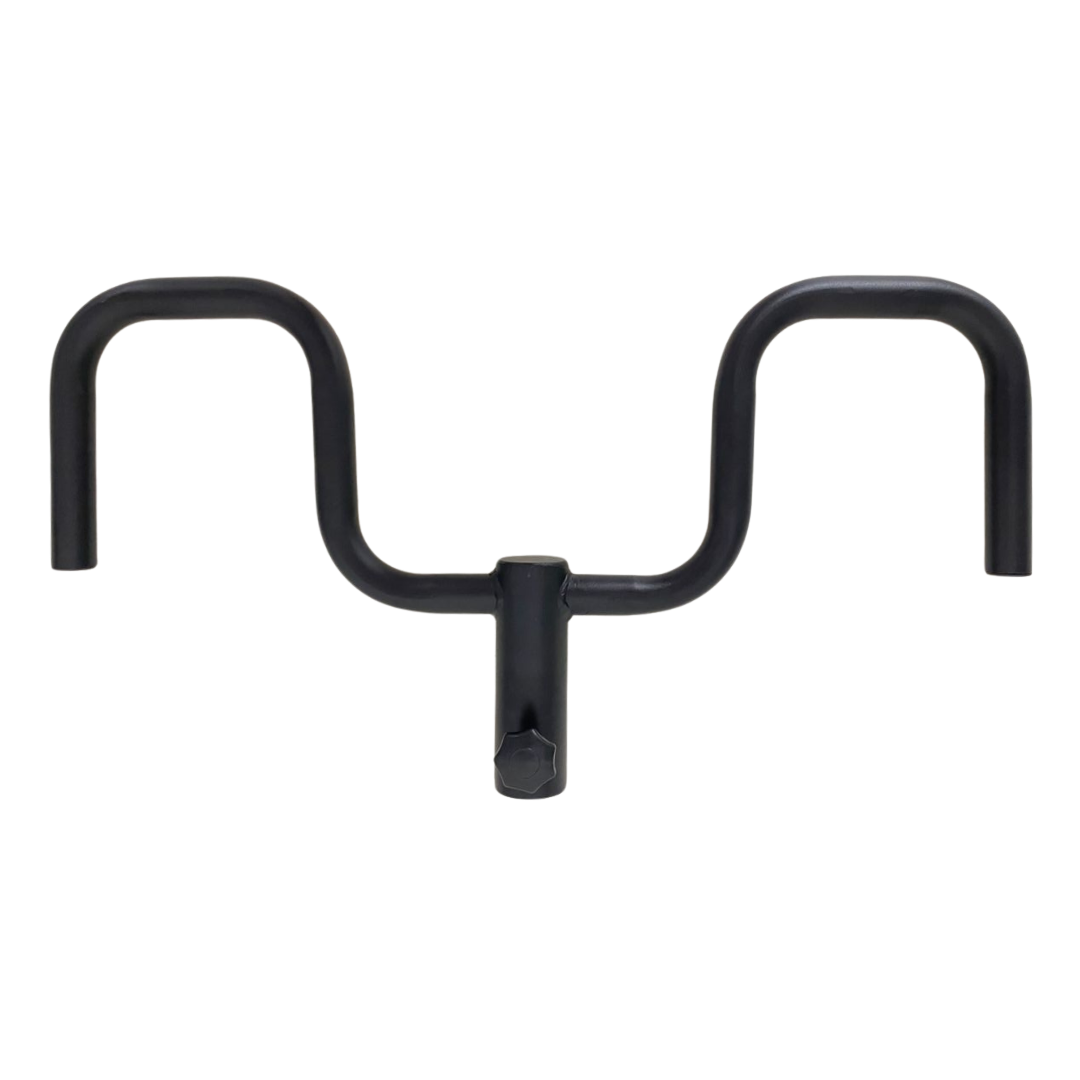

VForce Wall Trainer
Space-saving wall-mounted functional trainer with pivoting cable arms and variable resistance ratios.


GymPin Ergo Handles
Pair of ergonomic cable handles shaped for comfortable triceps and pulling exercises.

Rubber Hex Dumbbells
Rubber-coated hex dumbbell pairs with a stable shape for home and commercial strength training.