Advertising disclosure: This page includes affiliate product links that may earn us a commission, as well as products from our own store.
The first few strokes of a 2,000m indoor rowing race can feel better than the next thousand metres deserve. The flywheel spins up, the room gets loud and a pace that looked ambitious in training suddenly appears on the screen. The useful question is whether you can keep producing it after that excitement disappears.
Your first race needs a plan for that transition. It also needs a familiar setup, a manageable preparation week and a way to learn from the result. This guide is for regular indoor rowers approaching a first hard 2k or organised race. It is not a promise that a short checklist can replace the training needed to row the distance comfortably.
Choose a pace from practice, not somebody else’s finish time
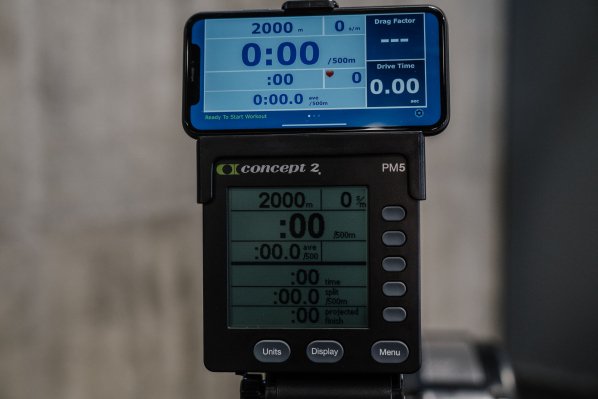
Start with recent rowing that you can describe accurately. A completed continuous piece tells a different story from repeated short efforts with generous rest. Both can inform preparation, but the rests matter. Four quick intervals do not establish that you can sustain their average pace without stopping.
For a simple arithmetic example, an average of 2:15 per 500m produces a nine-minute 2k. An average of 2:10 produces 8:40. Those are illustrations, not recommended standards for men, beginners or a particular bodyweight. A twenty-second improvement across the whole distance still requires sustaining the faster pace; changing the target on paper does none of that work.
Keep an evidence column beside your target. Write which session supports it, when you completed that session and what recovery you had between efforts. If the only evidence is a fresh 500m sprint, label the 2k goal uncertain. A coach can help interpret your training without turning a short piece into a guaranteed prediction.
Indoor rowing specialist Graham Benton has described four 750m repetitions with three-minute rests as one session he uses to gauge 2k pace. That is an experienced athlete’s example, not a compulsory test for every newcomer. His emphasis on consistent pieces is more useful than blindly copying his training volume or drag setting.
Pick a target that lets you rehearse control. You can revise it when training provides a reason. The point of a first race is to produce a completed result you understand, rather than defend an impressive forecast that never matched your preparation.
Rehearse the warm-up and stop adding last-minute tests
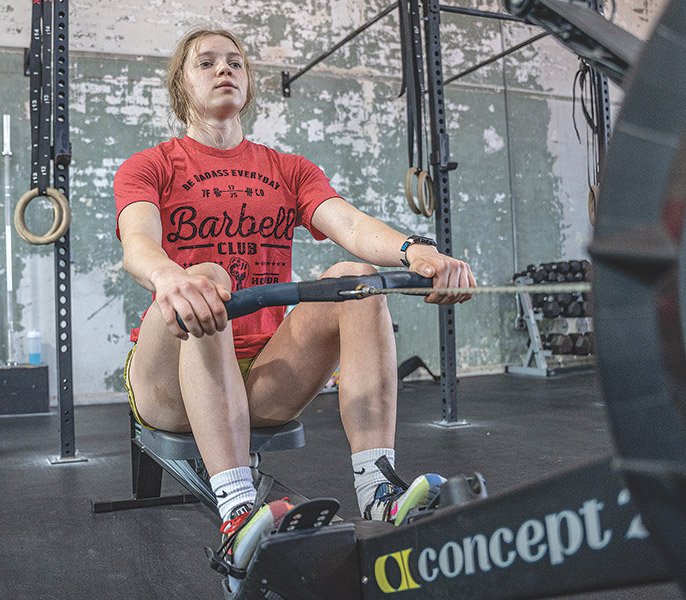
Race preparation should include the sequence before the start. Know how long your warm-up takes, how you adjust the foot straps and which information you want on the monitor. A rehearsal can reveal annoyances that are easy to fix on an ordinary training day and surprisingly distracting when your race is being called.
Concept2’s first-race guidance recommends arriving at least an hour early, allowing around 10–15 minutes for a familiar warm-up and checking the race machine’s setup. It also recommends doing the last really hard workout roughly a week beforehand. These are general preparation suggestions; your established training and the event timetable still matter.
Do not use the final days to audition several ambitious new workouts. Imagine arriving after an unplanned heavy leg session because you wanted proof that your strength was improving. Whatever the eventual race result, that extra fatigue makes the comparison harder to interpret. Keeping familiar training under control gives the test a clearer purpose.
Write a short pre-start checklist: arrival, registration, warm-up location, race call, straps, screen and a final reminder of the target pace. Pack what you normally use and check any event-specific requirements in advance. If you enter a weight category, use the organiser’s actual weigh-in instructions rather than assumptions borrowed from another competition.
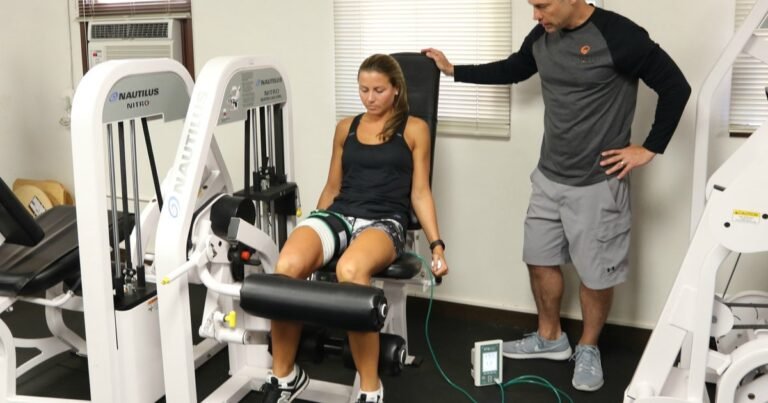
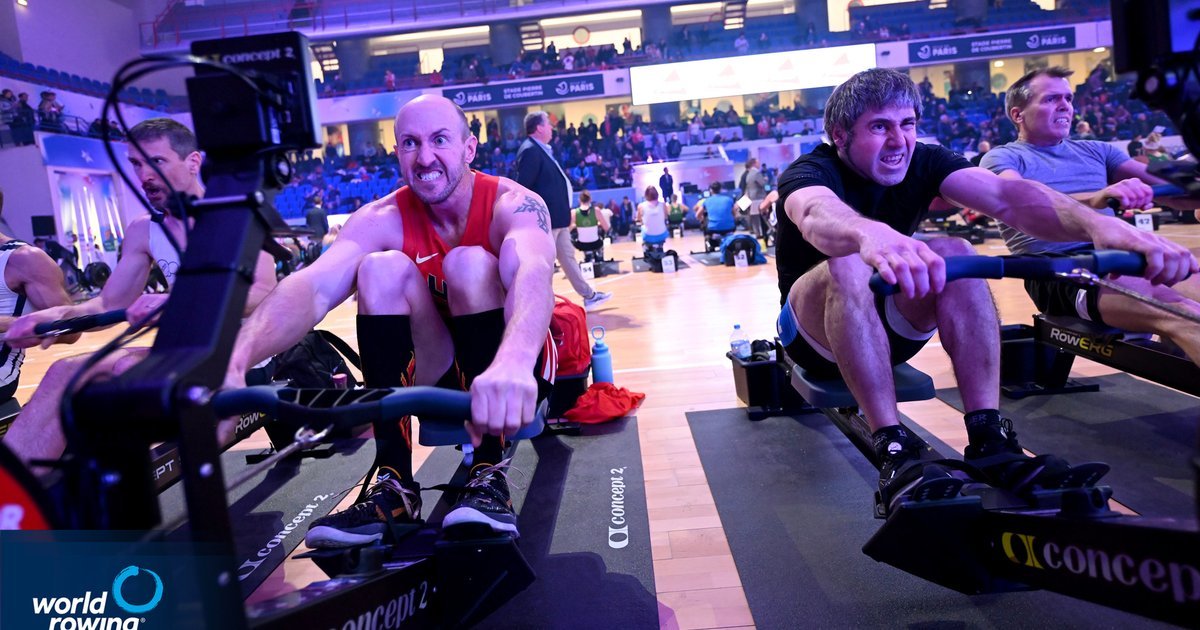
The photograph illustrates an ordinary rowing warm-up setting. It does not show a prescribed intensity or establish that the pictured athlete followed this plan. Your rehearsal should establish what works for you before the competition adds noise and a clock.
Give each quarter of the race one clear job
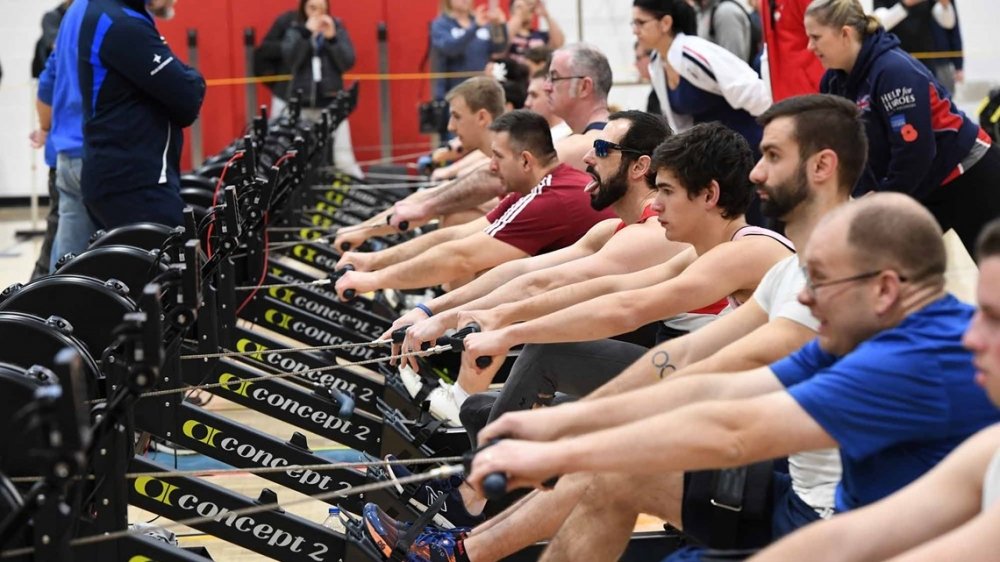
A brief start to get the flywheel moving is different from treating the entire first 500m as a sprint. Settle into the pace you prepared instead of chasing the fastest number that appears for a moment. The opening quarter should help establish the rest of the race, not become its separate highlight.
For the second 500m, the job is confirmation. Are you still near the target, and is the stroke controlled enough to repeat? Use a cue you have practised, such as a composed recovery or relaxed hands. Trying to remember six technical instructions at once can leave you watching everything except the task in front of you.
The third quarter is a useful place for a prepared response to doubt. Choose a short checkpoint rather than bargaining with the whole remaining distance. For example, count ten controlled strokes, check the screen and repeat. This is an editorial pacing aid to rehearse, not a claim that counting strokes has a particular measured performance benefit.
Approach the final 500m with an honest assessment of what remains. If you can increase effort while retaining useful strokes, do so progressively. If you are already struggling to hold the target, protecting the rhythm may be the more practical immediate task. A finishing plan needs room for the race you are actually having.
Do not turn these four jobs into four rigid promises about exact splits. Experienced rowers can use different pacing patterns, and a first attempt is not a laboratory comparison of strategies. Your starting point is a simple plan you can execute, observe and refine without pretending that one universal script suits every athlete.
Prepare for the venue, the noise and your supporter
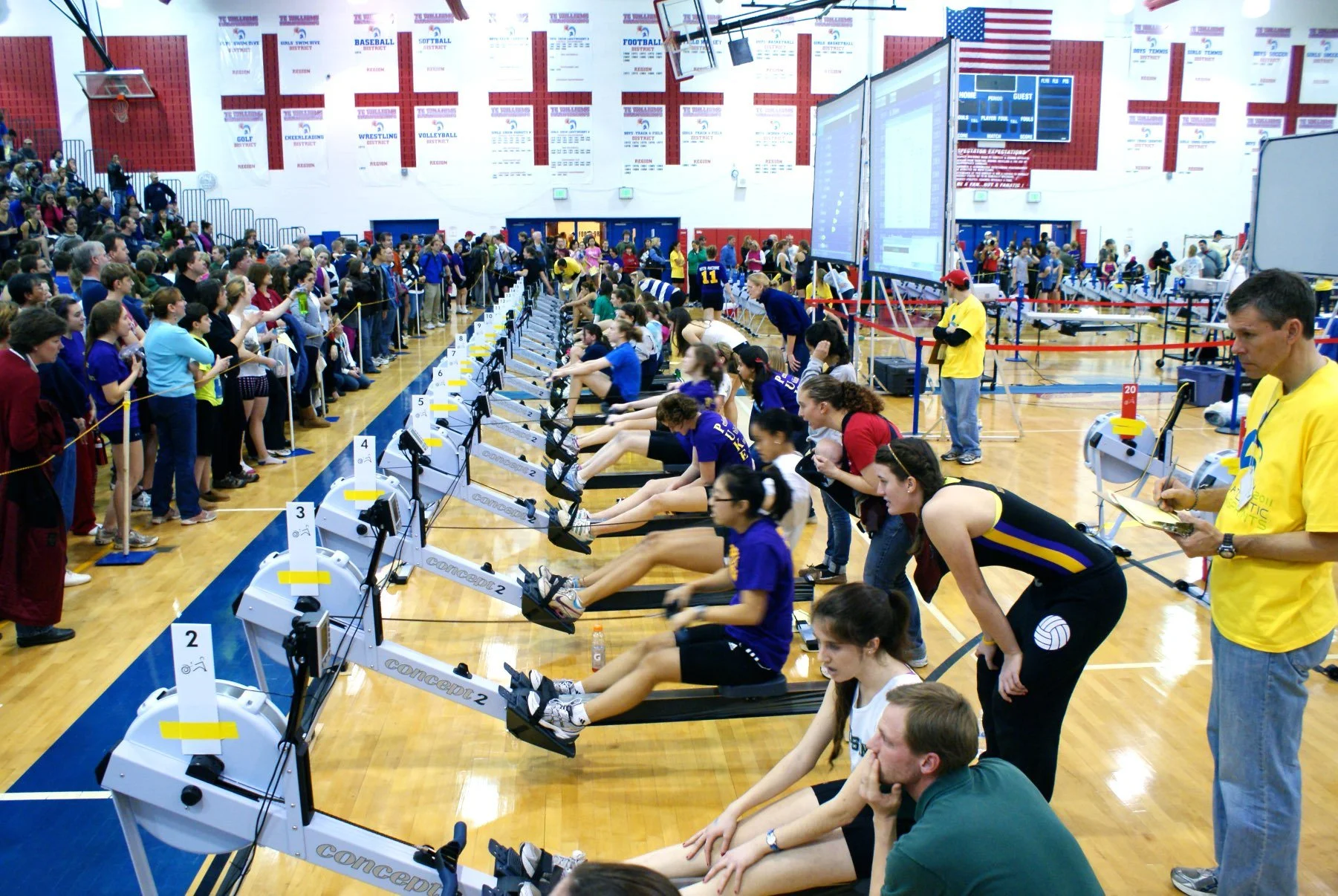
Indoor racing combines a private effort with a public room. You pull your own handle, but there may be nearby competitors, announcements, supporters and a shared screen. The distraction is part of the setting. Anticipate it instead of assuming that concentration will feel exactly like a quiet session at your usual gym.
The community has deep roots. The first Mid-Atlantic Erg Sprints took place in Alexandria in January 1986, with volunteer timers and machines brought from a boathouse. Its early categories included school, college and adult competitors. That history is a useful reminder that indoor rowing is more than an isolated fitness challenge or an elite qualification score.
If the venue allows a coach or supporter beside you, agree on their role. Ask for a small number of useful reminders. A supporter who knows your intended pace can help you stay with it; a constant stream of new targets can make the plan harder to follow. Decide beforehand whether you want distance updates, encouragement or brief technical cues.
Check the event’s start procedure and display arrangements. Do not assume that a normal gym workout screen will behave identically during a computer-controlled race. Ask the officials for clarification before your heat if something is unclear. Preparation includes understanding the instructions, not experimenting with controls when the start is imminent.
Race your prepared effort even if the athlete next to you accelerates. Their target, experience and current condition may be entirely different. You can appreciate the competition without allowing somebody else’s first minute to rewrite the plan you brought into the room.

Cardio Shirts & Workout Gear
Cardio and conditioning gym gear for runners, endurance athletes and anyone who earns the sweat.

Anti Rowing Rowing Club Shirt – Meme & Top T-Shirt
Show some cardio attitude with a playful “Anti Rowing Rowing Club” tee.

Rowing – Dost Thou Even Row Medieval Knight Crewneck fo T-Shirt
Show some gym-day personality with “Rowing”.

Cardio Heartbeat Hoodie
Show off your cardio humor in a laid-back “Cardio Heartbeat” hoodie.

Cardio Is Hardio – Workout Meme Vest Muscle Shirt For S Tank Top
Add some cardio attitude to training with “Cardio Is Hardio”.

Exercise Your Demons | Cardio Workout From Hell Decal Sticker
Put “Exercise Your Demons” gym humor on your laptop, bottle, or gym gear.

Cardio Is Calling You , Meme Top Answer Or Decline? T-Shirt
Make gym days more fun with “Cardio Is Calling You” style.

Negative Cardio Review Cardio Sucks Running , Meme T-Shirt
Heavy lifts, good laughs, and a little “Negative Cardio Review” energy.

Anti Cardio Cardio Club Shirt Meme & Top T-Shirt
Bring “Anti Cardio Cardio Club” humor to your next gym day.

Your Mom Is My Cardio – Edgy Meme Muscle Shirt Vest For Tank Top
Train hard, laugh a little, and rep “Your Mom Is My Cardio”.

Don't Quit Do It – Motivational Jumper Pullover For Wor T-Shirt
Show some gym-day personality with “Don't Quit Do It”.
Review the result before rebuilding your training week
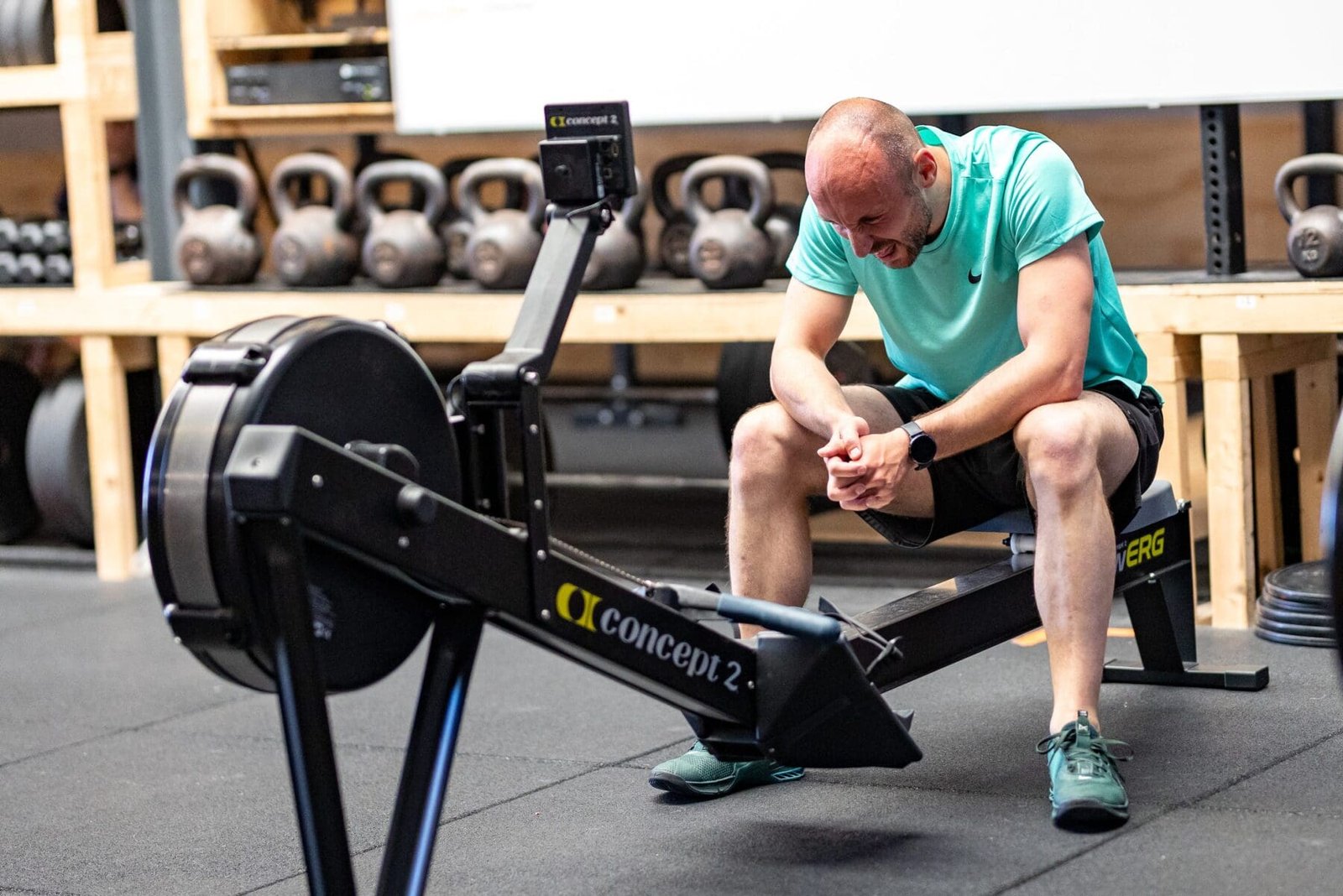
After finishing, follow the venue’s instructions and give yourself time to recover. Once you can review the effort calmly, record the total time, the quarter splits, your setup and what happened to the planned pace. Preserve the actual screen result rather than relying on the version you remember later.
A useful review distinguishes preparation from execution. Did you choose a target without enough supporting practice? Did the warm-up run late? Did you accelerate beyond the plan because the room was exciting? Different answers suggest different adjustments. The finish time alone cannot identify which issue mattered most.
For a lifter, the next step is fitting rowing into a week that also contains strength work. Squats, deadlifts and rows can remain part of training without becoming last-minute race preparation. Dumbbells or kettlebells can serve goblet squats, hinges and rows; barbells and plates suit established compound lifts. These exercises are supplementary options, not a guaranteed conversion from gym strength to a faster 2k.
The equipment below relates to that supporting strength work. It does not replace a rowing machine, coaching or rowing practice. Choose tools for exercises you already understand, and avoid buying a new implement because a disappointing race feels like an equipment problem. You may need a clearer target or more consistent practice instead.
Keep one or two changes for the next attempt and retain the rest of the record. A first race that exposes an overly fast start is still useful evidence. The next goal is a better-informed effort, not an immediate repeat while tired or a complete training overhaul based on a single result.

Equipment Worth Exploring
Explore equipment, accessories and gear from our carefully selected range.


Rubber Hex Dumbbells
Rubber-coated hex dumbbell pairs with a stable shape for home and commercial strength training.


Cast Iron Kettlebells
Textured cast-iron kettlebells for swings, squats, carries, and full-body training.


Open Hex Bar
Open-frame trap bar with multiple handles for deadlifts, carries, and lower-body training.

GymPin Barbell Row Handle
Heavy-duty handle attachment for barbell, landmine and T-bar rows.