Advertising disclosure: This page includes affiliate product links that may earn us a commission, as well as products from our own store.
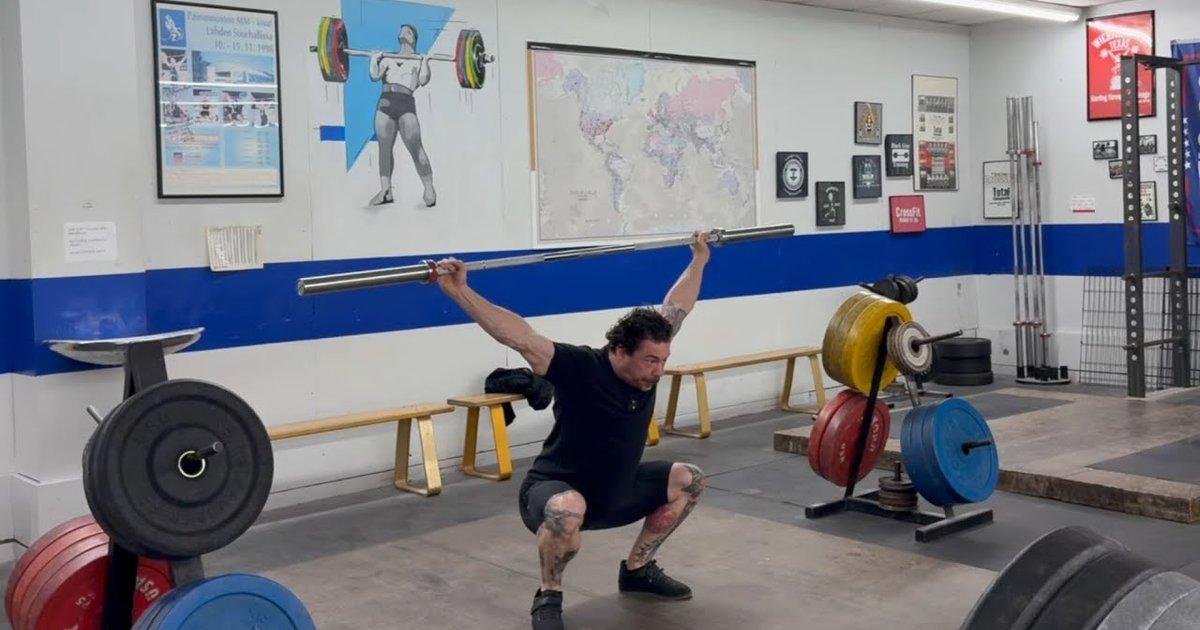
The snatch balance starts with a bar behind your shoulders and finishes in an overhead squat. The useful part happens between those positions: you move under the bar and establish a firm receiving position. A bigger upward shove can make a heavy repetition look successful while changing the task. Learn the setup, dip, reception and recovery as separate checkpoints, then connect them with a load you can control.
Build the starting position before adding speed
Use the snatch balance to practice the receiving phase of the snatch. It removes the pull from the floor, allowing attention to shift toward foot placement, getting under the bar and securing the overhead position. It still asks for an overhead squat you can control. If you cannot hold that position with a light implement, begin with the position itself rather than trying to arrive there faster.
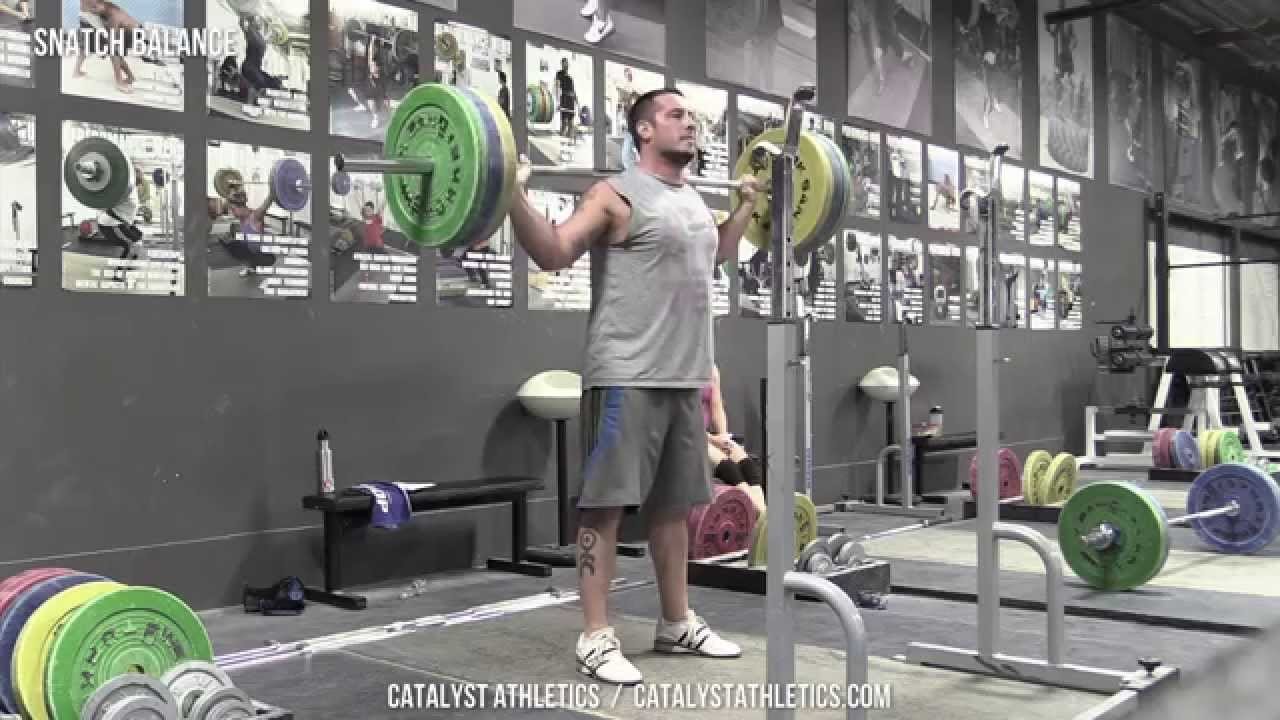
Start with a dowel or suitably light training bar. Use your established snatch grip, place the bar across the upper back and begin in your usual pulling stance. Keep the trunk braced and the pressure balanced across the feet. The grip should allow the overhead position you are practicing; copying another lifter's hand marks is less useful than finding a repeatable setup with your coach.
Check the surroundings before the first repetition. Leave clearance above and around the bar, and practice somewhere equipped for Olympic lifting. Know how you will finish, reset and release a missed repetition with appropriate instruction. A clear platform is more useful than an ambitious load beside a bench or crowded rack.
Treat the setup as something you can reproduce. Note the implement, grip marks and starting stance. If you change all three on each attempt, it becomes difficult to tell whether a different catch came from better timing or a different starting position.
Keep the dip short and move yourself under the bar
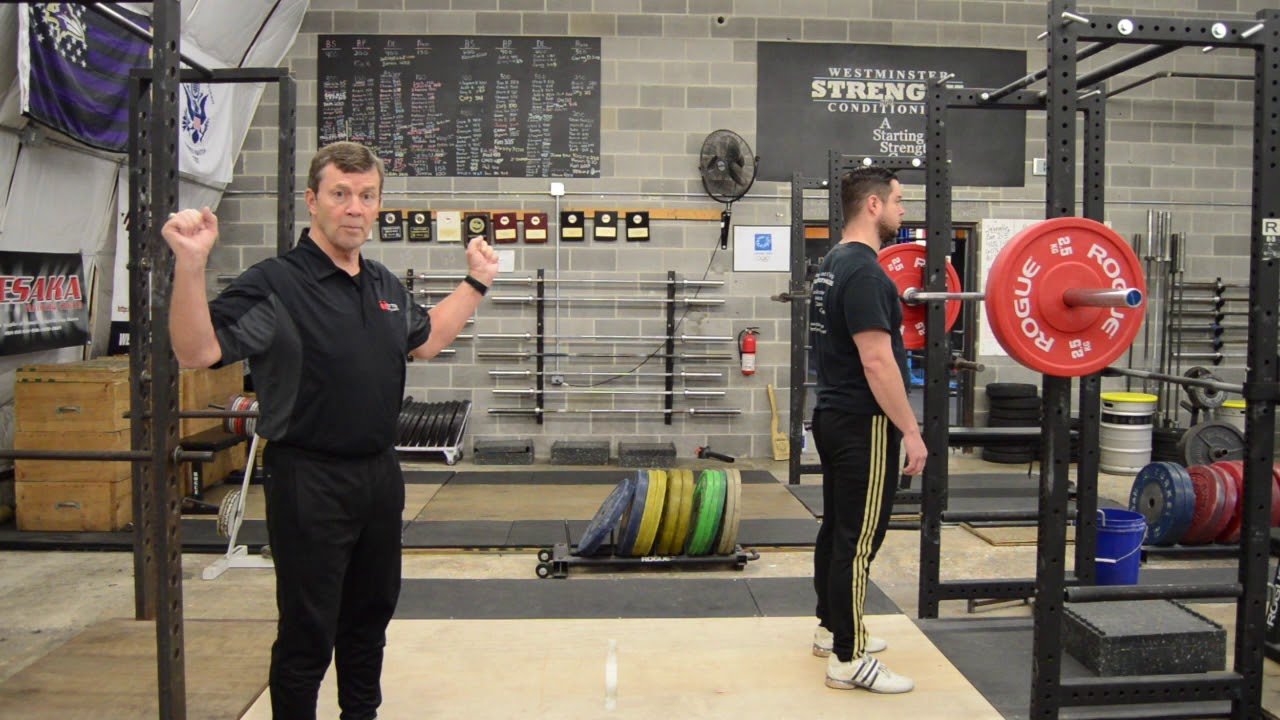
Bend the knees for a controlled, shallow dip while keeping the torso upright. Then drive through the legs just enough to create the opportunity to move underneath. The intention is a prompt transition from supporting the bar on the shoulders to supporting it overhead as you descend.
The dip is not a competition to send the bar as high as possible. A large drive followed by a high catch and a separate overhead squat can be a useful combination, but it practices a different sequence. For the snatch balance, keep attention on moving down into the receiving position rather than waiting for the bar to rise before deciding to squat.
As you move under, push firmly against the bar and bring the feet into the receiving stance you use for the snatch. Keep the foot movement low and purposeful. There is no benefit to making the landing wider than you can squat from simply to feel closer to the floor.
One useful review question is whether the dip, arm action and foot movement look connected. Film a light attempt from a clear angle, keeping the camera outside the lifting area. Compare repetitions at the same load. If each attempt has a different pause or hesitation, repeat the lighter practice instead of adding plates to hide the uncertainty.
Receive, stabilize and stand without rushing the finish
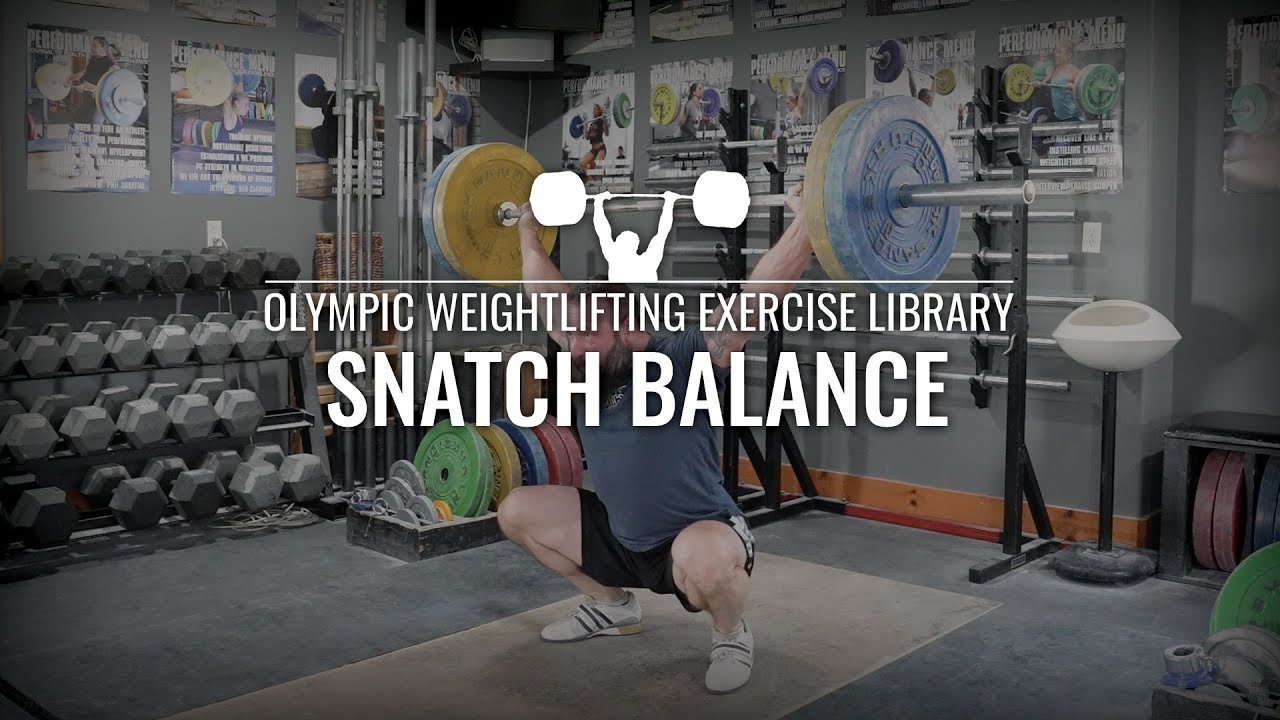
Meet the bar with a firm overhead lockout as you reach the receiving position. Keep actively supporting the bar rather than relaxing under it. Your feet should land where you can balance and squat, with the bar supported over your base rather than requiring an immediate step to rescue the repetition.
Pause long enough to establish control before standing. The pause gives you a chance to notice whether you can maintain the position or are already tipping, bending the elbows or shifting the feet. Then stand while keeping the bar secure overhead. Finishing upright is part of the repetition; simply getting low does not complete the exercise.
If the bar crashes onto bent arms, the load may be too demanding for the timing you currently have. Return to lighter attempts and review the transition with your coach. A forward step, collapsing reception or unstable recovery describes what happened; it does not by itself identify a specific mobility restriction or strength deficit.
Keep a simple record of what changed. For example, write 'same load, stable pause on all six attempts' rather than only recording the heaviest weight moved. Another session might reveal that the catch is consistent but the recovery is not. Those are different practice priorities, and a log makes them easier to separate.
Choose equipment and variations for the actual task
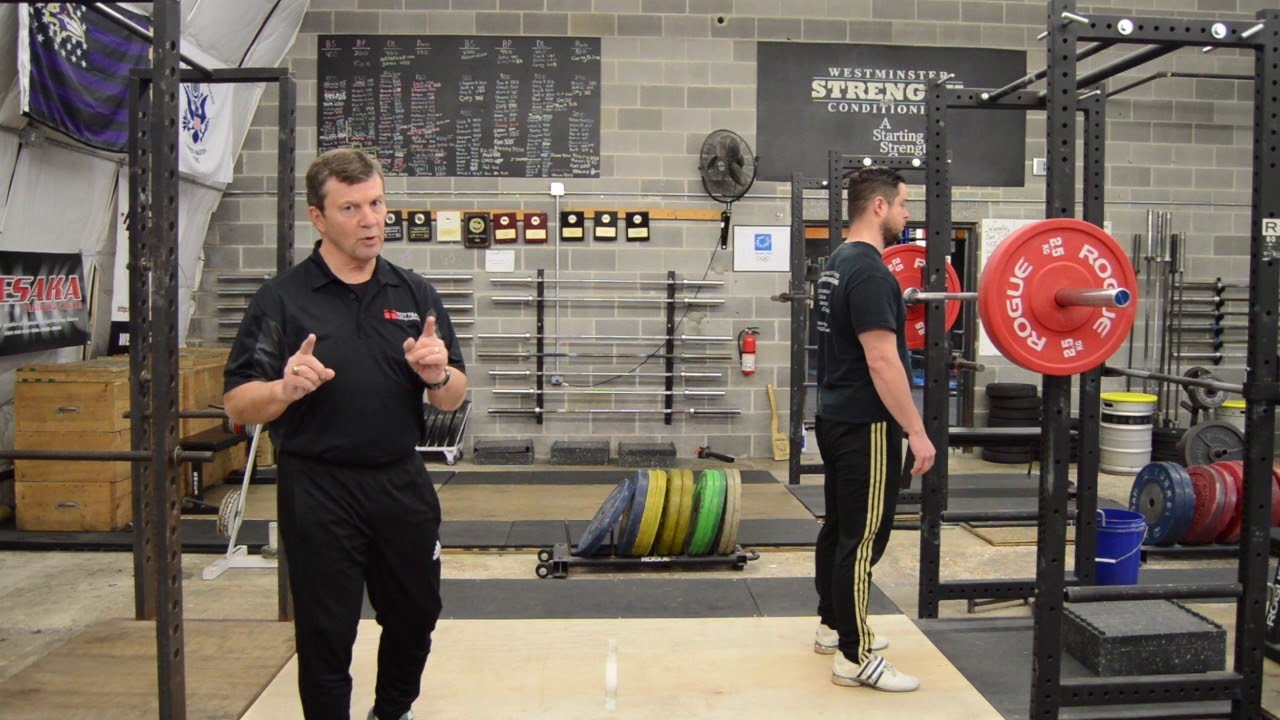
A straight Olympic barbell, suitable plates and secure collars are the relevant equipment categories. A full-size bar can already be too heavy for learning this drill, so access to a light training implement matters more than buying another attachment. Bumper plates and small change plates serve different purposes; a small loading increment does not make an unstable repetition appropriate.
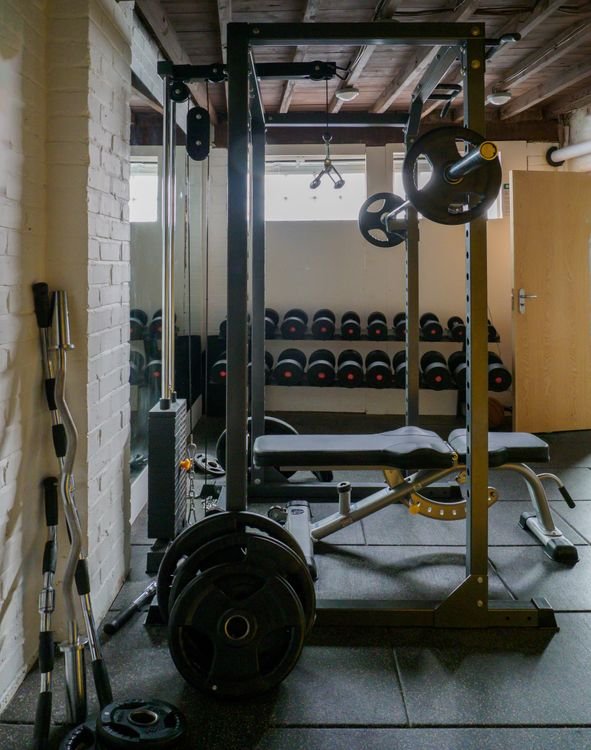
For a rack start, use properly installed supports at a height that allows a controlled unrack. A Torii Rack, a foldable wall rack or the free-barbell supports of a combined rack belong in that setup discussion. A Smith carriage follows a constrained path and does not reproduce the free-barbell snatch balance. Check rack instructions, plate suitability and collar fit rather than assuming every item works with every setup.
The overhead squat gives you time to practice the receiving position and recovery without the rapid transition. A drop snatch removes the preparatory dip and drive, making it a distinct timing drill. A heaving variation generally keeps the feet in the receiving stance. Choose the version that matches the coaching objective and name it accurately in the training log.
Do not add wedges, blocks or storage equipment to the lifting area as an improvised solution to a missed catch. Wedges may be tools for separate controlled squat work; blocks can support appropriate setup tasks; storage keeps spare equipment clear. None of them substitutes for learning the movement or makes a cluttered receiving area suitable.

Equipment Worth Exploring
Explore equipment, accessories and gear from our carefully selected range.


Foldable Wall Rack
Wall-mounted folding squat rack designed to save floor space between workouts.

Competition Plates
Competition-style bumper plates for Olympic lifts and loaded strength training.

Speed Collar
Quick-release collars designed to secure weight plates on standard two-inch Olympic bars.
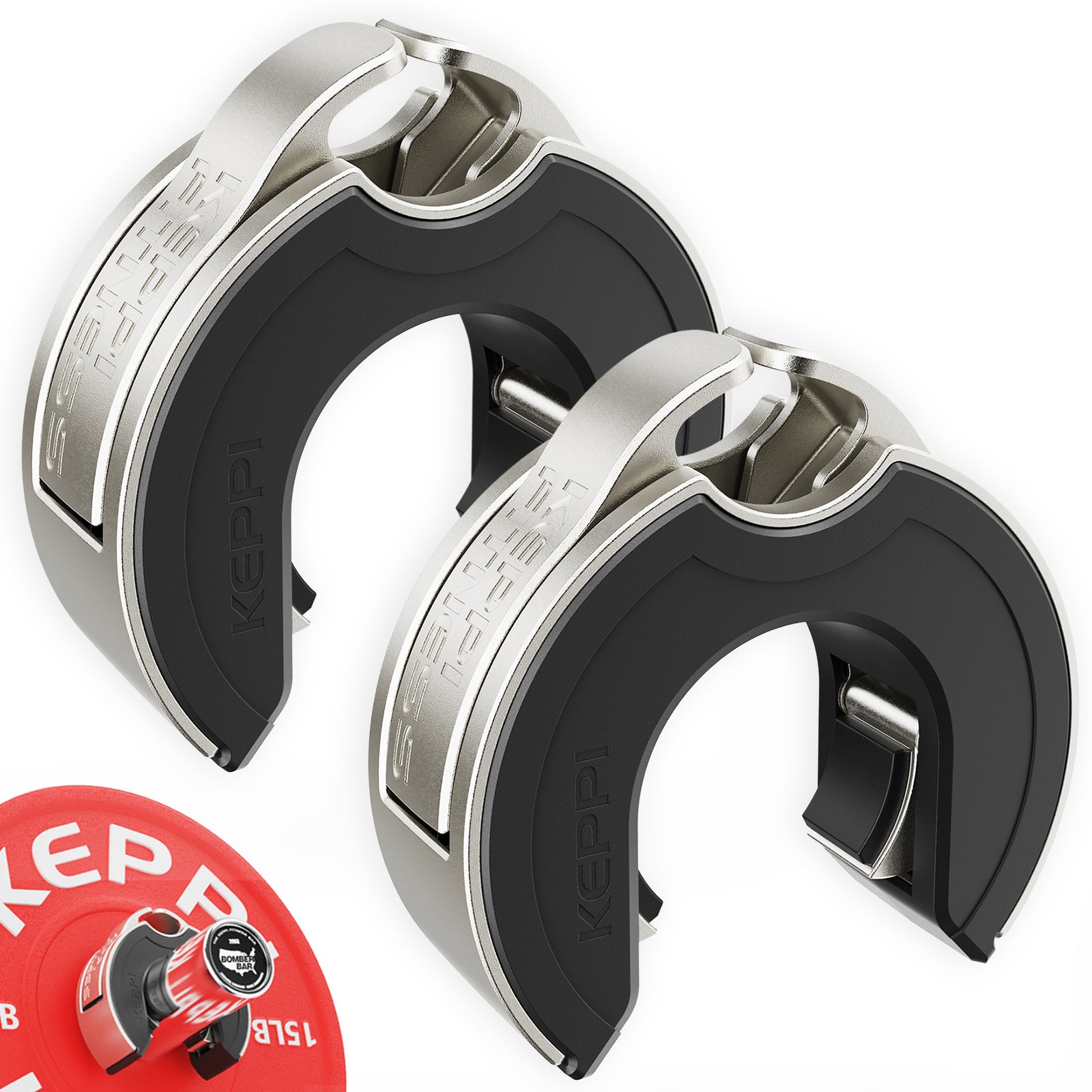
Keppi Open Collars
C-shaped magnetic Olympic barbell collars with a quick-lock mechanism and grippy lining.

Multi Pull Smith Rack MPHR-780
All-in-one rack with a Smith machine, functional trainer, lat pulldown and low row.
Use a small practice block and progress the quality
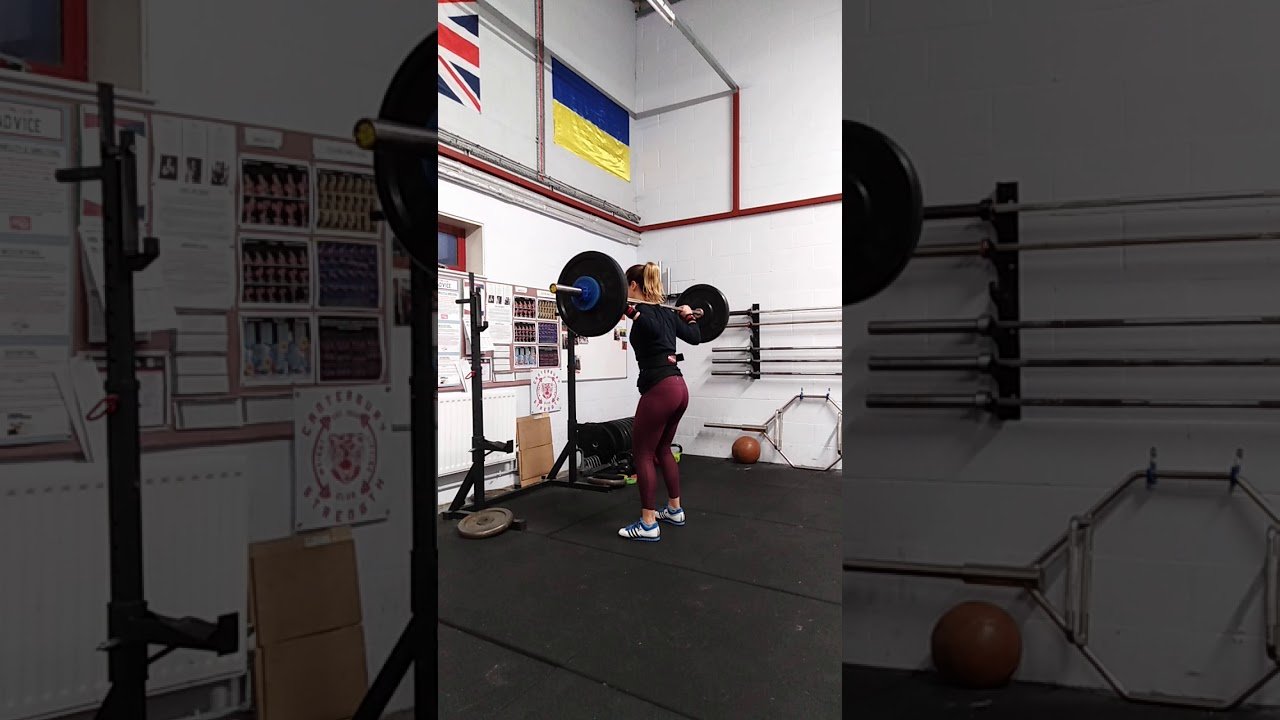
A light snatch balance can fit into a warmup when it helps rehearse receiving positions before snatches. A more demanding assistance block has a different purpose and belongs within a planned weightlifting session. Decide which job it is doing before selecting the load, rather than automatically turning every warmup into a heavy test.
As an adjustable practice example, try three sets of two repetitions with a light implement, resting enough to approach each pair with attention. Use the same setup and a deliberate stable finish. This is a starting example, not a mandatory prescription or a percentage target. An experienced lifter and someone learning the movement may need very different loading and coaching.
Progress one useful variable at a time. First make the receiving position repeatable, then connect the transition more confidently. Only add a small amount of weight when the existing load preserves the intended sequence. If a heavier attempt becomes a high catch followed by a separate squat, record the change and return to the version you meant to practice.
The point is not to collect increasingly awkward successful lifts. It is to practice getting under the bar, supporting it and recovering in a way that serves your snatch. Keep the drill when it improves the quality of that practice. If your current aim is general shoulder or leg muscle development, a simpler press or squat may be a better use of the session.

Funny Gym Shirts & Workout Gear
Funny gym shirts, tanks, hoodies and workout gear for lifters who like training hard.

I Snatched Your Heart Funny Valentine's Gym – Olympic W Tank Top
Bring “I Snatched Your Heart Funny Valentine's” humor to your next lifting session.

Barbell Country Club Shirt Meme Top & T-Shirt
Heavy lifts, good laughs, and a little “Barbell Country Club” energy.

Barbell Heartbeat Crewneck Pullover Sweater for Powerli T-Shirt
Keep things casual with a little “Barbell Heartbeat” attitude.

Practice Stoicism Under The Barbell Meme – Sigma T-Shirt
Bring “Practice Stoicism Under the Barbell” humor to your next gym day.

I’m Strong Barbell Heartbeat Decal for Powerlifting Str Sticker
A fun “I’m Strong Barbell Heartbeat” touch for bottles, laptops, and lockers.

Barbell Crossed Weights 45LB Plate Hardcore Hoodie
Keep it laid-back with a little “Classic Barbell Crossed Weights 45LB Plate” attitude.

Raise The Barbell Shirt – Motivational & T-Shirt
Show some powerlifting attitude with a playful “Raise The Barbell” tee.

Don'T Fart Squats Sweater & Leg Day Meme T-Shirt
Show some gym-day personality with “Don't Fart Squats”.

3 Plates Squat Club – Motivational Meme & Ultimate T-Shirt
Rep “3 Plates Squat Club” humor in and out of the gym.

Strong Progress Pride – LGBTQ+ & Gymbros T-Shirt
Bring “Strong Progress Pride Powerlifting” humor to your next gym day.