Advertising disclosure: This page includes affiliate product links that may earn us a commission, as well as products from our own store.
The question sounds simple: will a protein shake make your bench press or squat stronger? A recent analysis pulled together 23 randomized training trials and found an average advantage for people who combined lifting with extra protein. That does not mean every lifter needs a supplement, and it does not mean adding more scoops will add kilos to the bar.
The useful distinction is between getting enough protein and choosing the container it arrives in. Training quality, total food intake, baseline protein consumption and the duration of a program all affect how much a supplement can plausibly contribute. The headline numbers are worth understanding, but they are not personal forecasts.
Here is what those trials measured, why the two headline lifts showed different average changes, and a straightforward way to decide whether additional protein is worth paying for in your own training.
What the 23 controlled trials actually measured
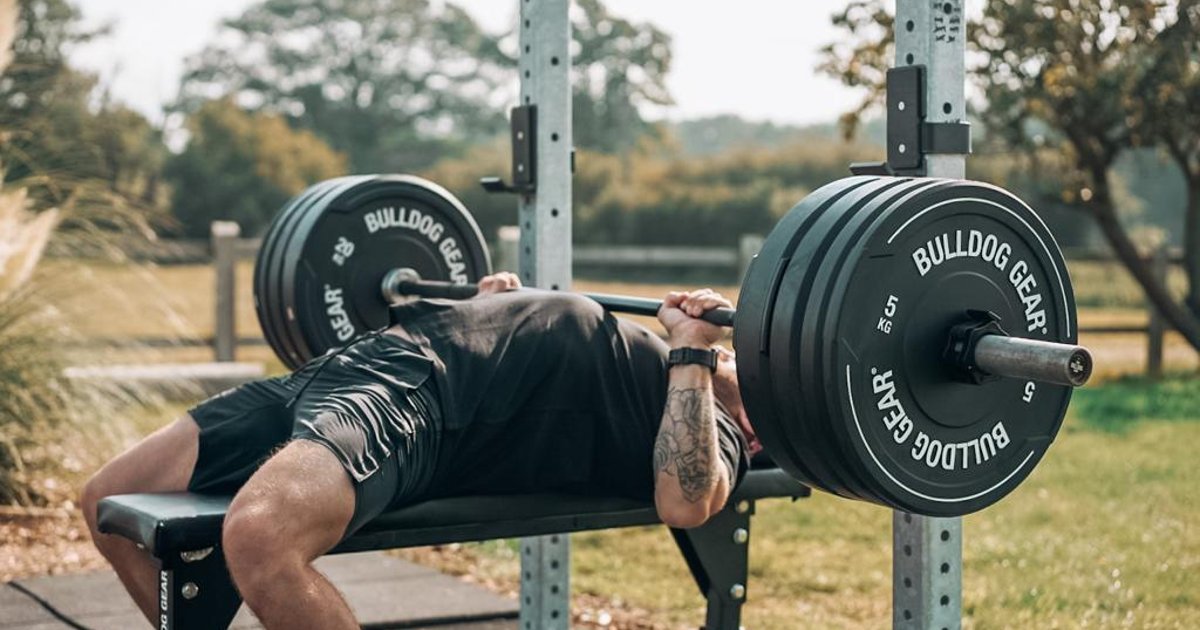
Across 23 randomized controlled trials, 611 healthy young adults performed resistance training while researchers compared additional protein with training alone or a placebo. The review searched several research databases through April 2026. Individual interventions ranged from six to 36 weeks, and the participants were not all identical in training experience, baseline strength or diet. That mixture matters more than the tempting precision of a pooled number.
The main outcomes were changes in one-repetition maximum strength on the bench press and squat. A one-rep maximum is a performance test: it reflects muscle capacity, but also practice with the movement, coordination, confidence and how effectively a lifter produces force in that specific test. The trials were not designed as a direct comparison of the muscle-building effects of every protein powder sold today.
The comparison was not protein versus no lifting. Both groups trained. The estimate therefore asks whether supplemental protein added something on top of training, not whether a scoop can replace progressive overload. Just as importantly, the participants’ habitual protein intake varied across studies. A supplement might close a shortage for one person while adding little for someone whose diet already covers their needs.
Viewed that way, this is relevant research for people who already lift or are beginning a structured program. It is not evidence that protein powder works independently of a sensible resistance training routine, and it is not a personal prescription for a particular brand, flavor or dose.
Why the bench press and squat results differ
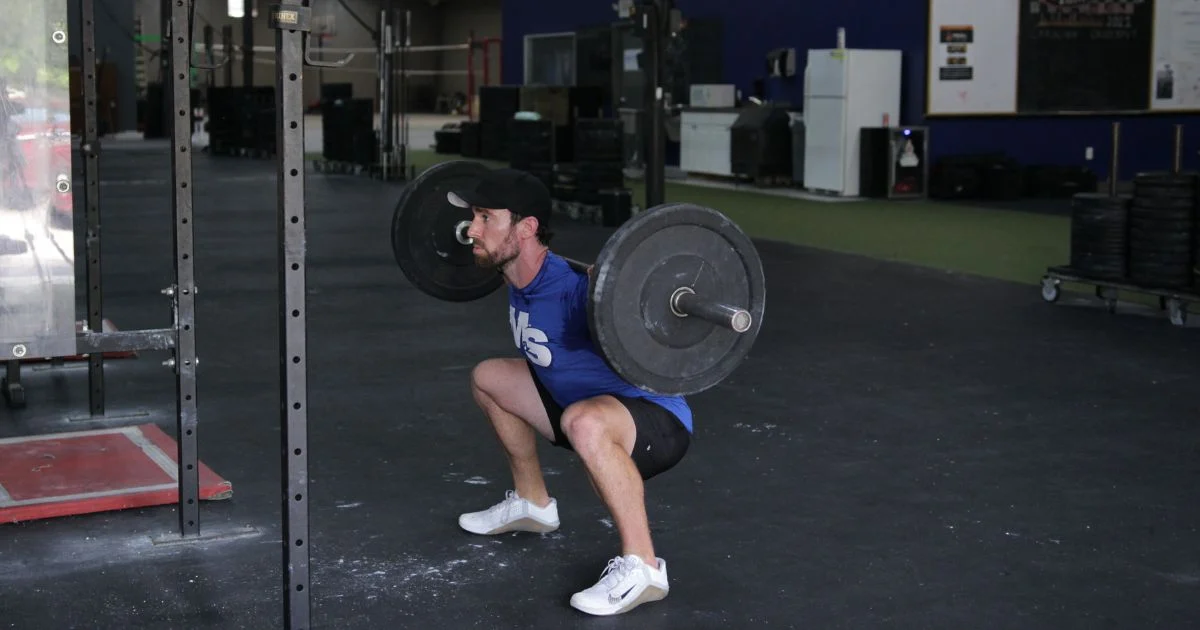
The pooled advantage for the bench press was 2.63 kg, with a 95% confidence interval of 0.77 to 4.49 kg. For the squat the reported advantage was 7.40 kg, with a wider confidence interval of 2.15 to 12.66 kg. Both estimates favored the groups receiving supplementary protein, but the squat figure was not a universal seven-kilogram bonus waiting in every shaker.
Absolute kilos do not tell the whole story. Squats often involve more total mass than bench presses, and study participants can begin with very different one-repetition maximums. A 2.63 kg change may matter to a newer bench presser even though the number looks small beside seven kilograms on a squat. To compare fairly, look at the percentage change relative to a starting maximum and at the precision of the estimate.
The individual trials also varied substantially. A pooled result is an average across those differences, not a guarantee about what happens at a particular gym. Some participants may already eat enough protein, while others could benefit more from fixing an inadequate intake. Training programs, adherence and learning the lifts can shift outcomes independently of supplementation.
For a lifter the most relevant takeaway is that diet could support training progress. Keep the primary job of the program clear: use consistent technique, repeat the lifts frequently enough to practice them, and make reasonable increases in load or repetitions. Treat nutrition as a support system, not an explanation for every good or bad session.
Start with total daily protein before buying a tub
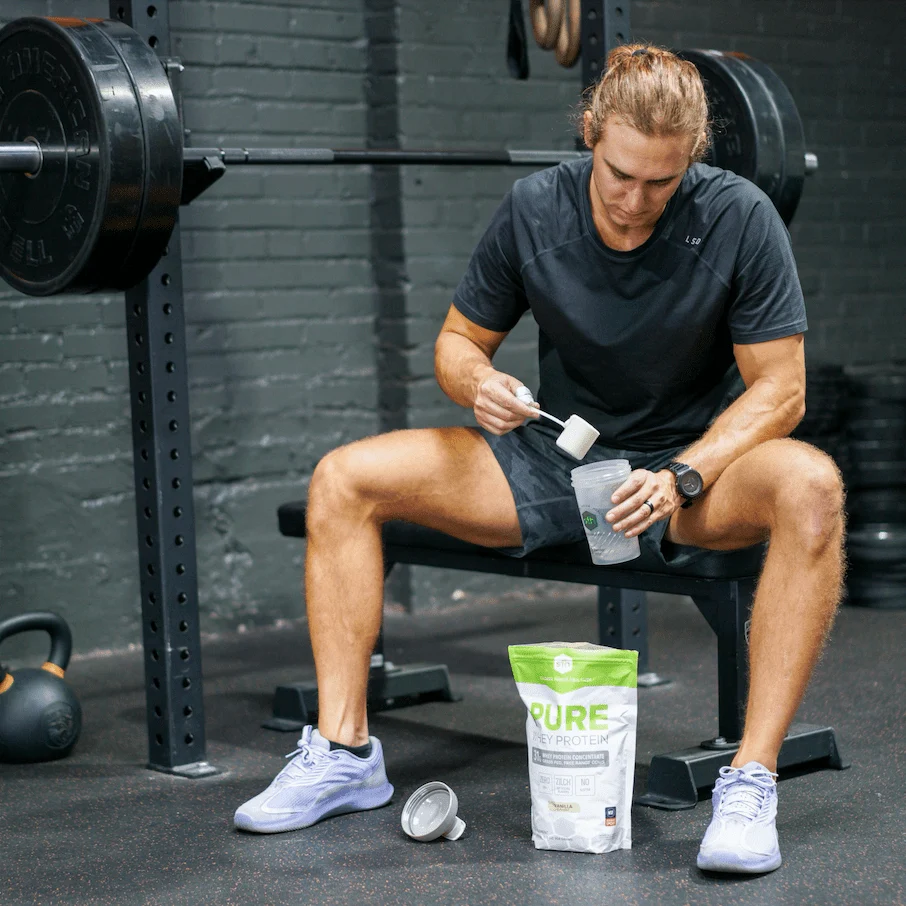
Before changing supplements, work out approximately how much protein you eat in a normal day. Count the protein in meals, dairy, eggs, meat, fish, beans and any shakes already consumed. Do not estimate intake from the size of the plate alone. A simple three-day food log often reveals whether the real issue is a low-protein breakfast, a missed lunch or inconsistent eating on busy days.
A broad evidence-based range for healthy people who train regularly is around 1.4 to 2.0 grams of protein per kilogram of body weight per day. Some people will be well served toward the lower portion of that range and others may prefer the higher portion. The goal is to choose an attainable target that fits your health, energy intake and training. Anyone with kidney disease or a clinician-prescribed protein restriction should obtain individualized medical guidance.
Consider a hypothetical 80 kg lifter using 1.6 grams per kilogram as a working goal: that equals 128 grams per day. If regular meals deliver 125 grams, a 30-gram powder serving is a convenience rather than an essential missing ingredient. If food consistently delivers 80 grams, a practical shake can help, but adding protein-rich meals works too.
The study cannot isolate supplementation from differences in overall intake because dietary starting points varied across its component trials. It is entirely plausible that some of the observed benefit came from participants reaching a more useful total intake. For that reason a food log is a better first purchase decision than another stack of tubs.

Equipment Worth Exploring
Explore equipment, accessories and gear from our carefully selected range.


Leg Extension/Curl BCO-780
Leg extension and lying leg curl combo with plate loading, band pegs and a cable-loading option.


Studio V-Squat
Plate-loaded V-squat machine for supported lower-body strength training.

Multi Pull Smith Rack MPHR-780
All-in-one rack with a Smith machine, functional trainer, lat pulldown and low row.

Rubber Hex Dumbbells
Rubber-coated hex dumbbell pairs with a stable shape for home and commercial strength training.


FID Bench MAX
Adjustable bench offering flat, incline, and decline positions + adjustable headrest.
Use protein timing as a secondary tool
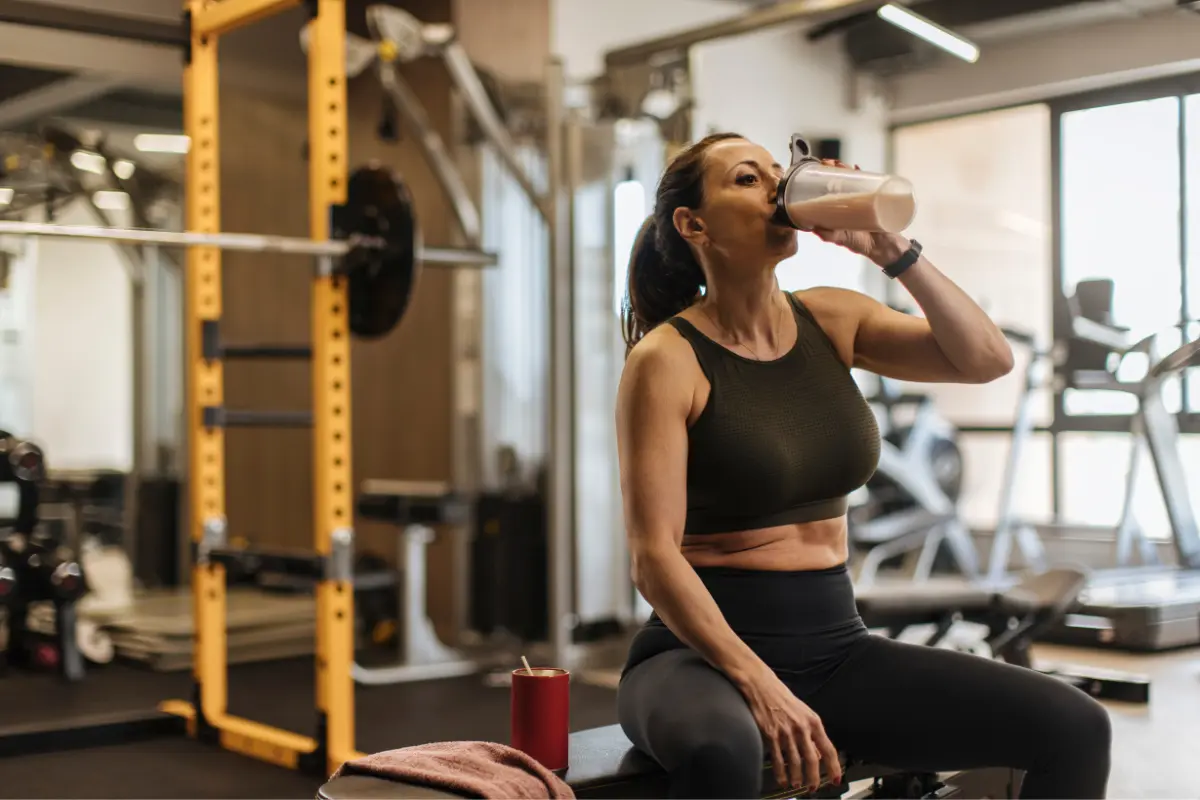
The analysis explored whether the duration and timing of supplementation changed the results. Some stronger squat effects appeared in trials lasting twelve weeks or less and in trials that included intake around training and before bed. Those subgroup findings are interesting, but they do not show that a special timing schedule causes an extra specific number of kilos in every lifter.
Timing findings came from comparisons across groups of studies that differed in several ways, including baseline diet and training program. The duration of the intervention helped explain some of the between-study variation, while timing was a more tentative moderator. It would be a mistake to treat that as a definitive head-to-head trial of drinking protein at 8 p.m. versus 9 p.m.
A practical approach is to spread protein over meals you will actually eat. If a shake immediately after training is convenient, drink it then. If dinner follows soon after and already contains enough protein, a second shake may add little. A pre-sleep serving can help someone who struggles to meet a daily target, but it should not become a ritual that crowds out ordinary food, sleep or total calorie control.
Do not panic about a missed thirty-minute window. The training response is not switched off because you drove home, showered or ate later. Day-to-day consistency in the program and in food intake is far easier to control than trying to exploit a precise minute on the clock.
Read the limits before turning averages into promises
The review combined studies with different protein types, doses, intervention lengths and participant backgrounds. It also found considerable statistical heterogeneity. That means the true effects varied more than we would expect from sampling noise alone, so one pooled average should not be presented as a dependable result for every person.
Another important limitation is the difference between strength and muscle size. A stronger squat can reflect improved skill and neural adaptation as well as growth. Someone who wants fuller quads or pecs should track training performance alongside body measurements or stable photographs over time, without assuming that the strength difference from this review translates into the same percentage of hypertrophy.
Nor does the review prove that more protein always works better. Once daily intake is adequate, additional scoops bring extra calories and cost without necessarily moving the needle. Powder is useful because it is portable and simple to portion; it is not inherently superior to a meal containing a similar amount of good-quality protein.
Even within the studies that reported a benefit, the confidence intervals covered a substantial range. Avoid turning an estimated mean advantage into an advertisement for guaranteed personal records. Better decisions come from checking what you eat, tracking actual strength progress and keeping the program stable long enough to see whether a change matters.

Bodybuilding Shirts & Workout Gear
Bodybuilding shirts, tanks and gym gear for lifters chasing muscle, size, symmetry and the pump.

Shirt Protein Addicts – , Meme , Top Gymbros T-Shirt
Heavy lifts, good laughs, and a little “for Protein Addicts” energy.

Bro Protein Bodybuilders & Meme Athletic Shirt Tank Top
Bring “Gym Bro Protein” humor to your next lifting session.

Bear Protein : Hilarious Meme Decal & Bros Sticker
Bring “Gym Bear Protein” attitude to your water bottle or laptop.

Free Protein Gym | Sarcastic Workout For Bodybuilding & Hoodie
Stay casual and show some lifting attitude with “Free Protein”.

Protein Monster Cookie Monster Meme T-Shirt
Keep things casual with a little “Protein Monster” attitude.

Funny Protein Shaker Bottle : Gym Meme Vest For Muscle Tank Top
Train hard, laugh a little, and rep “Protein Shaker Bottle”.

Brotein Bar Gym | Funny Protein Bar Meme Workout For Gy Hoodie
Stay casual and show some bodybuilding attitude with “Brotein Bar”.

Eat Your Chicken – Chicken Bro Protein Meme Hooded Pull Hoodie
Make your off-duty look more fun with “Eat Your Chicken”.

Funny Protein King Gym | Burger King Parody Muscle Shir Tank Top
Add some burger-loving attitude to training with “Protein King”.

Weight Plate Heartbeat Crewneck Pullover Sweater Workou T-Shirt
Show some gym-day personality with “Weight Plate Heartbeat”.
Build a four-week protein and strength audit
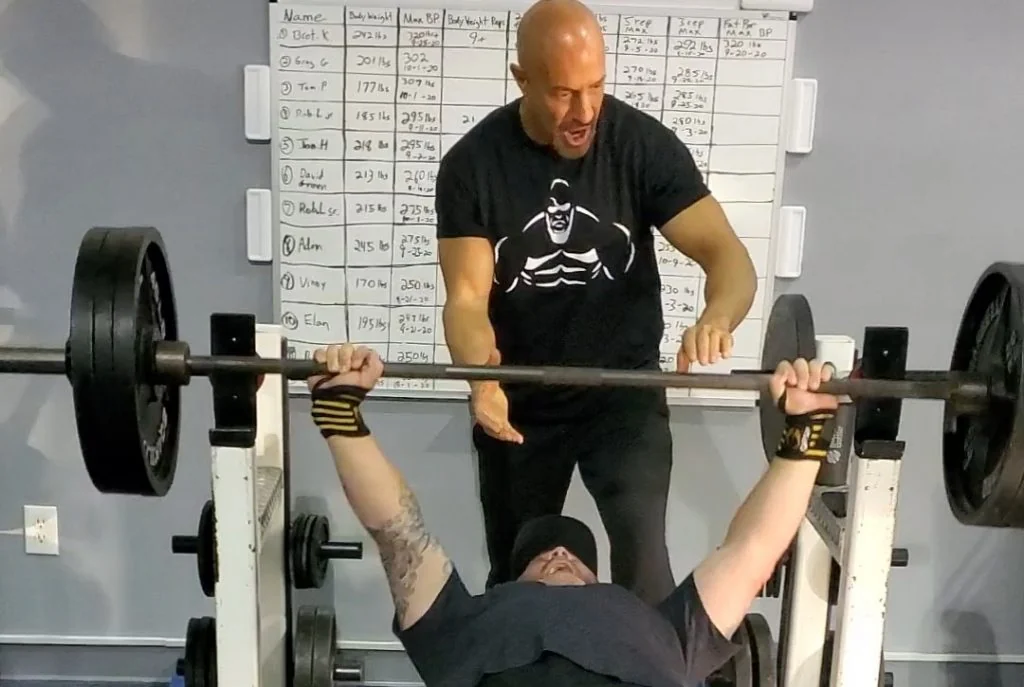
For the first week, record ordinary daily protein intake without changing what you eat. Alongside that, choose two or three repeatable strength markers, such as bench press, squat and a row. Log weight, reps, sets and a consistent estimate of effort. Use the same movement setup each time rather than testing a maximal lift every session.
In the second week, select a sensible protein target based on your body weight, dietary preferences and health. Use your meals to cover as much of it as practical. Add a scoop only if it closes a measurable gap. Keep total calories appropriate for your goal, because the effect of a protein shake during a calorie deficit will not be the same as during a productive mass-gaining phase.
During weeks three and four, maintain the target consistently while progressing the strength program with small, repeatable improvements. Use stable repetitions or a double-progression approach instead of chasing a new one-rep maximum daily. If you bench twice a week, for example, aim to own the prescribed rep range with clean form before adding another increment of weight.
At the end of the month, review adherence first: how many sessions did you complete, how often did you meet your protein target, and was recovery adequate? Then review strength data rather than blaming one failed repetition on dinner. Four weeks cannot prove the causal effect of a supplement on one person, but it can reveal whether your routine is affordable and sustainable.
If your food intake was already high and stable, the simplest outcome may be not buying anything. If the log reveals that training days routinely end short of protein, a shake might be a worthwhile tool. The key is that supplementation should solve a real problem rather than invent a new one.
Some product links may be affiliate links, which can support Mind Muscle Perfection at no additional cost to you.