Advertising disclosure: This page includes affiliate product links that may earn us a commission, as well as products from our own store.
A deload week is not the same thing as abandoning your program. It is a planned period of easier training, generally with fewer hard sets, fewer sessions or less demanding loads, so you can arrive at the next training block ready to work. But does doing less temporarily cost muscle or strength? An eight-week controlled experiment in 19 previously untrained men found no detectable disadvantage from reducing both volume and frequency during two lighter weeks. That result is useful, but it does not mean every lifter needs a scheduled deload or that competitive strength athletes can take unlimited time off without consequence. Here is what was tested, what remains uncertain and how to design a lighter week that actually serves your goals.
What a deload changes—and what it doesn’t

In a demanding hypertrophy block, you may accumulate challenging sets of presses, rows, squats, curls and pulls each week. A deload keeps familiar patterns while dialing down the stress. Training stress has multiple parts: load on the bar, total hard sets, how near each set comes to failure, weekly session frequency and individual exercise choice. Lowering hard-set volume while practicing technique is not the same as switching to tiny loads or skipping the entire gym week. These strategies can create different outcomes.
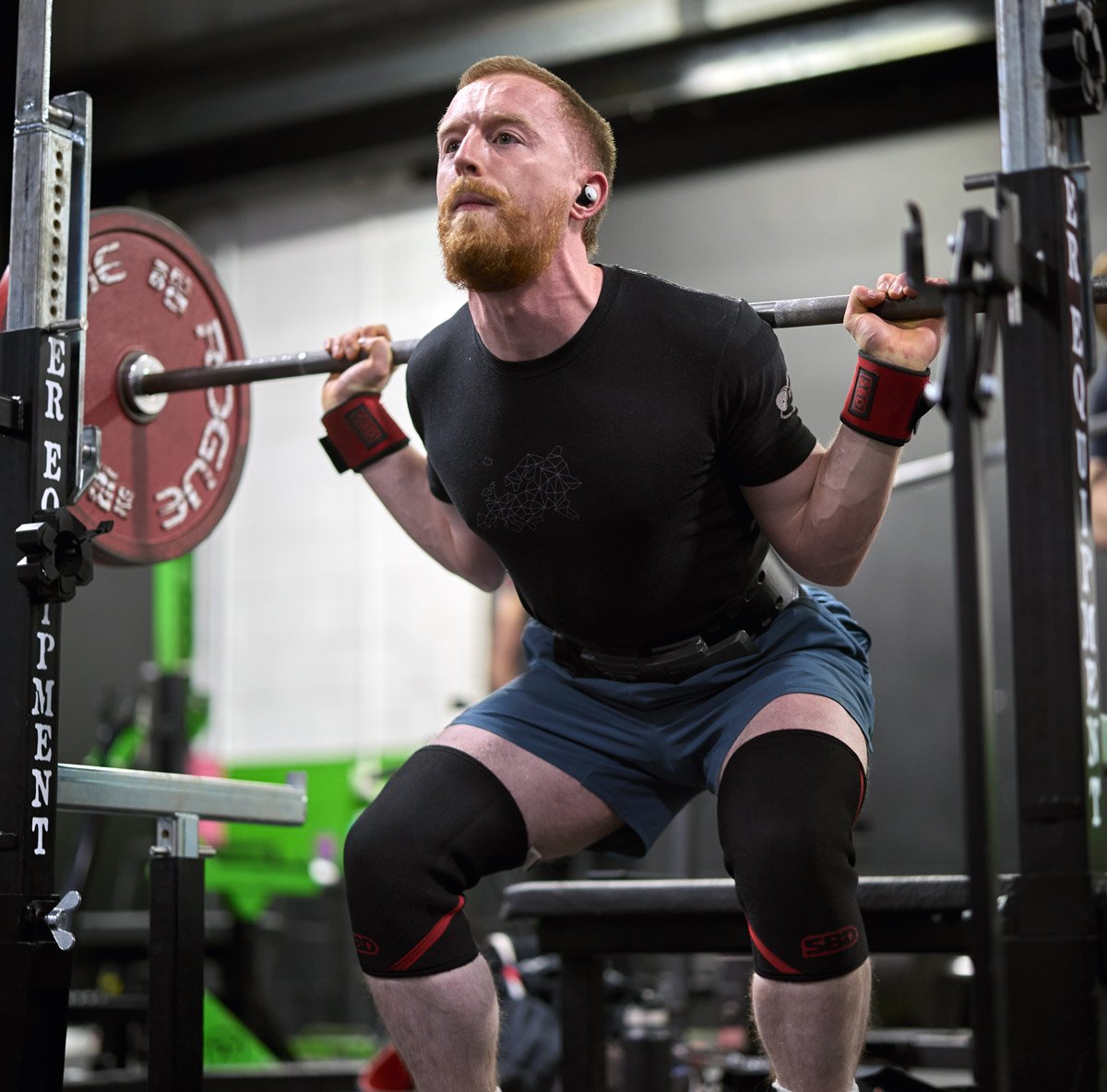
A practical method is to cut the number of demanding sets and retain manageable loads. A lower-body day of four hard squat sets, three leg-press sets and three leg-curl sets could become two squat sets, one press set and one curl set. You still rehearse the movements, but you deliberately leave the gym without chasing exhaustion. When the goal is recovery, do not replace missing sets with long finishers or hard cardio.
A deload is an option for managing accumulated workload, not a magical recovery treatment. Someone who is progressing steadily, sleeping well and recovering between workouts may not need one for months. Another lifter combining heavy training and strenuous sport might benefit from periodic easier work. The point is to reduce stress enough for the next block to be productive, not to follow an arbitrary date.
What 19 untrained men actually did
The eight-week experiment compared conditions within the same people. Nineteen healthy young men without recent structured resistance training had one arm and one leg assigned to a continuous-training condition and the opposite limbs to a reduced-training condition. That helps control for many between-person differences such as diet, daily activity and genetics, though the design has its own limitations.
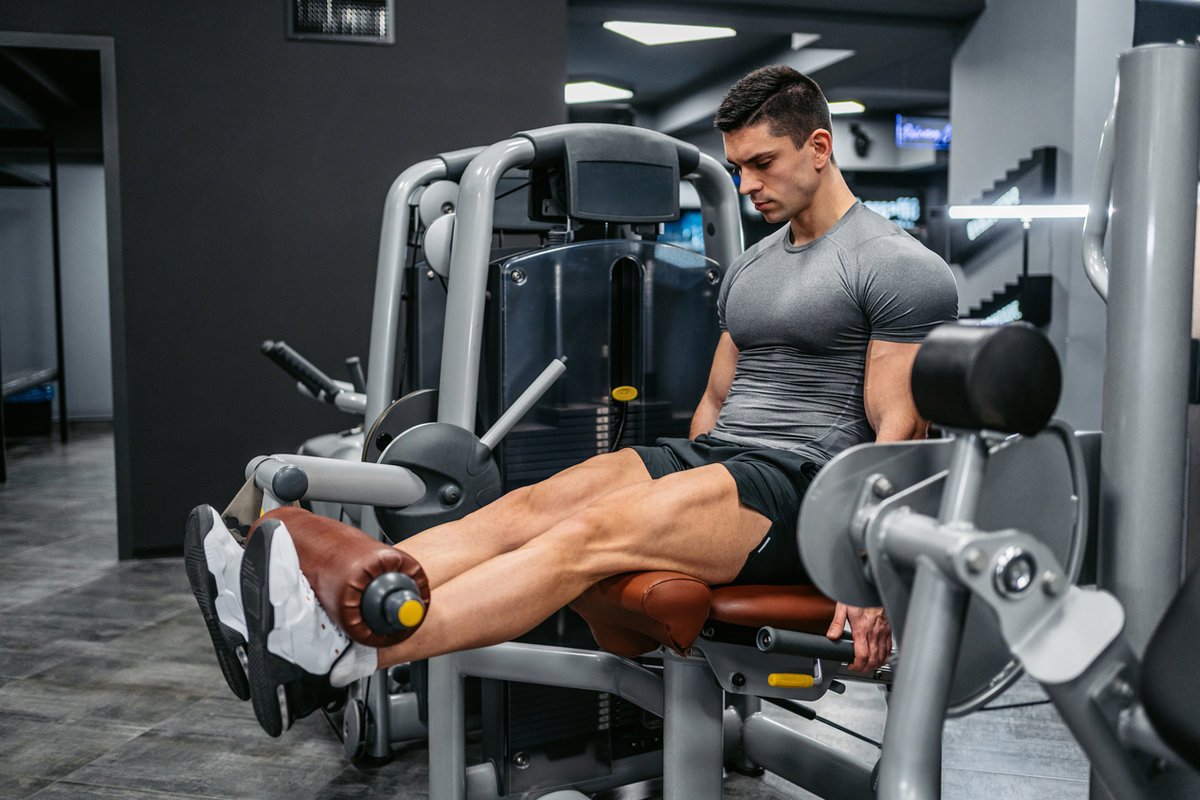
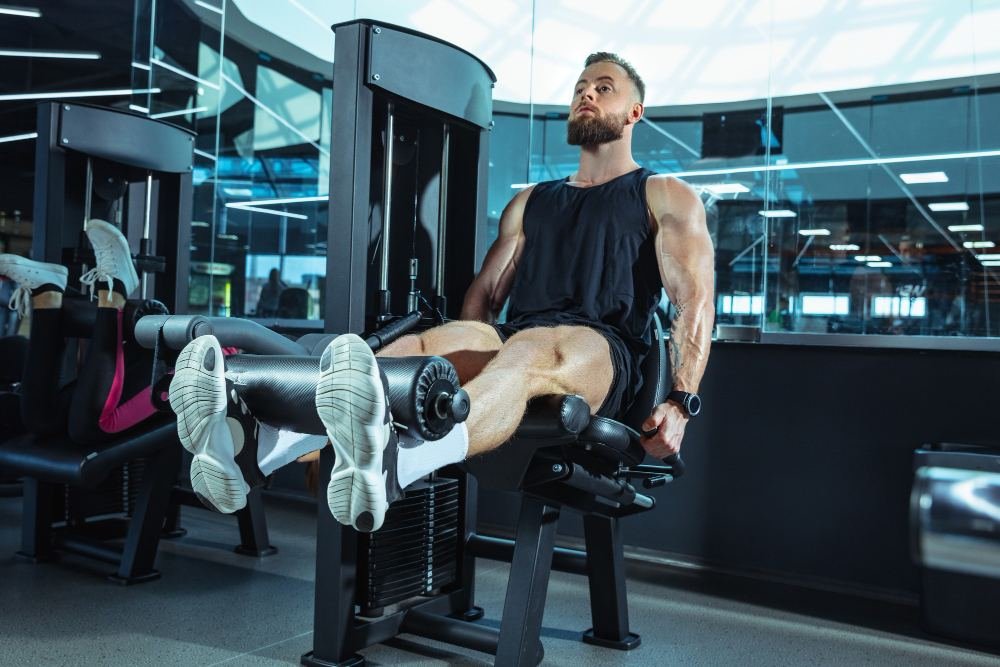
The continuous limbs performed unilateral dumbbell biceps curls and unilateral leg extensions twice weekly for eight weeks. Sets targeted eight to twelve repetitions and were taken to technical failure. In the reduced condition, weeks four and eight were different: training occurred only once in each of those weeks, with two sets per exercise. The lighter approach therefore involved fewer sessions and fewer sets, not total inactivity.
Across the eight weeks, the deload limbs completed about 46 sets per muscle group compared with 56 sets in the uninterrupted condition, roughly eighteen percent less total volume. Ultrasound measured selected biceps and quadriceps regions, and ten-repetition maximum testing assessed performance in those exercises. Both conditions improved muscle thickness and ten-repetition performance. Differences in the changes between conditions were not statistically detected.
This result suggests beginners can temporarily reduce workload without automatically sacrificing their measured progress. It does not tell us what would happen with heavy back squats, maximal deadlifts, six-day bodybuilding programs or experienced athletes. The precise exercise selection, population and eight-week duration should travel with the conclusion.

Equipment Worth Exploring
Explore equipment, accessories and gear from our carefully selected range.


Rubber Hex Dumbbells
Rubber-coated hex dumbbell pairs with a stable shape for home and commercial strength training.


Open Hex Bar
Open-frame trap bar with multiple handles for deadlifts, carries, and lower-body training.

Similar growth doesn’t prove the programs were identical
A lack of statistically significant difference is not evidence that two programs are perfectly equivalent in every important respect. The experiment included only nineteen participants, so modest differences could be difficult to estimate with confidence. In addition, the investigators measured muscle thickness and ten-repetition loads on single-joint movements. They did not measure maximal competition lifts, long-term power output or injury risk.
The reduced approach changed volume and frequency at the same time. As a result, it cannot isolate whether an extra rest day, fewer hard sets or their combination drove the outcome. Beginners also often respond to modest training doses, so conclusions about advanced lifters should remain cautious. The study did not have a time-matched group doing no exercise, and training opposite limbs may permit some crossover from motor learning.
Other resistance-training comparisons underline the difference between a deload and a full cessation of lifting. One nine-week experiment found broadly similar measured growth after a midpoint no-training week but some strength outcomes favored uninterrupted training. Older intermittent schedules suggest short interruptions do not necessarily wipe out all existing gains, yet those interventions were longer and structured differently. They cannot be pooled into a claim that every type of break is interchangeable.
The defensible message is that reduced training can preserve a meaningful stimulus and might fit a recovery plan. It is not a license to skip practice whenever a hard session feels unpleasant. Training still needs enough repeated challenge over time to build the capabilities you care about.
Signs you could benefit from an easier week

One bad workout is not automatically a recovery crisis. Short sleep, an unusually stressful day or poor meal timing can make your normal weights feel heavy once. Look instead for repeated missed repetitions at familiar loads, declining rep quality at comparable effort, soreness that disrupts several sessions, a noticeable deterioration in technique or motivation that falls as fatigue accumulates. Consider the whole week rather than only the last set of your hardest lift.
Context changes how much recovery you have available. Someone dieting aggressively, working physically demanding shifts and playing sport between lifting sessions may need a lower training dose than someone sleeping consistently and training three moderate days. New lifters commonly feel general soreness even without excessive workload. An experienced lifter approaching a competition may be deliberately carrying training fatigue before a planned reduction.
A calendar deload every four to eight weeks can be a convenient programming convention for a hard block, but it is not a scientifically established deadline. If everything is moving in the right direction, keep the current plan or make a small adjustment. If the trend has deteriorated across several sessions, consider a bigger reduction. Sharp pain, swelling, sudden weakness or symptoms after injury require a different response; do not use percentage-based deload advice as a substitute for assessment.
The smallest useful reduction is often best. If heavy curls repeatedly irritate the elbow, reducing curl stress may be more targeted than cutting every squat set. If overall fatigue is the issue, a broader volume cut may make more sense.

Bodybuilding Shirts & Workout Gear
Bodybuilding shirts, tanks and gym gear for lifters chasing muscle, size, symmetry and the pump.

Off-Season Rest Day & Meme Fans Athletic Shirt Tank Top
Add some lifting attitude to training with “Off-Season Rest Day”.

Progressive Overload Milo Bull : Greek Mythology T-Shirt
Show some bodybuilding attitude with a playful “Progressive Overload Milo Bull” tee.

Gym Recovery Rap God Athletic | Funny Bodybuilding Vest Tank Top
Train hard, laugh a little, and rep “Gym Recovery Rap God Athletic”.

Installing Muscles Meme – Vest Tank Top
Show some personality between sets with “Installing Muscles Gym Meme”.

Skeleton Deadlift Sweater & Fans Meme T-Shirt
For laid-back days and deadlift humor: “Skeleton Deadlift”.

GymRat Ingredients Label Meme Hooded Hoodie
Make your off-duty look more fun with “GymRat Ingredients Label”.

Gym Sworn to the Iron Oath Medieval Knight Crewneck for T-Shirt
Show some gym-day personality with “Sworn to the Iron Oath Medieval Knight”.

Gym Iron Before Honor Medieval Knight Crewneck for Stre T-Shirt
Show some gym-day personality with “Iron Before Honor Medieval Knight”.

Booty Building Mode Witch Meme Sweater Leg Day & T-Shirt
Show some gym-day personality with “Booty Building Mode”.

Atlas Lifting The Earth Meme – Greek God Bodybuilder T-Shirt
Heavy lifts, good laughs, and a little “Atlas Lifting The Earth” energy.
A seven-day deload for a four-day lifting split
Suppose you normally train upper body Monday, lower body Tuesday, upper body Thursday and lower body Friday. Keep that basic rhythm during the lighter week if it helps adherence, but cut demanding work sets by approximately one-third to one-half as a starting point. A lift normally assigned four sets could have two. An accessory normally assigned three could have one or two. Leave several clean repetitions in reserve instead of pushing every set to failure. These are practical examples, not exact thresholds established by the 19-man study.
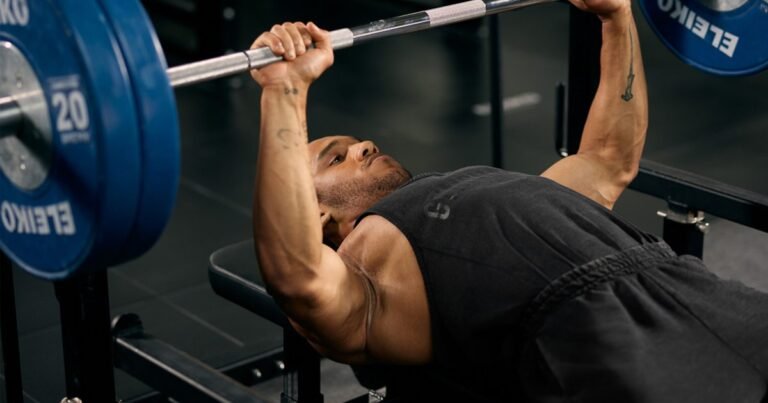
On Monday, bench for two moderate sets, row for two, then do an easy shoulder and triceps set. Tuesday might contain two controlled squats, one hip-hinge set and a leg-curl set. Thursday and Friday can repeat the patterns without high-repetition burnout sets or ambitious load jumps. Warm up appropriately and use good range of motion. A lighter week should improve practice quality, not encourage sloppy reps.
If you only lift twice weekly, removing a full session may remove more practice than necessary. Keep both sessions and trim hard-set counts. If you train six demanding days plus conditioning, dropping a session alongside a volume reduction may be more sensible. Recovery requirements differ, so choose the arrangement that fits the actual work.
Aim to feel that the week was clearly easier, but do not mistake total inactivity for the only legitimate deload. Maintaining regular movement and comfortable technique can make the return to normal training feel smoother.
Equipment Worth Exploring
Explore equipment, accessories and gear from our carefully selected range.
VOLTRA
Compact digital cable trainer with smooth, adjustable resistance.


VForce 2IN1
Half rack and pivot-arm functional trainer with switchable 1:1 and 2:1 pulley ratios.


HUSLA Leg Extension Pad
Pad attachment designed to increase usable range of motion on compatible leg-extension machines.


Competition Plates
Competition-style bumper plates for Olympic lifts and loaded strength training.

FID Bench MAX
Adjustable bench offering flat, incline, and decline positions + adjustable headrest.

Coming back without a pointless max-out
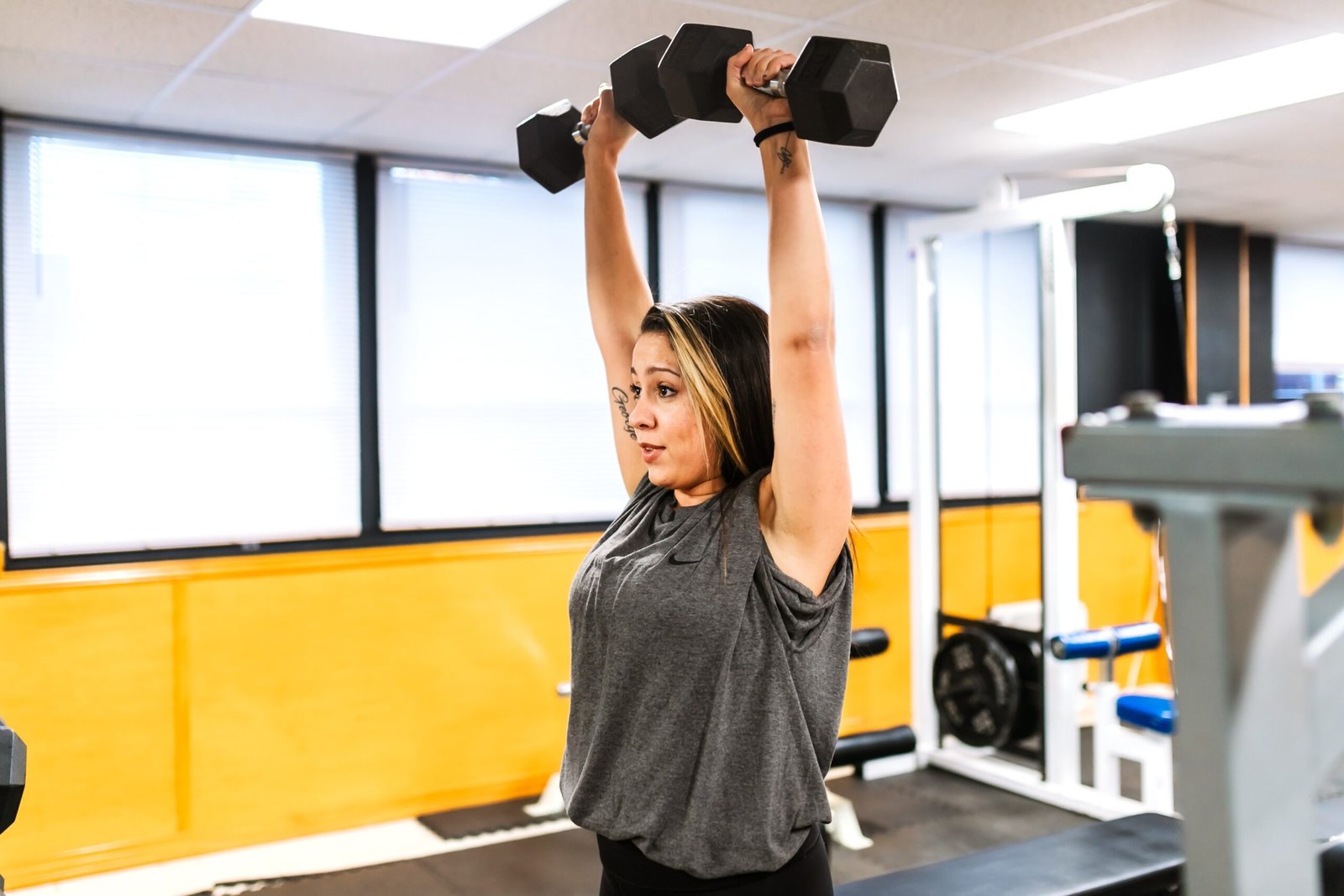
You do not owe the gym an immediate personal best after a deload. Start the next block with familiar movement patterns and evaluate your usual warm-up weights. If coordination, technique and rep quality seem normal, move toward the prescribed working loads and volume. If fatigue remains elevated, build the set count back over two or three sessions rather than restoring every accessory and finisher on the first day.
Your logbook can provide better context than a mood check. Record your top working set, reps, approximate repetitions in reserve, sleep and persistent soreness. For instance, if 100 kilograms for eight controlled bench repetitions was normal before the deload, compare similar sessions afterward without pretending a one-rep variation proves the plan worked or failed. Performance fluctuates naturally even when recovery is adequate.
Keep food and sleep steady. A lower-volume week is not a reason to slash protein or compensate by doing exhausting cardio. If you are in a calorie deficit, reducing training stress may be convenient, but the easier week cannot erase the recovery cost of persistently insufficient energy. Likewise, a deload is not an excuse to postpone every challenging workout once progress requires sustained effort.
A productive return means the next several sessions are technically sound and you can resume consistent progression. That is more useful than a dramatic single-day strength test.
Powerlifting Shirts & Lifting Gear
Powerlifting shirts and gym gear for squat, bench and deadlift lifters who live for heavy numbers.

Gym Skull Weightlifting Pullover for Powerlifters Bodyb Hoodie
Bring “Skull Weightlifting” gym humor to lazy days and post-workout plans.

My Therapist Says Lift More – Gym Therapy Meme Jumper P T-Shirt
Show some gym-day personality with “My Therapist Says Lift More”.

Be Happy Lift Heavy Happy Weights Smiley Face Weight Pl T-Shirt
Show some gym-day personality with “Be Happy Lift”.

1 Plate Squat Club Meme – Essential Top T-Shirt
Heavy lifts, good laughs, and a little “1 Plate Squat Club” energy.


1 Plate Deadlift Club Meme – Motivational Top T-Shirt
Heavy lifts, good laughs, and a little “1 Plate Deadlift Club” energy.

Never Skip Leg Day Chicken Legs Meme & Bros Hoodie
Show off your leg-day humor in a laid-back “Never Skip Leg Day” hoodie.

Funny Gymrat Mousetrap | Gym Rat Muscle Shirt For Serio Tank Top
Show some personality between sets with “Gymrat Mousetrap”.

Anti Social Lifting Club Sweater & Meme T-Shirt
Add a playful “Anti Social Lifting Club” touch to your casual rotation.

9 Plates Bench Club : Exclusive Meme & Gymbro T-Shirt
Show some powerlifting attitude with a playful “9 Plates Bench Club” tee.
Different rules for beginners, bodybuilders and powerlifters
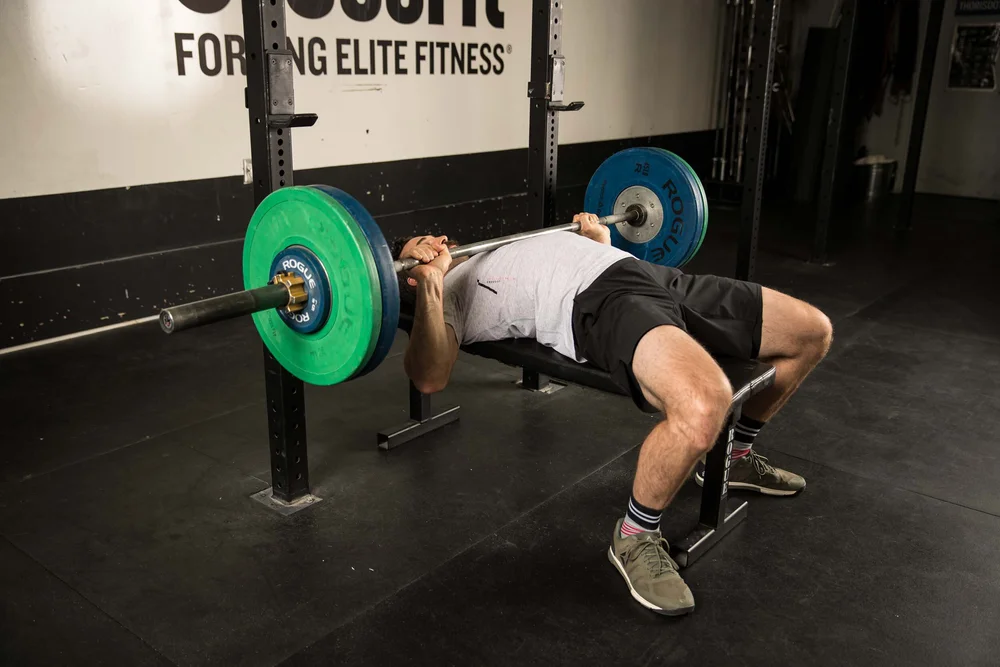
Beginners can get stronger with relatively modest volumes, and the eight-week experiment examined that exact population. If your technique is improving and you are recovering well, you may not need a formal deload at all. Continue learning movements and increasing loads conservatively. If life interrupts a week, treat it as a temporary scheduling change rather than an irreversible setback.
Bodybuilders often accumulate high volumes for individual muscles. Cutting accessory sets and reducing failure work can lower fatigue without abandoning the lifts that allow consistent technique and range-of-motion assessment. If a muscle feels especially beaten up, it may make sense to trim work there more than elsewhere. Do not let a general deload turn into an unfocused program rewrite.
Powerlifters must also consider skill and specificity. A meet taper is designed around performance on the squat, bench and deadlift, often preserving carefully selected heavier exposures while sharply managing volume. That is not the same scenario as reduced biceps curls and leg extensions. Competitive athletes should prioritize their training phase and technical needs over a generic seven-day formula.
The strongest practical lesson is flexibility. Try the least disruptive reduction that addresses a genuine recovery problem, log what happens and adjust future training blocks. One small experiment supports a reasonable option; it does not make deloading mandatory or guarantee that doing less always creates more muscle.