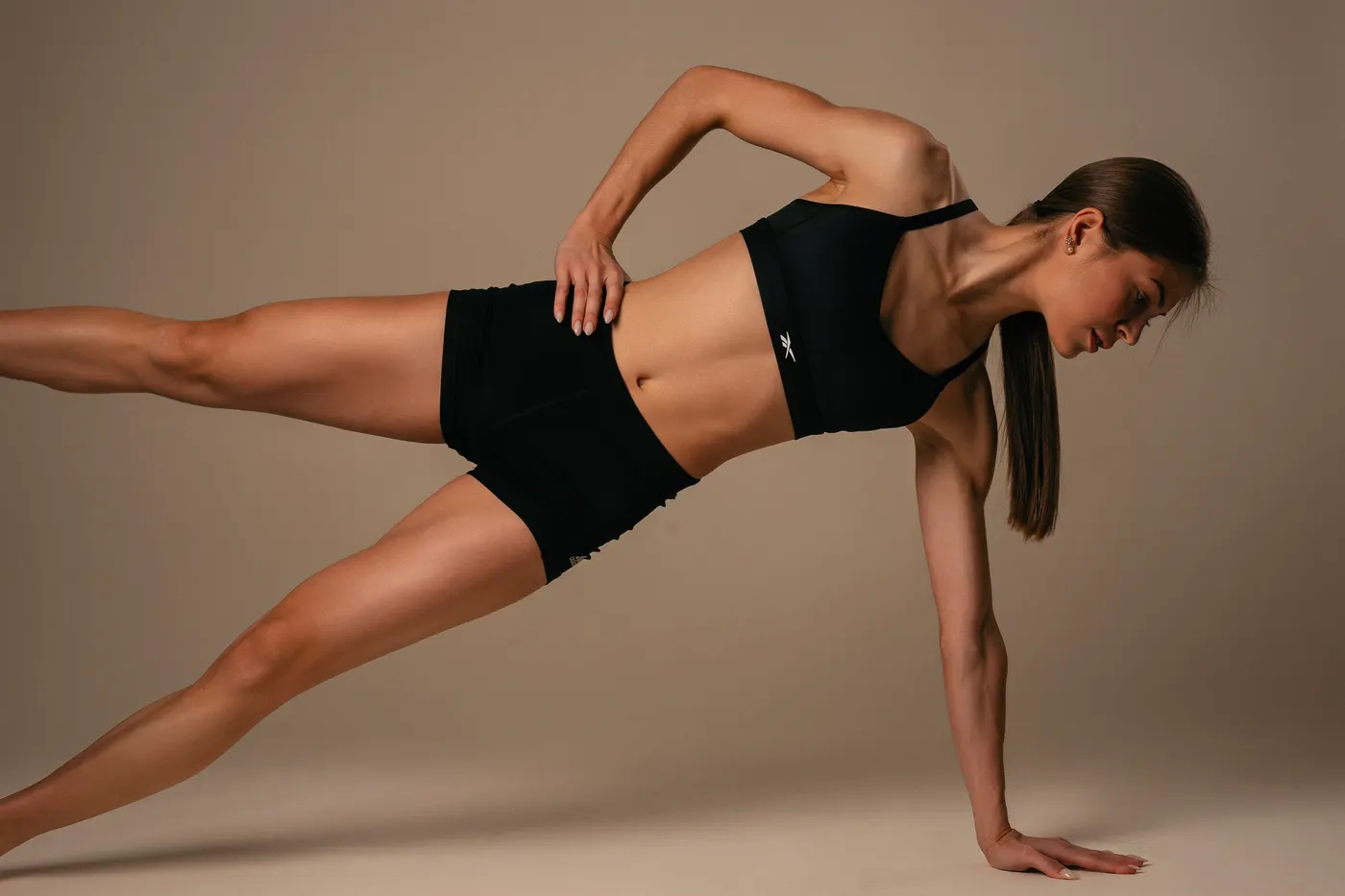
Side planks are useful, but they are not the only way to build a trunk that stays controlled when a weight pulls you sideways. If a side plank irritates your supporting shoulder, becomes too easy, or simply does not fit your home-gym setup, there are other ways to train the same broad job: resisting unwanted side-bending while the hips, shoulders and legs do their work.
The most practical alternatives include one-sided carries, supported standing drills, suspension exercises and slow overhead transitions. They are not interchangeable in every respect. Some challenge the trunk while walking, others ask the shoulder to stabilize your bodyweight, and still others involve controlled movement rather than a static hold. The right choice depends on what you can perform consistently and progress safely.
What Lateral-Core Training Actually Does
The muscles along the sides of your trunk include the internal and external obliques and quadratus lumborum. They work with the deeper abdominal muscles, spinal extensors, hips and breathing system to control your position under load. When a kettlebell hangs from one hand, gravity tries to pull that side down. Staying upright creates an anti-lateral-flexion challenge without requiring a side plank.
That is different from deliberately performing heavy side bends. Both can be valid exercises, but one emphasizes holding a position while an external force tries to move you; the other emphasizes producing movement. The distinction matters when you are choosing a drill for a particular training goal.
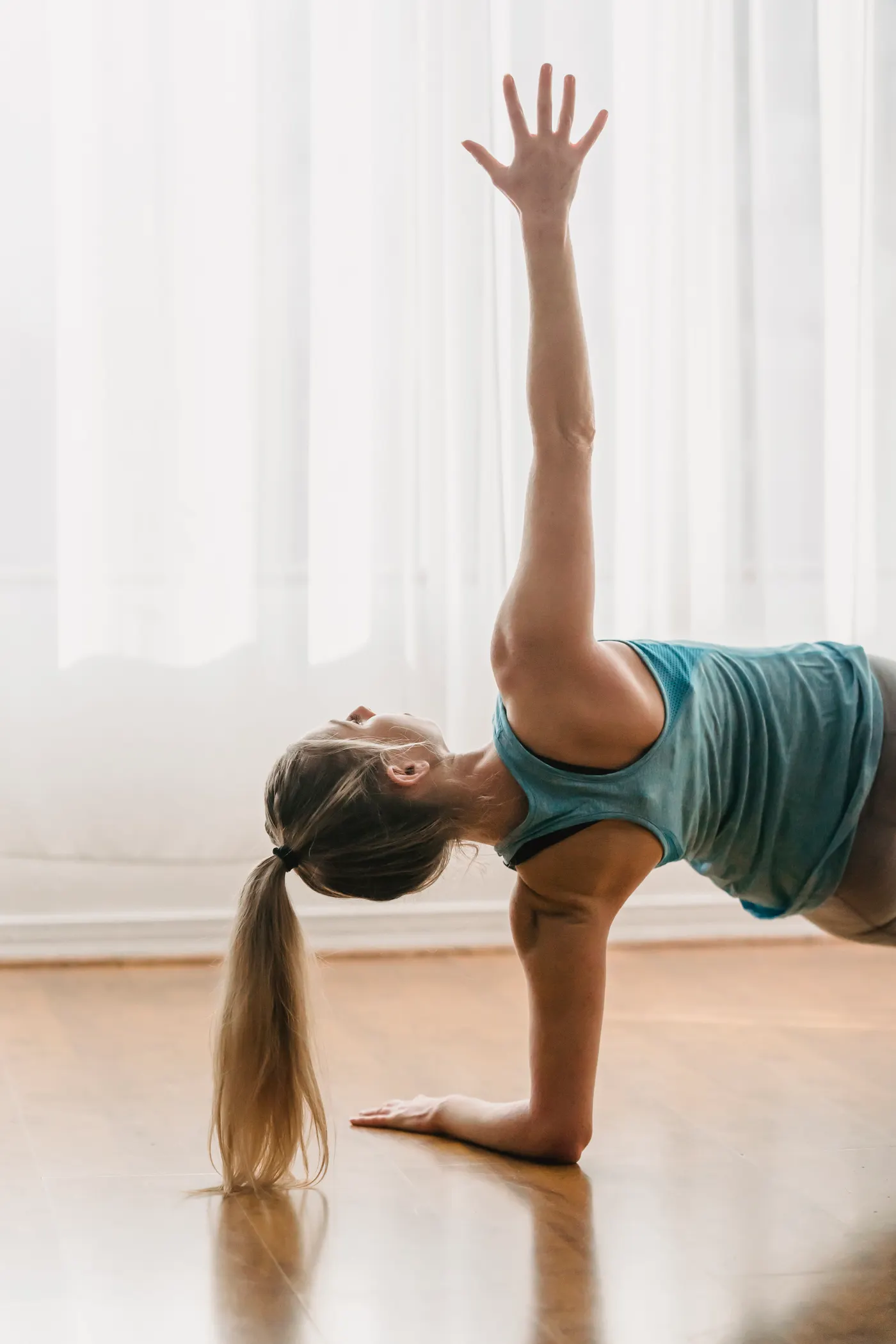
A side plank also asks the shoulder and hip to contribute. It can be limited by elbow discomfort, shoulder capacity or balance before the trunk becomes the main limiting factor. If your goal is general core strength, that is not a reason to force a longer hold. A supported alternative may deliver a more repeatable challenge.
For a small home gym, the equipment requirement can be as modest as one dumbbell or kettlebell and enough clear floor to walk safely. Cable machines and suspension straps add options, but they are not mandatory. The guiding principle is simple: choose a task that challenges control without turning every repetition into a fight to avoid falling.
What the Evidence Says—and What It Does Not
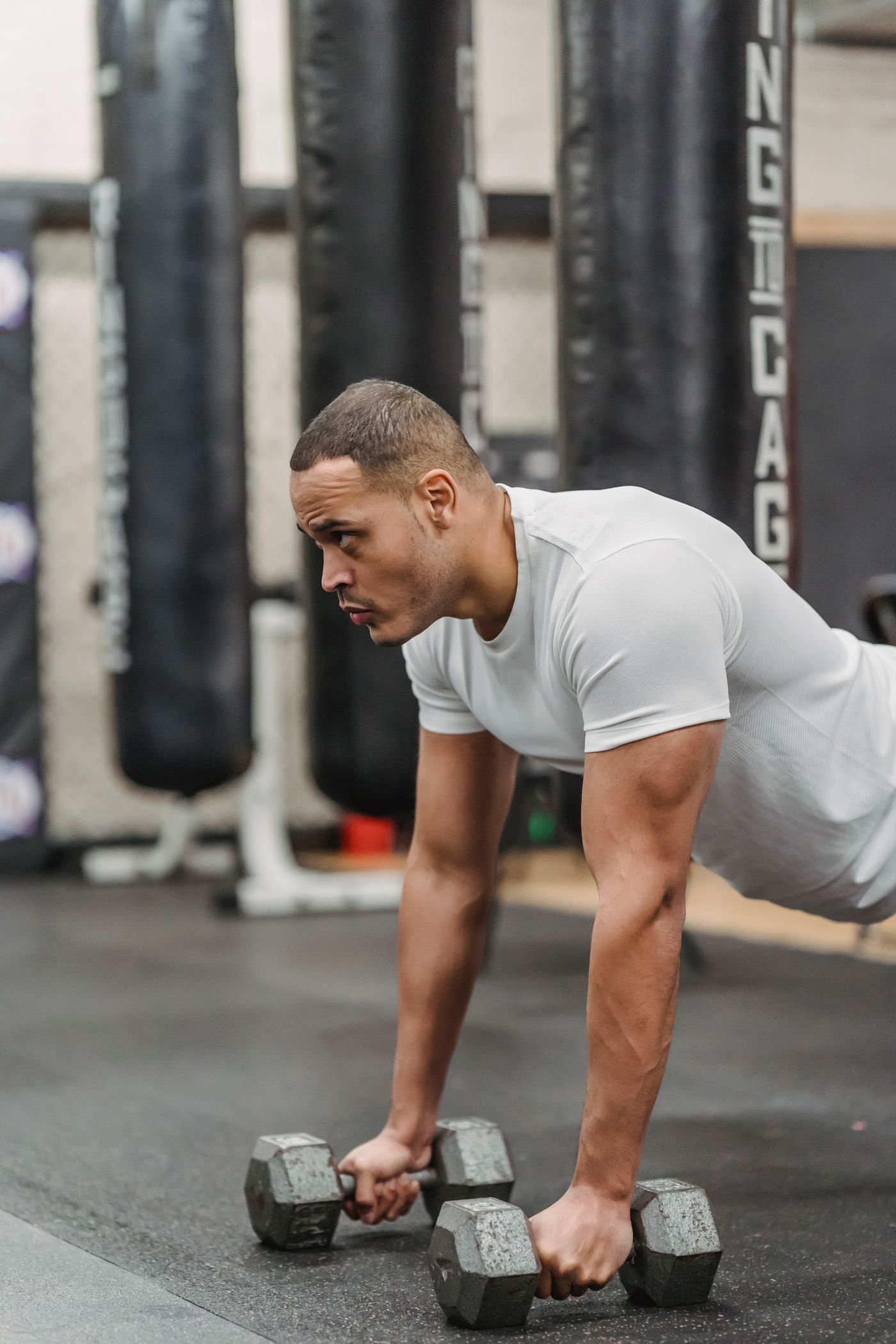
Exercise comparisons often use surface electromyography, or EMG, to estimate how strongly selected muscles are electrically active during a task. This is useful for understanding exercise demands, but higher activation in a brief test does not automatically mean greater long-term strength, hypertrophy, pain relief or injury prevention.
A 2026 study comparing side-plank and Copenhagen-plank variations reported that the longer-lever Copenhagen conditions generally produced higher oblique activity and perceived effort than a standard side plank. That is a reminder that changing leverage can make a bodyweight drill considerably harder. It is not evidence that everyone should jump straight to the most demanding version.
Earlier research on stable and suspended core exercises found that suspended lateral planks can strongly challenge lumbar muscles, while suspended roll-out and prone-plank variations emphasize somewhat different muscle groups. Another investigation found that suspension did not uniformly improve every measure of trunk co-contraction. More instability is not automatically better; sometimes it simply makes the exercise harder to control.
Studies of unilateral load carriage also show that carrying a weight on one side changes trunk posture and walking mechanics, particularly as load increases. That supports the idea that suitcase carries create a meaningful asymmetric demand. It does not prove that a particular carry weight prevents back pain or replaces all other trunk training.
For programming, this evidence supports variety and appropriate progression rather than a single winning exercise. Pick a version you can repeat with consistent alignment, breathe through, and gradually make more challenging. General resistance-training guidance favors regular, progressive work; it does not require elaborate core circuits or maximal fatigue at every session.

Equipment Worth Exploring
Explore equipment, accessories and gear from our carefully selected range.


FID Bench MAX
Adjustable bench offering flat, incline, and decline positions + adjustable headrest.

Power Tower
Freestanding pull-up and dip station with adjustable handles for bodyweight training.
Suitcase Carries: The Best Simple Standing Swap
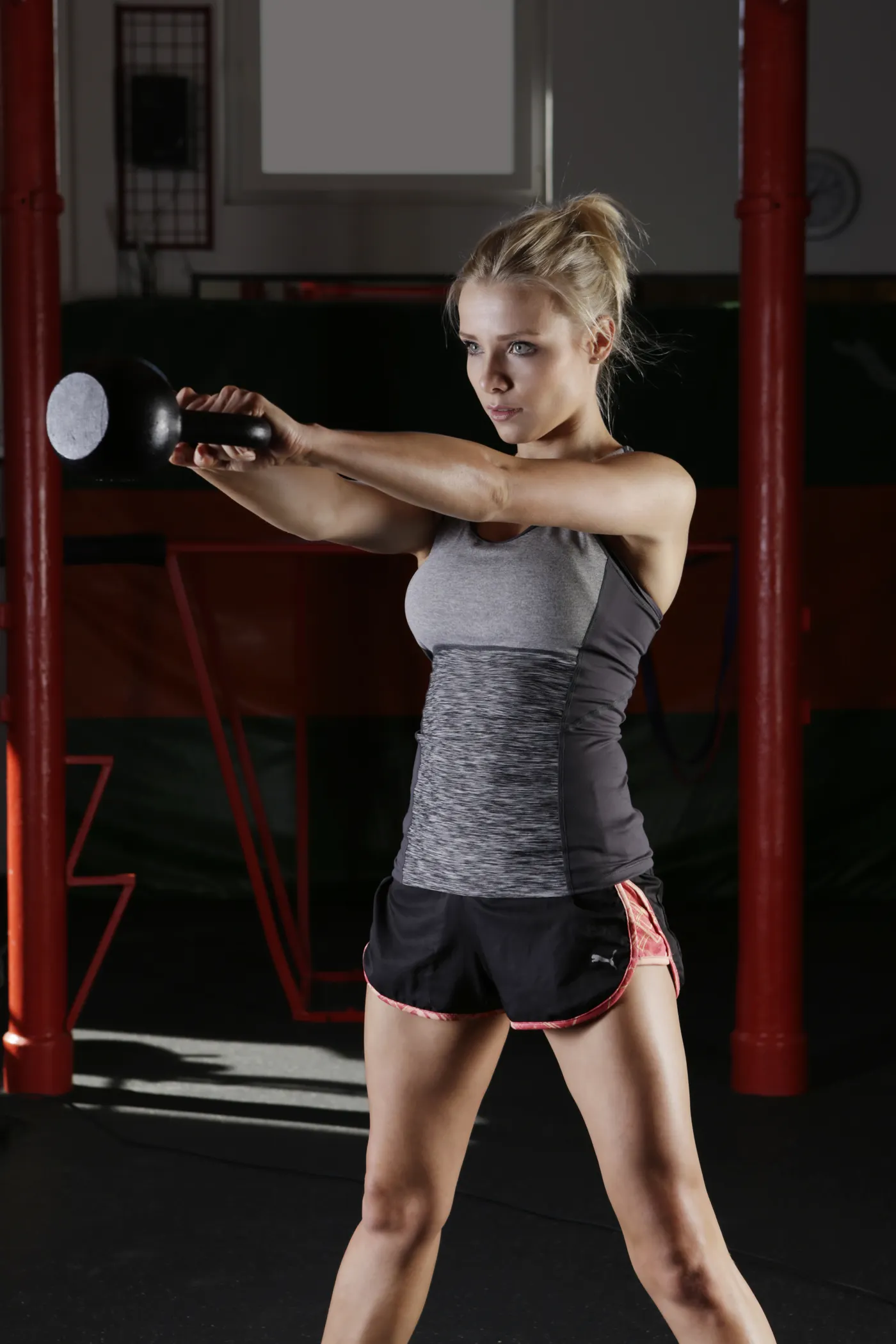
A suitcase carry is a practical starting point because it combines grip, walking and trunk control. Hold one dumbbell or kettlebell at your side, stand tall, and walk slowly without deliberately leaning away from the weight. Keep the shoulders reasonably level and the ribs stacked over the pelvis. The objective is not to look rigid; it is to move without excessive side-to-side collapse.
Start with a load you can carry for about twenty to thirty seconds while speaking normally and keeping your steps controlled. Perform two or three carries on each side, with a short rest between them. If space is limited, walk a few steps, turn carefully and repeat, or use a static suitcase hold in place. Do not attempt quick turns with a load that pulls you off balance.
Progress one variable at a time. First make the carry smoother, then extend it toward forty seconds, and only afterward consider a slightly heavier weight. A very heavy implement may turn the session into a grip test before the trunk receives useful work. Straps are optional and should not be necessary for most beginners.
Try both sides and record whether one feels less stable, but avoid diagnosing an injury or muscle weakness from a single difference. Hand dominance, fatigue, coordination and previous practice all affect performance. If your lower back becomes uncomfortable, reduce the load and duration rather than exaggerating the lean in an attempt to feel the obliques more.
For home-gym owners, adjustable kettlebells and dumbbells are convenient because they allow small load increases without requiring a full rack of weights. A carry also fits naturally between larger strength sets, provided it does not leave your grip exhausted before deadlifts or rows.

Functional Fitness Shirts & Workout Gear
Functional-fitness shirts, tanks and workout gear for athletes who train strength, conditioning and everything in between.

Punisher Kettlebell Shirt – Meme & T-Shirt
Make gym days more fun with “Punisher Kettlebell” style.

Poisoned Apple Kettlebell : Enchanted Fairy Tale T-Shirt
Show some Halloween attitude with a playful “Poisoned Apple Kettlebell” tee.

Pancake Kettlebell – Breakfast Gains Meme Decal for Wat Sticker
Give your everyday gear a playful “Pancake Kettlebell” twist.

Blue Macaroon Kettlebell – Whimsical Fitness Meme Hoode Hoodie
Keep it laid-back with a little “Blue Macaroon Kettlebell” attitude.

Pink Macaroon Kettlebell – Girly Kettlebell Meme Pullov T-Shirt
Keep things casual with a little “Pink Macaroon Kettlebell” attitude.

Heart Shaped Kettlebell Valentine’s Day in Love with Ke T-Shirt
Make gym days more fun with “Heart Shaped Kettlebell Valentine’s Day” style.

Hells Kettlebells Hells Bells Parody AC/DC Heavy Metal Sticker
Bring “Hells Kettlebells” attitude to your water bottle or laptop.

Super Kettlebell Decal for Water Bottles Laptops Gym Ge Sticker
Bring “Super Kettlebell” attitude to your water bottle or laptop.

Lift Together Grow Stronger Buddies Friendship Workout T-Shirt
Make gym days more fun with “Lift Together Grow Stronger” style.

Dia De Los Muertos Kettlebell – Day of the Dead Workout Tank Top
Your gym-day look, with a playful “Dia De Los Muertos Kettlebell” twist.
Suspension Hip Drops and Side Planks
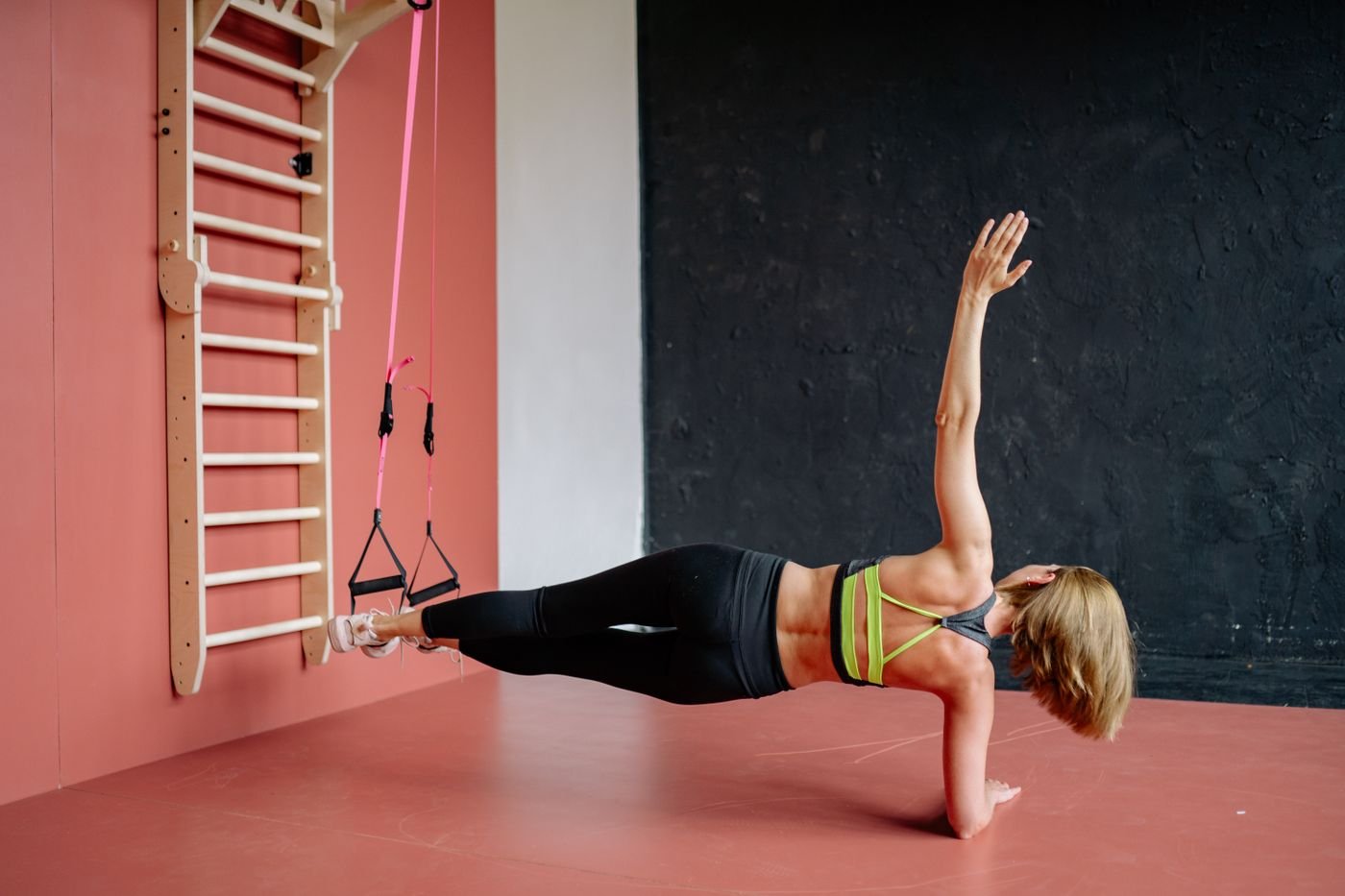
A suspension hip drop is a standing lateral-core variation. Secure a suspension trainer to an appropriate rated anchor, stand sideways to it, and use the handles to support a controlled sideways movement. Let the hips travel a small distance away from the anchor while the torso follows a smooth arc, then return to standing without jerking. The precise setup depends on the equipment, so follow its anchoring and grip instructions.
Begin with a short range of motion and both feet securely planted. Two sets of six to ten slow repetitions per side are plenty to learn the pattern. Moving the feet or changing the angle can increase resistance, but more range is not necessarily better. Stop before you lose control or feel pinching through the shoulder or lower back.
A suspended side plank is a different and more demanding task. Supporting the feet in straps while holding the body sideways asks the shoulder, hip and trunk to work together. A regular side plank with the bottom knee bent is a more sensible starting point for most people. Progress to straight legs and only then consider suspension if the shoulder tolerates it.
Keep the elbow below the shoulder, maintain comfortable breathing and finish each hold before your body sags. Ten to twenty clean seconds can be more productive than sixty seconds spent compensating. If wrist or shoulder symptoms persist, use a standing carry or cable drill instead of pushing through pain.
Suspension equipment can be versatile, but anchor security is non-negotiable. Avoid doors or fixtures that are not designed for the load. In a compact room, a sturdy rack-mounted attachment or properly installed wall anchor is preferable to improvising with unstable furniture.
Half-Kneeling Arc Presses and Other Alternatives
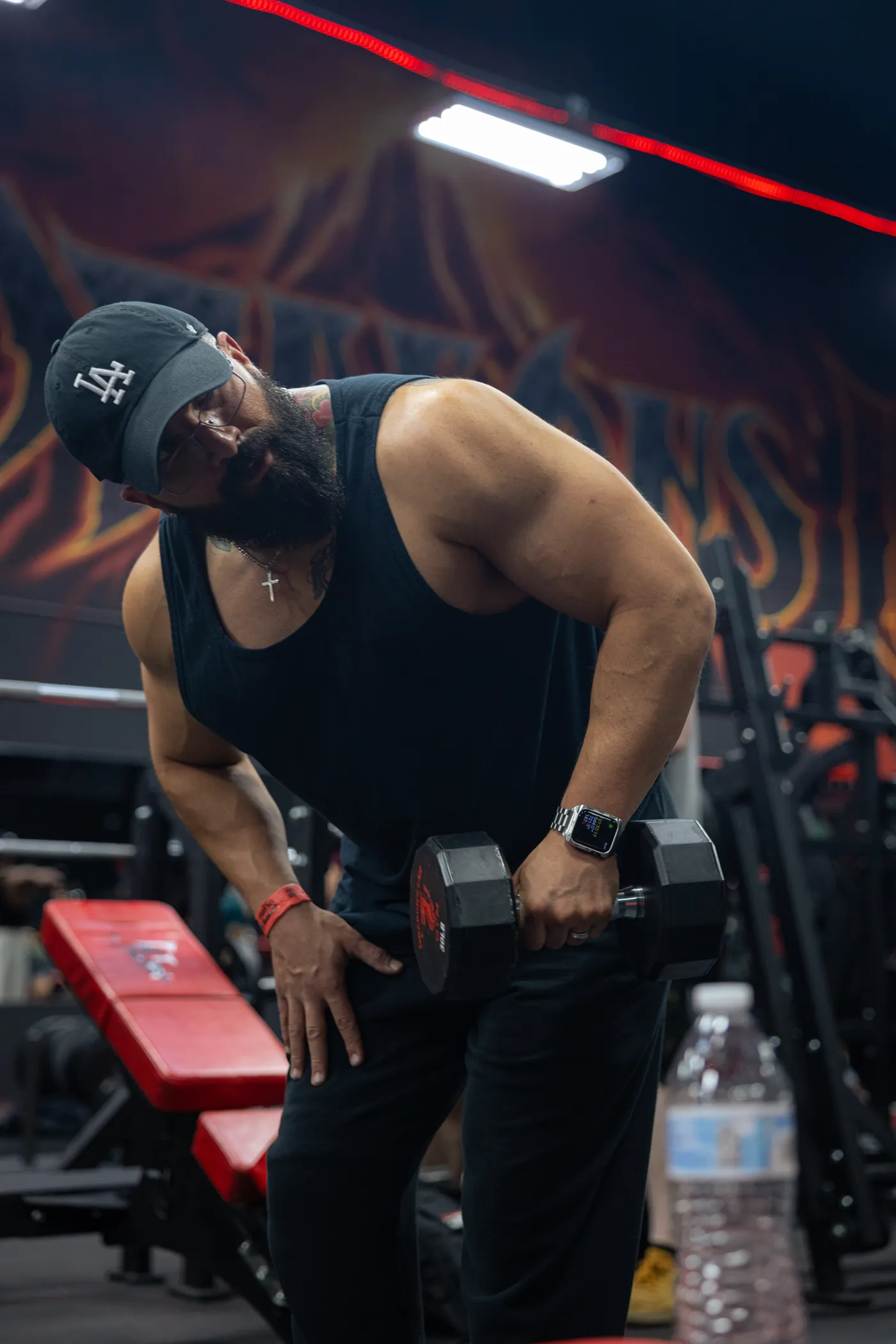
A half-kneeling arc press combines trunk control with a slow overhead transition. Kneel with one foot forward, hold a light sandbag or other suitable implement near one shoulder, and guide it in a controlled arc toward the opposite shoulder. The pelvis should stay relatively quiet while the arms move. Start with a light load and a modest arc rather than forcing the shoulders overhead.
Try two sets of five or six deliberate transitions in each kneeling position. If the front hip rotates or the ribs flare dramatically, reduce the load and range. This exercise is not appropriate for everyone: people with painful overhead motion can instead use a light chest-height press or a cable anti-rotation hold.
A standing one-arm cable hold is another compact option. Set a cable handle around chest height, stand sideways to the machine, and hold the handle close to the sternum before pressing it forward. Resist rotation rather than letting the shoulders turn toward the pulley. This is principally an anti-rotation drill, so it complements rather than exactly duplicates the anti-side-bending demand of a suitcase carry.
A single-arm farmer hold, offset goblet hold, supported lateral step and knee-supported side plank can each make sense depending on the goal. The best choice is the one you can load gradually and perform without a distracting amount of joint discomfort. You do not need five variations in the same session.
One common mistake is chasing a burning sensation in the side of the waist. Local fatigue is not a reliable scorecard for movement quality. Instead, monitor whether the hips stay steady, whether the shoulders tolerate the task, and whether your next session can be performed with equal or better control.
Equipment Worth Exploring
Explore equipment, accessories and gear from our carefully selected range.
VOLTRA
Compact digital cable trainer with smooth, adjustable resistance.

Go-Tone Pro
Portable digital cable trainer with up to 66 lb (30 kg) of adjustable resistance.


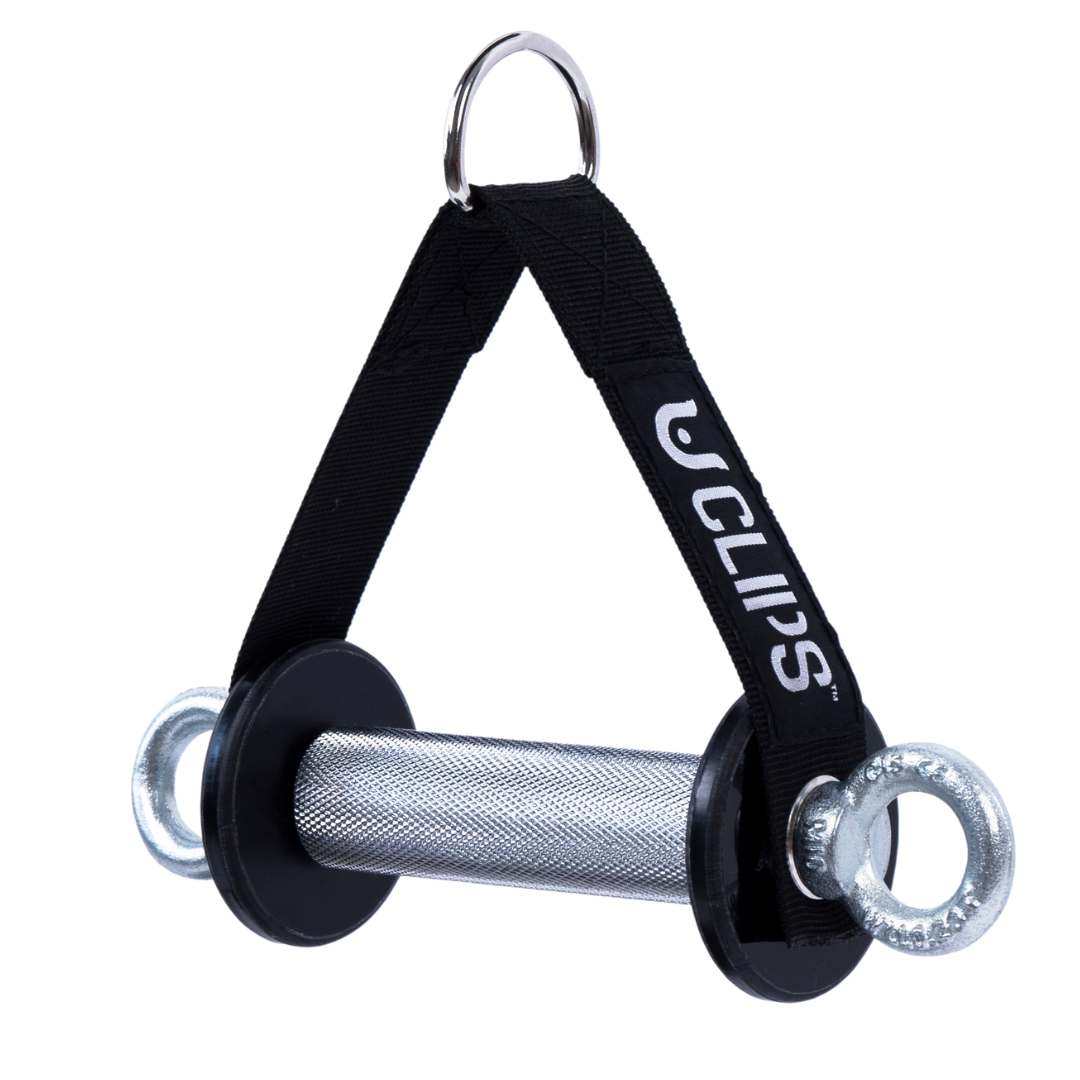
GymPin Ergo Handles
Pair of ergonomic cable handles shaped for comfortable triceps and pulling exercises.

GymPin D Cuffs
Adjustable wrist cuffs with textured grips for supported cable-machine exercises.


A Two-Day Lateral-Core Plan for a Small Home Gym
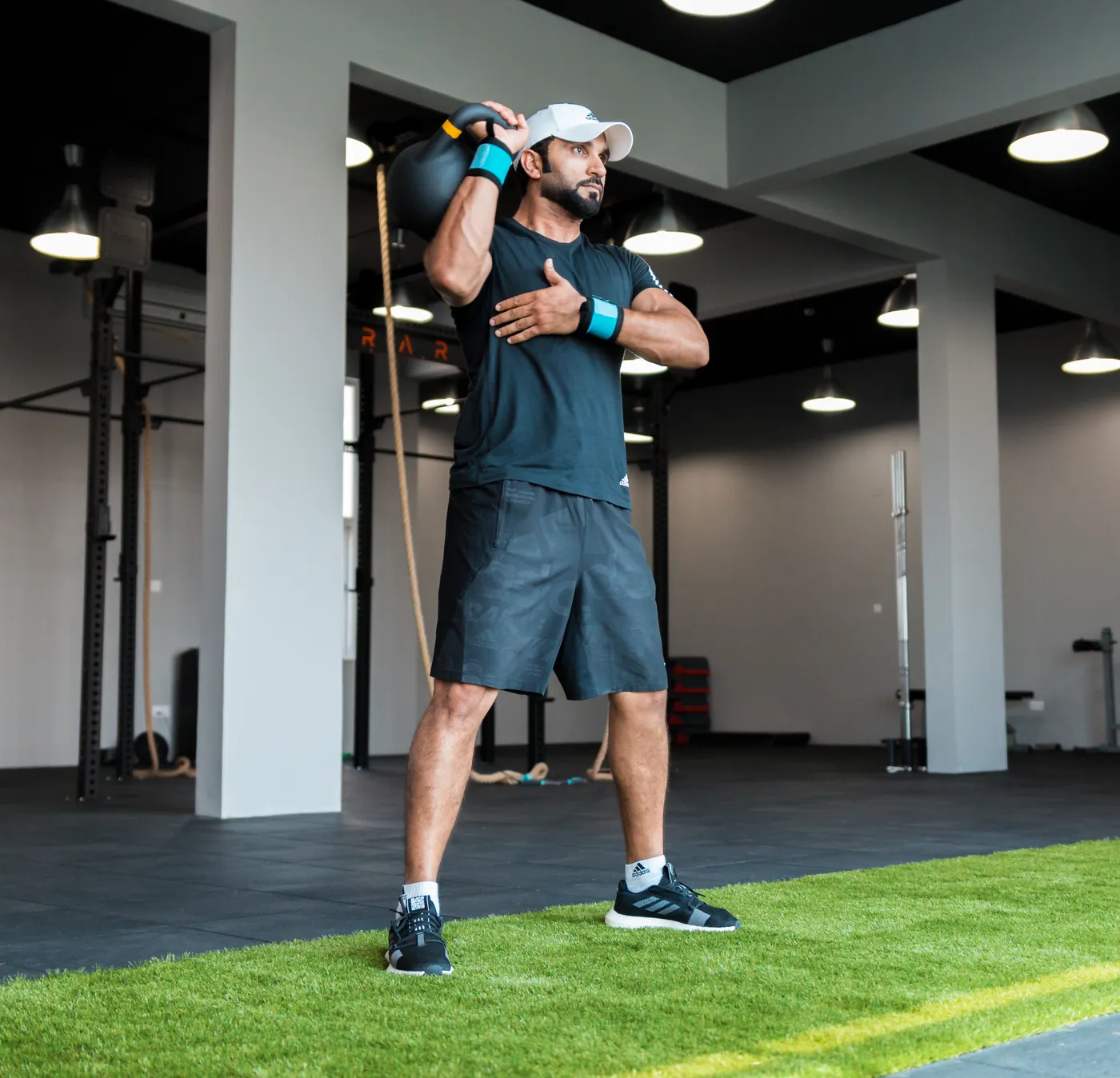
Core work is most useful when it supports a broader strength program. The following two-day template uses short, repeatable doses rather than a separate forty-minute abdominal workout. Leave at least one day between sessions if possible. Start with five minutes of easy movement, then practice the relevant positions without added resistance.
Day A — standing stability: squat or split squat for two or three sets of six to ten; horizontal row for two or three sets of eight to twelve; suitcase carry for three rounds of twenty to thirty seconds per side; and a controlled standing cable press for two sets of eight per side. Rest long enough to keep the carry upright and the press smooth. The squat and row remain the main strength work.
Day B — floor and suspension control: hip hinge for two or three sets of six to ten; chest press or incline push-up for two or three sets of eight to twelve; knee-supported side plank for two or three holds of fifteen to twenty seconds per side; and a standing suspension hip drop for two sets of six to eight per side if an appropriate anchor is available.
Choose a challenge that leaves a small reserve of clean repetitions or several seconds of stable holding time. For the first two weeks, there is no need to train to failure. If a shoulder-sensitive trainee cannot perform side planks comfortably, replace them with a second short carry variation or a standing anti-rotation hold. If a suspension trainer is unavailable, nothing essential is lost.
Keep the total number of core sets manageable. Someone already doing heavy unilateral rows, carries, lunges and other free-weight exercises may need less direct trunk work than someone whose training is entirely machine-supported. Consistency matters more than collecting exercise names.
The setup can be remarkably compact: adjustable weights, a mat, and an optional cable or suspension attachment. More equipment increases variety, not the basic requirement to train effectively.
Four Weeks of Progress Without Chasing Longer Holds
Use a short audit to learn whether your chosen alternative is becoming easier to control. Write down the exercise, load, hold duration or repetitions, and any shoulder or back discomfort. Keep the walking route and turning pattern consistent for carries, and record the anchor height for suspension work. Changing everything at once makes progress difficult to interpret.
Week 1: select two exercises that feel comfortable and learn the setup. Film one short set from the front or side if useful. Week 2: repeat the same work with steadier breathing and less visible shifting. Week 3: add a few seconds to each carry or one repetition to a controlled dynamic drill. Week 4: increase resistance modestly only if the earlier steps remain consistent.
If you are already holding a side plank for a minute with excellent control, adding another minute may not be the most productive next step. A slightly longer lever, a different exercise or a modest external load can offer a new challenge. Conversely, if twenty seconds produces shaking and shoulder discomfort, the right progression may be a shorter, cleaner hold.
Do not assume that feeling one side work harder means you have discovered a structural imbalance. Compare repeated sessions, not a single set. Pain that persists or radiates, neurological symptoms, or a recent injury deserve individualized clinical assessment rather than aggressive loading.
The main takeaway is not that side planks are obsolete. They remain an efficient bodyweight exercise. Suitcase carries, suspension hip drops, half-kneeling presses and cable holds simply provide different routes to trunk control. Choose the route that fits your body, your equipment and your goals, and make it gradually more demanding while preserving technique.
Calisthenics Shirts & Street Workout Gear
Calisthenics and bodyweight-training gear for pull-ups, dips, handstands and street-workout athletes.


Always Pull Yourself Up Funny Gym T
Heavy lifts, good laughs, and a little “Always Pull Yourself Up” energy.

Calisthenics Heartbeat – Pullups & Handstands & T-Shirt
Show some lifting attitude with a playful “Calisthenics Heartbeat” tee.


Calisthenics Evolution
Show some lifting attitude with a playful “Calisthenics Evolution” tee.


Shirt – Lord Of The Calisthenics Rings Meme , Top T-Shirt
Heavy lifts, good laughs, and a little “Lord of the Calisthenics Rings Meme” energy.


Calisthenics Muscle Shirt Athletic Vest for Bodyweight Tank Top
Your gym-day look, with a playful “Calisthenics” twist.