Can you build strength and athletic power with less time spent resting? A 2026 six-week trial compared two ways to organize squat and bench press training in basketball players: alternating exercises in supersets or dividing sets into short clusters with pauses inside them. Both approaches improved measured performance, but their rest demands were very different.
That makes the result useful beyond basketball. Supersets promise a shorter workout; clusters promise cleaner, better-rested repetitions. Neither is a shortcut around sensible training volume or recovery. Here is what the comparison actually tested, where the broader evidence agrees, and how to apply each approach without turning a gym session into a race.
The study tested two ways to organize the same lifting work
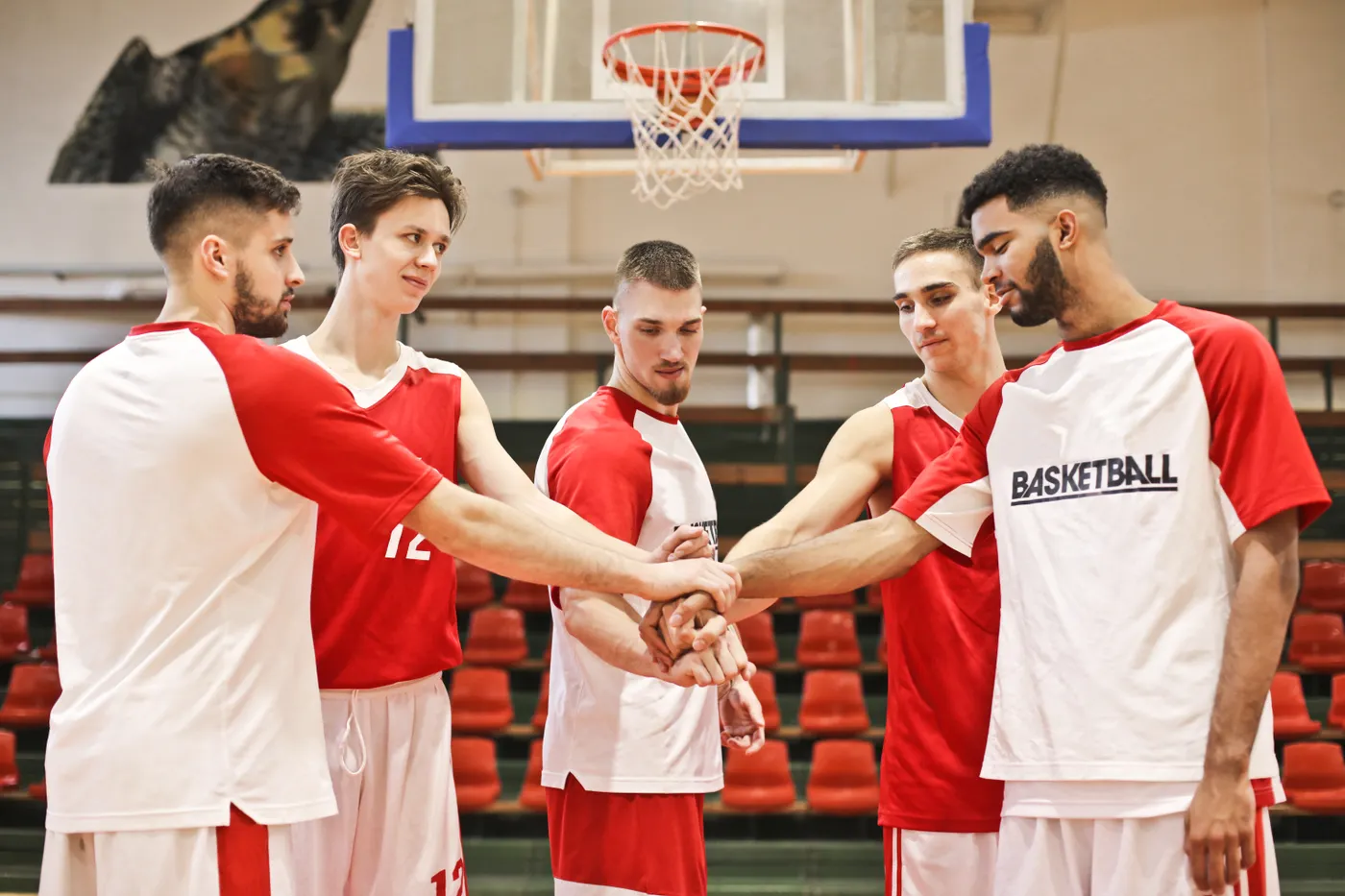
In a randomized six-week comparison published online on February 28, 2026, 30 amateur male basketball players were assigned to either supersets or cluster sets. Both groups trained the squat and bench press with the same prescribed volume and relative intensity. The interesting question was not whether lifting works; it was whether the arrangement of repetitions and recovery would change performance when the main training dose stayed comparable.
Every participant’s program involved 18 repetitions of each exercise per session at about 75% of one-repetition maximum. That is a meaningful workload, not a demonstration with empty bars. The superset group alternated squats and bench presses, using a minute between exercises and three minutes between supersets. The cluster group completed each exercise separately, with a short 30-second break after every two repetitions and longer breaks between sets.
The groups were not compared on muscle size measured by ultrasound or MRI. Instead, the researchers assessed countermovement jumping, medicine-ball throwing and load-velocity characteristics of the two lifts. These are useful measures of athletic performance, but they should not be casually translated into proof that one approach builds bigger muscles.
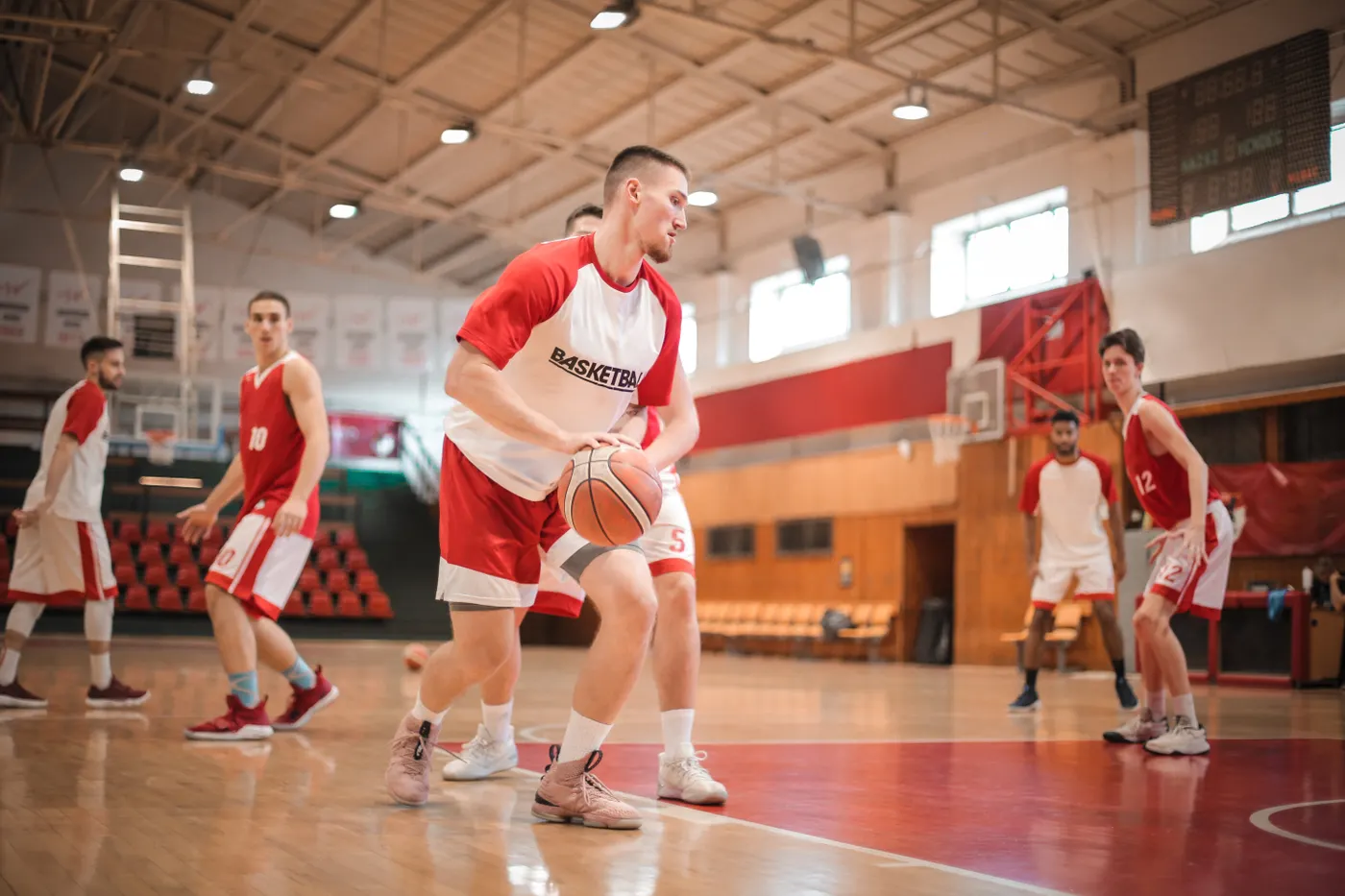
The participants were basketball players, not a random sample of every lifter. Their sport combines repeated explosive efforts, running, jumping and strength work. That makes the comparison especially relevant to athletes who must fit lifting around practice. For recreational lifters, the study is informative but not a universal prescription for every training age, exercise pairing or recovery capacity.
What changed after six weeks – and what did not
Both training groups improved countermovement jump height and medicine-ball throw distance. Several load-velocity outcomes also improved over time. The researchers did not detect a clear group-by-time advantage for either approach on the reported performance outcomes. That means the available data did not establish that supersets were better than clusters or that clusters were better than supersets for these particular adaptations.
One number stands out for a practical reason: the prescribed rest time was approximately nine minutes for the superset structure and 23 minutes for the cluster structure. That is a 14-minute difference in rest allocation, not a guarantee that every complete superset workout finishes 14 minutes sooner. Setup, equipment access, warm-up and transitions can all change real-world session duration.
Small, statistically uncertain differences between groups should not be treated as definitive wins. Some effect estimates leaned slightly toward one structure or the other, but the trial was modest in size and only lasted six weeks. Its strongest takeaway is that both set arrangements supported improvement when participants completed comparable squat and bench workloads.
It also matters what the study did not measure. We cannot infer that supersets improve long-term muscle hypertrophy more, that clusters eliminate injury risk, or that either method will outperform standard sets across every exercise. A study of jumping and throwing performance should be read as a study of jumping and throwing performance, with strength-related secondary measures, rather than an all-purpose verdict on bodybuilding.
Supersets and cluster sets solve different training problems
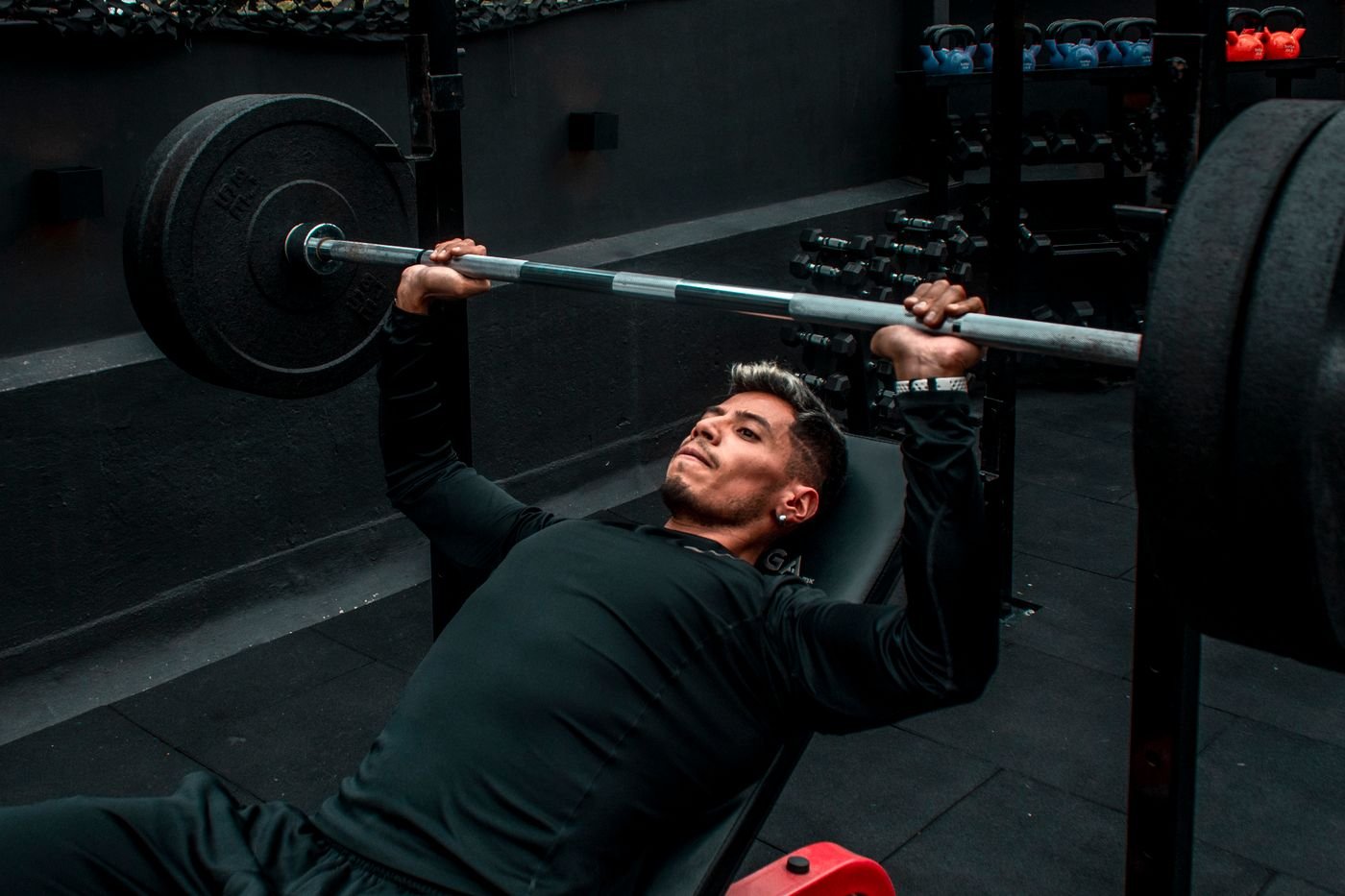
A superset combines two exercises in alternating order. In this trial, squats were paired with bench presses. Because the movements emphasize different regions, one area can recover somewhat while the other works. That does not mean your cardiovascular system or nervous system experiences zero fatigue. It means you are distributing local work across different movement patterns rather than resting completely between every effort.
Cluster sets divide what would ordinarily be one uninterrupted set into small groups of repetitions with brief internal pauses. Instead of six continuous repetitions, for example, you might complete two reps, rest briefly, complete two more and repeat. Those pauses can help maintain movement speed and technique when the load is demanding. They also make the workout feel different: you spend more time resting inside a set but may preserve the quality of individual repetitions.
Neither label automatically describes intensity. A superset of curls and calf raises is different from pairing heavy squats with deadlifts. Likewise, a cluster of fast, crisp doubles differs from grinding near-maximal repetitions with insufficient rest. Exercise choice, total sets, load and effort still determine the training stimulus.
For most gym-goers, the most transferable distinction is simple. Choose alternating exercises when your main obstacle is available time and you can keep the performance of each movement high. Choose strategically broken-up sets when rep speed, bar path or explosive output is the priority. Traditional straight sets remain useful whenever simplicity and full recovery best support the session’s main lift.

Equipment Worth Exploring
Explore equipment, accessories and gear from our carefully selected range.


FID Bench MAX
Adjustable bench offering flat, incline, and decline positions + adjustable headrest.


Safety Squat Handles
Barbell squat handles that reduce shoulder positioning demands during high-bar squats.

GymPin Squat Wedges
Non-slip 15-degree squat wedges help elevate the heels for deeper quad-focused squats.


Why time savings can come with a fatigue tradeoff
A shorter session is valuable only if it still accomplishes the goal. Alternating an upper-body and lower-body movement can save time without forcing the same muscle to work continuously. Pairing two demanding exercises for the same muscle group, however, can reduce the load or number of quality repetitions you can sustain. The phrase ‘superset’ covers both approaches, so exercise selection matters more than the marketing label.
A broad evidence synthesis published in 2025 pooled 19 studies involving 313 participants. It found that supersets generally shortened sessions while producing similar chronic strength and hypertrophy outcomes to traditional sets in the studies available. But supersets also tended to raise perceived effort and metabolic strain. The review distinguished alternating or opposing-muscle pairings from similar-movement pairings, which may compromise total training volume more.
That difference explains why a squat-and-bench pairing can be reasonable while a heavy squat followed immediately by high-repetition lunges might be a poor default for someone trying to maximize squat quality. In the first case, the muscles doing most of the work differ. In the second, the second exercise competes directly with the recovery needed for the first.
Use performance as the guardrail. If the second round of your superset produces an unexpected drop in repetitions, unstable technique or a dramatic reduction in speed, extend the rest interval. The objective is to compress unnecessary downtime, not to turn every strength session into a breathless conditioning test. More fatigue is not automatically more productive training.

Powerlifting Shirts & Lifting Gear
Powerlifting shirts and gym gear for squat, bench and deadlift lifters who live for heavy numbers.

I Love Bench Press Shirt | Red Heart Weight Plate Graph T-Shirt
Show some gym-girl attitude with a playful “I Love Bench Press” tee.

5 Plates Squat Club – Motivational T-Shirt
Show some leg-day attitude with a playful “5 Plates Squat Club” tee.

No Plates No Dates | Weightlifting Meme For PRs & Gains T-Shirt
Heavy lifts, good laughs, and a little “No Plates No Dates” energy.

Gym The Bar Does Not Lie Medieval Knight Crewneck for S T-Shirt
Show some gym-day personality with “The Bar Does Not Lie Medieval Knight”.

Squat Here | Edgy Muscle Shirt | Gym Humor Meme Workout Tank Top
Show some personality between sets with “Squat Here”.

Gym Sir Swole of Benchalot Medieval Knight Bench Press T-Shirt
Make gym days more fun with “Sir Swole of Benchalot Medieval Knight” style.

Gym Sworn to the Iron Oath Medieval Knight Crewneck for T-Shirt
Show some gym-day personality with “Sworn to the Iron Oath Medieval Knight”.

Muscle Daddy Pink Barbell Plate Crewneck for Men Who Li T-Shirt
For laid-back days and lifting humor: “Muscle Daddy”.

Ultimate Meme : The Essential Bench Press Shirt T-Shirt
Show some powerlifting attitude with a playful “Ultimate” tee.

Gym Iron Before Honor Medieval Knight Crewneck for Stre T-Shirt
Show some gym-day personality with “Iron Before Honor Medieval Knight”.
When clusters are worth the extra rest
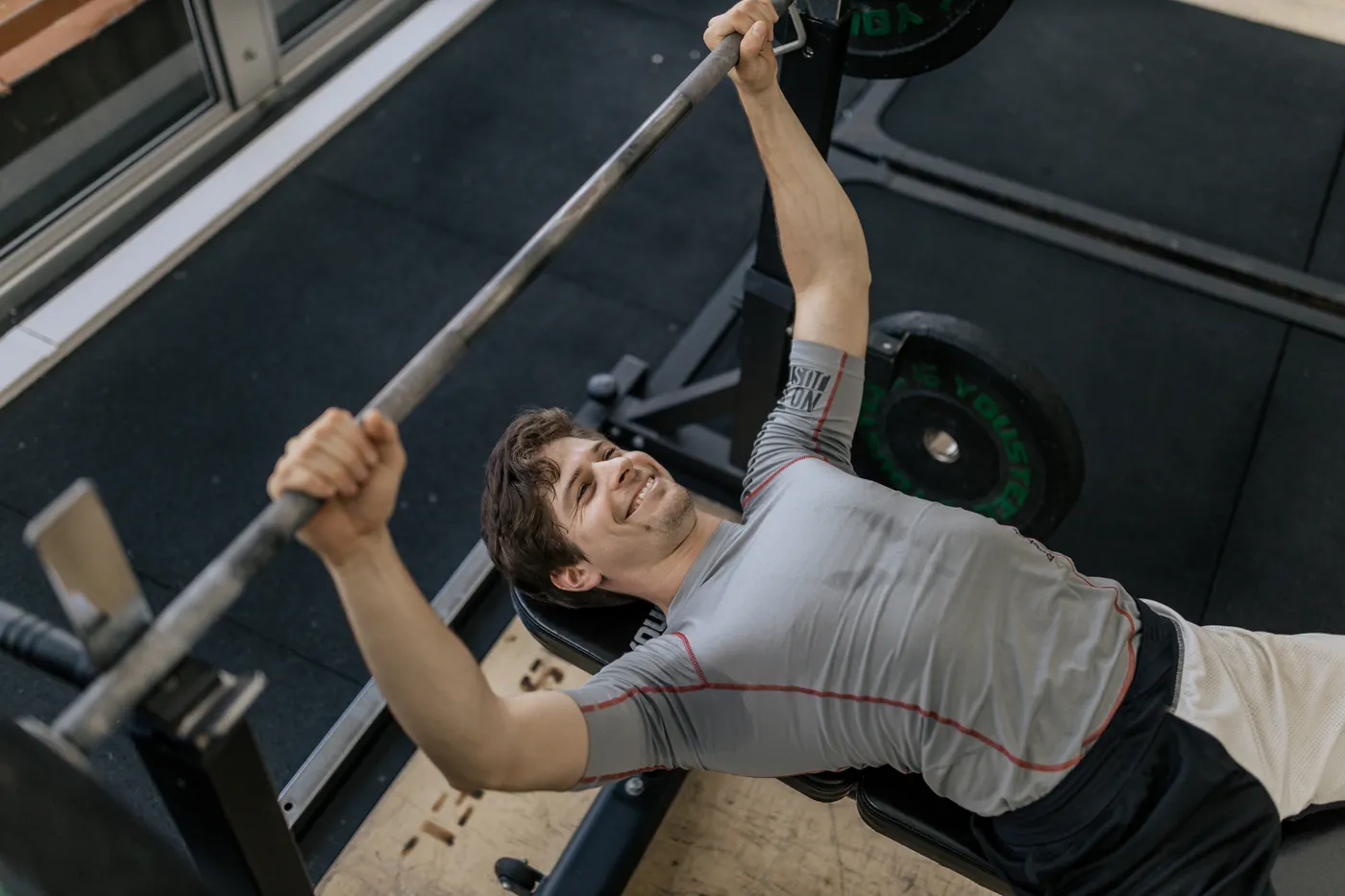
Cluster sets are most attractive when you want to repeat technically demanding, relatively fast repetitions without letting fatigue accumulate as quickly. Short breaks inside the set can preserve bar velocity and reduce the sensation that the final repetitions are turning into a grind. That can matter for jump-oriented athletes, power work and strength sessions where clean execution takes priority over getting out of the gym quickly.
Evidence beyond the six-week basketball comparison supports a cautious version of this idea. A 2020 systematic review found that cluster and rest-redistribution structures could help maintain velocity and power and reduce some acute fatigue markers compared with uninterrupted sets. A separate 2021 synthesis found broadly similar long-term strength and hypertrophy adaptations between cluster and traditional structures. Better immediate rep quality does not necessarily translate into dramatically greater muscle growth.
There is also a cost. Pauses consume clock time, can require attention to a timer and may make it harder to share equipment in a busy facility. If you are training for general fitness, you may not need to micromanage the seconds between every pair of reps. For maximal strength attempts, standard long rests can be just as straightforward.
Clusters are a tool rather than an upgrade everyone needs. Use them when you can name the specific performance quality you are trying to preserve. If you cannot, conventional sets with enough recovery are a perfectly sensible baseline. Keep total repetitions and effort comparable when testing whether a new set structure actually helps.
Two practical templates for a busy training week
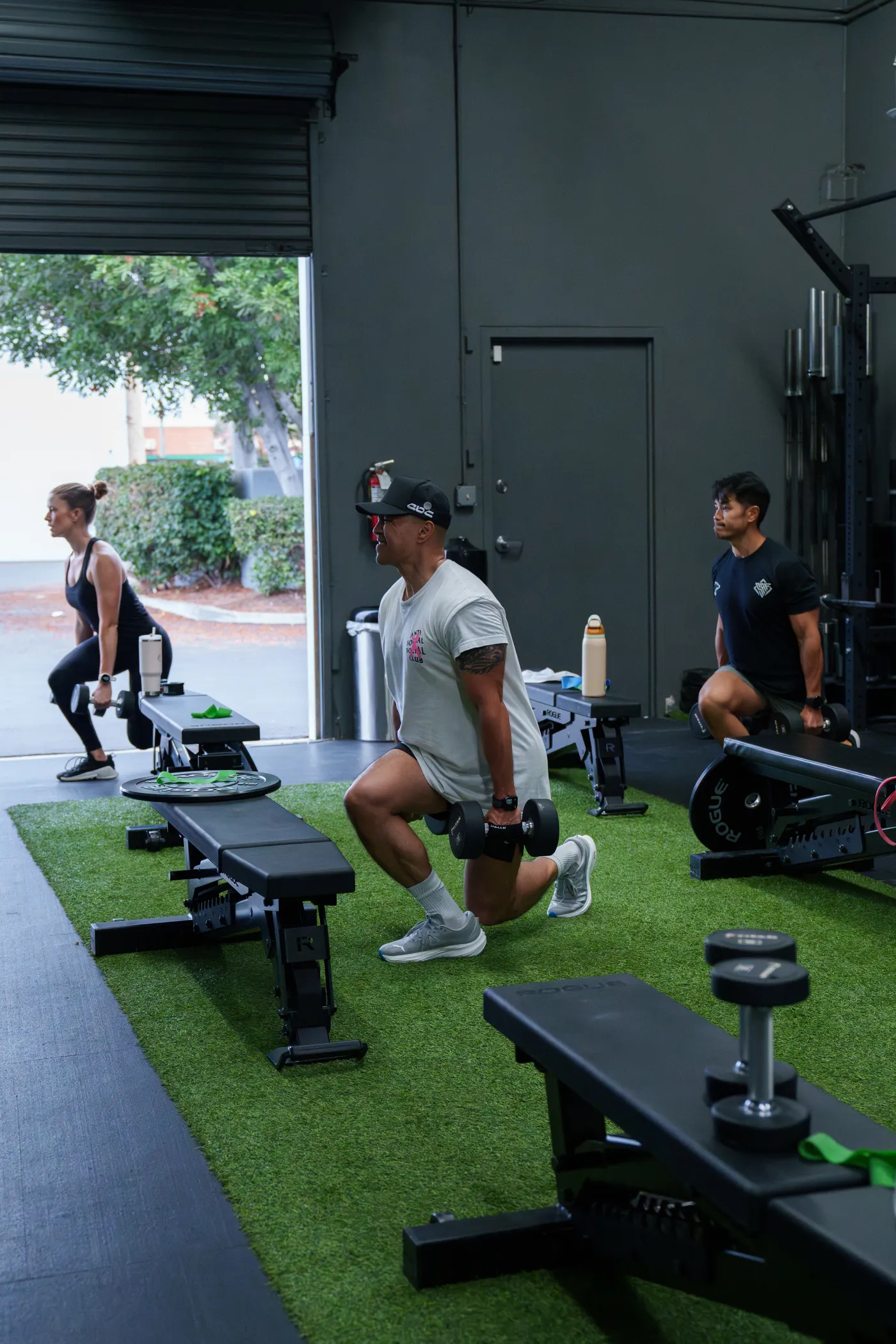
These examples are coaching templates inspired by the evidence, not replicas of the trial. They are designed to make the differences tangible. Adjust loads to your experience, leave repetitions in reserve when technique is threatened and use a warm-up appropriate to the exercises. The priority is repeatable quality, not the fastest possible stopwatch result.
Template A: alternating strength supersets. After warming up, pair a squat pattern with a horizontal press. Perform six controlled squat repetitions, rest about 60-90 seconds, perform six bench or dumbbell press repetitions, then rest another 90-180 seconds before repeating. Complete three rounds. Next, pair a row with a split squat or a modest hamstring movement for two to three rounds. Choose loads that allow the same movement standard on the last round as on the first. This structure can fit two weekly strength sessions when your schedule is crowded.
Template B: cluster-style power emphasis. Warm up and select a technically familiar squat or press at a manageable challenging load. Instead of one uninterrupted six-repetition set, perform two crisp repetitions, pause about 20-30 seconds, perform another two, pause again, then finish the final two. Rest two to three minutes before the next cluster. Complete three clusters while watching for slowing speed or deteriorating technique. Follow with ordinary accessory sets rather than clustering every exercise.
On other days, keep sports practice or conditioning appropriate to your goals. If basketball, sprinting or jumping is the priority, place your most explosive work when you are relatively fresh. If hypertrophy is the priority, total weekly hard sets, progression and recoverability matter more than whether every set carries a special name.
Whichever template you use, log the load, repetitions, rest periods and perceived difficulty. After two or three weeks, compare like with like. A shorter session that maintains or improves quality is a genuine efficiency gain; a shorter session that forces lighter weights and rushed technique may not be.
Equipment Worth Exploring
Explore equipment, accessories and gear from our carefully selected range.
VOLTRA
Compact digital cable trainer with smooth, adjustable resistance.

Go-Tone Pro
Portable digital cable trainer with up to 66 lb (30 kg) of adjustable resistance.



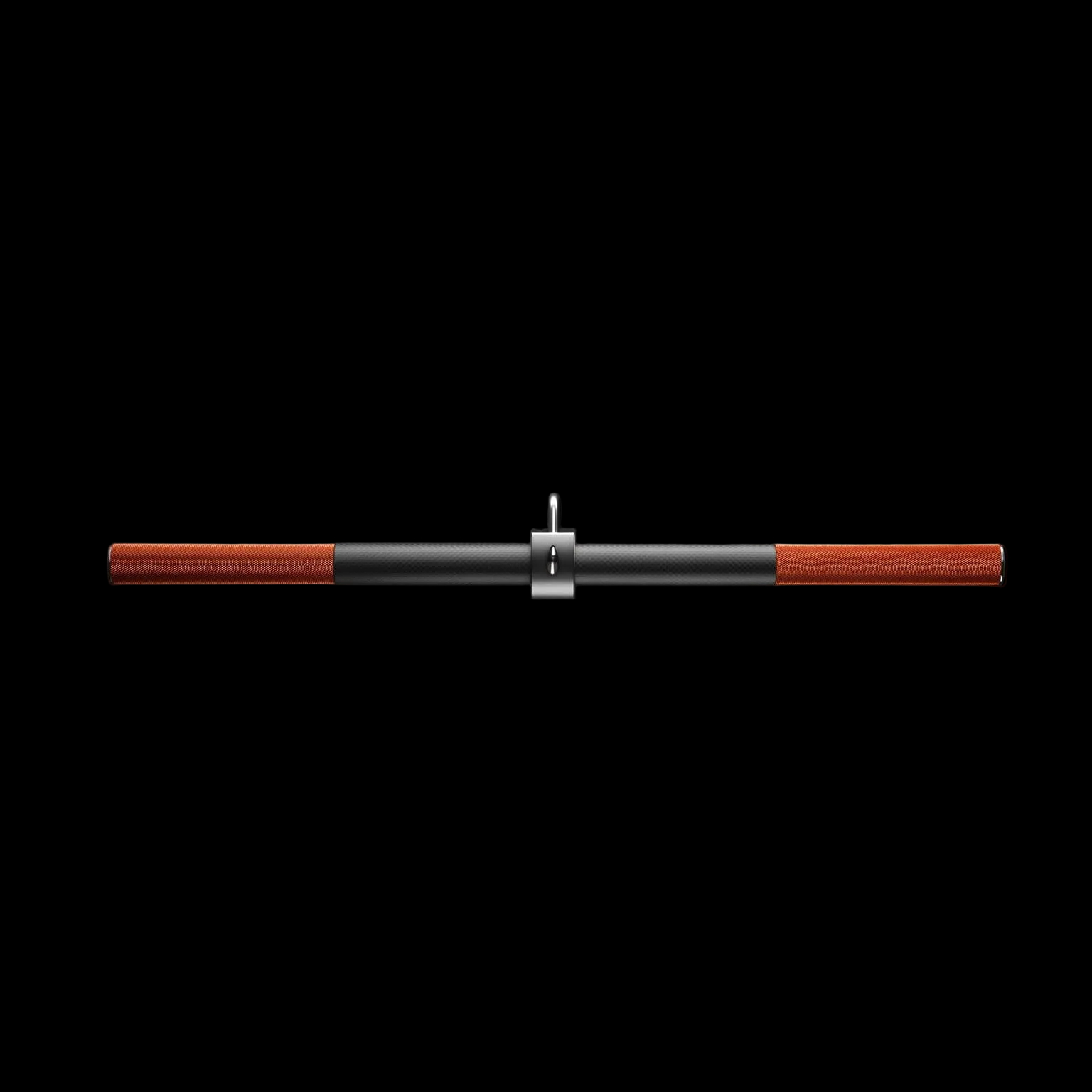

GymPin D Handle Bar
Multi-use steel D-handle bar for cable rows, pulldowns and other cable exercises.


How to choose the right set structure for your goal
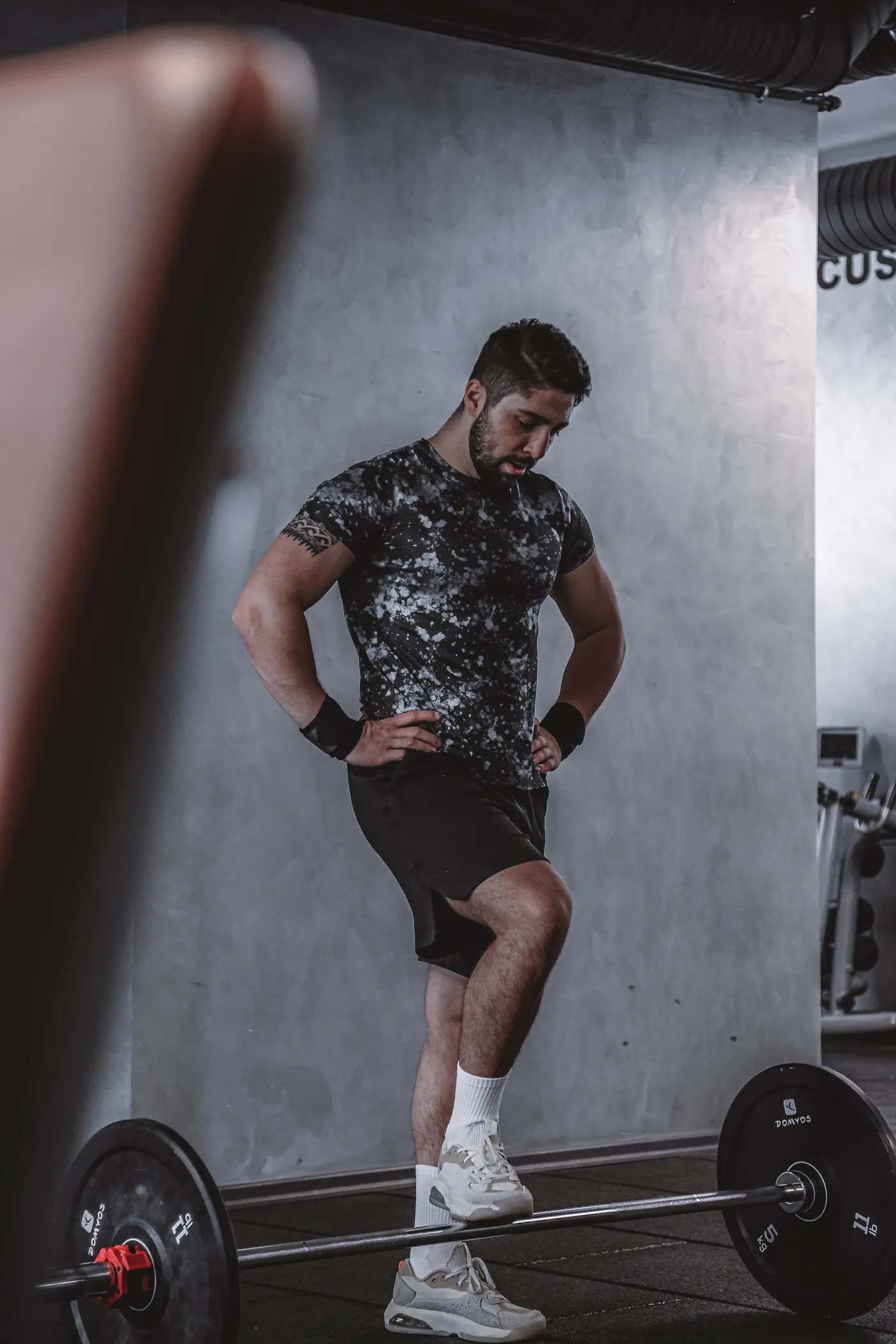
Start with the limiting factor in your current training. If you routinely skip accessory work because a session takes too long, alternate noncompeting exercises. If your heavy repetitions slow sharply and your sport values speed, consider brief within-set breaks. If you are progressing steadily with straight sets and have enough time, there is no obligation to replace a method that already works.
Do not compare two routines that differ in everything at once. Keep the exercise selection, approximate hard-set count and training frequency similar before crediting a change in results to supersets or clusters. Track a repeatable performance measure: working weight at a given rep count, the speed of clean repetitions if you have a reliable device, or the number of high-quality sets completed inside a fixed time window.
Recovery still governs how much productive training you can repeat. Basketball players may need to coordinate lifting with court practices and games. General lifters must account for work, sleep and other exercise. If a new structure makes every session more exhausting and the next workout suffers, use more rest or reduce volume. Efficient programming is not synonymous with maximal discomfort.
The six-week 2026 trial gives a practical answer rather than a miracle method: both supersets and clusters improved measured performance, and the superset arrangement used substantially less prescribed rest. Broader evidence suggests neither method is universally superior for long-term muscle growth. Pick the structure that protects your priority movements, fits your schedule and allows measurable progress over months, not just one intense workout.
Funny Gym Shirts & Workout Gear
Funny gym shirts, tanks, hoodies and workout gear for lifters who like training hard.

Superset Octopus Meme – Gymbro T-Shirt
Bring “Superset Octopus Gym Meme” humor to your next gym day.

Funny Gains Time Gym | Workout Sweater & Gym Bros | Fit T-Shirt
Show some gym-day personality with “Gains Time”.

Funny Lift Time Gym | Workout Sweater For Gym Bros & Li T-Shirt
Keep things casual with a little “Lift Time” attitude.

Funny Gymrat Mousetrap | Gym Rat Muscle Shirt | Next Cu Tank Top
Train hard, laugh a little, and rep “Gymrat Mousetrap”.

Breathe In Between Sets – Pink Floyd Meme Hooded Pullov Hoodie
Make your off-duty look more fun with “Breathe In Between Sets”.

Funny Gymrats – Gym Rat Meme Hooded Pullover Hoodie
Make your off-duty look more fun with “Gymrats”.

I Miss Gym Hooded Pullover Who Find Happiness Training Hoodie
Show off your powerlifting humor in a laid-back “I Miss” hoodie.

Will You Train With Me Proposal – Valentine's Day Worko Tank Top
Add some lifting attitude to training with “Will You Train With Me”.


Rat Cheese Barbell | Muscle Shirt & Bodybuilding Meme F Tank Top
Add some lifting attitude to training with “Gym Rat Cheese Barbell”.