Reverse curls look like ordinary curls with your palms turned toward the floor, but that small change alters the exercise substantially. The overhand position makes the movement feel less mechanically favorable and challenges the forearms while the elbow flexors still do the lifting. Used intelligently, it is a useful accessory for building stronger arms, not a magic replacement for regular curls or heavy pulling. The important details are wrist position, manageable loading, and enough recovery to make each set productive.
Some product links may be affiliate links, which can support Mind Muscle Perfection at no additional cost to you.
What reverse curls actually train
The brachioradialis runs along the thumb-side of the forearm and helps flex the elbow. The brachialis also flexes the elbow, while the biceps brachii flexes it and helps turn the palm upward. All three remain involved during a reverse curl. Pronating the forearm changes their relative mechanical advantages; it does not switch the biceps off or isolate one muscle completely.
That distinction matters because short-term muscle-activation measurements are often mistaken for proof of long-term muscle growth. In a small controlled comparison of ten competitive bodybuilders, the supinated curl actually produced somewhat higher measured brachioradialis excitation than the pronated and neutral versions during the lifting phase. A separate 2026 experiment with twelve trained men also found that grip configuration and contraction phase changed activation patterns. Neither experiment followed participants long enough to determine which grip built the most forearm muscle.
The practical interpretation is to use several elbow-flexion angles over time rather than claiming that one grip is universally superior. Reverse curls give you a different loading experience, demand control of the wrist, and fit naturally alongside standard curls and hammer curls. They are especially appealing when your routine already has plenty of supinated biceps work but little direct attention to the forearms.
Reverse curl form: the details that matter
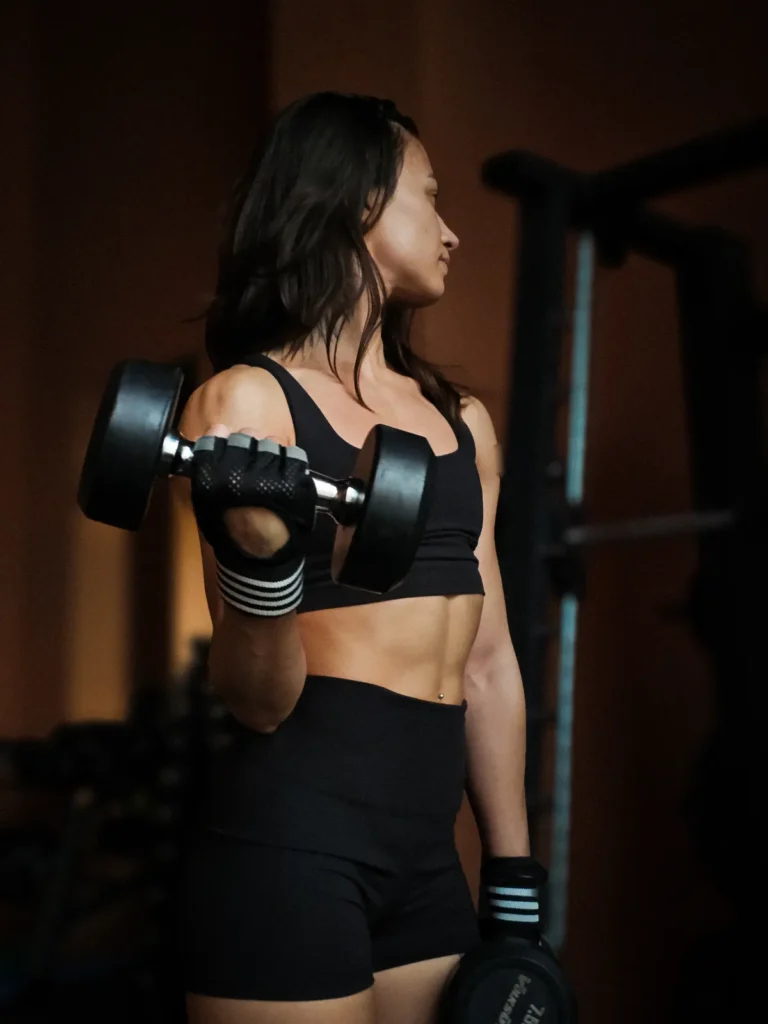
Begin with a light EZ-bar, straight bar, or pair of dumbbells. Stand with your feet stable, ribs stacked over your pelvis, and elbows close to your sides. Hold the implement with palms facing down and wrists approximately straight. Curl by bending your elbows while keeping your upper arms reasonably still. Pause briefly near the top, then lower through a controlled range without allowing the weight to drag your wrists backward.
The elbows do not need to be welded to your torso. A little natural movement is normal, especially near the top, but repeated shoulder swinging turns a focused elbow-flexion set into a whole-body heave. The bar should travel smoothly, and you should be able to stop the lowering phase at any point. If your hands open or your wrists fold before your elbow flexors are challenged, reduce the load.
Try a controlled two-second lowering phase, without turning every repetition into an exaggerated slow-motion effort. The goal is consistent tension and repeatable technique, not chasing a specific tempo at the expense of useful repetitions. A comfortable grip width is usually near shoulder width, although individual wrist and elbow anatomy varies. If a straight bar makes your wrists feel twisted, an angled EZ-bar or independently moving dumbbells can provide a more tolerable position.
Stop the set for sharp wrist or elbow pain, tingling, or loss of control. Ordinary muscular effort is expected; joint pain is not a badge of productive training. A neutral-grip hammer curl is a reasonable alternative while you adjust the implement and range.

Equipment Worth Exploring
Explore equipment, accessories and gear from our carefully selected range.


VOLTRA
Compact digital cable trainer with smooth, adjustable resistance.

Go-Tone Pro
Portable digital cable trainer with up to 66 lb (30 kg) of adjustable resistance.
Why the overhand grip usually needs lighter weights
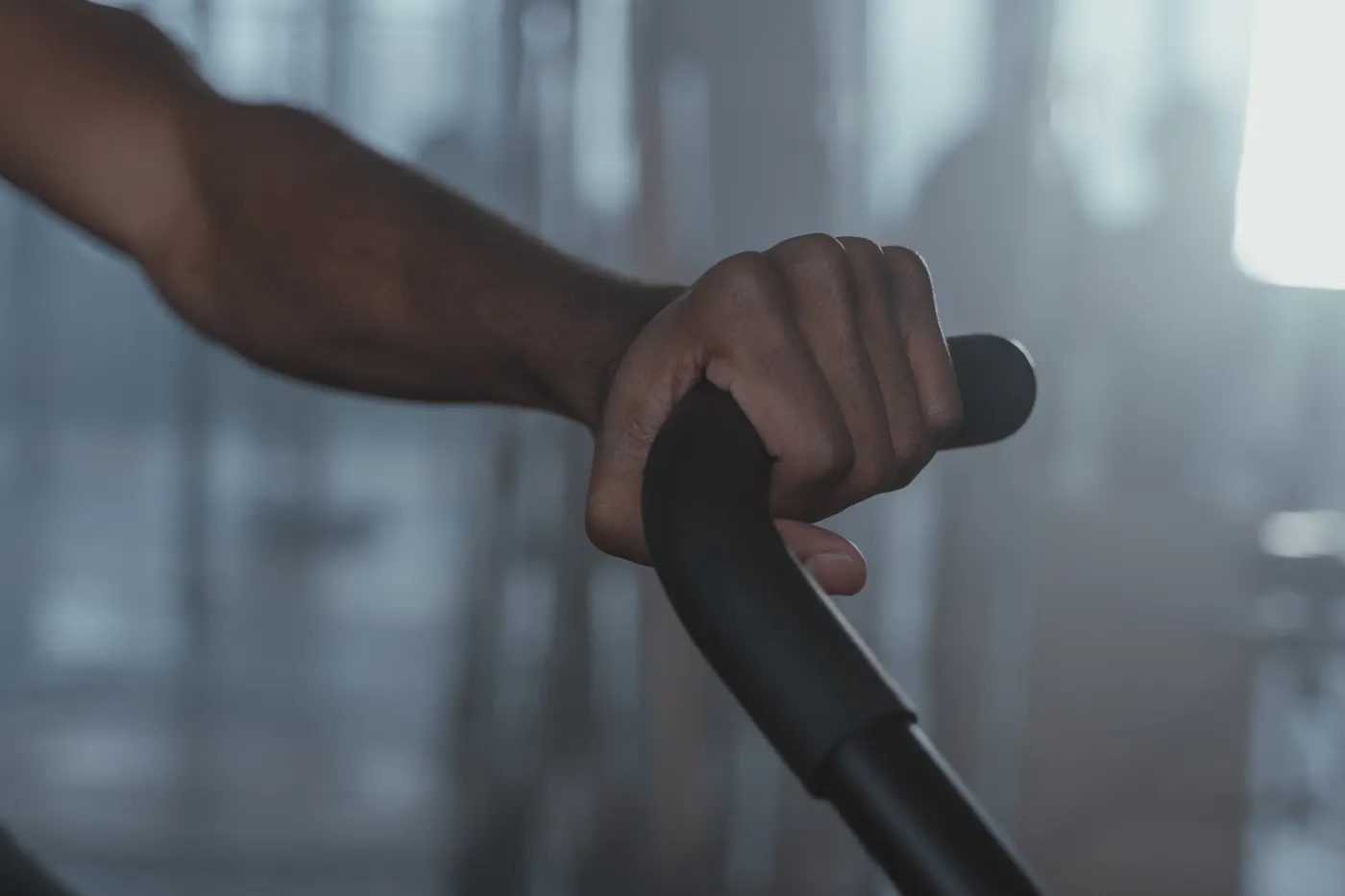
Most people cannot reverse-curl the same load they use for their strongest supinated curls. This is not evidence of weak willpower. Forearm orientation changes the mechanical contribution of the elbow flexors, and controlled laboratory testing has found substantially lower maximal elbow-flexion force in pronation than in neutral or supinated positions. That finding concerns the tested task, not a universal percentage to apply to every gym exercise.
Start with a load that lets you complete eight to fifteen clean repetitions while keeping one to three repetitions in reserve. For some lifters that might be roughly half their conventional curl weight, but a percentage is only a starting guess. Choose by actual technique and effort. If the last repetitions become a wrist-extension contest, you have already exceeded the useful loading range for that set.
Grip fatigue can become the limiting factor before the elbow flexors. That is not necessarily bad, but it changes the training effect. If you are specifically trying to strengthen your hold on a bar, accept some forearm fatigue. If you are trying to add elbow-flexor volume, use a comfortable bar, reduce the load, and avoid letting the hands fail before the intended muscles receive enough work.
Progress is not limited to adding plates. You can add one clean repetition, improve your control at the bottom, or make the same weight feel more stable. Increase resistance only after the top of your chosen rep range is repeatable across all prescribed sets.

Bodybuilding Shirts & Workout Gear
Bodybuilding shirts, tanks and gym gear for lifters chasing muscle, size, symmetry and the pump.

Love Gun Big Biceps Tee
Show some rock-and-lifting attitude with a playful “Love Gun Big Biceps” tee.

Huh Huh Let'S Train Grip Beavis And Butt-Head T-Shirt
Make gym days more fun with “Huh Huh Let's Train Grip” style.

The Real Rocky Mountains Bicep Mountain Meme & T-Shirt
Heavy lifts, good laughs, and a little “The Real Rocky Mountains Bicep Mountain” energy.

Macro Biceps Ant-Man Superhero Bros & Memes – Shirt T-Shirt
Show some superhero attitude with a playful “Macro Biceps Ant-Man” tee.

Thor Hammer Curls Meme Hero Top Shirt T-Shirt
Show some superhero attitude with a playful “Thor Hammer Curls Meme” tee.

Ha Ha Hammer Curls Joker Meme , Villain Top & Gains T-Shirt
Show some powerlifting attitude with a playful “Ha Ha Hammer Curls Joker Meme” tee.

Lightning Curls Pikachu Meme – Pokemon Shirt & T-Shirt
Make gym days more fun with “Lightning Curls Pikachu Gym Meme” style.

Ravencurl Hogweights Harry Potter Meme & T-Shirt
Show some powerlifting attitude with a playful “Ravencurl Hogweights” tee.

Shirt Flex Armstrong Astronaut Moon Huge Arms Meme T-Shirt
Make gym days more fun with “Flex Armstrong Astronaut Moon Huge Arms” style.

Right To Bare Arms George Washington Sweater Jumper T-Shirt
Keep things casual with a little “Right To Bare Arms” attitude.
EZ-bar, dumbbells or cable: choose the tool that fits
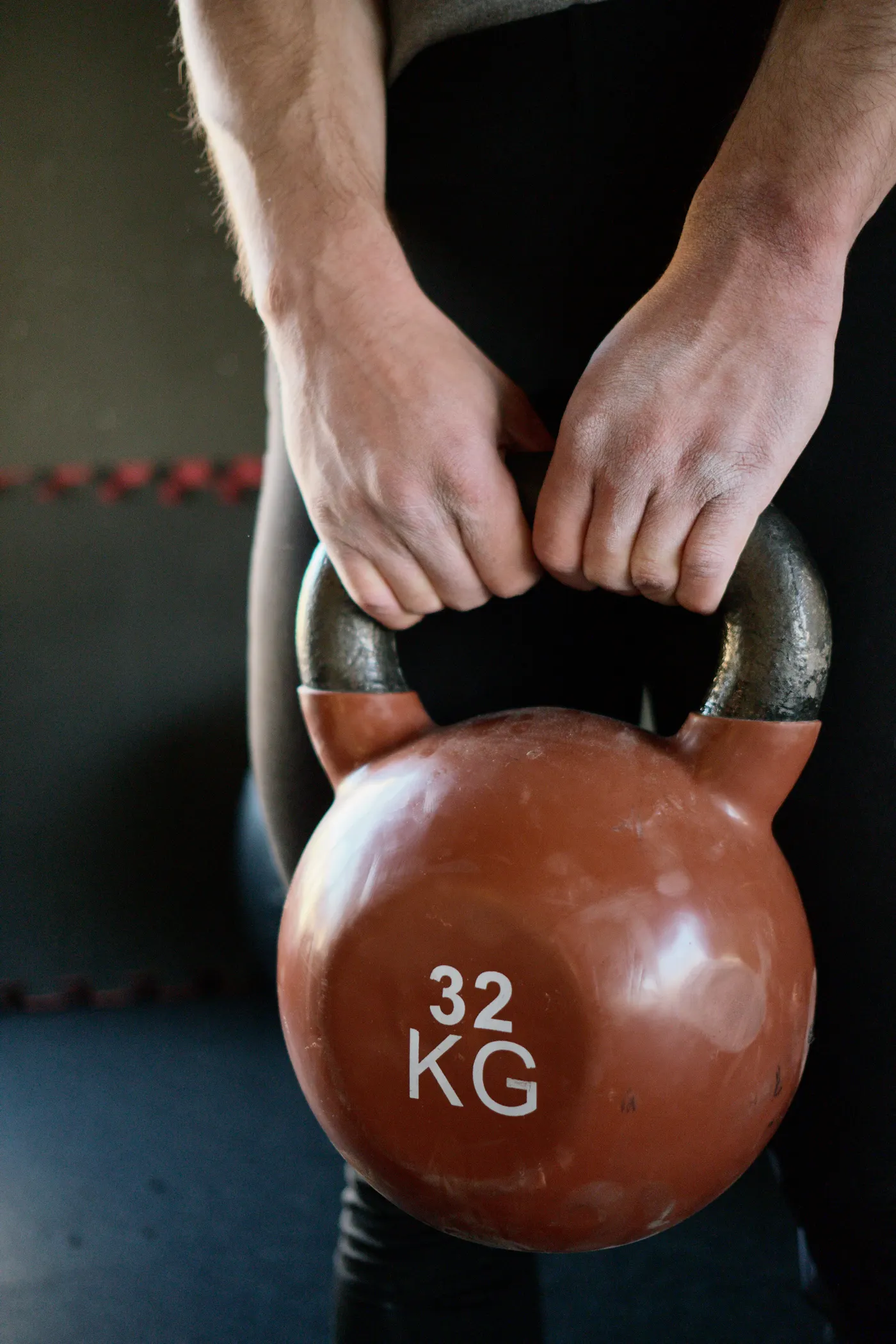
An EZ-bar is a practical default because its angled handles allow a partially pronated position that many people find easier on the wrists. A straight bar keeps both hands in a fixed overhand orientation and is simple to load, but it may be less comfortable. Dumbbells let each wrist and elbow find its own path; the tradeoff is that your hands may rotate toward neutral as fatigue rises. That is acceptable if you are intentionally doing a hybrid curl, but it is not the same movement as a strict pronated reverse curl.
A cable station can provide a smooth line of pull and convenient small weight changes. Use a straight or angled attachment, stand far enough back to avoid the cable rubbing your body, and keep the wrists steady. Cable resistance does not automatically guarantee superior hypertrophy; the value is in comfortable execution, stable tension, and easy progression. If the cable attachment forces an awkward wrist angle, change the handle rather than forcing your joints to match the machine.
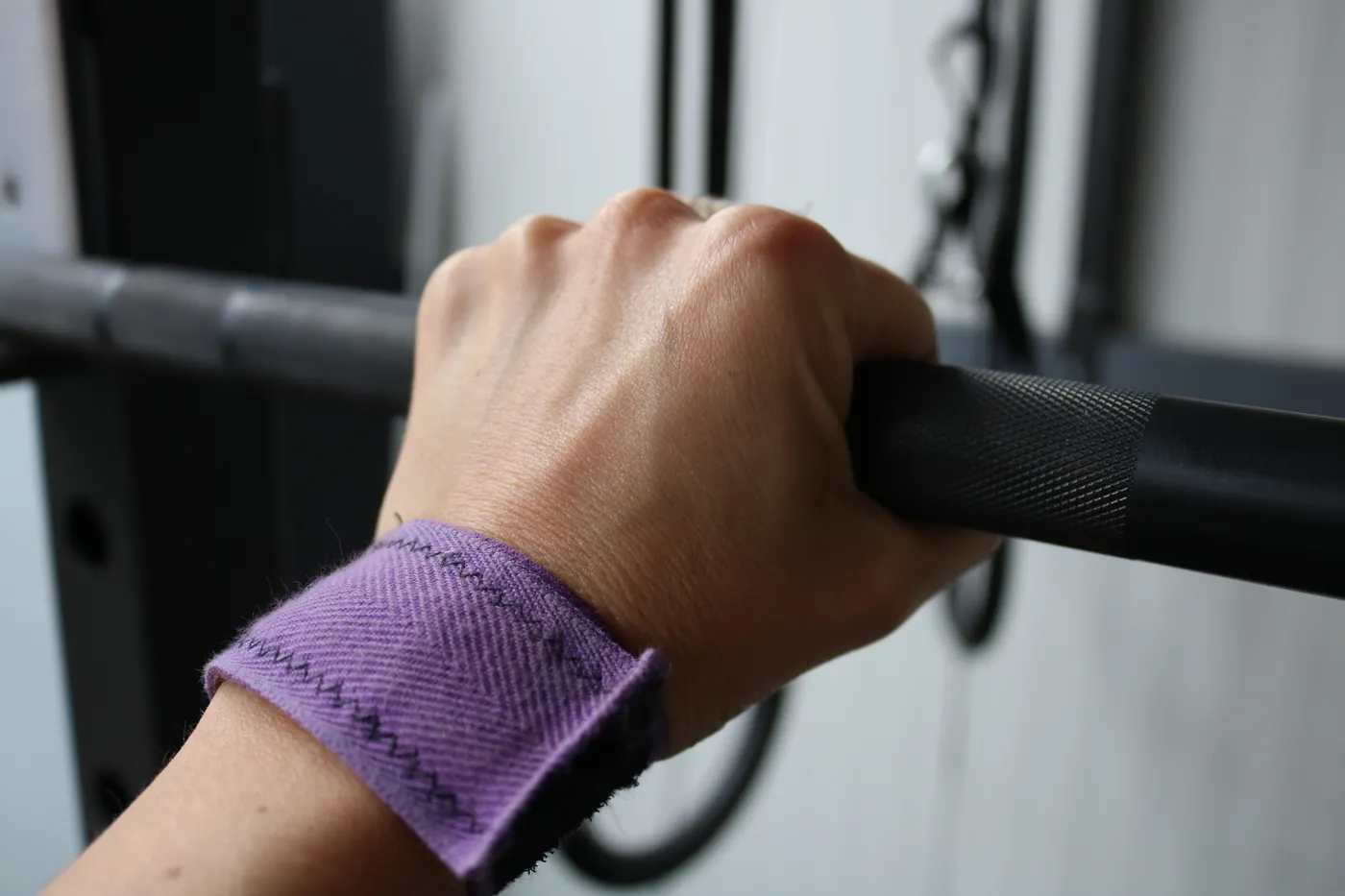
Thick grips can increase the hand’s holding demand, but they also reduce the load you can curl and may make the movement less suitable when your main goal is elbow-flexor work. Wrist straps generally defeat part of the grip challenge and are better reserved for heavier pulling movements where grip is preventing the back or hip muscles from being trained effectively. There is no requirement to buy specialized equipment: a basic dumbbell or EZ-bar works.
Whatever tool you use, record the implement and grip in your log. Ten repetitions with a straight bar are not directly interchangeable with ten repetitions using a cable or a thick handle.
How many sets, and where should reverse curls go?
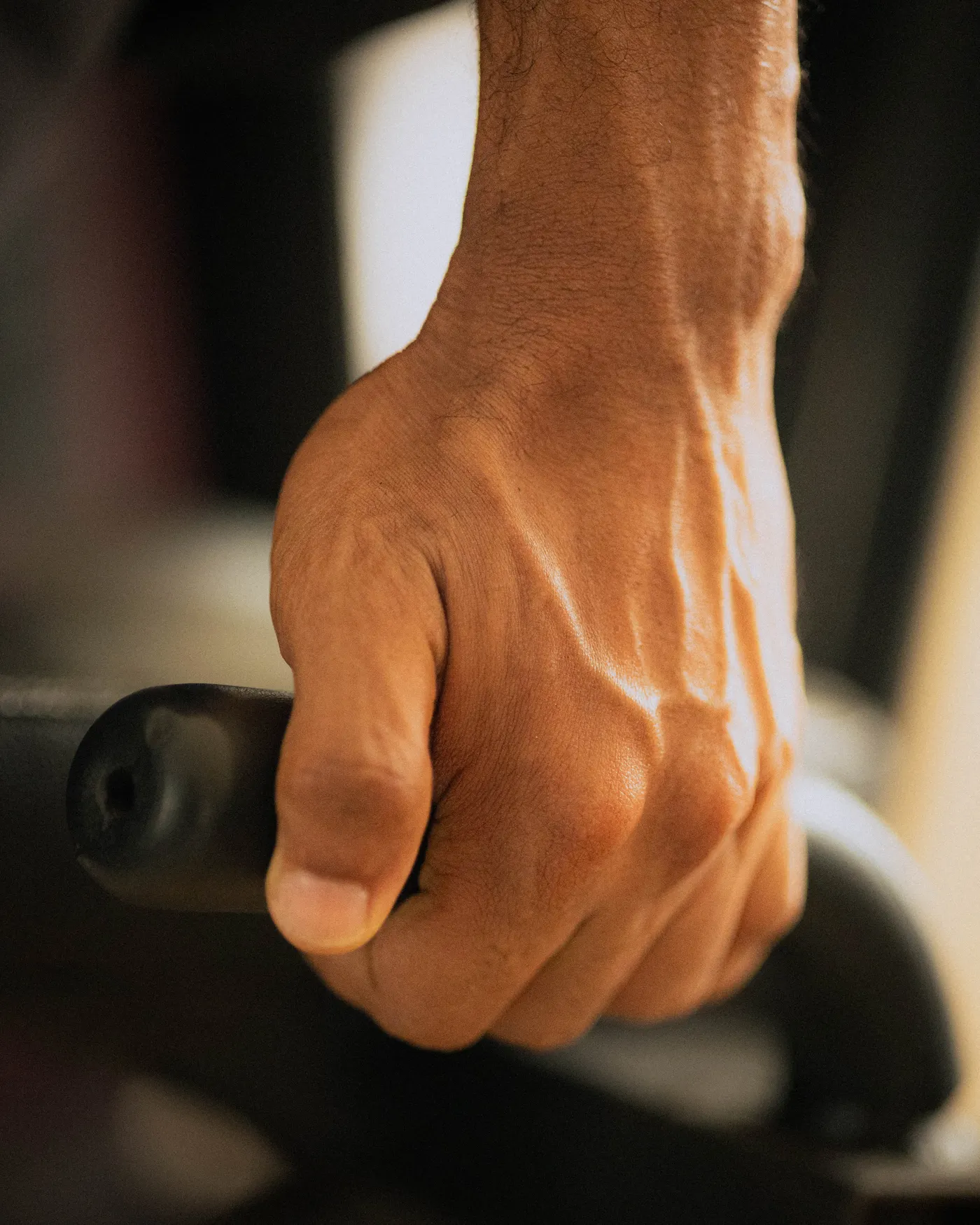
Reverse curls are usually best treated as an accessory rather than the first heavy exercise of the day. After rows, pull-ups, or your main biceps movement, try two sets of ten to fifteen controlled repetitions. If your forearms recover well and you want more direct work, progress toward three sets on one or two days per week. This is a practical starting prescription, not a special dose proven uniquely optimal for reverse curls.
Your existing program already provides elbow-flexion work. Chin-ups, rows, standard curls, hammer curls, and even loaded carries contribute different stresses to the arms and hands. Adding six direct reverse-curl sets on top of a high-volume pulling program may be excessive for someone whose elbows are already irritated. Count the hard sets you are actually doing, not just the exercises with the word curl in their name.
Broad resistance-training evidence supports the value of regular multiset work for strength and muscle growth, but it does not establish an exact ideal weekly reverse-curl quota. Start with the smallest amount that produces measurable progress, then add volume only if your performance and recovery justify it. Leave at least a day between demanding direct forearm sessions when you are new to the movement.
Use a consistent effort target rather than pushing every set to absolute failure. If your grip deteriorates or you have to swing the weight to finish, stop the set. A good accessory set should leave you feeling the target muscles worked without undermining tomorrow’s heavy pulls.
Equipment Worth Exploring
Explore equipment, accessories and gear from our carefully selected range.

GymPin Ergo Handles
Pair of ergonomic cable handles shaped for comfortable triceps and pulling exercises.

GymPin D Cuffs
Adjustable wrist cuffs with textured grips for supported cable-machine exercises.

Leather Wrist Grips
Padded leather lifting grips help support the hands and wrists on heavy pulling exercises.

Angles 90 Grips
Flexible grip attachments that allow natural wrist movement during pulling exercises.

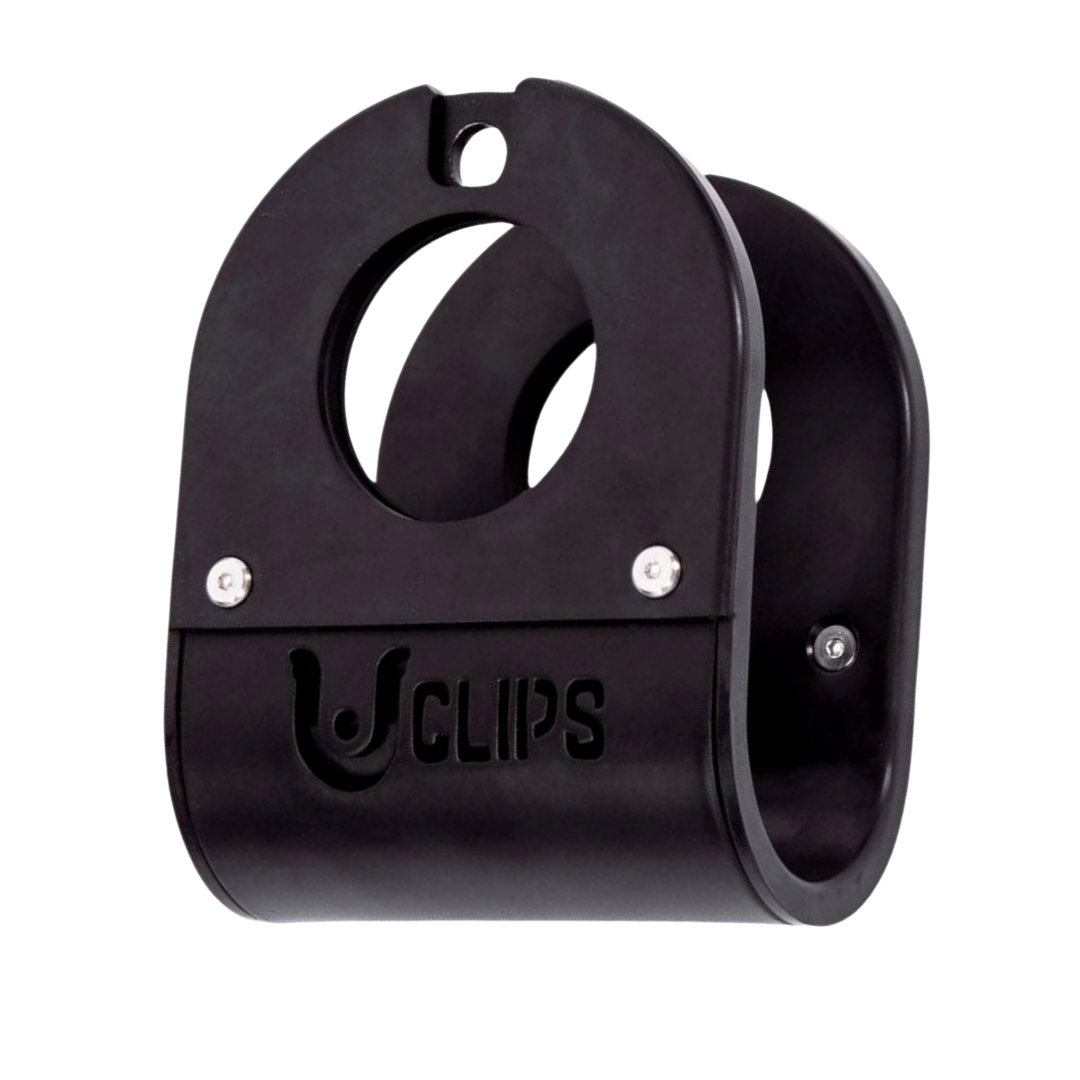
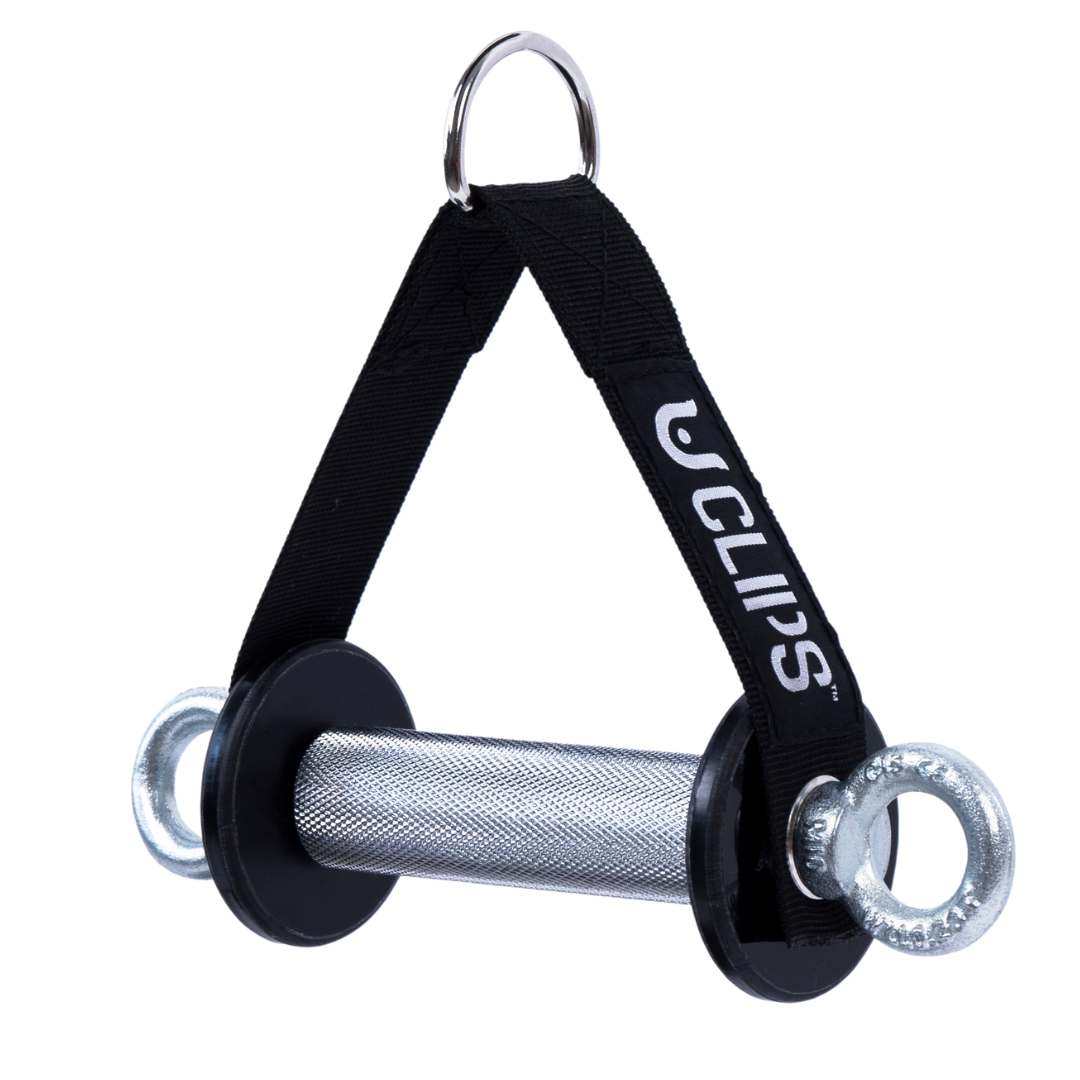
U Clips
Versatile gym clips for barbell, landmine, and attachment setups.
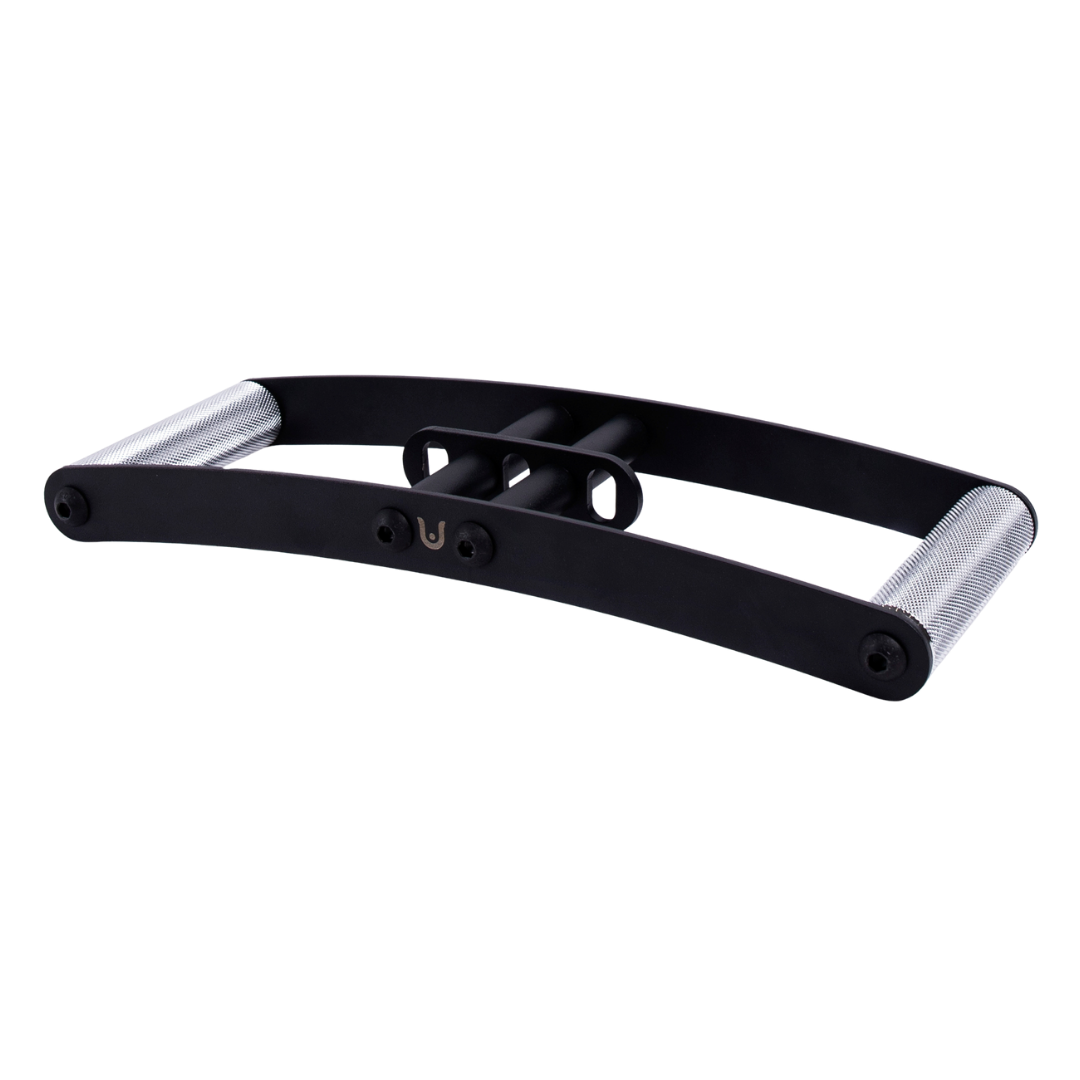
Horizon Grip
Ergonomic V-style cable grip for rows and back training.


GymPin Barbell Row Handle
Heavy-duty handle attachment for barbell, landmine and T-bar rows.
Reverse curls versus hammer curls, carries and hangs
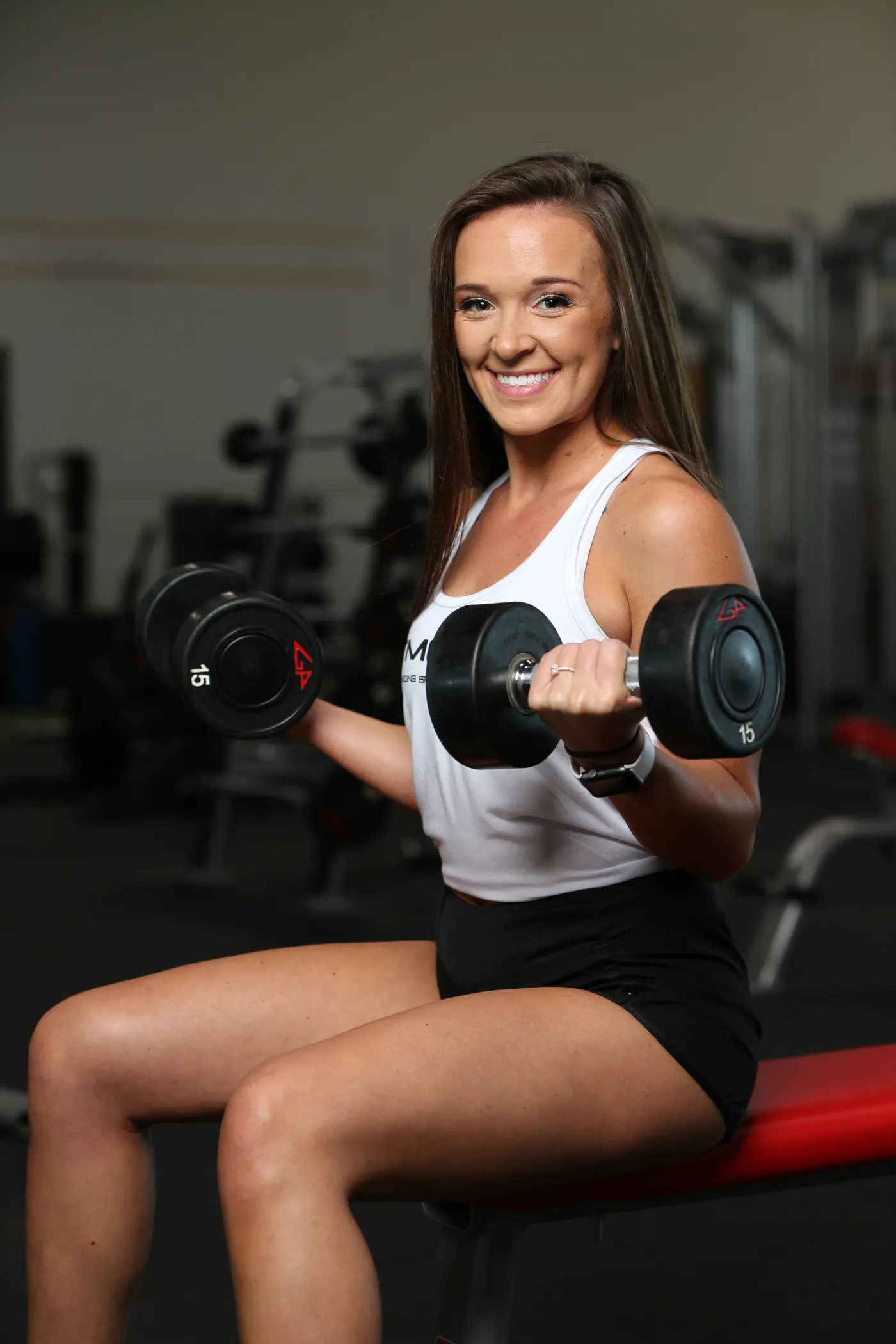
Reverse curls, hammer curls, loaded carries, and hangs are not interchangeable. A reverse curl trains elbow flexion with the forearm turned down. A hammer curl uses a neutral grip and can often be loaded more heavily. Both involve the brachioradialis and brachialis, with different contributions from the biceps and wrist stabilizers. If forearm size is your main goal, combining these variations can be more practical than insisting that one must replace the other.
Farmer carries and static holds challenge the ability to maintain a grip under load. They can help when your hands fatigue during deadlifts or loaded carries, but they do not duplicate the elbow motion of a reverse curl. Pull-up bar hangs train support-grip endurance with the body suspended; start with feet supported if you cannot safely hold your full weight. Plate pinches emphasize thumb and finger pressure rather than the same support-grip pattern.
For a balanced routine, consider one elbow-flexion accessory and one support-grip exercise instead of stacking several nearly identical curl variations. For example, use reverse curls after an upper-body workout and brief carries after a lower-body session. Keep the carries short enough that you can walk tall without leaning, dropping the shoulders, or letting the weights swing into your legs.
If your heavy back training already taxes the forearms substantially, direct grip work may be optional. The best plan depends on your actual weak link: elbow-flexor development, hand endurance, or simply the ability to hold a bar through the last hard set.
Funny Gym Shirts & Workout Gear
Funny gym shirts, tanks, hoodies and workout gear for lifters who like training hard.


Unleash Inner Arnold Tee
Heavy lifts, good laughs, and a little “Unleash Your Inner Arnold” energy.


Powerpump Girls & Meme Lovers – Top- T-Shirt
Show some superhero attitude with a playful “Powerpump Girls” tee.

Netflex Pump & Chill – Meme – Motivation Shirt – & T-Shirt
Show some lifting attitude with a playful “Netflex Pump & Chill” tee.

Big Gun – AC/DC Rock Music Big Biceps & Gains – Meme T-Shirt
Rep “Big Gun” humor in and out of the gym.
A six-week reverse-curl progression you can actually track
Weeks one and two are for finding a pain-free implement and a repeatable range. Twice weekly, after your main upper-body work, perform two sets of eight to twelve repetitions with approximately two repetitions in reserve. Use the same grip and implement on both days. Write down the load, reps, and any wrist discomfort. If you cannot keep the wrists aligned, reduce the weight before changing anything else.
During weeks three and four, keep the same two weekly sessions and try to add repetitions before adding weight. Once both sets reach twelve clean reps, make the smallest practical load increase and return to eight or nine reps. If you recover well, you may add a third set to one of the sessions, but only if your normal rows, curls, and pulling strength are not declining.
In weeks five and six, use two or three sets per session in an eight-to-fifteen-rep range. Keep one session slightly lighter and more controlled, and use the other to test whether your previous working load has become easier. Do not chase an arbitrary personal record if your elbow or wrist becomes irritated. When progress stalls, repeat the load for another week rather than changing every variable at once.
Assess the result using three indicators: more clean reps at the same load, a heavier load for the same controlled reps, and less unwanted grip or wrist movement. Forearm circumference can be recorded, but small six-week changes are easily obscured by measurement error and temporary swelling. This plan is a starting template, not a clinical rehabilitation protocol. Persistent pain, numbness, or sudden weakness deserves individualized assessment rather than more training volume.
The simplest takeaway is to keep reverse curls light enough to control, hard enough to progress, and complementary to the rest of your pulling work. The exercise earns its place by improving the program, not by promising to isolate one muscle perfectly.