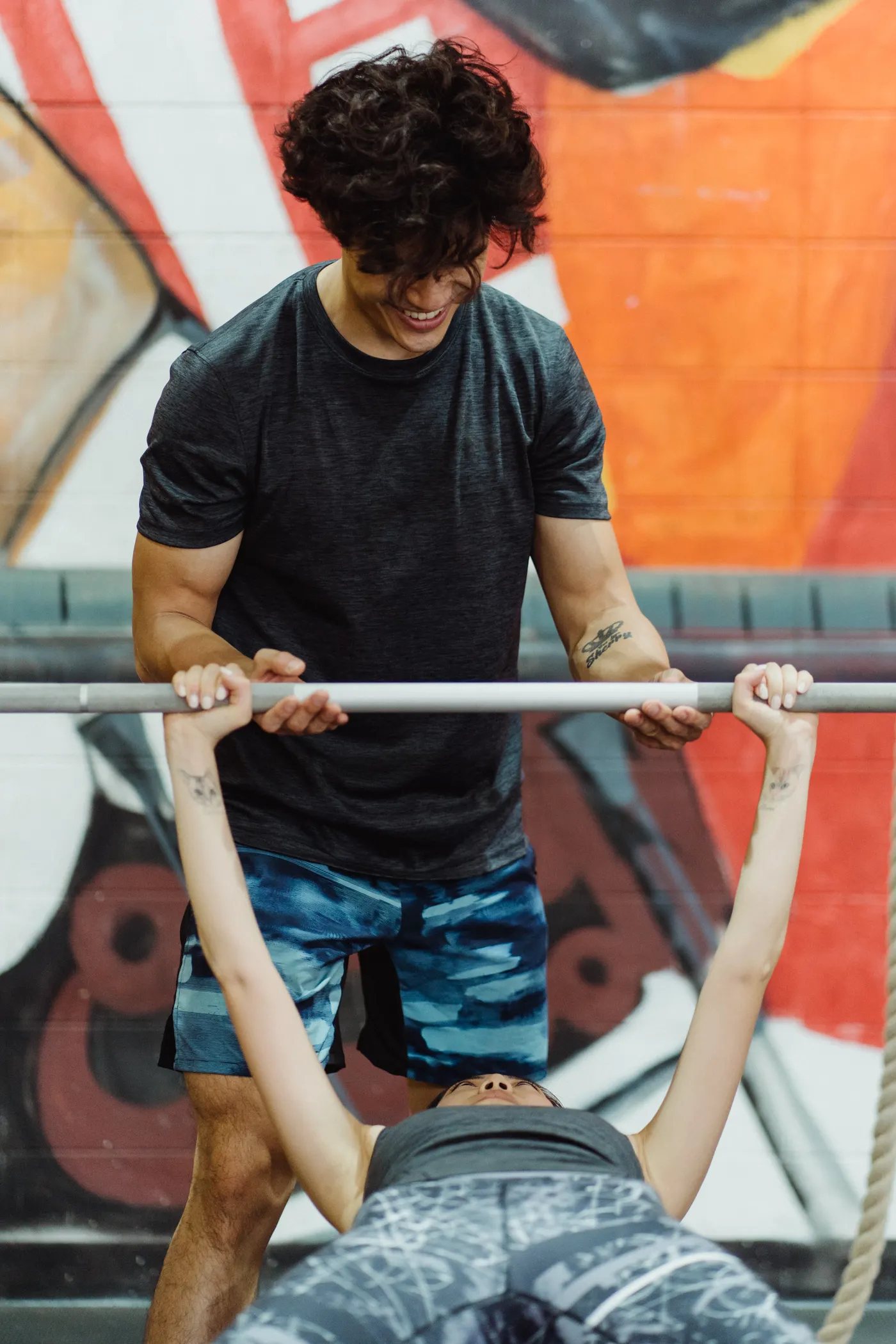
A hard set ends, but the workout does not have to. You can rest for a few breaths and lift the same weight again, or immediately lower the load and keep moving. Those are the basic ideas behind rest-pause and drop sets. Both methods promise extra work after the point where a normal set would stop. Neither automatically guarantees more muscle.
A randomized 2026 trial tested these approaches as tools for breaking through a repetition plateau. The result is useful precisely because it did not deliver a dramatic winner. It suggests a practical way to choose an intensity technique without confusing a bigger burn with better long-term progress.
Some product links may be affiliate links, which can support Mind Muscle Perfection at no additional cost to you.
The 23-person trial: a plateau, then a technique
The trial recruited 23 resistance-trained adults: 20 men and three women, around 29 years old on average, with roughly a year and a half of training experience. Twelve were assigned to progressive-overload rest-pause and eleven to progressive-overload drop sets. After familiarization, participants completed eight weeks of supervised upper-body training and an individualized recovery week when fatigue or stalled repetitions called for it.
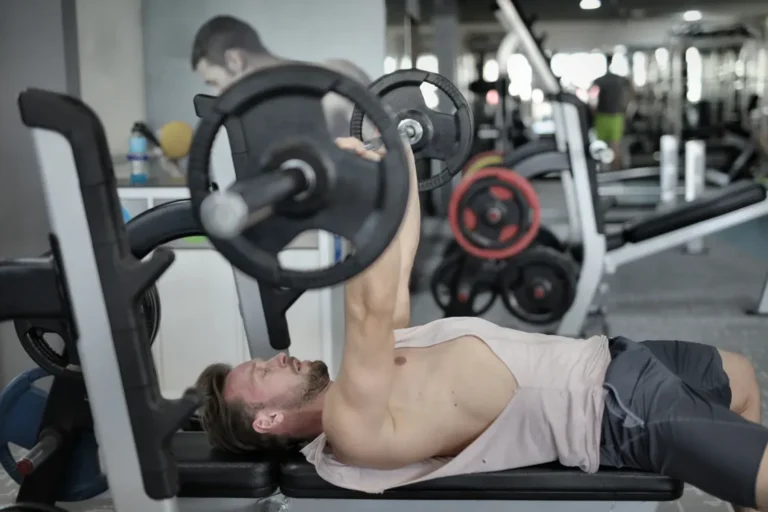
Both groups trained twice weekly, with at least 72 hours between sessions. The same seven movements appeared in both programs: bench press, lat pulldown, military press, pec deck, barbell row, cable triceps work and biceps curls. Each exercise involved three working sets, with approximately two minutes between sets and exercises. The prescribed load was set near 80% of baseline one-repetition maximum and generally stayed fixed during the intervention. That detail matters: progression came from completing more repetitions, not automatically adding plates every week.
The advanced technique was a contingency, not the whole workout. Participants first attempted to increase reps with good form. Only when repetition progress stalled did the assigned rest-pause or drop-set extension enter the final set, potentially expanding to the preceding set if needed. The study also standardized nutritional advice and supervised technique. This makes it a closer test of two plateau-management strategies than a test of whether every lifter should use advanced sets from day one.
It was still a small, short experiment focused on trained young adults and upper-body exercise. It cannot settle what works best for beginners, older lifters, long-term bodybuilding programs or lower-body strength. The measured outcomes are a starting point for decisions, not a universal rule.
What changed in strength and lean mass
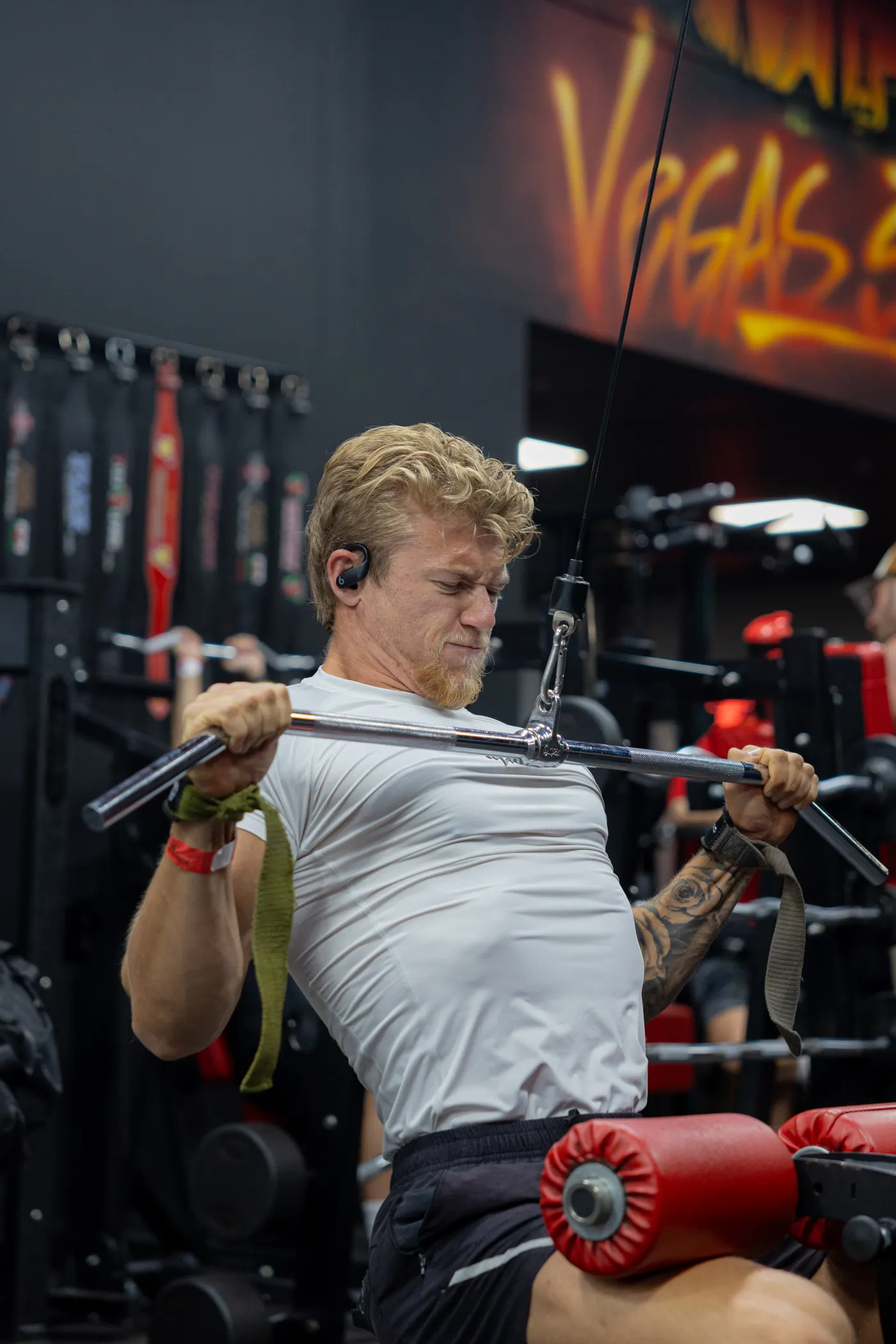
Both protocols improved the main measured outcomes. The drop-set group gained about 1.4 kilograms of DXA-estimated lean soft tissue, while the rest-pause group gained about 1.2 kilograms. The difference in change between groups was not statistically significant. Lean soft tissue is not a direct measurement of newly built contractile muscle; fluid and glycogen can influence it. A larger sample with muscle-specific imaging would provide more confidence about actual hypertrophy.
Bench press one-repetition maximum rose by approximately 12.3 kilograms in the drop-set group and 9.5 kilograms in the rest-pause group. Those raw numbers may look like a drop-set victory, but the between-group comparison did not meet the conventional statistical threshold. The reported group-by-time p value was 0.086. That does not prove the methods are identical; it means this experiment could not confidently separate their strength effects.
Adiposity-related measures remained broadly unchanged. Neither technique was a special fat-loss intervention, and neither should be sold as one. The useful outcome is simpler: lifters who kept training, tried to beat their previous rep totals, and used a controlled extension when progress stalled improved their strength under both protocols.
There is another distinction between the two comparisons. A change within one group can be statistically clear even when the difference between two groups is not. Saying that both groups gained strength is justified; claiming that the extra 2.8 kilograms of average bench improvement establishes the superior method is not. That distinction protects readers from overinterpreting exciting-looking numbers.

Equipment Worth Exploring
Explore equipment, accessories and gear from our carefully selected range.


FID Bench MAX
Adjustable bench offering flat, incline, and decline positions + adjustable headrest.



GymPin Ergo Handles
Pair of ergonomic cable handles shaped for comfortable triceps and pulling exercises.
VOLTRA
Compact digital cable trainer with smooth, adjustable resistance.
Rest-pause and drop sets are not the same stress
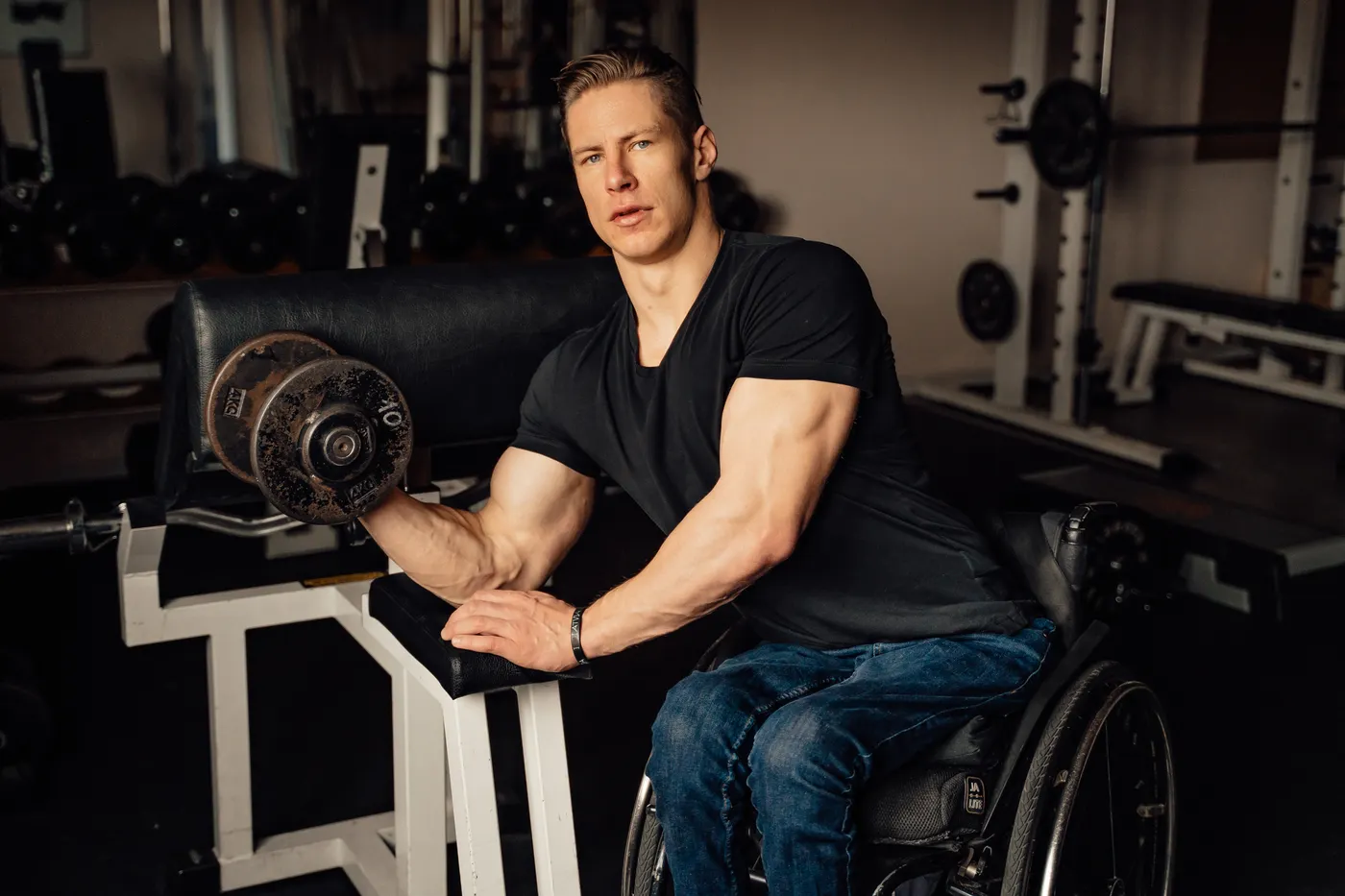
In a rest-pause set, you perform the prescribed repetitions until you reach the planned stopping point, take a very short break, and then use the same load for additional reps. In this trial the extension used about 30 seconds of rest before another effort. The weight stays constant while partial recovery allows more work. Because the load remains heavy, rest-pause can preserve practice with the original resistance, but the second effort may still be highly fatiguing.
In a drop set, you reach the planned stopping point and quickly reduce resistance, in this study by roughly 20%, before continuing. Instead of waiting to regain some capacity, you lower the demand so that the same muscles can perform more repetitions. Selectorized machines, dumbbells with nearby alternatives and digital resistance systems make a controlled reduction practical. Repeatedly unloading a barbell alone can be slow and disruptive.
Neither definition requires deliberately losing form. If shoulder position changes, the torso starts swinging or the target movement becomes a different exercise, the additional repetitions are no longer a clean extension of the original set. Choose a movement where reducing load or pausing briefly does not create a hazardous transition. Machine presses, curls, cable pushdowns and stable rows are often easier to manage than complex free-weight lifts near failure.
Rest-pause may appeal to someone who wants to keep the same load and avoid changing equipment. Drop sets may appeal to someone who can switch resistance instantly and wants a continuous effort. These are practical differences, not demonstrated differences in muscle-building superiority. Both techniques increase local effort and can complicate recovery if added indiscriminately.

Bodybuilding Shirts & Workout Gear
Bodybuilding shirts, tanks and gym gear for lifters chasing muscle, size, symmetry and the pump.

I Love Bench Press Muscle | Heart Plate Gym Vest for Ch Tank Top
Add some lifting attitude to training with “I Love Bench Press”.

One More Rep Shirt: Motivational & T-Shirt
Make gym days more fun with “One More Rep” style.

Safety Practice Safe Sets Vest Weightlifting Tank Top
Bring “Gym Safety” humor to your next lifting session.

Brain and Biceps Tee
Make gym days more fun with “Mind Muscle Perfection Brain and Biceps” style.


Lift Eat Repeat – Weightlifting & – Meme Bros & T-Shirt
Make gym days more fun with “Lift Eat Repeat” style.

Everything Hurts And I'm Tired Duck Meme , Lifting & T-Shirt
Heavy lifts, good laughs, and a little “Everything Hurts And I'm Tired” energy.


Work on His Pecks Tee
Show some bodybuilding attitude with a playful “Why Did The Chicken Go To The Gym? To Work” tee.
How the broader evidence changes the interpretation
One small trial should be interpreted alongside larger bodies of work. A 2026 synthesis of 12 studies involving 274 participants compared drop sets with traditional training. It found broadly comparable chronic changes in hypertrophy and strength, even though drop sets produced higher acute perceived effort and lactate responses. Feeling more exhausted in a session is therefore not reliable proof of building more muscle over the following months.
An earlier synthesis of six studies, with five contributing to its quantitative comparison, likewise found no clear hypertrophy advantage for drop sets over conventional sets. Some drop-set sessions took substantially less time, which may be a genuine benefit for busy lifters. But time savings depend on what is being compared: one extended set is not automatically interchangeable with any number of high-quality conventional sets.
A separate 2026 review of advanced resistance-training methods suggested that specific techniques can be useful, but the overall hypertrophy advantage over traditional sets was small and uncertain. It also distinguished strength outcomes from muscle-size outcomes. A technique can help someone accumulate challenging work or practice a particular effort without being a magic replacement for progressive overload, adequate training volume and recovery.
These comparisons do not mean advanced sets are worthless. They mean the baseline matters. A lifter who already trains consistently, uses enough productive sets and progresses over time may gain convenience rather than a dramatic physiological edge. A lifter who adds exhausting extensions to every exercise while sleep and nutrition remain poor may simply accumulate more fatigue. The right question is whether the technique solves a specific programming problem.
Choose the method by exercise and constraint
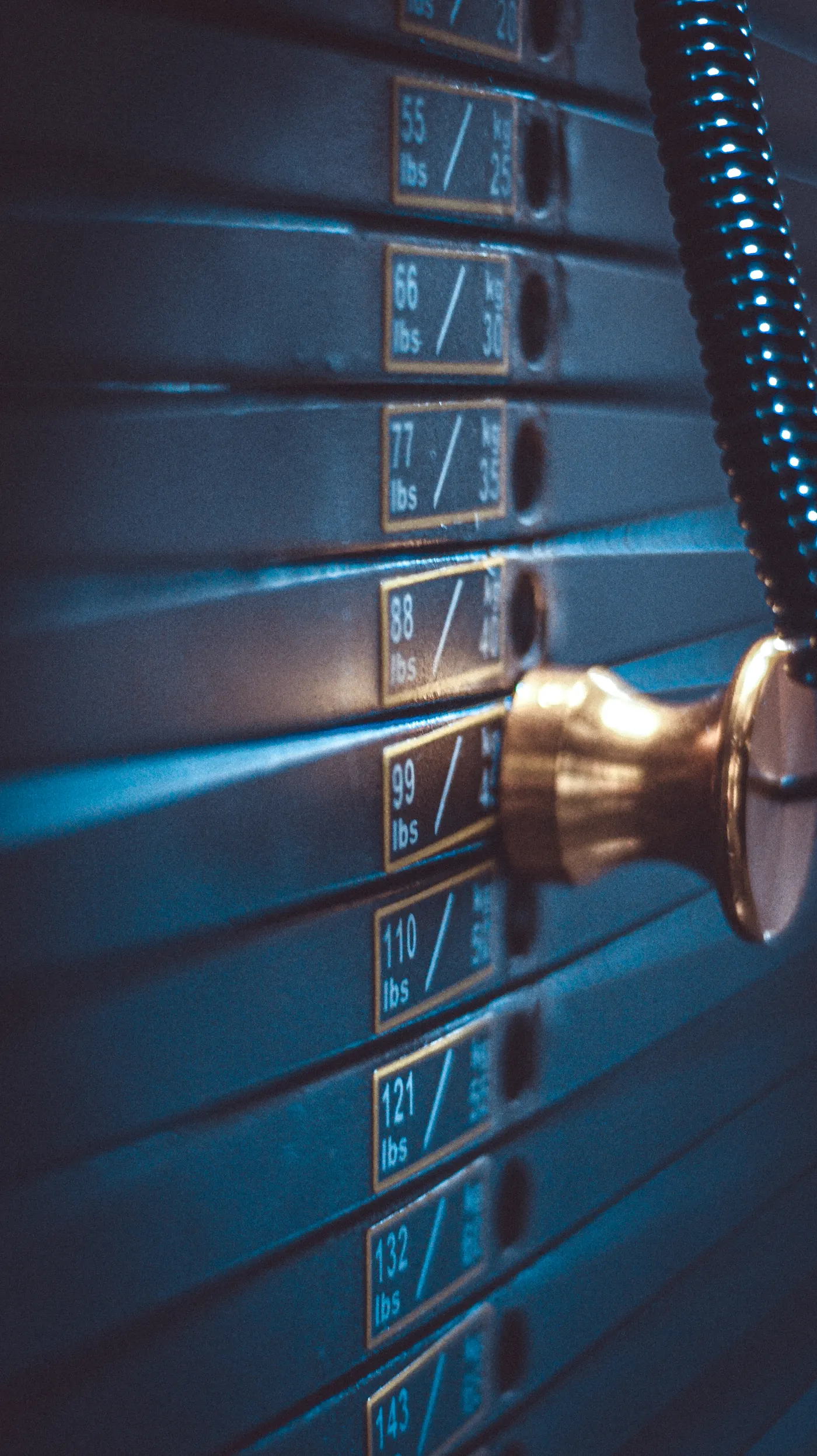
Start with the obstacle rather than the name of the method. If you cannot add another clean rep to a stable cable curl but have no smaller weight increment available, a brief rest-pause extension can create additional work at the current load. If you have a machine with a quick pin adjustment, a modest drop set can be smoother. If the sticking point is poor technique or inconsistent training, neither technique is the first solution.
For barbell bench pressing, safety comes first. A heavy rest-pause attempt after failure is not a sensible solo experiment without reliable safeties and a competent setup. A controlled machine press or dumbbell accessory exercise offers a lower-complexity place to try these methods. For rows and pulldowns, watch for the urge to replace back-muscle work with torso momentum. For curls and triceps work, protect elbow position and avoid chasing sloppy repetitions.
Keep the first exposure small. Try one extension on the final set of one accessory exercise, once or twice weekly. Record the starting load, clean repetitions, extension method and extra reps. Compare how you perform at the next session. If your normal working sets regress or soreness disrupts the following workout, the extra work may cost more than it contributes.
There is no requirement to force a plateau-breaking method every week. Sometimes a smaller weight increase, a longer rest interval, a different rep range or a lighter recovery week is more effective. The goal is a repeatable training signal, not the largest possible number of fatigued repetitions in one session.
Equipment Worth Exploring
Explore equipment, accessories and gear from our carefully selected range.


Go-Tone Pro
Portable digital cable trainer with up to 66 lb (30 kg) of adjustable resistance.
Super Long Tricep Rope
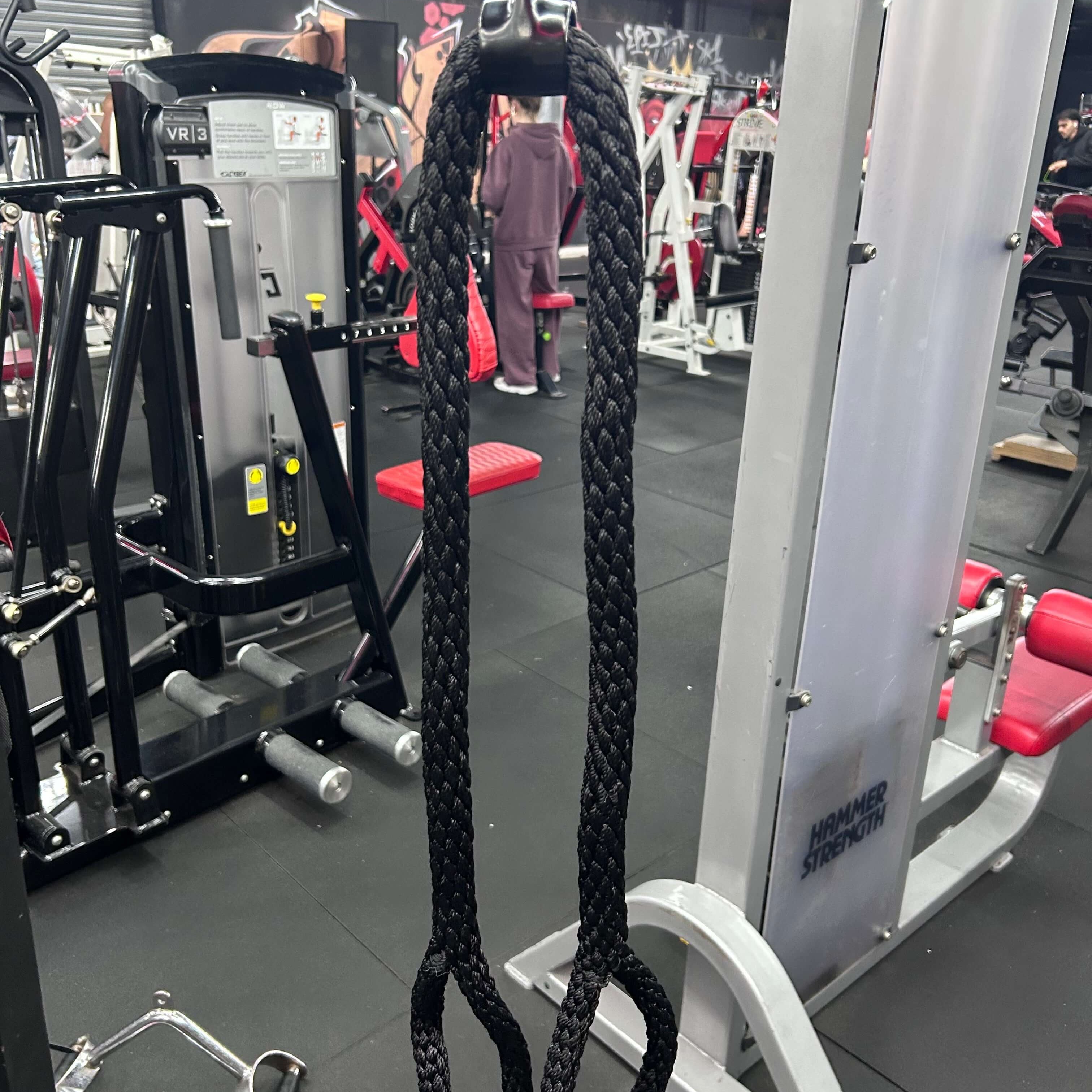
Extra-long looped cable rope for triceps pressdowns and overhead extensions.
Individual Tricep Ropes
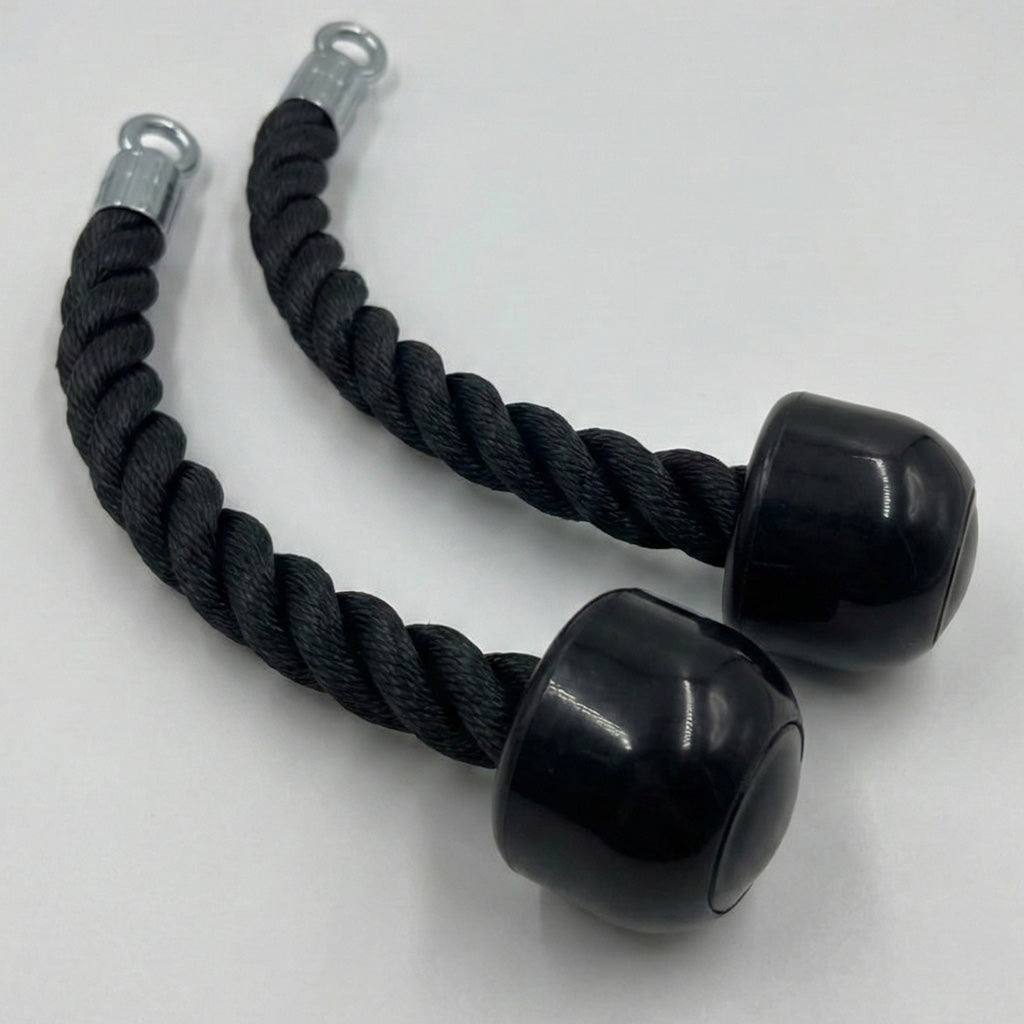
Pair of individual cable ropes for triceps pressdowns and cable hammer curls.
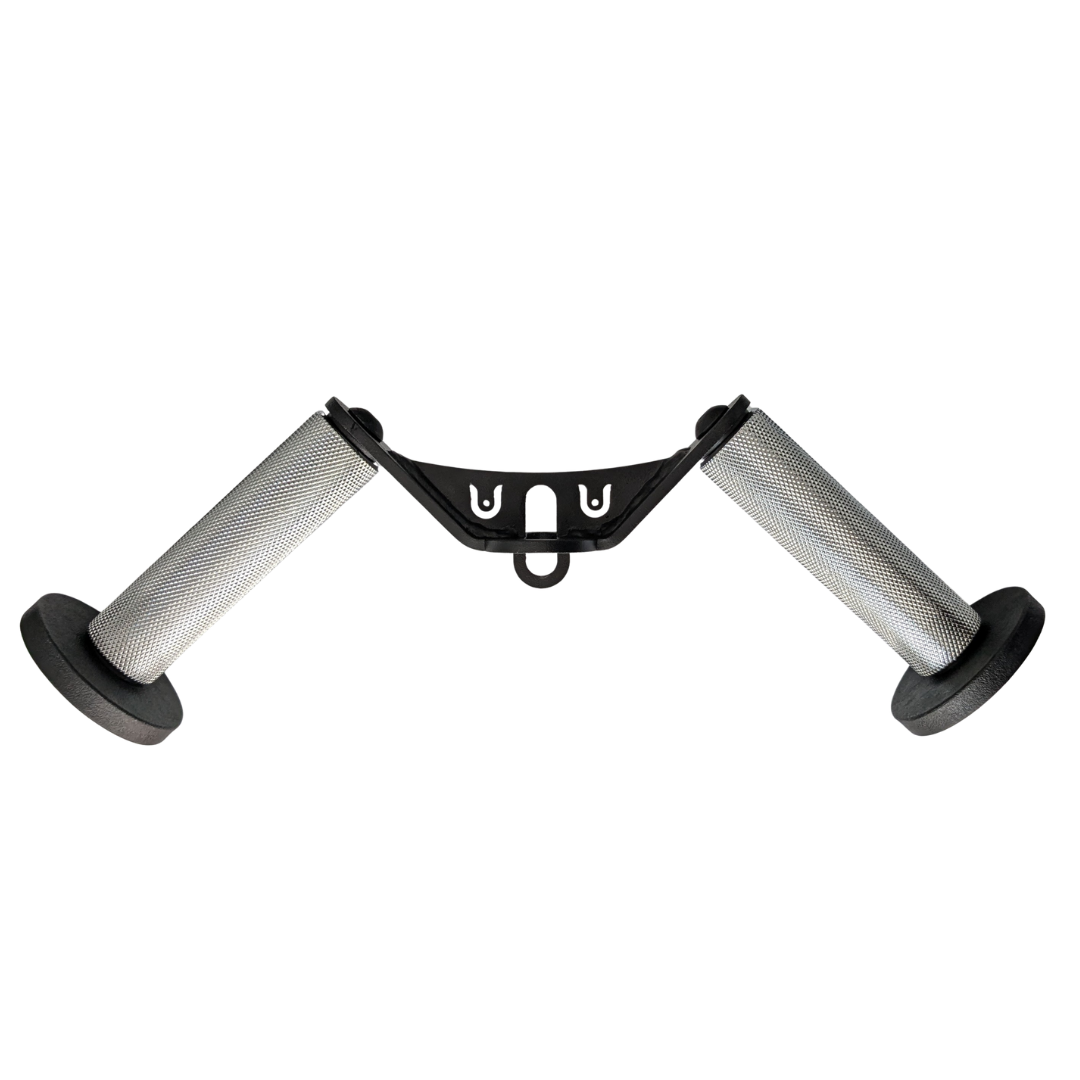
W Grip
Angled cable grip for comfortable rows, pushdowns, and curls.

A practical two-day upper-body template
Here is an original example for an intermediate lifter who already tolerates two upper-body sessions per week. It is not the study’s exact seven-exercise protocol and is not a prescription for everyone. Keep at least two days between sessions, warm up before heavy work, and select loads that allow controlled technique. Start with ordinary sets; add one advanced extension only after a genuine stall.
Day A – press emphasis: Bench press for three sets of five to eight reps, supported row for three sets of eight to twelve, incline dumbbell press for two sets of eight to twelve, and cable triceps pushdown for two sets of ten to fifteen. If pushdown repetitions stop progressing for two exposures, use a single drop of approximately 15-20% after the final clean set, then stop when technique deteriorates. Do not add drops to the bench press.
Day B – pull emphasis: Lat pulldown for three sets of six to ten, machine chest press for three sets of eight to twelve, seated cable row for two sets of ten to twelve, and dumbbell curl for two sets of ten to fifteen. If the final curl set has stalled, rest about 20-30 seconds and perform a few additional clean reps at the same weight. Use the same extension only if the next session’s performance and recovery remain acceptable.
For both days, rest long enough between standard sets to preserve intended performance; two to three minutes is a reasonable starting point for demanding compounds, with shorter intervals possible for accessories. Keep at least one or two repetitions in reserve on most normal sets. The advanced extension is optional, not an instruction to fail on every exercise. Adjust exercise choices for pain, equipment access and experience.
The four-week audit: progress without guesswork
In week one, establish a baseline: exercise, load, clean reps, approximate reps in reserve, session duration and how you feel the next day. In week two, try to add one or two quality repetitions where appropriate without changing everything at once. If an accessory lift truly stalls, choose either rest-pause or a single drop set for its final set. Keep all other training variables as stable as reasonably possible.
In week three, repeat the same method and compare the standard working sets before the extension. A successful strategy should not merely increase the number of exhausted reps after the main work; it should coexist with stable or improving performance in subsequent sessions. If you are losing reps, cutting range of motion or needing longer recovery, reduce the extension or remove it.
In week four, review the full picture. Did your first-set performance improve? Was the workout shorter, longer or about the same? Were soreness and joint irritation manageable? Did you maintain consistent attendance? A practical win might be more clean repetitions at the same load, a small load increase, or similar work completed with less time pressure. None of those requires pretending that an eight-week study proved a permanent advantage.
Advanced methods are best viewed as adjustable tools. Use rest-pause when keeping the load is convenient and safe. Use a drop set when lowering resistance is quick and controlled. Use conventional sets when they already work. The trial’s central lesson is not that both techniques are identical, but that neither earned a clear superiority claim from these data. Consistency, measurable progression and recoverable training remain the foundation.
Funny Gym Shirts & Workout Gear
Funny gym shirts, tanks, hoodies and workout gear for lifters who like training hard.

Three Plates Bench Club – Chest Day & Gains T-Shirt
Make gym days more fun with “Three Plates Bench Club” style.


I’m Strong Barbell Heartbeat Muscle Shirt for Powerlift Tank Top
Show some personality between sets with “I’m Strong Barbell Heartbeat”.

Gains O'Clock | Workout Sweater & Gym Bros | Fitness Me T-Shirt
Add a playful “Gains O'Clock” touch to your casual rotation.

I Don't Want To Miss A Rep – Smith Machine Rock Meme Ho Hoodie
Stay casual and show some metalhead attitude with “I Don't Want To Miss A Rep”.

Gymhead Mind Muscle Connection Bodybuilders & Bros Tank Top
Show some personality between sets with “Gymhead”.

Shirt – Is My Happy Place – Top & Gains T-Shirt
Rep “Gym Is My Happy Place” humor in and out of the gym.

Shirt – Weightplate Heartbeat Bros & Meme Lovers T-Shirt
Make gym days more fun with “Weightplate Heartbeat” style.

Legday Gains Squats & Deadlifts , Top & Bros T-Shirt
Bring “Legday Gains” humor to your next gym day.

I Love Weights Funny Valentine's Day Gym – Gym Lover Ve Tank Top
Bring “I Love Weights Funny Valentine's Day” humor to your next lifting session.