Exercise advice often arrives as a number: a weekly minute target, a step goal, or an intensity zone. Numbers can guide a plan, but they do not automatically turn into a habit. A useful exercise prescription answers more personal questions: What can you do safely now? Which activities fit your life? How will you progress without making the next week impossible?
Updated guidance released in October 2026 emphasizes a practical principle: the biggest absolute improvement often comes when an inactive person begins moving. That is not an argument against ambitious training. It is a reason to build a durable base before optimizing every interval or chasing a perfect wearable score. Here is how to turn the principle into a realistic mix of aerobic exercise, strength work and recovery.
Exercise is a prescription only when it fits the person
A prescription specifies a dose, but exercise has several interacting doses: frequency, duration, intensity, activity type and progression. Two people can accumulate the same weekly minutes while experiencing very different stress. A brisk walk may be easy for a regular runner and a demanding workout for someone returning after years of inactivity. The useful starting point is therefore individual capacity, not a universal pace.
Think in terms of four decisions. First, choose movement you can repeat: walking, cycling, swimming, dancing or another activity you will actually do. Second, identify an achievable frequency, perhaps three short sessions rather than an ambitious daily target. Third, select an effort level that challenges you without turning every outing into a test. Fourth, schedule a review: if the plan is consistently completed and recovery is good, increase one variable.
This approach also explains why the best-looking workout calendar can fail. A routine that requires an hour-long commute, unfamiliar equipment and six days of motivation is not necessarily better than a modest plan built around a nearby park and two strength sessions. Adherence is part of the training effect, not a separate personality trait.
People who already train seriously still benefit from this framing. A structured runner might prescribe easy aerobic volume around hard sessions; a lifter might add low-fatigue cycling on nonlifting days. The common thread is matching exercise stress to a purpose instead of collecting hard workouts for their own sake.
The first step away from inactivity carries unusual value

Health benefits do not suddenly begin at a magical daily step count. Large observational studies find that people who move more tend to have lower long-term health risks, with meaningful differences appearing well below the familiar 10,000-step benchmark. Those studies cannot prove that adding a precise number of steps causes a precise risk reduction, but they support a practical conclusion: a modest, sustained increase is worth pursuing.
Someone averaging 2,500 steps should not view 8,000 as a pass-or-fail exam. A better experiment might be an extra ten-minute walk after lunch on four days, followed by a second short walk if it becomes comfortable. Likewise, an inactive office worker could begin with a 15-minute ride or walk on Monday, Wednesday and Saturday. The first goal is to create a repeatable pattern and notice how it affects fatigue, mood and confidence.
Light activity matters even when it does not feel like a workout. Walking to an errand, taking the stairs, gardening and interrupting long periods of sitting can raise total movement. These actions are not interchangeable with every benefit of sustained aerobic training, but they reduce the false choice between a formal gym session and doing nothing.
As fitness grows, the same walk may feel easier. That is progress, not a reason to dismiss it. You can extend the route, add a hill or occasionally increase the pace. The best next step is the smallest change that keeps the habit intact.

Cardio Shirts & Workout Gear
Cardio and conditioning gym gear for runners, endurance athletes and anyone who earns the sweat.


Hybrid Athlete – Iron Man Medieval Triathlon Pullover f Hoodie
Show off your medieval humor in a laid-back “Hybrid Athlete” hoodie.

Running Dost Thou Even Trot Medieval Treadmill Crewneck T-Shirt
Show some gym-day personality with “Running”.

Gym Dost Thou Even Pedal Medieval Air Bike Humor for Cr Tank Top
Bring “Dost Thou Even Pedal Medieval Air Bike” humor to your next lifting session.

Van Halen Jump Rope Cardio Gym Decal for Workout Gear, Sticker
Stick a little “Van Halen Jump Rope Cardio” humor on your favorite gear.

Don't Quit Do It – Motivational Workout Hooded Pullover Hoodie
Show off your cardio humor in a laid-back “Don't Quit Do It” hoodie.

Cardio Is Hardio – Workout Meme Vest Muscle Shirt For S Tank Top
Add some cardio attitude to training with “Cardio Is Hardio”.

Exercise Your Demons | Cardio Workout From Hell Graphic T-Shirt
Show some cardio attitude with a playful “Exercise Your Demons” tee.

Triathlon – Iron Man Medieval Knight Swim Bike Run Deca Sticker
Give your everyday gear a playful “Triathlon” twist.

Use aerobic intensity you can recognize without a gadget
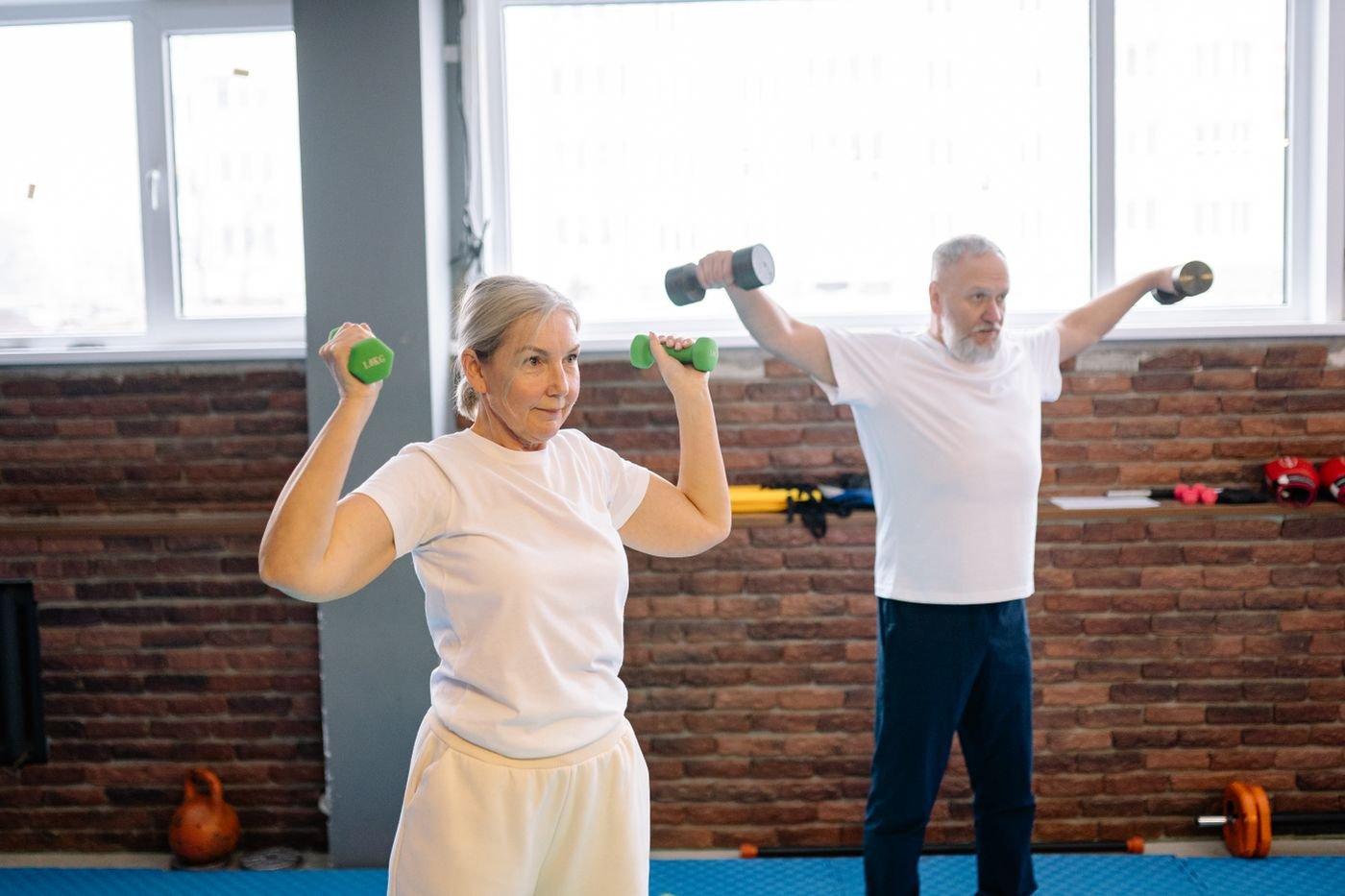
For generally healthy adults, a widely used long-term reference is 150–300 minutes of moderate aerobic activity each week, or 75–150 minutes at vigorous intensity, or an equivalent mixture. Those ranges describe a destination for substantial health benefits, not a minimum entry ticket. Starting below them is reasonable when fitness, time or medical circumstances require it.
The talk test is surprisingly useful. At moderate intensity you breathe faster but can still speak in sentences; singing becomes difficult. During vigorous exercise, conversation usually breaks into short phrases. Terrain, heat, sleep and conditioning can all change the effort of a given speed, which is why the same heart-rate number is not the whole story.
A practical week might include two 25-minute brisk walks, a 30-minute bike ride and one longer weekend walk. That is 110 minutes before counting ordinary daily movement. Rather than force the missing minutes immediately, add five or ten minutes to one session after a couple of successful weeks. Someone who already runs may instead organize mostly comfortable mileage around a smaller number of purposeful harder efforts.
Intervals are an option, not a requirement. Brief uphill efforts, faster cycling segments or a structured run-walk pattern can make training engaging, but repeated all-out efforts are a poor default for a newcomer. Warm up, leave room to recover and choose an intensity that supports the next session.
Equipment can help make activity convenient, yet shoes, a safe route and an honest effort check may be all you need. A stopwatch can measure duration; it cannot tell you whether a routine fits your life.

Equipment Worth Exploring
Explore equipment, accessories and gear from our carefully selected range.


Power Tower
Freestanding pull-up and dip station with adjustable handles for bodyweight training.


Strength training belongs beside cardio, not beneath it
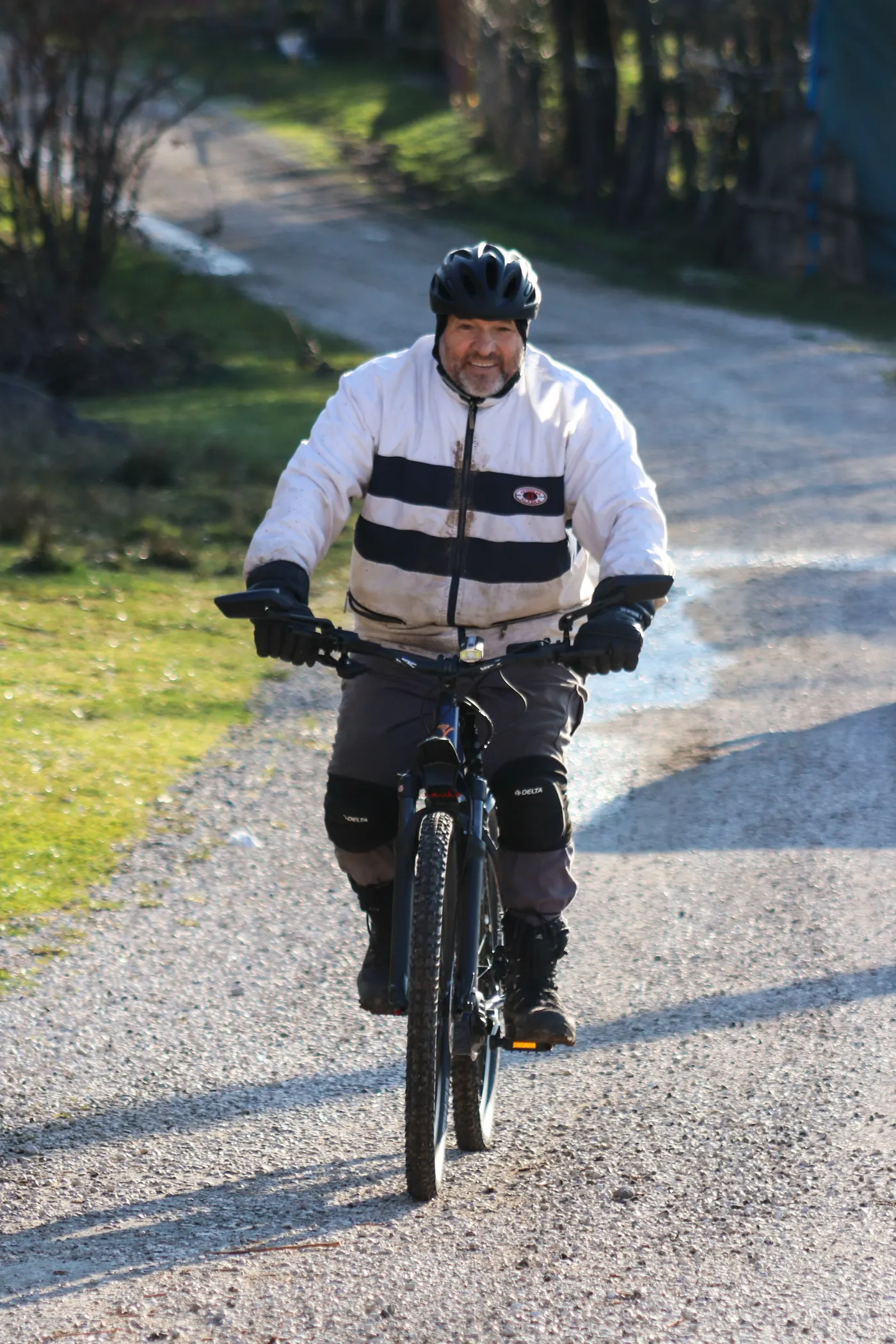
Aerobic exercise trains the ability to sustain work. Resistance training develops muscle function, strength and the capacity to handle everyday physical demands. The two are complementary. General activity guidance recommends strengthening the major muscle groups on at least two days per week; a plan made entirely of walking may leave that part uncovered.
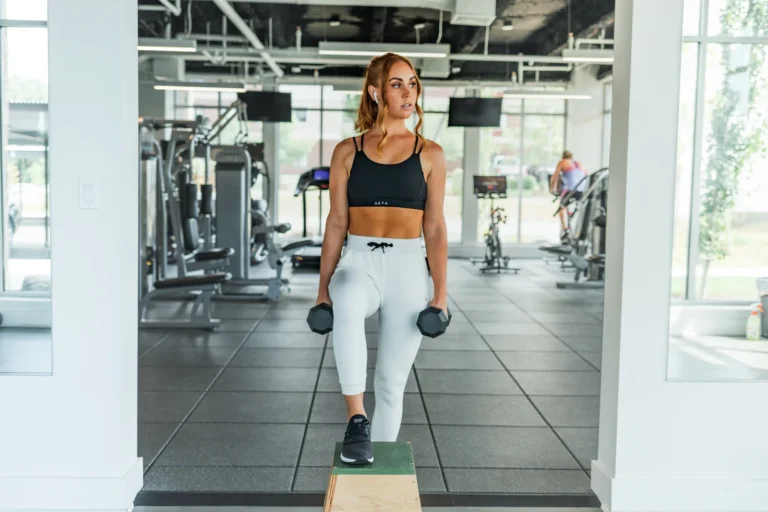
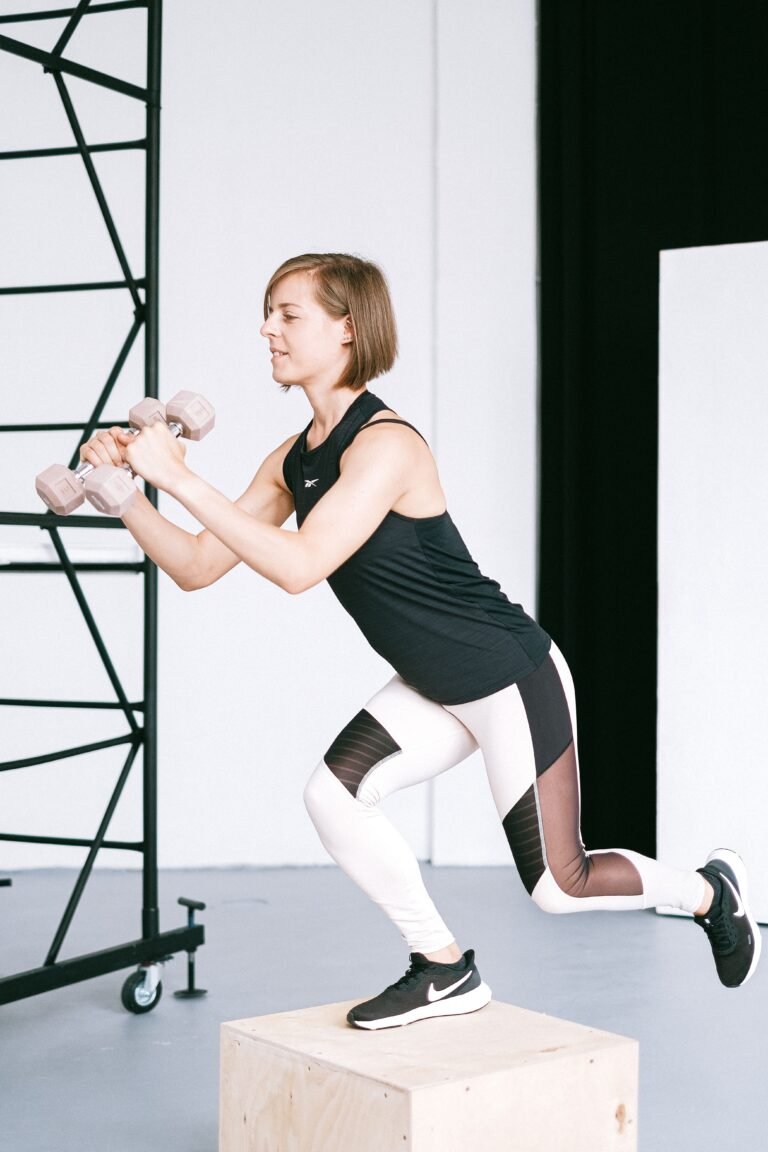
Two full-body sessions are enough to establish a foundation. Choose a squat or sit-to-stand pattern, a hip hinge, a push, a pull and a trunk-stability task. These can be performed with machines, dumbbells, resistance bands or appropriately challenging bodyweight variations. An example is two sets each of goblet squats, rows, incline push-ups and hip hinges, with a comfortable carry or plank to finish. The exact exercises matter less than appropriate effort, repeatability and gradual progression.
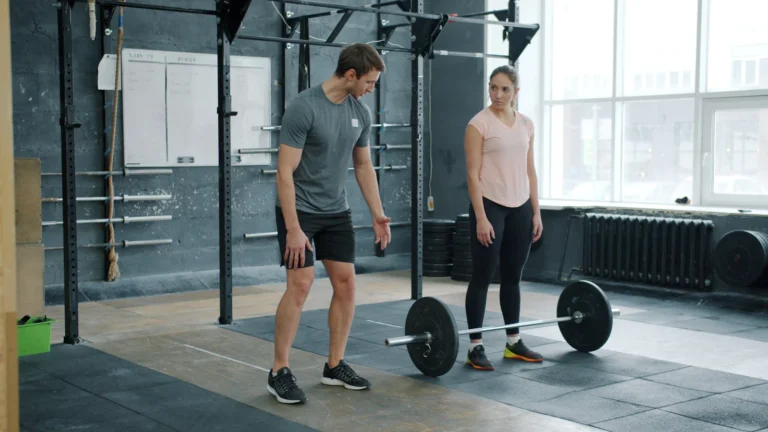
Beginners do not need maximal lifts or exhaustion to improve. Use controlled repetitions, leave some capacity in reserve and learn consistent technique. When all prescribed repetitions feel reliably manageable, increase resistance a little, add a repetition or improve range of motion. Track a few useful numbers, such as sets, reps and load, rather than turning every session into a test of your maximum.
Cardio and lifting can share a week without elaborate scheduling. If strength is the priority, avoid putting the hardest endurance session immediately before your most demanding leg workout. If general health is the priority, choose the arrangement you can maintain. Two sensible workouts done regularly outperform a theoretically perfect split abandoned after ten days.
Equipment Worth Exploring
Explore equipment, accessories and gear from our carefully selected range.
VOLTRA
Compact digital cable trainer with smooth, adjustable resistance.

Go-Tone Pro
Portable digital cable trainer with up to 66 lb (30 kg) of adjustable resistance.


Adjust the starting dose when health or mobility changes the equation
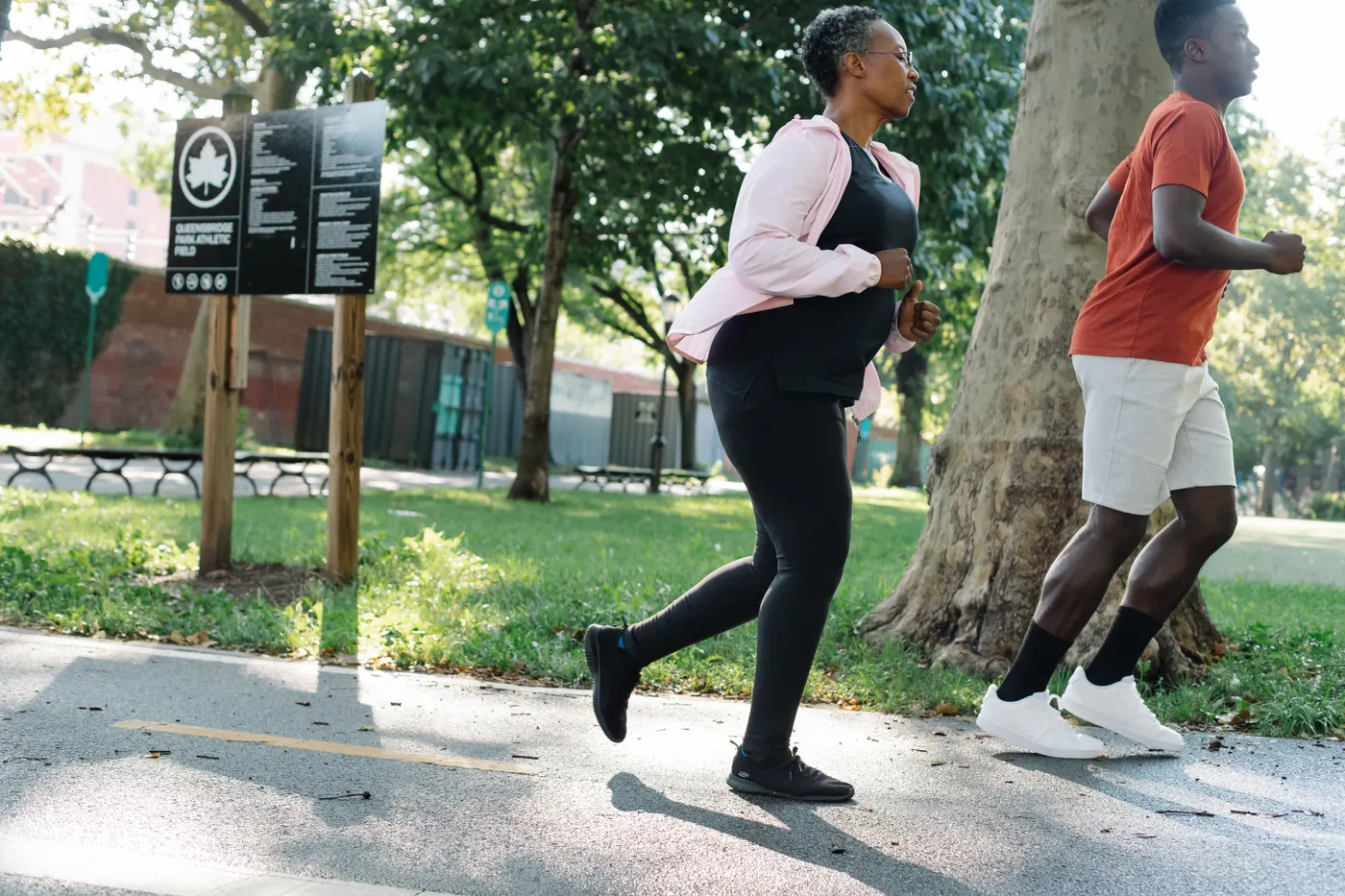
Exercise can be especially valuable for people managing cardiovascular risk factors, but a general article cannot prescribe an individualized medical workload. Someone with known heart disease, significant symptoms, recent surgery or an unstable condition may need clinical assessment and tailored limits before progressing. The relevant question is not simply whether exercise is good; it is which type, intensity and monitoring approach are appropriate now.
For people cleared to exercise, conservative progress can still be effective. A shorter flat walk may be more useful than a steep hill that forces repeated stops. A supported squat or machine row may be more accessible than a complex free-weight movement. When balance is limited, stable surfaces and supervised practice can reduce avoidable risk. There is no requirement to mimic the training of a healthy 25-year-old athlete.
Pay attention to symptoms that are different from ordinary effort. New chest pressure, fainting, unusual breathlessness, or concerning palpitations are not signs to push through for the sake of a target. Stop the session and seek appropriate medical assessment. A familiar increase in breathing during a brisk walk is different from unexplained severe breathlessness at rest or with minimal activity.
Recovery is also individual. Medications, illness, sleep, stress and heat can change exercise tolerance. A plan should leave room for adjustments without treating a lighter day as failure. Sustainable progress is built from weeks and months of appropriate exposure, not one heroic session.
Make progression small enough to survive real life

The simplest useful training log records what you did, how hard it felt and whether you could repeat it. For cardio, that might mean minutes, route and a rough effort rating. For strength, record the exercises, working sets and repetitions. Add a short note about unusual fatigue or pain when it affects decisions. This provides enough context to spot a trend without making exercise another administrative job.
Progress one variable at a time. If you already walk four days weekly, extend one walk before extending all four. If you lift twice weekly, add a little resistance to one movement after your technique and repetitions are stable. If your schedule becomes chaotic, preserve a smaller minimum: one short walk and one abbreviated full-body session are better than waiting for a perfect week.
Enjoyment deserves space in the plan. Social walks, recreational cycling, dancing or a weekend hike can supply movement while giving you reasons to return that have nothing to do with calories or scores. A routine with variety is not inherently inferior to a rigid one, provided it still supplies enough consistent training stress for your goals.
Review every two to four weeks. Ask whether activity is becoming easier, whether you are recovering between sessions and whether your schedule still works. If progress stalls, first examine consistency and fatigue. More intensity is not always the answer; sometimes the next useful adjustment is better sleep, easier pacing or fewer competing hard sessions.
Functional Fitness Shirts & Workout Gear
Functional-fitness shirts, tanks and workout gear for athletes who train strength, conditioning and everything in between.

Hybrid Athlete Strength & Endurance Tank
Add some lifting attitude to training with “Hybrid Athlete”.

Heart Shaped Kettlebell Valentine’s Day in Love with Ke T-Shirt
Make gym days more fun with “Heart Shaped Kettlebell Valentine’s Day” style.


Kettlebell Heartbeat Crewneck Pullover Sweater Workout T-Shirt
For laid-back days and bodybuilding humor: “Kettlebell Heartbeat”.

Live Love Lift Decal for Water Bottles Laptops Gym Gear Sticker
Put “Live Love Lift” gym humor on your laptop, bottle, or gym gear.

Viva La Resistance Bands , Meme Shirt, Top T-Shirt
Make gym days more fun with “Viva La Resistance Bands” style.

OnlyGains Kettlebell Meme Hooded Jumper Hoodie
Bring “OnlyGains” gym humor to lazy days and post-workout plans.


Gym Equation Makes Me Happy Kettlebell Meme Graphic Fit T-Shirt
Heavy lifts, good laughs, and a little “Gym Equation” energy.
Three practical weekly plans you can actually adapt

Plan A: starting from very little activity. Walk for 10–15 minutes on Monday, Wednesday and Saturday at a pace that allows conversation. On Tuesday and Friday, perform 15–20 minutes of simple strengthening: supported squats, a band row, wall or incline push-ups, a hip hinge and a brief balance drill. Keep at least one easy day between challenging strength sessions. Repeat the plan for two weeks before adding minutes.
Plan B: building a balanced base. Use 25–35 minutes of moderate walking or cycling on Monday, Thursday and Saturday. Lift on Tuesday and Friday using a full-body routine with a squat, hinge, push, pull and core exercise. Leave Wednesday for an easy walk or mobility work and Sunday for rest or a relaxed outdoor activity. This arrangement combines aerobic work with resistance training without making every day hard.
Plan C: already active, but inconsistent. Keep two dependable full-body lifts and three aerobic sessions: one longer comfortable session, one shorter easy session and one controlled session with a few faster segments. If a demanding week arrives, shorten sessions rather than trying to recover all missed volume on Sunday. A sustainable floor protects the habit while leaving room to train harder when life permits.
These examples are templates, not medical prescriptions. Adjust duration, exercise selection and intensity to ability and recovery, especially when health conditions are involved. Over time, a previously inactive adult may work toward established weekly activity ranges; an experienced athlete may need more specific programming. Both benefit from the same rule: choose a plan that makes the next workout more likely, not less.
The strongest exercise program is not the one with the most impressive spreadsheet. It is the one that safely moves you from your current baseline toward greater capacity and remains useful after the initial motivation fades.