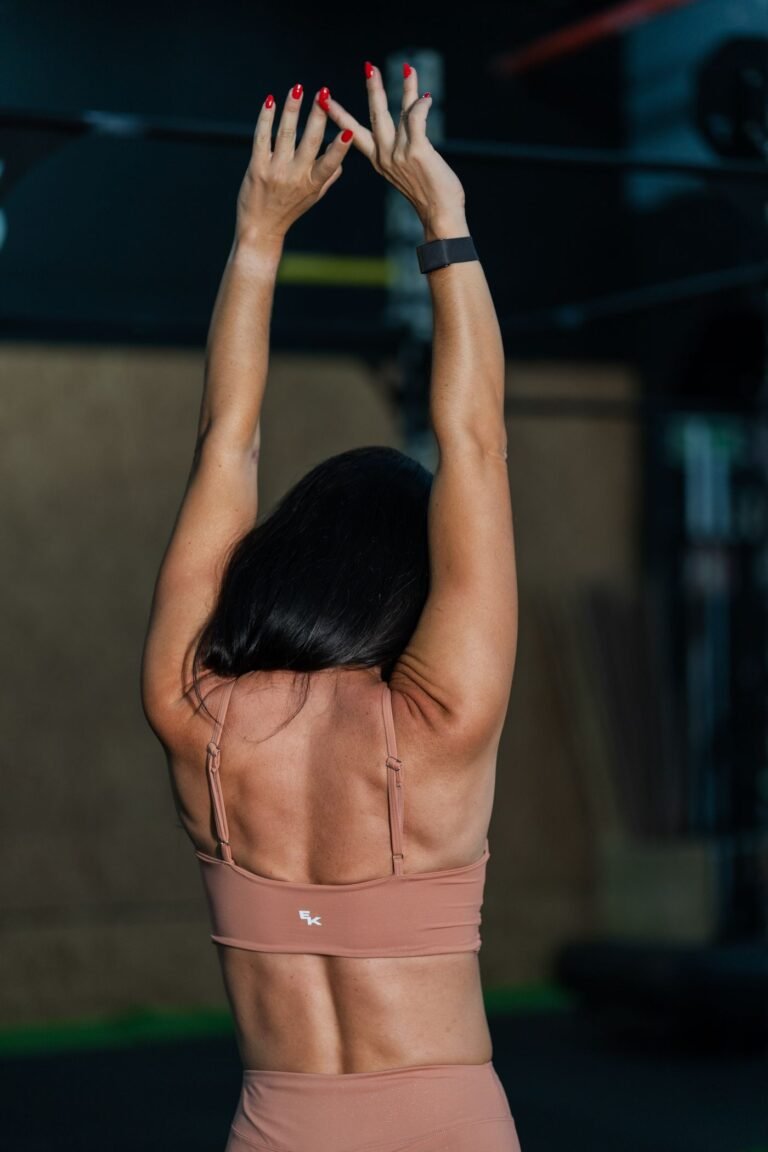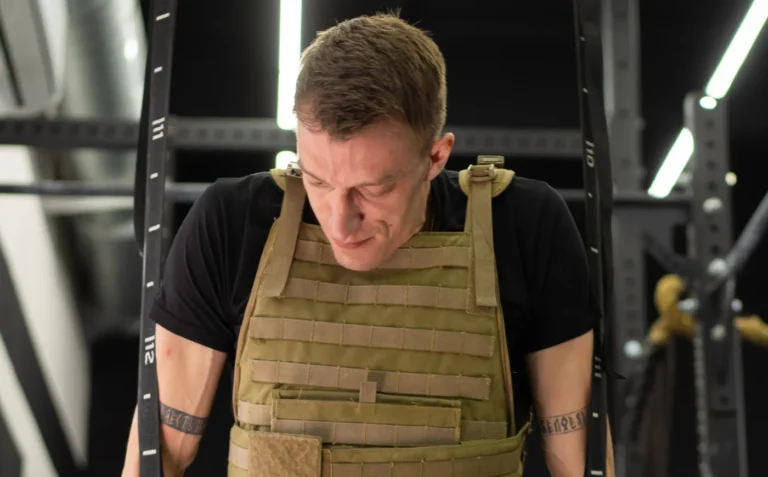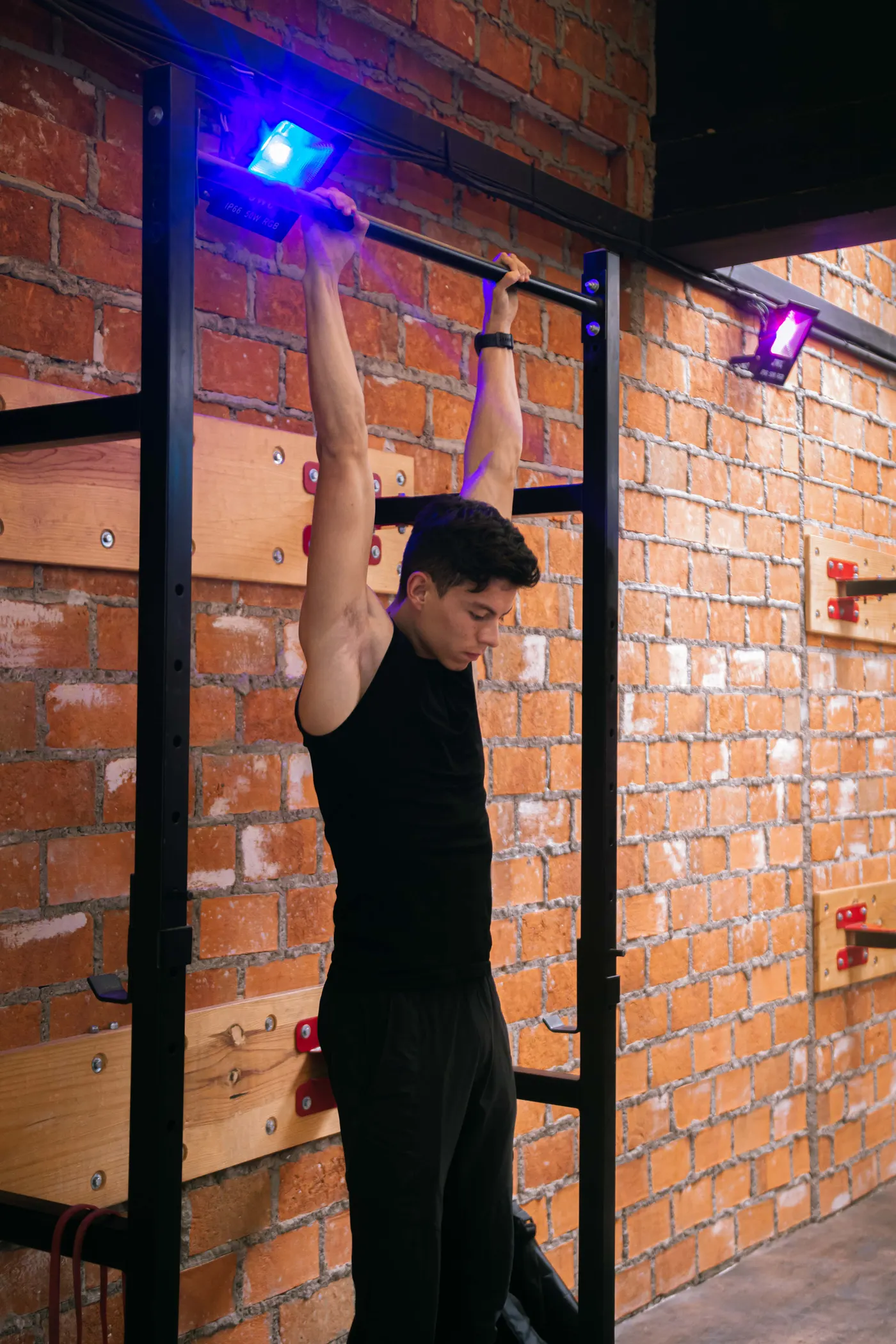
A dead hang and a farmer’s carry look like different workouts. One keeps you still beneath a bar; the other asks you to walk while holding weight. Both can end when the fingers simply cannot maintain their hold. A small two-week field test offers an interesting clue about whether training the first movement improves the second.
The headline numbers are eye-catching: average maximum hang time increased 37.8%, while carry time increased 20.5% without specific carry training. But ten participants, no control group and continued normal workouts make this a useful programming hypothesis rather than a settled scientific rule. Here is what the measurements mean and how to test the idea without turning grip work into a recovery problem.
What the two-week experiment actually tested
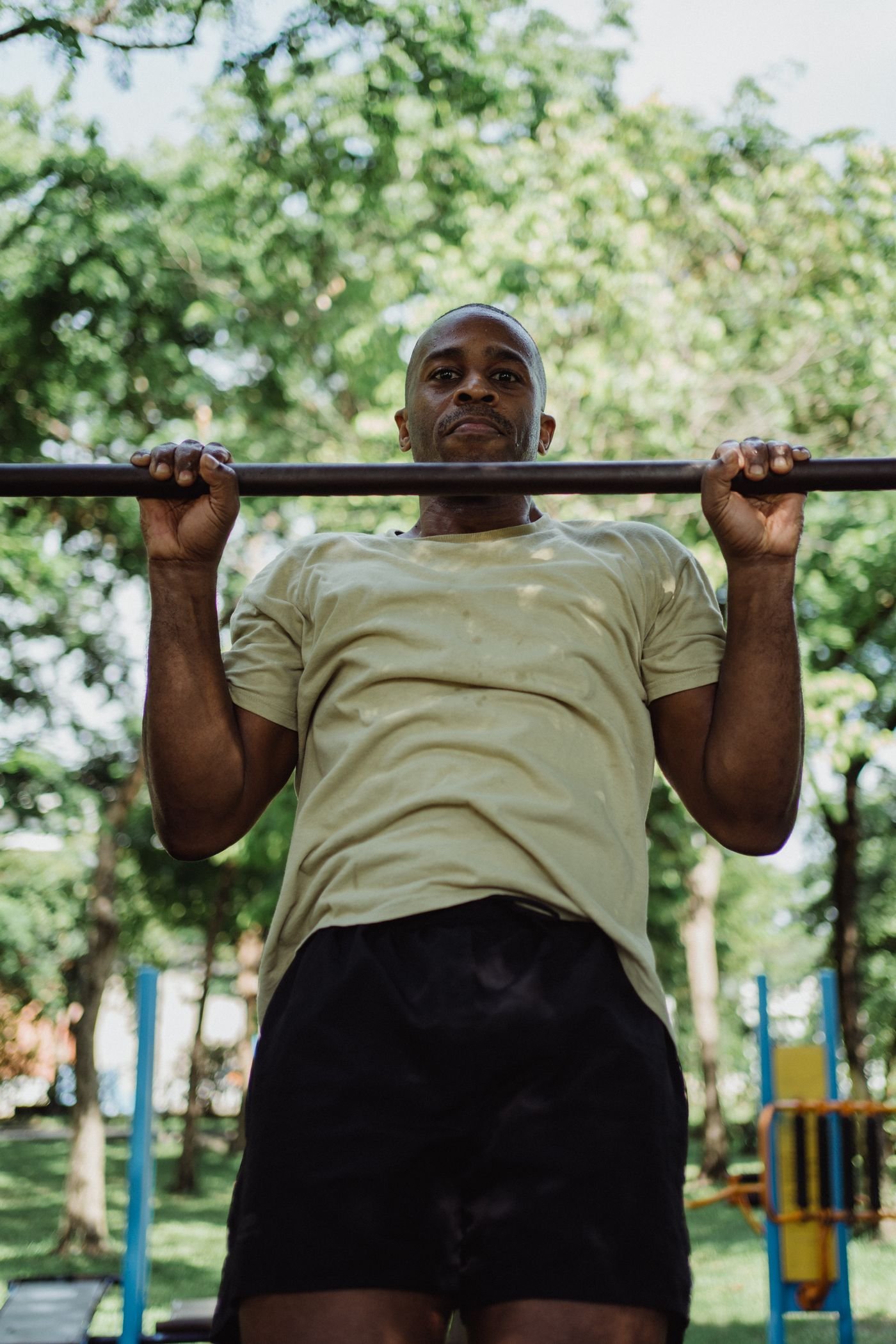
Ten remote participants completed baseline and follow-up tests separated by two weeks, from October 5 to October 19, 2026. Each began with a maximum-duration, palms-forward dead hang and a farmer’s carry performed at a steady walking pace. The carry load was fixed at 50 pounds in each hand, roughly 22.7 kilograms per hand, rather than adjusted to each person’s strength or body mass.
Between assessments, participants completed six dead-hang progression sessions on alternating days. They were asked not to perform extra hang or farmer’s-carry grip work, but they could continue their usual training. The final assessments followed the progression period and a day of rest. There was no comparison group assigned to normal training alone, to carry practice or to a different grip exercise.
That setup matters because a hang supports bodyweight, whereas a carry holds an externally selected load. A 60-kilogram athlete and a 110-kilogram athlete experience very different absolute loads in the hang. Yet both would carry the same 45.4 kilograms total in the test. Relative intensity therefore differed between participants and between exercises.
The two outcomes were time to grip failure, not a one-repetition maximum, a dynamometer squeeze or a direct measure of muscle size. This is a short, practical endurance experiment. It cannot tell us whether the same approach improves maximal grip force, whether benefits persist for months or whether a stronger carry automatically improves a deadlift.
The gains were real measurements, not proof of universal transfer
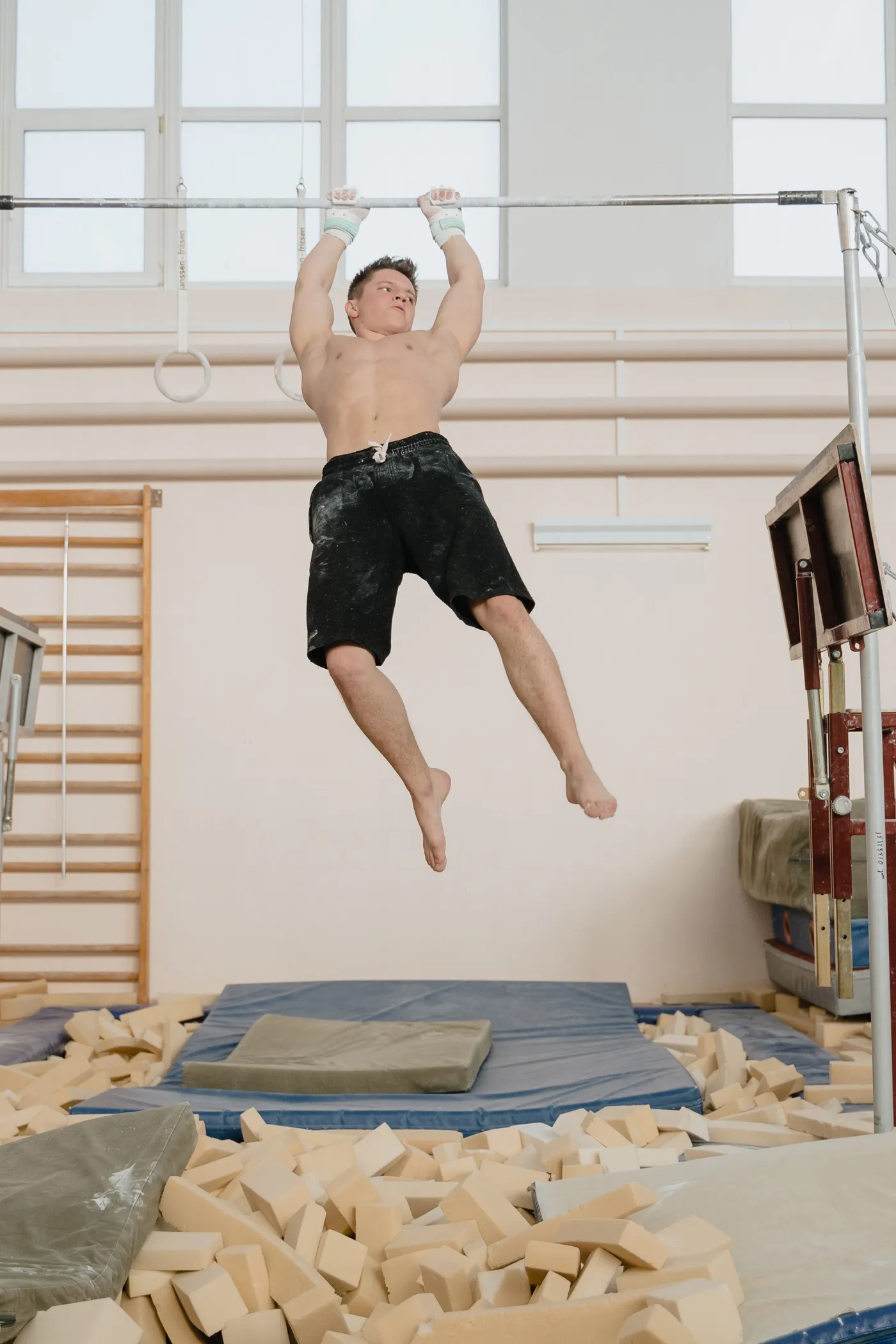
Average dead-hang time increased from 62.1 to 85.6 seconds, a gain of 23.5 seconds or 37.8%. All ten participants increased their hang time. Average farmer’s-carry time rose from 138.3 to 166.6 seconds, an increase of 28.3 seconds or 20.5%. Nine of the ten improved their carry performance; one declined by 7.5%.
The individual spread was enormous. One participant improved carry time by only 0.8%, another by 81.8%, and the participant whose carry declined still improved hanging time by 15%. Those differences matter more to an individual lifter than the single average printed in a headline. They show that the response was neither uniform nor guaranteed.
Because the same people repeated the same tests, familiarity, pacing, motivation and day-to-day readiness may have contributed. Their ongoing workouts could also have influenced results. There was no random assignment or blinded testing and no untreated comparison to separate the effect of hanging from other changes over two weeks. The data support the narrower observation that carry endurance improved alongside hang training in this group.
A percentage increase in a timed test is also not equivalent to an identical percentage increase in hand strength. Someone who holds a load longer might have improved endurance, coordination, tolerance of discomfort or simply learned to manage effort better. The outcome is still useful if the goal is to hold an implement longer, but the measurement should be named correctly.

Equipment Worth Exploring
Explore equipment, accessories and gear from our carefully selected range.

Power Tower
Freestanding pull-up and dip station with adjustable handles for bodyweight training.


Angles 90 Grips
Flexible grip attachments that allow natural wrist movement during pulling exercises.


Leather Wrist Grips
Padded leather lifting grips help support the hands and wrists on heavy pulling exercises.

Leather Lifting Straps
Padded leather straps support grip during heavy rows, deadlifts and pulling exercises.
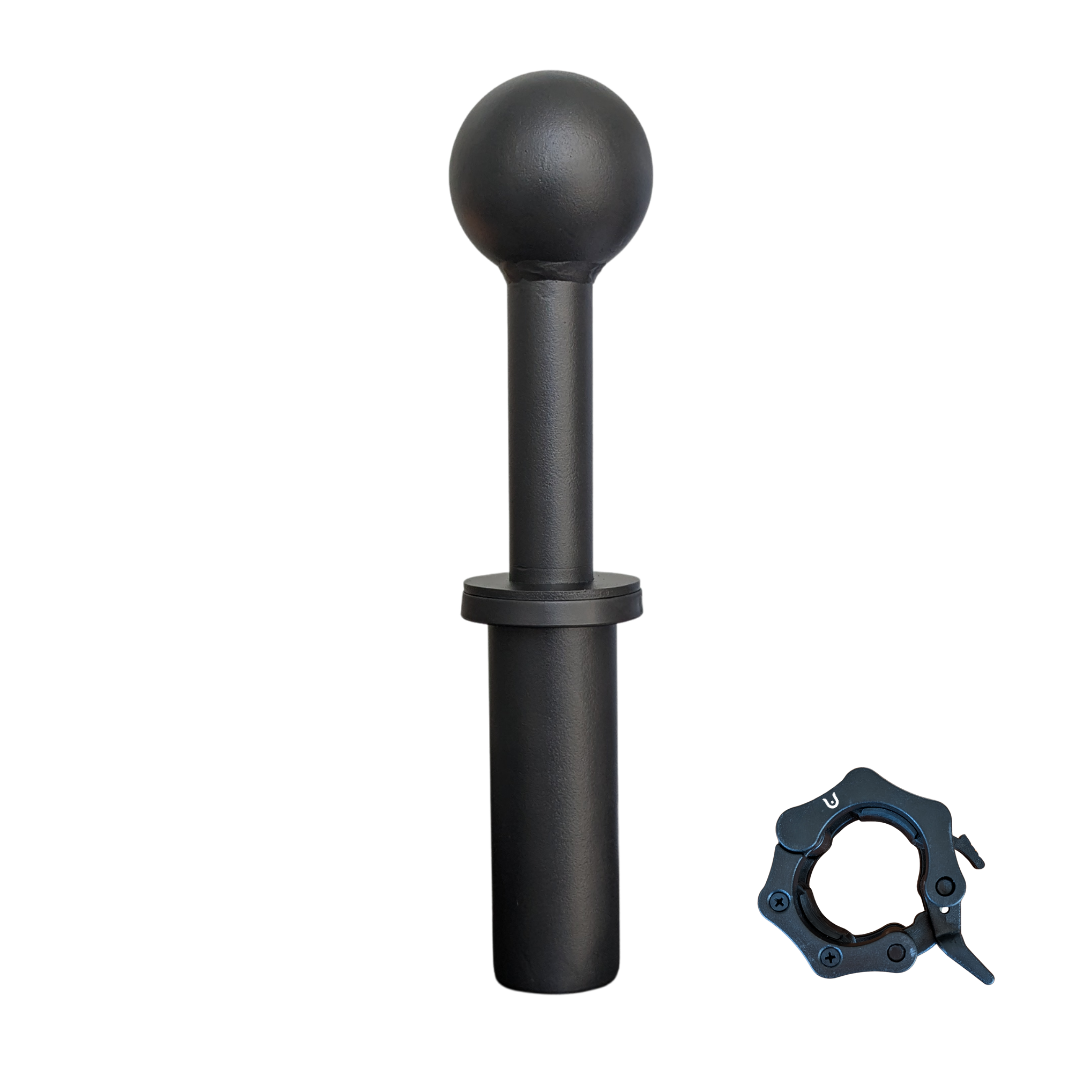

GymPin Ergo Handles
Pair of ergonomic cable handles shaped for comfortable triceps and pulling exercises.
Grip strength is several different abilities
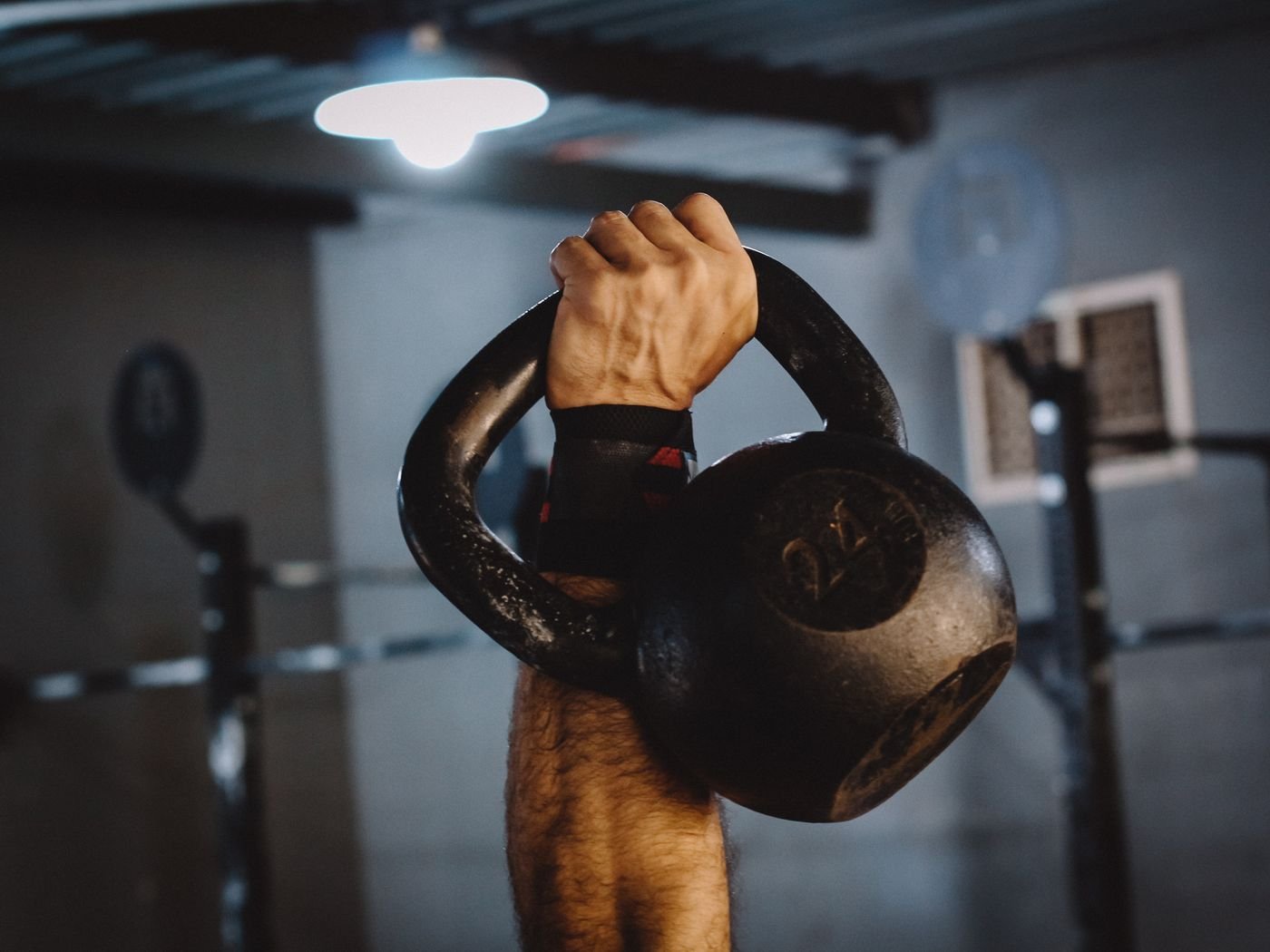
Grip work is often described as one category, even though the demands differ substantially. Support grip is the ability to keep a bar, handle or dumbbell from opening the hand during a hold. Crush grip emphasizes squeezing force, as with a hand gripper or dynamometer. Pinch grip challenges the thumb against the fingers, such as when holding smooth plates by their edges.
A dead hang and a farmer’s carry both challenge support grip, but they are not identical. The bar may be fixed, knurled, thick or smooth. A dumbbell handle can rotate slightly, and a walking carry adds movement and postural demands. Sweat, chalk, handle diameter and friction can alter the time recorded. Training with one handle does not guarantee the same improvement with another.
Broader hand-training research suggests targeted practice can improve grip performance and dexterity, but studies vary in their protocols, populations and measurement quality. An older small field comparison found that performance on carries, towel pull-ups and a hand dynamometer did not reliably track together. That is a reminder to train and test the ability you actually need.
For a climber, towel and finger positions may deserve specific practice. For a powerlifter, holding a heavily loaded bar for several seconds is different from hanging for a minute. For someone who simply loses their dumbbell grip before the intended muscles fatigue, basic support-grip endurance may be enough. Define the task before choosing the exercise.

Calisthenics Shirts & Street Workout Gear
Calisthenics and bodyweight-training gear for pull-ups, dips, handstands and street-workout athletes.


Always Pull Yourself Up Hoodie
Make your off-duty look more fun with “Always Pull Yourself Up”.

Pullups Heartbeat Tank
Train hard, laugh a little, and rep “Calisthenics Pullups Heartbeat”.

Funny Calisthenics Gym Hooded Pullover for Bodyweight W Hoodie
Stay casual and show some lifting attitude with “Calisthenics”.

Turn Off Gravity Funny Calisthenics Gym Hooded for Huma Hoodie
Show off your lifting humor in a laid-back “Turn Off Gravity Funny Calisthenics” hoodie.

Calisthenics Evolution Hoodie
Bring “Calisthenics Evolution” gym humor to lazy days and post-workout plans.

Human Flag Crewneck Calisthenics Pullover Sweater Worko T-Shirt
Bring “Human Flag” humor to your everyday gym style.


Calisthenics Lovers & – Gains & Meme Vibes T-Shirt
Heavy lifts, good laughs, and a little “for Calisthenics Lovers & Lifters” energy.

Calisthenics Hanging Out Hoodie
Make your off-duty look more fun with “Calisthenics Hanging Out”.
Why dead hangs might help loaded carries
Dead hangs expose the finger flexors to sustained isometric work while the shoulders, elbows and trunk maintain a stable position. During a carry, those finger flexors again resist the handles opening the hands, but the legs and trunk also work to move and stabilize the load. Shared isometric demands provide a plausible reason for some transfer between the exercises.
That does not establish the mechanism. The small field test did not measure forearm muscle activation, tendon adaptations, neural changes or grip force throughout the hold. It also did not isolate which parts of the hang progression mattered. Improvements could reflect several adaptations and better familiarity with both tests.
Bodyweight scaling makes hangs convenient, but it is not automatically appropriate for every person. Someone heavier or new to hanging may struggle to hold their full weight safely for even a few seconds. A foot-assisted hang or a controlled partial unload can provide a lower entry point. An experienced climber may need a thicker bar, longer duration or added load to make a short set challenging.
Keep shoulders engaged comfortably rather than dropping abruptly into an extreme position. A straight-arm hang is not a contest to force painful shoulder range. People with shoulder instability, recent upper-limb injuries or persistent hand numbness should choose a tolerable variation and seek qualified assessment when needed. Grip fatigue is expected; sharp pain, tingling or loss of control is not a useful training target.
Where carries, deadlifts and straps fit in
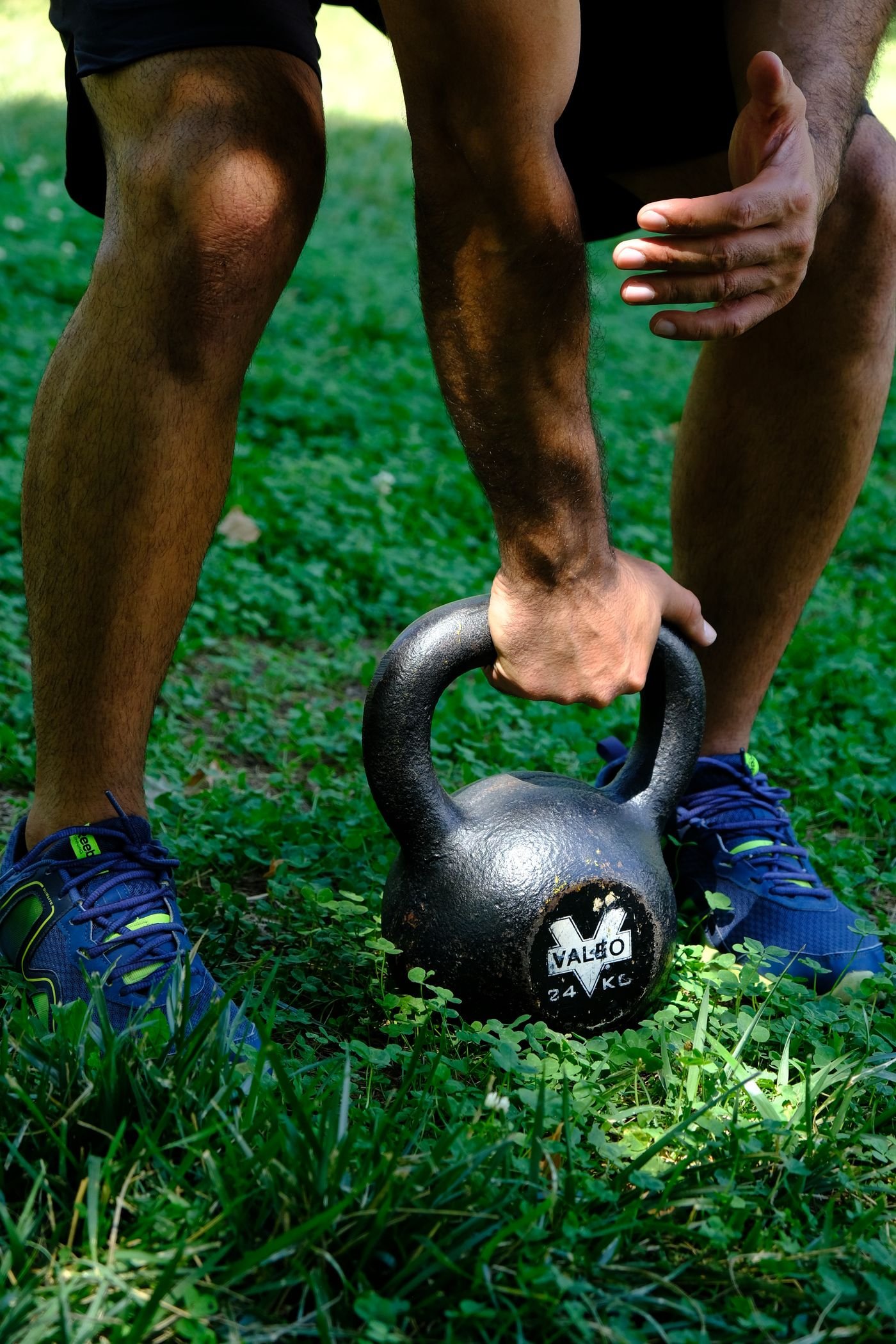
For building carry capacity, the most direct method remains carrying weights. Farmer’s walks train grip alongside gait, trunk bracing and load management. A suitcase carry adds an asymmetric challenge. A heavy static hold can target support grip when space is limited, but it removes the walking component. Each option has a slightly different purpose.
Deadlifts and rows also load the hands, yet their grip demands are tied to the sets and repetitions needed for the main exercise. If the back or legs need more work but the fingers fail first, straps can preserve the intended training stimulus. That does not make straps cheating. It means separating the goal of training the large muscles from the goal of strengthening the grip.
For example, keep the first one or two warm-up or work sets strapless when safe and technically sound, then use straps on later high-volume sets if grip becomes the limiting factor. Train hangs or carries separately on a different day or after the main work. Avoid exhausting the hands immediately before a heavy deadlift session or a technical climbing workout.
Handle thickness and weight matter. Two 20-kilogram dumbbells with slim handles can feel different from two thick-handled implements of the same mass. A trap bar may let you load a carry or hold heavily, but a barbell is not an appropriate substitute for every walking setup. Use equipment you can pick up, control and put down without dropping it on your feet.
Equipment Worth Exploring
Explore equipment, accessories and gear from our carefully selected range.


GymPin Barbell Row Handle
Heavy-duty handle attachment for barbell, landmine and T-bar rows.

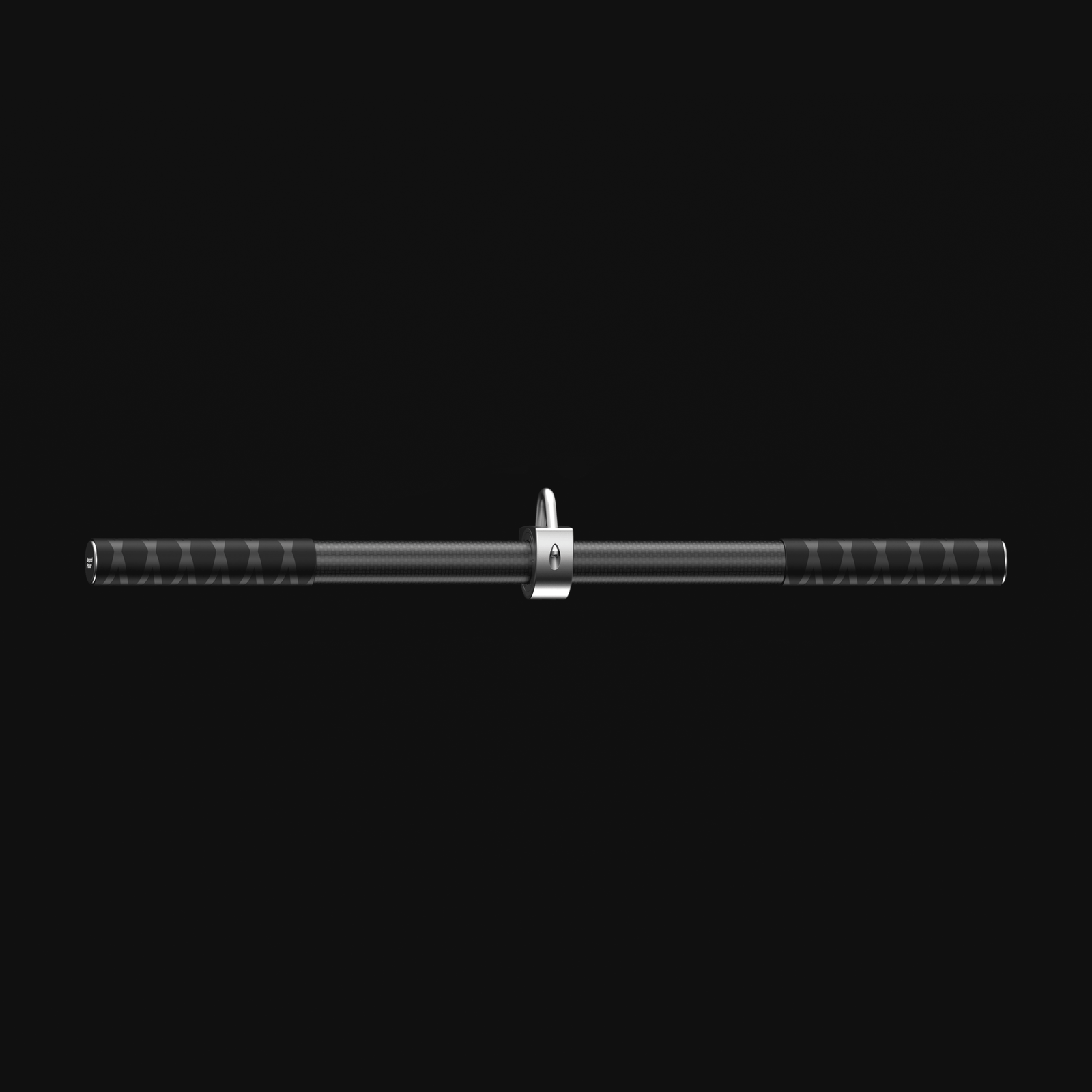
GymPin D Handle Bar
Multi-use steel D-handle bar for cable rows, pulldowns and other cable exercises.
A four-week grip endurance plan you can repeat
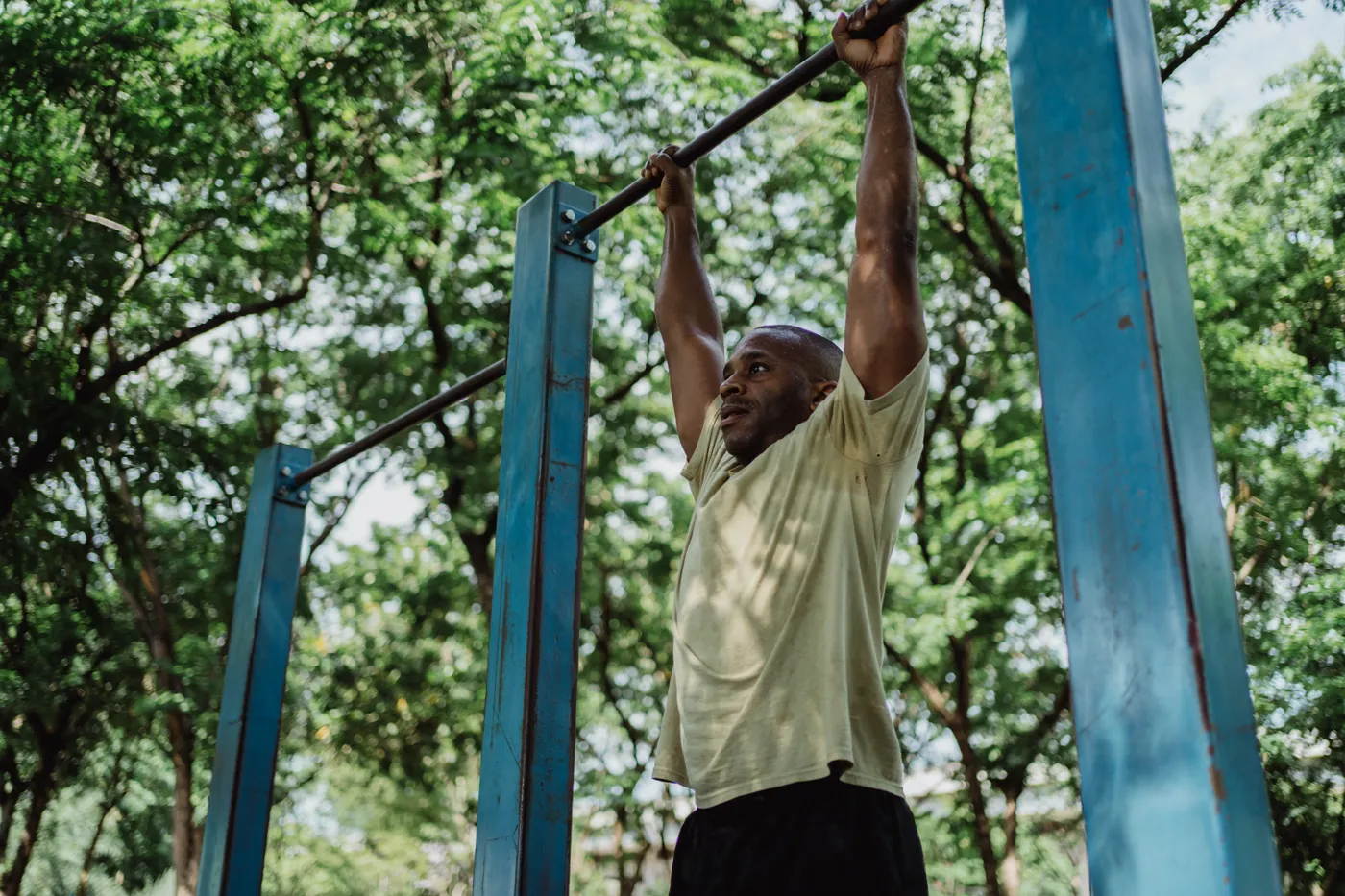
Start with two or three grip sessions per week, ideally after your main lifting. On day A, perform three foot-assisted or full-bodyweight hangs for 15–30 seconds, stopping with a few seconds of grip capacity remaining. Rest 90–120 seconds. On day B, use two moderate dumbbells for three farmer’s carries of 20–40 seconds, with 90–150 seconds of rest. If carrying space is unavailable, use a stationary two-dumbbell hold for the same time.
Week 1: Find a hang variation and carry load that allow smooth, repeatable sets. Record each set’s duration, assistance level and implement. Week 2: Add around five seconds to one or two sets if the previous week was controlled. Week 3: Progress either duration or load, not both aggressively. Week 4: Repeat the same baseline tests after at least 48 hours without hard grip work and compare like with like.
For a simple three-day alternative, use hangs on Monday, carries on Wednesday and a lighter combination on Saturday. Keep the third session easy enough that it does not disrupt pulling workouts. If your forearms remain sore or elbow tendons become irritable, reduce frequency or volume. A little grip work can be effective without chasing failure on every set.
Do not copy the field test’s fixed 50-pound-per-hand load unless it suits your current strength and control. For some lifters that load is trivial; for others it is unsafe. Start where you can walk upright without the weights swinging or your posture collapsing. The plan is a practical progression, not a validated reproduction of the two-week experiment.
Funny Gym Shirts & Workout Gear
Funny gym shirts, tanks, hoodies and workout gear for lifters who like training hard.


Grip Train Get A Grip Jumper Grip Training T-Shirt
Show some gym-day personality with “Grip Train”.

Pumpeye Forearm Gains & Grip Training Decal Popeye Sticker
Put “Pumpeye” gym humor on your laptop, bottle, or gym gear.

Slip Not Grip Training – Heavy Metal Workout Hooded Pul Hoodie
Make your off-duty look more fun with “Slip Not Grip Training”.

Grip Day Legend Essential Gymbro & T-Shirt
Rep “Grip Day Legend” humor in and out of the gym.

Grip Strength Fanatic Meme Hoodie
Show off your lifting humor in a laid-back “Grip Strength Fanatic” hoodie.

Grip Day Legacy Gymbro & Decal Sticker
Give your everyday gear a playful “Grip Day Legacy” twist.

Deadlift Skull Explosion Graphic for Powerlifting Leg D T-Shirt
Make gym days more fun with “Deadlift Skull” style.

Deadlift Purple Skull Gym Shirt for Powerlifters Heavy T-Shirt
Make gym days more fun with “Deadlift” style.

Grip Training Essential Gymbro Jumper & T-Shirt
For laid-back days and lifting humor: “Grip Training Essential”.
How to measure progress without fooling yourself
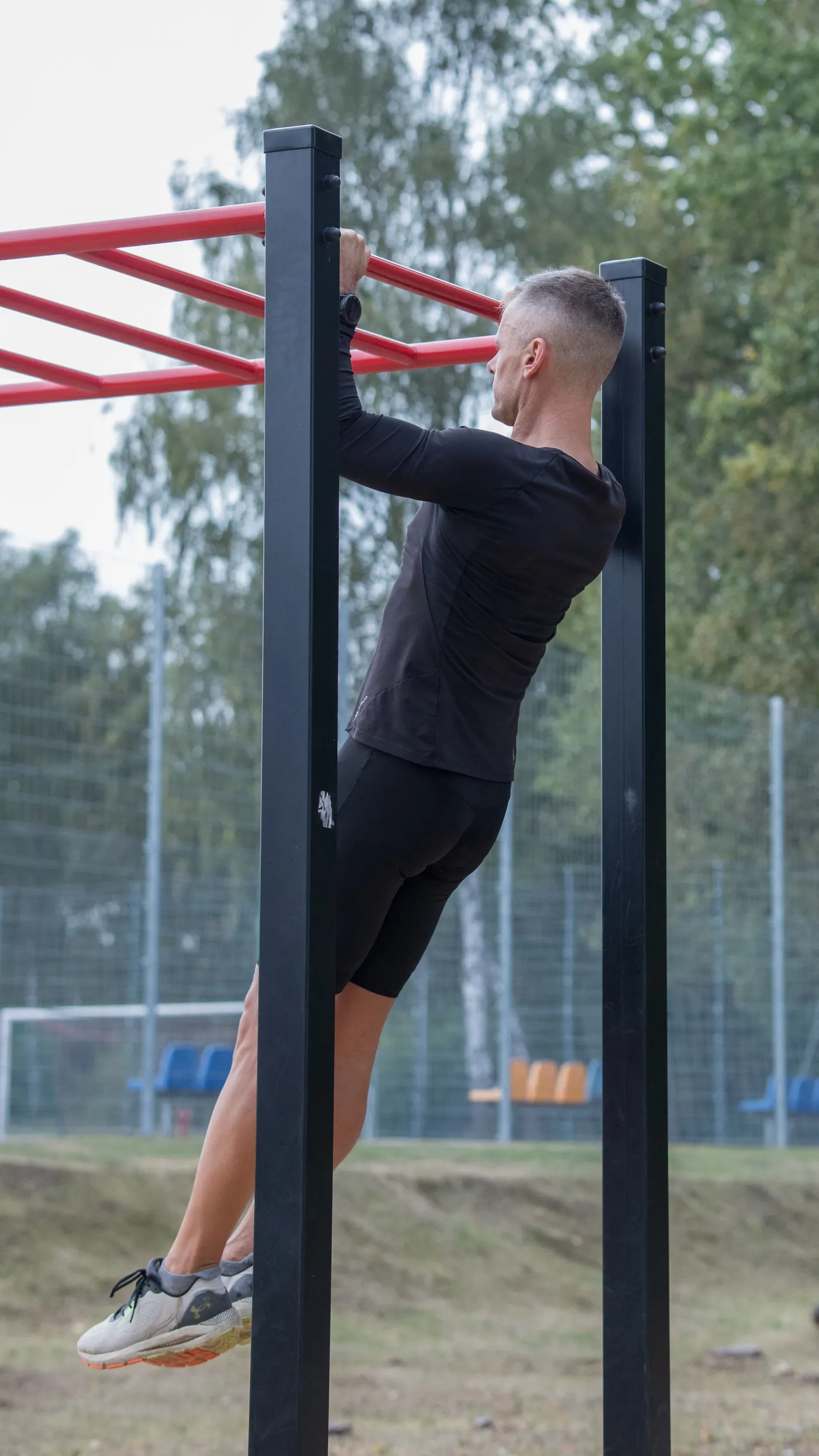
Test grip endurance under consistent conditions. Use the same bar, grip width, chalk policy, shoes and starting position. For carries, use the same handles, load, route, walking pace and stopping rule. Measure the total time held or distance traveled, but do not switch between them mid-program and call the numbers equivalent.
Test on a day when your hands are reasonably recovered. A maximal hang immediately after heavy rows will tell you more about fatigue than about adaptation. Record bodyweight because a dead hang becomes heavier as bodyweight increases. A small gain in hanging time while bodyweight rises may be meaningful, but it still should not be converted into an invented percentage of strength gain.
Use three progress signals rather than one: a standardized hang test, a standardized carry test and your actual training goal. If your hang improves but your carries stall, add direct carry practice. If carries improve while your deadlift still slips, test the exact deadlift grip and load. If pain develops, back off rather than treating the clock as an obligation.
Handgrip measurements are also associated with broader health and aging outcomes in population research, but that relationship is not evidence that adding 20 seconds to a hang prevents disease or extends life. Grip strength can reflect many aspects of overall health, body size and activity. A two-week endurance experiment cannot establish a health intervention.
The useful conclusion: dead hangs may be an efficient addition to a grip-endurance program, and the small field test offers encouraging transfer to carries. Keep direct practice, sound technique and honest measurement in the plan. Treat the 20.5% figure as an observation worth testing for yourself, not a promise.