A new supplement ranking can make it sound as though the entire protein debate has been settled. In 2026, a large comparison placed collagen ahead of several familiar protein powders for strength and fat-free mass outcomes. That is an interesting result, but it is not the same thing as proving that collagen is the best protein for building contractile muscle.
The distinction matters because three different questions often get collapsed into one: Did a supplement group improve strength? Did its body-composition measurement change? And did the supplement stimulate the biological processes that actually construct new muscle tissue? Those outcomes overlap, but they are not interchangeable.
What the 2026 protein comparison actually measured
The 2026 network meta-analysis pooled 78 randomized studies involving 4,755 participants across its strength and fat-free-mass outcomes. It compared 13 supplement categories, plus placebo and control conditions, in people undertaking resistance training. The primary outcome was muscle strength; fat-free mass was secondary. Researchers used a network approach that combines direct comparisons from individual trials with indirect comparisons across a connected evidence network.
For strength, collagen showed a standardized mean difference of 0.41 against placebo, with a 95% confidence interval from 0.09 to 0.73. Whey also exceeded placebo, with a smaller standardized difference of 0.15 and a 95% confidence interval from 0.03 to 0.27. For fat-free mass, the reported collagen estimate was 0.94 against placebo, compared with 0.16 for whey. Those numbers are standardized statistical effects, not kilograms of muscle gained.
The analysis ranked collagen highest on its probability-based ordering of the included treatments. Rankings are a way of summarizing the model’s estimates, not a direct experiment where thousands of identical lifters were randomly assigned to collagen versus whey under the same diet and training plan. A strong headline can be built from a ranking; a sound training decision needs more context.
Another essential limitation is the definition of fat-free mass. That measurement includes more than muscle fibers: water, connective tissues, organs and other lean components contribute. Even a real improvement in fat-free mass does not identify precisely how much new contractile muscle was added. The useful takeaway is that the 2026 result merits attention, not that the whey-versus-collagen question is closed.
Why a top-ranked supplement is not automatically the best choice

Imagine two trials. One tests a supplement in older adults who begin resistance training and eat relatively little protein. Another tests a different supplement in experienced lifters whose diets already meet their needs. Even if both are well designed, their observed improvements are not directly interchangeable. Training history, energy intake, protein dose, program duration, baseline health and measurement methods can all change the apparent effect.
A network meta-analysis tries to make comparisons across studies possible, but it depends on assumptions about how comparable those studies are. If the trials differ in ways that also influence results, an indirect ranking can be misleading. Statistical consistency within a network is reassuring; it cannot remove every difference in participant characteristics or study design.
Collagen and whey were not necessarily compared head-to-head in every included trial. When a ranking says collagen is more likely to occupy the top position, it is not a guarantee that replacing whey with collagen would improve a particular lifter’s results. Likewise, a statistically significant difference in a pooled estimate is not automatically a meaningful difference in your next training block.
Look beyond the rank to ask: How many trials inform this particular comparison? Were protein doses equivalent? Did the participants actually lift hard enough to stimulate adaptation? Were total calories and daily protein controlled? How was body composition measured? Were the outcomes measured after a meaningful training period rather than immediately after one session?
The responsible interpretation is that some collagen-containing protocols have produced promising results alongside exercise. It remains reasonable to investigate them further. It is not reasonable to treat one ordering of heterogeneous interventions as a universal prescription for replacing complete dietary proteins.
For practical purposes, prioritize a training plan you can progress, sufficient daily food, and protein sources that reliably supply essential amino acids. Those foundations are supported by a broader and more mechanistically coherent body of evidence than a single league table of supplement products.

Equipment Worth Exploring
Explore equipment, accessories and gear from our carefully selected range.


FID Bench MAX
Adjustable bench offering flat, incline, and decline positions + adjustable headrest.


VOLTRA
Compact digital cable trainer with smooth, adjustable resistance.


Collagen and whey are different proteins, not interchangeable powders
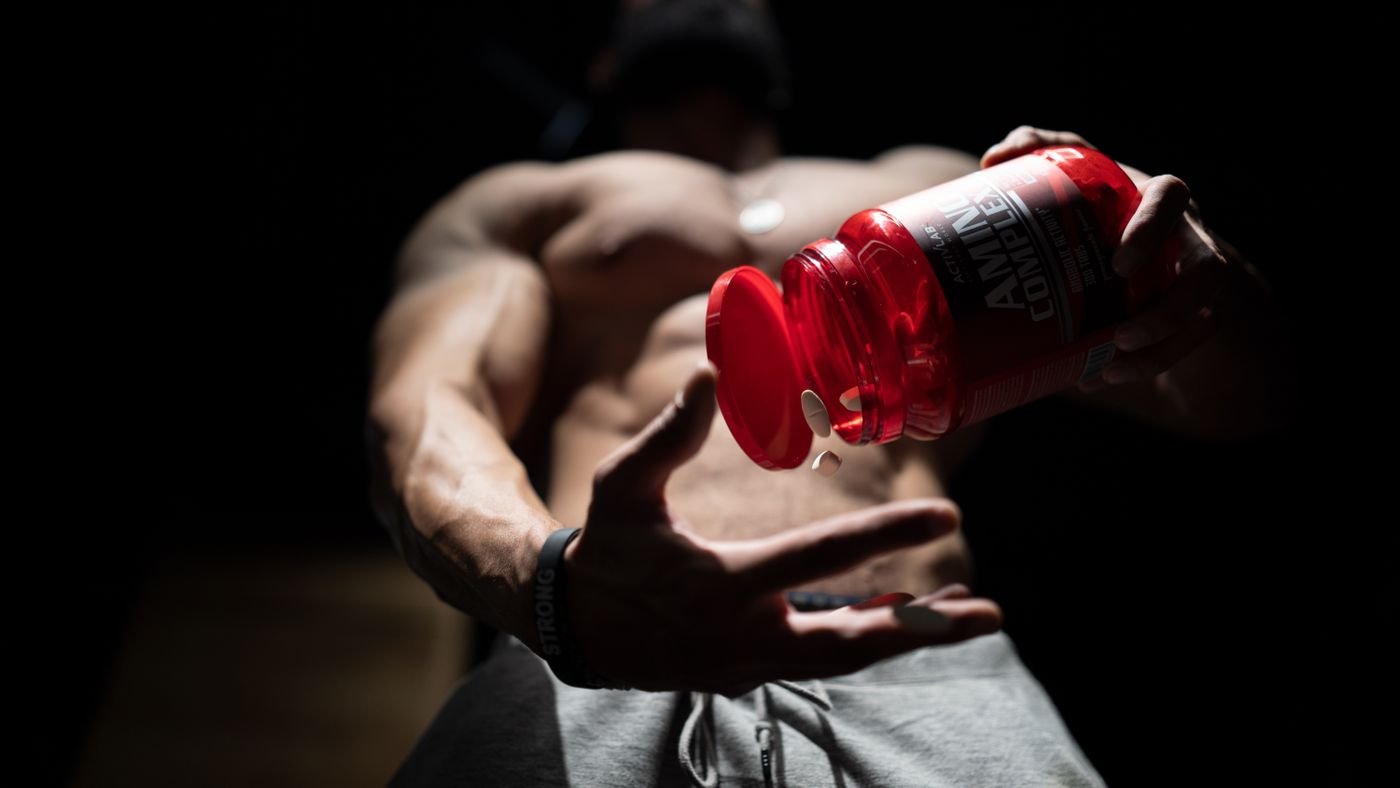
Whey is a complete milk-derived protein containing all nine essential amino acids. It is relatively rich in leucine, one of the amino acids involved in triggering muscle protein synthesis. Collagen peptides have a different amino-acid pattern, with relatively high amounts of glycine and proline but low essential-amino-acid density. Collagen does not supply a complete profile of essential amino acids by itself.
This is why a serving label that says 25 grams of protein does not tell the whole story. Twenty-five grams of whey and 25 grams of collagen deliver different amounts of the building blocks needed for muscle-protein construction. If the aim is to cover a daily protein shortfall, whey, dairy, eggs, meat, soy or a well-combined plant-protein option can make more sense as the primary source.
Acute human experiments help illustrate the difference. In one randomized study after resistance exercise, 30 grams of whey increased myofibrillar protein synthesis compared with placebo, while an equivalent collagen dose did not show the same significant response. That experiment measured an early recovery window, not long-term muscle growth, but it offers useful mechanistic context when interpreting longer-term rankings.
A separate experiment testing a 25-gram whey plus 5-gram collagen blend found increases in some protein-synthesis measures relative to placebo. That does not isolate collagen’s additional benefit because the comparison was not a matched whey-only arm. It is evidence that the blend can support a response, not proof that adding collagen to sufficient whey improves hypertrophy.
Different proteins can have different purposes. A collagen product might be studied for connective-tissue outcomes, while a complete protein is usually the more straightforward way to meet muscle-building amino-acid needs. Treat the two categories as potentially complementary rather than interchangeable, and do not assume that a gram on the front of the tub tells you how effectively it supports every tissue.

Bodybuilding Shirts & Workout Gear
Bodybuilding shirts, tanks and gym gear for lifters chasing muscle, size, symmetry and the pump.

Protein Shake Hooded & Meme Fans Hoodie
Show off your lifting humor in a laid-back “Protein Shake” hoodie.


Protein In The Jar Muscle Shirt Athletic Undershirt Met Tank Top
Your gym-day look, with a playful “Protein In The Jar” twist.


Protein Bro Supplement Decal Water Bottles & Shaker Sticker
Give your everyday gear a playful “Protein” twist.

Meme – Free Protein Gymbro – Humor Top & Gains T-Shirt
Heavy lifts, good laughs, and a little “Free Protein Gymbro” energy.

I'M A Rice-Ist Sweater & Rice Lovers Meme T-Shirt
Show some gym-day personality with “I'm A Rice-ist”.


Wheyhalla Viking Decal & Protein Lovers Sticker
Put “Wheyhalla Viking” gym humor on your laptop, bottle, or gym gear.

Protein Power Cereal Tee
Heavy lifts, good laughs, and a little “Protein Power Cereal” energy.
What about tendons, joints and connective tissue?
Collagen is a major structural component of tendons, ligaments, cartilage and skin. That biological role is one reason researchers investigate collagen peptides separately from complete proteins. The potential application is different from claiming that collagen directly creates more biceps or quadriceps muscle.
A 2024 synthesis of 19 training-related collagen studies involving 768 participants reported favorable pooled changes in some measures of fat-free mass, strength, tendon morphology and muscle architecture. The certainty of evidence varied considerably: some outcomes were graded low or very low. Positive pooled estimates are a reason for cautious interest, not permission to promise that every tendon becomes stronger or every ache disappears.
A separate 2026 umbrella review surveyed 16 systematic reviews covering 113 randomized trials and nearly 8,000 participants across skin and musculoskeletal outcomes. Its broad scope is important. Results across skin hydration, osteoarthritis symptoms, bone measures and exercise-related muscle outcomes should not be treated as one uniform effect, and studies may overlap between reviews.
For lifters, tendon health is primarily a loading and recovery problem. Tendons adapt to appropriately progressed mechanical stress, but they can become irritated when training intensity, volume or exercise novelty rises faster than tolerance. Supplements cannot substitute for managing those variables.
If you choose collagen for a connective-tissue-related goal, judge it against a specific, realistic outcome and the quality of evidence for that outcome. Do not confuse reduced discomfort with proven structural repair. Persistent pain, swelling or loss of function deserves professional assessment rather than a more expensive powder.
There is also a practical budget question: when the diet is short on total protein, buying collagen before fixing basic nutrition may be the wrong priority. Food quality, adequate energy, progressive exercise and sleep remain the dependable base.
How much protein should lifters actually aim to eat?
For most healthy adults who train regularly, an overall intake around 1.4–2.0 grams of protein per kilogram of body weight per day is a widely used evidence-based range. Needs differ with training status, age, energy balance and individual circumstances. The point is not to chase the highest number; it is to meet a consistent intake that supports your program.
At 70 kilograms, that range works out to approximately 98–140 grams daily. At 90 kilograms, it is about 126–180 grams. These are examples rather than rigid prescriptions, and people with relevant medical conditions should obtain individualized guidance. A person already meeting their needs from food is unlikely to require multiple additional shakes simply because a supplement advertises an impressive amino-acid profile.
Distributing protein over several meals is convenient. For example, breakfast might include yogurt and eggs; lunch could feature chicken, tofu or beans; dinner could include fish, meat or a balanced plant-protein meal. A shake is useful when time, appetite or travel makes ordinary meals inconvenient, not because a powder is intrinsically superior to food.
For a training-focused day, aim to pair sufficient protein with carbohydrates that fuel performance, fats that support overall nutrition, and enough total calories for your goal. Trying to gain muscle while chronically under-eating can undermine recovery regardless of supplement choice. Conversely, using protein powders to add hundreds of unplanned calories can frustrate a fat-loss target.
Compare supplement labels on protein per serving, essential amino acids, ingredients, price per usable serving and tolerability. A 30-gram scoop is not necessarily 30 grams of protein. Check whether the manufacturer counts collagen peptides as part of a blend’s total protein, and whether the remaining complete-protein dose is sufficient for your purpose.
None of this means collagen is worthless. It means the basic protein target and the purpose of each product should be clear before you decide whether a specialty supplement is worth paying for.
Equipment Worth Exploring
Explore equipment, accessories and gear from our carefully selected range.

Go-Tone Pro
Portable digital cable trainer with up to 66 lb (30 kg) of adjustable resistance.


Power Tower
Freestanding pull-up and dip station with adjustable handles for bodyweight training.


Leather Lifting Straps
Padded leather straps support grip during heavy rows, deadlifts and pulling exercises.


How to evaluate a supplement claim without getting misled
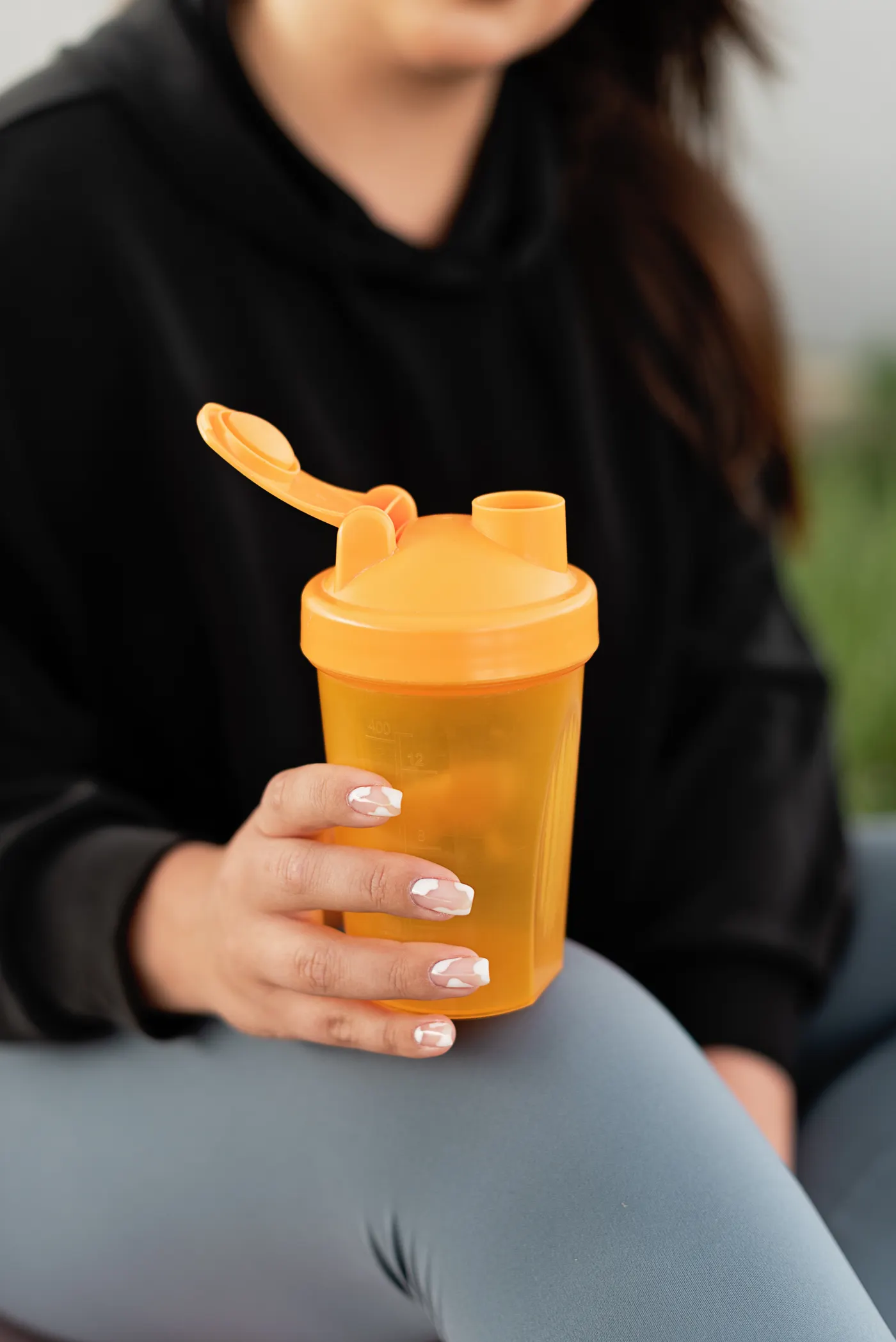
Start by identifying the outcome behind the advertisement. Muscle strength, muscle thickness, fat-free mass, soreness, joint comfort and recovery time are different endpoints. A company may highlight the strongest-looking number while leaving out that the study measured something narrower than the claim on the label.
Next ask whether the result came from a randomized intervention, an acute experiment, an observational association or a pooled review. These methods answer different questions. A short study of protein synthesis can reveal a plausible mechanism but cannot tell you the amount of muscle gained after six months. A longer training trial is closer to the outcome most lifters care about, but its results still depend on the training program and participants.
Look for an appropriate comparator. Collagen plus resistance training versus no supplement is not the same question as collagen versus whey when both groups already eat enough protein. If a supplement is compared with placebo in under-fueled beginners, its result may not transfer to an experienced lifter with a high-protein diet.
Then check whether the claimed difference is meaningful. A ranking score, statistical significance or standardized effect is not a personal forecast. Confidence intervals, sample sizes and how consistently trials point in the same direction are more informative than a single bold percentage.
Finally, consider price, digestibility and convenience. Some people tolerate whey poorly or avoid dairy; a different complete-protein option may solve that problem without requiring collagen. Others may have a separate reason to explore collagen, but should keep expectations realistic and avoid stacking multiple products with overlapping claims.
A simple decision rule works: if you need basic protein, choose a dependable complete source you can afford and digest. If your daily intake is already sufficient and you are curious about collagen for a specific purpose, treat it as an optional experiment rather than the missing ingredient in your training progress.
Funny Gym Shirts & Workout Gear
Funny gym shirts, tanks, hoodies and workout gear for lifters who like training hard.

Installing Muscles Meme – Jumper T-Shirt
Bring “Installing Muscles Gym Meme” humor to your everyday gym style.

Shirt – Gains Time – Gymbro Meme & – & Top T-Shirt
Show some powerlifting attitude with a playful “Gains Time” tee.

Lift O'Clock Gym | Funny Workout For Bodybuilding & Pow Hoodie
Make your off-duty look more fun with “Lift O'Clock”.

Funny Gymrats – Gym Rat Meme Hooded Pullover Hoodie
Make your off-duty look more fun with “Gymrats”.

Live Love Lift Muscle Shirt Athletic Vest Workout Gym L Tank Top
Your gym-day look, with a playful “Live Love Lift” twist.

Lifting Is My Therapy – Lifting Bodybuilding Powerlifti Sticker
Bring “Lifting Is My Therapy” attitude to your water bottle or laptop.

Muscle Mommy Lifting Club for Gym Girls, Lifters & Fitn Sticker
A fun “Muscle Mommy Lifting Club” touch for bottles, laptops, and lockers.


OnlyGains Hooded Leg Day & Booty Gains Meme Top Hoodie
Keep it laid-back with a little “OnlyGains” attitude.
A four-week muscle-building plan that does not depend on a magic powder
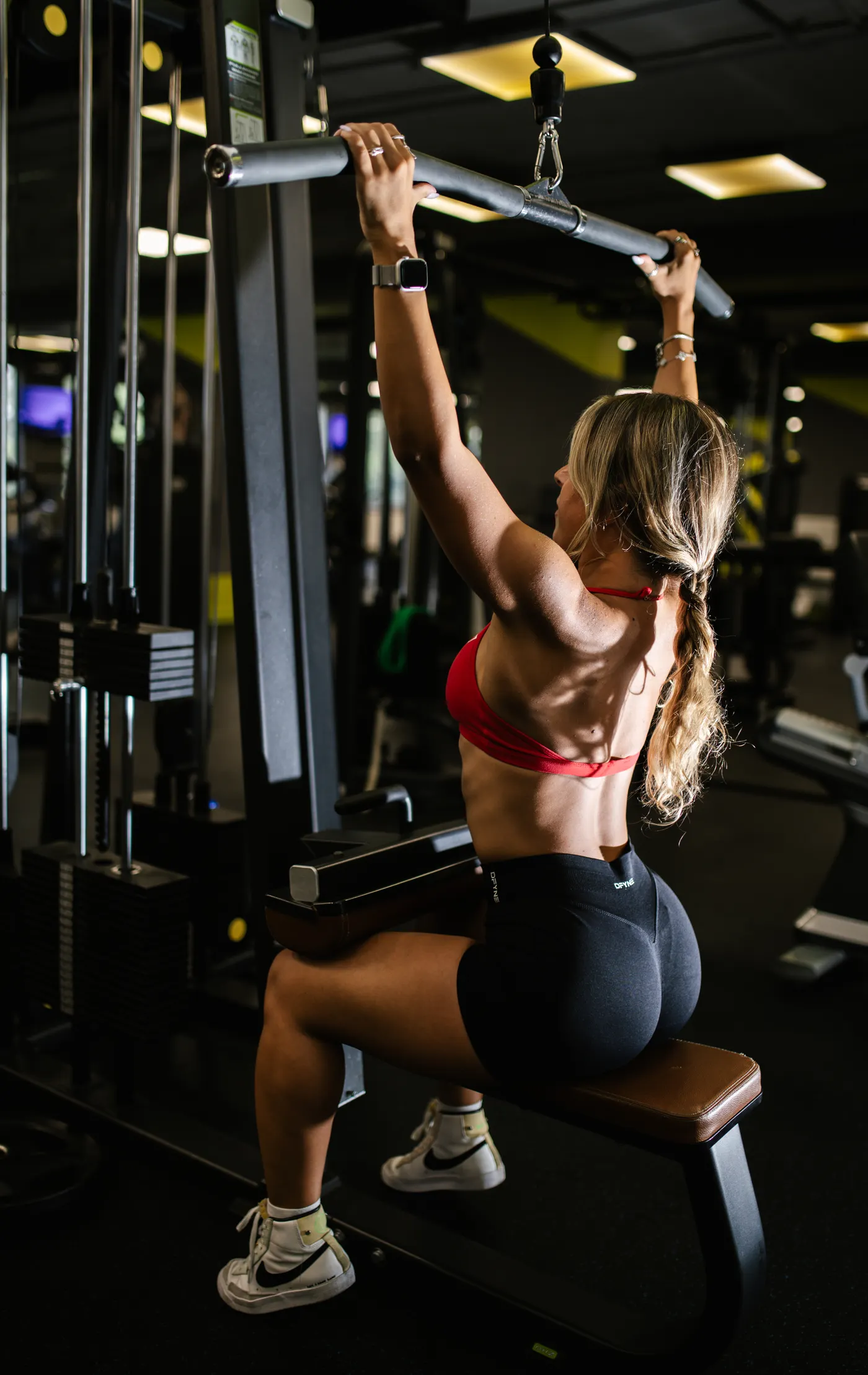
The most useful response to supplement headlines is to control the variables you can actually measure. For four weeks, keep training and nutrition consistent enough that you can evaluate performance instead of guessing what a powder did.
Week 1 — Establish a baseline. Train two or three full-body sessions with a squat or leg-press pattern, a hinge, a horizontal or vertical push, a pull and a smaller accessory movement. Use two or three challenging sets per exercise, usually leaving one to three repetitions in reserve. Record the loads, repetitions, sleep and approximate daily protein intake. Choose a realistic daily protein target based on your body weight and circumstances.
Week 2 — Improve consistency. Keep the main exercises stable. Add a repetition where form remains sound or improve range of motion and control. Spread protein across meals rather than relying on a huge shake to rescue an otherwise inconsistent day. If you use a supplement, keep the serving and timing consistent so it does not obscure the rest of your routine.
Week 3 — Progress deliberately. If you reach the top of your repetition range with good technique, increase the load modestly next time. Do not turn every set into a maximal effort. Add an accessory set only if recovery, joint comfort and schedule support it. Keep total energy intake aligned with whether you are trying to gain muscle, maintain weight or reduce fat.
Week 4 — Review the trend. Compare matched sets rather than judging progress from a single mirror check. Has a load increased? Are repetitions improving at similar effort? Is body weight changing at the intended pace? Have you trained consistently without accumulating disproportionate soreness or fatigue? Those answers are more useful than expecting visible changes after a few servings of collagen.
For healthy lifters, the practical hierarchy is straightforward: progressive resistance training, enough food, adequate complete protein, recovery and then optional supplements. The 2026 collagen ranking is a worthwhile scientific discussion, but it does not overturn that hierarchy. The best product is the one that solves a real problem in your routine without distracting from the work that drives adaptation.