Advertising disclosure: This page includes affiliate product links that may earn us a commission, as well as products from our own store.
Push-Pull or Push-Push? What 22 Lifters Gained in Eight Weeks
Does pairing bench presses with rows produce better results than putting presses with presses and pulls with pulls? An eight-week experiment involving 22 recreationally trained men tested two ways to organize upper-body resistance training. Both groups improved strength and muscle-thickness measures, while researchers did not find a statistically significant difference between the groups.
That finding is useful precisely because it is less dramatic than a viral workout headline. You may not need to rebuild your program simply because another lifter follows a different push-pull arrangement. The details matter, though: this was a small study of exercise pairings, not a universal test of every split routine. Here is what was measured, what the result can support, and a sensible way to put it to work in a home or commercial gym.
What the Eight-Week Comparison Actually Tested
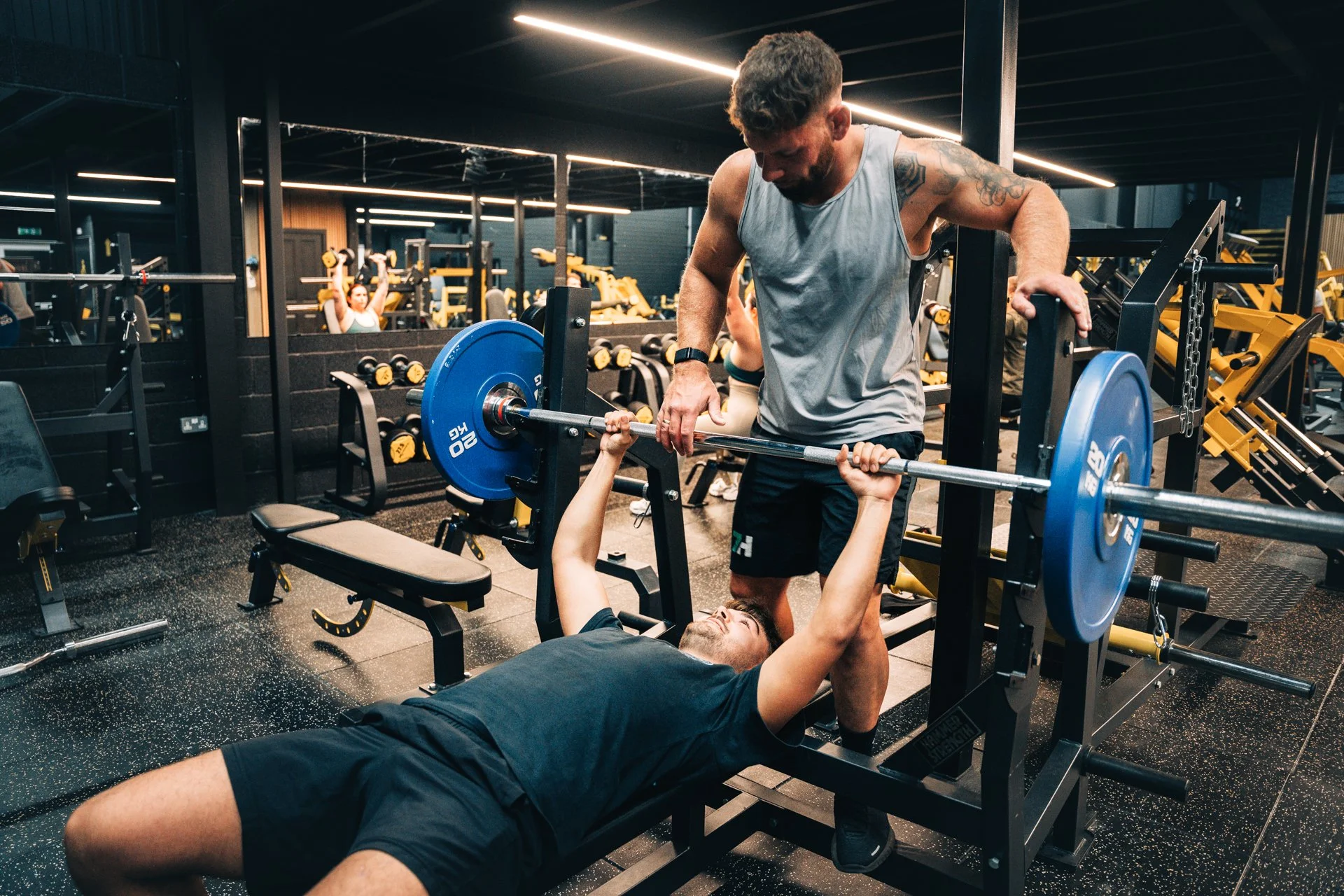
The phrase push-pull split can mean several things. Some people use it for alternating training days; others mean alternating exercises inside one session. The experiment behind this story addressed a narrower question: how should upper-body exercises be paired within a resistance-training scheme? Researchers followed 22 recreationally trained men for eight weeks. Twelve were assigned to a nonsynergist arrangement, described as push/pull and pull/push exercises. Ten followed a synergist arrangement, described as pull/pull and push/push exercises.
In plain language, a push involves muscles such as the chest, shoulders and triceps, while a pull emphasizes the back and elbow flexors. A synergist pairing keeps exercises with broadly cooperating muscle actions together. A nonsynergist pairing switches the main action, allowing the muscles involved in one movement to do less work while a different set performs the next. These are programming descriptions, not two completely different species of workout.
The participants were young men who already had resistance-training experience. The nonsynergist group reported an average of about 2.4 years of experience, compared with about 3.2 in the synergist group. That matters: their responses should not be automatically applied to beginners, older lifters, women, elite competitors or rehabilitation programs. Nor does the design test whether a four-day push/pull/legs split beats full-body training. The meaningful question is how the exercise pairing affected the specific outcomes measured across those eight weeks.
What Happened to Strength and Muscle Thickness
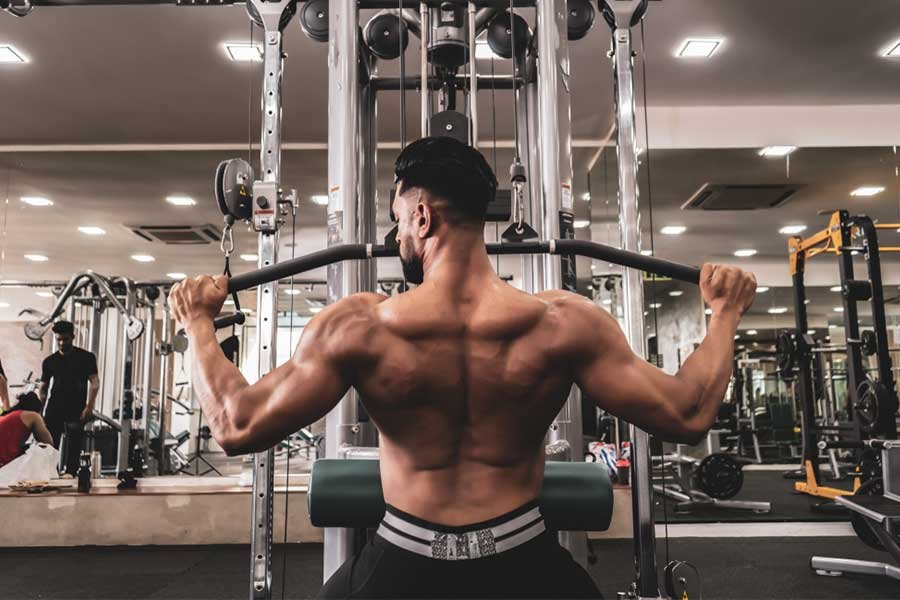
The research team tested one-repetition maximum performance in the bench press and lat pulldown. They also measured thickness of the biceps, triceps and pectoralis major before and after the intervention. Weekly total load lifted was calculated, giving the investigators a way to describe work performed rather than relying on how challenging participants said sessions felt.
Both groups recorded statistically significant improvements in strength and in the muscle-thickness outcomes assessed. Crucially, the reported comparisons did not reveal a statistically significant difference between the two training schemes for the measured outcomes. That is not the same as proving that every form of push-pull training is identical to every form of push-push training. In a study of 22 men, a modest difference could be difficult to detect. The results support the practical possibility of progress with either arrangement, not a universal declaration that order can never matter.
Another useful detail is what was not tracked as the central outcome: there was no direct comparison of every muscle in the body, no long-term follow-up beyond eight weeks and no head-to-head test of training enjoyment or real-world adherence. A lifter might prefer one approach because it feels better on elbows, keeps a session moving, or fits limited equipment. Those reasons are useful when choosing a program, but they should be presented as practical considerations rather than effects demonstrated by this particular experiment.

Equipment Worth Exploring
Explore equipment, accessories and gear from our carefully selected range.

Multi Pull Smith Rack MPHR-780
All-in-one rack with a Smith machine, functional trainer, lat pulldown and low row.

Multi Bench MBX-650 2.0
Adjustable multi-bench with roller adjustment, 15 backrest positions and accessory mounts.

Standing Chest Press SCP-760
Standing chest-press machine with adjustable handle positions for chest and close-grip pressing.

Pec Fly/Rear Delt PEC-650
Combination machine with adjustable movement limits for chest fly and rear-delt exercises.

Lever Arm Multi Press LMP-650
Multi-press with independent lever arms and an integrated adjustable bench for upper-body training.


Rubber Hex Dumbbells
Rubber-coated hex dumbbell pairs with a stable shape for home and commercial strength training.

Synergist Pairings: When Pressing Follows Pressing
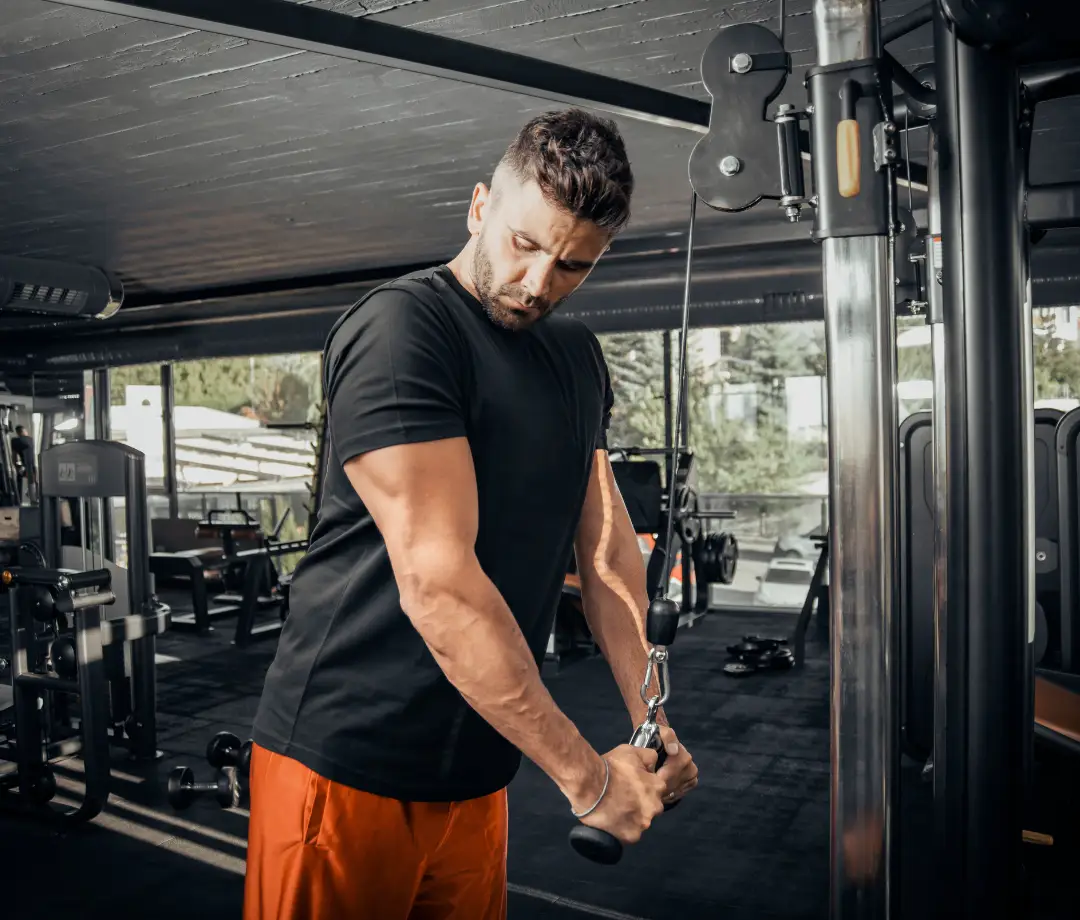
Imagine starting an upper-body workout with a bench press, then moving to an overhead press or triceps-focused cable movement. These exercises recruit overlapping pushing muscles. The same pattern can work for pulling: a lat pulldown followed by a supported row or curl keeps the session focused on the upper-back and elbow-flexor pattern.
The advantage is organization. You can warm up a movement family, use nearby stations and keep attention on the muscles that define that part of the workout. The potential trade-off is local fatigue. If the chest and triceps are already tired after demanding presses, the load or repetitions available in a later triceps movement may be lower. That does not automatically make the later exercise ineffective, but it changes what a realistic performance target looks like.
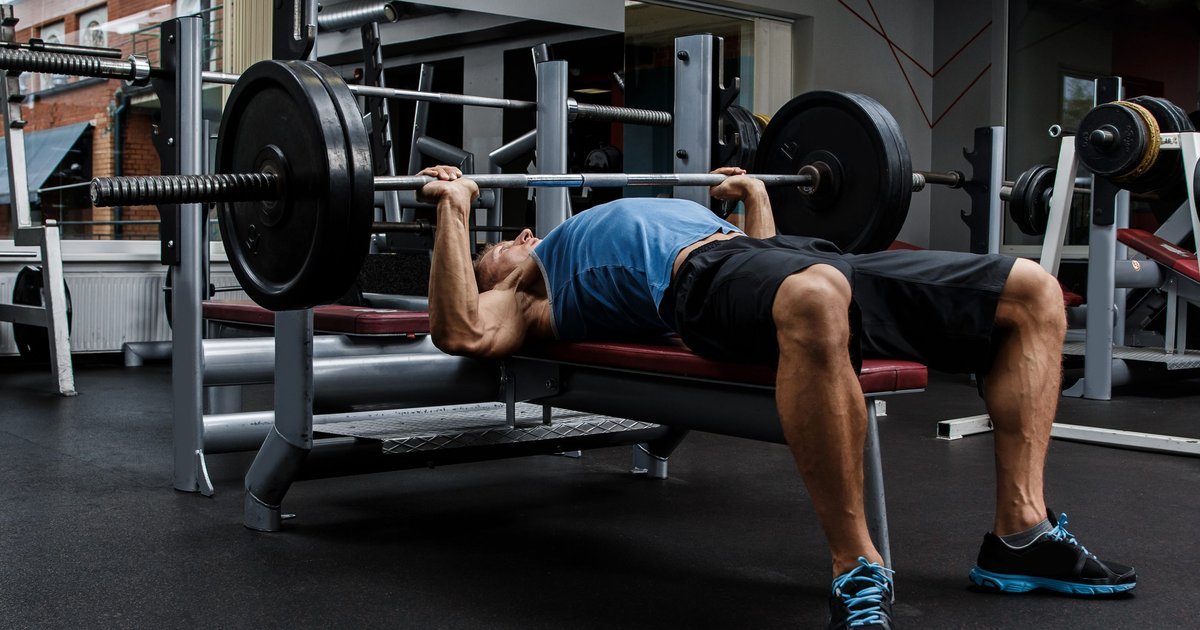
For a chest-priority session, put your important chest press first and use the following press or cable fly for additional work, not as another opportunity to beat your all-time best. A practical sequence might be bench press for three work sets, incline dumbbell press for two, then cable triceps work for two or three. Rest long enough to maintain clean technique. If the final movement causes elbows to flare painfully or range of motion to collapse, reduce the load or total sets before simply adding more effort.
Think of synergist pairings as one tool for grouping similar work. The study did not establish that such groupings prevent growth or that they are uniquely good for producing a pump. Progress still depends on useful work, recovery and a plan that can be repeated for more than a single impressive workout.

Funny Gym Shirts & Workout Gear
Funny gym shirts, tanks, hoodies and workout gear for lifters who like training hard.

Shirt – If The Bar Ain'T Bending You'Re Just T-Shirt
Heavy lifts, good laughs, and a little “If The Bar Ain't Bending You're Just” energy.

Jackedonomics Muscle Graph – Meme Shirt & Essential T-Shirt
Bring “Jackedonomics Muscle Graph” humor to your next gym day.

Funny Lift O'Clock Gym | Workout Sweater For Bodybuildi T-Shirt
Keep things casual with a little “Lift O'Clock” attitude.

Live Love Lift Crewneck Pullover Sweater Gymbro Workout T-Shirt
Keep things casual with a little “Live Love Lift” attitude.

Home Is Where Your Gym Is | Funny Garage Gym Hooded | B Hoodie
Keep it laid-back with a little “Home Is Where Your Gym Is” attitude.

Home Gym Nerd Garage Gym Basement Gym Meme Workout Body Hoodie
Bring “Home Gym Nerd” gym humor to lazy days and post-workout plans.

It's Gym O'Clock | Workout Muscle Shirt | Fitness Meme Tank Top
Your gym-day look, with a playful “It's Gym O'Clock” twist.

No Plates No Dates Muscle | Vest For Weightlifting & Ga Tank Top
Show some personality between sets with “No Plates No Dates”.

Gains O'Clock Gym | Funny Workout Decal for Water Bottl Sticker
A fun “Gains O'Clock” touch for bottles, laptops, and lockers.

Ice In My Gains Icy Decal Sticker
Give your everyday gear a playful “Ice In My Gains” twist.
Nonsynergist Pairings: Alternating Push and Pull
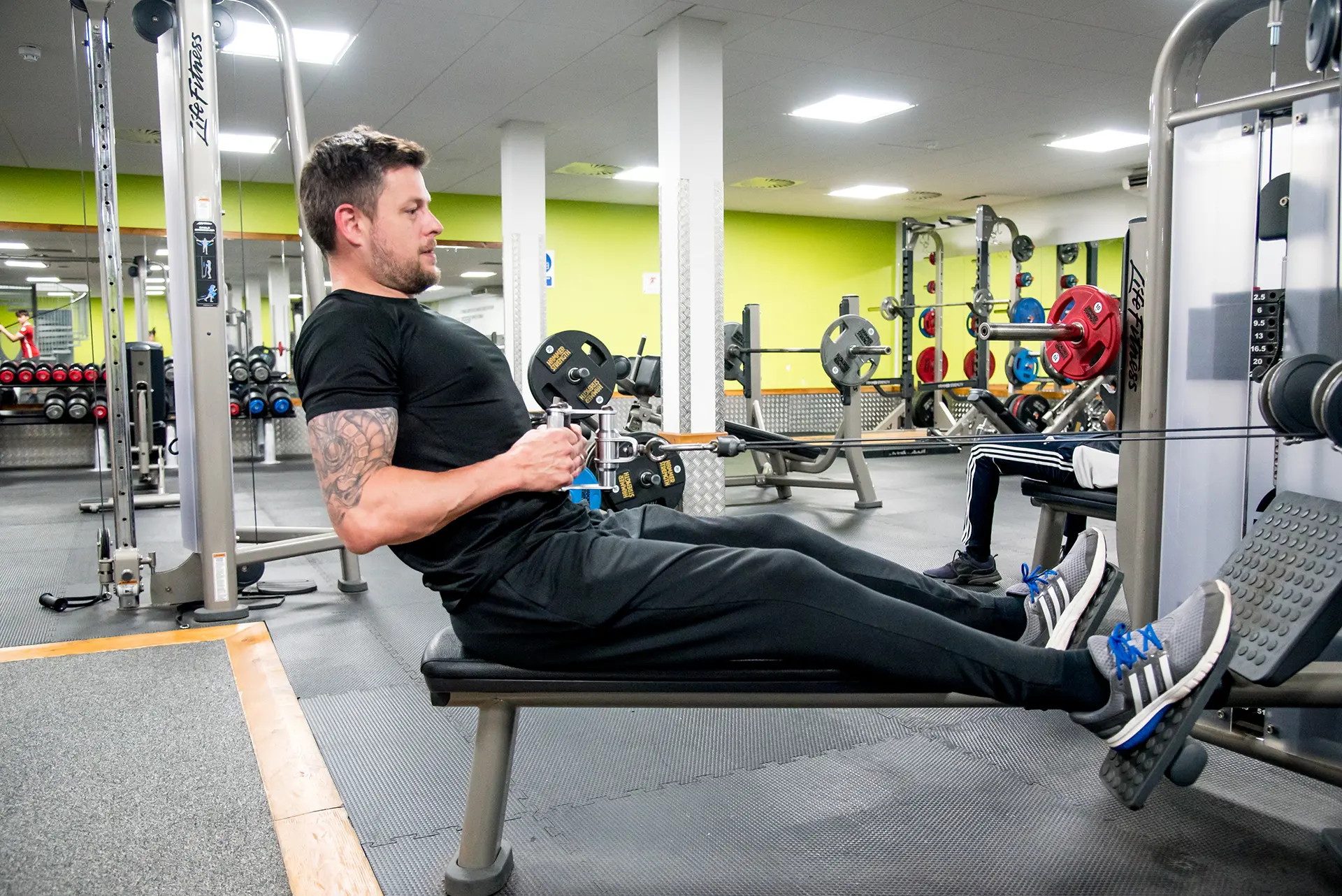
The alternative is to switch muscle actions. For example, pair a bench press with a chest-supported row, or an overhead press with a lat pulldown. The chest and triceps are less directly involved in the pulling exercise, while the back and biceps take a more active role. This can make an upper-body session feel less like one muscle group is being hammered continuously.
Alternating movements is not a free recovery hack. Heavy rows require bracing and grip; difficult bench presses still create whole-body fatigue. If you rush from one lift to the next, your breathing and general fatigue may interfere with performance even when the primary muscles differ. For a true strength priority, give the main lift its own adequate rest period before the next demanding set.
One practical setup is A1 bench press, A2 seated row, with planned rest between sets rather than treating the pair as nonstop cardio. Another is a lower-demand cable fly matched with a controlled cable row. On compact home-gym equipment, alternating can also reduce repeated attachment changes—provided the machine safely supports both movements and the exercise positions do not conflict. If you have only one cable unit, changing stations and heights may erase the expected time savings.
The critical point is that the participants using mixed push/pull pairings grew stronger and showed increases in the assessed muscle thickness. The observed improvements make this layout a reasonable option, but the published result did not demonstrate it was superior to grouping related movements.
Why ‘No Significant Difference’ Is Not a Tie
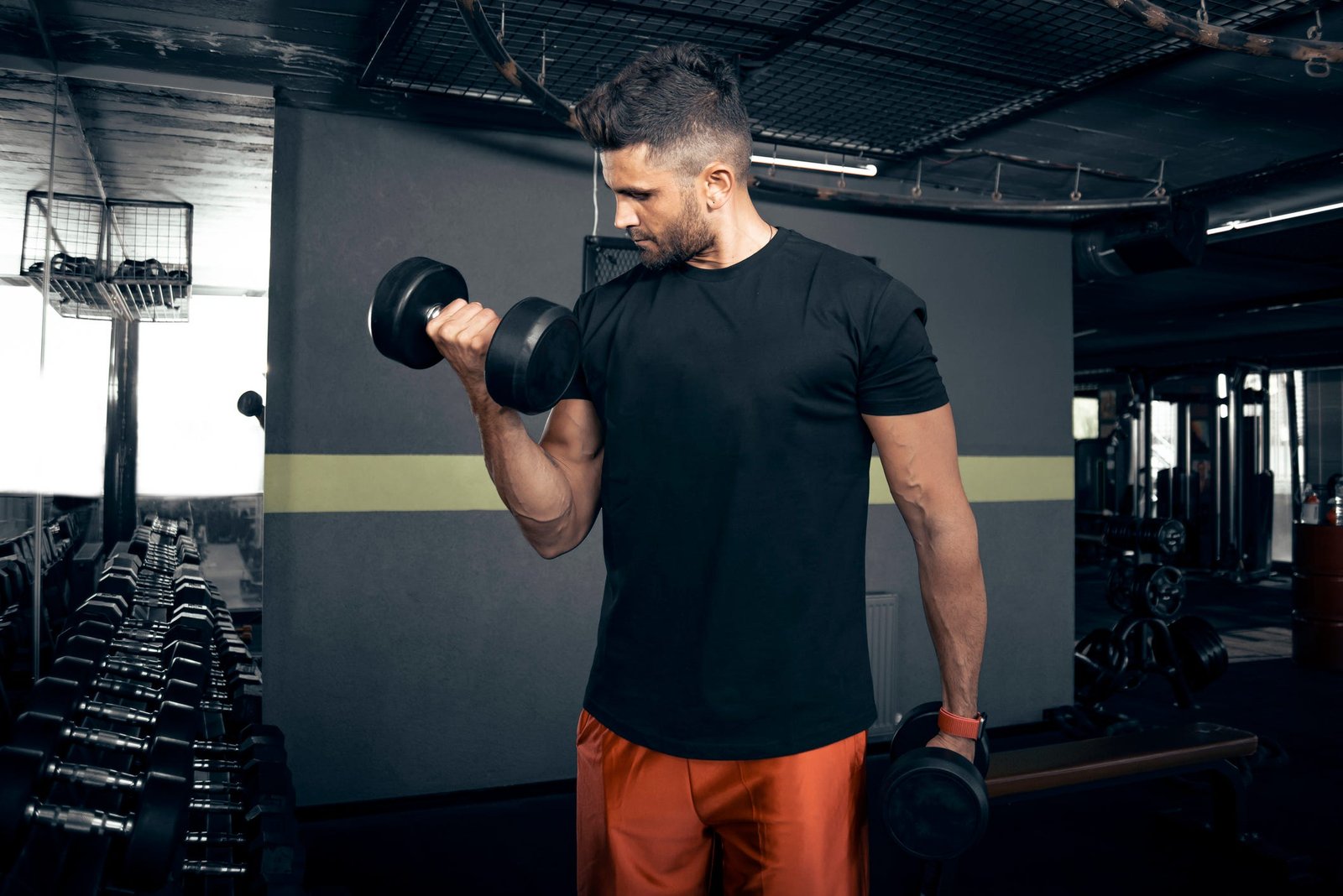
Fitness headlines often turn a nonsignificant comparison into a verdict: two plans are equal, and exercise order never matters. That goes beyond what a small, short experiment can show. The study reported that differences between groups were not statistically significant for its tested outcomes. It did not run an equivalence trial designed to prove that the two strategies fall inside a pre-agreed narrow margin of similarity.
Other resistance-training research helps clarify the distinction. Evidence that examines exercise order more broadly suggests that strength improvements tend to favor movements trained early in a session, even when muscle-growth outcomes are less sensitive to order. More recent evidence on training volume and frequency also highlights the importance of how much suitable work reaches each muscle over the week. None of these findings requires obsessing over whether every exercise is a push or pull.
A better checklist is specific. Are your important lifts being performed while you can still use reliable technique? Are you accumulating sufficient challenging sets across the week? Is your shoulder or elbow discomfort increasing? Are loads or reps progressing over several weeks without sacrificing range? And can you repeat the schedule alongside work, sleep and other obligations?
If the answer is yes, changing from alternating push/pull work to grouped push/push work may offer little benefit. If the answer is no, the most useful fix might be fewer sets, a different order, more recovery or a simpler schedule—not a dramatic new split name. The study offers flexibility rather than an excuse to ignore programming fundamentals.
Equipment Worth Exploring
Explore equipment, accessories and gear from our carefully selected range.

Trinity Lat Machine LSW-850
Weight-stack pulldown tower offering three cable directions and adjustable seated support.

Linear Row LRX-750
Dual-sided rowing machine for supported rows, bent-over rows and varied pulling movements.

Lateral Row Machine LRM-720
Rowing machine with independent lever arms, an adjustable seat and chest support.

VForce Lat Tower
Wall-mounted cable tower with pivot arms and adjustable 1:1 or 2:1 pulley ratios.

T-Bar Row Attachment
Welded barbell attachment that connects a D-handle bar for landmine and T-bar rows.

GymPin Barbell Row Handle
Heavy-duty handle attachment for barbell, landmine and T-bar rows.


Long Tricep ERGO Ropes
Extended triceps ropes with ergonomic grips for cable pressdowns and overhead extensions.
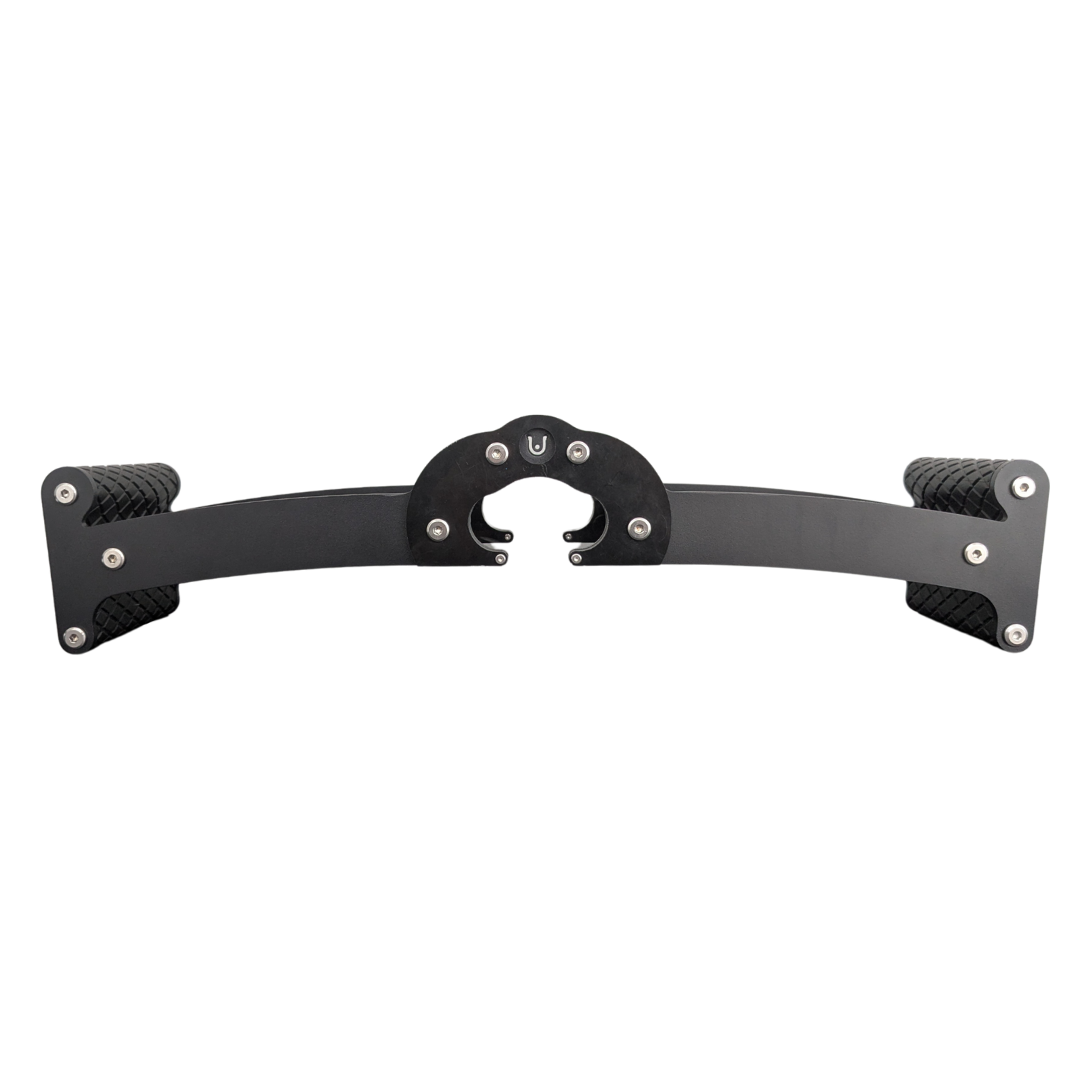
Back Bar
Multi-grip cable and landmine bar with a built-in deadlift jack.

48in Aluminum Lat Bar
48-inch aluminum lat pulldown bar with knurled grip and rotating center swivel.
Put Your Priority Lift First, Then Arrange the Accessories
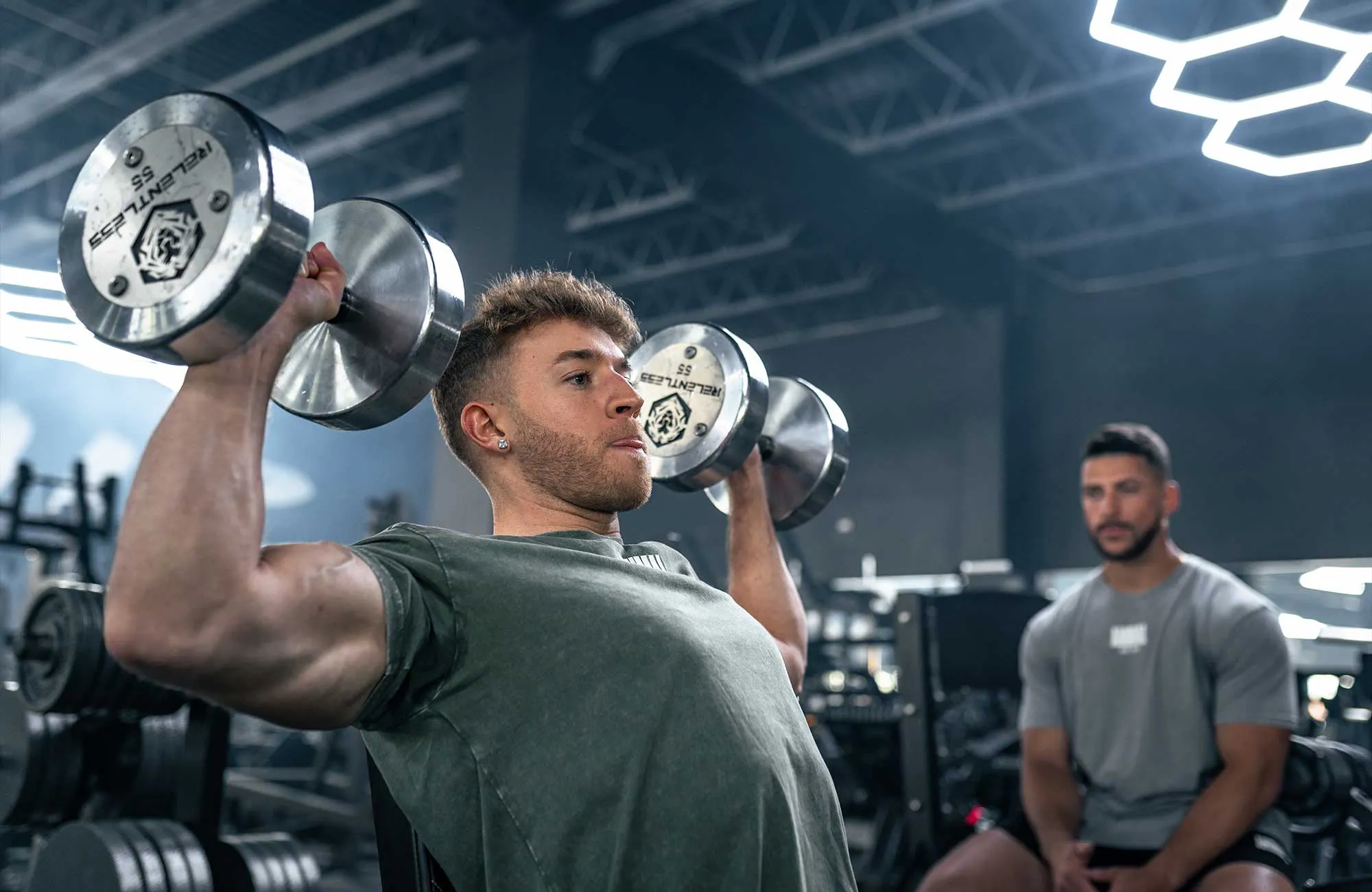
Start with a goal, not with the label on the workout. If you want a stronger bench press, perform your most demanding bench sets before the work that exhausts pressing muscles. If your goal is better lat pulldown strength, place pulldowns near the beginning of at least one weekly session. If your goal is balanced upper-body hypertrophy, either grouped or alternating exercises can work as long as you train both sides with appropriate effort and volume.
For a small-space home gym, keep the setup realistic. A barbell bench and a cable row can form an efficient alternating pair when both are readily available. If switching from chest press to pull requires dismantling equipment, grouped sets may be more efficient. The right order is the one that preserves your priority work and avoids turning station logistics into a second workout.
Track direct and indirect work. Presses load the triceps as well as the chest; rows and pulldowns train the biceps as well as the back. Extra arm isolation sets can be useful, but stacking every possible accessory on top of hard compound sessions may make fatigue increase faster than performance. A sensible starting point for many trained lifters is around ten challenging sets per major muscle group across a week, then adjusting based on progress and recovery—not blindly treating this as a precise dose for every individual.
Finally, keep your reps consistent. Use controlled range of motion, stop a set when form meaningfully deteriorates and avoid chasing a heavier number at the expense of the muscles you are trying to train. The eight-week comparison was about training schemes, not about throwing technique or load progression out of the window.
Bodybuilding Shirts & Workout Gear
Bodybuilding shirts, tanks and gym gear for lifters chasing muscle, size, symmetry and the pump.

LIFT Shirt Meme – Ultimate & Gymbros Seeking Gains T-Shirt
Show some lifting attitude with a playful “LIFT Funny Gym Shirt Meme” tee.


Lifting Cult Meme Bodybuilding Powerlifting Workout Cre T-Shirt
Show some gym-day personality with “Lifting Cult”.


Hustle for Muscle Hoodie
Bring “Hustle For That” gym humor to lazy days and post-workout plans.

Listen Heavy Lift Heavy Gym | Heavy Metal Workout Vest Tank Top
Train hard, laugh a little, and rep “Listen Heavy Lift”.

Funny Gains Time Gym | Muscle Shirt & Gym Bros | Fitnes Tank Top
Bring “Gains Time” humor to your next lifting session.

Broseidon God of Gains | Poseidon Gymbro Decal for Wate Sticker
Bring “Broseidon God of Gains” attitude to your water bottle or laptop.

Die Hard Lift Harder Gym | Funny Workout Decal for Wate Sticker
Give your everyday gear a playful “Die Hard Lift Harder” twist.
An Eight-Week Push/Pull Pairing Experiment to Try
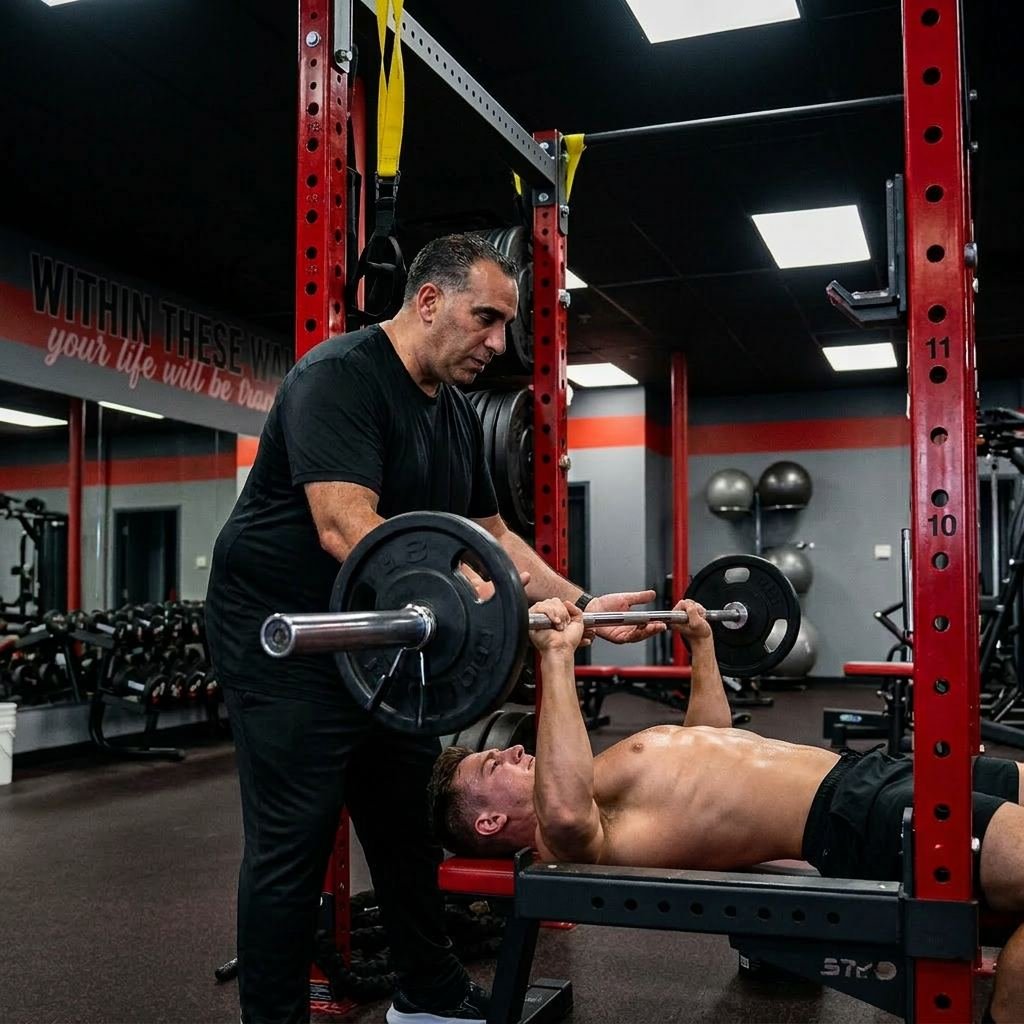
To apply the finding without overcomplicating training, keep your weekly exercises and approximate set targets stable while testing an order you can sustain. Train upper body twice per week with a day or two between sessions. Choose loads that allow clean reps and roughly one to three repetitions left before technique would break down. These are practical coaching parameters, not the exact protocol from the experiment.
Weeks 1–2: establish a baseline. On Session A, perform bench press for three sets of six to eight, chest-supported row for three sets of eight to ten, dumbbell shoulder press for two sets of eight to twelve, and a pulldown for two sets of eight to twelve. On Session B, repeat the movement patterns with variations you can perform safely: incline press, seated cable row, lateral raise and a vertical pull. Log loads, repetitions, rest and any joint irritation.
Weeks 3–4: try alternating. Pair bench press with chest-supported row, taking deliberate rest after each. Pair shoulder pressing with pulldowns later in the session. Maintain exercise selection and approximate weekly sets, rather than adding accessories because you feel fresher on a single day. Judge the arrangement by rep quality and progress, not by how sweaty you finish.
Weeks 5–6: try grouped blocks. Perform your main press followed by a second push movement, then do the two pulls. Alternate which major pattern goes first across the two weekly sessions so that neither push nor pull always receives the freshest sets. Keep the same total weekly work as far as practical, and note changes in repetition performance and recovery.
Weeks 7–8: settle on the better fit. Choose the organization that gives you reliable priority-lift performance, tolerable fatigue and fewer missed sessions. When you complete all planned sets at the top of a rep range with sound technique, use the smallest sensible load increase next time. If sleep or recovery has been poor, hold the load or reduce one accessory set rather than forcing a personal record.
Compare your first two weeks with the final two using your training log. Are bench and pulldown sets improving? Do your chest, back and arm exercises feel more controlled? Can you finish the program without constantly rescheduling? The experiment suggests there is room for personal preference; your own repeatable performance will help determine which arrangement earns a permanent place in your program.