Advertising disclosure: This page includes affiliate product links that may earn us a commission, as well as products from our own store.
Machine Pullovers: Align the Pivot, Lead With Your Elbows and Train Your Lats
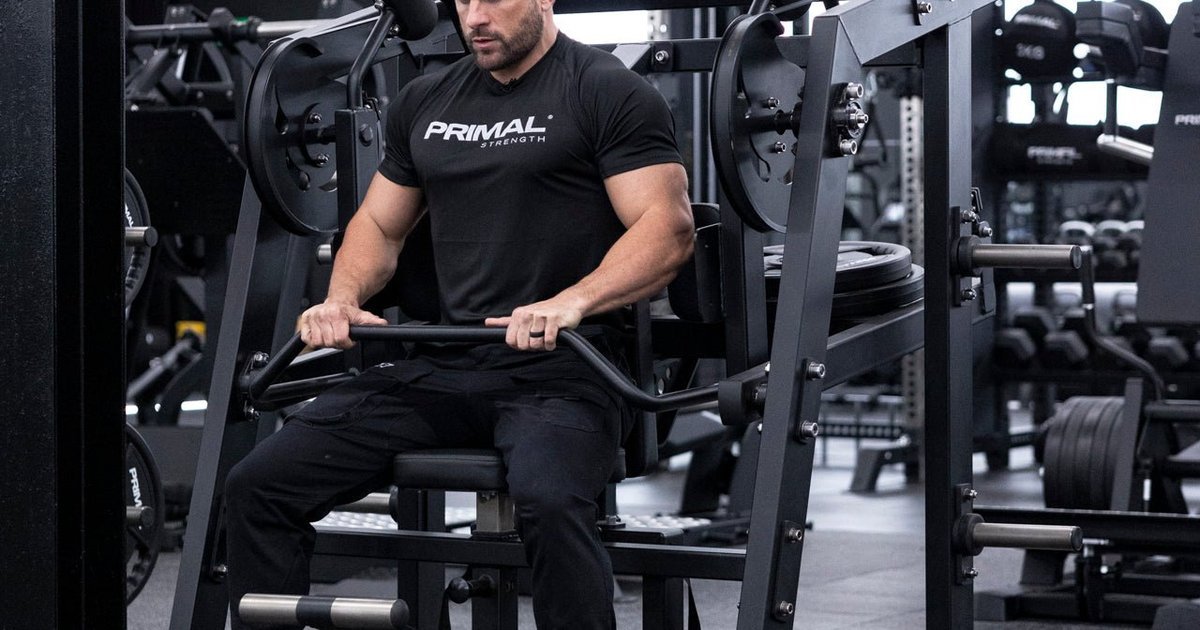
The pullover machine is an unusual sight in some gyms. Unlike a pulldown or row, it asks you to move the upper arms through a large arc while keeping the elbow angle fairly consistent. On a well-fitting machine, that can make it easier to focus on shoulder extension and controlled lat work without making every repetition an elbow-flexion contest.
It can feel awkward when the seat is too low, the shoulder pivot feels wrong, or the start position pulls your ribs upward. Manufacturers use different pads, handles, loading systems and movement paths. Rather than copying an exact setting from one machine, this guide shows how to fit the unit available, control the range and incorporate the exercise into a productive back program.
1. Align the seat, shoulder pivot and arm pads before loading
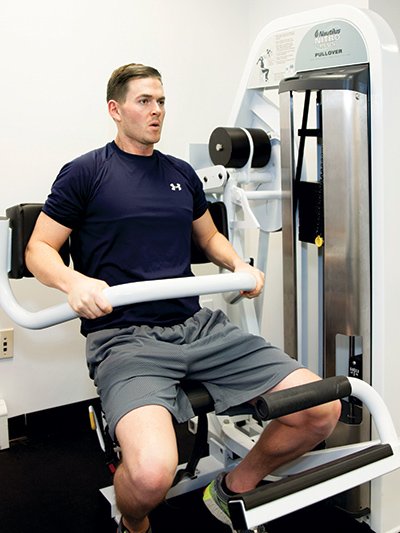
Begin with the machine unloaded or at its lightest resistance setting. Identify whether it uses elbow cushions, handle-driven levers or a combination. Some machines include an assist pedal to bring the arms into position; others require you to reach to the lever directly. These are real mechanical differences, not merely cosmetic variations.
Sit fully into the backrest with your hips anchored and feet supported. Adjust the seat so your shoulders are approximately aligned with the intended movement arc. When your arms rest in the starting position, the pads should feel secure instead of pushing into a painful point on the elbow. If the manufacturer provides a restraint belt or a stabilization pad, use it as intended. Keep the back in contact with the support without exaggerating a chest-up arch.
Trace one or two repetitions at very light resistance before committing to a working set. The lever should pass through a smooth arc while you remain settled in the seat. If the arm pads slip, the handles feel impossibly far away, or the unit pulls your body out of position at every seat height, do not try to solve the mismatch by adding weight. A different machine or a high-cable straight-arm movement may suit your proportions better.
Choose a modest overhead stretch, not the greatest angle you can force. The useful range is the range you can control while the shoulder feels comfortable and the ribs stay steady. Some people can comfortably move far overhead; others need a shorter start position. Neither needs to copy a promotional photograph showing the biggest possible arc.
Check that the selector pin is inserted fully or the plate-loaded arms are balanced and secured as the manufacturer requires. Inspect pads and grips for obvious defects, and make sure the lever will not collide with the equipment stops. A patient setup is more useful than immediately reaching for a heavy stack.
2. Lead with the elbows and keep the torso quiet
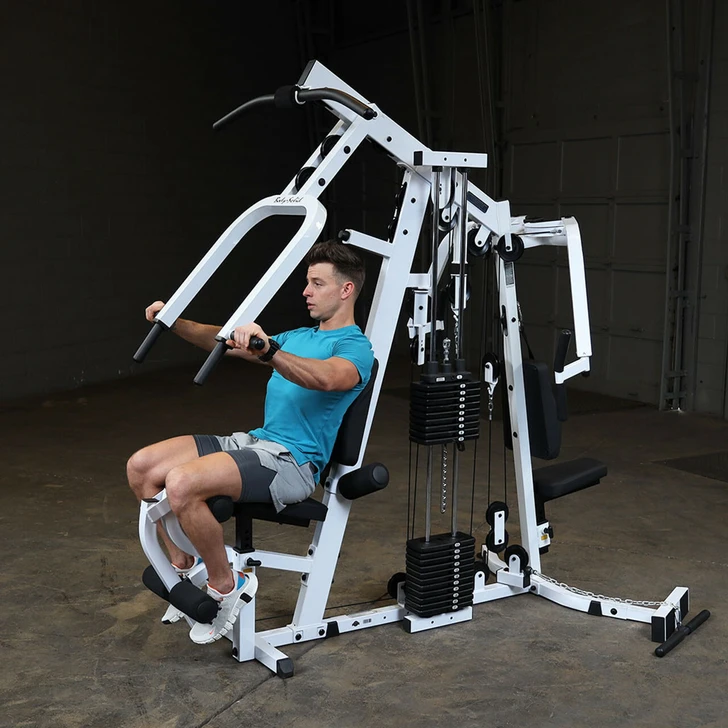
The defining action of a machine pullover is movement at the shoulder. Once settled, inhale, brace gently, and maintain a consistent elbow bend if the unit allows it. Guide the upper arms down and back toward the sides of your torso along the built-in path. With elbow-pad machines, think about driving your upper arms into the cushions rather than dragging the handles down with your hands.
Handle-driven models will require an active grip, but the motion should not become a curl, a row or a large body swing. Keep the hips in place. The elbows do not need to lock straight. Holding a stable elbow position generally keeps the exercise focused on shoulder extension instead of turning the rep into a changing combination of back and arm movements.
Pause momentarily where the machine reaches its comfortable finish. Then return the arms slowly enough to preserve control instead of allowing the stack to crash. An example tempo is one to two seconds down and two to three seconds back up, but that timing is a coaching choice rather than a universal scientific requirement. The more important standard is that the next rep looks like the previous one.
Watch for three signs that the load is too high. First, the ribcage flares and the lower back arches dramatically as the lever rises overhead. Second, the hips lift off the seat when the arms descend. Third, the movement becomes jerky and bounces against the mechanical stops. All three change the lift and make the number on the stack a poor measure of meaningful progress.
You should feel working tension around the sides and back of the torso, without sharp discomfort in the shoulder or elbow. If a shorter arc and lighter load improve control, use them. Do not suddenly release a loaded lever while getting out of the machine. Where a dedicated pullover unit is unavailable, the following cable equipment can support related lat-focused alternatives; these are not dedicated pullover machines.

Equipment Worth Exploring
Explore equipment, accessories and gear from our carefully selected range.
VOLTRA
Compact digital cable trainer with smooth, adjustable resistance.

Go-Tone Pro
Portable digital cable trainer with up to 66 lb (30 kg) of adjustable resistance.

VForce Lat Tower
Wall-mounted cable tower with pivot arms and adjustable 1:1 or 2:1 pulley ratios.

VForce Wall Trainer
Space-saving wall-mounted functional trainer with pivoting cable arms and variable resistance ratios.

VForce 2IN1
Half rack and pivot-arm functional trainer with switchable 1:1 and 2:1 pulley ratios.

VForce 3IN1
All-in-one rack combining an adjustable Smith machine, functional trainer, and free-weight station.

Trinity Lat Machine LSW-850
Weight-stack pulldown tower offering three cable directions and adjustable seated support.

VForce Lat Seat
Rack-mounted seat attachment for supported lat pulldowns and seated cable exercises.

Lat Pulldown Set
Multi-grip cable attachment set for pulldowns, rows, and varied upper-body training.
3. Respect shoulder comfort and the different resistance curves
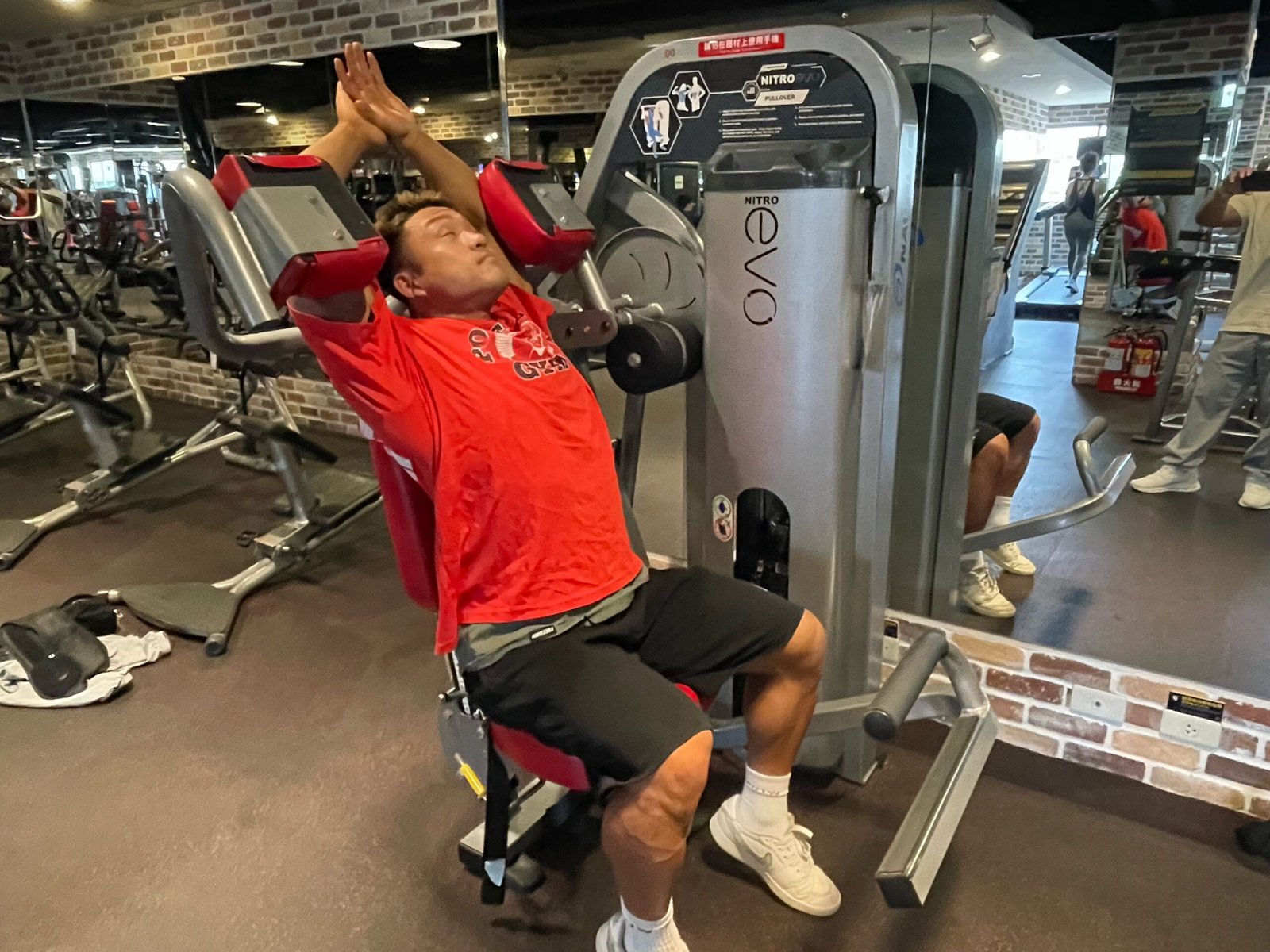
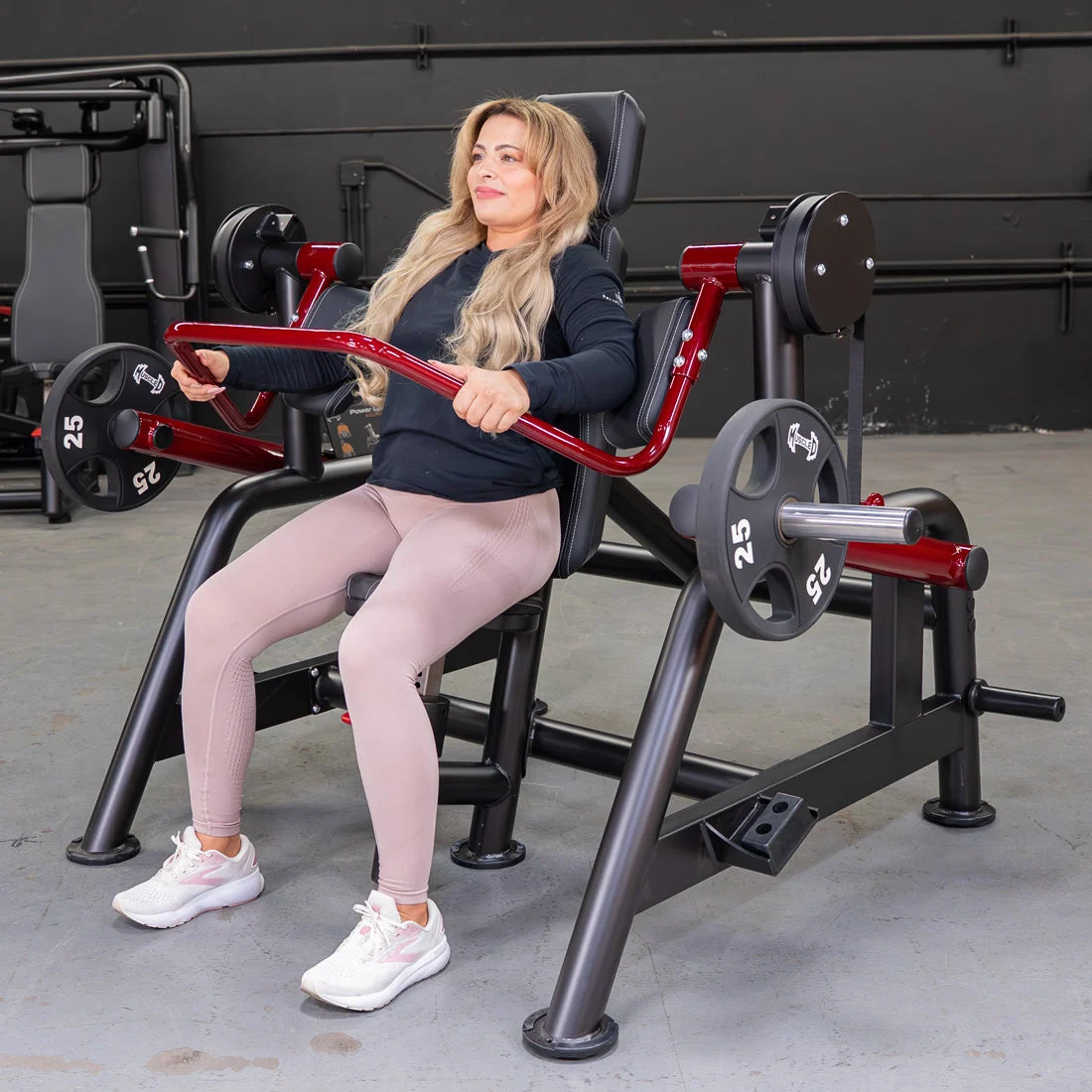
The phrase “pullover machine” describes a family of designs rather than a single standardized exercise. A traditional Nautilus-style machine may provide large elbow pads and an extensive arc. A plate-loaded unit may put your hands and arms in a different position. A selectorized station may feel closer to a seated straight-arm pulldown. On some models the resistance feels heaviest in the stretch, while on others it builds later in the arc.
That is one reason not to compare two machine stacks as though the displayed load measures an identical force at the shoulder. Lever length, cams, friction, cable routing and the position of the user all affect resistance. A set of twelve on one unit can be substantially different from twelve on another, even when the labels show the same weight. Record the model and settings if you switch gyms.
The latissimus dorsi contributes to drawing the upper arm toward the body, but other muscles can assist depending on the machine path. The exercise does not entirely remove involvement from the chest, triceps or surrounding shoulder musculature. It also does not replace a full back program. Rows train a distinct pulling direction and scapular control; pulldowns and pullups add a vertical pulling pattern with meaningful elbow-flexor involvement.
At the overhead start, distinguish a tolerable muscular stretch from joint-focused pinching. A sharp, persistent shoulder sensation is a reason to stop the rep and modify the seat position, working range or exercise, not a signal that a huge stretch must be forced for growth. A rigid machine may fit someone else better than it fits you. Keep a little breathing room instead of trying to push the arms beyond comfortable shoulder motion.
On a new machine, perform a controlled set of ten with the lightest resistance that still feels meaningful. Try another slightly lighter set without changing the seat. If the lighter set produces cleaner repetitions and less body movement, do not rush back upward merely for the sake of a bigger number. A feeling of muscular fatigue can guide technique, but a pump is not a direct measurement of hypertrophy.
4. Combine pullovers with pulldowns, rows and cable alternatives
A solid back routine normally benefits from more than one pulling pattern. The pullover can add shoulder-extension volume while placing less emphasis on elbow flexion than many rows and pulldowns. That makes it useful when your arms are tired from earlier sets, but it does not automatically mean the pullover stimulates the lats more than a well-performed compound pull.
For an example two-session week, place a pulldown and chest-supported row earlier in the session and finish with two sets of pullovers at a controlled ten to fifteen repetitions. On the other back day, you could start with rows, then pulldowns and finish with two or three pullover sets if you recover well. Those are sample choices rather than scientifically validated optimal set counts. If total back volume is already high, begin with just two sets per week and assess recovery.
Some lifters prefer a very light pullover set before pulldowns to practice feeling the upper arm move without curling the weight. Others get better results keeping heavier compound lifts first, when fresh. Choose the order that matches the exercise you want to prioritize. Keep a few repetitions in reserve rather than treating every accessory set as a contest against the weight stack.
For a compact home gym, a high cable and straight bar or comfortable independent handles can approximate a shoulder-extension pull. Set the cable high enough to maintain tension through the intended arc. Bend the knees slightly, keep the spine quiet and bring the upper arms downward without turning it into a deep hip hinge. The pulley direction and resistance curve will not be identical to a pullover machine, so track cable progress separately.
Other options include a dumbbell pullover on a stable bench, a straight-arm pulldown and a pulldown with controlled elbows. All have different load profiles and joint demands; none is automatically interchangeable with the machine version. The equipment below supports comfortable pulling variations and adjustable handles, rather than claiming to replicate every machine geometry.
Equipment Worth Exploring
Explore equipment, accessories and gear from our carefully selected range.
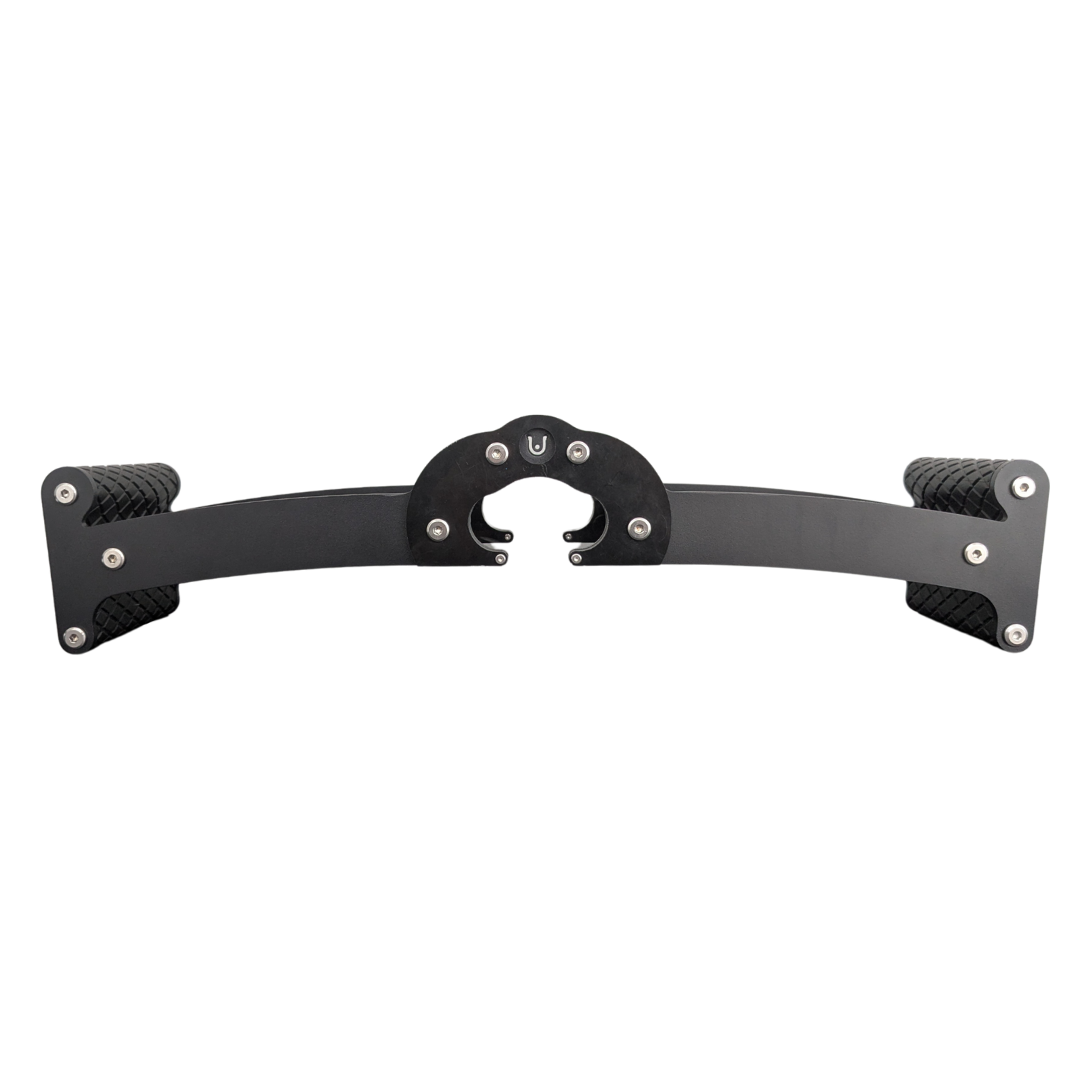
Back Bar
Multi-grip cable and landmine bar with a built-in deadlift jack.
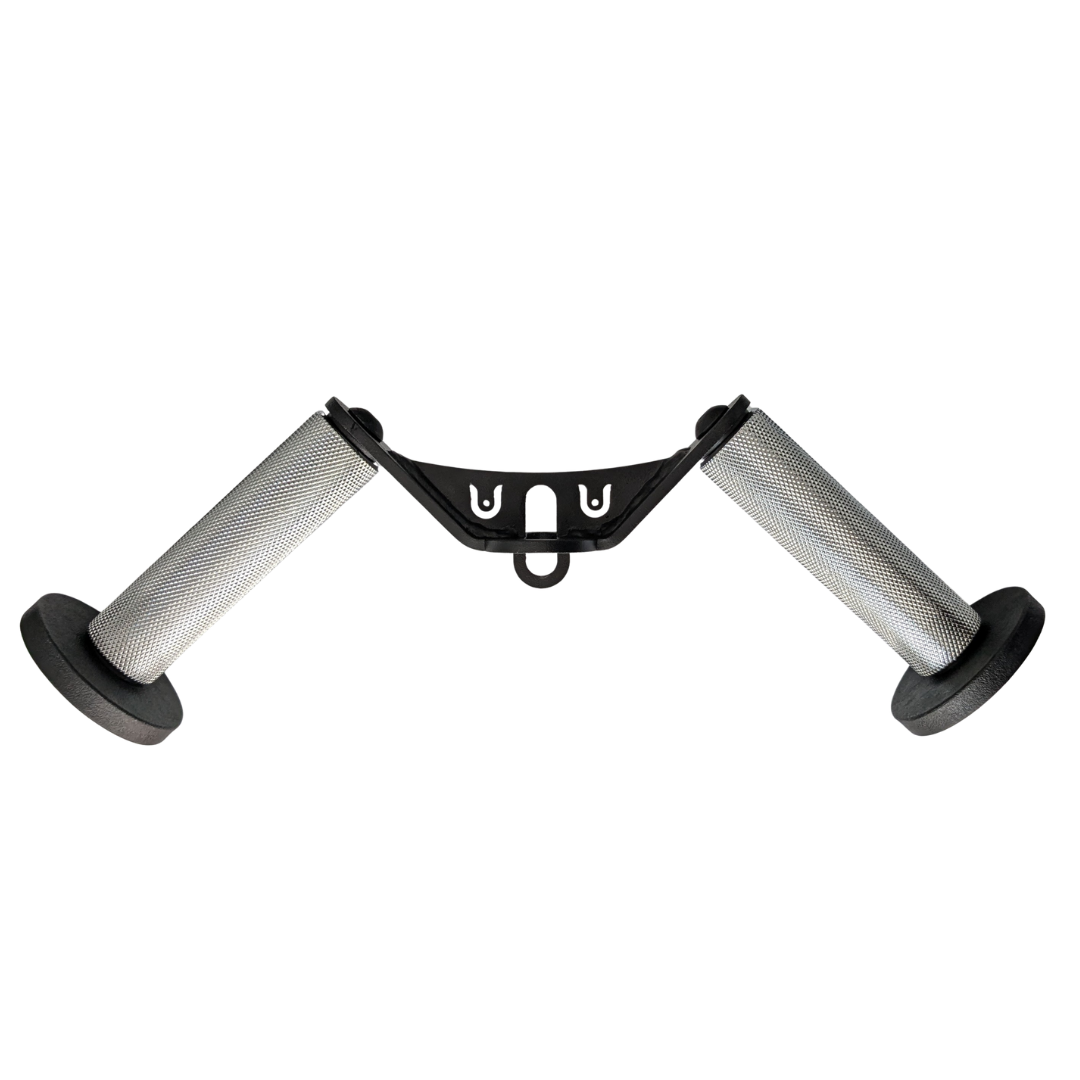
W Grip
Angled cable grip for comfortable rows, pushdowns, and curls.
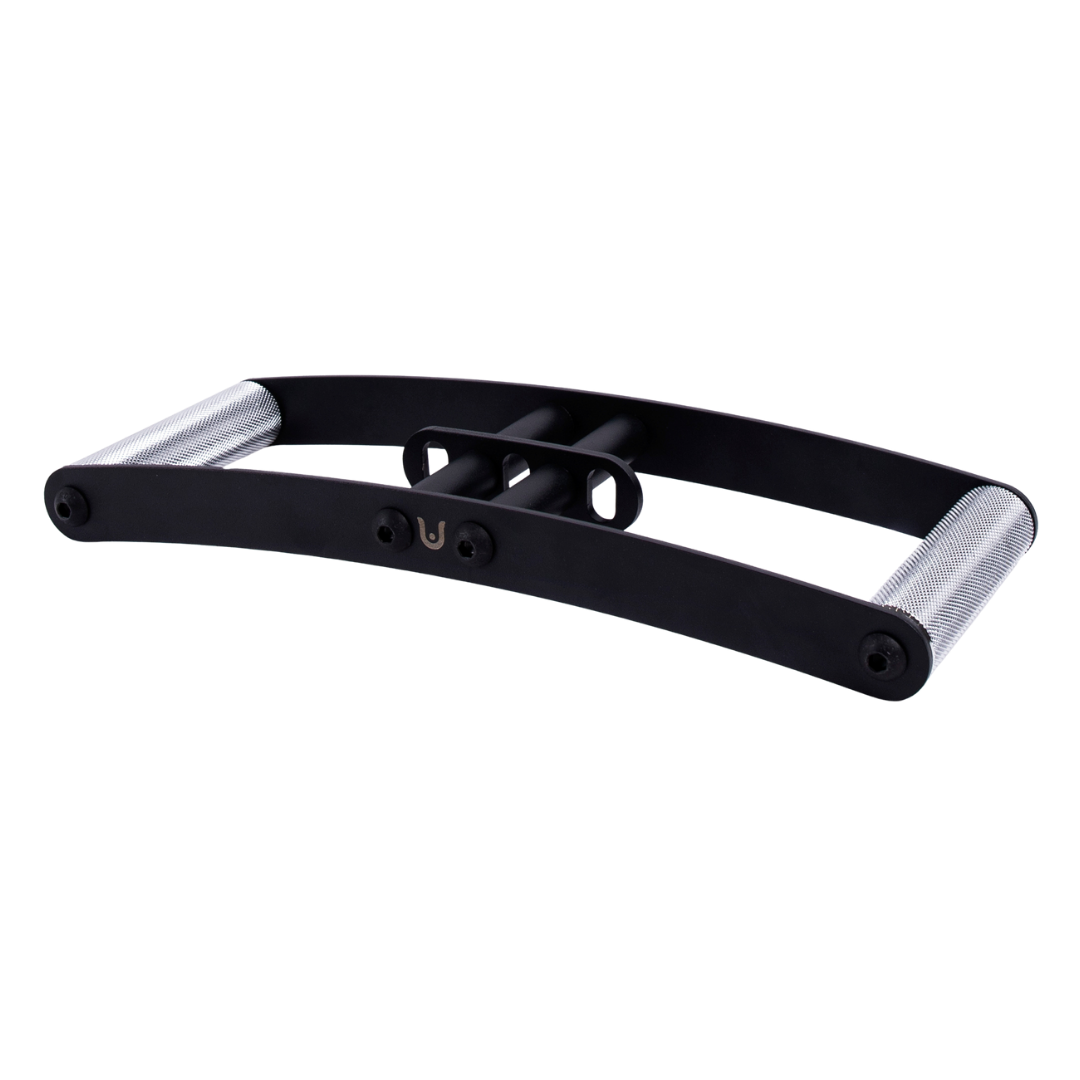
Horizon Grip
Ergonomic V-style cable grip for rows and back training.
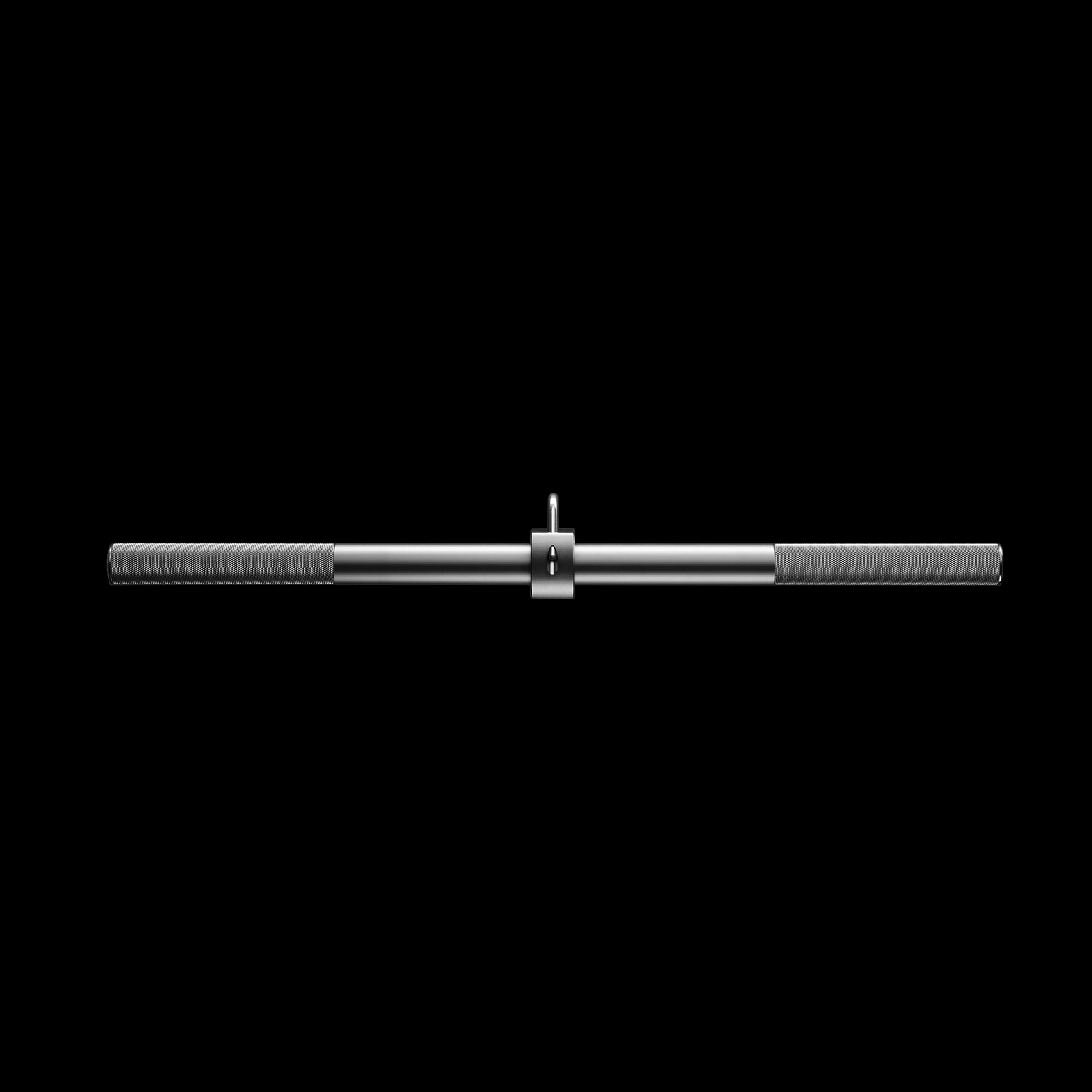
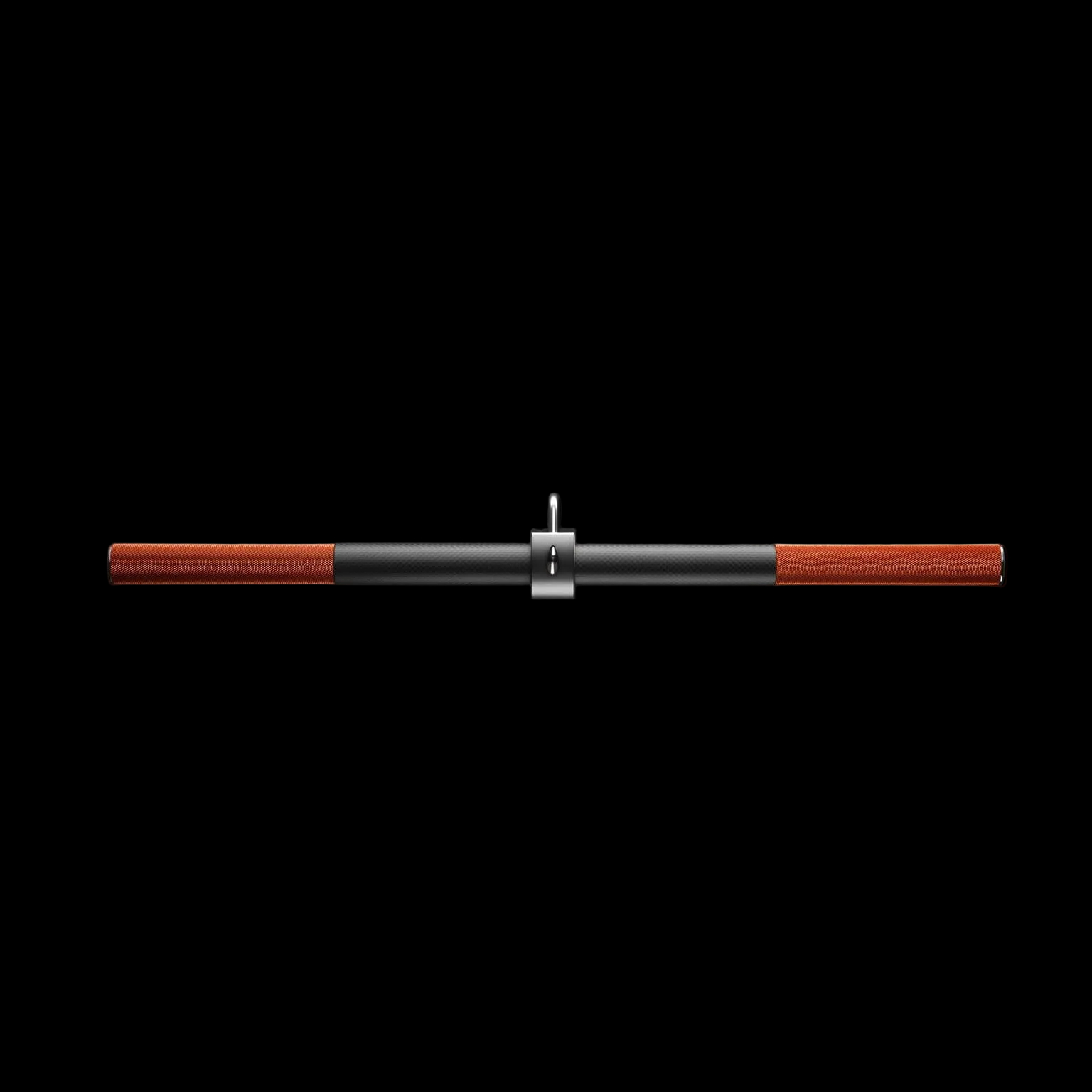
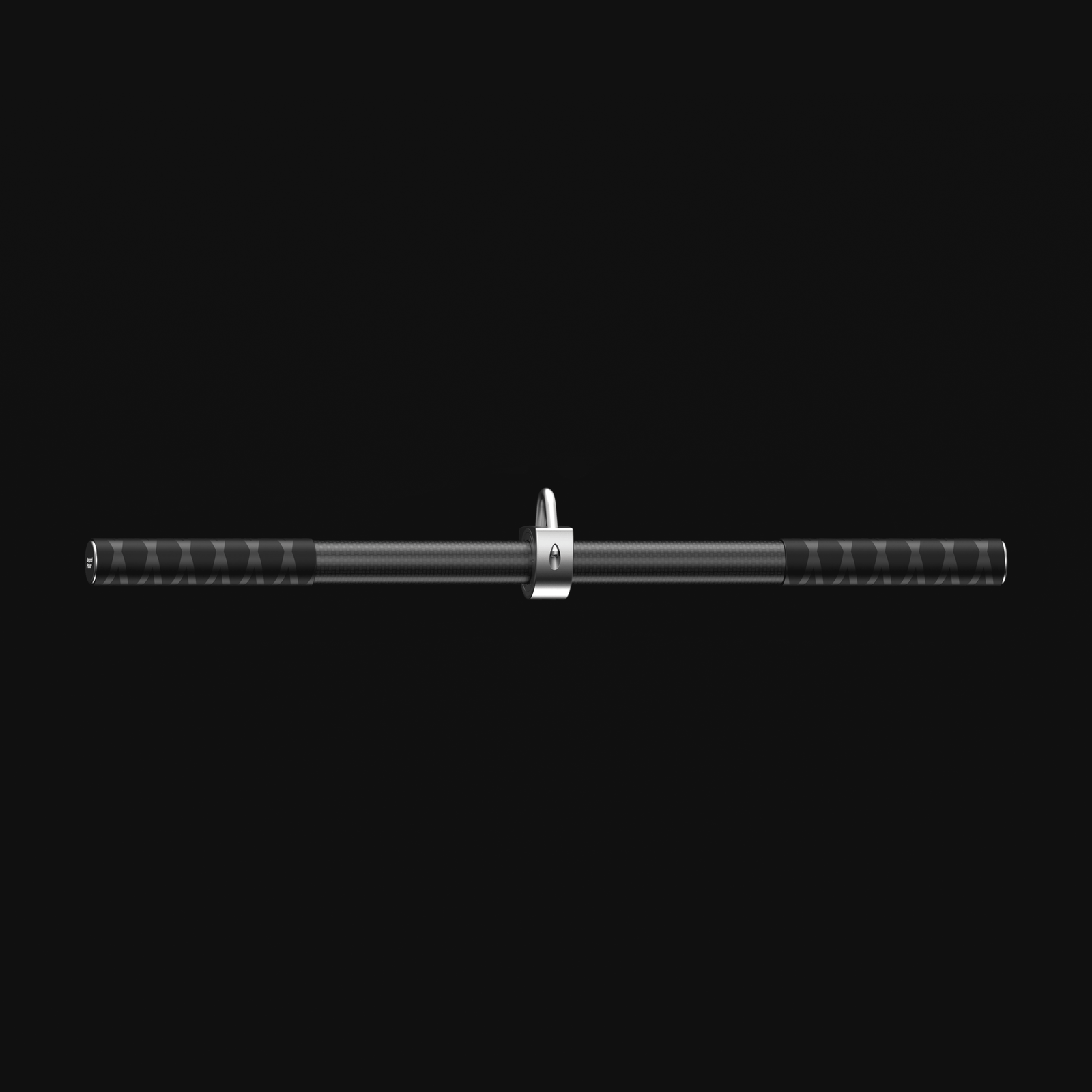
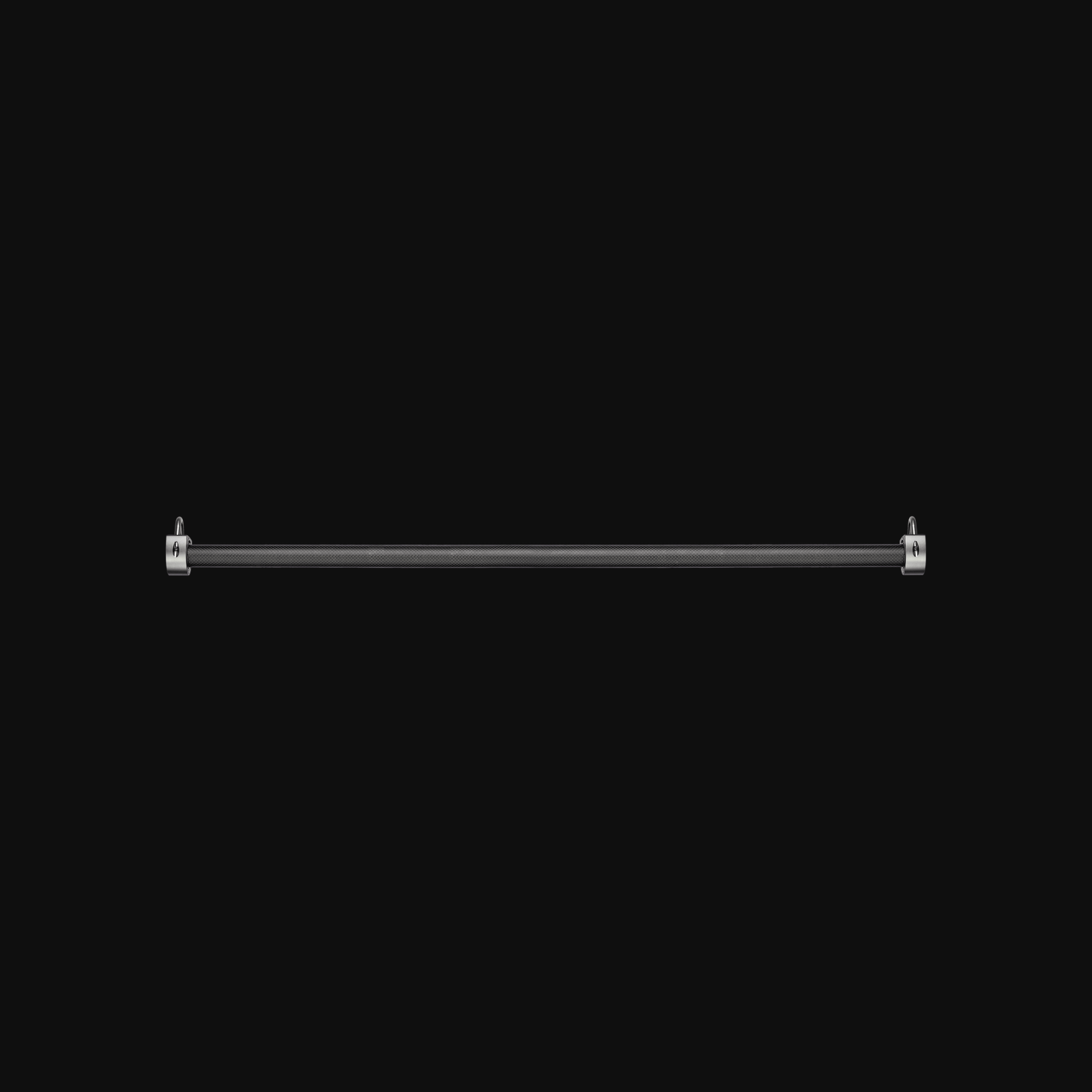

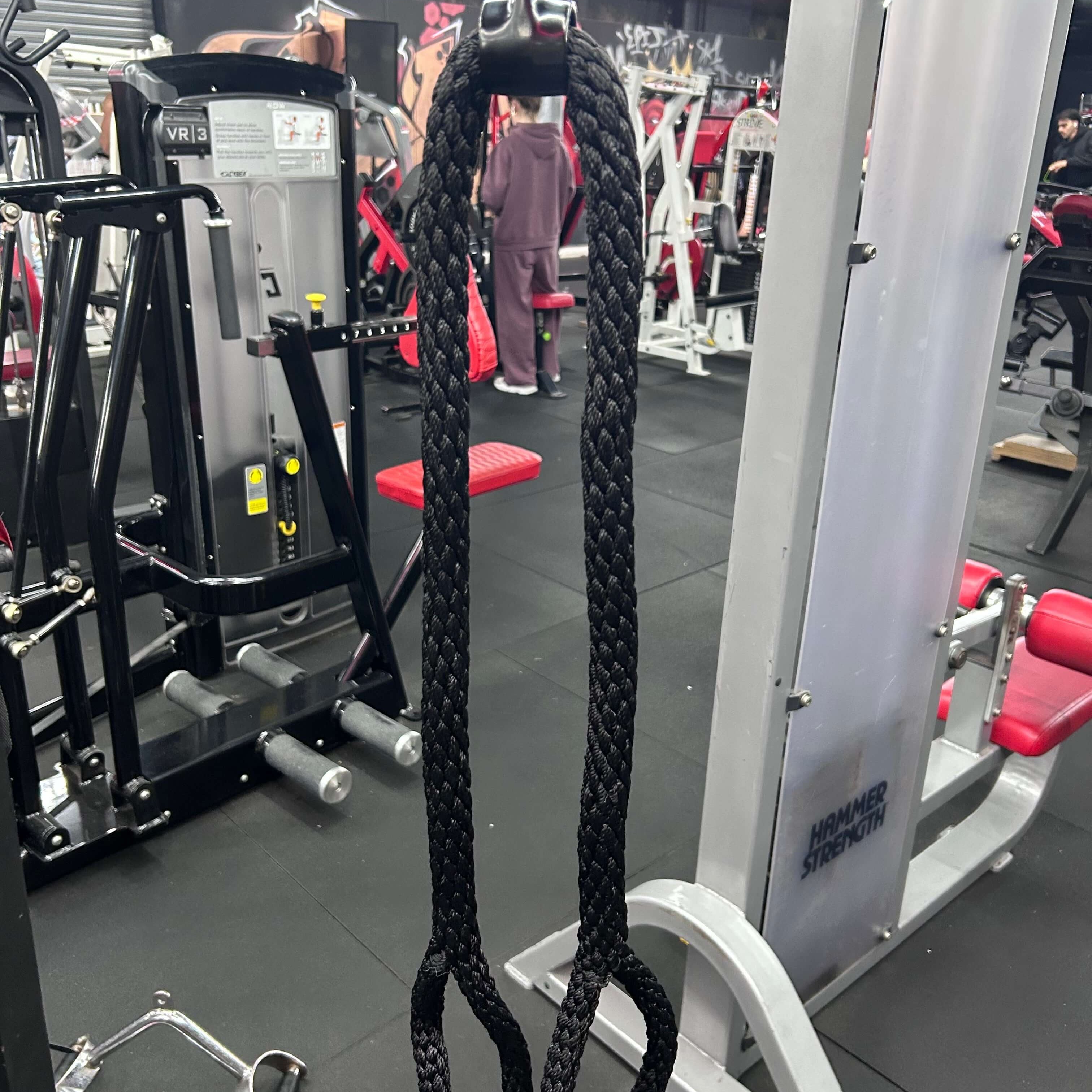
Super Long Tricep Rope
Extra-long looped cable rope for triceps pressdowns and overhead extensions.

Angles 90 Grips
Flexible grip attachments that allow natural wrist movement during pulling exercises.
5. Use a six-week progression based on stable repetitions
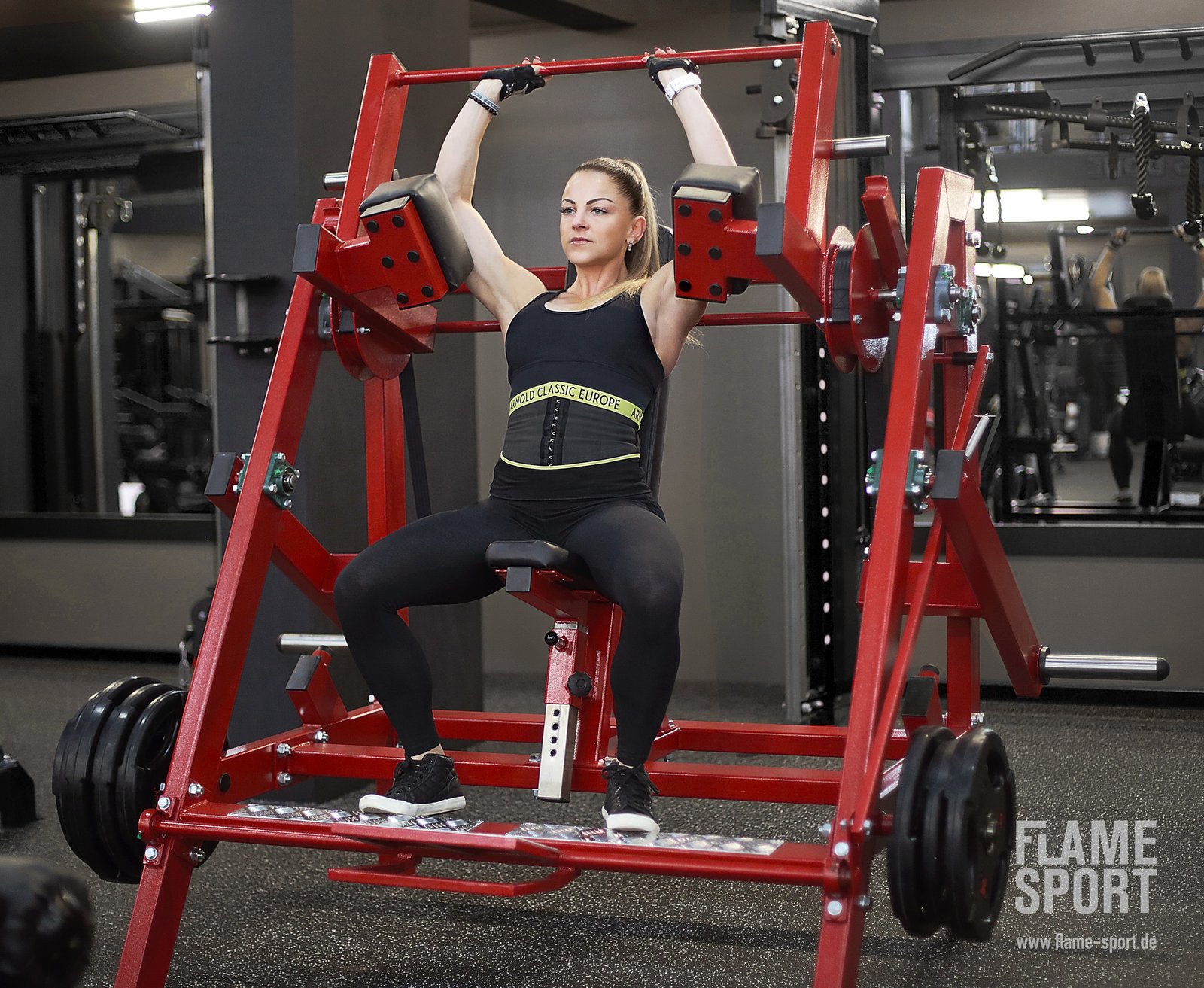
Start by establishing a repeatable baseline. Write down the model, seat height, loading system, chosen start position and the point where you finish the pull. Select a weight that allows ten clean repetitions with roughly two or three left in reserve. A hard but controlled set is more useful than a heavy, noisy one where you have to lift your hips to finish.
Weeks one and two: perform two working sets of ten to twelve repetitions once or twice a week after your main back training. Rest long enough that your second set resembles the first, often around ninety seconds to two minutes. Keep the return deliberately controlled and avoid banging the stack. If you are sore in a way that interferes with other training, or your shoulders react poorly, reduce the number of sets or shorten the comfortable range.
Weeks three and four: retain the same setup and range. Add one or two repetitions until both sets reach the top of the range without increasing torso movement. Then use the smallest available weight increment and rebuild from the low end of the repetition range. If the stack jumps too sharply, remain at the lighter load and improve your control and total clean reps instead of forcing a badly executed heavier set.
Weeks five and six: add a third set only if recovery and the rest of your back workload permit it. Another legitimate progression is to keep two sets and reach a cleaner finish position or more consistent controlled return with the same load. End each set before posture changes radically. If the shoulders or elbows become progressively irritated, take an easier session or choose another pull pattern rather than pushing through joint pain.
After six weeks, compare the number of clean repetitions performed under the original settings. Do not treat a different machine, a new seat height or a much shorter arc as the same benchmark. A well-programmed pullover is an accessory that you can repeat and recover from while improving your main back work, not an excuse to chase a number at any cost.
The lesson is simple: line up your body with the mechanism, move from the shoulders, keep the torso quiet and progress what you can reproduce. That is how a machine that initially feels strange can become a reliable addition to back day.

Bodybuilding Shirts & Workout Gear
Bodybuilding shirts, tanks and gym gear for lifters chasing muscle, size, symmetry and the pump.


Strong Back Bodybuilder Tee
Show some lifting attitude with a playful “Strong Back Bodybuilder” tee.


Nice Traps Big Back Tee
Heavy lifts, good laughs, and a little “Nice Traps Big Back” energy.

Shirt Pull Day – Back & Biceps Meme Top T-Shirt
Heavy lifts, good laughs, and a little “Pull Day Graphic” energy.

Back Sabbath Back Day Funny Gym Hoodie
Bring “Back Sabbath Back Day” gym humor to lazy days and post-workout plans.

Gym Dost Thou Even Pull Medieval Knight Back Day Crewne T-Shirt
Show some gym-day personality with “Dost Thou Even Pull Medieval Knight Back”.