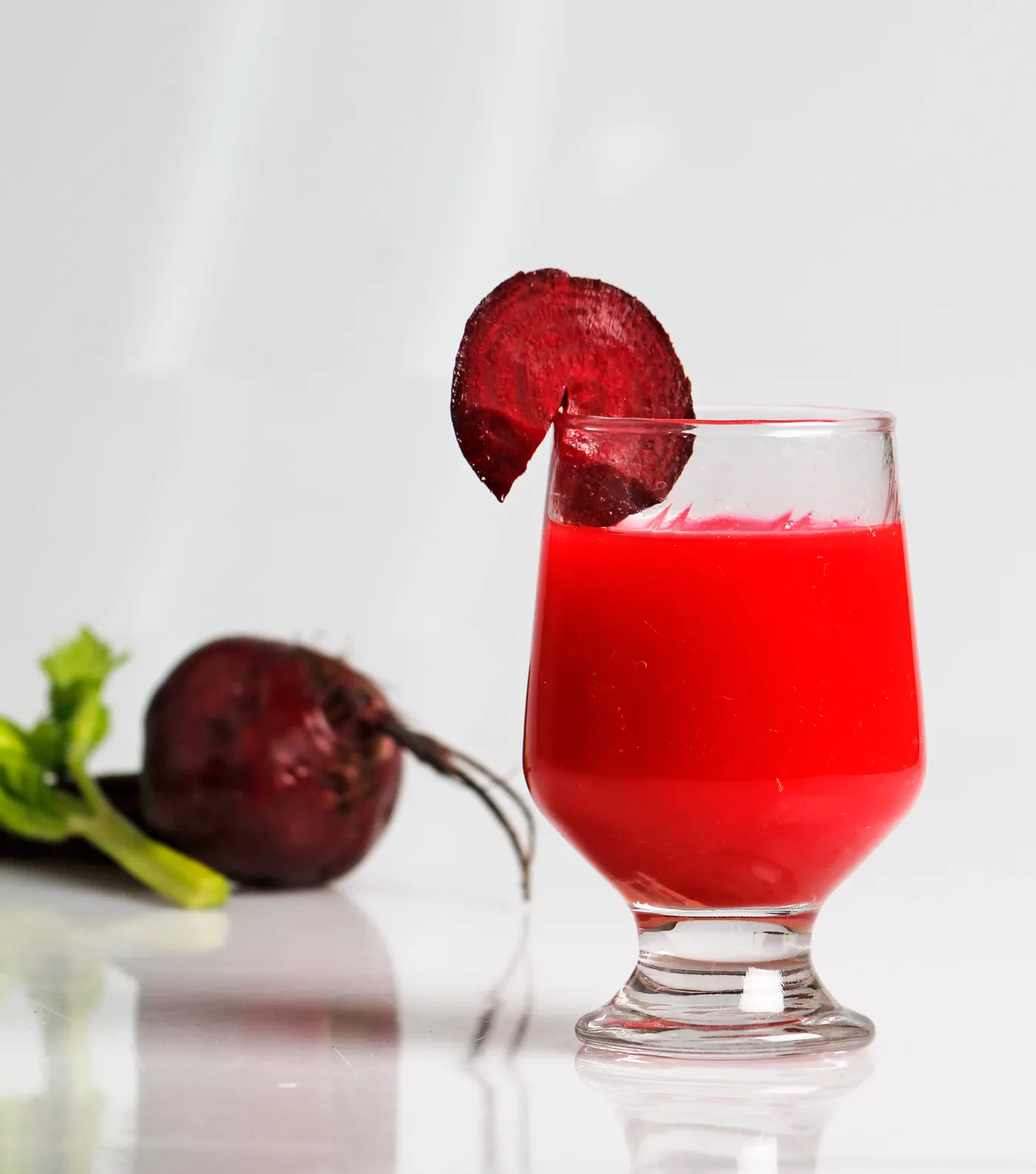
Beetroot juice has a convincing story behind it: dietary nitrate can be converted into nitric oxide, a molecule involved in blood flow and muscle function. That makes a daily concentrated beet drink sound like an obvious addition to a lifting program. But a controlled trial published on October 3, 2026, found no extra improvement in several muscle and performance measures when nitrate-rich beetroot juice was added to twelve weeks of supervised resistance training.
The useful result is more nuanced than a simple verdict on beets. Participants still improved with training, including measurable changes inside the muscle. The question was whether the drink produced benefits beyond the training itself. Here is what the experiment actually measured, what it cannot prove, and how to make sensible nutrition and programming decisions without confusing an appealing mechanism with a demonstrated outcome.
What was tested: a daily nitrate drink plus lifting

The investigation followed middle-aged and older adults through twelve weeks of supervised, twice-weekly, full-body resistance training. The principal analysis included 27 participants, averaging 56 years of age, while usable muscle biopsy material was available for 24. Participants were assigned to a nitrate-rich beetroot juice drink or a nitrate-depleted beetroot juice placebo. The bottles were designed to be indistinguishable to participants and assessors, which matters when expectations about a supplement can influence effort and reported experience.
The active condition supplied roughly 13 millimoles of nitrate each day in 140 milliliters of beetroot juice. This was not an experiment comparing a beetroot supplement with no exercise. Both groups followed the same training intervention, so the central comparison was whether adding nitrate changed the adaptations produced by lifting. Sessions used exercises including a hex-bar deadlift, leg press, leg extension, hamstring curl, chest press and cable pulldown. Loads were adjusted to keep sets challenging, typically around zero to two repetitions in reserve.
Researchers collected muscle tissue from the vastus lateralis in the thigh and tested leg-extensor performance before and after the intervention. Their laboratory outcomes included indicators of mitochondrial content and remodeling, oxidative balance, knee-extension strength-endurance and fatigue. These are not interchangeable with a one-repetition-maximum test or a long-distance running result. This was a modest sample of previously untrained adults, not a study of elite bodybuilders or people already using nitrate supplements every day.
The headline finding: lifting worked, extra nitrate did not stand out
Resistance training produced meaningful improvements across the combined participant group. Previously reported measurements from the same intervention included an approximately 10.8% increase in vastus lateralis cross-sectional area, a 1.5% increase in whole-body bone-free lean tissue mass and a 31.4% improvement in estimated hex-bar deadlift strength. Those are changes observed across participants, not proof that every individual improved by exactly those amounts.
The crucial comparison is the interaction between group and time: did the nitrate-rich drink cause a greater change than the nitrate-depleted placebo? For the reported muscle-size and strength outcomes, the answer was no statistically significant additional effect. In the follow-up analysis, the researchers likewise did not find extra benefits from the drink for the measured mitochondrial, redox or knee-extensor endurance outcomes. That is a narrower and more defensible statement than claiming beetroot has no effect on any exercise, in any person, at any dose.
The training program itself provided a substantial stimulus. Two supervised sessions each week, covering the major muscle groups and progressed as participants adapted, were enough to improve strength and muscle measurements in this sample. That should shape how a lifter interprets the study: consistent progressive training was the common ingredient in both groups. The juice was the variable that failed to separate them on the selected outcomes.
Small trials cannot exclude every modest benefit. A nonsignificant group difference is not the same as proving the two treatments are identical. Nevertheless, a supplement claiming to transform muscle growth needs direct evidence of a worthwhile additional effect, not simply a plausible physiological explanation.

Equipment Worth Exploring
Explore equipment, accessories and gear from our carefully selected range.


FID Bench MAX
Adjustable bench offering flat, incline, and decline positions + adjustable headrest.

HUSLA Leg Extension Pad
Pad attachment designed to increase usable range of motion on compatible leg-extension machines.
VOLTRA
Compact digital cable trainer with smooth, adjustable resistance.

Go-Tone Pro
Portable digital cable trainer with up to 66 lb (30 kg) of adjustable resistance.


Leather Lifting Straps
Padded leather straps support grip during heavy rows, deadlifts and pulling exercises.

GymPin Squat Wedges
Non-slip 15-degree squat wedges help elevate the heels for deeper quad-focused squats.
Why nitrate sounds promising in the first place
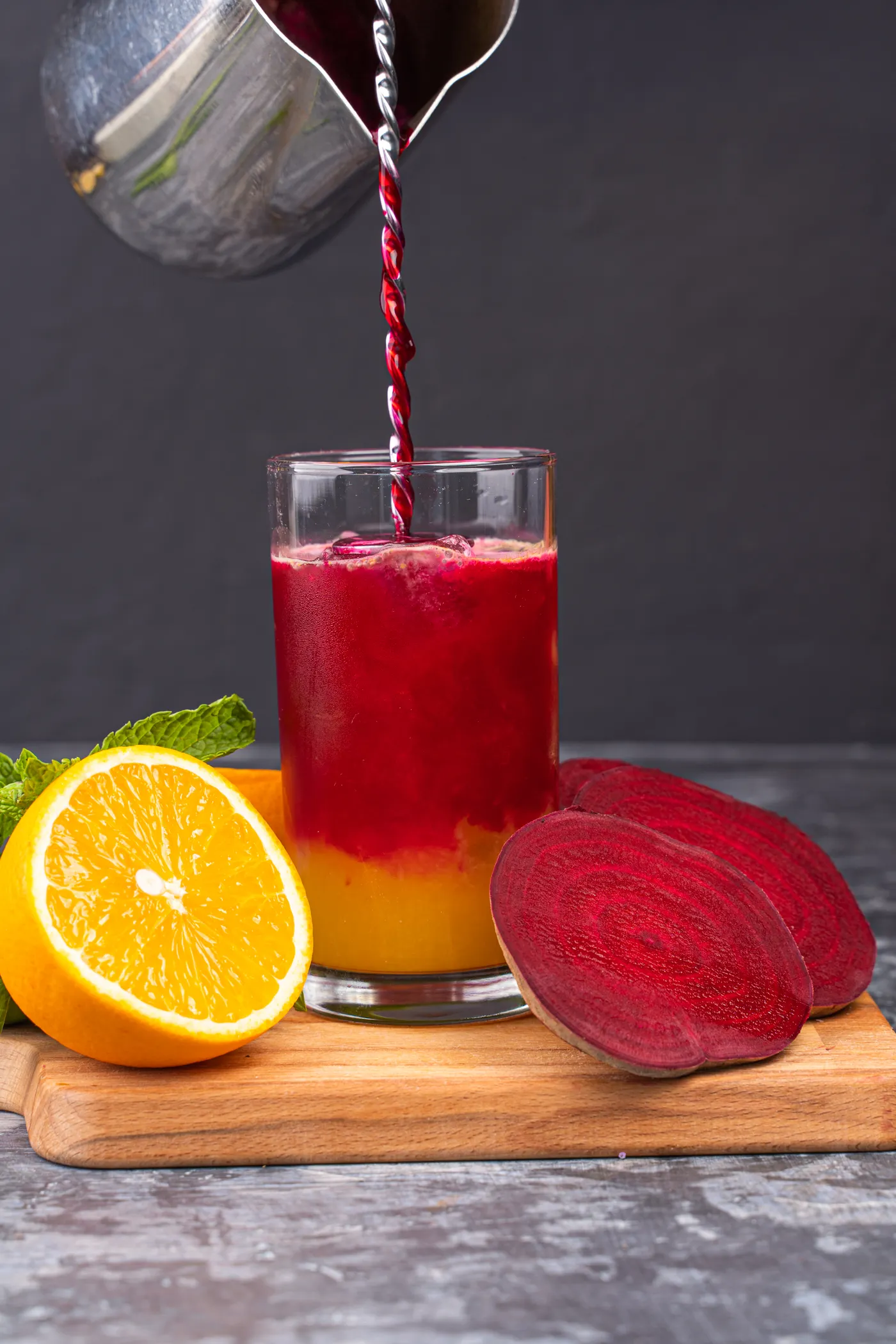
Beetroot contains inorganic nitrate. After ingestion, some nitrate is concentrated in saliva, where bacteria in the mouth help convert it to nitrite. Further reactions can increase nitric oxide availability, particularly in conditions that favor that pathway. Nitric oxide participates in vascular signaling and may affect oxygen delivery, contractile function and cellular processes. Those biological mechanisms are real; what remains context-dependent is the size of any resulting performance benefit.
Much of the enthusiasm for beetroot juice comes from acute exercise experiments rather than months-long muscle-building programs. Some controlled studies report small improvements in repeated efforts, time-to-exhaustion tests or muscular endurance after a dose taken before exercise. But the magnitude varies with training status, the event, the dose, the timing and the exact outcome being measured. A small increase in repetitions during one fatiguing workout does not automatically translate into greater hypertrophy after three months.
There is a second important distinction between eating nitrate-containing vegetables and buying a concentrated product with a standardized nitrate dose. Ordinary beets contribute to a varied diet, along with fiber and other nutrients when eaten whole. A commercial shot is designed to deliver a predictable amount of nitrate, not to replace vegetables or protein. The trial tested a particular concentrated formulation and schedule. It did not establish that normal vegetable consumption should be reduced or that dietary nitrate is intrinsically harmful.
In practical terms, the proposed mechanism is a reason to investigate a supplement, not a reason to promise results. The best test of a strength-training claim is whether a carefully controlled training study detects an improvement beyond an appropriate placebo.
Mitochondria can adapt to strength training too
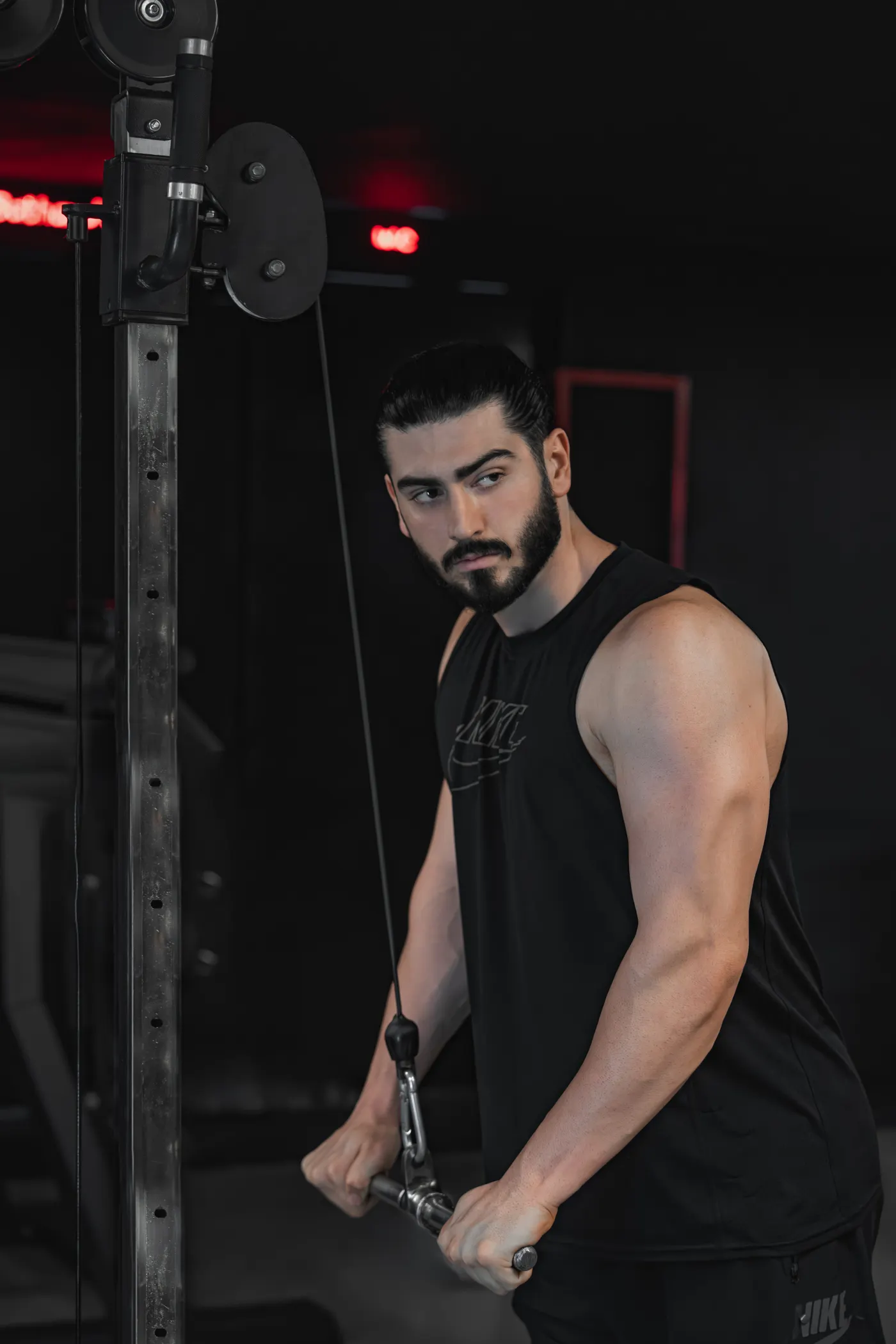
Mitochondria are often discussed only in connection with endurance exercise, yet resistance training can change mitochondrial-related measurements as well. In the twelve-week intervention, researchers observed increases in citrate synthase activity and certain proteins associated with mitochondrial biogenesis and fusion. These changes occurred without an additional advantage from the nitrate-rich drink. The finding broadens the picture of what a well-designed strength program can do inside muscle tissue.
Citrate synthase activity is commonly used as a marker related to mitochondrial content. It is not a direct measurement of every aspect of mitochondrial function, and a biopsy from one thigh muscle does not describe every muscle in the body. The study also examined proteins involved in mitochondrial remodeling and markers related to oxidative stress. These laboratory measures help explain adaptation but should not be marketed as guaranteed improvements in everyday energy, longevity or cardiovascular health.
For a lifter, the distinction between muscle size and cellular adaptation matters. Training can change strength through neural coordination, muscle growth and other physiological processes. Two people might record similar improvements on a leg press while showing different changes in individual laboratory markers. Conversely, a favorable laboratory marker does not necessarily translate into a visibly larger muscle or better sport performance.
The most actionable part of the protocol was not an exotic supplement stack. Participants performed a manageable full-body routine twice per week, used multiple movement patterns and progressed load according to their ability. This is particularly relevant for adults who are new to resistance training and may be overwhelmed by plans requiring five or six gym visits each week.

Funny Gym Shirts & Workout Gear
Funny gym shirts, tanks, hoodies and workout gear for lifters who like training hard.

Work Hard Eat Hard Donut Dumbbell Donuts Barbell Tank Top
Bring “Work Hard Eat Hard Donut Dumbbell Donuts” humor to your next lifting session.

Work Hard Eat Hard Bulk Hoodie
Stay casual and show some lifting attitude with “Work Hard Eat Hard”.

Broccolift Eat Broccoli Lift Hooded Gains Meme Jumper Hoodie
Keep it laid-back with a little “Broccolift” attitude.

Fuel Your Gains Metallica Heavy Metal Gym — Funny Prote Hoodie
Stay casual and show some metalhead attitude with “Fuel Your Gains Metallica Heavy Metal”.

Funny Protein King Gym | Burger King Parody Workout Swe T-Shirt
For laid-back days and burger-loving humor: “Protein King”.

Brotein Bar Gym | Funny Protein Bar Meme Workout For Gy Hoodie
Stay casual and show some bodybuilding attitude with “Brotein Bar”.

Eat More Whole Foods Donuts – Junk Food Meme Hooded Pul Hoodie
Keep it laid-back with a little “Eat More Whole Foods Donuts” attitude.

Pizza Dumbbell Barbell Bulk Tank Top
Bring “Pizza Dumbbell Barbell” humor to your next lifting session.

Eat Big Lift Big Get Big Bulking Season Pizza Meme Sticker
A fun “Eat Big Lift Big Get Big” touch for bottles, laptops, and lockers.

Donut Dumbbell Donuts Barbell Bulk Hoodie
Show off your donut-loving humor in a laid-back “Donut Dumbbell Donuts Barbell” hoodie.
How this fits with other beetroot performance research
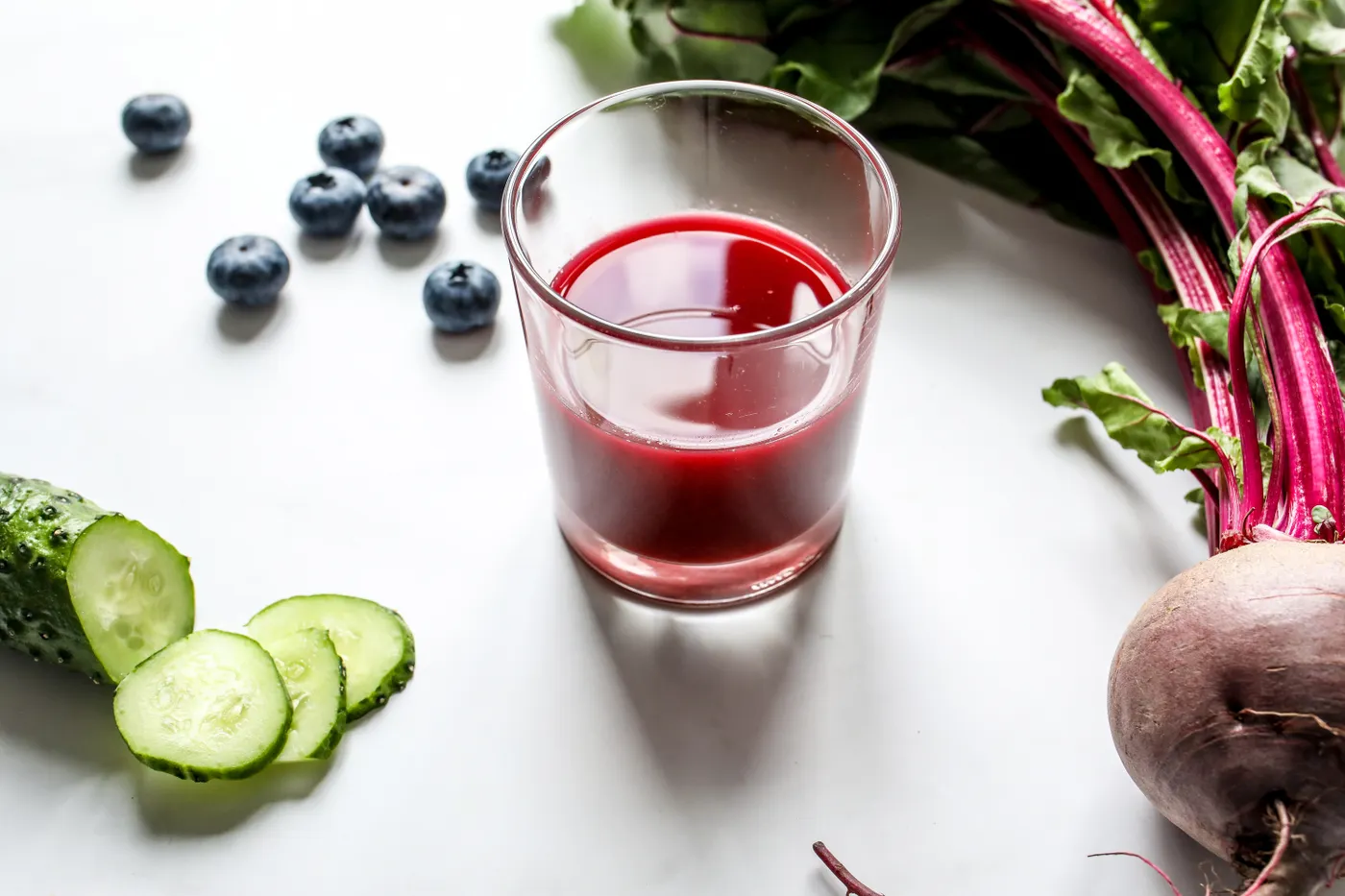
Evidence from shorter exercise tests is not uniformly negative. A synthesis of beetroot-based supplements and muscular performance in healthy men found small average benefits for muscular endurance and some strength measures, especially when strength was assessed under fatigue. A broader review of nitrate supplementation also reported benefits for selected time-to-exhaustion and power outcomes, while identifying substantial differences in study quality and the outcomes that improved.
Those findings can coexist with the twelve-week lifting result. Acute performance and chronic adaptation answer different questions. If a supplement helps someone complete an extra repetition on a given day, it is still necessary to show that the advantage is consistent, meaningful and large enough to alter muscle growth or strength after repeated training. The new controlled trial did not demonstrate that additional long-term payoff for its participants.
Training status is another complication. A 2026 analysis of trials in athletes found no clear pooled improvement across several performance measures, while acknowledging uncertainty in particular subgroups and protocols. Results from untrained adults, recreational lifters and highly trained athletes should not be blended into one universal promise. The type of exercise matters too: cycling, repeated sprints, knee extensions and heavy deadlifts place very different demands on the body.
Be cautious with marketing that quotes only the most favorable percentage from one small study. Ask what was measured, whether there was a placebo group, whether the result was statistically and practically meaningful, and whether the subjects resemble the people being targeted. A product can be interesting for one exercise context and unconvincing for another.
A practical twice-weekly strength plan without supplement dependence
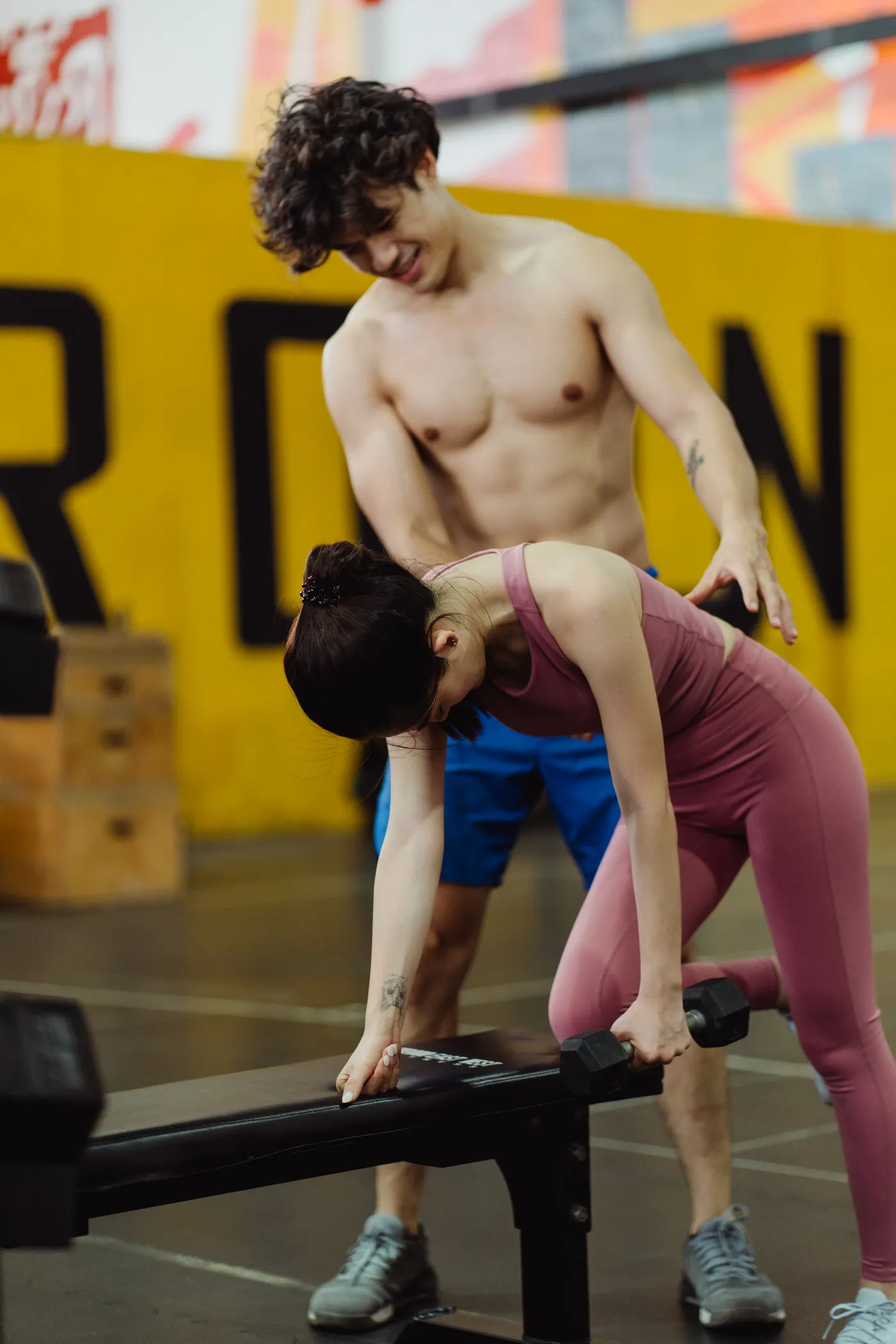
The controlled program offers a useful template for a general beginner-to-intermediate routine, though it should not be copied mechanically by someone with injuries or substantial training experience. Two full-body days can cover a squat or leg-press pattern, a hip hinge, a push, a pull and a knee-flexion or knee-extension accessory. Choose exercises you can perform comfortably with repeatable technique, then use a logbook to track work rather than guessing whether you are improving.
Day A: three sets of six to ten controlled trap-bar deadlifts or another hinge; three sets of eight to twelve leg presses or squats; two or three sets of eight to twelve chest presses; two or three sets of eight to twelve pulldowns; and two sets of ten to fifteen leg extensions. Day B: three sets of eight to twelve squats or split squats; three sets of eight to twelve rows; two or three sets of eight to twelve incline presses; two sets of ten to fifteen hamstring curls; and an optional light carry or core exercise.
Begin with approximately two or three repetitions in reserve on most sets, then adjust based on form, soreness and recovery. When you can complete the top of a rep range with good technique across all sets, increase resistance modestly. Rest long enough that the next set is productive, often around two to three minutes for demanding compound lifts and somewhat less for accessories. Keep at least a day between these full-body sessions.
Over six to twelve weeks, compare repetitions, loads, movement quality and how you recover. The plan is an illustrative training framework, not the exact research protocol or a personalized prescription. Someone with medical restrictions should obtain appropriate guidance before beginning.
Equipment Worth Exploring
Explore equipment, accessories and gear from our carefully selected range.


Original GymPin
Adds Olympic plates to compatible cable-machine weight stacks for extra resistance.



GymPin Ergo Handles
Pair of ergonomic cable handles shaped for comfortable triceps and pulling exercises.

Should you buy beetroot juice for muscle growth?
If your main goal is gaining strength or muscle, the evidence here does not justify treating concentrated beetroot juice as an essential purchase. The 2026 trial showed meaningful training adaptations but no additional benefit from daily nitrate-rich juice on the outcomes it measured. That makes progressive resistance training, adequate nutrition, sleep and consistency more defensible priorities than a costly daily supplement.
Beetroot juice may still appeal to someone who enjoys it or competes in an exercise setting where acute nitrate effects are better supported. That is a different decision from claiming it builds more muscle. If you experiment, record the actual outcome that matters to you rather than assuming that a better pump, darker-colored drink or stronger sensation means superior long-term adaptation. Remember that nitrate content varies between ordinary foods and concentrated shots.
Dietary nitrate can affect blood-pressure physiology, and concentrated products may not be appropriate for everyone. People managing low blood pressure, taking relevant medications or dealing with medical conditions should ask a qualified clinician before using high-dose nitrate products. Beets are also not a substitute for an otherwise balanced diet, sufficient protein or appropriate recovery. Do not attempt to reproduce a research dose without considering individual health circumstances.
The broader lesson is straightforward: mechanisms are hypotheses; controlled outcomes are the test. In this small study, the training was clearly productive and the extra beetroot nitrate did not provide a detectable advantage. For most lifters, that is a useful reminder to make the fundamentals measurable before spending money on marginal additions.
Bodybuilding Shirts & Workout Gear
Bodybuilding shirts, tanks and gym gear for lifters chasing muscle, size, symmetry and the pump.

Be Happy Lift Heavy Happy Weights Smiley Face Weight Pl Tank Top
Bring “Be Happy Lift” humor to your next lifting session.

Deadlift Military Skull Gym Pullover for Powerlifters, Hoodie
Keep it laid-back with a little “Deadlift” attitude.

Shirt – I'M Strong Barbell Heartbeat , Gymbro , & T-Shirt
Bring “I'm Strong Barbell Heartbeat” humor to your next gym day.

Listen Heavy Lift Heavy Gym | Funny Workout Hooded For Hoodie
Bring “Listen Heavy Lift” gym humor to lazy days and post-workout plans.

Jackedonomics Muscle Graph – Meme Shirt & Essential T-Shirt
Bring “Jackedonomics Muscle Graph” humor to your next gym day.

Nice Try Gravity Astronaut Gym | Funny Workout & Liftin Sticker
A fun “Nice Try Gravity Astronaut” touch for bottles, laptops, and lockers.


Funny Protein Addict Gym | Breaking Bad Meme Workout Sw T-Shirt
Show some gym-day personality with “Protein Addict”.

Motivation – Barbell Meme Strong , Leg Day Squats & T-Shirt
Make gym days more fun with “Gym Motivation” style.

Off-Season Rest Day & Meme Fans Hooded Hoodie
Keep it laid-back with a little “Off-Season Rest Day” attitude.