Muscle growth is often explained as a simple sequence: lift weights, tear your muscles, drink a shake, and let the body repair the damage into something bigger. That story contains a useful idea—training and dietary protein work together—but it turns a complicated adaptation into a misleading formula. You do not have to chase soreness, destroy a muscle or finish a shake before a stopwatch runs out to make progress.
The more useful question is how resistance training changes the body’s demand for muscle proteins, and how everyday eating supports that process. Research offers a practical answer: progressive training is the signal, adequate food supplies the materials, and consistency over weeks is the test. Here is what that means for a compact home gym.
1. Muscle growth is remodeling, not a damage contest

Every muscle contains contractile proteins arranged into structures that produce force. When you squat, row or press against meaningful resistance, those structures experience mechanical tension. The body responds through overlapping processes that include changes in muscle protein synthesis, breakdown, neural coordination and the muscle’s ability to handle future work. Repeating sufficiently challenging training over time can shift the balance toward larger or stronger muscle.
That is not the same as saying more microscopic damage guarantees more growth. A completely unfamiliar workout can leave you painfully sore because the tissue has not yet adapted to its demands. Repeat the same sensible program for several weeks and the soreness often fades even while strength and muscle size continue to improve. The reduced soreness is not proof that the exercise stopped working. It can be evidence that you have become better adapted to it.
Think of resistance training as a signal that the body should maintain and improve a capacity. The signal needs to be challenging enough, repeated often enough and supported by recovery. If you deliberately make every workout so destructive that the next session suffers, you may be trading productive training volume for unnecessary fatigue. For most people, two to four well-planned weekly sessions are a better foundation than a weekly attempt to feel unable to walk.
Mechanical tension, exercise selection, effort, total sets and progression matter. Muscle damage can accompany training, particularly new or lengthened-position exercises, but it is not a target that needs its own score. A useful log records the load, repetitions, range of motion and technique you could repeat—not the intensity of tomorrow’s ache.
2. What protein actually does after a lifting session
Muscle is constantly turning over its proteins. Some proteins are broken down and replaced, while new ones are assembled from amino acids. Resistance exercise temporarily increases the body’s demand for muscle protein synthesis, and eating protein supplies essential amino acids needed for that process. These two inputs complement one another. Training without adequate nutrition makes the rebuilding job harder; eating extra protein without an appropriate training stimulus does not automatically create a larger biceps.
A 2024 synthesis of 79 controlled trials found that resistance exercise increased measured muscle protein synthesis after a session. The response varied substantially between studies and could remain elevated beyond a day. In that analysis, older participants showed a smaller average response than younger participants, although the studies were heterogeneous and the age comparison should not be treated as an individual forecast. A laboratory measurement of synthesis over hours is also not identical to measuring muscle gained over months.
Protein is digested into amino acids that can support muscle and many other tissues. Nine amino acids are considered essential because the body cannot make them in sufficient quantities. A meal containing a useful amount of high-quality protein helps provide those building blocks. The body also needs energy, sleep and the ability to recover between sessions. None of these ingredients operates as a magic switch.
For a home-gym lifter, the practical sequence is uncomplicated: perform challenging sets with controlled technique, eat a protein-containing meal within your normal day, and come back able to train again. A cable machine, adjustable dumbbells or barbell can all create the training stimulus. The brand of equipment matters less than whether the resistance and movement fit your body and allow progression.

Equipment Worth Exploring
Explore equipment, accessories and gear from our carefully selected range.


VOLTRA
Compact digital cable trainer with smooth, adjustable resistance.

Go-Tone Pro
Portable digital cable trainer with up to 66 lb (30 kg) of adjustable resistance.


FID Bench MAX
Adjustable bench offering flat, incline, and decline positions + adjustable headrest.

3. Daily protein intake matters more than a perfect clock

One of the strongest recurring findings is that total daily protein intake deserves attention before tiny timing details. A large meta-analysis of 49 studies involving 1,863 people found that adding protein during resistance-training programs produced modest additional gains in fat-free mass and strength. Its statistical breakpoint was around 1.6 grams of protein per kilogram of body weight per day, beyond which the pooled analysis did not detect further average fat-free-mass benefit. That figure is a population estimate, not a hard biological ceiling for every athlete.
A broader practical range for many healthy, regularly training adults is about 1.4 to 2.0 grams per kilogram per day. For someone weighing 80 kilograms, that works out to roughly 112 to 160 grams daily. At 100 kilograms, the same range is approximately 140 to 200 grams. Individual needs vary with training, body composition, energy intake, age and medical circumstances. People with kidney disease or other conditions affecting protein recommendations should follow their clinician’s guidance rather than applying a gym formula automatically.
Spreading protein across three or four meals is an easy way to make that target manageable. A breakfast with eggs or yogurt, a lunch with chicken or beans, a dinner with fish or tofu, and a snack if needed can work without an elaborate supplement routine. Exact per-meal amounts need not be identical. If your schedule allows only three substantial meals, consistent daily intake is usually a better starting point than chasing six precisely timed feedings.
The post-workout period is useful, but not a tiny window that closes forever. Protein consumed before or after training can support the response to exercise. If you train just before dinner, dinner may already be your recovery meal. If you train first thing in the morning without breakfast, a convenient protein-rich meal afterward makes sense. The simplest timing plan is the one you can maintain without compromising training, appetite or sleep.

Bodybuilding Shirts & Workout Gear
Bodybuilding shirts, tanks and gym gear for lifters chasing muscle, size, symmetry and the pump.

Wheyhalla Viking Protein Lovers & Hoodie
Keep it laid-back with a little “Wheyhalla Viking” attitude.

Raid The Weights Pillage The Protein Viking – Norse T-Shirt
Heavy lifts, good laughs, and a little “Raid The Weights Pillage The Protein Viking” energy.

Skol Viking – Norse & Gymbros – Protein Shake Top T-Shirt
Rep “Skol Viking” humor in and out of the gym.

Wheynie The Pooh Sweater & Meme Fans T-Shirt
Bring “Wheynie The Pooh” humor to your everyday gym style.

Bulking Season Anime Fast Food Meme Sweater Calorie T-Shirt
Bring “Bulking Season” humor to your everyday gym style.


Brotein Bar Gym | Funny Protein Bar Meme Workout For Gy Hoodie
Stay casual and show some bodybuilding attitude with “Brotein Bar”.

Eat Your Chicken – Protein Meme Decal for Water Bottles Sticker
A fun “Eat Your Chicken” touch for bottles, laptops, and lockers.

Protein Power Cereal Tee
Heavy lifts, good laughs, and a little “Protein Power Cereal” energy.
4. Four myths that make recovery unnecessarily complicated
Myth one: No soreness means no muscle growth. Delayed-onset soreness is affected by novelty, exercise choice, range of motion and individual sensitivity. It does not provide a reliable measure of how much muscle you gained. You can train productively without being sore; severe soreness that changes your movement is often a reason to adjust the next session, not celebrate the previous one.
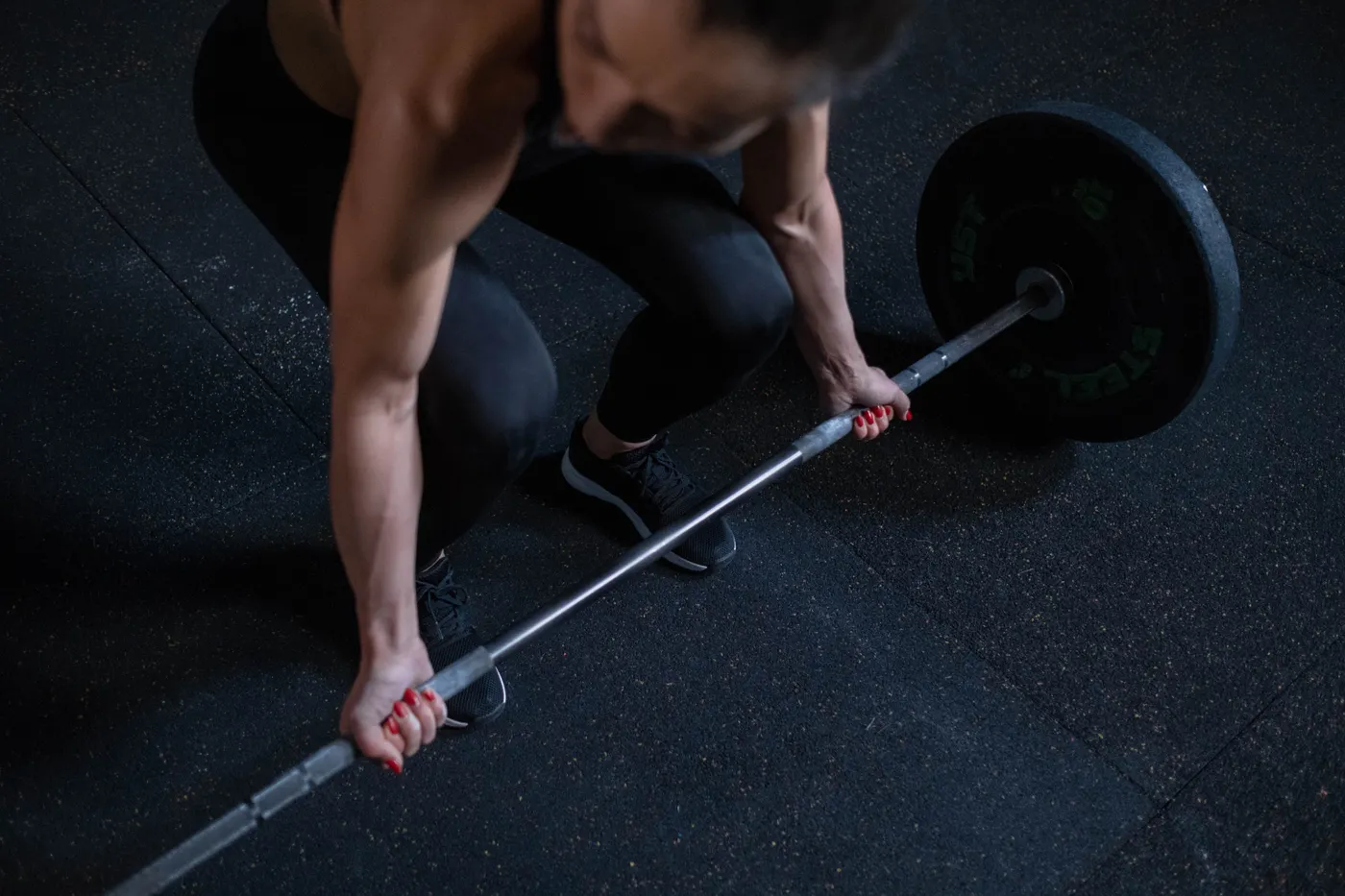
Myth two: Every set must destroy muscle fibers. You need meaningful effort and progressive loading, but not constant failure or intentionally excessive eccentric damage. For compound lifts, stopping with roughly one to three good repetitions left can make it easier to accumulate quality work and recover. Some lighter isolation sets can be taken closer to failure when appropriate. The best balance depends on training age, exercise safety and your weekly workload.
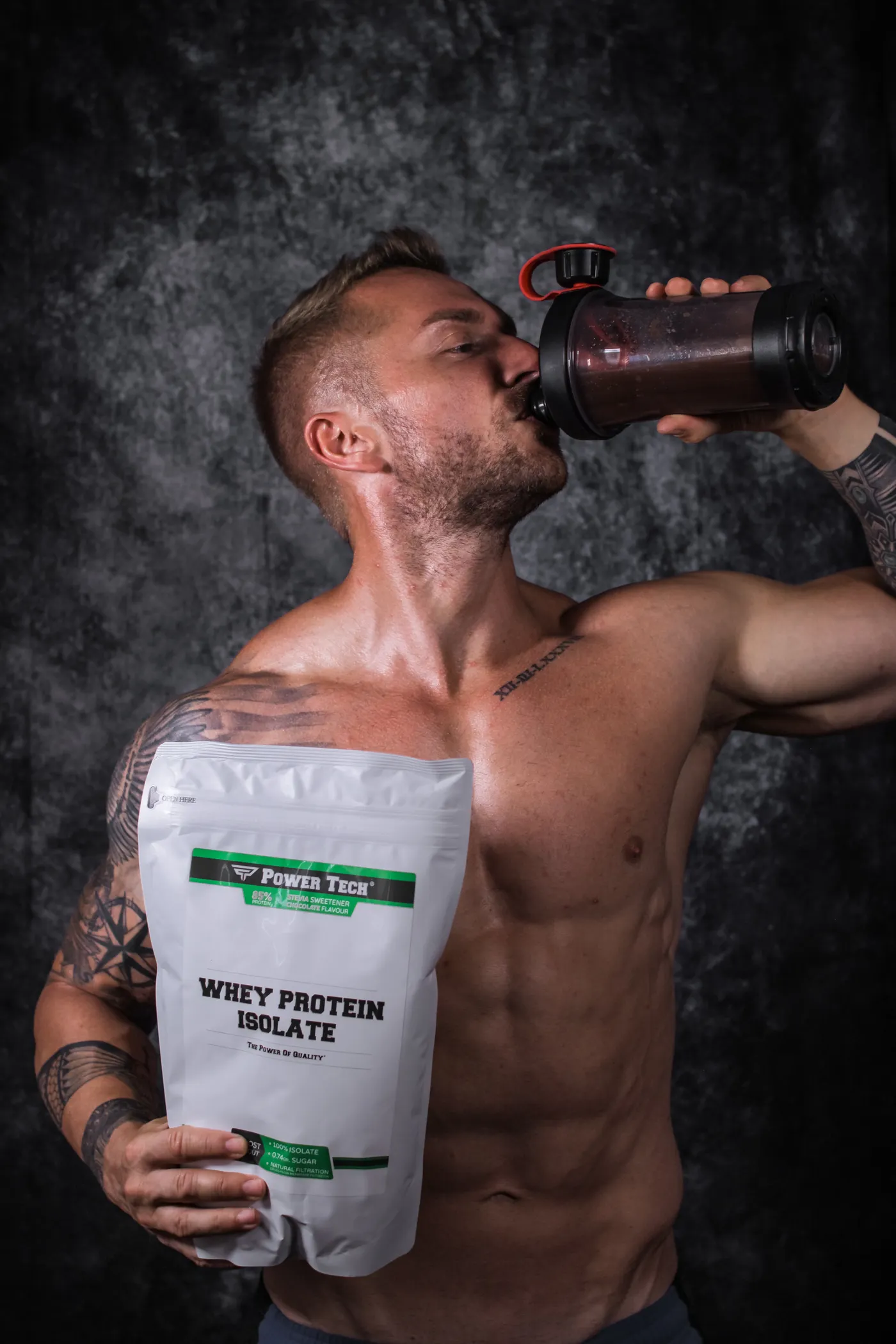
Myth three: A shake is mandatory immediately after lifting. Whey can be convenient, especially when a meal is hours away or daily intake is difficult. It is still food in a portable form, not a separate muscle-building requirement. A normal meal with sufficient protein is a credible alternative. Shakes do not compensate for a program that never becomes more challenging.
Myth four: More protein always produces more gains. Protein requirements are not infinite. Once intake is adequate, additional calories or protein may have diminishing returns. A bigger shake is not automatically a bigger adaptation, and the scale can move because of water, glycogen and food volume as well as tissue changes. Evaluate body composition and performance over time rather than interpreting one meal or one weigh-in.
These corrections are especially useful in small home gyms, where it is tempting to turn every workout into a maximum-effort test. Sustainable progress comes from repeatable training and recovery, not from maximizing fatigue or creating a complicated nutrition ritual.
5. Whey, eggs, soy and plant proteins: what the evidence supports
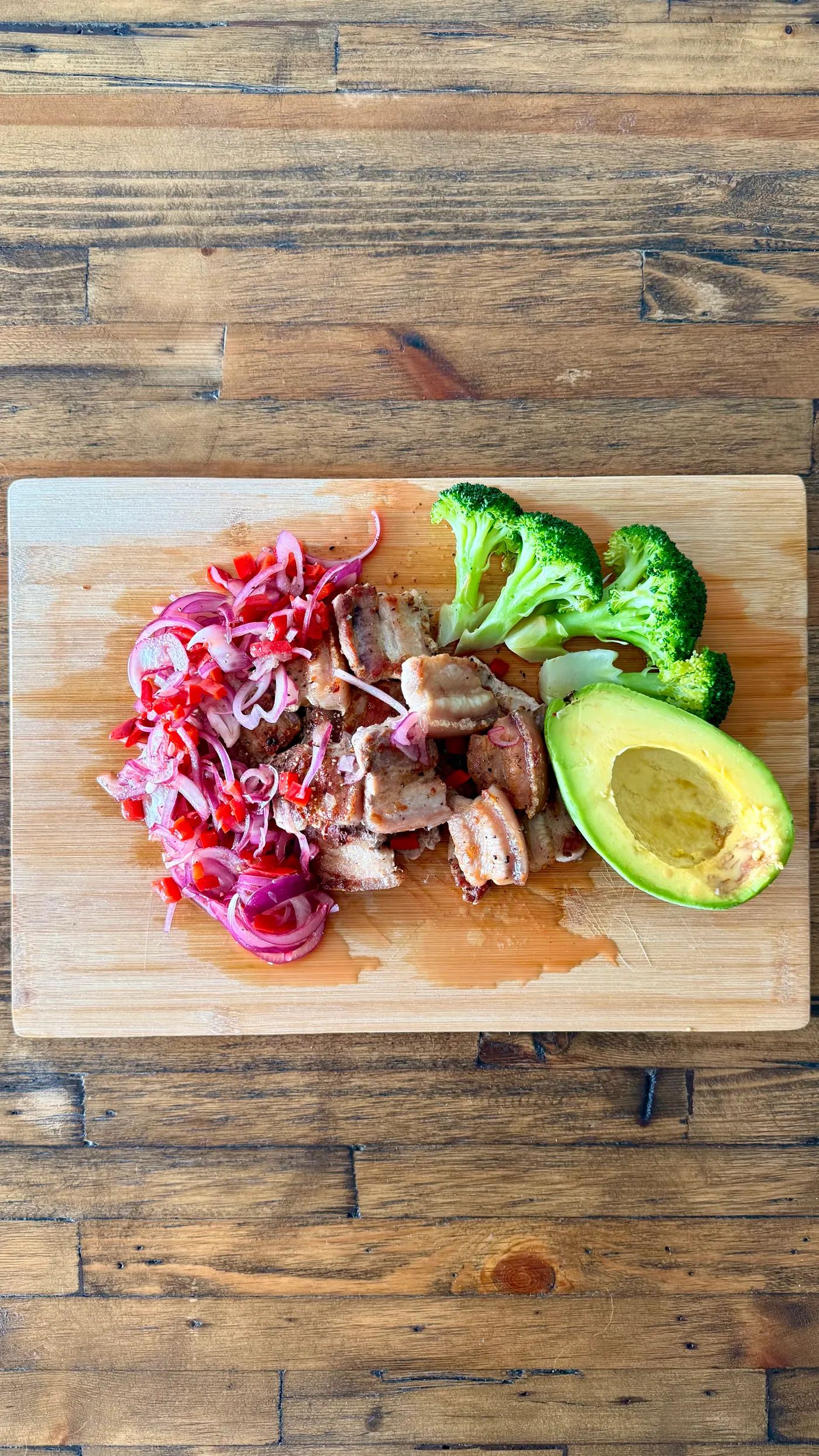
Protein sources differ in amino-acid profiles, digestibility, serving sizes, price and convenience. Milk-based whey is rich in essential amino acids and easy to mix; eggs, dairy, meat and fish are familiar complete-protein foods. Soy, pea-based products, beans, lentils and other plant foods can also contribute meaningfully. People eating mostly plant proteins may find it useful to combine different foods across the day and pay attention to the total amount consumed.
A 2026 network meta-analysis of 51 acute trials compared muscle protein synthesis responses after resistance exercise and single protein doses. Several animal and plant sources ranked similarly in the model, while uncertainty was substantial for sources represented by few studies. Only whey showed a statistically significant effect in one of the reported comparisons. These are short-term laboratory responses, not proof that one brand or ingredient produces superior muscle growth after six months.
Food selection should therefore begin with practical constraints. If you enjoy Greek yogurt, eggs or chicken, they can be reliable staples. If you prefer plant-based eating, tofu, soy milk, legumes and thoughtfully chosen protein-rich products can help. If you struggle to reach a target while traveling or working, a basic protein powder may be useful. You do not need a cabinet of exotic recovery supplements to make a conventional resistance-training program work.
Remember that a balanced diet also provides carbohydrates to support hard training, dietary fats, fiber and micronutrients. Cutting all carbohydrates in pursuit of an ideal protein percentage can make sessions feel harder and limit the work you can perform. Food quality, energy sufficiency and adherence deserve at least as much attention as the label on a tub.
Funny Gym Shirts & Workout Gear
Funny gym shirts, tanks, hoodies and workout gear for lifters who like training hard.

Chicken Broccoli Rice – , Gymbros & Gains Meme T-Shirt
Heavy lifts, good laughs, and a little “Chicken Broccoli Rice” energy.

Shirt Protein King – Meme & – Top T-Shirt
Heavy lifts, good laughs, and a little “Protein King” energy.

Protein Monster Humorous Vest & Tank Top
Train hard, laugh a little, and rep “Protein Monster”.

Funny Protein Shaker Bottle : Gym Meme Pullover For Fit T-Shirt
Keep things casual with a little “Protein Shaker Bottle” attitude.

Bear Protein : Hilarious Meme Tank Top
Your gym-day look, with a playful “Gym Bear Protein” twist.

Shirt Protein Addicts – , Meme , Top Gymbros T-Shirt
Heavy lifts, good laughs, and a little “for Protein Addicts” energy.

This Is Your Body On Protein Shirt – Meme & Top T-Shirt
Bring “This Is Your Body On Protein” humor to your next gym day.

Bro Protein Bodybuilders & Meme Athletic Shirt Tank Top
Bring “Gym Bro Protein” humor to your next lifting session.

Protein Gym Cosmic Muscle Shirt , Macros Workout Top Tank Top
Bring “Protein” humor to your next lifting session.

Donut Dumbbell Donuts Barbell Bulk Diet Sticker
A fun “Donut Dumbbell Donuts Barbell” touch for bottles, laptops, and lockers.
6. A simple two-day lifting plan with meals that fit
You can apply these principles without a large gym. Two full-body sessions per week are a workable starting point for beginners and busy lifters; more experienced trainees can add a third session or distribute the same volume across more days. Choose loads that make the last repetitions challenging without sacrificing control. Rest long enough to preserve technique, especially on demanding compound lifts.
| Session A | Session B |
|---|---|
| Squat or goblet squat: 3 × 6–10 | Split squat or step-up: 3 × 8–12 per leg |
| Chest press or push-up: 3 × 6–12 | Overhead or incline press: 3 × 6–12 |
| Cable or dumbbell row: 3 × 8–12 | Pulldown or assisted pull-up: 3 × 8–12 |
| Hip hinge or RDL: 2 × 8–12 | Hip thrust or leg curl: 2 × 10–15 |
| Optional carry: 2 controlled rounds | Optional curl or triceps work: 2 × 10–15 |
Leave at least one recovery day between these sessions at first. When you reach the top of a repetition range with clean form on all sets, add a small amount of resistance next time. If a joint is irritated, change the angle, range or exercise rather than forcing the same movement. Progress can come from improved technique and additional controlled repetitions before it comes from more weight.
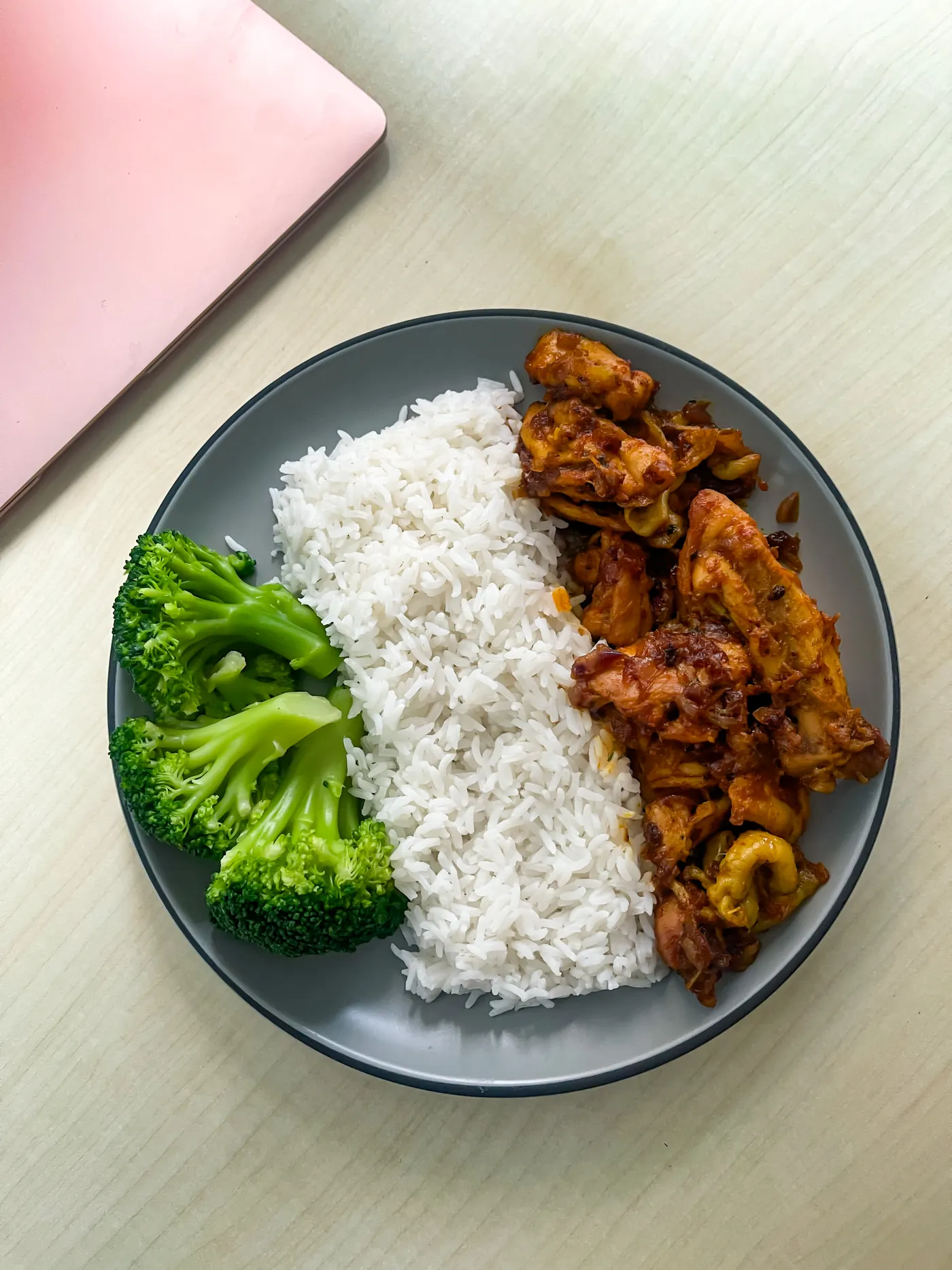
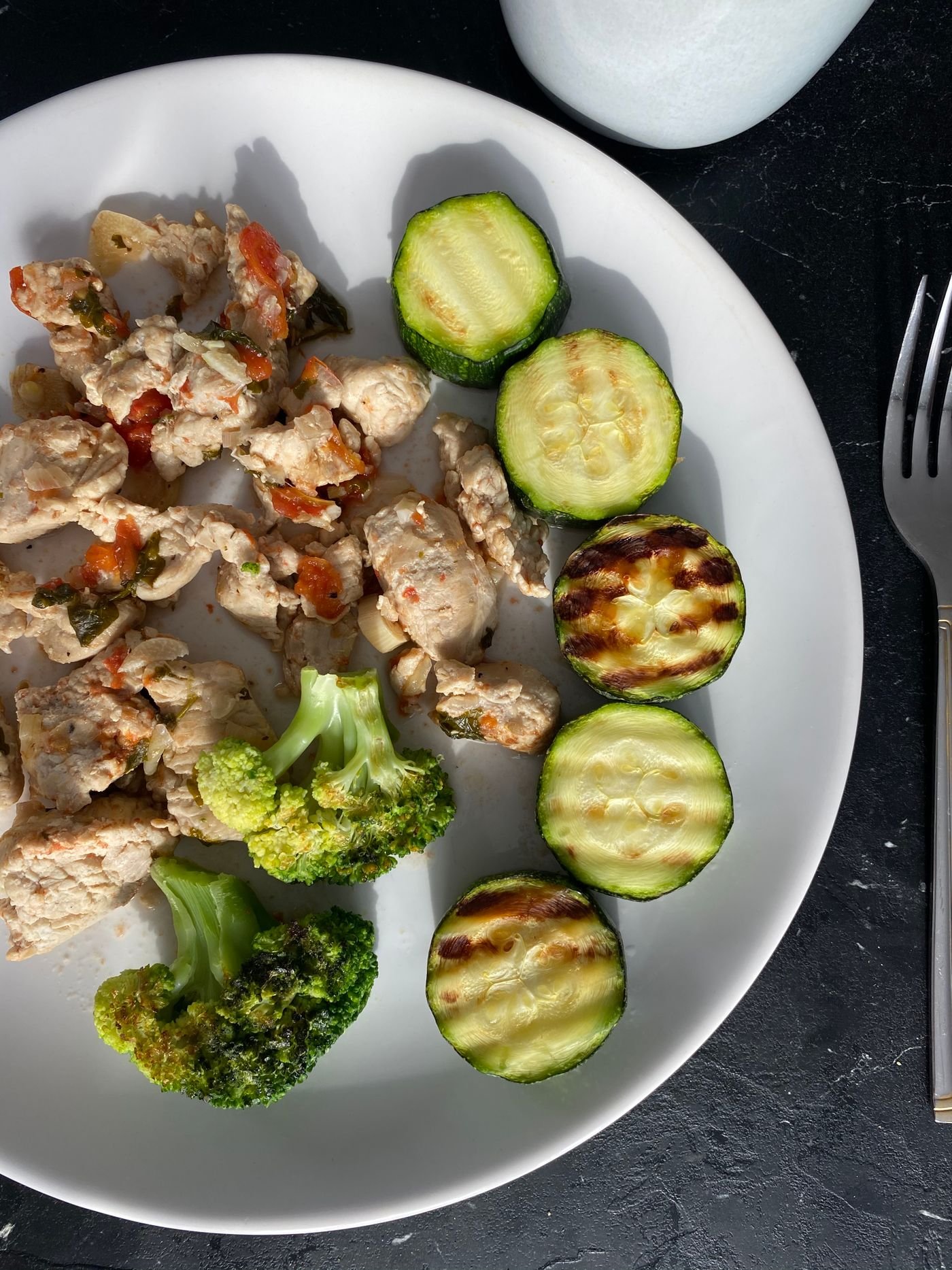
Pair the plan with ordinary meals. For example, breakfast might be yogurt, fruit and oats; lunch could be rice, vegetables and a protein source; dinner might be fish, tofu or chicken with potatoes and greens. Adjust portions to your size, activity and goals. A shake is an optional convenience on days when meals fall short, not the foundation of the plan. Eating enough overall is particularly important if you are trying to build muscle rather than simply maintain it.
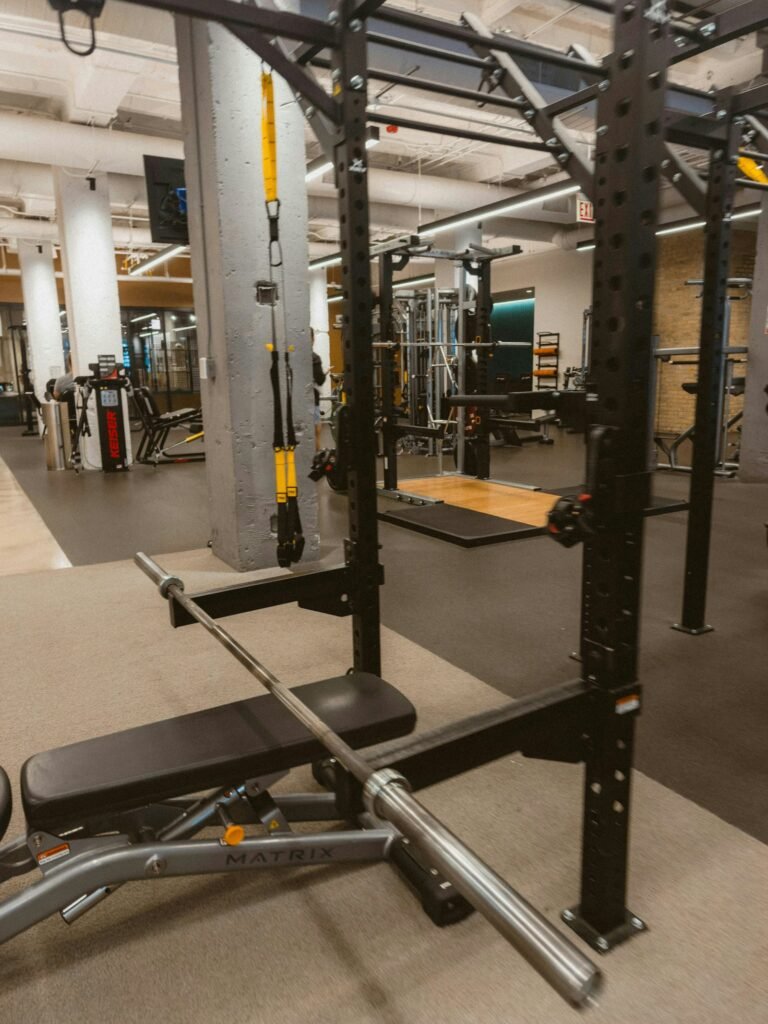
For a compact setup, adjustable dumbbells plus a stable bench cover many exercises. A rack and barbell expand loading options, while a cable trainer makes rows, pulldowns and joint-friendly substitutions convenient. You do not need every category at once. Pick equipment that helps you train consistently within your available space.
Equipment Worth Exploring
Explore equipment, accessories and gear from our carefully selected range.


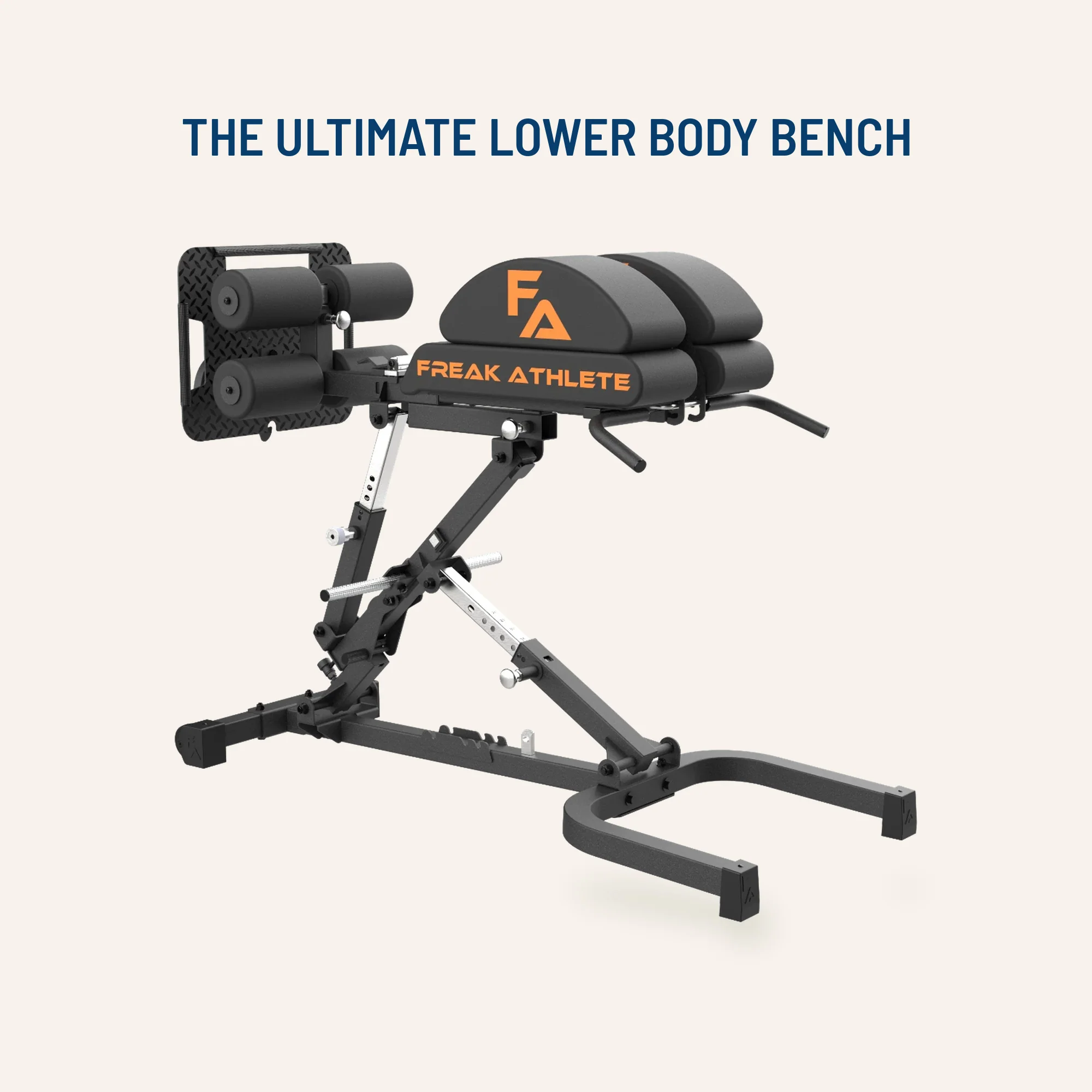


Power Tower
Freestanding pull-up and dip station with adjustable handles for bodyweight training.
7. A four-week audit that measures what actually matters

For the next four weeks, keep the program deliberately boring. Record the load and repetitions for each exercise, a quick note about technique, and whether you completed the planned sessions. Track approximate daily protein intake for a few representative days rather than weighing every ingredient indefinitely. The aim is to learn whether you are consistently in a useful range, not to turn meals into a second full-time job.
In week one, establish baselines. Use loads you can control and estimate your typical daily protein. In week two, try to add one good repetition to selected sets or improve your range of motion. In week three, increase resistance modestly where your technique and repetitions justify it. In week four, review your training log, sleep, appetite and any persistent aches. If fatigue has accumulated, a lighter week may be more productive than another all-out push.
Do not expect visible muscle growth to be obvious in four weeks. Bodyweight, photos, tape measurements and performance can each help, but all contain noise. Hydration and glycogen can change the scale quickly; lighting and posture change how muscles look. The clearest early signs are often more controlled repetitions, better movement confidence and the ability to repeat the program with less unnecessary fatigue.
The bottom line is that muscle is built through an ongoing partnership between progressive resistance, adequate nutrition and recovery. Protein is essential, but soreness is optional. A sustainable routine with enough food, sensible exercise choices and a reliable way to measure progress will usually outperform an elaborate recovery ritual that you cannot maintain.