When anxiety makes a day feel unpredictable, a repeatable strength session can offer something concrete: a plan, a sequence of movements and a way to notice progress. But does lifting heavier actually relieve anxiety more than very light training? A randomized study involving 55 young women gives that question a more careful answer than the usual motivational slogan.
The surprising part is not that exercise may help. It is that both the progressively loaded and very-light-resistance groups reported meaningful improvements, while the statistical comparison did not establish a clear difference between them. That matters for anyone choosing a sustainable home-gym routine, particularly people who find aggressive fitness prescriptions intimidating. Here is how to read the evidence without turning the gym into a substitute for healthcare.
Some product links may be affiliate links, which can support Mind Muscle Perfection at no additional cost to you.
1. What the 55-woman resistance-training trial actually tested
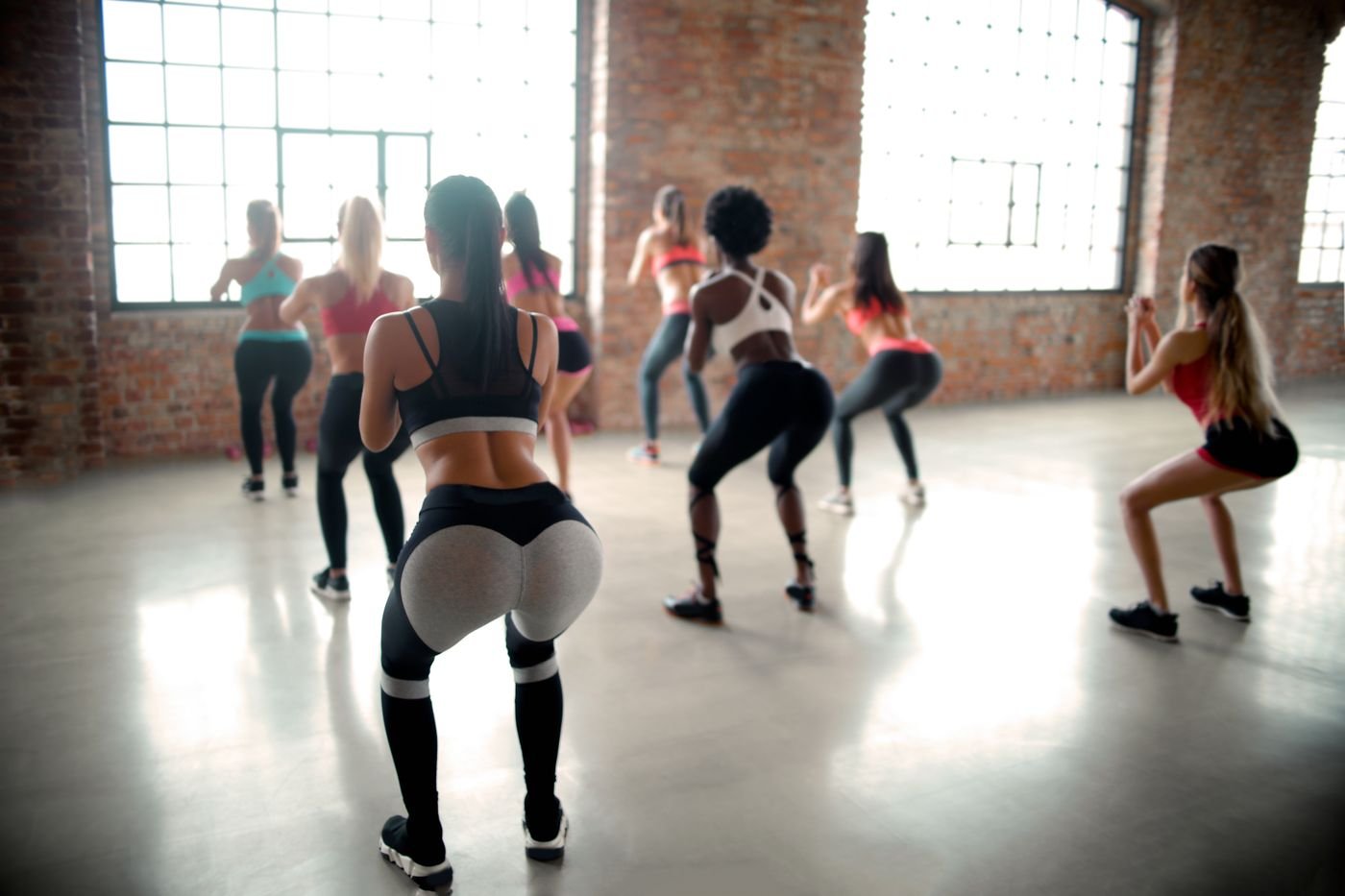
The trial enrolled 55 young women, averaging roughly 22 years old, who screened positive for elevated worry and anxiety resembling generalized anxiety disorder. That description is important: an analogue anxiety sample is not the same as a group of patients all confirmed to have a clinical diagnosis. The findings therefore speak most directly to this particular population and cannot automatically be applied to everyone living with an anxiety disorder.
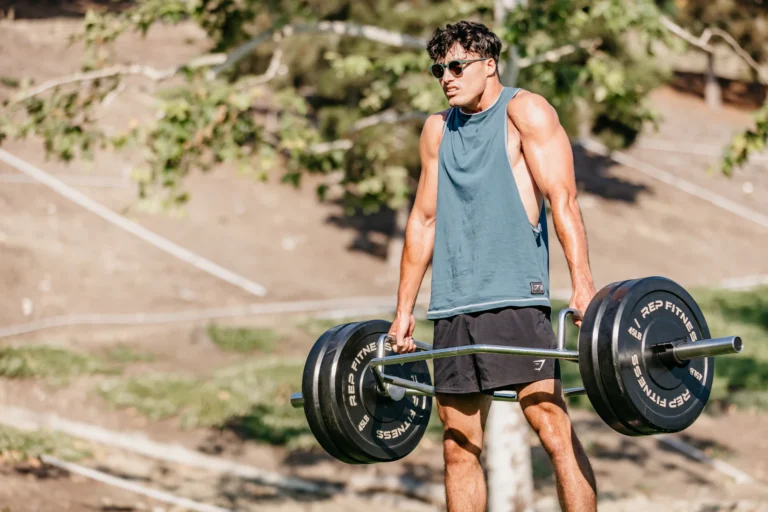
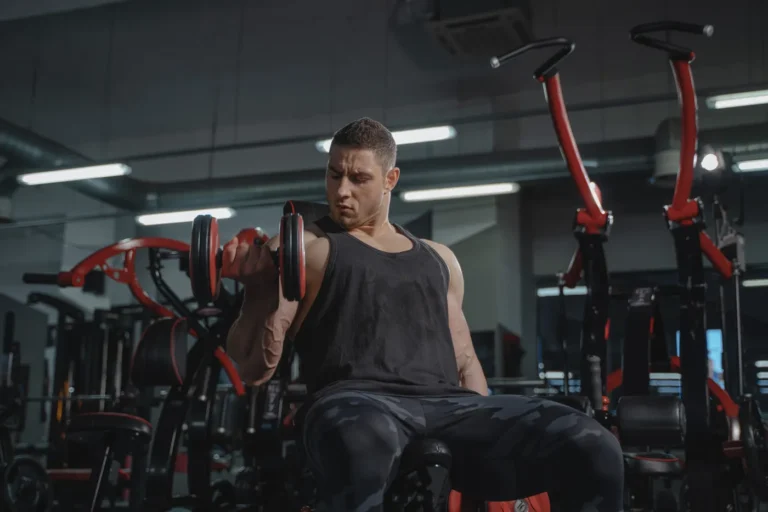
Participants were randomly assigned to two supervised programs. Twenty-seven women followed progressive resistance training at about 70–80% of estimated one-repetition maximum, while 28 performed very light resistance exercise at about 20% of maximum. Both groups trained twice weekly. The overall schedule included familiarization and an eight-week training phase, followed by a four-week period during which researchers checked whether improvements persisted. The published description refers to ten weeks of twice-weekly involvement when familiarization is included.
The investigators tracked anxiety symptoms, feelings of tension and participants’ expectations at multiple time points. Including expectations was a meaningful design choice: people who believe exercise will help them may experience benefits from structure, attention, encouragement and anticipation as well as from physical training itself. The comparison was not between lifting and doing nothing. It was between two believable versions of lifting with substantially different mechanical demands.
For a home-gym reader, that makes the experiment unusually relevant. The question was not whether a barbell or cable machine is magical. It was whether the amount of resistance changes psychological outcomes when both groups still show up, move and receive a structured exercise experience.
2. Both groups improved; the between-group difference was not established
Across the training period, anxiety-related measures and tension declined within both groups, with reported standardized improvements in the moderate-to-large range. At the four-week follow-up, the progressively loaded group had numerically larger within-group effects for anxiety and tension than the very-light group. That is interesting, but it is not the same as proving that heavy training is a superior anxiety treatment.
The key test was the difference in how the two randomized groups changed over time. For anxiety symptoms, the group-by-time comparison was not statistically significant, with a reported effect estimate of about 0.23 and a confidence interval crossing zero. The corresponding comparison for tension was also not significant. In other words, the trial did not demonstrate a reliable advantage of the heavier program over the light program on its primary psychological comparisons.
Why do those distinctions matter? Imagine two trainees both report feeling calmer after eight weeks, but one improves slightly more on a questionnaire. Without a convincing between-group difference, that extra improvement might reflect random variation, baseline differences, measurement noise or a genuine effect the study was too small to detect. You cannot select the most flattering within-group number and declare the intervention the winner.
It would be equally wrong to say intensity never matters. The study had a relatively small sample, a specific age range and limited follow-up. A larger, longer trial could detect differences that this one missed. The grounded takeaway is narrower and more useful: very light, structured resistance exercise may have psychological value, and progressive loading remains worthwhile for building physical strength even when an additional anxiety benefit is unproven.

Equipment Worth Exploring
Explore equipment, accessories and gear from our carefully selected range.


FID Bench MAX
Adjustable bench offering flat, incline, and decline positions + adjustable headrest.


VOLTRA
Compact digital cable trainer with smooth, adjustable resistance.

Go-Tone Pro
Portable digital cable trainer with up to 66 lb (30 kg) of adjustable resistance.
3. Why a light-training comparison changes the interpretation
Many exercise studies compare a training group with a waitlist or an inactive control. Such comparisons are valuable, but they bundle several things together. The active group receives a schedule, attention, social contact, feedback, a reason to leave the house and a repeated sense of accomplishment. A person on a waitlist may receive none of those experiences. That makes it difficult to identify exactly which ingredient produced a change in mood.
Here, the low-intensity group still exercised and participated in the training process. It was described as a sham or attention-control condition because the load was too light to resemble the progressive strength stimulus of the comparison group. Yet calling it a sham should not make us dismiss the experience. A very light session can still involve movement, a predictable routine, coaching and a successful task. These are real activities with possible psychological effects.
That does not prove that expectations or attention caused the improvements. The investigators did not find a significant relationship between their measured expectations and the psychological changes, and the trial was not designed to isolate every mechanism. Rather, it reminds us that training is more than a percentage on a weight stack. The broader context can matter, even when the precise pathway remains uncertain.
For people starting at home, this suggests a practical entry point: begin with loads that allow calm, controlled practice. Use an exercise order you can repeat. Make the first goal simply to complete the session. As confidence and capacity improve, increase resistance for the physical benefits of training. There is no evidence-based reason to treat an intimidating workout as the price of admission to better well-being.

Funny Gym Shirts & Workout Gear
Funny gym shirts, tanks, hoodies and workout gear for lifters who like training hard.

Gym Is My Therapy Crewneck Pullover Sweater Workout Fan T-Shirt
Bring “Gym Is My Therapy” humor to your everyday gym style.

This Is My Therapy Crewneck Pullover Sweater Workout Th T-Shirt
Add a playful “This Is My Therapy” touch to your casual rotation.

Shirt – My Therapist Says Lift More – Is My Therapy T-Shirt
Show some powerlifting attitude with a playful “My Therapist Says Lift More” tee.

Gym Is My Happy Place Graphic Who Love Fitness, Happy W T-Shirt
Make gym days more fun with “Gym Is My Happy Place” style.

Gymhead Lifting Is On My Mind Skull Vest Tank Top
Your gym-day look, with a playful “Gymhead” twist.

Mind Muscle Perfection Brain and Biceps Gym for Science T-Shirt
Show some gym-day personality with “Mind Muscle Perfection Brain and Biceps”.

Lift Smart Brain Weight Plate Mind Muscle Connection 45 T-Shirt
For laid-back days and lifting humor: “Lift Smart Brain Weight Plate”.

Stress Relief Stoic Lifting Sigma Greek God Marble T-Shirt
Rep “Stress Relief Stoic Lifting Sigma Greek God” humor in and out of the gym.

Lift Together Grow Stronger for Gym Buddies Who Train T T-Shirt
Show some gym-day personality with “Lift Together Grow Stronger”.

E = mc² Energy Muscle Confidence Albert Einstein Scienc Tank Top
Add some lifting attitude to training with “E = mc² Energy Muscle Confidence”.
4. What the wider research says about lifting and anxiety
The 55-person experiment sits within a broader research record. A systematic review of 30 randomized trials involving 1,421 participants reported promising reductions in anxiety with resistance training, although study quality varied and the comparisons mixed different interventions and control groups. Another synthesis focused on young people found reductions in anxiety and depressive symptoms across ten trials involving 376 participants, while also reporting substantial variation between studies.
An earlier meta-analysis of 16 articles involving 922 participants found a smaller average improvement in anxiety symptoms with resistance training compared with nonactive controls. Notably, the analysis did not identify a clear, consistent relationship between the size of the anxiety benefit and variables such as training intensity or frequency. That aligns with the caution suggested by the newer trial: a heavier load is not automatically a better mental-health intervention.
These reviews do not all answer the same question. Some include people with diagnosed disorders; others include elevated symptoms without a formal diagnosis. Some compare exercise with inactivity, while others compare it with active alternatives. A network ranking can look impressive but may rely partly on indirect comparisons between studies. The more defensible conclusion is that resistance exercise is a promising supportive activity, not that a specific set-and-rep prescription has been proven to treat anxiety.
There is also an important distinction between feeling calmer immediately after a workout and changing long-term anxiety symptoms. A single session may interrupt rumination or help someone regulate arousal. A multiweek program may build routine and self-efficacy. Neither outcome automatically establishes a durable clinical effect, and neither replaces an individualized treatment plan when symptoms are severe or persistent.
5. A supportive routine is not a replacement for treatment
Fitness marketing often describes the gym as therapy. It can be a meaningful source of relief, but the metaphor has limits. Exercise does not diagnose an anxiety disorder, address every cause of distress or replace evidence-based psychological care and medication when those are appropriate. Someone struggling with panic, compulsive exercise, persistent insomnia or major interference with daily life deserves support beyond a workout template.
Training can also become another source of pressure. Constantly checking heart rate, comparing progress photos, punishing missed sessions or insisting that every workout must be maximal may turn a useful routine into a stressful obligation. The point is to create a dependable practice, not to attach your self-worth to a barbell number. A plan should leave room for rest, unpredictable days and individual preferences.
Try separating two goals on paper. The physical goal might be to add a repetition to a row or make a split squat more stable. The psychological goal might be to finish a session without rushing, to notice that you kept a promise to yourself or simply to enjoy moving. You may achieve one without the other on a given day. A tough session does not mean failure, and a calm session does not need to be intense to count.
For people who have been inactive, very light sets can be an excellent starting point. For experienced lifters, there is no reason to abandon progressive overload: heavier resistance has established benefits for strength and muscular fitness. The sensible approach is to pursue those adaptations while allowing psychological benefits to be a welcome possibility rather than a guaranteed outcome.
Gym Girl Shirts & Workout Gear
Gym shirts, tanks and workout gear for women who lift, train hard and live the gym lifestyle.

Break The Stereotype | Feminist Workout Sweater For Str T-Shirt
For laid-back days and gym-girl humor: “Break The Stereotype”.

Funny Valentine's Day Gym – I Love Lifting Pink Bumper T-Shirt
Keep things casual with a little “Valentine's Day” attitude.

Caffeine & Weights for Coffee Lovers, Lifting Motivatio Sticker
Put “Caffeine & Weights” gym humor on your laptop, bottle, or gym gear.

Plants & Weights 45LB Plate Plant Lover Fitness Barbell Tank Top
Add some gym-girl attitude to training with “Plants & Weights 45LB Plate”.

Flowers & Weights 45LB Plate Floral Fitness Barbell Wor T-Shirt
For laid-back days and gym-girl humor: “Flowers & Weights 45LB Plate”.

Tulips & Weights Pink 45LB Plate Spring Floral Fitness T-Shirt
For laid-back days and Easter humor: “Tulips & Weights Pink 45LB Plate”.

Bunny Squats & Booty Motivation Cute Sweater T-Shirt
Show some gym-day personality with “Gym Bunny”.

Strong Woman Leg Day Meme Hooded Barbie Hoodie
Make your off-duty look more fun with “Strong Woman”.

I Love Gym Valentine's | Funny Heart Plate Muscle Shirt Tank Top
Your gym-day look, with a playful “I Love Gym Valentine's” twist.

Lift With Your Heart Funny Valentine’s Day Gym with Hea Hoodie
Show off your gym-girl humor in a laid-back “Lift With Your Heart Funny Valentine’s Day” hoodie.
6. A two-day home-gym program built for repeatability
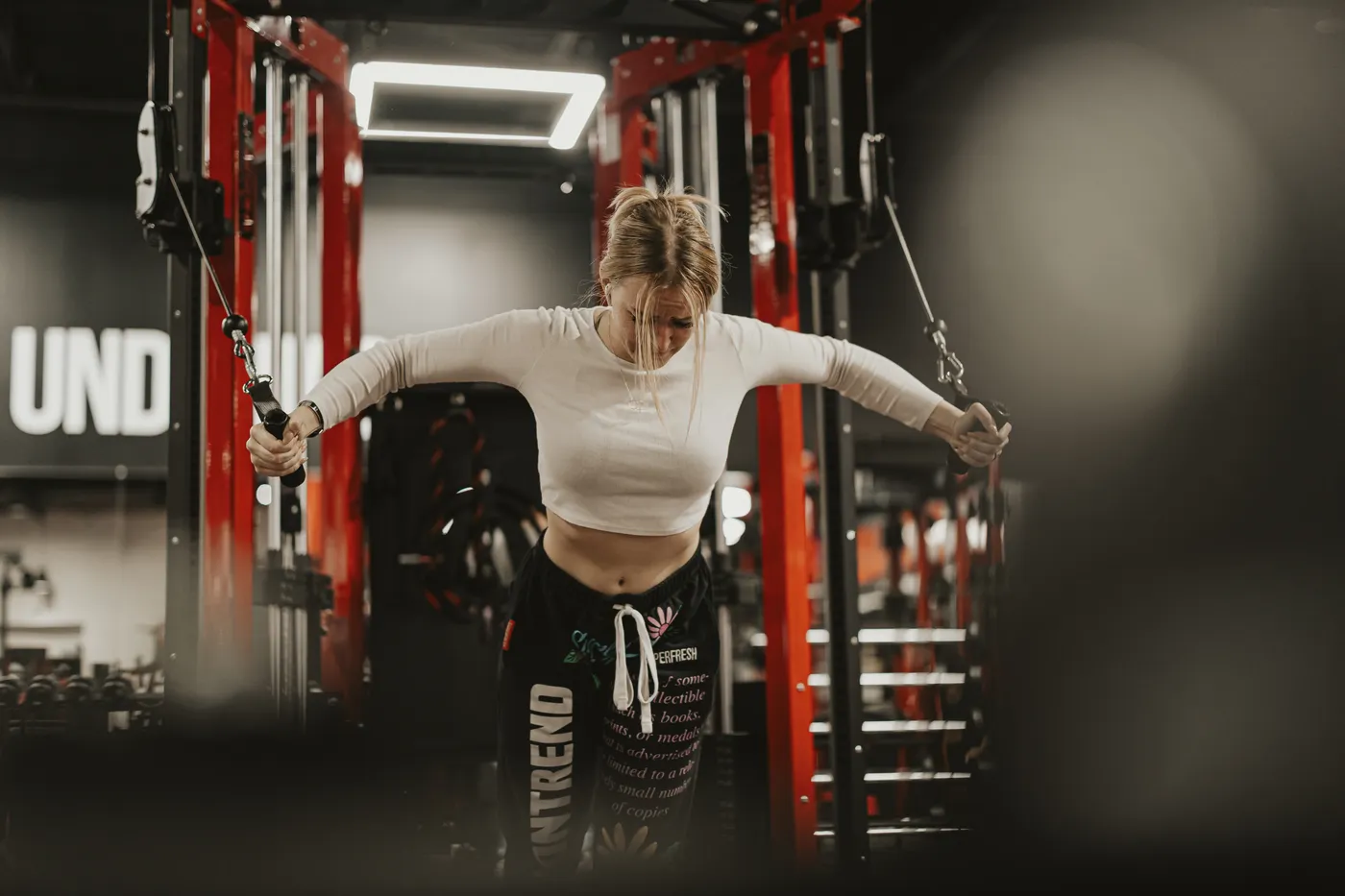
Two full-body sessions per week provide a manageable foundation and align with major muscle-strengthening recommendations for adults. The following is an illustrative general-fitness plan, not a treatment protocol from the study and not a prescription for an anxiety disorder. If you are new to lifting, start with one or two sets, choose movements you can control and leave several repetitions in reserve. Add a third set only when recovery and confidence allow it.
Day A: squat, horizontal push and pull. Begin with three to five minutes of comfortable walking or cycling. Do a goblet squat or supported squat for two sets of eight to twelve; a dumbbell or cable chest press for two sets of eight to twelve; and a seated cable row or supported dumbbell row for two sets of ten to twelve. Finish with a light hip hinge and an optional short carry. Rest long enough to breathe normally and maintain technique. You should be able to finish knowing you could have done more.
Day B: hinge, unilateral leg work and vertical pulling. Warm up gently. Perform a Romanian deadlift with dumbbells or a bar for two sets of eight to ten, a supported split squat for two sets of eight per leg, a lat pulldown for two sets of ten to twelve, and a comfortable incline press for two sets of eight to twelve. Finish with a brief walk or mobility work if you enjoy it. A rack, bench and cable station are convenient, but bands and a pair of adjustable dumbbells can cover much of this plan.
Keep the first week deliberately easy. Increase load in small steps when all repetitions are controlled and the final set feels repeatable. If a demanding day leaves you drained, reduce the load or do a shorter session rather than turning a missed workout into a moral verdict. The training should fit your life, not consume it.
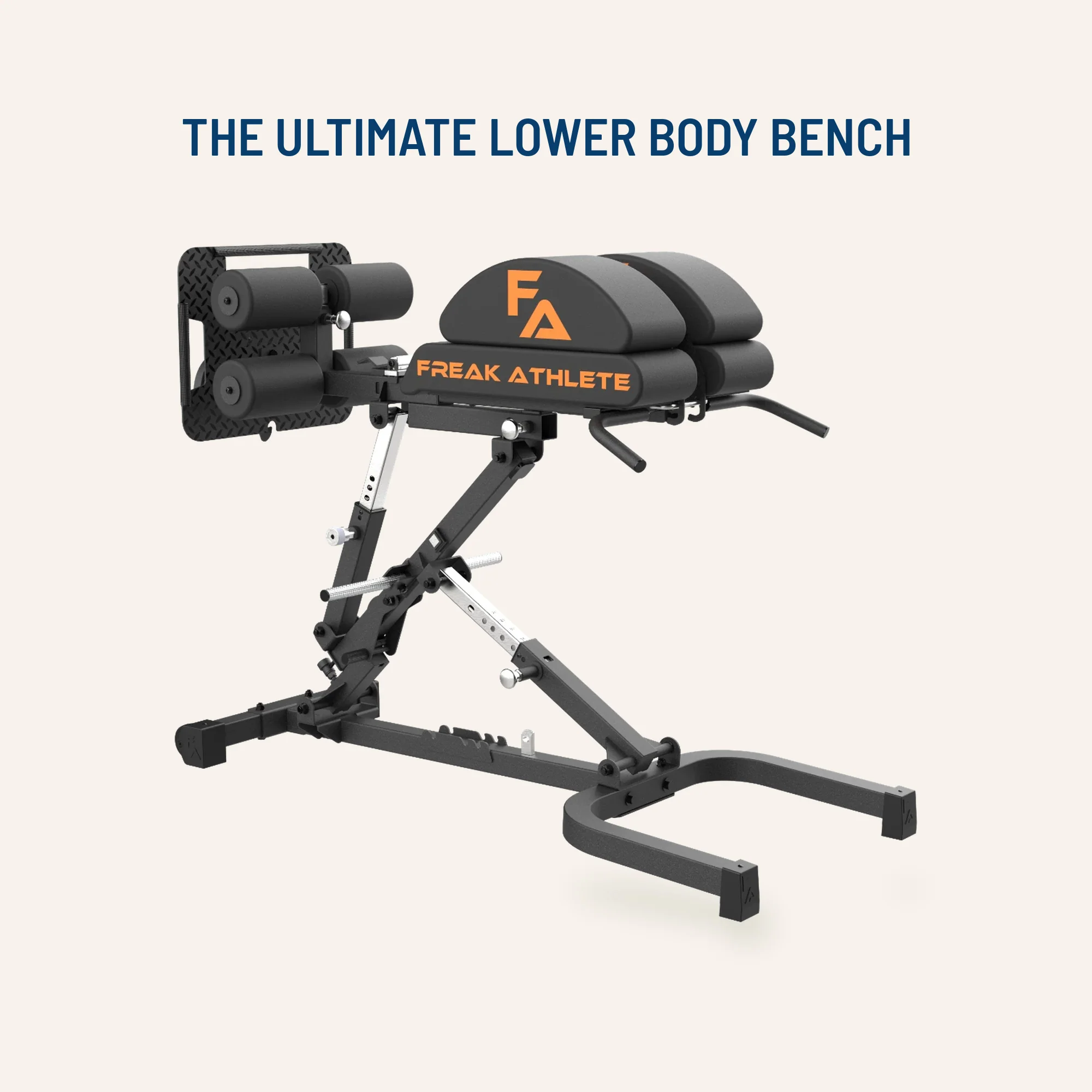
Equipment Worth Exploring
Explore equipment, accessories and gear from our carefully selected range.




7. A four-week audit that measures more than the weight
For the next four weeks, track three things after each session: whether you showed up, what you completed and how the session felt. Record exercise, load, sets and repetitions as usual. Then add one brief note about energy, enjoyment or perceived tension. Avoid using a single mood score to diagnose progress. Psychological states fluctuate for reasons far beyond the gym, including sleep, work, relationships and health.
In week one, establish a comfortable baseline. In week two, repeat the same exercises and see whether the movements feel more familiar. In week three, add a repetition or a small load increase where appropriate, without sacrificing form. In week four, review consistency, technique and your ability to recover between sessions. If the program has become easier to approach, that is useful information even if the scale, mirror or mood questionnaire has not changed dramatically.
Also ask whether the routine has created problems: persistent fatigue, dread before workouts, pain or an urge to train through illness. Those are reasons to adjust, not reasons to push harder. If anxiety symptoms are disrupting ordinary activities, professional assessment remains important regardless of how regularly you exercise. You can value the gym and still use therapy, medical care or other forms of support.
The most useful conclusion from the 55-woman trial is not a slogan about lifting away anxiety. It is permission to be more precise. Both structured training conditions improved on anxiety-related measures, while the trial did not confirm that heavier training was psychologically superior. Build strength because strength matters. Keep the routine accessible because consistency matters. And let any improvement in well-being be part of a bigger, healthier picture.