Advertising disclosure: This page includes affiliate links that may earn us a commission at no additional cost to you.
Potatoes can make a training meal easier to assemble: cook the carbohydrate base, add a protein food and include some vegetables. The difficulty usually starts when the whole plate gets described simply as a potato. Oil, cheese, beans, tuna and sauces all change what the meal provides.
For lifters, the useful question is how that meal fits the day. A plain potato, a loaded jacket and a bowl of wedges can all have a place, but they are different preparations. You can make better choices without treating one ingredient as either a physique shortcut or a food you must avoid.
Give the potato a clear role on the plate
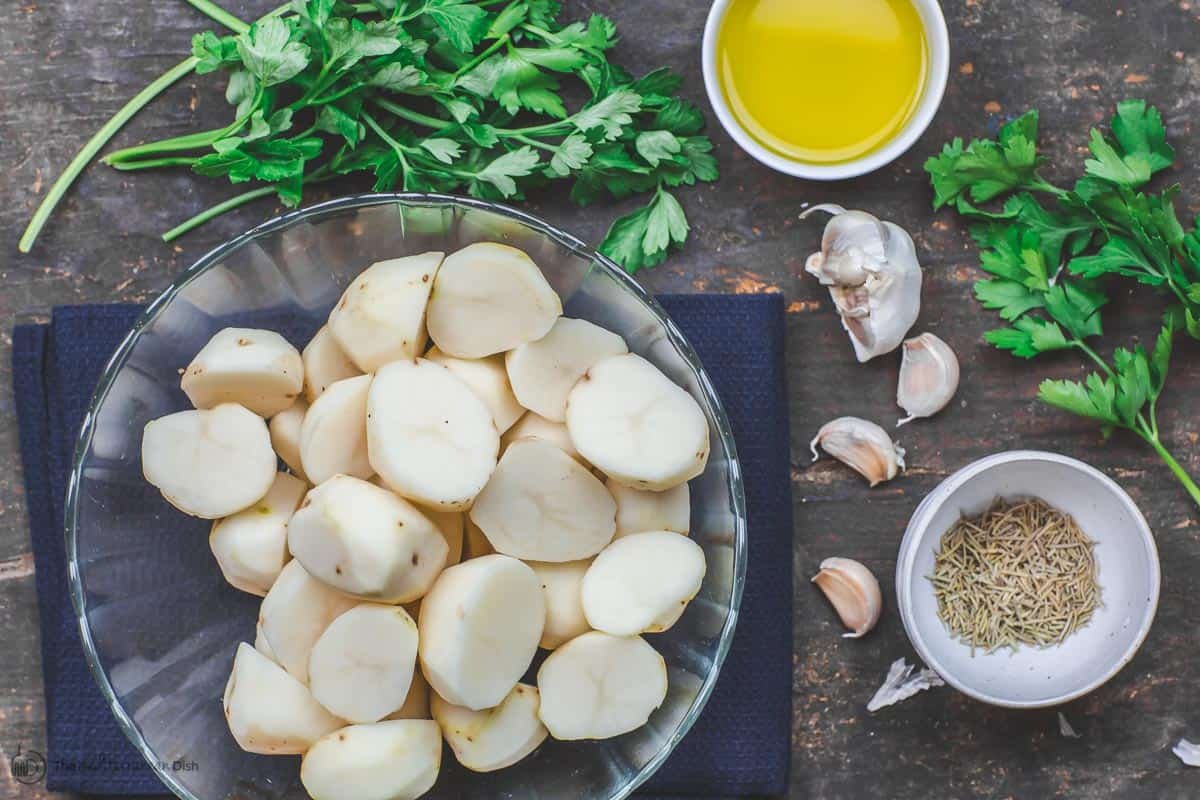
Potatoes supply starchy carbohydrate. That makes them a practical energy component alongside rice, pasta, bread and other staples. They contribute some other nutrients too, but a plate built mainly from potatoes still needs thought about protein and vegetable variety. In UK dietary guidance, ordinary potatoes belong with starchy foods and do not count towards the five-a-day fruit-and-vegetable target.
Use that distinction when assembling dinner. Start with the potato as the carbohydrate part, then decide what will provide protein and what vegetables you want alongside it. Chicken with boiled potatoes and green beans is one example. A jacket potato with beans and a mixed salad is another. These are meal ideas, not measured recipes with guaranteed nutrition totals.
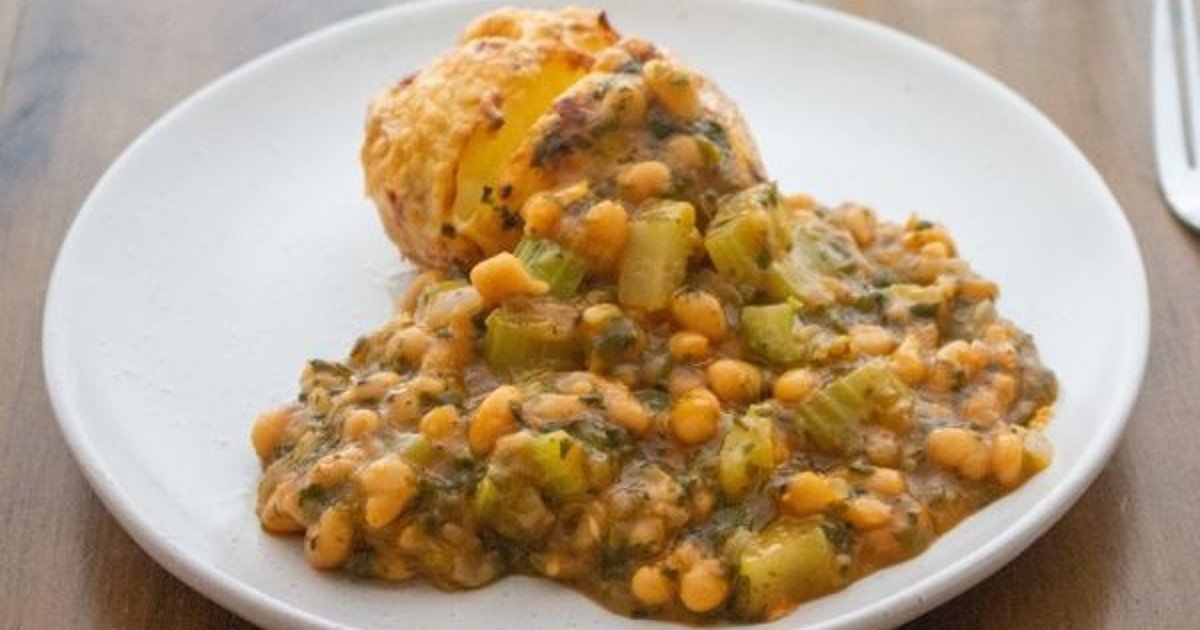
The same approach helps when looking at a photograph. A large potato topped with a small decorative spoonful of tuna is not automatically a high-protein meal. Nor does a sprinkling of herbs replace a meaningful vegetable serving. Identify the ingredients and their amounts rather than giving the plate a nutritional label from its appearance.
If you already enjoy rice or pasta, there is no requirement to replace them. Potatoes add another option for changing texture, flavour and cooking routine. Variety can make a repeated meal plan easier to follow without requiring every dinner to introduce a completely new recipe.
Choose the cooking method before judging the meal
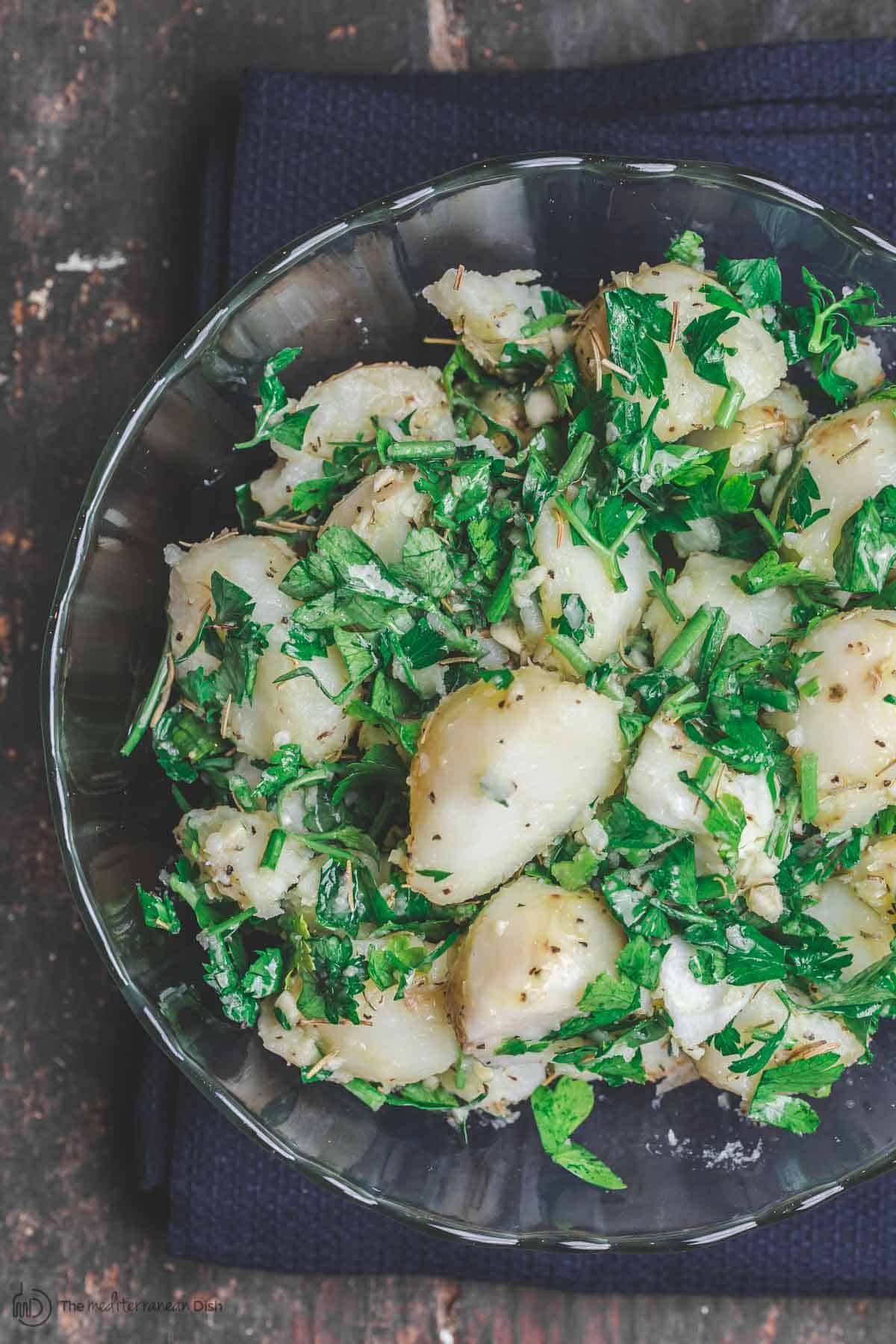
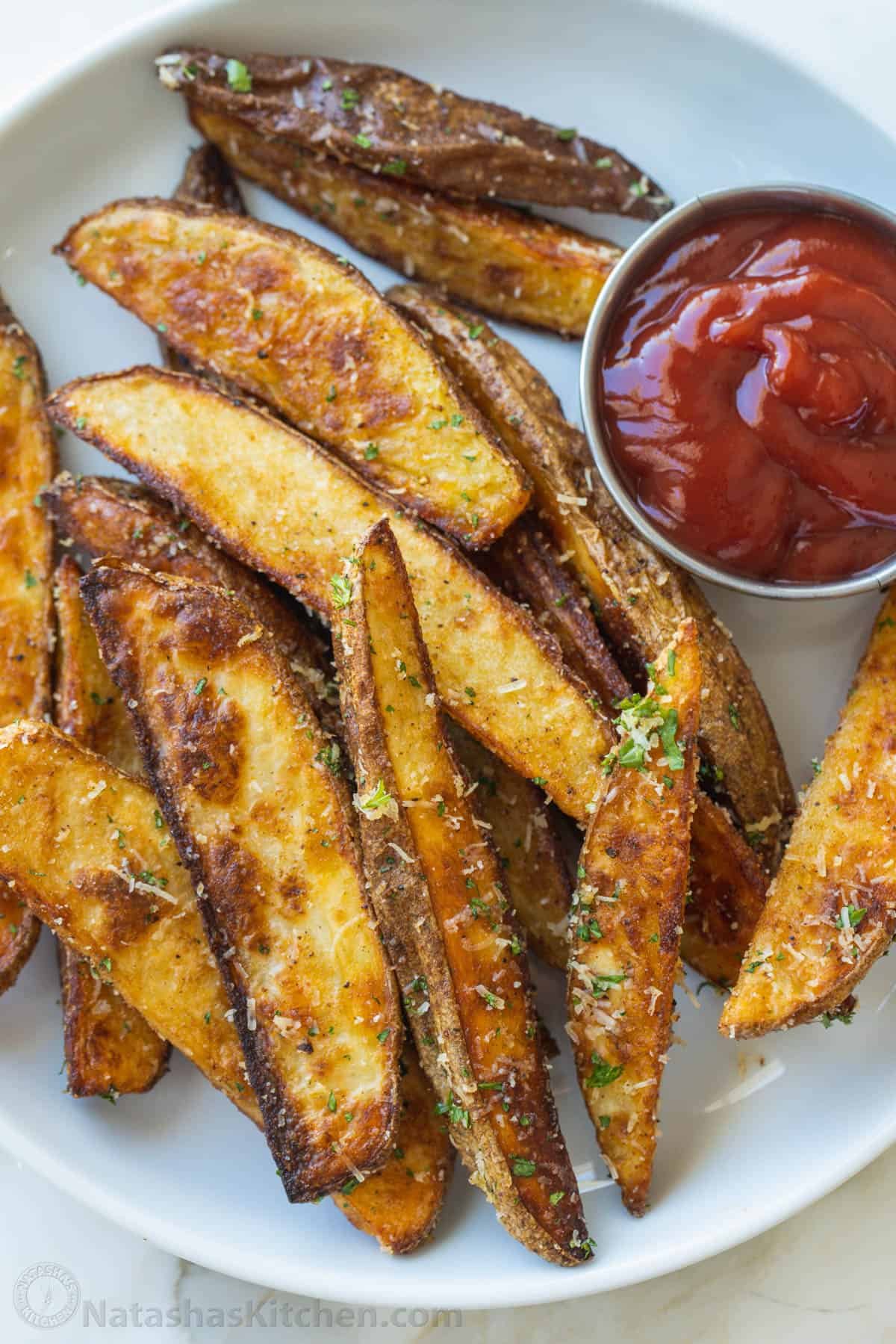
Boiling and baking let you prepare potatoes with relatively little added fat. Roasting and making wedges can also work, but the oil and toppings remain part of the meal. Skin-on preparations retain more fibre than peeling everything away. Choose a method you enjoy, then account for what you actually add.
For example, compare a boiled potato served with herbs against potatoes tossed generously in oil and finished with butter. Both contain potatoes. They differ because the finished dish contains different ingredients and amounts. Describing both as a serving of potatoes conceals the information you need if you are managing overall energy intake.
Keep changes easy to evaluate. If you are trying a different preparation, change one element first: the quantity of oil, the topping, or the portion of the main dish. Changing all three while also replacing the protein food makes it harder to understand why the meal feels more or less satisfying.
You do not need to make every meal as low-fat as possible. The aim is an intentional balance across the day, with room for enjoyment. A richer preparation can fit that balance, while a simpler one may leave more flexibility for other foods. Neither choice proves that your diet is successful from one plate alone.
Use portions that match the food you measured
A medium potato is a convenient description at the dinner table, but it is an imprecise unit for detailed tracking. Potatoes vary in size, and cooked dishes differ in water and added ingredients. If you use a food log, choose an entry that matches the preparation and the state in which you weighed the food.
Do not apply an entry for plain boiled potatoes to a finished bowl of cheesy wedges and assume the additions are included. Equally, a raw weight and a cooked weight should not be exchanged without checking the basis. Consistency is usually more useful than collecting extra decimal places from an unsuitable entry.
Our guide to serving sizes and food-label calculations explains how to keep the reference amount and your portion on the same basis. For packaged potato dishes, start with the current label and check whether the values describe the product as sold or prepared.
For a shared homemade dish, record the ingredients for the batch before dividing it into portions. Try to distribute the potatoes, toppings and other ingredients reasonably evenly. Equal-looking containers do not establish identical nutrition when one holds most of the cheese or a much larger share of the protein food.
If you prefer not to track numbers, use a repeatable serving routine and adjust it to appetite, training demands and your broader goals. A portion that works while maintaining body weight may need reconsidering when you deliberately change your intake to gain or lose weight. There is no universal potato size that determines that decision for everyone.
Pair the carbohydrate with a protein food you like
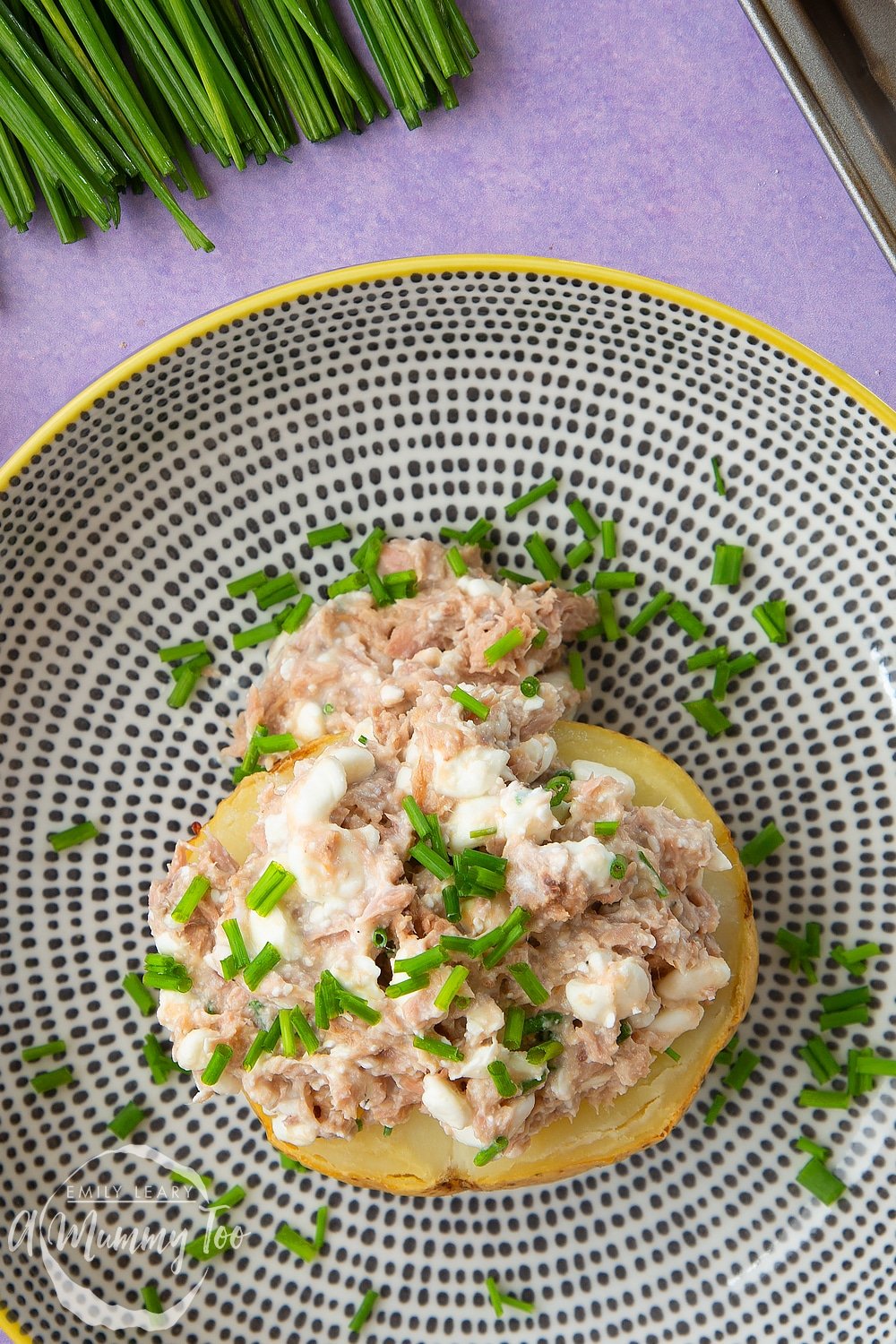
Think of the topping as another ingredient choice. Tuna, cottage cheese, eggs, beans, tofu or chicken offer different flavours and ways to assemble the meal. Check the food and quantity you are using instead of assuming that all protein-containing toppings deliver the same amount.
A jacket potato with tuna and cottage cheese can be convenient because the filling needs little preparation. For more ideas about using the dairy component, our cottage-cheese meal guide covers portions and toppings. It does not establish the nutrition of the particular potato photograph shown here.
Beans offer another filling and contribute carbohydrate as well as protein. Keep the whole combination in view rather than treating each food as if it supplied only one nutrient. The same applies to cheese, which adds flavour and protein alongside other nutrients and energy.
Build a few combinations you genuinely want to repeat. One might use beans, another fish, and another a separate serving of chicken or tofu with vegetables. Buying unfamiliar toppings that sit unused is less helpful than keeping a short list of reliable meals with ingredients you already know how to prepare.
Fit the meal around training without making it complicated
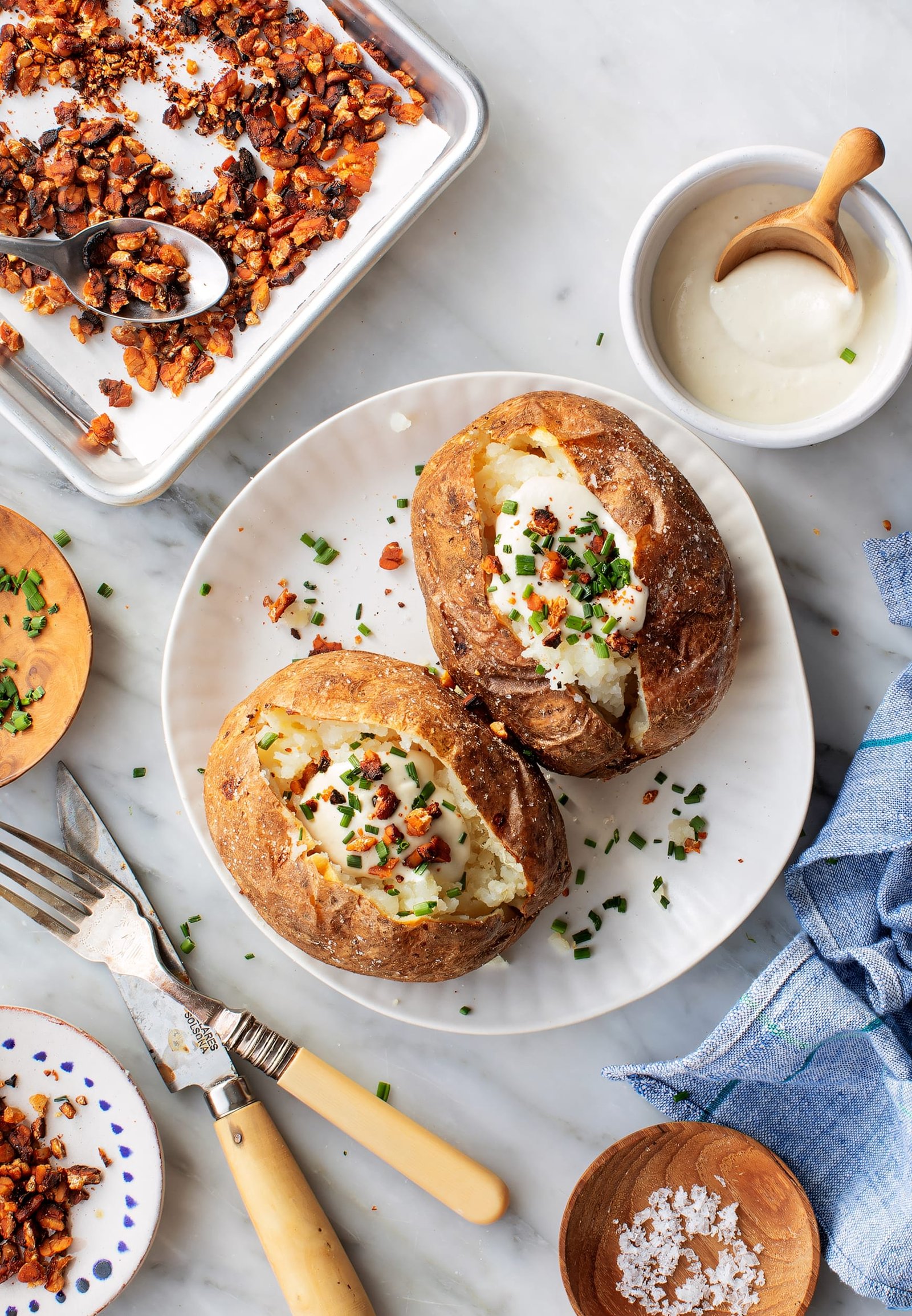
Carbohydrate helps fuel exercise, with needs influenced by how much and how hard you train. General fitness routines can often be supported by ordinary balanced meals. Longer or more demanding schedules may require more deliberate planning. A potato is one possible carbohydrate food in that plan; it is not a complete sports-nutrition strategy by itself.
Use your usual mealtime and digestion as practical starting points. A substantial meal immediately before training may be uncomfortable, especially when it is rich in fat or fibre. Test familiar food and timing in normal sessions rather than trying a large unfamiliar loaded potato just before an important event.
For an evening workout, lunch might include potatoes, a protein food and vegetables, followed later by a familiar snack if needed. After training, dinner can use another ordinary balanced combination. That is an example of organising meals, not a rule that everyone needs identical portions, an extra snack or a particular recovery deadline.
Keep a simple weekly rotation: choose your potato preparation, protein pairing and vegetables before shopping. If your goal changes, adjust the full meal rather than blaming or praising the potato alone. The useful result is a routine that provides adequate food, suits your digestion and remains enjoyable enough to keep using.

Funny Gym Shirts & Workout Gear
Funny gym shirts, tanks, hoodies and workout gear for lifters who like training hard.

Rice Chicken Broccoli Diet Hooded Meal Prep Hoodie
Keep it laid-back with a little “Rice Chicken Broccoli” attitude.

Do It The Noods Shirt – Bulking & Gains T-Shirt
Rep “Do It For The Noods” humor in and out of the gym.

Lift Eat Repeat & Weightlifting Meme Vest Tank Top
Add some lifting attitude to training with “Lift Eat Repeat”.

Work Hard Eat Hard Bulk T-Shirt
Heavy lifts, good laughs, and a little “Work Hard Eat Hard” energy.

Bulking Season Bulk T-Shirt
Heavy lifts, good laughs, and a little “Bulking Season” energy.

Funny Protein King Gym | Burger King Parody Workout Swe T-Shirt
For laid-back days and burger-loving humor: “Protein King”.

Broccolift Eat Broccoli Lift Decal Water Bottles & Sticker
Put “Broccolift” gym humor on your laptop, bottle, or gym gear.

– I'M Just Here Because I Like To Eat & Foodies Tank Top
Bring “I'm Just Here Because I Like To Eat” humor to your next lifting session.

This Is Your Body On Protein Shirt – Meme & Top T-Shirt
Bring “This Is Your Body On Protein” humor to your next gym day.

Hungry Hungry Hippo Shirt – Fast Food Bulking T-Shirt
Show some carb-loving attitude with a playful “Hungry Hungry Hippo” tee.