Calf training has an awkward reputation: lots of effort, slow visible progress, and endless arguments over standing versus seated raises. But a direct 12-week comparison provides a more useful starting point than gym folklore. With the same people training one leg in each knee position, the straight-knee variation produced much larger increases in the two gastrocnemius heads. The deeper soleus did not show the same advantage.
That finding changes how a lifter might prioritize calf exercises, but it does not mean every seated raise is wasted. Knee position, muscle length, weekly sets and technique interact. Here is what the measurements show, what they cannot tell us, and how to build a repeatable program without chasing gimmicks.
Why knee angle changes the muscles doing the work
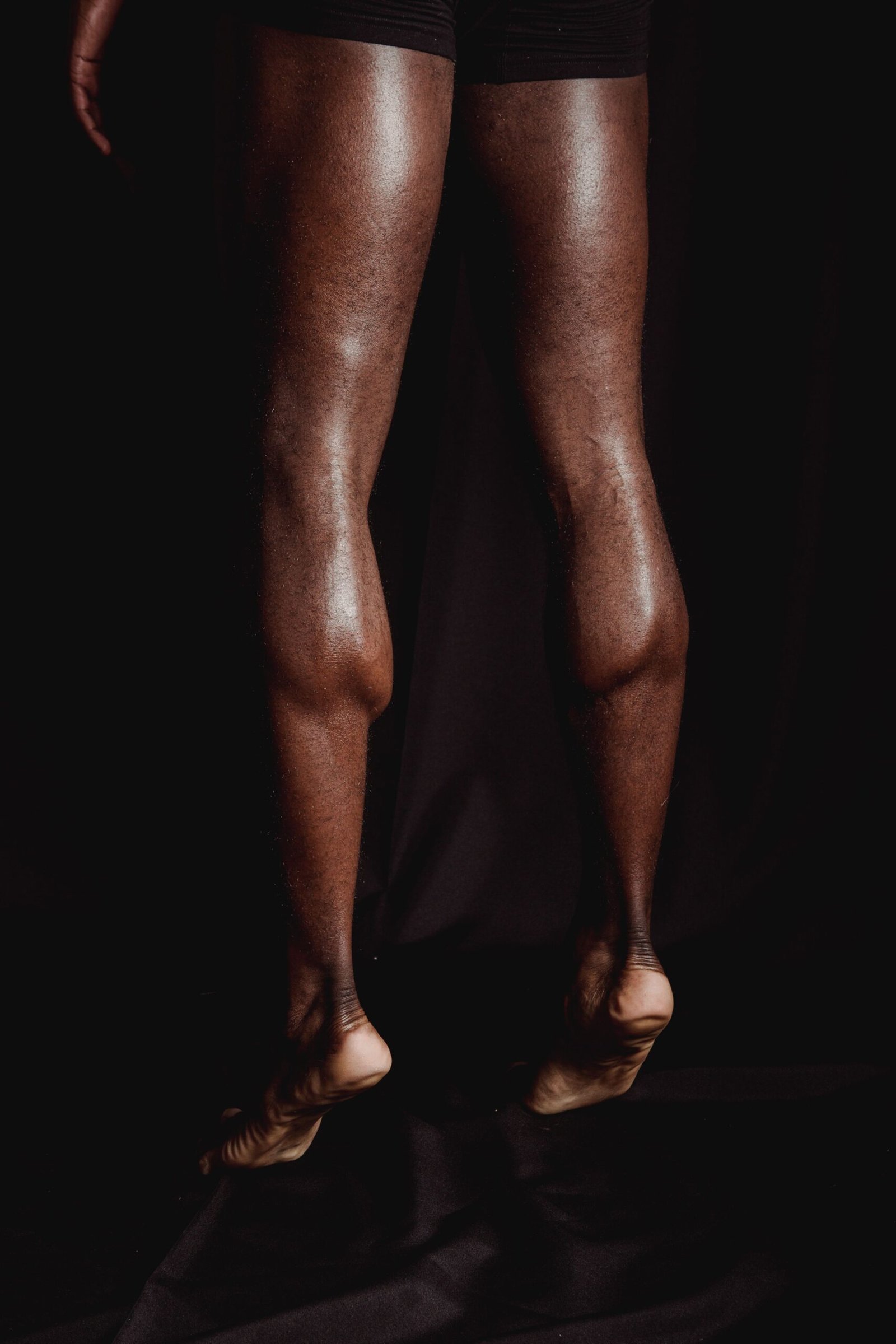
The calf is not a single muscle with a single job. The two prominent heads of the gastrocnemius cross both the knee and ankle; the deeper soleus crosses the ankle but not the knee. Both help point the foot downward, yet the position of your knee changes the length and mechanical contribution of the gastrocnemius. That is why a straight-knee calf raise and a bent-knee calf raise are not interchangeable exercises, even though the ankle appears to perform the same movement.
With the knee extended, the gastrocnemius starts in a relatively lengthened position. Bend the knee deeply and it becomes shorter at the knee before the ankle even moves. A shortened muscle can still produce force, but the balance of contribution across the calf complex changes. The soleus remains capable of working hard in both positions. This distinction matters when someone says that seated calf raises are for the soleus and standing raises are for the gastrocnemius: it is a useful emphasis, not a claim that either movement completely switches one muscle off.
The practical question is not which exercise produces the most dramatic burn during one set. It is which position produces a useful growth stimulus over months of progressive training. A deep stretch, controlled repetitions, sufficient effort and recoverable weekly work all matter alongside knee position. Before changing a routine, it helps to see what was actually measured rather than relying on how an exercise feels.
The 12-week comparison: standing raises won on MRI
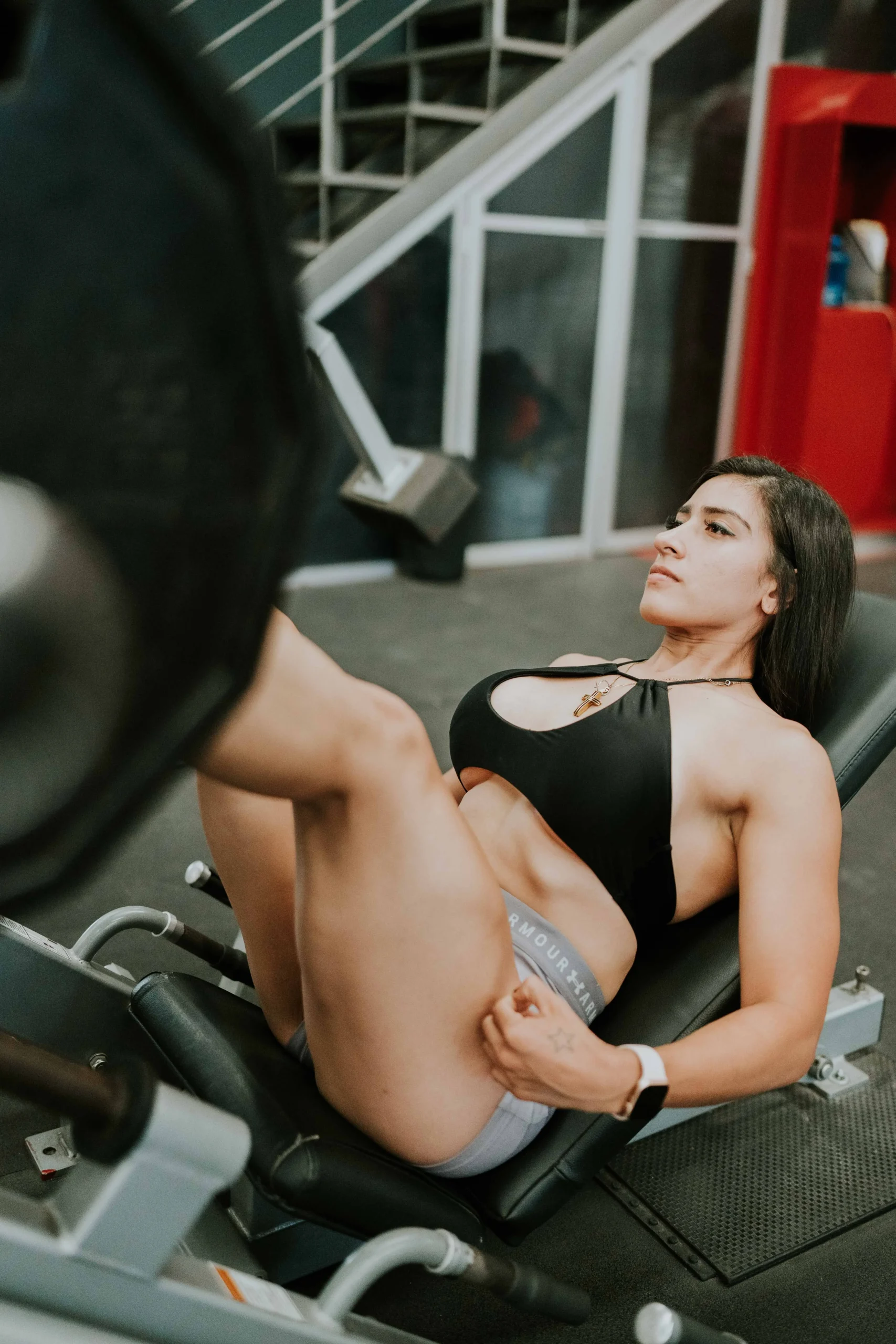
A controlled experiment followed 14 previously untrained adults for 12 weeks. Each person trained one leg using a straight-knee, standing-style calf raise and the other using a seated-style raise with the knee bent to about 90 degrees. Each leg completed five sets of ten repetitions at approximately 70% of its own one-repetition maximum, twice weekly. That within-person design reduced some of the noise that comes from comparing different lifters with different genetics, diets and activity levels.
Researchers measured changes in muscle volume using MRI rather than judging results from photographs or temporary post-workout swelling. The lateral gastrocnemius increased about 12.4% in the straight-knee condition versus 1.7% in the bent-knee condition. The medial gastrocnemius increased about 9.2% versus 0.6%. Those are unusually clear differences for the two visible calf heads. The combined three-muscle calf complex increased about 5.6% versus 2.1%, favoring standing raises.
The soleus told a different story: approximately 2.1% growth with the straight knee and 2.9% with the bent knee, a difference that was not statistically meaningful. The headline is therefore not that seated calf raises do nothing. It is that, in this particular training setup, straight-knee raises produced much greater gastrocnemius growth while soleus growth looked similar.
One caveat is essential: these percentages describe group averages from a small sample of beginners, not a guaranteed rate for an experienced bodybuilder. The experiment tested specific loads, movement positions and a 12-week schedule. It did not establish that every standing machine, every seated machine or every range of motion will produce the same percentage change.

Leg Day Shirts & Workout Gear
Leg-day gym shirts and workout gear for lifters who never skip squats, lunges and lower-body punishment.

Leg Press Dost Thou Even Press Medieval Knight Gym Shir T-Shirt
Make gym days more fun with “Leg Press” style.

Leg Day Thou Shalt Not Skip Leg Day Medieval Knight Gym T-Shirt
Make gym days more fun with “Leg Day” style.

Shirt Never Skip Leg Day Flamingo Meme – Gymbros, & T-Shirt
Rep “Never Skip Leg Day Flamingo Meme” humor in and out of the gym.

Anti Leg Day Leg Day Club & Meme Fans Vest Tank Top
Bring “Anti Leg Day Leg Day Club” humor to your next lifting session.
Heavy Metal Skeleton Squat for Powerlifters, Bodybuilde T-Shirt
A t-shirt featuring the Heavy Metal Skeleton Squat for Powerlifters, Bodybuilders and Leg Day Lifters artwork, bringing lifting-inspired humor and distinctive gym graphics to your everyday gear.

I Love Squats – Valentine's Day Leg Day Meme Jumper T-Shirt
For laid-back days and leg-day humor: “I Love Squats”.

Hilarious Leg Day Meme – Rock Music Gym & Funny Workout Sticker
Bring “Hilarious Leg Day Meme” attitude to your water bottle or laptop.

Viking Squats – Norse Workout Meme Pullover Jumper T-Shirt
Bring “Viking Squats” humor to your everyday gym style.

Everyday Is Leg Day Octopus Meme & Top T-Shirt
Show some leg-day attitude with a playful “Everyday Is Leg Day Funny Octopus” tee.

Leg Day Meme – & Workout Pullover for Weightlifting Fan Hoodie
Stay casual and show some leg-day attitude with “Leg Day Meme”.
Standing versus seated: what the result does not mean
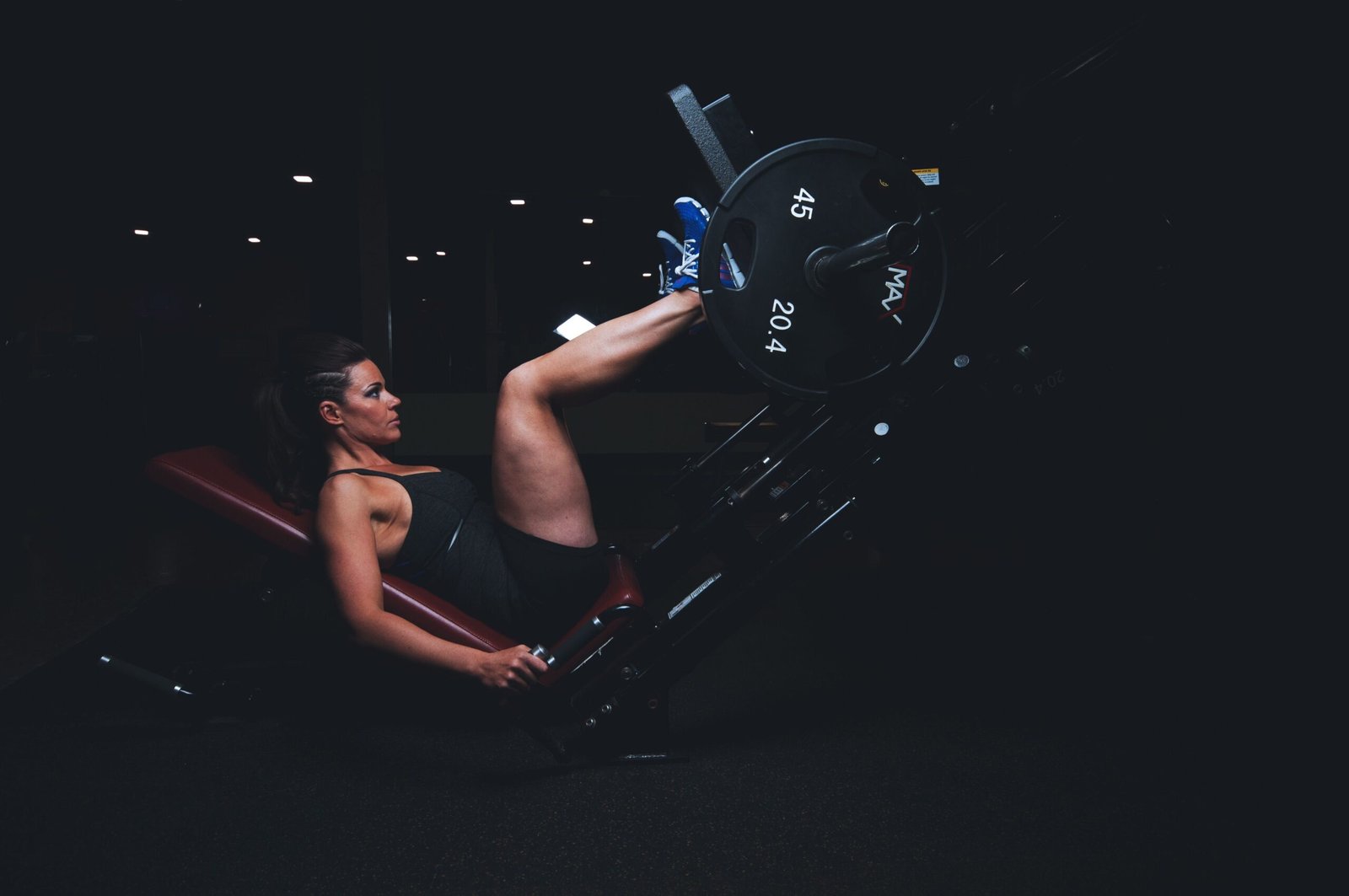
The strongest interpretation is that knee extension gives the gastrocnemius a more favorable training position for hypertrophy. It does not follow that everyone should throw away the seated calf machine. A seated raise can still challenge the soleus, provide additional lower-leg work and allow lifters to train around equipment limitations or discomfort. The deeper calf muscle contributes heavily to everyday walking and sustained plantarflexion, so neglecting it entirely is not a sensible goal.
Think of exercise selection as a matter of priority. If visible calf size is your main goal and you can perform only one movement, the straight-knee variation has the better direct evidence for the gastrocnemius. If you can perform two, use the straight-knee raise as the foundation and add a bent-knee variation when the extra sets are productive and recoverable. The second movement is an option, not a mandatory secret to calf growth.
A leg press can also train plantarflexion with the knee comparatively straight, but it is not automatically identical to a dedicated standing calf-raise machine. Foot support, range, machine geometry and loading all differ. Never place the feet on an unstable edge or use a setup that risks slipping off the platform. If your equipment cannot support safe ankle motion, use a more stable alternative rather than forcing a supposedly optimal variation.
Another useful distinction is between immediate swelling and long-term growth. In a separate single-session comparison involving 17 young women, straight-knee raises produced more acute swelling in the gastrocnemius, while bent-knee raises produced more soleus swelling. That short-term response helps explain exercise sensations, but swelling after one workout is not the same thing as muscle gained over 12 weeks. Longitudinal measurements deserve more weight.
The bottom stretch, partial reps and range of motion
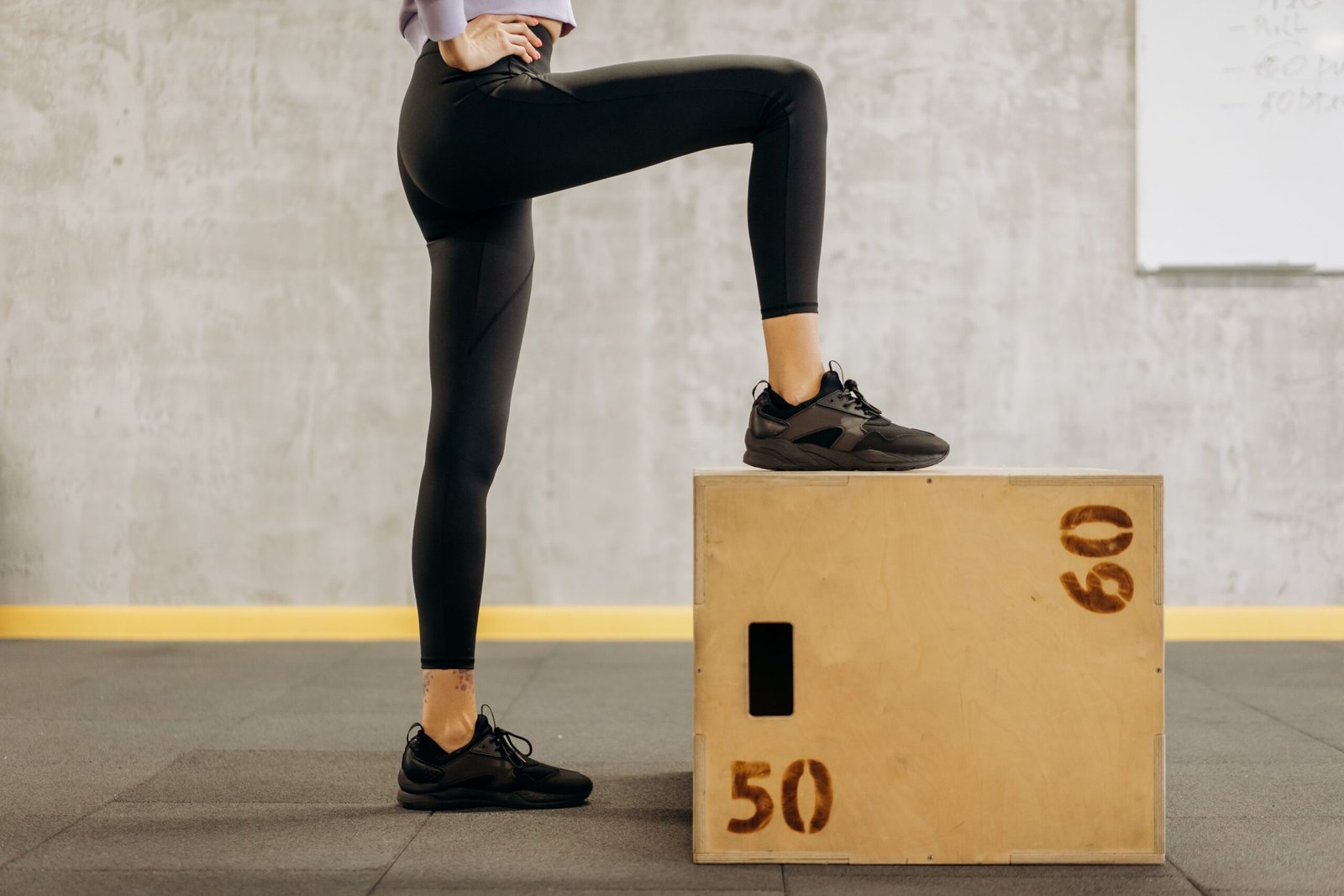
Knee angle is only part of the story. The ankle’s range of motion determines where the calf muscles spend time under load. During a controlled raise, the heel descends as the ankle dorsiflexes, lengthening the calf before the lifter presses through the ball of the foot. Bouncing rapidly out of that position may move more weight, but it makes it harder to judge whether the muscle is doing the work or elastic recoil is helping.
An eight-week experiment with 42 young women compared calf raises through a full range, only the stretched bottom portion, or only the shortened top portion. The medial gastrocnemius grew about 15.2% with bottom-range partials, compared with 6.7% through full range and 3.4% with top-range partials. For the lateral head, the stretched-partial condition exceeded the top-range condition, but its advantage over full-range training did not reach conventional statistical significance. Those details matter: the data support the importance of training at longer lengths without proving that everyone should abandon full repetitions.
For most lifters, a controlled full-range raise is a straightforward starting point. Lower the heel to a comfortable stretch, avoid collapsing the ankle, pause briefly if needed, then rise deliberately as high as you can without rolling the foot. When using partial repetitions as an accessory method, prioritize controlled work near the lengthened position rather than turning every set into short bounces at the top.
More stretch is not automatically better if the Achilles tendon or ankle is irritated. Use a range you can control and progress gradually. A sturdy step, dedicated calf machine or stable footplate can be useful; the specific tool matters less than consistent loading, a secure stance and a repeatable movement.

Equipment Worth Exploring
Explore equipment, accessories and gear from our carefully selected range.


VOLTRA
Compact digital cable trainer with smooth, adjustable resistance.

Go-Tone Pro
Portable digital cable trainer with up to 66 lb (30 kg) of adjustable resistance.


FID Bench MAX
Adjustable bench offering flat, incline, and decline positions + adjustable headrest.

GymPin Squat Wedges
Non-slip 15-degree squat wedges help elevate the heels for deeper quad-focused squats.
How many sets per week actually help calves grow?
Choosing the right variation will not compensate for doing too little useful work or changing exercises every session. A six-week comparison in 61 previously untrained women assigned participants to six, nine or twelve weekly calf-training sets, performed across three days. All groups improved. The twelve-set group increased lateral gastrocnemius thickness about 14.3%, versus 8.1% in the six-set group; soleus thickness rose about 12.7% versus 6.7%. The combined calf-muscle thickness measure also favored twelve sets.
That does not mean twelve is a magic number. The nine-set group was not statistically distinguishable from either six or twelve, the study was short, and the participants were beginners. A lifter already doing heavy squats, running and other lower-body work may tolerate a different amount of direct calf training than someone whose only lower-leg work is a few easy sets after leg day. Tendon tolerance, proximity to failure, range of motion and weekly frequency all affect what counts as a productive set.
A reasonable starting approach is six to eight challenging direct sets per week, split across two or three sessions. Keep the exercise and technique stable long enough to track progress. If the calves recover well and measurements or performance stall, increase toward ten or twelve sets gradually rather than doubling volume overnight. If soreness, Achilles irritation or declining performance persist, reduce the work before adding more.
One small nine-week comparison also found that toe direction shifted which gastrocnemius head grew more. Toes-out work favored the medial head, while toes-in work favored the lateral head. This is interesting but lower priority than knee angle, progressive overload and adequate volume. Keep the foot position comfortable and mostly neutral unless there is a good reason to experiment.
Bodybuilding Shirts & Workout Gear
Bodybuilding shirts, tanks and gym gear for lifters chasing muscle, size, symmetry and the pump.

The Quadfather Leg Day Meme Top & T-Shirt
Bring “The Quadfather” humor to your next gym day.

Funny Squat Queen Gym | Burger King Parody Workout Swea T-Shirt
Add a playful “Squat Queen” touch to your casual rotation.

Trap Bar Deadlift Behold Thee Trap Bar Medieval Knight T-Shirt
Make gym days more fun with “Trap Bar Deadlift” style.

Freedom To Skip Leg Day – Patriotic Statue of Liberty W Sticker
Give your everyday gear a playful “Freedom To Skip Leg Day” twist.


Dont Skip Leg Day Hooded Pullover Deadpool Fans Hoodie
Keep it laid-back with a little “Dont Skip Leg Day” attitude.

Leg Day Gains | LEGO Inspired Workout Sweater For Squat T-Shirt
Add a playful “Leg Day Gains” touch to your casual rotation.

Heavy Metal Leg Day – Shirt Squats & Gains – & T-Shirt
Show some metalhead attitude with a playful “Heavy Metal Leg Day” tee.

Funny Squat Game Gym | Squid Game Parody Workout Sweate T-Shirt
Add a playful “Squat Game” touch to your casual rotation.

Shirt – Squat Inspector Leg Day & Booty Gains – Meme T-Shirt
Make gym days more fun with “Squat Inspector” style.
A practical calf routine without unnecessary complexity
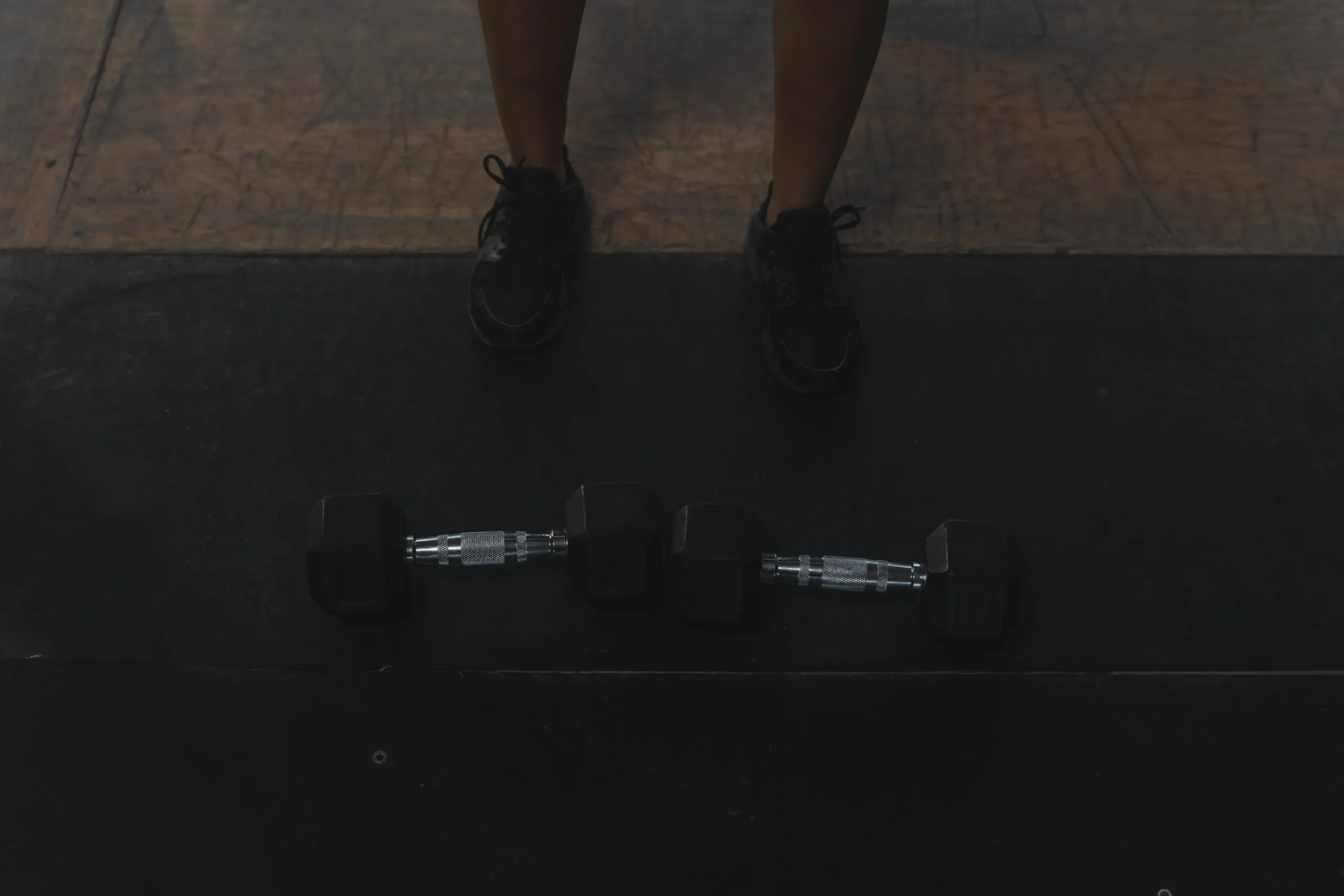
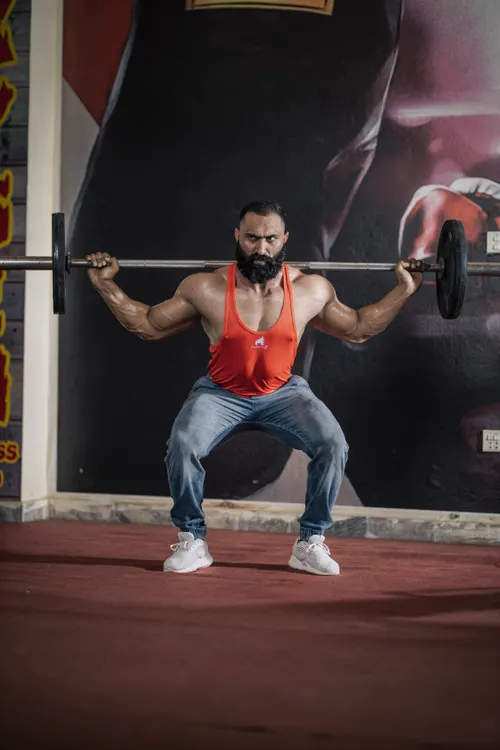
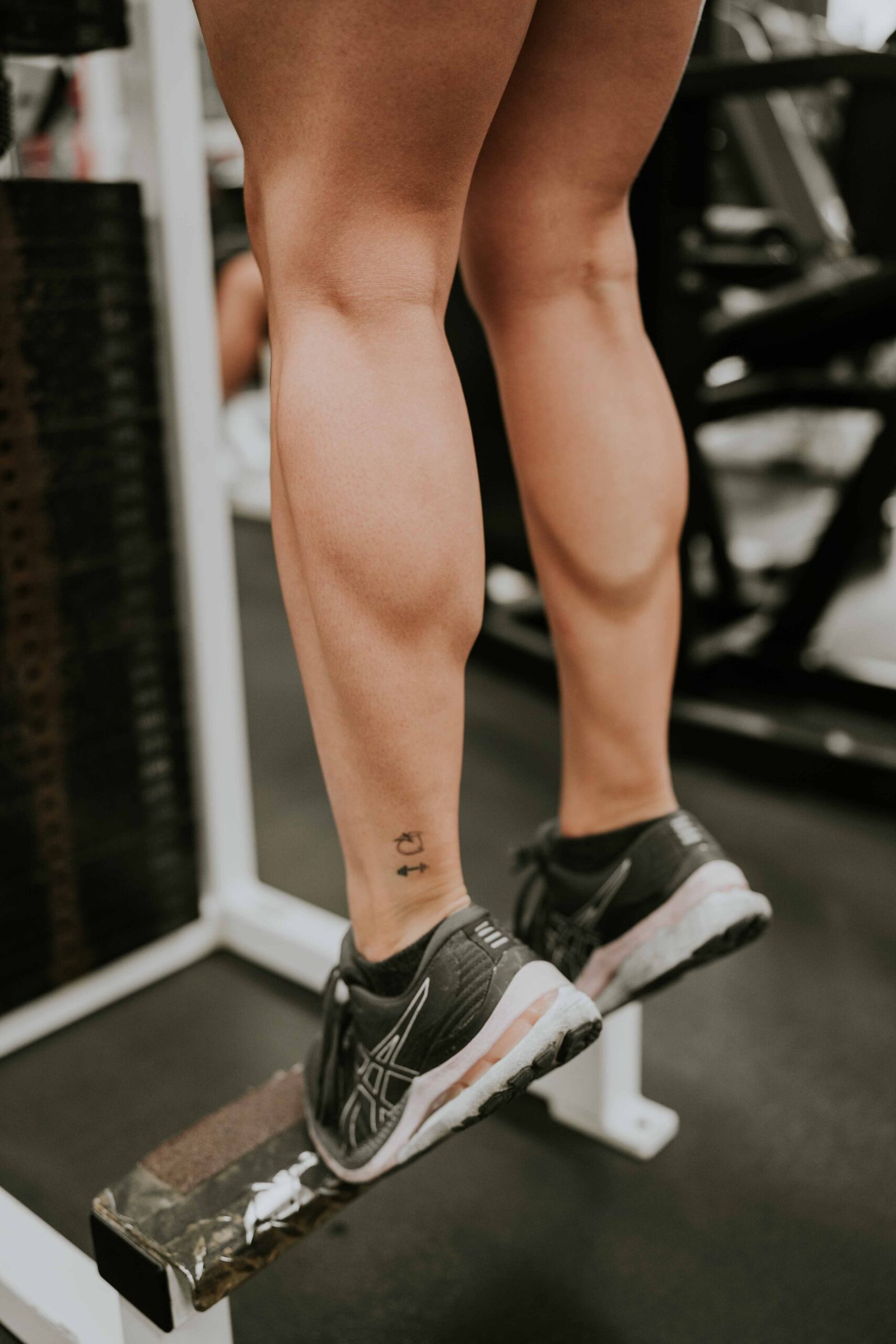
Start with a straight-knee calf raise you can load safely. A standing machine, stable Smith-machine setup or appropriately controlled dumbbell variation can work. The key is a consistent heel path, a secure foot platform and a load that challenges the target muscles without forcing you to bounce. If balance limits the set, hold a support with one hand rather than treating wobbling as part of calf training.
For a straightforward twice-weekly plan, perform three or four sets of straight-knee calf raises per session, usually in a moderate-to-high repetition range such as eight to fifteen controlled reps. Rest long enough to repeat high-quality sets. Add one or two sets of bent-knee raises if you want extra soleus-focused work and can recover from it. This is an illustrative starting plan, not the exact protocol used in the MRI experiment.
Use a simple progression rule. Pick a rep range, record the load and repetitions, and increase the load only after you can complete the top end with the same ankle depth and control. If a 40 kg raise progresses from 10, 10 and 9 reps to 15, 15 and 15 across sessions, a small load increase makes more sense than suddenly cutting the movement short to lift a bigger number. The weight matters only when the repetitions remain comparable.
Do not assume that calves must be trained every day because they are used for walking. Daily activity and demanding resistance sets are different stimuli. Spreading challenging sets over the week can make quality easier to maintain, especially if you also run, jump or play sport. Keep at least a modest margin for tendon recovery and adjust the schedule to the rest of your leg training.
Equipment can make loading more convenient, but it does not replace consistent effort. A weighted vest or dumbbells can increase resistance in a standing raise; a barbell or cable system can work when the setup is stable and appropriate. A bench makes seated loading possible, although improvised heavy weights across the thighs should be secured rather than balanced precariously.
The limits of the evidence—and the best takeaway
The clearest finding comes from a small, carefully controlled 12-week comparison: straight-knee calf raises produced much more gastrocnemius growth than bent-knee raises in untrained adults, while soleus growth was similar. That is useful evidence for choosing a main calf exercise. It is not proof that seated raises are worthless, that the same percentages apply to experienced lifters, or that one machine design is universally superior.
The other experiments answer related but different questions. A stretched-range study compared portions of ankle motion, a volume study compared weekly set counts, a toe-angle study examined head-specific growth, and an acute swelling experiment measured a response to a single session. None of them alone can tell you the perfect combination of knee angle, range, volume, frequency and effort for every lifter. Results should be combined cautiously rather than treated as interchangeable.
Progress is easier to evaluate when you keep the basics consistent. Track load and repetitions at a repeatable depth, train close enough to meaningful effort, and allow weeks rather than days for adaptation. Calf circumference can be monitored under similar conditions, but it changes with body fat, fluid and measurement technique; strength progression and longer-term photos add context. If pain develops, do not interpret it as proof that the program is working.
If you have been spending all your calf time on seated raises and want bigger gastrocnemius muscles, shift some of that work to a straight-knee variation first. If you already train standing raises hard and consistently, the next improvement may be better depth, more recoverable sets or a more systematic progression—not a more exotic exercise. The most defensible plan is also the simplest: prioritize standing raises for the visible calf heads, use seated work as a complement, and judge the result over a sustained training block.
Equipment Worth Exploring
Explore equipment, accessories and gear from our carefully selected range.



Squat Harness
Wearable harness for hands-free cable squats, sled work, and lower-body training.

Belt Squat Collar
Heavy-duty collar adapter for compatible belt-squat and landmine bar setups.


Some product links may be affiliate links, which can support Mind Muscle Perfection at no additional cost to you.