Advertising disclosure: This page includes affiliate links that may earn us a commission at no additional cost to you.
Weston McKennie has a job that rarely looks the same for two consecutive matches. A midfielder who can fill different roles needs enough stamina to keep moving, the power to change direction under pressure and the strength to compete for position. His gym work has to support those qualities without leaving him too tired to use them on the pitch.
In June 2026, during preparations for the World Cup, McKennie discussed how he adjusts his gym and conditioning work as the competitive calendar changes. He described brief sprint-and-cut drills, familiar compound lifts, suspension training and light cycling after games. Those details offer a useful starting point for anyone combining football with strength training. They do not, however, reveal a complete training program with prescribed loads, sets and recovery intervals.
The real lesson is to manage several physical qualities within the same week. Here is how that principle can guide a recreational football player who also wants to become stronger in the gym.
Build a useful base, then adapt to the match
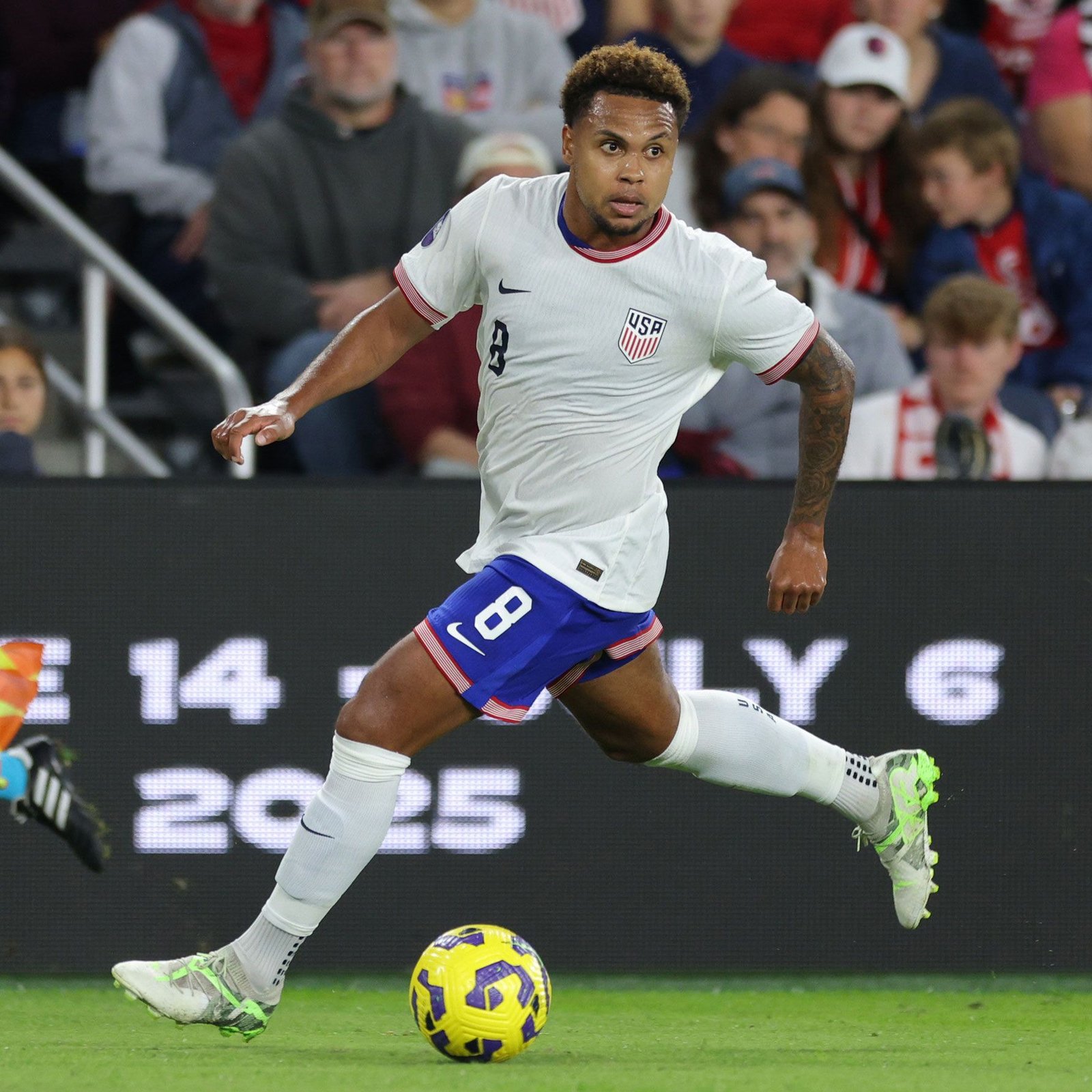
A player covering central midfield might have to accelerate toward a loose ball, slow down to receive a pass, turn away from a defender and then run back toward their own goal. The effort is intermittent, and the direction, distance and intensity change with the game. Being able to jog continuously is valuable, but it does not automatically prepare someone to produce sharp movements late in a match.
McKennie’s training discussion distinguished preseason endurance work from the more adaptable approach required during competition. That distinction matters because there is a difference between building physical capacity when matches are infrequent and maintaining it while regular games provide a large amount of demanding activity themselves.
For a recreational player, think of your training year in two broad modes. During a break from competition, you can gradually increase resistance training volume and develop aerobic fitness. During the playing season, you may need to maintain much of what you have built with shorter sessions. Neither mode means abandoning the other qualities entirely.
Before changing your program, record a baseline. Note your usual weekly football hours, how many hard gym sets you perform for the legs, your typical sleep and how your legs feel during the first half of a game. A short record of perceived readiness, rather than another maximal fitness test, can help reveal whether you are recovering from your current workload.
If your speed declines substantially when the game begins, the problem might not be a lack of exercises. You may already be doing enough work but scheduling too much of it close to competition. Conversely, if you consistently feel fresh but lose the ability to repeat hard efforts later in games, a gradual increase in conditioning could be more useful than making every gym session heavier.
Train acceleration and braking, not just running distance
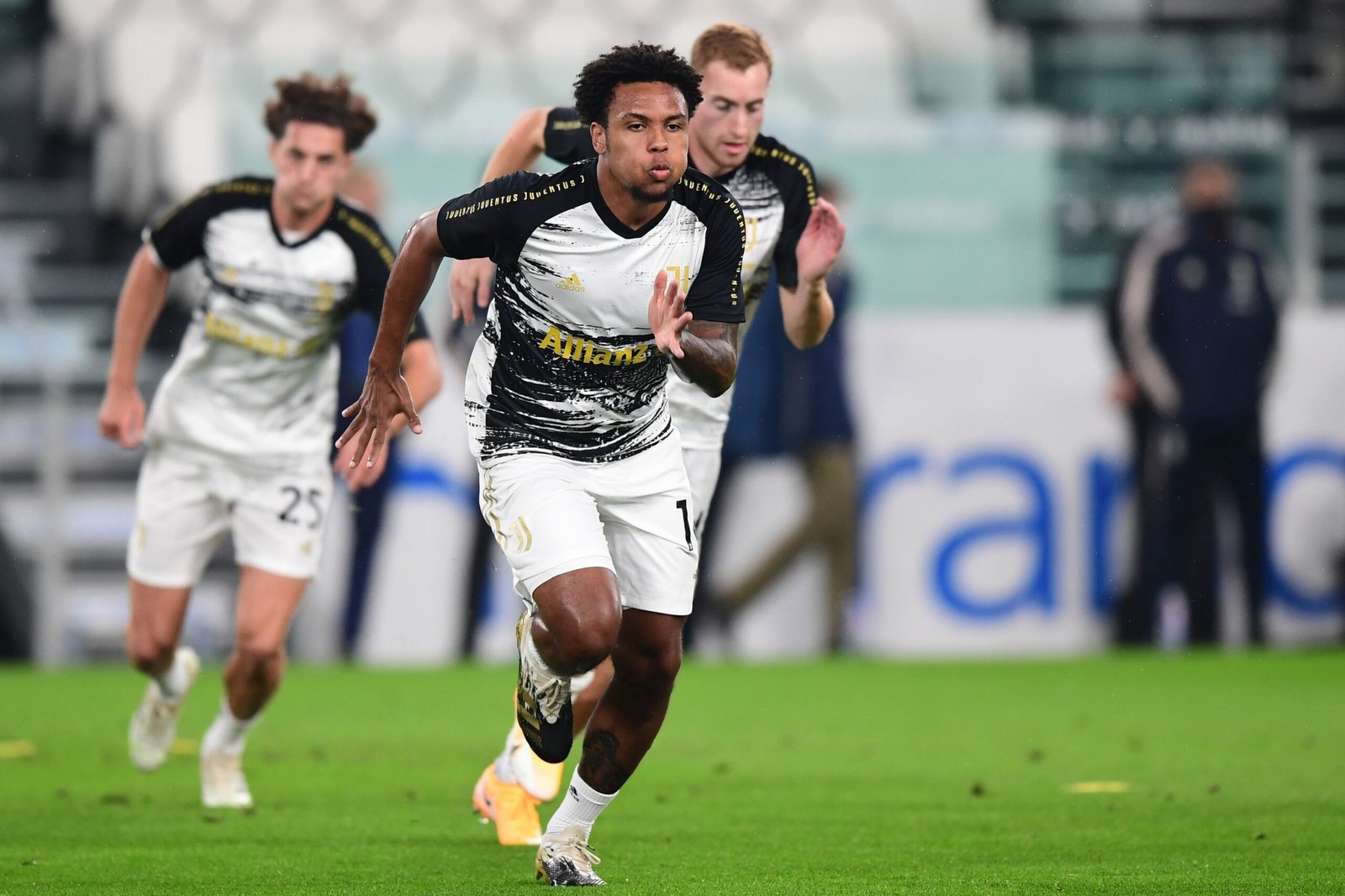
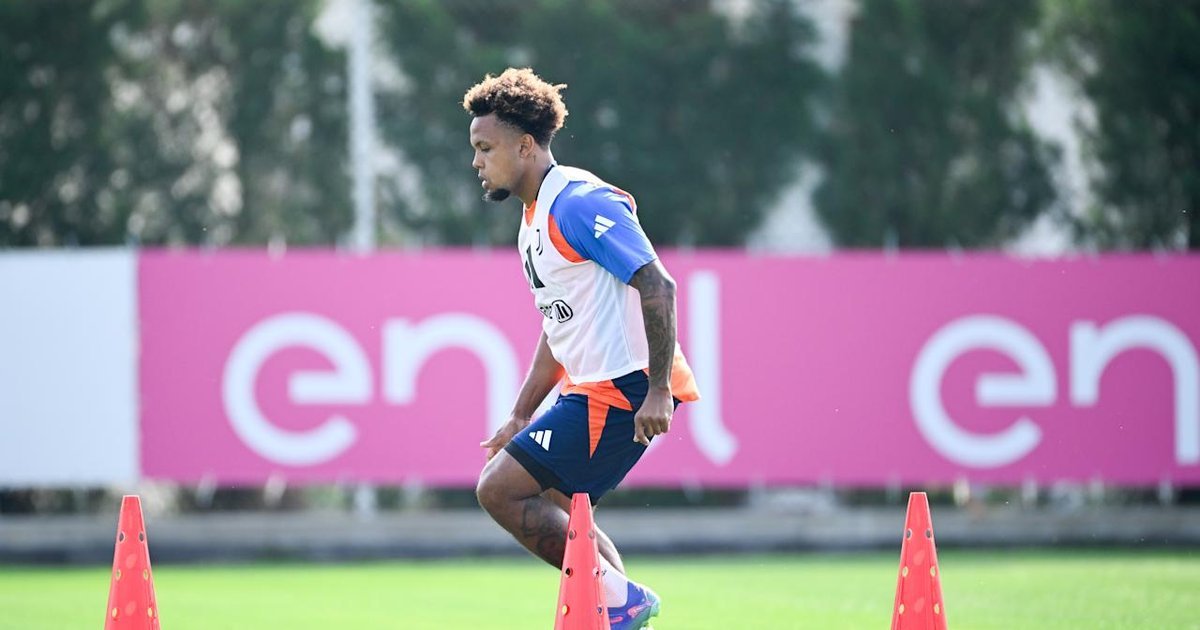
Football acceleration takes place over a wide range of distances. The first few steps can decide whether you reach a pass or close down a space. McKennie’s discussion of short accelerations and changes of direction is a reminder that the ability to stop and redirect force deserves attention alongside straight-line speed.
Separate speed practice from fatigue conditioning initially. During speed work, the goal is to produce crisp efforts with a consistent starting position, enough recovery and sound movement. During conditioning, the goal may be to repeat efforts despite accumulating fatigue. If you combine both objectives immediately, it can become difficult to tell whether you are improving movement quality or simply tolerating more discomfort.
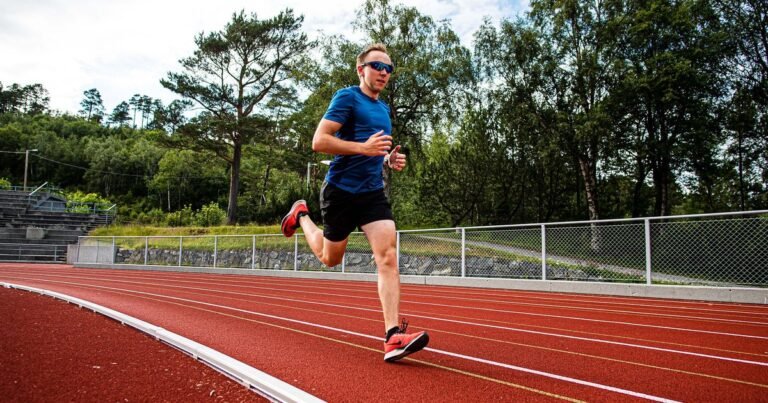
After an easy warm-up and several progressive accelerations, an example introductory session might include four to six runs of 10 metres, with a relaxed walk back and further rest if needed. Then practise three controlled direction changes to each side, starting at a speed you can manage. Use a clear, unobstructed surface with suitable footwear. Increase approach speed only when you can consistently control the braking phase.
When turning, avoid reaching far out with the plant foot just to hit a marker. Reduce speed over the preceding steps, keep the body balanced and allow the hips and knees to absorb force. A coach can help adjust movement for the individual and the specific direction change. The aim is not to make every cut look identical but to maintain control while responding to a new direction.
Research on combined strength and explosive training in male football players has found improvements in sprint, jump and planned direction-change tests. A more recent pooled analysis of functional training also reported improvements in some sprint and change-of-direction outcomes, although results varied considerably. These tests are useful indicators, not guarantees of better tactical decisions or match performance.
If you have limited space, you can practise low-speed stopping mechanics and small direction changes without performing all-out sprints indoors. Use a proper field for higher-speed work. Progress from known movements to simple reactions to a teammate’s signal once you can control the basic pattern.
Keep strength work productive instead of exhausting
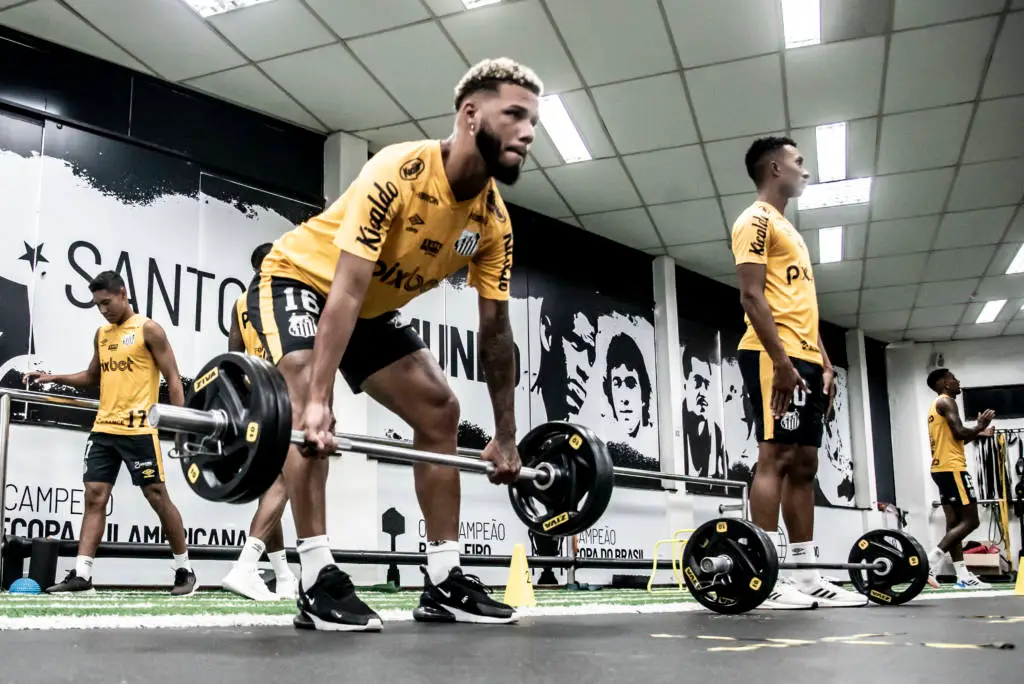
McKennie mentioned squats, deadlifts and suspension-based training among the exercises he uses. For someone playing football, there is no requirement to copy an elite athlete’s exercise selection or pursue maximal strength at the expense of all other goals. The useful question is how much gym work produces a meaningful strength stimulus while preserving the ability to run and practise skills.
A small controlled study of 14 professional players illustrates why frequency can change with the season. After a preparatory strength phase, players training strength weekly maintained key strength and sprint measures more successfully than those training every other week over the following competitive period. The sample was small, and it does not establish an ideal schedule for everybody. It does suggest that consistently maintaining a strength stimulus can be worthwhile even when the competitive workload limits gym time.
Start with a small set of movements that cover different demands: a squat or split squat, a hip hinge, a calf exercise and a pulling or pushing exercise. For an experienced lifter playing one match a week, a main strength session might involve two to three work sets of each of two lower-body compound movements and one or two smaller accessories. Keep a few repetitions in reserve, especially when a game is approaching.
A split squat can challenge each leg separately and make it easier to practise controlled movement without necessarily requiring heavy absolute loads. A Romanian deadlift can train hip extension and hamstring strength through a range you can control. A barbell squat is another useful option if you already perform it comfortably and have appropriate equipment. Select variations based on your experience, available equipment and recovery rather than treating one variation as essential.
Use a consistent range of motion and record loads and repetitions. If you performed three sets of six with good control last week, a small increase in weight or an extra repetition on one set may be enough progression. Adding volume and load together while also increasing football sessions makes it much harder to identify the cause of fatigue.

Equipment Worth Exploring
Explore equipment, accessories and gear from our carefully selected range.


Rubber Hex Dumbbells
Rubber-coated hex dumbbell pairs with a stable shape for home and commercial strength training.



Pro Sled System
Heavy-duty push-pull training sled for loaded conditioning, speed, and strength work.

Power Tower
Freestanding pull-up and dip station with adjustable handles for bodyweight training.

Cast Iron Kettlebells
Textured cast-iron kettlebells for swings, squats, carries, and full-body training.


FID Bench MAX
Adjustable bench offering flat, incline, and decline positions + adjustable headrest.
Give upper-body strength and trunk control a purpose
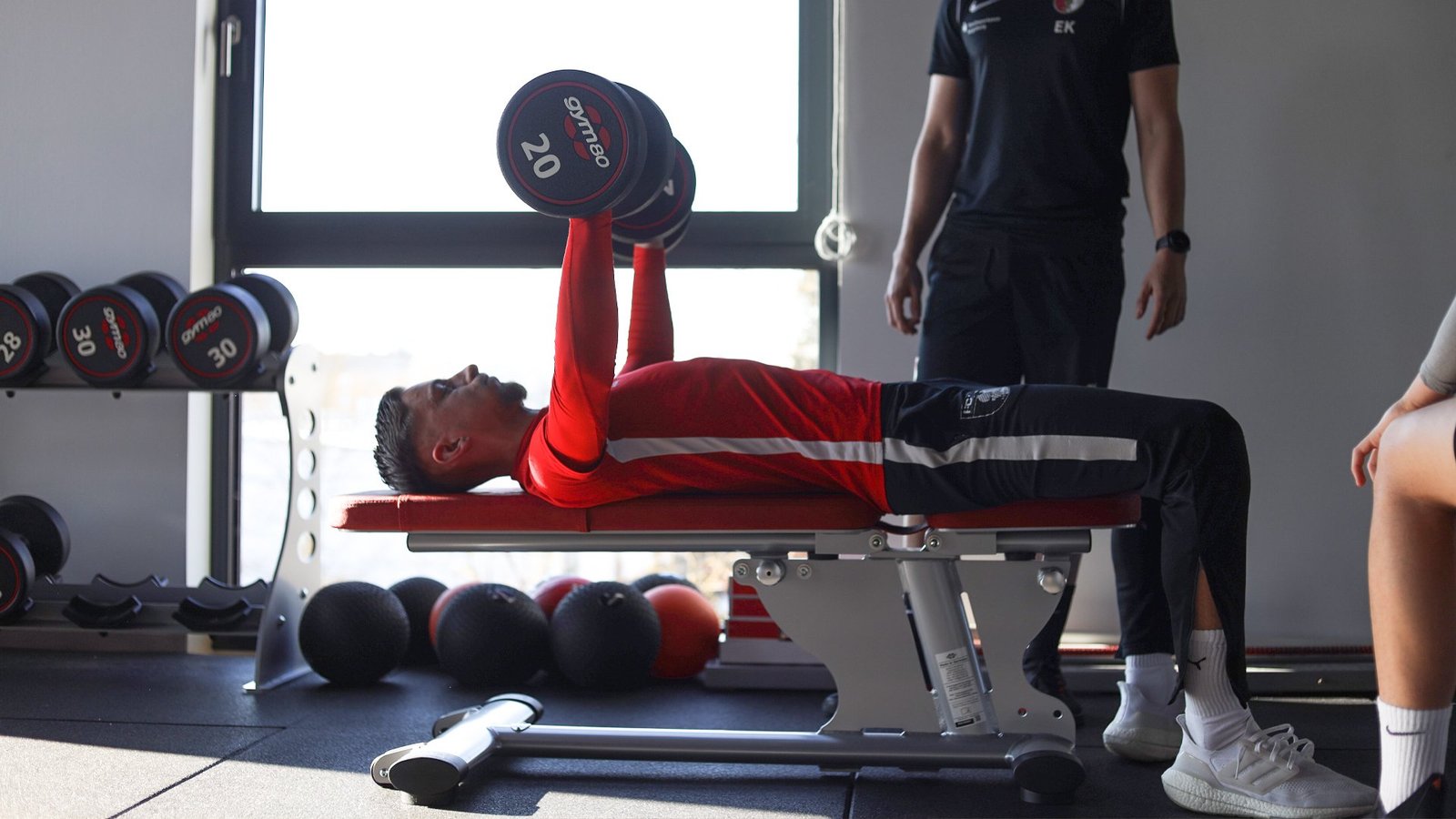
Upper-body work is not just for appearance. Players use their arms during running, compete for space and need to control their body when contact changes their position. McKennie’s account also included pushing and pulling exercises as well as simple trunk work. The exact exercises can be adapted to the equipment and experience of the individual.
A balanced upper-body session could pair a dumbbell bench press with a supported row, followed by a comfortable vertical pull or press. Two or three sets of each can provide useful training volume without requiring an entire separate gym day. If you do two gym sessions per week, divide upper-body work between them rather than adding every exercise to the first session.
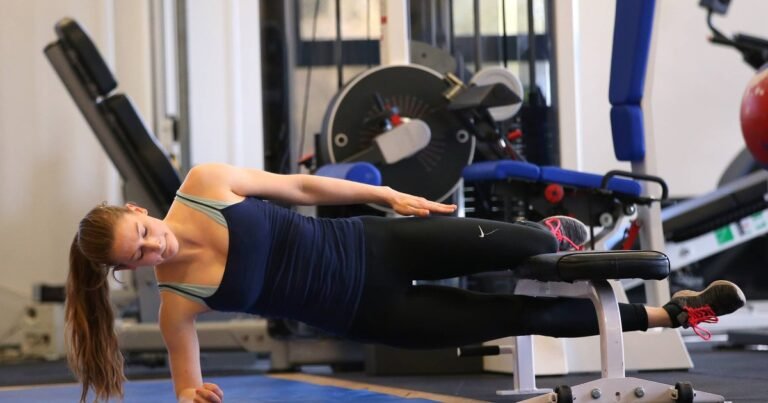
Trunk exercises should have an identifiable purpose. A front plank can help you practise maintaining your rib cage and pelvis in a stable position while breathing. A side plank adds a lateral stability challenge. A controlled suitcase carry can provide a moving alternative, where the weight pulls you toward one side and you resist excessive leaning.
For a beginner, start with a short set of 15 to 25 seconds that can be performed without holding your breath or losing position. Increase duration gradually or use a slightly more difficult variation once the easier version becomes consistent. A longer set is not necessarily better if your posture deteriorates. The goal is to develop a repeatable skill and adequate strength, not to reproduce every possible movement that occurs in a match.
When gym time is limited, pair complementary movements that do not interfere excessively with each other. A press and a supported row can alternate with appropriate rest. Keep demanding lower-body strength sets separate enough to maintain their quality. If adding a new upper-body exercise makes a previous session unnecessarily long, replace a less useful movement rather than simply adding it.
Put recovery and lifting into one realistic match week
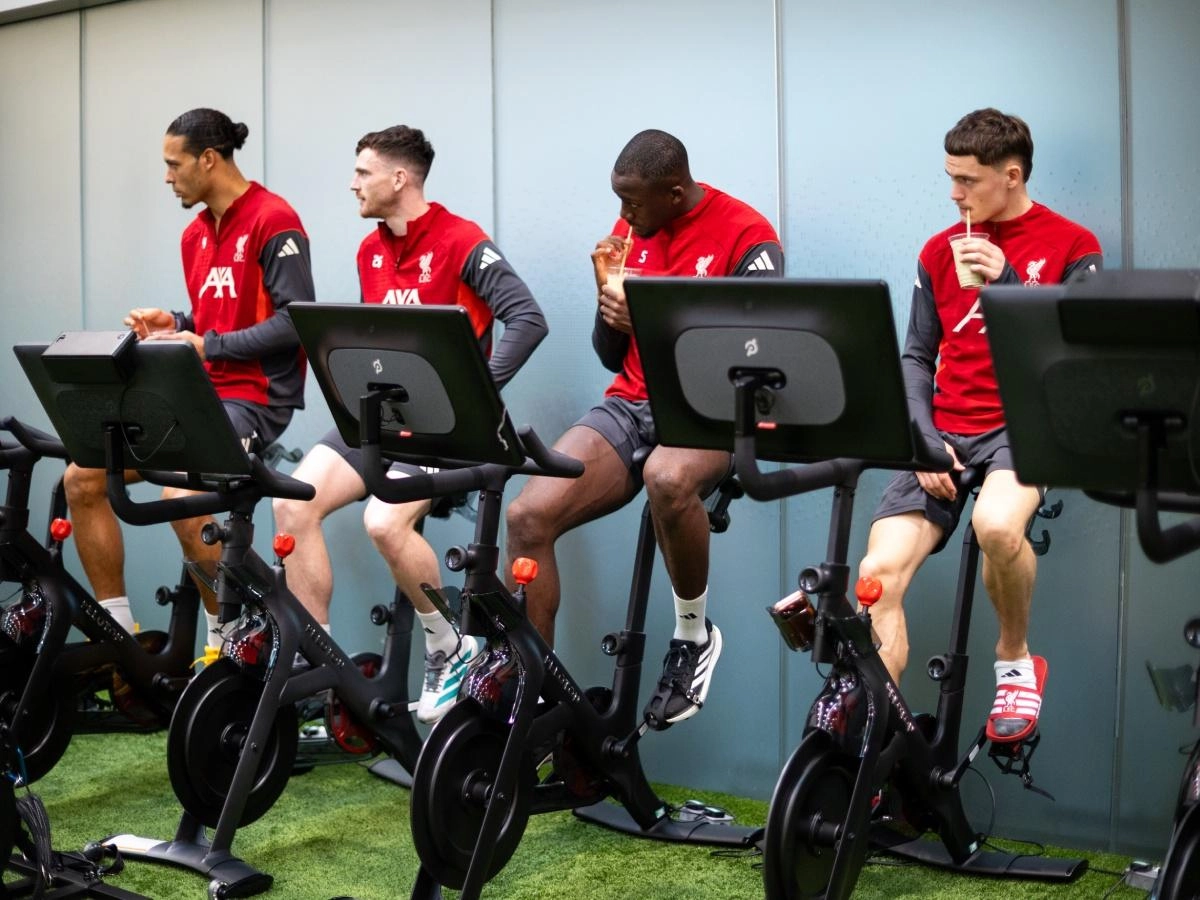
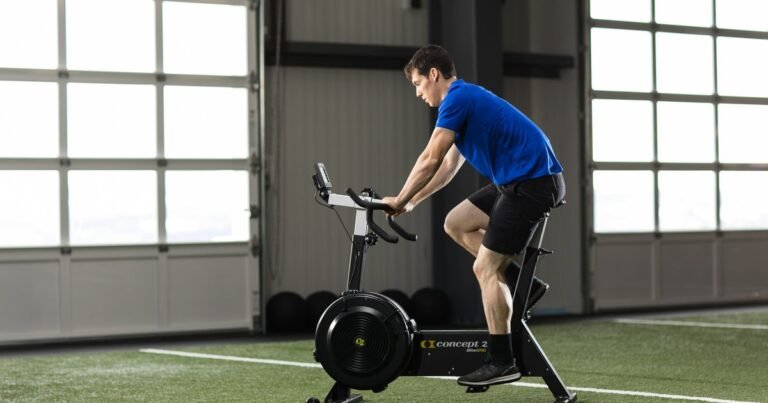
McKennie also described low-intensity cycling after matches. An easy spin can be a comfortable way to move without adding much impact, but it should not be treated as proof that recovery will be faster. The priorities remain sufficient sleep, food, hydration and time to recover. A person who is already exhausted does not need to complete another workout just to follow a routine.
Consider an illustrative week for an experienced recreational player with a Saturday match. This is an editorial example, not McKennie’s actual program. Adjust it for team practice, work commitments and your own response to training.
- Sunday: rest or a short easy walk or cycle if it feels comfortable. Avoid turning recovery movement into a hard conditioning session.
- Monday: main gym session with a squat or split squat, hinge, upper-body push and pull, and a short trunk exercise. Reduce lower-body work if Saturday’s match is still affecting movement.
- Tuesday: football practice, including controlled acceleration and direction-change work if the team schedule and recovery permit.
- Wednesday: easy aerobic training or rest, depending on the intensity of Tuesday’s practice.
- Thursday: shorter gym session with a modest strength stimulus, upper-body work and a few technically clean movements. Avoid unfamiliar exercises that are likely to cause significant soreness.
- Friday: easy movement, technical practice or rest. Do not add hard intervals to compensate for a missed workout.
- Saturday: match day. Use your normal team warm-up and preparation routine.
During a congested week with two matches, shorten or remove demanding extra lower-body work. If football practice already includes substantial sprinting, you may not need a separate sprint session. An off-season week can be different: two carefully spaced gym sessions and a gradual increase in conditioning may fit when no competitive games are scheduled.
Review the plan after three or four weeks. Ask whether the loads you can lift with good technique are stable or improving, whether your short accelerations still feel sharp and whether you arrive at matches feeling prepared. If soreness is repeatedly interfering with movement, reduce gym volume first. If you are recovering well and your performance is stable, make small changes rather than rebuilding the entire schedule.
The value of McKennie’s approach is not a particular deadlift weight, an exact number of sprints or a secret recovery technique. It is the ability to organise strength, speed and conditioning around the demands of the sport. A sustainable program builds those qualities over time and leaves room for the reason you are training in the first place: playing football well.

Functional Fitness Shirts & Workout Gear
Functional-fitness shirts, tanks and workout gear for athletes who train strength, conditioning and everything in between.

Hybrid Athlete – Strength & Endurance Gym Pullover for Hoodie
Keep it laid-back with a little “Hybrid Athlete” attitude.

Hybrid Athlete – Built Different Gym Decal for HYROX, C Sticker
Give your everyday gear a playful “Hybrid Athlete” twist.

Vive La Resistance Bands – Resistance Bands Warmup Reha Hoodie
Stay casual and show some lifting attitude with “Vive La Resistance Bands”.

Kettlebell Heartbeat Crewneck Pullover Sweater Workout T-Shirt
For laid-back days and bodybuilding humor: “Kettlebell Heartbeat”.


Dost Thou Even Pedal Medieval Air Bike CrossFit Parody Sticker
Give your everyday gear a playful “Dost Thou Even Pedal” twist.


OnlyGains Kettlebell Meme Meme Athletic Shirt Tank Top
Train hard, laugh a little, and rep “OnlyGains”.

Anti Stretching Stretching Club Meme Shirt – T-Shirt
Bring “Anti Stretching Stretching Club” humor to your next gym day.

Fit And Fitter : Dumb And Dumber Gymbro Cardio & T-Shirt
Show some cardio attitude with a playful “Fit and Fitter” tee.