Advertising disclosure: This page includes affiliate product links that may earn us a commission, as well as products from our own store.
Two workouts can both be called supersets while giving the same exercise very different recovery. That difference matters when judging repetitions, effort and time saved. A review of paired-set research offers a useful way to ask clearer questions. Start with the actual sequence and timing, then decide which arrangement fits your training priority and available equipment.
Track recovery before the same exercise returns
A review published in September 2026 examined 14 acute studies involving 223 trained adults. It separated paired sets by how recovery was distributed. Alternating exercises while preserving full rest after each exercise tended to support work output, with little change in session duration. Simply alternating movements therefore does not guarantee a shorter workout.
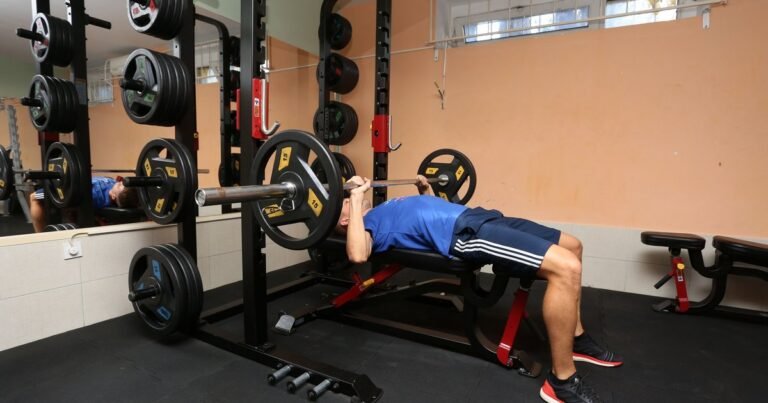
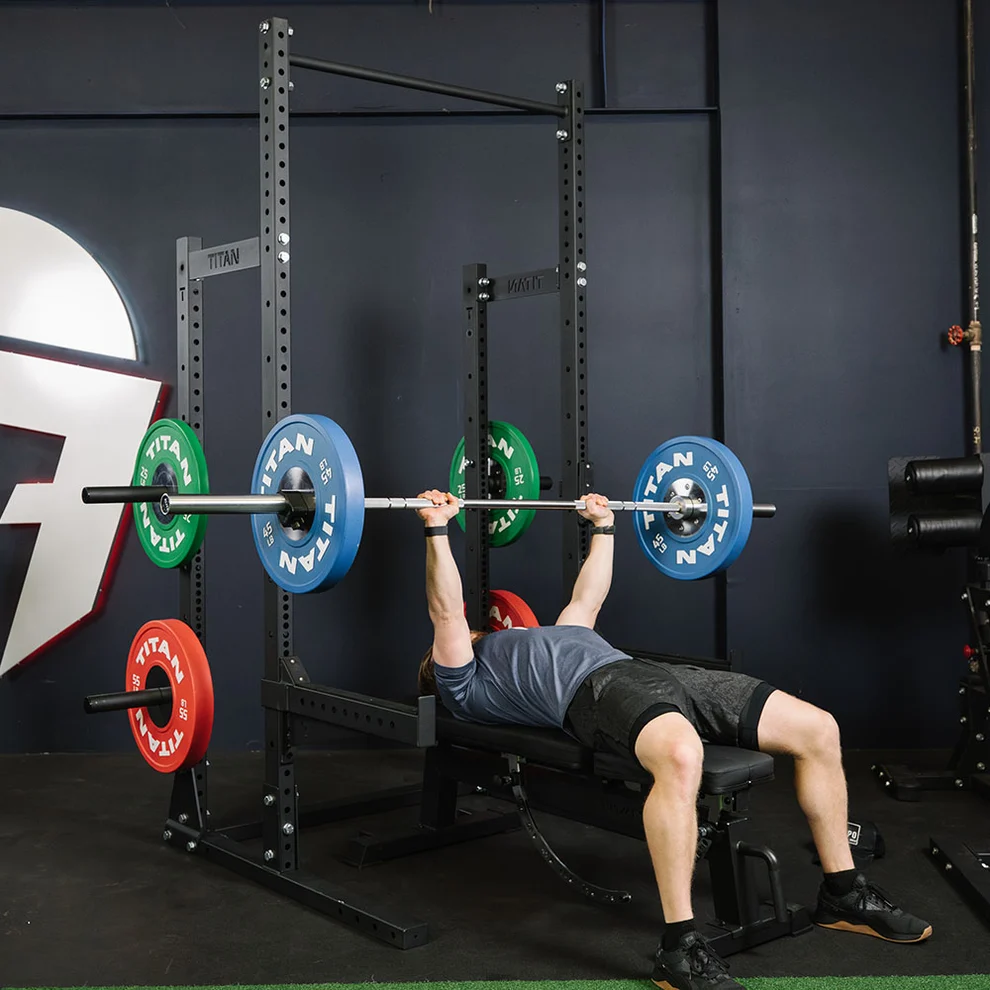
Consider an illustrative bench-press and seated-row pairing. Start your recovery clock when the bench set ends. If you wait two minutes, row for 30 seconds and then wait another two minutes, the next bench set begins four and a half minutes after the previous one finished. That interval contains both waiting and exercise. Calling the arrangement two-minute rests leaves out information that could explain your repetition performance.
This is useful when evaluating a program that appears to produce more repetitions. You need to know whether the paired version also provides more time before the same movement returns. Extra elapsed recovery and a different sequence can change the comparison. A session can be productive without demonstrating that pairing itself created a unique physiological advantage.
Write the sequence in the order you intend to perform it: bench, wait, row, wait, bench again. Record the interval after each movement rather than placing one rest number beside the pair and assuming its meaning is obvious. Use a sensible load, repeatable technique and an appropriate safety arrangement for the bench press. If you train without a spotter, use properly positioned safeties and avoid improvising a rushed escape from a failed repetition. The aim of the timing example is clarity, not permission to squeeze more maximal attempts into a demanding session.
Fit another movement inside an existing recovery window
Another arrangement inserts the second exercise within time that would otherwise separate sets of the first. In the reviewed acute studies, this approach shortened sessions substantially, but repetitions or volume load could fall depending on the exercise. Saving time and preserving every repetition are separate objectives, so evaluate both.
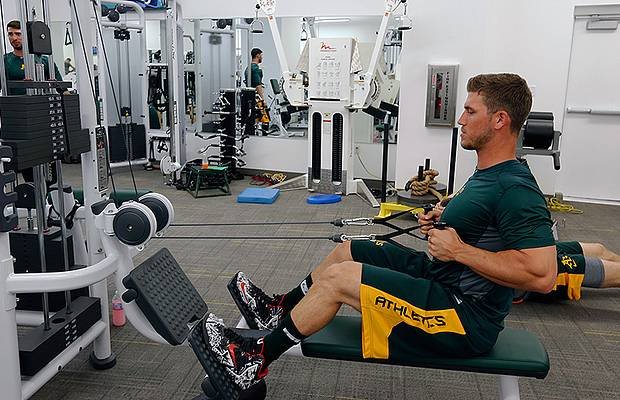
Imagine allowing two minutes between the end of one bench set and the start of the next. A row lasting 30 seconds plus 20 seconds of total transitions would leave 70 seconds for other activity or passive rest. That arithmetic describes a schedule, not equivalent recovery. The intervening row still requires effort, grip and attention, even though it fits inside the same elapsed window.
This is why choosing a second movement needs more thought than naming a different muscle. A seated cable row may be convenient near a bench in one gym and located across a crowded floor in another. Adjusting a seat, changing the pin and finding an attachment can consume the interval you expected to save. The actual transition belongs in the workout time, even if it disappears from a tidy written plan.
Keep an ordinary comparison session in your log before judging the change. If you previously completed three controlled bench sets, compare the paired version using the same exercise setup, intended effort and counting standard. A shorter session with fewer good repetitions may still fit a busy day, but describe that tradeoff accurately. Do not count shortened range, bouncing or help from a training partner as preserved performance. If the priority exercise repeatedly deteriorates, give it more recovery or move the second exercise elsewhere rather than treating the stopwatch as the only measure of success.
Specify what happens after the pair
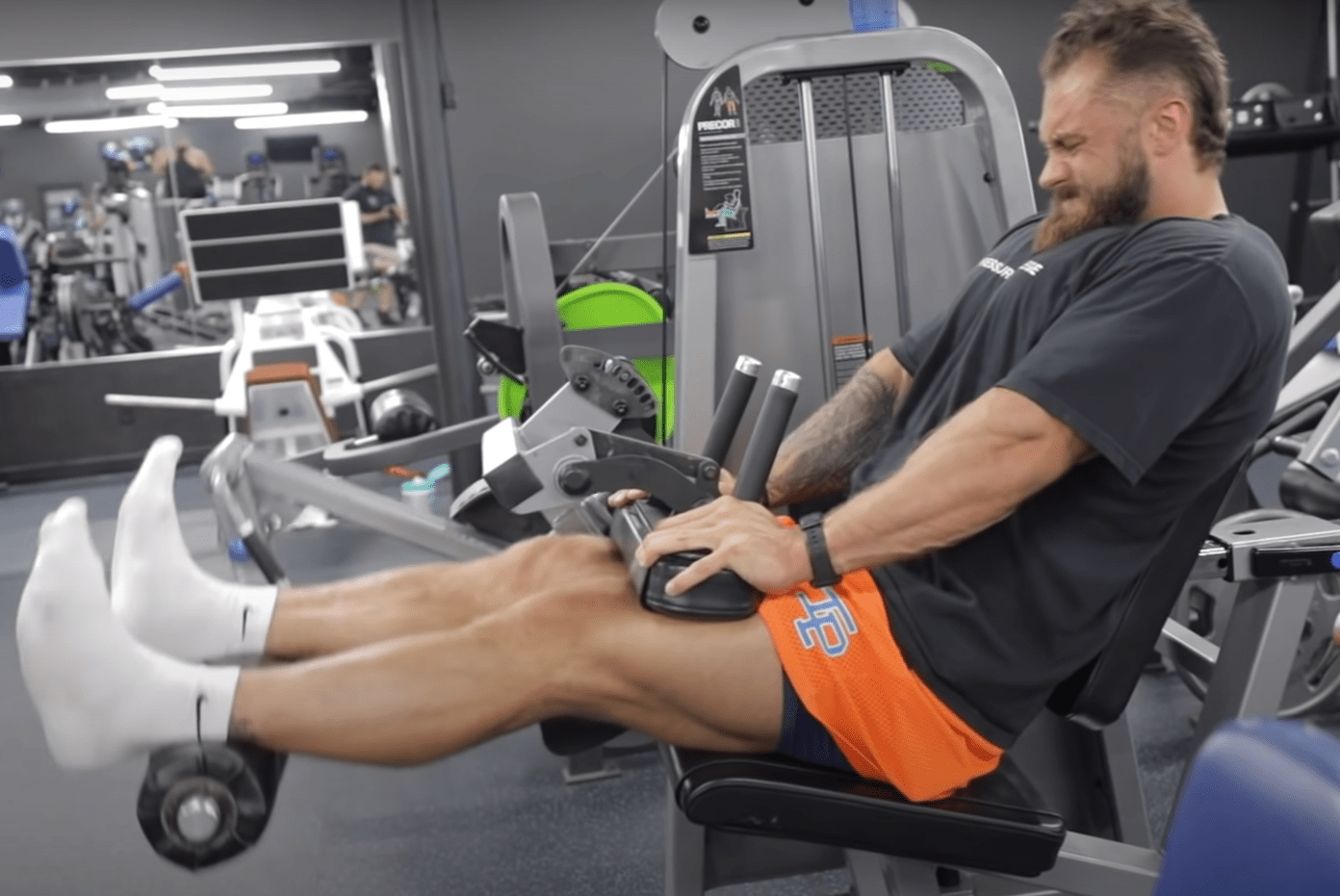
Consecutive exercises followed by a rest interval form another family of arrangements. The review found that outcomes depended on the particular post-pair rest structure. Longer and shorter post-pair intervals could produce different tradeoffs. These were acute comparisons, with methodological concerns throughout the evidence, rather than proof of a universally superior program.
A label such as leg extension plus leg curl, rest two minutes, should tell you exactly when those two minutes begin. If the timer starts after the curl, the extension has already received the time spent transitioning and curling before that rest begins. If the timer starts when the extension ends, you have created a different schedule. Neither description should be silently substituted for the other.
For example, suppose the transition takes 10 seconds and the curl set takes 30 seconds. Adding two minutes after the curl gives the extension 160 seconds before its next start, measured from the end of the previous extension. The example is deliberately simple so you can check it yourself. Real transitions vary, and equipment adjustments may lengthen them further. Record what you actually do rather than assuming every round matches the first.
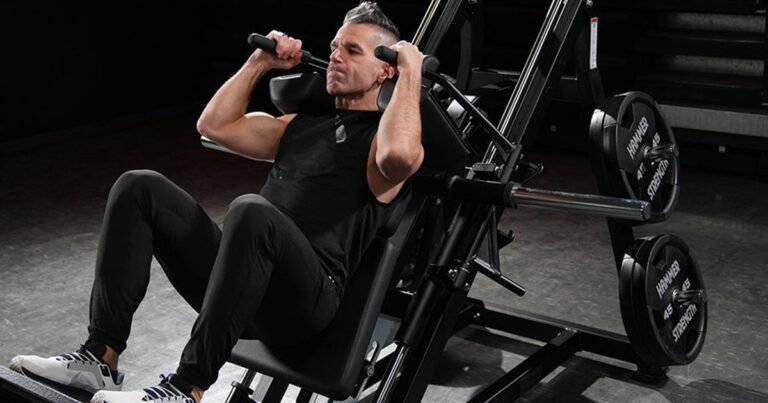
A combination machine can make two lower-body exercises accessible, but changing between them still takes time. Confirm the seat, pad, range and loading settings for each movement. A dedicated leg press is a different task with a different setup; it is not interchangeable with an extension or curl because all involve the legs. Choose equipment that supports the intended exercises and your proportions. No additional machine is necessary merely to try pairing, and buying more equipment will not resolve an unclear rest prescription.

Equipment Worth Exploring
Explore equipment, accessories and gear from our carefully selected range.

FID Bench MAX
Adjustable bench offering flat, incline, and decline positions + adjustable headrest.

Multi Bench MBX-650 2.0
Adjustable multi-bench with roller adjustment, 15 backrest positions and accessory mounts.



Foldable Wall Rack
Wall-mounted folding squat rack designed to save floor space between workouts.


VForce Wall Trainer
Space-saving wall-mounted functional trainer with pivoting cable arms and variable resistance ratios.

VForce 2IN1
Half rack and pivot-arm functional trainer with switchable 1:1 and 2:1 pulley ratios.
Choose a pair you can perform and share safely
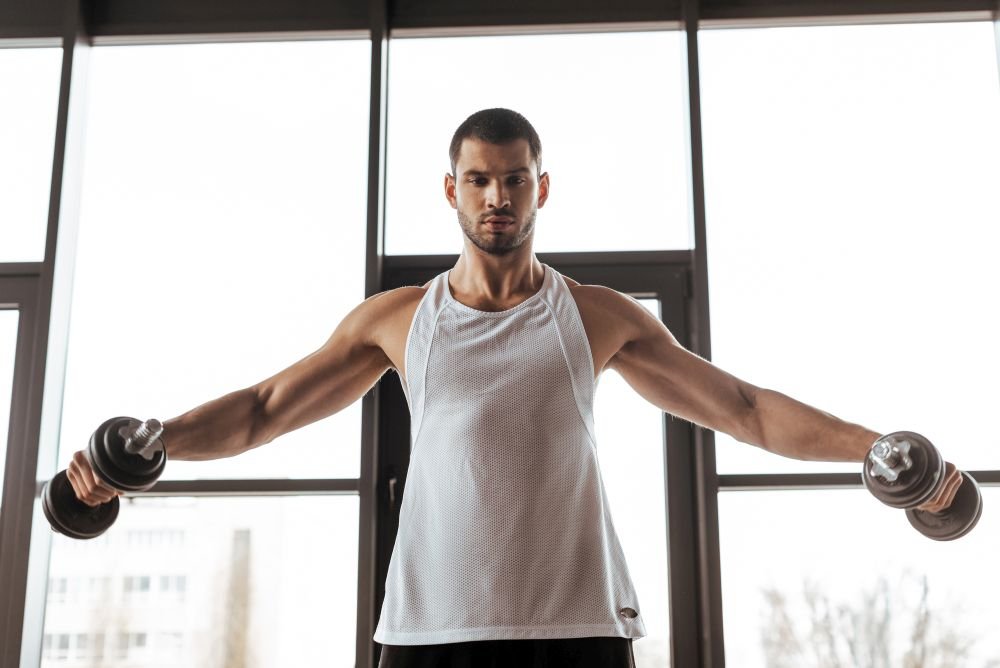
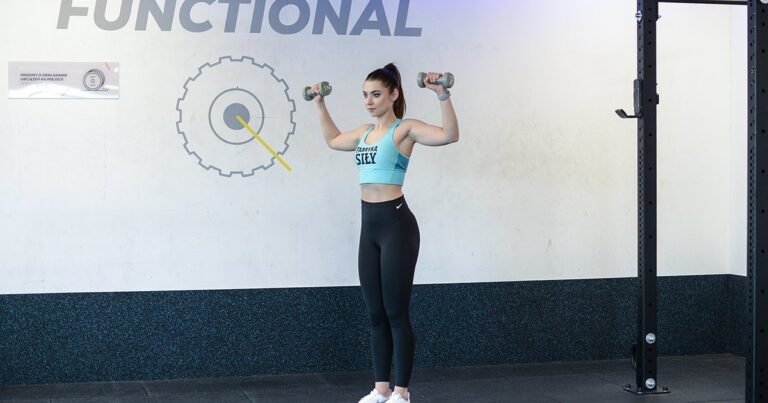
Exercise selection should fit the training goal and the room. Pairing two demanding movements is different from adding a modest accessory exercise between larger lifts. A dumbbell lateral raise, for example, may be easy to organize beside a free bench, but its suitability depends on the rest of your shoulder work and whether you can maintain control. It is an example to evaluate, not a mandatory partner for every press.
Start with an exercise you already know well. Establish the intended load, repetitions and stopping point before compressing the session. If the new sequence makes you rush the setup, swing the dumbbells or lose track of completed repetitions, simplify it. An unfamiliar movement deserves instruction and practice rather than being introduced under pressure to beat a previous workout time.
Shared equipment adds another constraint. Do not assume you can reserve a bench, cable station and several pairs of dumbbells simultaneously during a busy period. Ask about gym etiquette and be ready to use a simpler arrangement. Waiting for a machine can erase the theoretical time saving, while monopolizing several stations creates a problem for everyone else. One available station used consistently may be the more practical choice that day.
Think about the return to the priority movement as well. Grip fatigue from a row or shoulder effort from a raise may influence how prepared you feel for the next set. A pairing described as noncompeting on paper still involves a whole person performing both tasks. Monitor technique and effort, then adjust the sequence or recovery if necessary. Stop exercise that causes pain and seek qualified advice for persistent symptoms. Preserving a safe, repeatable movement matters more than completing the planned pairing at all costs.
Audit actual time, repetitions and effort together
Training efficiency needs a clear definition. A session that finishes earlier is shorter. A session that produces more recorded work per minute is denser. Neither observation alone establishes better long-term muscle growth. Start by deciding whether your immediate priority is completing useful work within a time limit, protecting performance on a particular exercise or simply making your routine easier to follow.
Evidence outside the review illustrates why context matters. A ten-week multiple-joint trial found that some strength outcomes favored traditional sets, while another acute experiment in untrained adults found that supersets were shorter and generally preferred despite greater effort. Those populations and designs answer different questions. Treat them as reasons to check the details, not competing slogans that guarantee every pairing will work equally well.
For your own practical audit, record the start and finish of the exercise block, the actual rest structure, completed repetitions and an honest effort rating. Keep warm-up time and unexpected waits visible when comparing whole workouts. You do not need laboratory equipment to discover that a complicated station change takes longer than expected or that the final set becomes consistently weaker after a certain pairing.
Try one deliberate change at a time and repeat it across enough ordinary sessions to judge practicality. Keep eating, sleep and rest days reasonably consistent instead of treating a denser workout as a reason to abandon recovery. Consistency and discipline include accepting a slower session when quality needs it. A useful paired-set plan makes the timing explicit, fits the available equipment and leaves you with records you can interpret. If it achieves the main goal within your available time, keep it; if the cost in performance or organization is too high, revise the arrangement.

Funny Gym Shirts & Workout Gear
Funny gym shirts, tanks, hoodies and workout gear for lifters who like training hard.


Discipline Stoic Tee
Show some lifting attitude with a playful “Discipline Stoic Sigma Bodybuilder” tee.

Three Plates Bench Club – Chest Day & Gains T-Shirt
Make gym days more fun with “Three Plates Bench Club” style.

Dumbbell Heartbeat Crewneck Pullover Sweater Workout Fa T-Shirt
Add a playful “Dumbbell Heartbeat” touch to your casual rotation.

Lift Smart Brain Weight Plate Mind Muscle Connection 45 Hoodie
Keep it laid-back with a little “Lift Smart Brain Weight Plate” attitude.

Safety Practice Safe Sets Vest Weightlifting Tank Top
Bring “Gym Safety” humor to your next lifting session.

Off-Season Rest Day Decal Water Bottles & Gear Meme Sticker
Put “Off-Season Rest Day” gym humor on your laptop, bottle, or gym gear.

Rest Day Sloth – Essential T-Shirt
Show some bodybuilding attitude with a playful “Rest Day Sloth” tee.

Lift Eat Sleep Repeat Meme & Lifting Vest Tank Top
Show some personality between sets with “Lift Eat Sleep Repeat”.

The Only Difference Between Good And Great Is One T-Shirt
Bring “The Only Difference Between Good And Great” humor to your next gym day.