Advertising disclosure: This page includes affiliate product links that may earn us a commission, as well as products from our own store.
Backward sled dragging can feel brutally hard without leaving the same recovery pattern as another leg workout. A small experiment in trained men helps explain why immediate fatigue, jump performance and blood markers need separate interpretations. Use its findings to ask better questions about workload, exercise order and your next session, while keeping the limits of a single demanding workout firmly in view.
What the backward-drag session actually involved
A 2014 experiment followed 11 strength-trained men through five sets of two 20-metre maximal backward sled drags. The sled was loaded with 75% of body mass. Recovery lasted 30 seconds between drags and 120 seconds between sets. That is a specific demanding session, not evidence that every beginner should use the same load, distance or effort.
The useful starting distinction is between studying a workout and recommending a workout. Researchers can choose a demanding protocol to observe what happens afterward. A coach choosing tomorrow's training also needs to consider experience, available space, other exercises and the person's goal. Copying a percentage from an experiment skips those decisions. A manageable first exposure can teach you more about your setup than immediately attempting maximal efforts.
Count the work accurately before making comparisons. Five pairs of 20-metre drags represent ten separate efforts and 200 metres of dragging. That arithmetic does not include recovery time, repositioning the sled or walking between stations. If your normal finisher consists of two short trips, describing it as the same session would be misleading even if the plate stack looks similar.
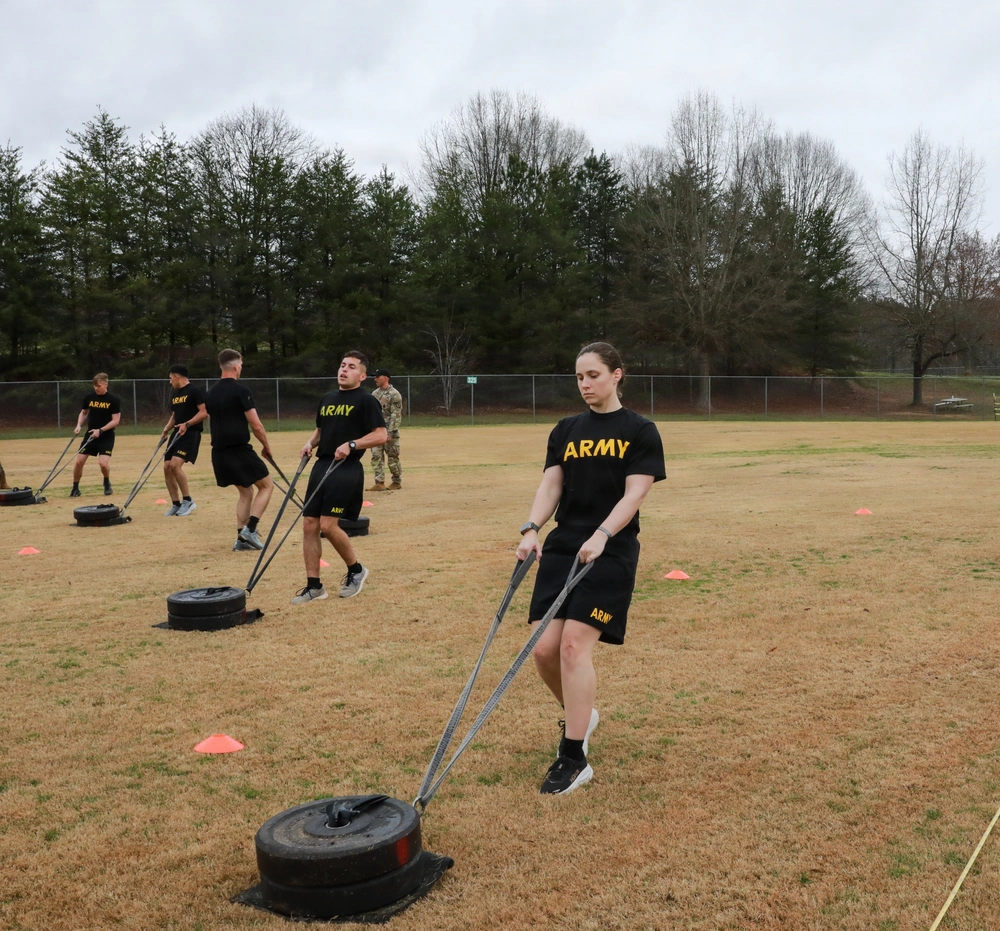
Backward dragging also needs a clear route. Check the lane before starting, keep other people out of it and plan how you will stop and turn. Begin with the straps tensioned rather than jerking a loose connection. Use a load you can move under control, with secure footing and an attachment designed for the task. The military training photograph is an illustration of dragging, not a photograph of the study's participants or apparatus. Your own workout still needs its own safe setup.
Jump power and muscle-damage markers answer different questions
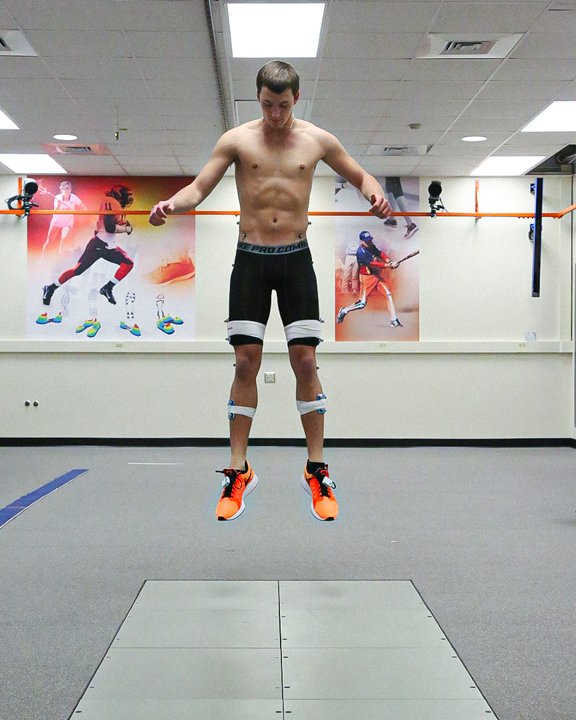
Immediately after the session, average countermovement-jump peak power fell from 4,445 to 3,464 watts, roughly a 22% reduction. It had recovered at the three-hour measurement and remained recovered at 24 hours. Blood lactate rose markedly immediately after exercise, while creatine kinase showed no detected change over the measured period. These are different observations, not interchangeable definitions of recovery.
A jump test asks about performance in a particular task at a particular time. A blood marker describes something else. Neither a normal marker nor a strong subjective feeling guarantees that every physical quality has returned to its previous level. Conversely, a tiring session does not automatically mean you have caused substantial muscle damage. Keep the measurement attached to the question it can actually answer.
The three-hour result is especially easy to overread. It does not certify that all lifters can schedule another hard leg workout three hours after any sled session. The sample was small, the men were already strength trained and the measurements followed one defined workout. A different surface, training history or dose can produce a different practical experience. Long-term strength or hypertrophy changes were not established by this acute experiment.
Countermovement-jump assessment can include more than jump height. Force plates provide information about how force changes through the movement, and testing choices affect comparisons. A casual jump against a wall is therefore not a substitute for the study's power measurement. If you already use performance testing with a coach, keep the protocol consistent. If you do not, ordinary training records are still valuable without pretending to provide laboratory-quality readiness data.
The surface and sled change the meaning of the load
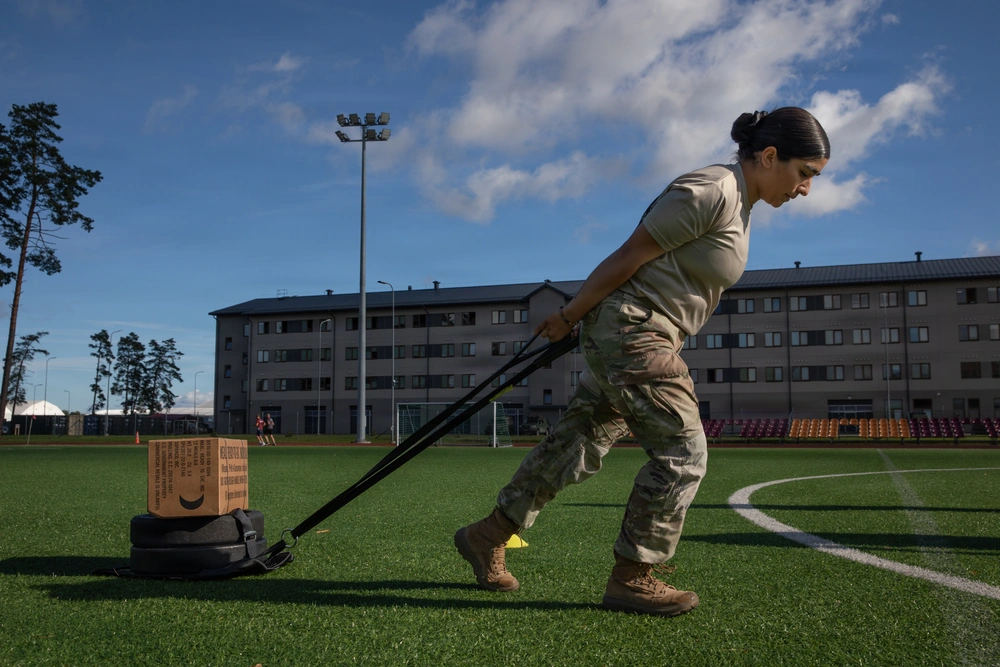
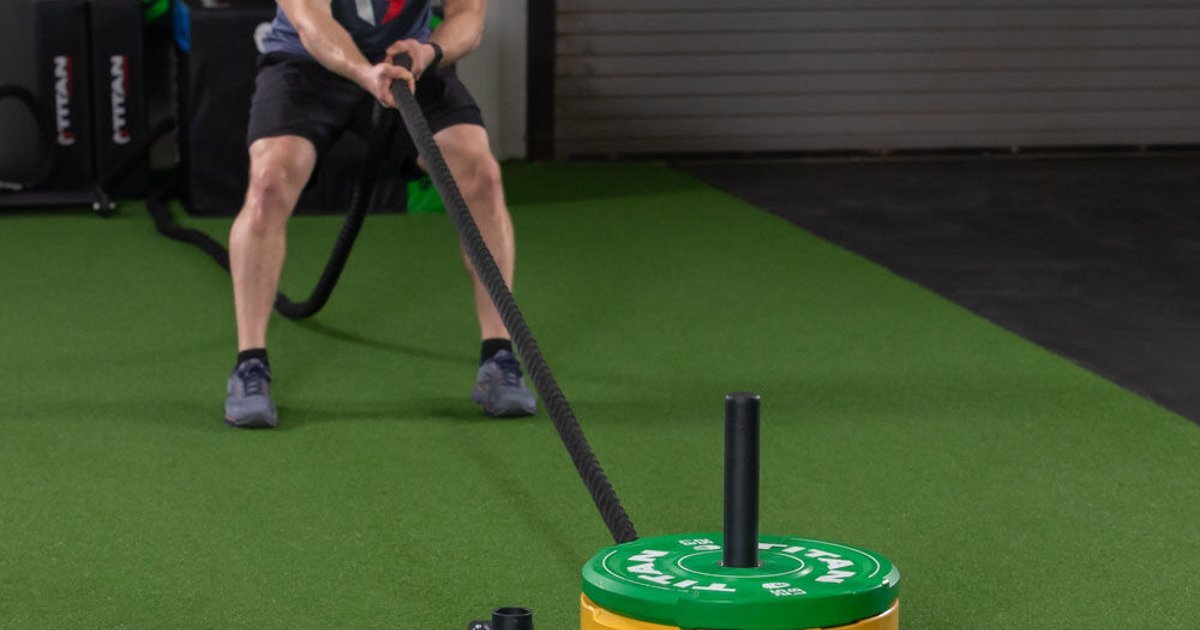
Plate weight is only part of a sled session. A sled sliding across one turf lane may behave differently on grass, rubber or another surface. Equipment shape, contact materials, attachments and maintenance also matter. The forward-towing photograph illustrates a different dragging arrangement and surface; it is not a demonstration of the backward protocol. Match the exercise you record to the movement you actually perform.
This makes comparisons between gyms difficult. If you drag the same nominal load in two facilities, a faster time does not automatically show improved conditioning. The second sled may simply move more easily. Establish a repeatable local setup before interpreting changes in time or effort. Write down the sled, lane, attachment and direction along with the plate load.
Distances deserve the same attention. A marked 20-metre lane makes tracking straightforward, but many gyms offer shorter strips. Count lengths honestly and decide whether turns are included in your timed effort. A 10-metre out-and-back with a turn differs from a continuous 20-metre drag. Either can be useful; mixing the descriptions makes your log harder to interpret.
Before adding weight, inspect the attachment and loading arrangement. Confirm the equipment is intended for dragging on that surface, secure the plates appropriately and avoid improvised connections that can fail under tension. Wheel-based or adjustable-resistance sleds also need their own records rather than a direct kilogram comparison with sliding models. When equipment changes, treat the next session as a new baseline. That modest bookkeeping step helps distinguish actual progress from a change in friction, course layout or implement.
Protect the strength work that matters most
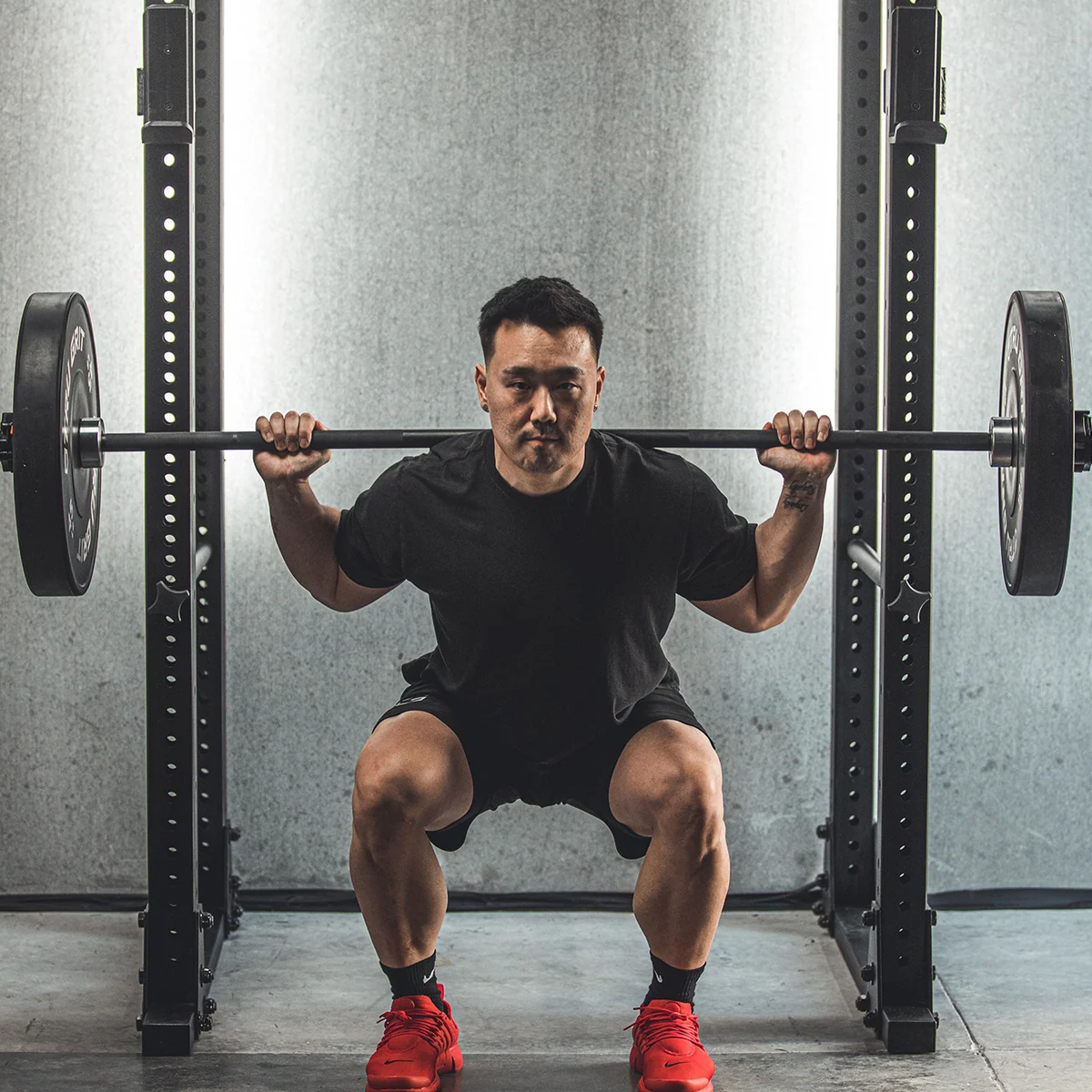
If your main objective is improving a squat or leg press, give that work an appropriate place in the session. A demanding drag finisher can be useful conditioning, but it also adds work. The immediate power decline in the experiment is a reason to think about order rather than assuming sleds are too easy on recovery to matter.
For a practical example, a lifter might complete the planned squat work first, then try a small amount of controlled backward dragging. Another athlete may deliberately prioritize conditioning on a separate day. Those are programming choices, not prescriptions extracted from a single trial. The right comparison is whether the arrangement supports the main goal across repeated sessions, not whether one workout feels impressively exhausting.
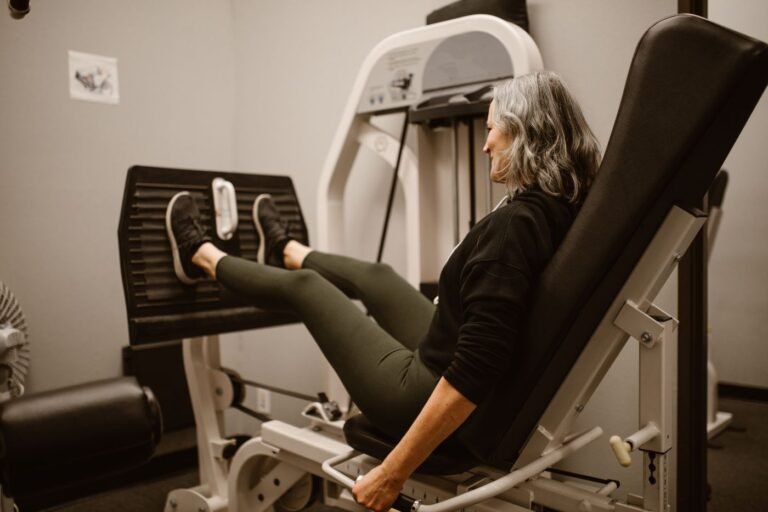
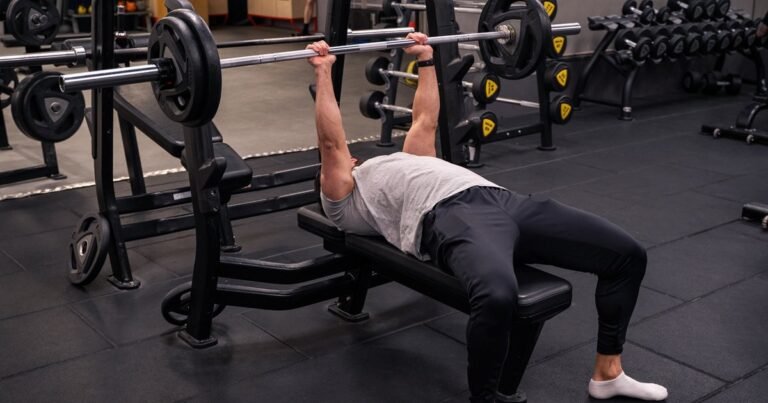
Keep the strength setup consistent as well. A rack, suitable bar, compatible plates and correctly positioned safeties support repeatable squat practice. A leg-press machine offers another specific strength task, with its own loading and range-of-motion settings. These tools are complementary options, not equipment that reproduces the sled experiment. You do not need to buy additional machines to put a modest conditioning slot after an existing leg workout.
Avoid changing several demanding variables at once. Adding more drags while also increasing squat volume and shortening rest makes it difficult to identify what changed your next workout. Start with a dose you can evaluate, then adjust one main feature at a time. If the next strength session deteriorates repeatedly, review the combined workload and spacing. A finisher earns its place by fitting the wider plan, including recovery, rather than by making it impossible to walk comfortably out of the gym.

Equipment Worth Exploring
Explore equipment, accessories and gear from our carefully selected range.

Pro Sled System
Heavy-duty push-pull training sled for loaded conditioning, speed, and strength work.


Competition Plates
Competition-style bumper plates for Olympic lifts and loaded strength training.

Grip Plates
Rubber-coated weight plates with handholds for loading barbells and machines.


Track the next session, not just the finish-line feeling
A useful sled log includes load, equipment, surface, distance, number of efforts, rest and perceived difficulty. Add a brief note about technique and whether the final trip stayed controlled. You can then compare the next session against something concrete. A line reading hard leg day gives you much less information when you later try to explain a good or poor training week.
For an illustrative introductory session, choose a light controllable setup and complete a few short backward drags with generous rest. End while movement quality remains clear. This is a familiarization example, not the maximal research protocol or a universally optimal dose. Once you know the lane and implement, decide whether your next progression should involve load, distance or additional efforts. Increasing all three simultaneously makes the comparison unnecessarily complicated.
Consistency includes rest days and ordinary recovery habits. Maintain a repeatable pattern of eating, sleeping and training, then look at whether your next planned session remains productive. Cardio can feel difficult without being misplaced, and leg-day motivation can coexist with reducing extra work when it interferes with the main program. Training slogans are entertainment, not instructions to ignore fatigue or push through pain.
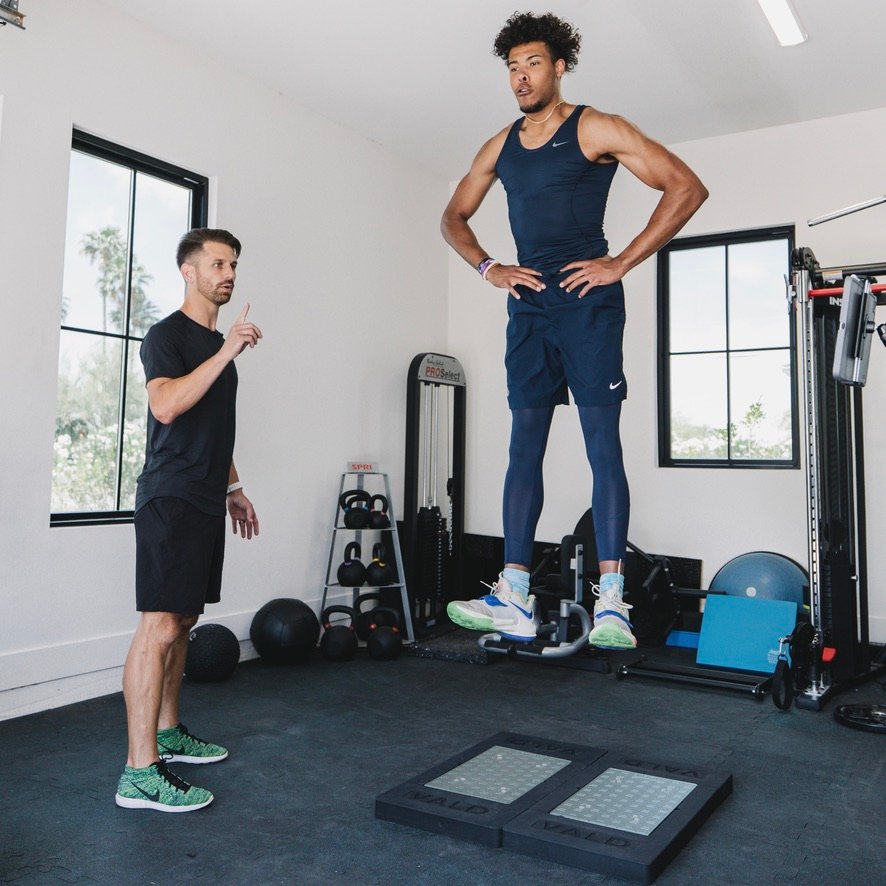
Do not add daily maximal jump testing simply because a study used jumps. Testing itself should have a purpose and a consistent method. The illustrated coach-supervised assessment shows one way performance can be measured, not a required home readiness check. Use qualified help when learning an unfamiliar task, stop exercise that causes pain and seek advice for persistent symptoms. The practical lesson is to judge the whole training pattern: a sled session can be demanding even when one laboratory marker does not rise, and a group recovery average does not replace your own ongoing observations.

Funny Gym Shirts & Workout Gear
Funny gym shirts, tanks, hoodies and workout gear for lifters who like training hard.

Cardio Heartbeat Hoodie
Show off your cardio humor in a laid-back “Cardio Heartbeat” hoodie.

Cardio Is Hardio – Workout Meme Pullover Jumper T-Shirt
For laid-back days and cardio humor: “Cardio Is Hardio”.

Rest Day Sloth – Essential T-Shirt
Show some bodybuilding attitude with a playful “Rest Day Sloth” tee.


Cardio Is Calling You , Meme Top Answer Or Decline? T-Shirt
Make gym days more fun with “Cardio Is Calling You” style.

If You're Reading This Its Leg Day Drake Parody | Worko T-Shirt
Keep things casual with a little “If You're Reading This Its Leg Day Drake” attitude.

Anti Leg Day Leg Day Club Meme Sweater T-Shirt
Show some gym-day personality with “Anti Leg Day Leg Day Club”.

Safety Practice Safe Sets Vest Weightlifting Tank Top
Bring “Gym Safety” humor to your next lifting session.

Lift Eat Sleep Repeat Meme & Lifting Vest Tank Top
Show some personality between sets with “Lift Eat Sleep Repeat”.

Off-Season Rest Day Decal Water Bottles & Gear Meme Sticker
Put “Off-Season Rest Day” gym humor on your laptop, bottle, or gym gear.