Advertising disclosure: This page includes affiliate product links that may earn us a commission, as well as products from our own store.
One Set vs Three Sets: What 34 Men Gained in Eight Weeks
If you can only spare one working set per exercise, is the workout still worth doing? And if you have time for three, how much extra progress should you expect? Those are different questions. One concerns the minimum dose that can produce improvement; the other concerns how to earn greater results from additional work.
A randomized eight-week experiment involving 34 previously sedentary young men offers a useful, though small, comparison. The men who trained one set improved, but those assigned three sets generally improved more. The numbers are instructive for novice lifters, provided we do not pretend that an eight-week experiment identifies a perfect lifelong program for everyone.
1. What the 34-man eight-week comparison actually tested
Thirty-four men who had not been resistance training were allocated to three groups: 12 performed a single working set per exercise, 11 performed three, and 11 continued without the training program. The two lifting groups trained twice per week for eight weeks, using the same seven-exercise menu and a load prescribed around a ten-repetition maximum. The principal programming difference was the number of sets. Researchers examined changes in body measurements as well as bench-press and squat strength, jumping, sprinting, throwing and intermittent running performance.
That distinction matters. A seven-exercise full-body session at one set each contains seven exercise sets; repeating it twice yields 14 per week. The three-set version contains 21 sets per visit and 42 per week. These are total exercise sets, not 14 or 42 direct weekly sets for every individual muscle. Some compound exercises train several regions together, and counting every squat, press and pull as an isolated muscle set would misrepresent the workload.
Both programs involved actual progressive resistance work rather than a token warm-up. The single-set group was not instructed to avoid effort, and the three-set group was not simply practicing twice as often. The comparison asks what happens when training volume differs substantially inside the same short beginner program. It does not compare one casual set with three all-out sets, nor does it compare intermediate bodybuilders on different split routines.
2. Where the three-set group pulled ahead
The clearest takeaway is that the extra work had measurable benefits over these eight weeks. The three-set group increased estimated muscle cross-sectional area in both legs by approximately 11.3%, compared with roughly 6-8% in the one-set group. The higher-volume group also showed larger gains in maximal strength, with reported bench-press and squat improvements of approximately 19.8% and 14.8% respectively. Those two percentages describe gains within the higher-volume group; they are not the percentage-point advantage over the single-set group.
Vertical jumping improved by about 6.4% in the three-set group. Intermittent running improved in both lifting groups, but the between-group comparison for that specific test was not statistically convincing, so it should not be sold as proof that triple sets outperform a single set for conditioning. Other measures, including several circumferences and body-composition indicators, also shifted. The precise size and significance of each outcome differed.
Muscle size was estimated using study-specific measurement methods rather than repeatedly scanning every muscle with a gold-standard whole-body imaging protocol. Measurements, individual starting points and a sample of only 11 men in the three-set arm all limit precision. An 11.3% result in one experiment is not a promise that three sets will add 11% to your legs in eight weeks. It is evidence that, within this particular setup, more training work tended to produce more adaptation.

Equipment Worth Exploring
Explore equipment, accessories and gear from our carefully selected range.

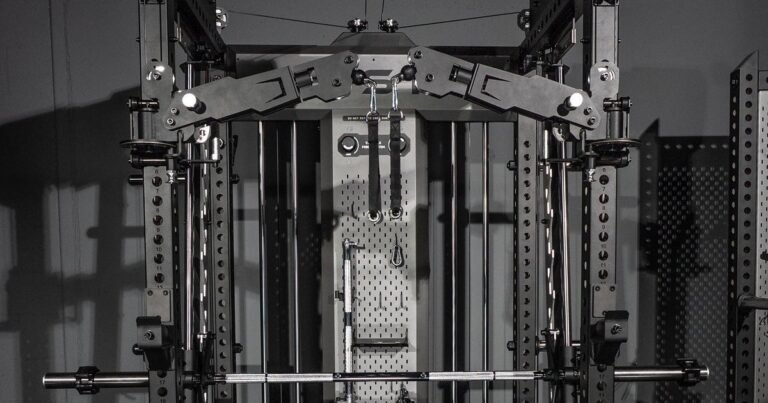
Multi Pull Smith Rack MPHR-780
All-in-one rack with a Smith machine, functional trainer, lat pulldown and low row.

Foldable Wall Rack
Wall-mounted folding squat rack designed to save floor space between workouts.


Rubber Hex Dumbbells
Rubber-coated hex dumbbell pairs with a stable shape for home and commercial strength training.


Competition Plates
Competition-style bumper plates for Olympic lifts and loaded strength training.

FID Bench MAX
Adjustable bench offering flat, incline, and decline positions + adjustable headrest.

Multi Bench MBX-650 2.0
Adjustable multi-bench with roller adjustment, 15 backrest positions and accessory mounts.
3. More sets help, but the returns are not unlimited
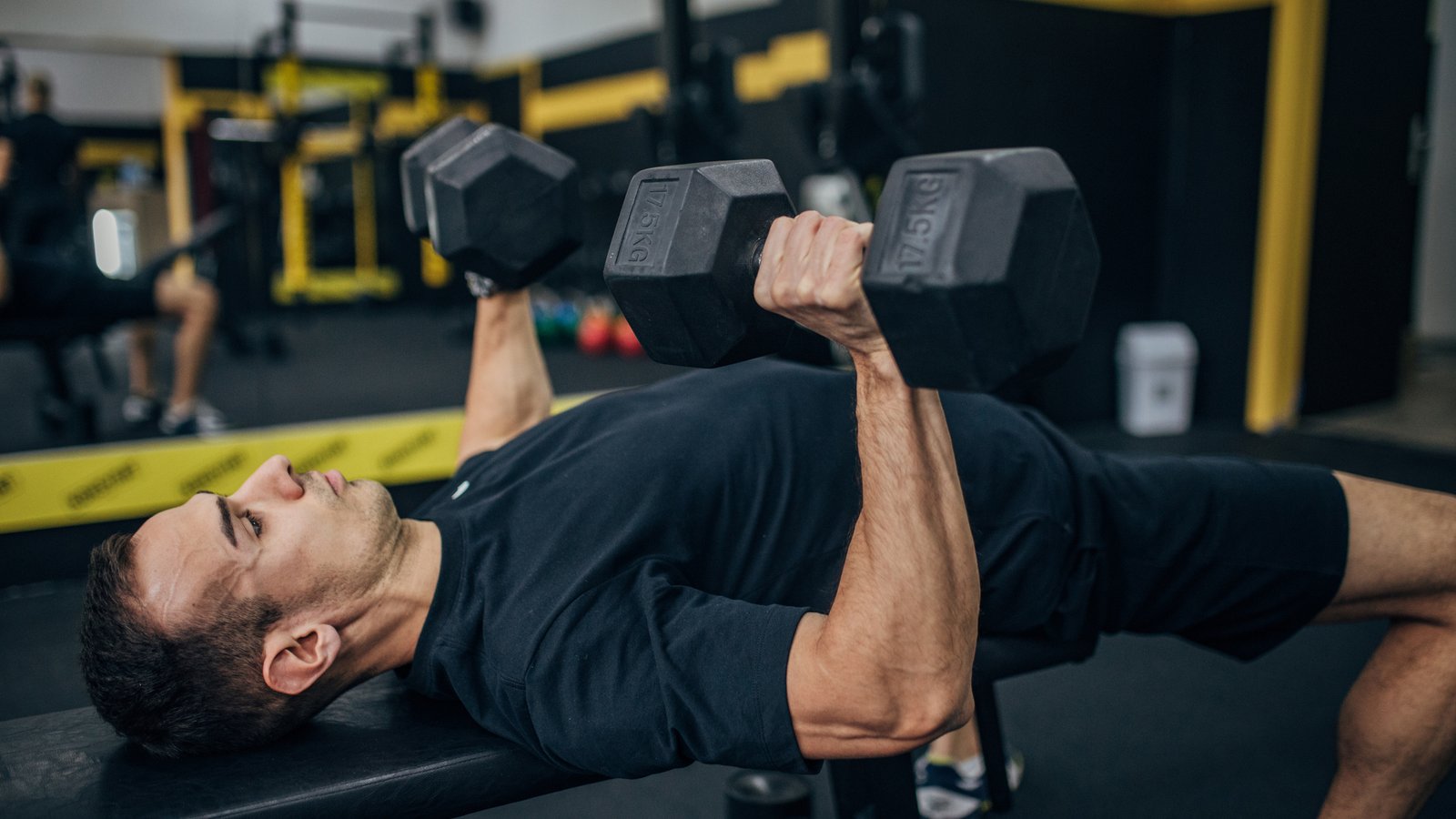
The wider evidence fits the general direction but argues against a simplistic “triple the sets, triple the muscle” rule. Larger analyses pooling multiple resistance-training trials generally find a positive relationship between weekly set volume and muscle growth. One more recent synthesis combined 67 studies with over 2,000 participants and found that additional training sets were associated with additional size and strength gains, but with diminishing returns. The strength benefit flattened sooner than the muscle-growth benefit in the fitted models.
Think of the first hard set for a muscle as potentially valuable rather than disposable. A second and third set can add meaningful stimulus, but they also take time and create fatigue. A sixth or seventh set for the same muscle in one session may be less productive than the earlier sets, particularly when technique deteriorates and your load falls. Total weekly volume, exercise overlap and proximity to failure all change what a “set” means in practice.
This explains why recommendations based solely on sets per exercise often misfire. Three bench-press sets plus three incline-press sets generate overlapping chest and triceps work. Three sets of an isolated curl do not impose the same whole-body cost as three heavy squats. The goal is a recoverable total of productive work over the week, not maximum counting for its own sake.
4. When one well-executed set is a reasonable starting point
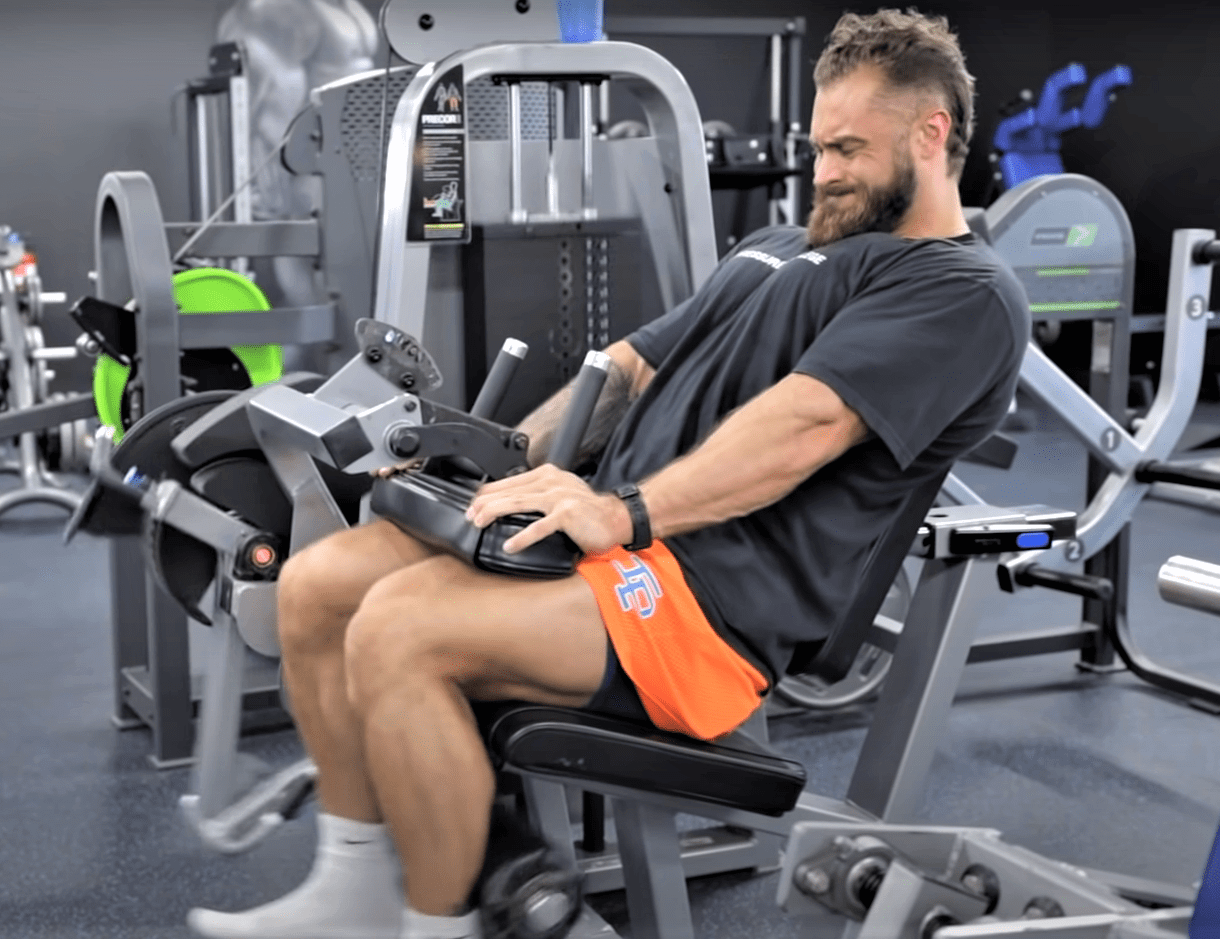
One set can make excellent sense when you are new to strength training, returning after a break, learning a complex lift or protecting a habit during a crowded week. In the experiment, the one-set group still improved several muscle and performance outcomes. The first set of a challenging exercise can be enough to establish a useful training stimulus when the alternative is skipping the gym entirely.
The catch is that the set needs to mean something. Choose a weight you can move through a controlled range of motion, use stable technique, and finish with roughly one to three good repetitions still possible on uncomplicated exercises. That effort target is a practical starting point, not a demand to grind to failure with a heavy barbell. Beginners should often keep extra technical margin while learning squats and presses.
Single-set work also has limits. If you have practiced the same routine for several weeks, are recovering comfortably, and your performance is no longer improving, there may simply be too little volume. Conversely, if one demanding set leaves you sore and unable to perform well at your next visit, immediately adding two more is not necessarily smart. Consistency and recoverability determine whether a small program is genuinely working for you.
Equipment Worth Exploring
Explore equipment, accessories and gear from our carefully selected range.

Leg Press/Hack Squat BPR-790
Convertible 45-degree leg press and hack squat machine with a broad footplate and band pegs.

Studio V-Squat
Plate-loaded V-squat machine for supported lower-body strength training.

Compact Leg Press CLP-700
Compact reverse-style leg press with a moving seat carriage and an adjustable footplate.

Leg Extension/Curl BCO-780
Leg extension and lying leg curl combo with plate loading, band pegs and a cable-loading option.

Seated Leg Combo BCO-680
Adjustable seated leg extension and leg curl machine with band pegs for added resistance.


Studio Glute Drive
Plate-loaded hip-thrust machine with supported back pad and adjustable foot platform.

Pro Sled System
Heavy-duty push-pull training sled for loaded conditioning, speed, and strength work.

Safety Squat Handles
Barbell squat handles that reduce shoulder positioning demands during high-bar squats.

5. How to add sets without wasting effort or recovery
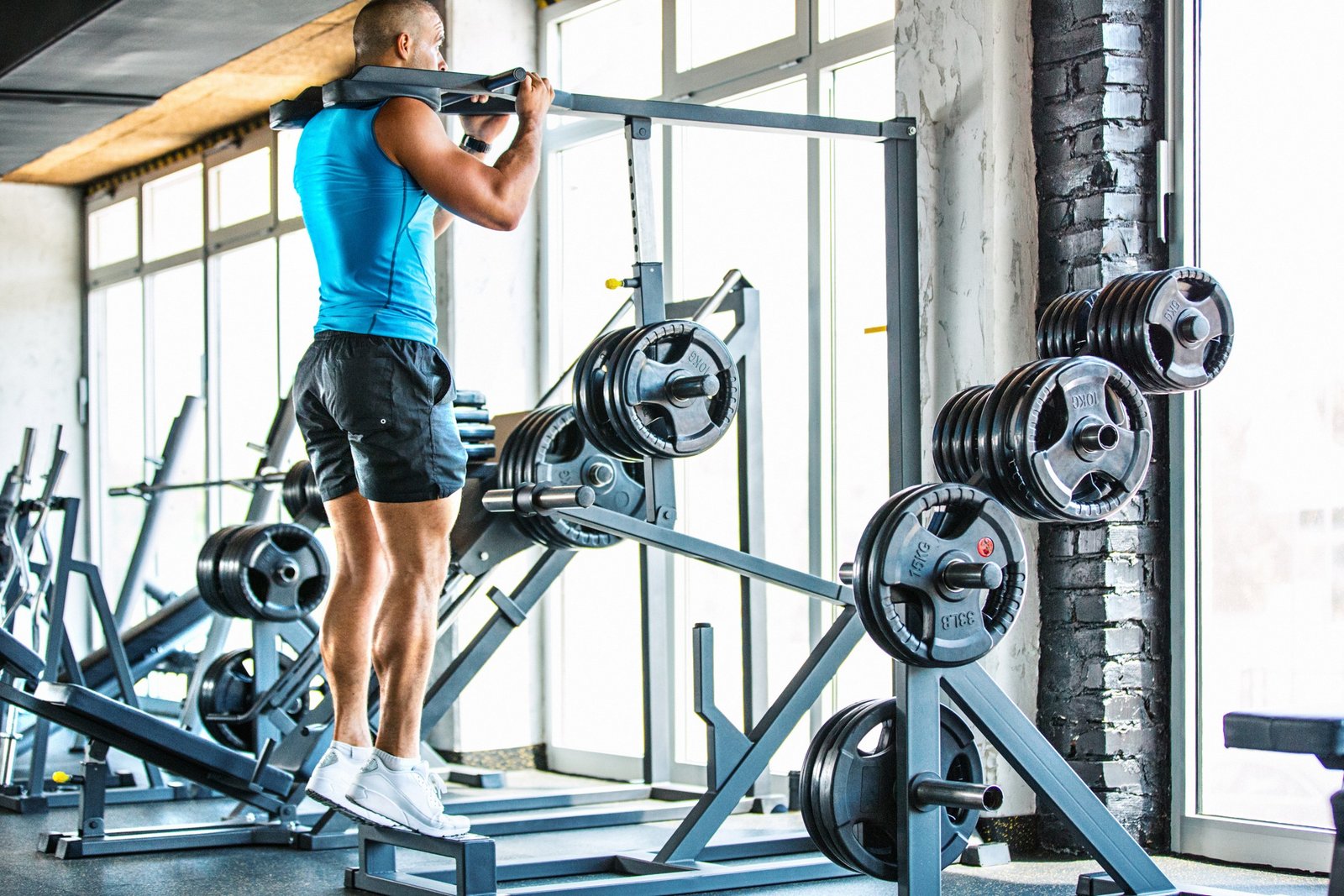
Add sets strategically rather than turning every session into a marathon. Begin with the movements that have a clear purpose: a squat or leg press, a press, a row or pulldown, a hinge or hamstring exercise, and an accessory or two. If time permits, repeat a working set on one or two priority exercises first. Keep the rest periods, exercise order and approximate effort comparable so you can tell whether the additional work is useful.
For example, a lifter focused on stronger legs might take squats from one to two quality working sets while leaving curls at one. A lifter who struggles with upper-body pressing might allocate the extra set to bench press. When three sets are performed, aim for all three to have a consistent movement pattern instead of rushing the final set just to complete the number. You may need longer rest for heavy compounds than for small isolation exercises.
A useful check is whether added work improves your repeatable performance or simply increases next-day fatigue. Some soreness is common when activity changes, but soreness is not a reliable measure of hypertrophy. Persistent joint discomfort, deteriorating repetitions or declining loads are reasons to review technique, recovery and exercise selection before piling on more sets.

Leg Day Shirts & Workout Gear
Leg-day gym shirts and workout gear for lifters who never skip squats, lunges and lower-body punishment.

7 Plates Squat Club Shirt – Meme & Leg Day Gains T-Shirt
Rep “7 Plates Squat Club” humor in and out of the gym.

Squatzilla Meme Leg Day & Squat Fans Hooded Hoodie
Show off your leg-day humor in a laid-back “Squatzilla” hoodie.

Quadzilla Massive Quads Decal Leg Day Squat Meme Sticker
Stick a little “Quadzilla” humor on your favorite gear.

My Leg Hurts Leg Day Sweater & Squat Meme Lovers T-Shirt
Keep things casual with a little “My Leg Hurts” attitude.

Heavy Squatter Harry Potter Squat Meme Sweater Leg T-Shirt
Show some gym-day personality with “Heavy Squatter”.

Let It Grow Booty Builder Leg Day & Hip Thrusts Meme Hoodie
Show off your leg-day humor in a laid-back “Let It Grow” hoodie.

Harley Quinn Booty Builder Hoodie
Bring “Booty Builder” gym humor to lazy days and post-workout plans.

Wonder Sweater Leg Day & Booty Building Meme T-Shirt
Show some gym-day personality with “Wonder Lifter”.

Girl Strong Woman Leg Day Squats Meme Barbie Tank Top
Show some personality between sets with “Gym Girl Strong Woman”.

Muscle Mommy Gym – Peach Booty Training Decal for Fitne Sticker
Give your everyday gear a playful “Muscle Mommy” twist.
6. A four-week plan to find your own useful set volume
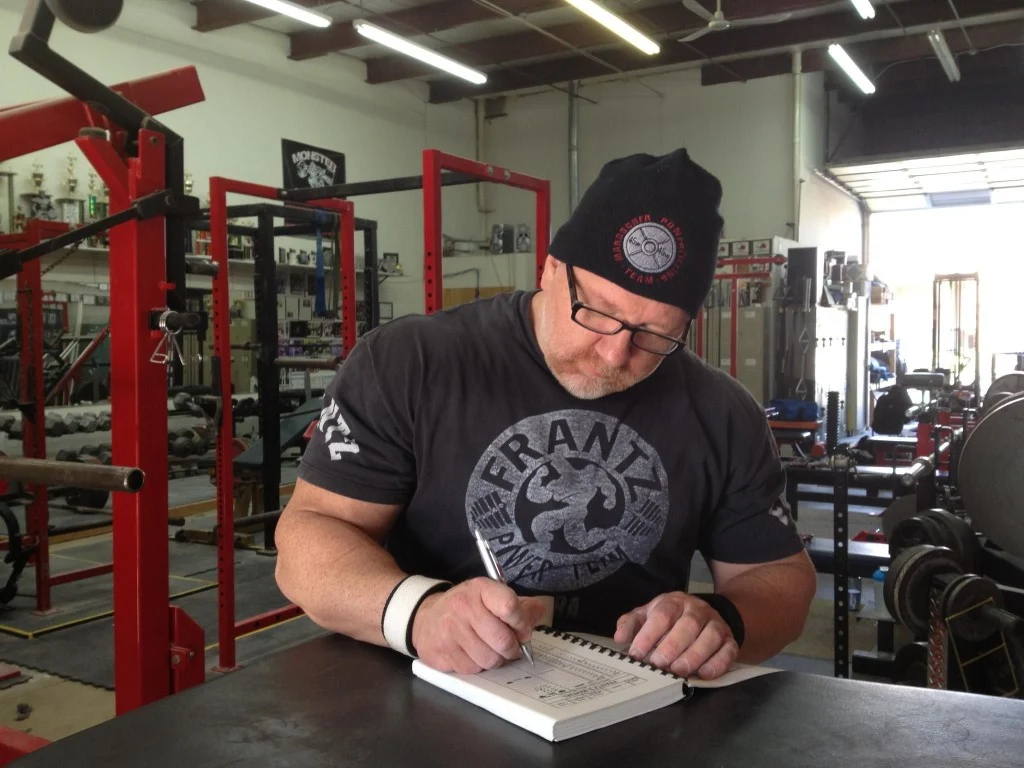
For weeks one and two, train full body on two nonconsecutive days. After a warm-up, select five or six exercises covering squat or leg press, horizontal press, horizontal pull, hip hinge or hamstring curl, overhead or vertical pull, and a small accessory. Do one challenging but technically sound set of about six to twelve repetitions for each. Log the actual weight, completed repetitions and approximate repetitions in reserve. Perform additional light practice sets when learning technique; keep those distinct from recorded hard working sets.
During week three, add a second working set to the two exercises most closely tied to your main goal, while keeping the others at one. If sleep, energy and performance stay stable, try three sets for one priority exercise in week four. This is a gradual example, not the exact experiment protocol and not a claim that every beginner needs three sets in four weeks. A trained lifter with a meaningful existing workload should instead audit their current weekly sets before adding anything.
At the end of each week, compare sessions at similar technique and effort: did you add a repetition, improve control or move a little more load? Note how much time and recovery the extra work required. If your progress is strong on the smaller dose, there is no urgent reason to triple everything. If progress stalls despite sound sleep and nutrition, one additional productive set is a sensible experiment. The best number is the smallest amount that reliably advances your goal and remains sustainable.