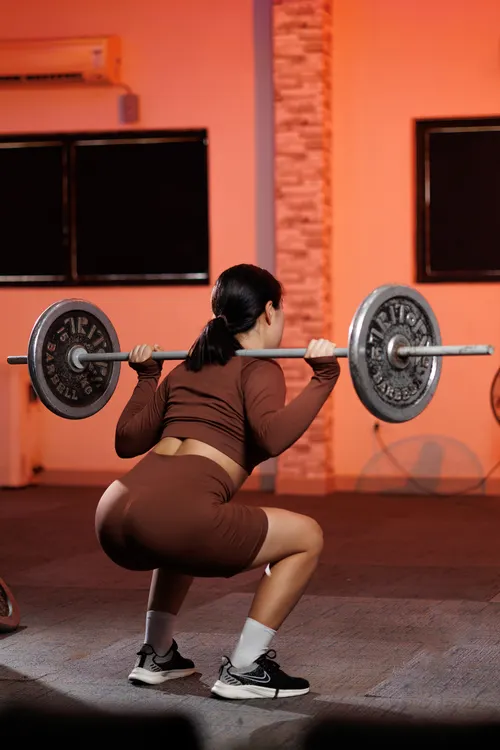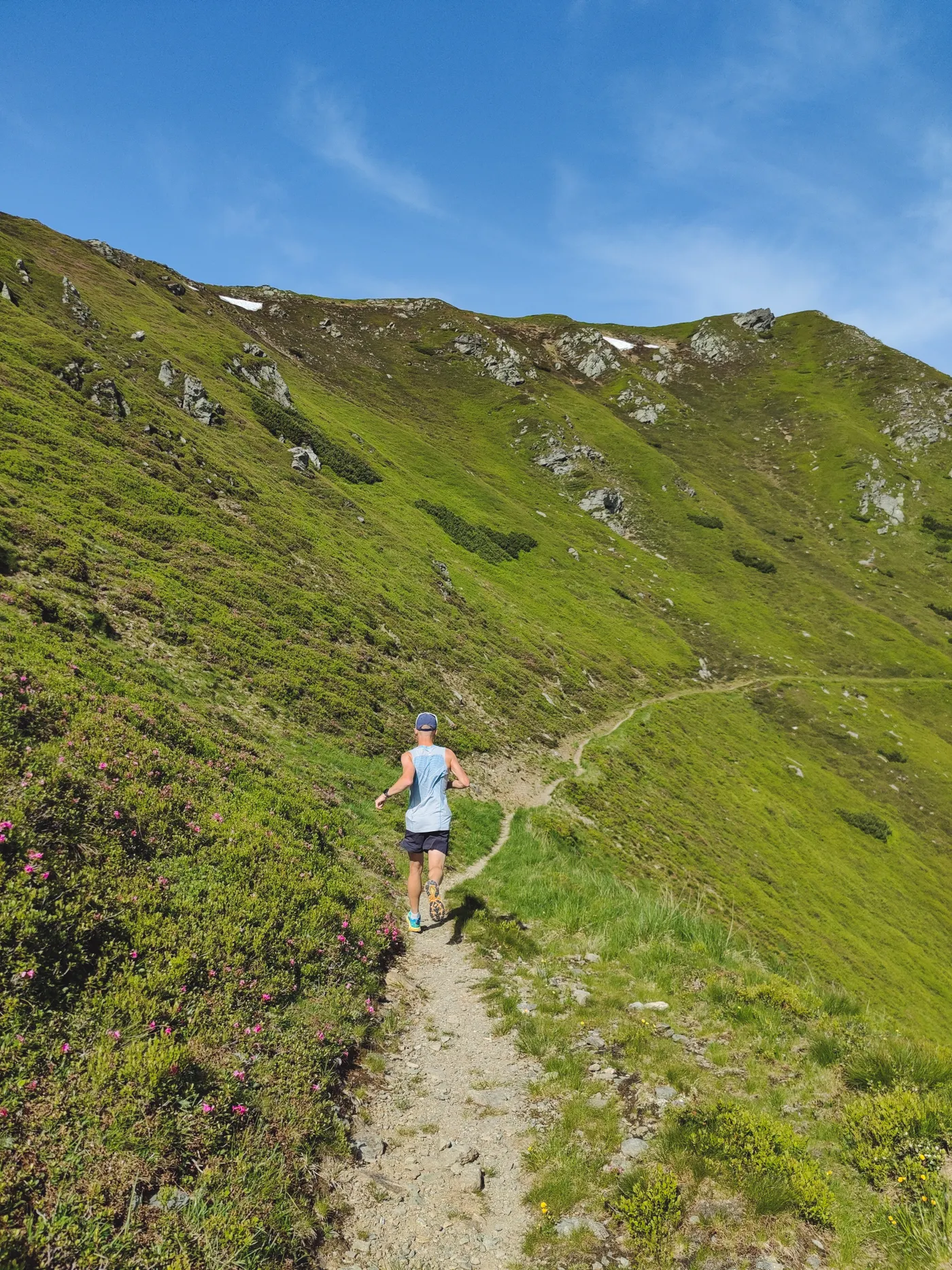
A mountain descent can feel easy on your lungs while quietly punishing your thighs. Gravity helps you move forward, but the quadriceps must repeatedly slow the body as each foot lands. A long downhill section can therefore leave a hiker or trail runner sore for days, even when the climb felt harder at the time.
A September 2026 experiment adds a revealing detail: following a demanding downhill run, the quadriceps did not lose force uniformly. The outer and inner thigh muscles showed different responses, while overall knee-extension strength remained depressed two days later. The finding is not a reason to fear hills. It is a reason to prepare for the particular kind of work that descending requires.
Why downhill running loads your quads differently
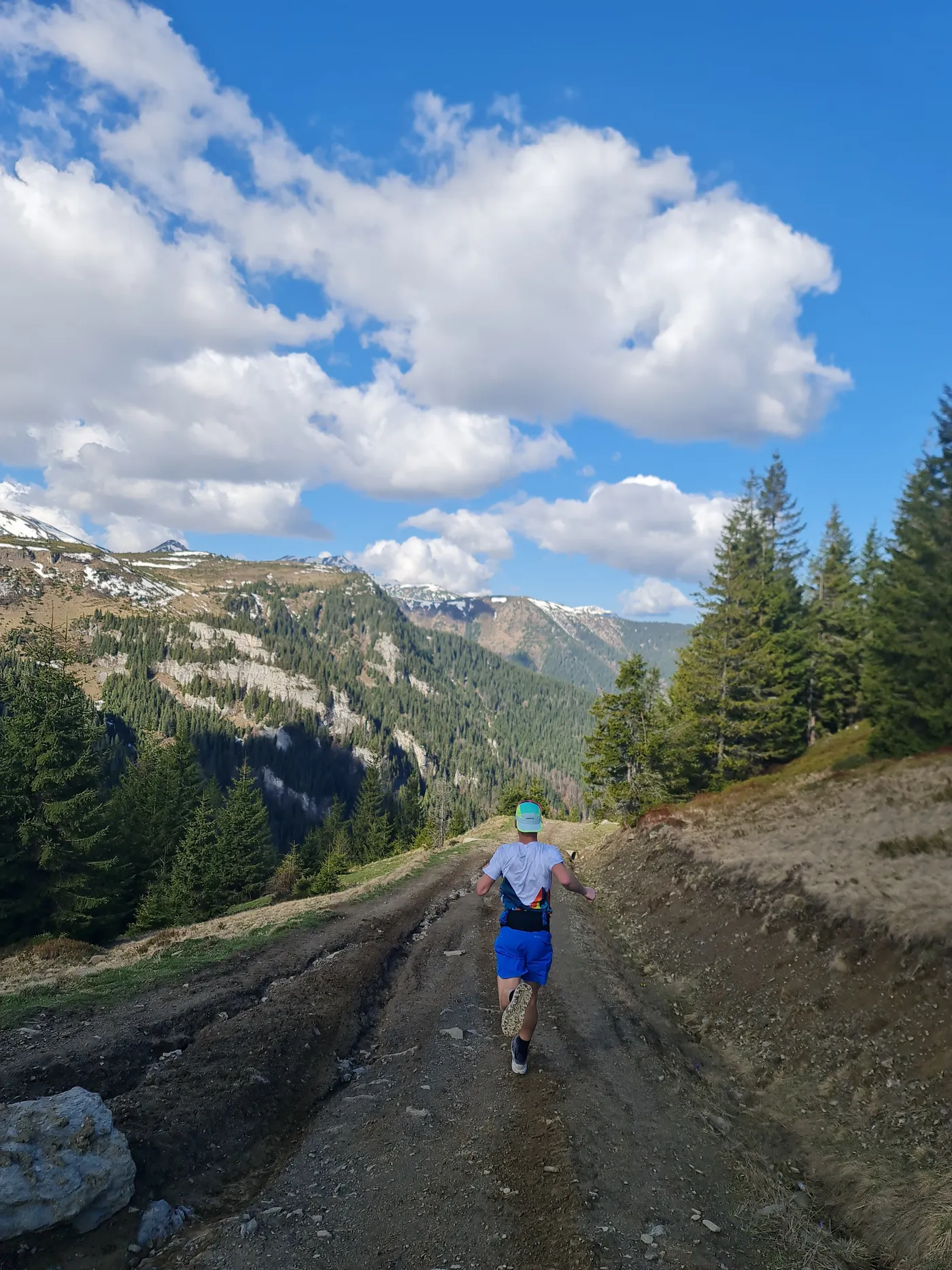
Climbing involves pushing the body upward against gravity. Descending requires the legs to absorb and control downward momentum. The knee extensors work as brakes: they produce force while lengthening, an eccentric action similar to lowering into a squat. A single step may feel trivial, but a long route involves hundreds or thousands of these controlled landings.
Eccentric exercise is not inherently damaging. It builds strength and is necessary for normal movement. Trouble arises when an unfamiliar dose arrives all at once: a steep trail after months of flat walking, a fast downhill race without prior descent practice, or a heavy backpack added to a route that was already challenging.
The slope, speed, duration, surface and training history all change the load. A gentle, familiar descent is not equivalent to a fast hour on a steep treadmill. It is important to remember that distinction before turning a laboratory result into a universal rule about hiking injuries or the amount of soreness you should expect.
What the 2026 quadriceps study found—and what it did not
Researchers recruited 15 healthy men aged 18 to 35 who were sedentary or recreationally active and were not accustomed to downhill running or regular lower-body resistance work. Eight ran downhill on a treadmill for 60 minutes at a 14% decline. Seven completed 30 minutes of level walking as a comparison. The team measured voluntary knee-extension torque, stimulated force from individual quadriceps muscles, soreness and muscle activation before exercise, immediately afterward and two days later.
The downhill-running group lost substantial maximal knee-extension strength immediately after the session, with deficits still evident two days later. Across tested knee angles, reductions were approximately 15% to 27%. The level-walking group did not show comparable losses. The outer quadriceps muscle, the vastus lateralis, also had greater low-frequency stimulated force loss than the inner vastus medialis and was more sore at the two-day assessment.
That difference matters because it challenges the idea that all four quadriceps muscles respond identically to a demanding descent. Changes in muscle activation also suggested that the nervous system’s recruitment strategy contributed to the weakness alongside changes in muscle force production.
The limits are important. The study was small, involved only young men, and used different exercise durations and modes in the two groups. It did not track knee injuries, test a prevention program or establish how much downhill walking is safe for older hikers. It measured a severe, unfamiliar running exposure. Its best practical message is to respect task-specific eccentric load, not to assume that every downhill walk causes the same strength loss.

Cardio Shirts & Workout Gear
Cardio and conditioning gym gear for runners, endurance athletes and anyone who earns the sweat.

Anti Hiking Hiking Hiking Club Shirt – & Meme Top T-Shirt
Heavy lifts, good laughs, and a little “Anti Hiking Hiking Hiking Club” energy.


Hybrid Athlete – HYROX Workout Checklist Gym Decal for Sticker
Give your everyday gear a playful “Hybrid Athlete” twist.

Cardio Is Hardio – Workout Meme Pullover Jumper T-Shirt
For laid-back days and cardio humor: “Cardio Is Hardio”.

Exercise Your Demons | Cardio Workout From Hell Pullove T-Shirt
For laid-back days and cardio humor: “Exercise Your Demons”.

Funny Uncle Sam Gym – I Want You To Do Cardio Patriotic Hoodie
Bring “Uncle Sam” gym humor to lazy days and post-workout plans.

Cardio Speed Superhero Gym Funny Treadmill Runner Crewn T-Shirt
Bring “Cardio Speed Superhero” humor to your everyday gym style.

Van Halen Jump Rope Cardio Gym Pullover Hooded Top for Hoodie
Bring “Van Halen Jump Rope Cardio” gym humor to lazy days and post-workout plans.

Freedom To Skip Cardio Patriotic Gym – Funny Statue of Tank Top
Add some cardio attitude to training with “Freedom To Skip Cardio Patriotic”.
Why a little downhill practice may protect your next descent
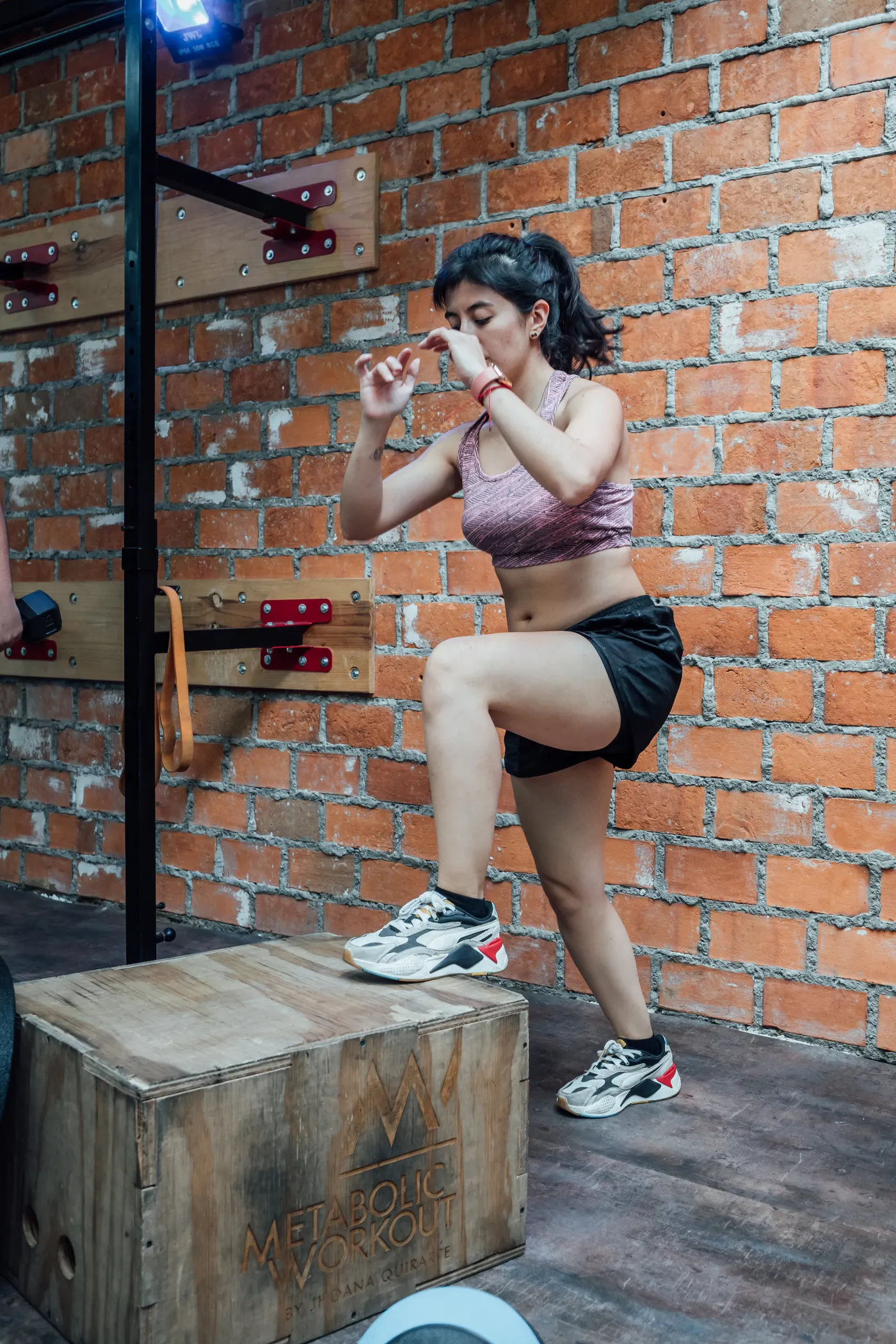
The body often responds differently to the second bout of an unfamiliar eccentric activity. Known as the repeated-bout effect, this adaptation means a similar later session can produce less soreness and less strength loss than the first. It helps explain why a seasoned trail runner can tolerate a route that leaves a strong flat-road runner struggling with stairs the next morning.
In one downhill-walking experiment, a five-minute downhill exposure performed a week before a much longer descent reduced later signs of muscle damage compared with no preparation or level-walking preparation. The experiment used steep grades and added load, so copying its exact protocol on an uncontrolled mountain would be unwise. The transferable principle is gradual exposure to the actual task.
Another small study had 11 men perform two 30-minute downhill runs separated by three weeks. The second run produced less loss of maximal voluntary strength, less quadriceps pain and smaller changes in some gait measures. It does not establish an ideal schedule, but it reinforces the value of getting familiar with downhill braking.
Start with a short, manageable descent while fresh. Keep the pace conversational, finish before technique becomes sloppy, and allow recovery before the next hard leg session. Progress one feature at a time: duration, steepness, speed or pack weight. Adding all four together may turn a sensible introduction into a surprisingly damaging workout.
Regular gym squats help general leg capacity, but they cannot reproduce every balance adjustment and landing pattern of uneven trails. The most robust preparation combines strength work with controlled exposure to actual descending.
Four exercises that build downhill braking capacity
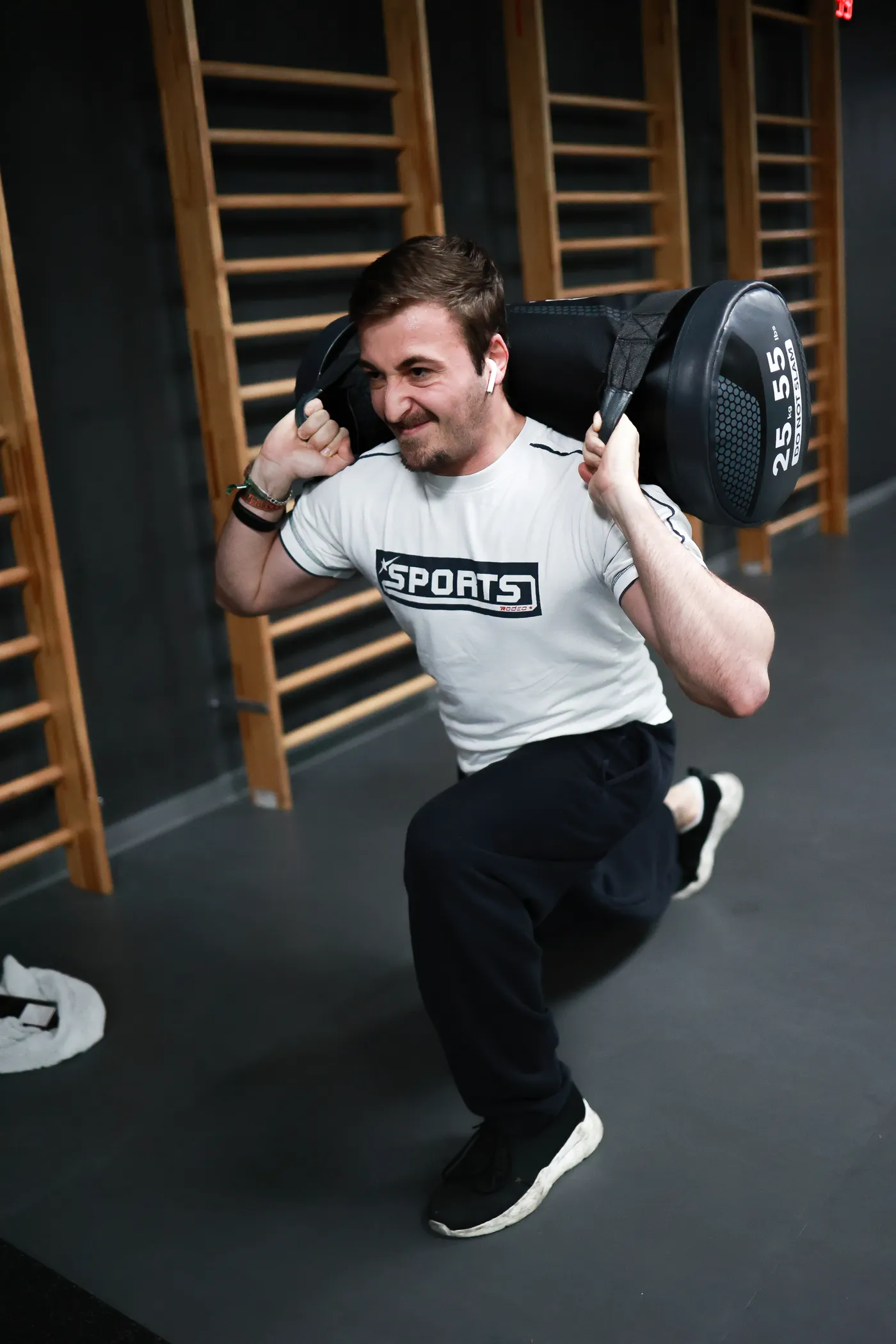
Strength training should make descents more manageable, not leave you so sore that you cannot practice them. Two modest lower-body sessions per week can be a useful starting point, with a rest day or easy session between harder efforts. Begin with a load you can control and progress only when next-day soreness is manageable.
1. Low step-downs: stand on a stable step and lower the opposite heel toward the ground over two or three seconds. Touch lightly, then return to standing. Perform two sets of six to eight repetitions per leg. Hold a rail if needed. The important part is controlled knee flexion, not the highest possible step.
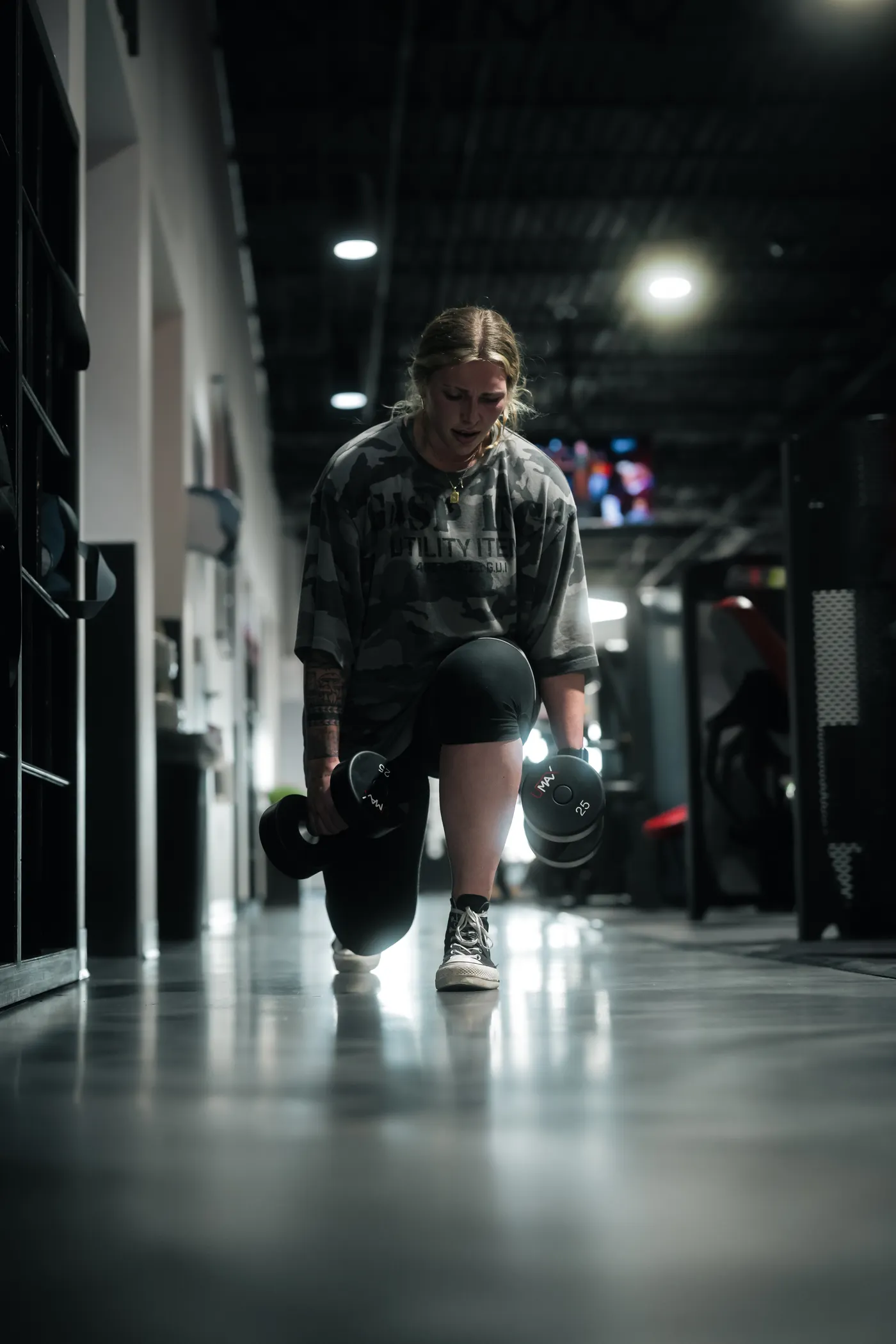
2. Split squats: lower smoothly in a comfortable stance and rise without bouncing. Start with two sets of six to ten repetitions per side. Bodyweight is enough initially; dumbbells can follow when balance and range of motion are consistent. A reverse lunge is a reasonable alternative if it feels more natural.
3. Calf raises: use a controlled lowering phase for two sets of eight to fifteen repetitions. The calves help manage ankle movement and repeated foot contacts. Work within a comfortable range, and hold support if balancing makes the movement erratic.
4. Wall-supported toe raises: lift the front of the feet while the heels stay planted, then lower slowly. Two sets of ten to fifteen repetitions can train the muscles along the shin that help position the foot during uneven steps.
Choose two or three movements rather than making every session a marathon. A squat, leg press or step-up can replace one exercise if equipment or joint comfort dictates. A controlled lowering phase is useful, but deliberately extreme slow negatives are not required. Sharp joint pain is a reason to change the exercise, not a sign that the workout is effective.

Equipment Worth Exploring
Explore equipment, accessories and gear from our carefully selected range.

GymPin Squat Wedges
Non-slip 15-degree squat wedges help elevate the heels for deeper quad-focused squats.


FID Bench MAX
Adjustable bench offering flat, incline, and decline positions + adjustable headrest.


HUSLA Leg Extension Pad
Pad attachment designed to increase usable range of motion on compatible leg-extension machines.
VOLTRA
Compact digital cable trainer with smooth, adjustable resistance.

Squat Harness
Wearable harness for hands-free cable squats, sled work, and lower-body training.
Use shorter steps and deliberate speed on technical descents
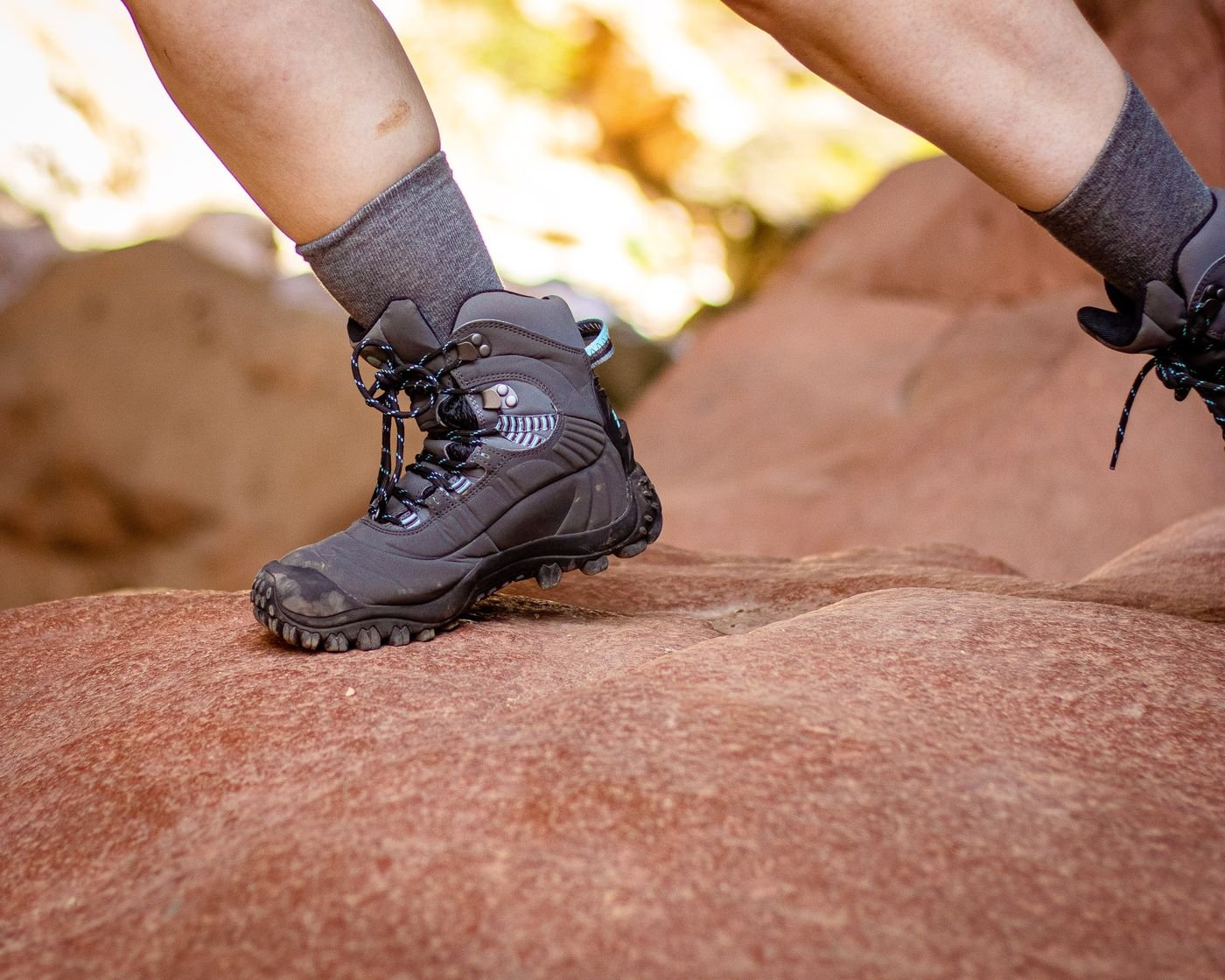
Technique cannot erase the mechanical work of going downhill, but it can help you manage it. On unfamiliar terrain, shorten the stride, look ahead for stable foot placements and avoid reaching far out in front of the body. A long overstride can turn each landing into a large braking action, particularly when the slope is steep and the pace is high.
For hikers, moving deliberately is more useful than trying to maintain the same walking speed as on level ground. For trail runners, the fastest split is not always the best descent. Wet roots, loose gravel and rocky ledges require a different pace from a smooth path. Use established switchbacks instead of cutting straight down a fragile slope, and give yourself room to adjust balance.
Some soreness in the quadriceps after an unfamiliar descent is expected. Localized joint pain, swelling, locking or repeated giving-way is a different issue and should not be dismissed as ordinary delayed-onset soreness. Stronger quads may improve capacity, but they do not guarantee a pain-free knee or rule out other causes of symptoms.
Plan the descent as a real part of the route’s workload. Arriving at the summit exhausted and treating the return as a free ride is a common programming mistake. If the day includes a long drop in elevation, keep enough strength and concentration in reserve for the journey down.
Funny Gym Shirts & Workout Gear
Funny gym shirts, tanks, hoodies and workout gear for lifters who like training hard.

My Leg Hurts Leg Day Sweater & Squat Meme Lovers T-Shirt
Keep things casual with a little “My Leg Hurts” attitude.

Don'T Fart Squats & Leg Day Memes Athletic Shirt Tank Top
Bring “Don't Fart Squats” humor to your next lifting session.

Never Skip Leg Day – NSLD Fried Chicken Meme Hooded Pul Hoodie
Stay casual and show some leg-day attitude with “Never Skip Leg Day”.

Never Skip Leg Day Flamingo – Fitness Meme Decal for Wa Sticker
Stick a little “Never Skip Leg Day Flamingo” humor on your favorite gear.

Legendary Leg Day – Squat Meme Vest Muscle Shirt For At Tank Top
Add some leg-day attitude to training with “Legendary Leg Day”.

Heavy Metal Skeleton Squat for Powerlifters, Bodybuilde Hoodie
Show off your metalhead humor in a laid-back “Heavy Metal Skeleton Squat” hoodie.

Leg Day Thou Shalt Not Skip Leg Day Medieval Gym Crewne T-Shirt
Show some gym-day personality with “Leg Day”.

6 Plates Squat Club Meme Shirt – Motivational Leg T-Shirt
Bring “6 Plates Squat Club” humor to your next gym day.

Get In Loser We'Re Gonna Squat Booty Leg Day Meme T-Shirt
Show some leg-day attitude with a playful “Get In Loser We're Gonna Squat” tee.

Trekking poles, backpack weight and recovery
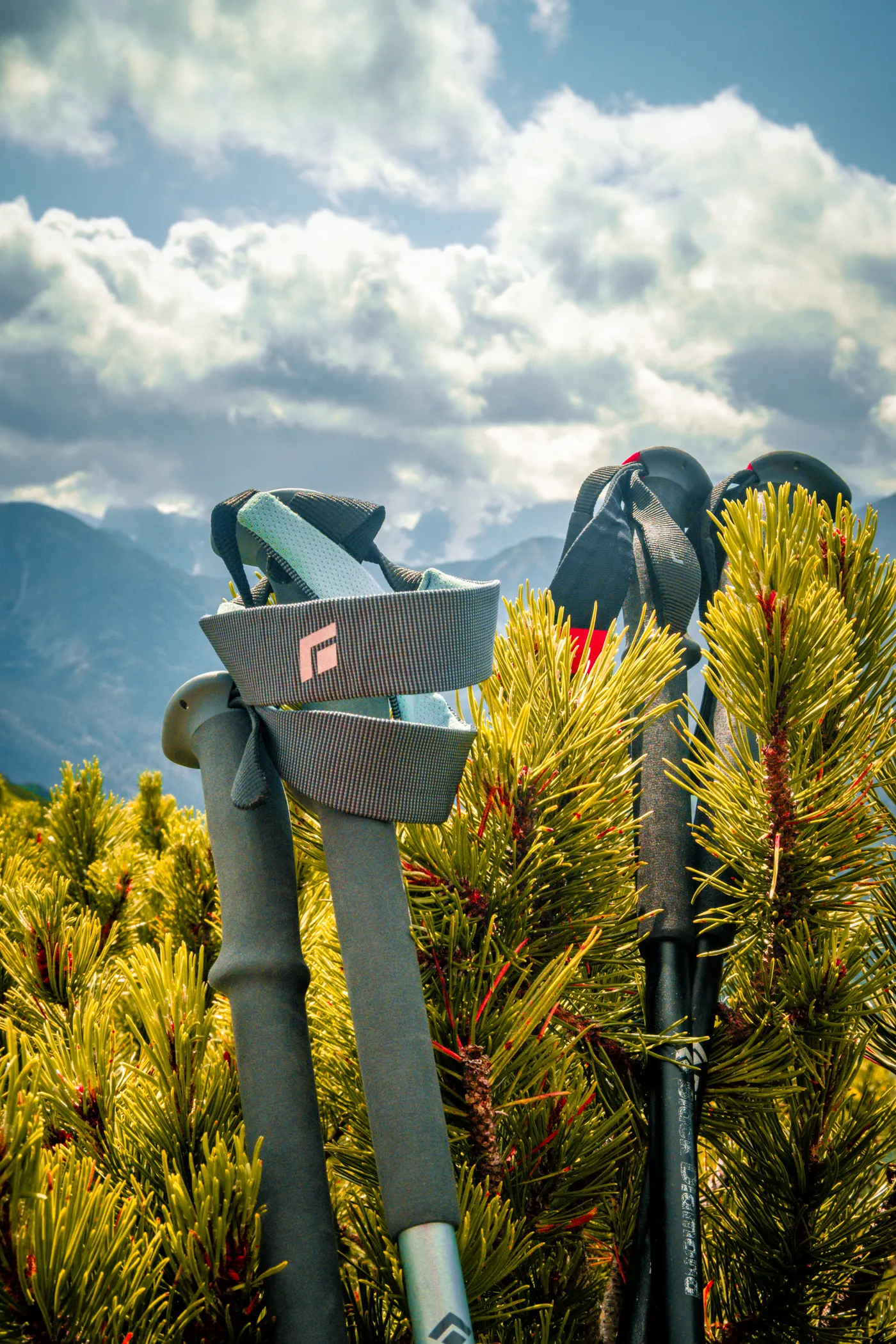
Trekking poles can shift some demand toward the upper body and improve balance on long descents. In a small biomechanics study, poles reduced several measured knee-loading variables during downhill walking. A separate mountain-trekking experiment found less subsequent soreness and smaller declines in some muscle-function measures among people using poles. Neither study proves that poles prevent all injuries, but they support poles as a reasonable option when used competently.
Practice pole placement on easy ground before depending on it on exposed rock. A pole caught between stones can become a hazard. Adjust the length for terrain, keep movements natural and do not plant so far away that you have to lunge after the pole. If you are carrying a backpack, increase weight gradually rather than using a heavy pack to compensate for a lack of downhill practice.
Recovery matters because the thighs may feel worse a day or two after the descent than at the finish. Gentle walking or cycling can feel comfortable, but another hard downhill session or high-volume eccentric leg workout may compound the stress. Sleep, ordinary meals and a return to normal strength and movement are more useful guides than a rigid rule that every hiker needs exactly the same number of rest days.
Severe swelling, dark urine, pronounced weakness or rapidly worsening pain is not routine post-hike soreness and calls for prompt medical attention. For ordinary delayed-onset soreness, the goal is to build tolerance gradually, not to prove toughness by repeating the most damaging session before you recover.
A four-week plan for stronger descents
Week 1: learn the basics. Complete one or two short sessions with low step-downs, split squats and calf raises. Add a gentle downhill walk lasting roughly five to ten minutes in total. Keep it easy enough that you could comfortably repeat it. The objective is exposure, not a personal record.
Week 2: repeat and add a little. Keep the gym exercises consistent, adding a small amount of load or a few repetitions if the first week recovered well. Repeat the descent or extend it modestly. Do not also introduce a heavier backpack and a faster pace in the same session.
Week 3: practice the real terrain. Choose a somewhat longer descent on a surface resembling your upcoming hike or trail race. Practice controlled foot placement on uneven sections and recover on easier ground. Separate the hardest descent from the week’s heaviest lower-body lifting session.
Week 4: consolidate. Repeat a familiar descent and judge progress by stable steps, controlled speed and how you recover afterward. If an event is close, reduce the most damaging downhill work rather than trying a new steep session days before the start. A prepared athlete does not need a soreness test in the final week.
These minutes and sets are adjustable. An experienced mountain runner, a beginner hiker and someone returning from knee symptoms will need different starting points. Keep the underlying rule: strengthen the legs, practice the actual task and let recovery govern the next increase. If soreness stays severe or movement deteriorates, reduce the next exposure instead of forcing the plan forward.
The aim is not to make every descent effortless. It is to turn unfamiliar braking work into a familiar skill, so the final miles of a hike or race are controlled rather than survived on shaky legs.
Equipment Worth Exploring
Explore equipment, accessories and gear from our carefully selected range.


Leather Lifting Straps
Padded leather straps support grip during heavy rows, deadlifts and pulling exercises.


Safety Squat Handles
Barbell squat handles that reduce shoulder positioning demands during high-bar squats.