Advertising disclosure: This page includes affiliate product links that may earn us a commission, as well as products from our own store.
Band Pull-Aparts: How Grip and Angle Change Five Shoulder Muscles
A resistance band is one of the simplest ways to add a few shoulder-focused reps to a workout. But the familiar pull-apart is not one single exercise: you can turn the palms up or down, pull straight across your chest or move diagonally. Those seemingly small changes alter the work being done around your shoulder blades.
A controlled test of ten healthy men measured activity in five shoulder muscles during nine versions of the movement. The findings are useful if you want to emphasize rear delts, rotator-cuff involvement or the lower traps. They also come with an important limitation: a brief electrical activity test cannot tell you which version will build the most muscle or fix shoulder pain. Here is how to interpret the results and build a reliable exercise around them.
1. What the 10-person shoulder-muscle test actually measured
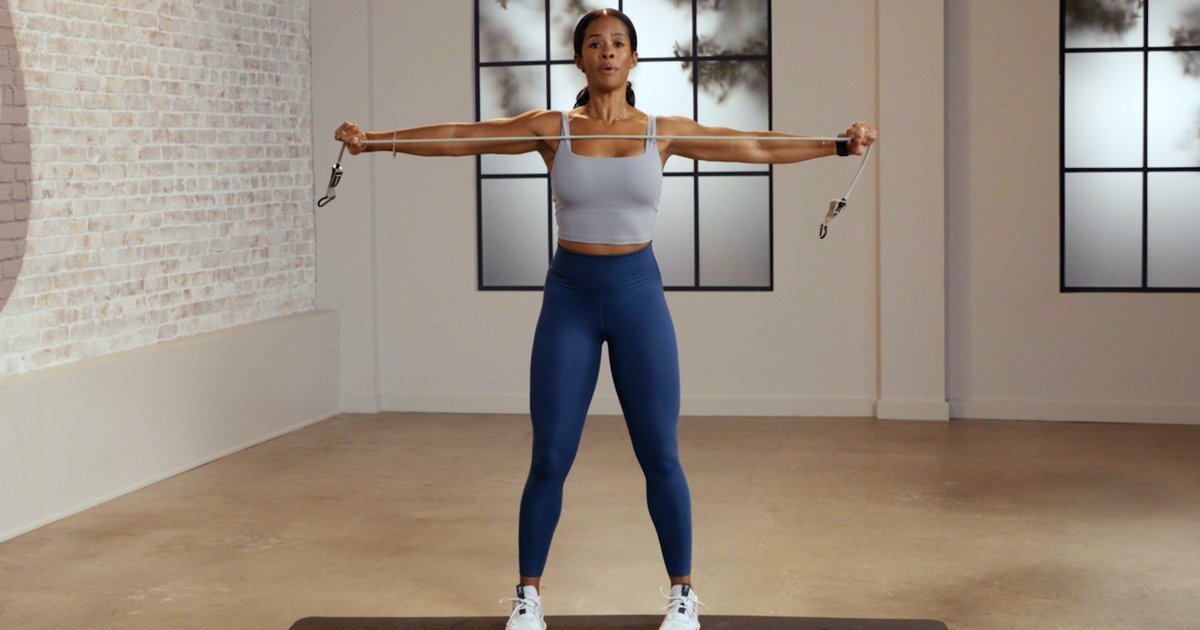
Band pull-aparts are frequently described as a quick upper-back or shoulder warm-up, but that shorthand hides several different movements. A palms-up pull across the chest is mechanically different from a palms-down repetition performed on an upward diagonal. The point is not merely whether you can stretch the band; it is which shoulder and shoulder-blade muscles are asked to do the work, and how much effort you create.
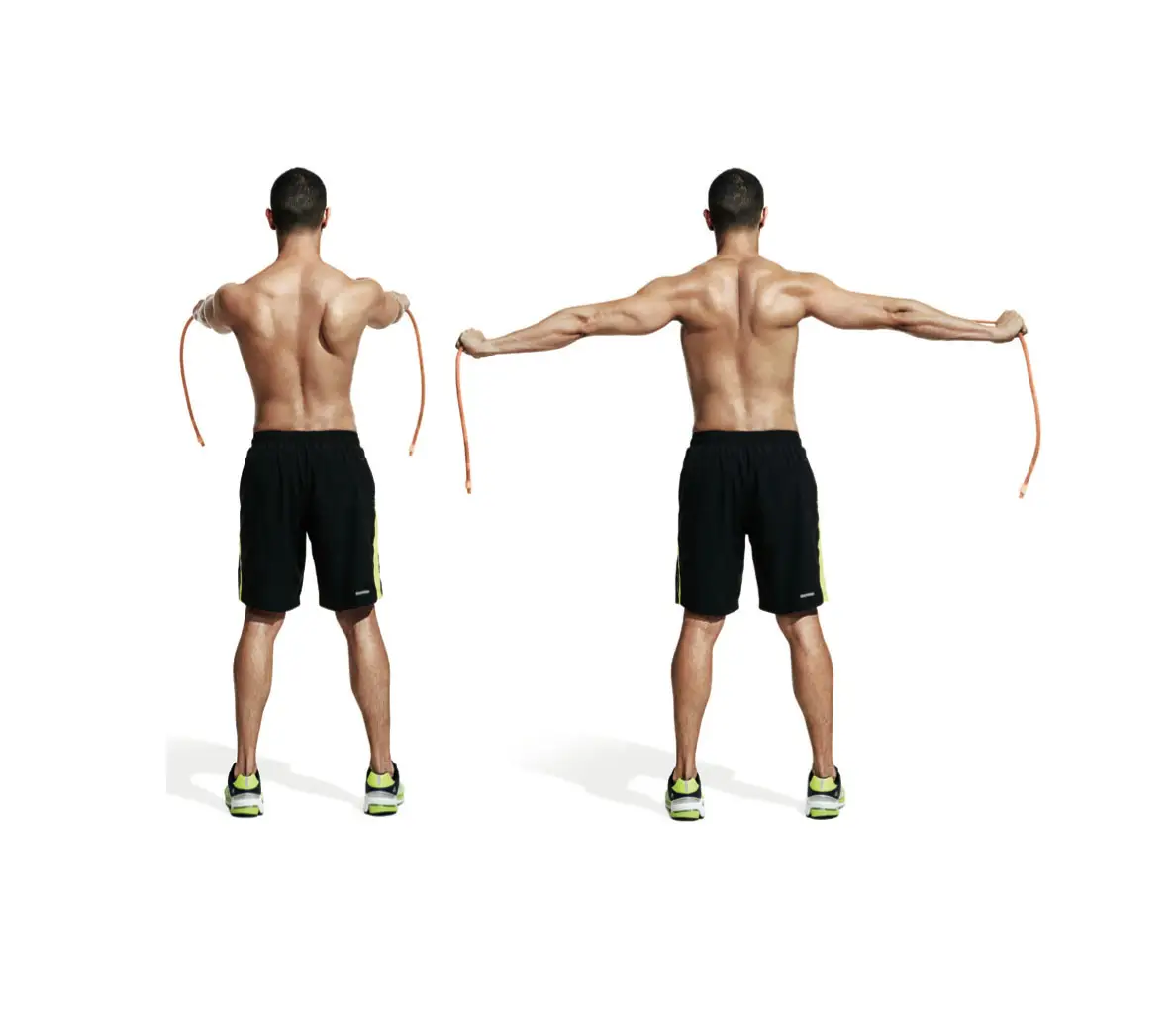
In one controlled laboratory test, ten healthy men with an average age of 36 years completed nine pull-apart combinations. The researchers crossed three hand positions—palms up, neutral and palms down—with three pull directions: diagonal up, straight across and diagonal down. Each man performed three repetitions of every combination, using a band they rated as moderately hard, roughly five out of ten on an exertion scale. Each opening and return phase was paced at about three seconds. The investigators recorded electrical muscle activity from the infraspinatus, upper trapezius, middle trapezius, lower trapezius and posterior deltoid.
Across these conditions, peak activity ranged from approximately 15% to 73% of each muscle’s measured maximal voluntary contraction. That is a meaningful range of acute muscle recruitment, not a ranking of nine workouts by eventual gains. It does not prove that the variation with the highest electrical signal builds the most muscle, prevents shoulder injuries or produces the best recovery. The participants were healthy adults, the trial was small, and each condition lasted only a few repetitions.
Still, it gives lifters a useful answer to a narrower question: if you change the direction of the band or rotate your hands, can you change which muscles are working hardest at that moment? Yes—and the pattern is specific enough to inform exercise selection rather than relying on a single all-purpose cue.
2. Palms up, neutral or palms down: target different tissues
For the infraspinatus, one of the rotator cuff muscles that helps externally rotate and stabilize the shoulder, palms-up pulls produced more activity on average than either neutral or palms-down pulls. The measured differences were about 8.7 percentage points of maximal contraction versus neutral and 11.1 versus palms down. Lower trapezius activity followed a similar pattern, with a palms-up advantage of around 10.4 points versus neutral and 13.3 versus palms down.
Turn the palms downward and the emphasis changes. In this test, a pronated grip produced greater posterior-deltoid activity than palms up or neutral, while upper-trapezius activity was higher than neutral. The posterior deltoid matters for shoulder horizontal abduction and contributes to the rear-shoulder look many lifters want. The upper traps help elevate and rotate the shoulder blades, but more upper-trap activity is not always the goal for a drill intended to bias the lower traps or rotator cuff.
Neutral hands are a perfectly reasonable compromise, especially when palm-up positioning feels awkward at the wrist or shoulder. There is no need to force a dramatic external rotation beyond a comfortable position. Rotate the whole arm as tolerated, keep the wrists approximately aligned with the forearms, and stop a grip variation that provokes pinching rather than assuming the lab average applies perfectly to your anatomy.
For a deliberate rear-delt accessory, a palms-down horizontal pull may be a sensible place to experiment. For a low-load drill where you want to emphasize the infraspinatus and lower traps, try palms up with a manageable band. Both are tools, not universal prescriptions: the best grip is one that serves the target, stays comfortable and lets the next set look like the previous one.
3. Why diagonal-up pulls recruit more—and why that is not always better
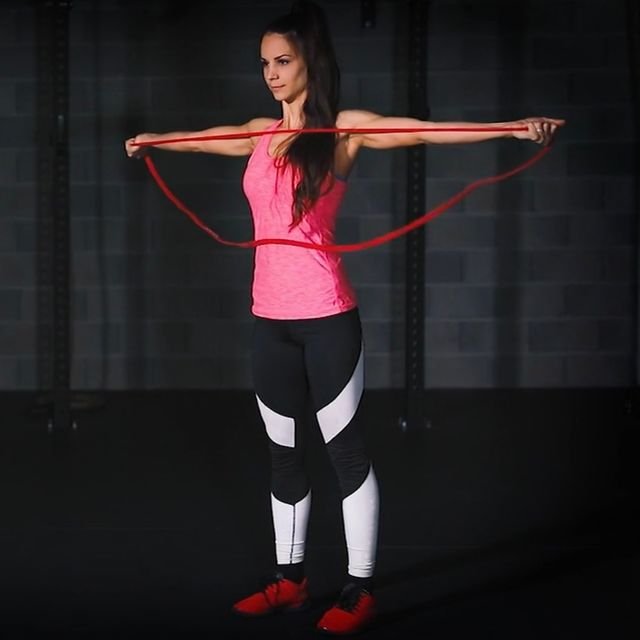
Direction changed the result as much as grip. Pulling on an upward diagonal generally produced higher activity for the upper trapezius, middle trapezius and lower trapezius than pulling diagonally downward. The diagonal-up position also showed higher overall values for several other muscles, although not every pairwise comparison was statistically clear. One practical reason is that the arms move against gravity as well as against the elastic resistance.
For the upper trapezius, average activity with an upward diagonal exceeded horizontal movement by about 13.5 percentage points and diagonal-down movement by about 36.4 points. For the lower trapezius, upward movement exceeded horizontal by about 11.2 points and diagonal down by about 34.9 points. Those numbers describe the measured task in a small group at a standardized tempo, not the extra muscle growth you will earn by pointing the band higher.
Use a horizontal pull when you want a repeatable basic movement: start near chest height and move the hands apart while maintaining the same height. An upward diagonal can be useful if you deliberately want greater scapular and shoulder recruitment and the motion is comfortable. A downward diagonal may be the better entry point when the upward path creates excessive shrugging, poor control or symptoms.
One mistake is to interpret ‘more activation’ as ‘always safer’ or ‘always superior.’ If you already have upper-trap dominance, a high diagonal is not automatically a correction. If the arm angle causes sharp discomfort, reduce both angle and band tension. No acute EMG experiment can establish an individually ideal shoulder-rehabilitation protocol, and people with symptomatic shoulders were not represented in this test.
4. Set the band, control the shoulder blades and make every rep comparable
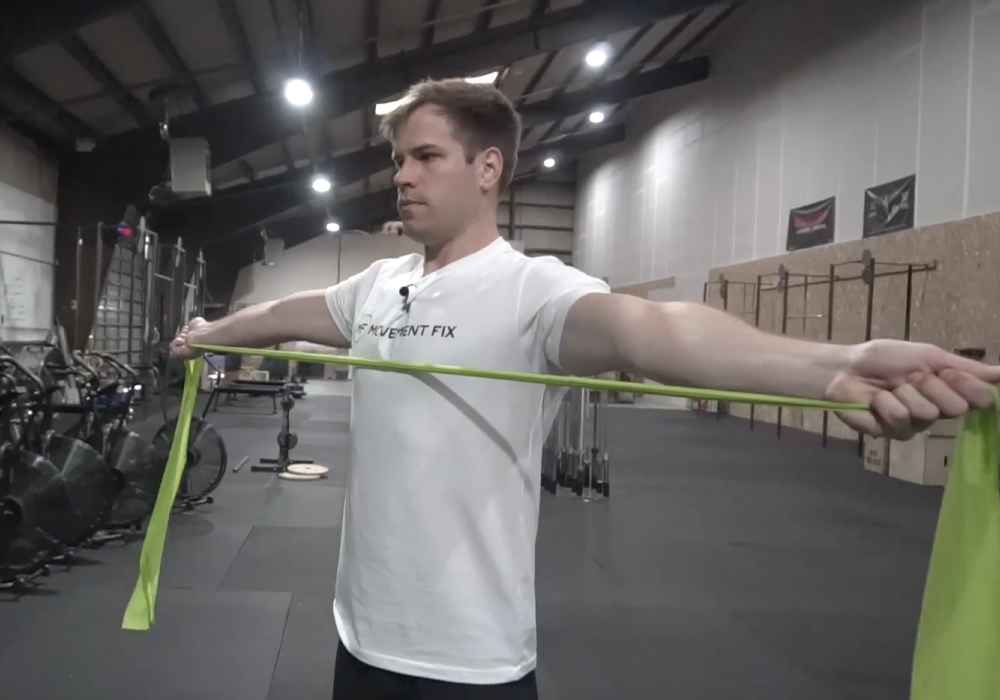
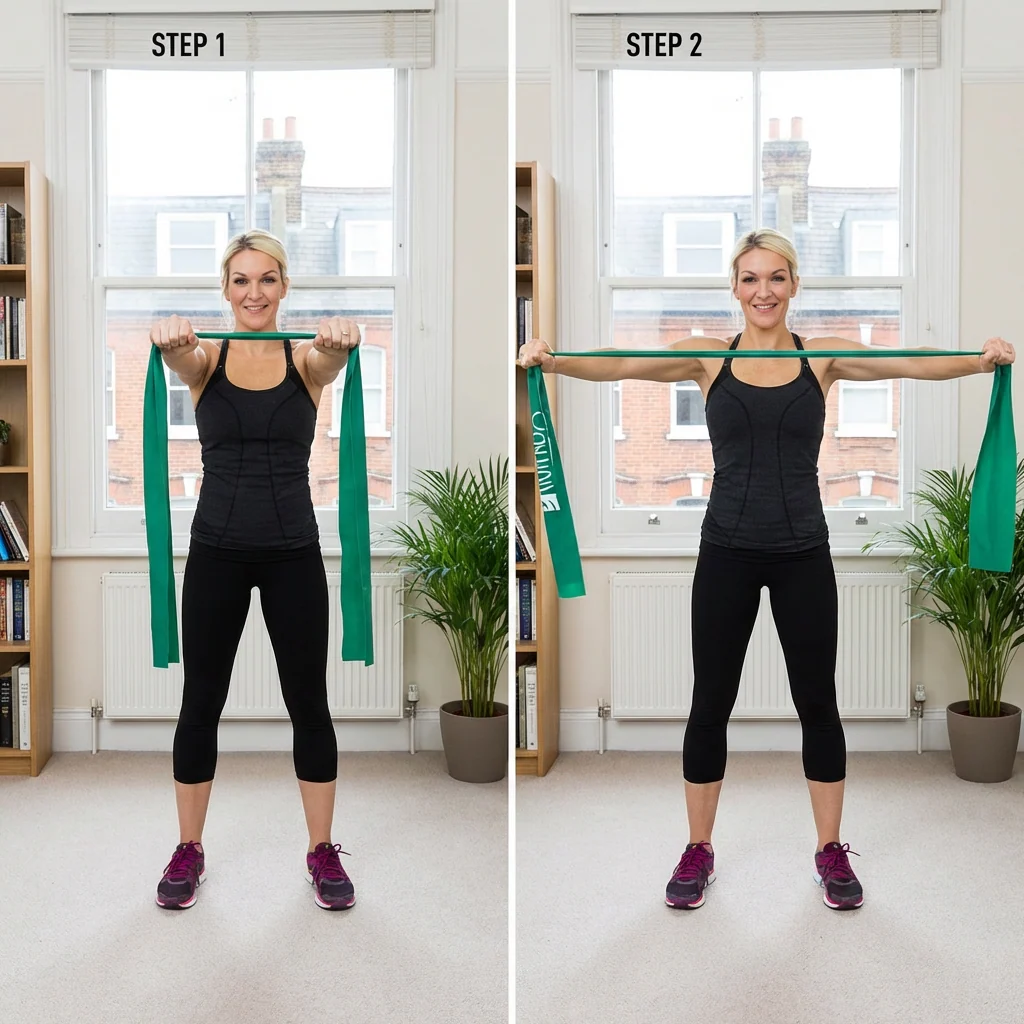
Start with a light loop or flat elastic band held in front of the upper chest. Spread your hands enough that the band lies straight without slack, but avoid starting under hard tension. Stand tall, soften the knees, keep the ribs stacked over the pelvis and let the shoulders sit naturally. Straight arms are not essential; a slight, consistent elbow bend makes the pulling path easier to repeat.
To perform a horizontal rep, separate your hands smoothly while letting the upper arms move outward. Picture the elbows tracking wide instead of jamming backward. Let the shoulder blades move with the arms rather than pinching them as hard as possible from the first inch of travel. When the band approaches the chest, pause briefly in the controlled range and return slowly; do not allow the hands to slam together. A clean two- or three-second return is an effective way to avoid turning the rep into a bounce.
The amount of force rises as an elastic band stretches. A very thick band can turn the end range into a struggle, shortening each repetition and making your neck tense. If you are hiking the shoulders toward the ears, arching the lower back or thrusting the chin forward, choose less tension, move the hands closer together at the start or shorten the working range. These are better levers for changing difficulty than pretending every band color represents a standard load.
Film a few reps from the front or slightly behind if form consistency is uncertain. Check whether one hand travels higher, whether the trunk turns, and whether the ending position changes as fatigue arrives. Control both phases and leave at least a couple of good repetitions in reserve when using pull-aparts as a warm-up. You are rehearsing useful movement, not auditioning for a maximal elastic-band snap.
5. Where pull-aparts fit beside rows, reverse flies and rotator-cuff work
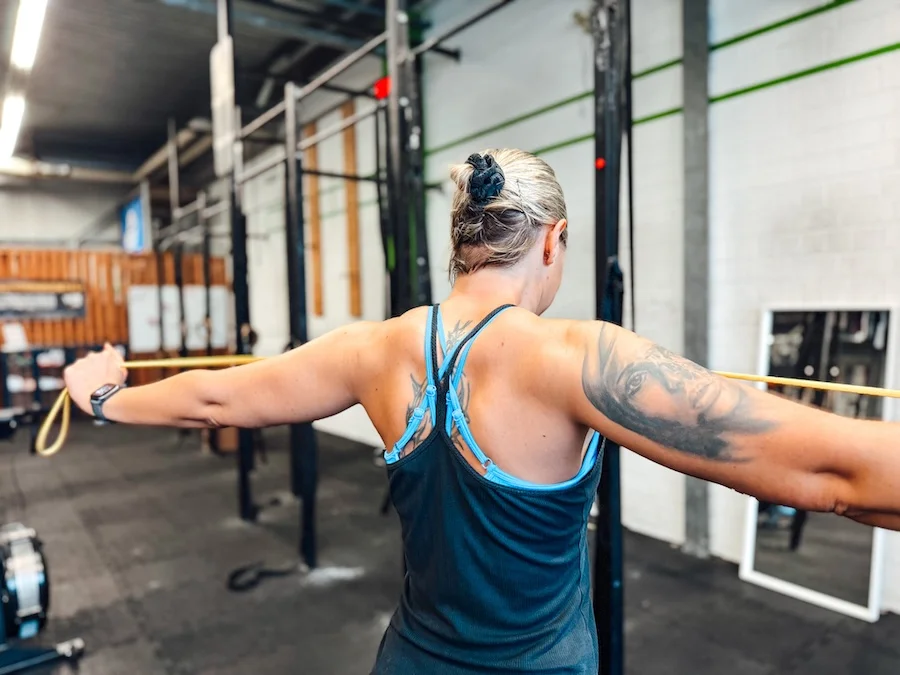
A band pull-apart overlaps with several gym movements, but it is not a perfect substitute for all of them. Cable reverse flies let you adjust the line of pull and resistance more precisely; a reverse pec deck provides a fixed setup for repeatable rear-delt loading. Chest-supported rows allow substantially more external load and bring the elbow flexors and larger back muscles into the exercise. Light, deliberately controlled shoulder external-rotation work can also be useful when the goal is more specific than general pulling.
Pull-aparts work well before upper-body sessions because the band is portable, the load is easily adjusted and the movement is simple to repeat between heavier sets. They can also provide an accessory stimulus after a pressing day. But doing dozens of effortless repetitions does not automatically balance an entire training program, and feeling a shoulder ‘burn’ does not reveal whether you have corrected a movement problem.
For lifters targeting rear-delt hypertrophy, keep progressive, trackable rear-delt work in the program rather than relying exclusively on a band warm-up. Choose cable flies, dumbbell reverse flies or an appropriate machine variation if they allow better control of hard sets over time. Pull-aparts then complement those exercises with a different resistance profile and a convenient low-load option.
Shoulder pain deserves a separate decision. If the exercise produces sharp pain, instability, tingling or increasing symptoms, discontinue that version and seek an appropriate clinician’s assessment when needed. Electrical muscle activity in ten healthy men does not validate a self-diagnosis, rule out injury or prove that any particular hand position rehabilitates a damaged rotator cuff.

Equipment Worth Exploring
Explore equipment, accessories and gear from our carefully selected range.

Pec Fly/Rear Delt PEC-650
Combination machine with adjustable movement limits for chest fly and rear-delt exercises.

VForce Wall Trainer
Space-saving wall-mounted functional trainer with pivoting cable arms and variable resistance ratios.
VOLTRA
Compact digital cable trainer with smooth, adjustable resistance.

Go-Tone Pro
Portable digital cable trainer with up to 66 lb (30 kg) of adjustable resistance.

GymPin D Cuffs
Adjustable wrist cuffs with textured grips for supported cable-machine exercises.

GymPin Ergo Handles
Pair of ergonomic cable handles shaped for comfortable triceps and pulling exercises.


VForce 2IN1
Half rack and pivot-arm functional trainer with switchable 1:1 and 2:1 pulley ratios.

Trinity Lat Machine LSW-850
Weight-stack pulldown tower offering three cable directions and adjustable seated support.

VForce 3IN1 Max
Six-post all-in-one rack with Smith machine, functional trainer, and variable-force cables.
6. A four-week plan that progresses control rather than band color
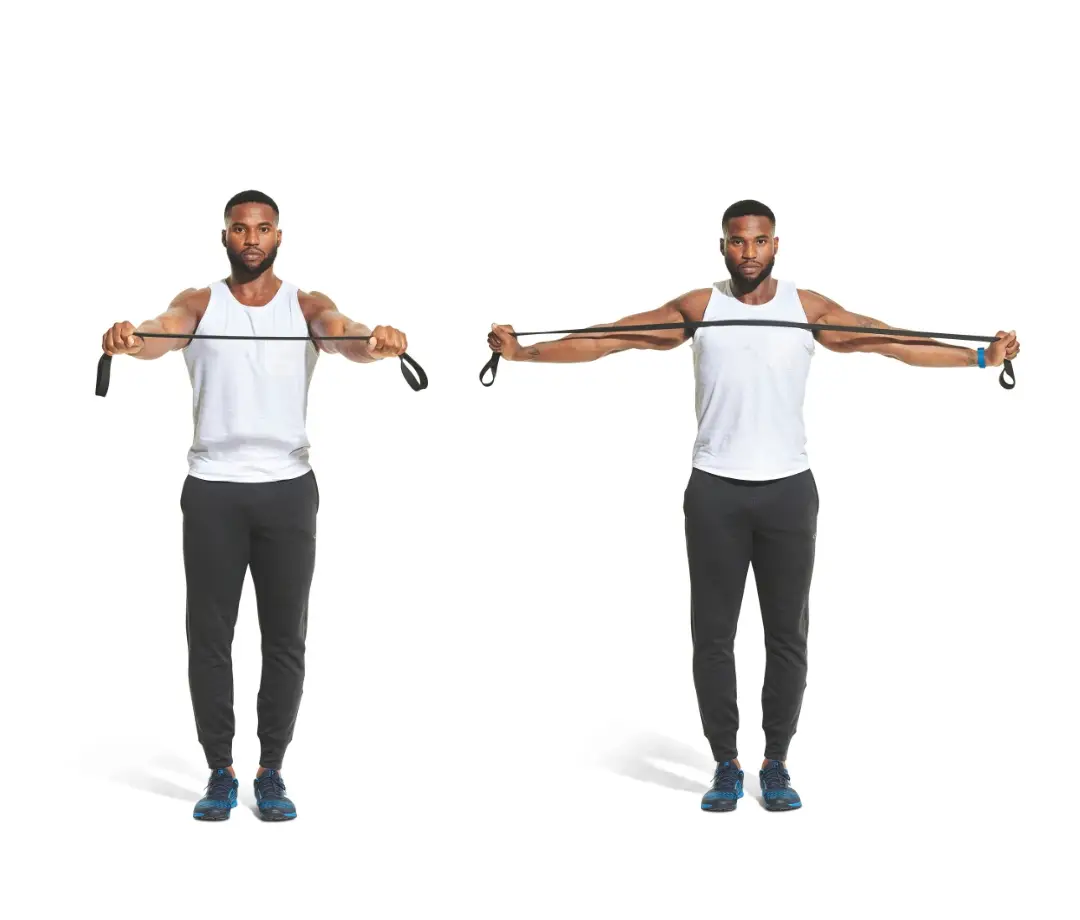
Week 1: Build a consistent baseline. On two upper-body training days, perform two sets of 12–15 horizontal pull-aparts with a light band and neutral hands. Rest about 45–60 seconds between sets. Hold the same starting hand spacing, count a smooth two-second opening and two-second return, and stop when the shoulders begin to hike or the elbows bend more than intended. The right band is the one that allows clean repetitions without a strained finish.
Week 2: Explore grip without changing everything else. Keep the two sessions and similar volume. Try one set palms up and one set palms down, both horizontal. Note where you feel the work, whether one position feels more coordinated and whether either stresses your wrists. Do not make the band thicker at the same time. You want a useful comparison, not a contest between nine variables.
Week 3: Add an angle deliberately. After your normal horizontal set, perform one set of 10–12 controlled diagonal-up repetitions with a light band and comfortable grip, then compare it with a horizontal set. Keep the motion symmetric, avoid exaggerated shrugging and alternate which arm leads slightly if a diagonal pattern makes your hands end at different heights. If that motion irritates the shoulder, stay horizontal or use a gentle downward diagonal instead.
Week 4: Progress one measurable thing. Use two or three sessions with two to three sets of 12–20 repetitions. First increase the number of technically identical reps. Only when the entire planned range feels controlled should you add a little elastic tension or slightly increase distance traveled. If you want these as genuine accessories rather than warm-ups, place them after heavier pressing or rowing and work closer to local fatigue, while still keeping the joints comfortable and tempo recognizable.
Record grip, direction, band identification, initial hand spacing, rep count and any symptoms. Those details matter more than simply writing ‘band pull-aparts x 50’ in the log. A stronger week is one where you performed more high-quality work under comparable conditions—not one where you used a stiffer band but lost half your range.
Bottom line: palms up can bias infraspinatus and lower-trap activity; palms down tends to move emphasis toward the rear delt and upper traps; and upward diagonals usually increase total shoulder-girdle demand. Those are acute lab observations, not proof of long-term superiority. Use the variation that fits your goal and tolerance, then earn progression with controlled, repeatable sets.

Funny Gym Shirts & Workout Gear
Funny gym shirts, tanks, hoodies and workout gear for lifters who like training hard.

Viva La Resistance Bands , Meme Shirt, Top T-Shirt
Make gym days more fun with “Viva La Resistance Bands” style.

Vive La Resistance Bands – Resistance Bands Warmup Mobi T-Shirt
Rep “Vive La Resistance Bands” humor in and out of the gym.

Vive Le Resistance Bands – Resistance Bands Warmup Reha T-Shirt
Add a playful “Vive Le Resistance Bands” touch to your casual rotation.

Vive La Resistance Bands Painting Meme – Resistance Ban Tank Top
Your gym-day look, with a playful “Vive La Resistance Bands” twist.


Swole Jesus Lateral Raises – Easter Bodybuilding Meme C T-Shirt
Show some gym-day personality with “Swole Jesus Lateral Raises”.


Vitruvian Kettlebell Tee
Heavy lifts, good laughs, and a little “Vitruvian Man With Kettlebells” energy.

Meme – You May Delay Time Will Not Next Cult Brand T-Shirt
Heavy lifts, good laughs, and a little “You May Delay Time Will Not” energy.
Some product links may be affiliate links, which can support Mind Muscle Perfection at no additional cost to you.