Advertising disclosure: This page includes affiliate product links that may earn us a commission, as well as products from our own store.
Most lifters have typed a weight and a rep count into a one-rep-max calculator. The result looks precise: perhaps 117 kilograms for a set of five, or 83 kilograms for a set of eight. Yet a calculated maximum is an estimate, not a promise that the weight will move on a particular day. A March 2026 analysis of more than 300,000 logged training sets challenges a familiar assumption behind those estimates: that the relationship between repetitions and maximum strength stays essentially the same at every load.
That distinction matters when you compare your progress across a barbell squat, a dumbbell press and a cable curl. A useful calculator can help track trends without constant maximal attempts, but only if you understand what it measures and where it becomes unreliable. Here is what the large dataset found, why its limitations are substantial and how to turn the idea into a practical training log rather than another misleading gym number.
What 303,494 training sets can actually tell us
The 2026 analysis used 303,494 sets recorded close to muscular failure by 14,966 users of a training app. Those sets covered 388 exercises across 16 muscle groups. That is a much broader exercise collection than the classic calculator formulas were originally designed around, and it offers a useful window into how people actually record their lifting.
Researchers compared different load-and-repetition combinations logged for the same person, exercise and nearby time period. If one workout suggested a much higher estimated maximum than another workout under comparable conditions, the prediction was considered less internally consistent. The proposed model changed the conversion factor according to the weight being lifted instead of treating it as fixed.
There is an important catch: the dataset did not contain directly measured one-repetition maximums. The analysis therefore cannot establish that the new equation predicts a true maximum more accurately in kilograms. It tested agreement between estimates, not agreement with actual maximal lifts. Nor can an app dataset guarantee that every recorded set used identical technique, range of motion, equipment or effort. Those limitations should travel with every headline about the results.
Why familiar one-rep-max formulas can disagree
A traditional estimated one-rep max takes a working weight and a number of repetitions, then applies a mathematical conversion. One widely used example is the Epley approach: weight multiplied by one plus repetitions divided by 30. At 100 kilograms for five repetitions, it produces roughly 116.7 kilograms. Another established equation may return a different figure from the exact same set, especially as repetition counts rise.
These equations are convenient because they need no bar-speed sensor, laboratory equipment or deliberate maximal attempt. But they compress several individual traits into a single relationship. Two lifters can have the same true maximum and complete different numbers of repetitions at 75% of that maximum. One may be especially good at repeated efforts; another may excel at grinding a heavy single. A high-repetition leg press set is also not interchangeable with a low-repetition bench press set.
The 2026 model takes a different route by letting the conversion vary with the absolute load and applying a nonlinear adjustment for repetitions. That does not make it universally correct. The weight units and range used to fit a mathematical model matter, and a formula derived from logged near-failure sets should not be casually transplanted into a spreadsheet with different units or exercise conventions. More mathematical complexity is useful only when it improves decisions.
For most lifters, the practical lesson is simpler: pick one consistent estimation method, record the exercise and equipment precisely, and resist comparing numbers produced by unrelated calculators as if they were direct strength tests.

Equipment Worth Exploring
Explore equipment, accessories and gear from our carefully selected range.


FID Bench MAX
Adjustable bench offering flat, incline, and decline positions + adjustable headrest.


Safety Squat Handles
Barbell squat handles that reduce shoulder positioning demands during high-bar squats.
The 17–22% improvement was consistency, not measured accuracy
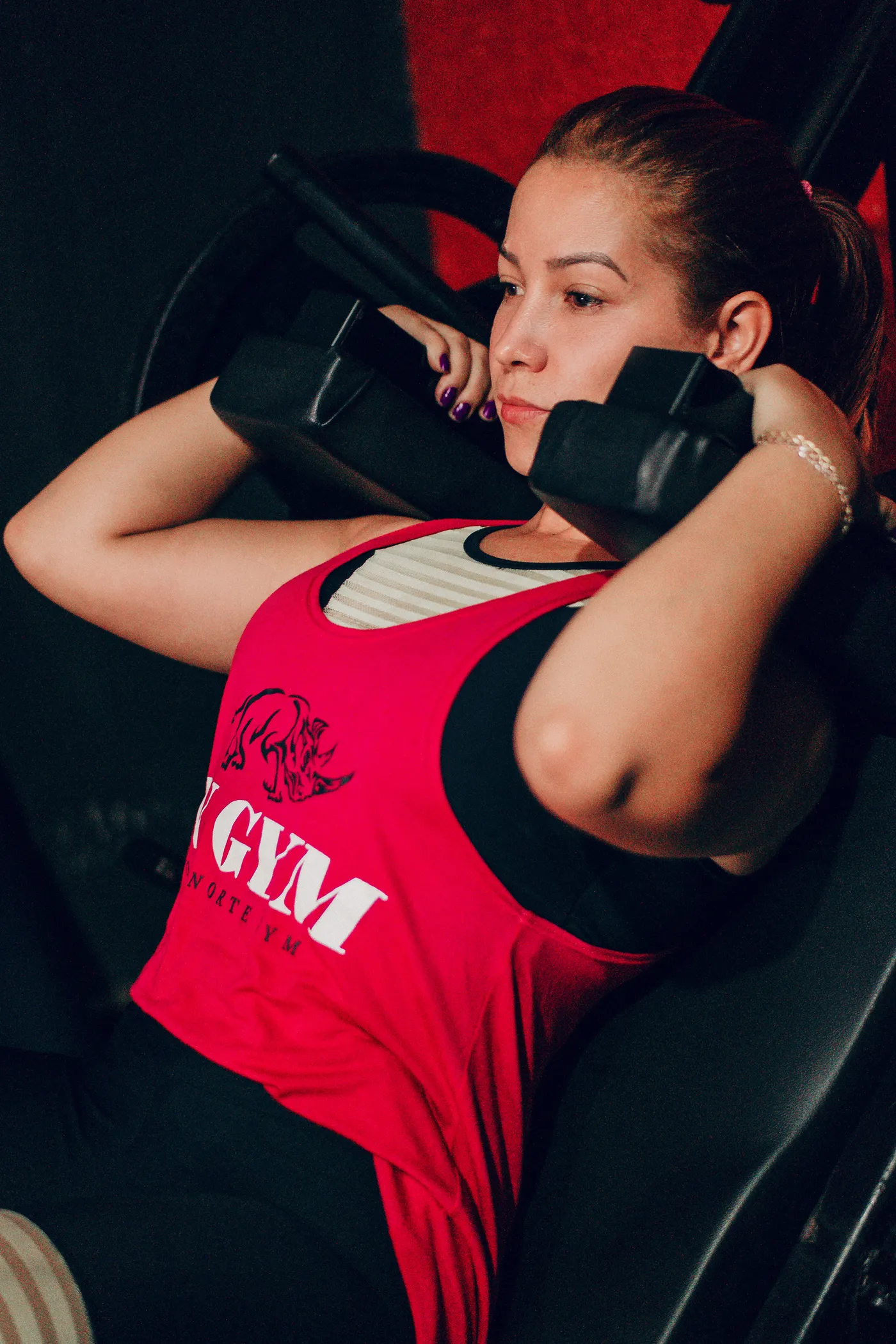
The new weight-dependent model reduced disagreement between estimated maxima by approximately 17–22% relative to four conventional formulas. The direction of improvement was positive for all 183 exercises with enough data for exercise-level comparison. Cross-validation separated users into different folds and found little evidence that the gain was merely a result of fitting noise to the same people.
Those are interesting methodological results, but they answer a narrower question than most gym-goers care about. Imagine two logged sessions for the same lift: one calculator suggests 100 kilograms, the other 110 kilograms. A new equation might bring those two estimates closer together. That would improve consistency even if the lifter’s actual tested maximum were 95 kilograms. Without a direct maximum test, the absolute error remains unknown.
There is also a difference between a model that works on average and one that gives dependable advice to an individual. An error of a few kilograms may be trivial for an experienced lifter estimating a 220-kilogram deadlift, but consequential for a novice deciding whether to attempt an unsupported 60-kilogram bench press. Average improvement does not erase outliers, differences in exercise setup or the effect of a single inaccurate log entry.
For context, other methods that estimate maximum strength from bar velocity have also shown meaningful errors when compared with actual one-rep-max testing. More sensors or a larger dataset do not automatically eliminate uncertainty. Treat every estimated maximum as a trend indicator with a margin of error, not a weight you must prove in the next workout.
Equipment Worth Exploring
Explore equipment, accessories and gear from our carefully selected range.


VOLTRA
Compact digital cable trainer with smooth, adjustable resistance.

Go-Tone Pro
Portable digital cable trainer with up to 66 lb (30 kg) of adjustable resistance.


Belt Squat Collar
Heavy-duty collar adapter for compatible belt-squat and landmine bar setups.


GymPin Ergo Handles
Pair of ergonomic cable handles shaped for comfortable triceps and pulling exercises.
Exercise choice, fatigue and effort change the estimate
The relationship between weight and repetitions is not one universal curve. A squat involves different muscle groups, balance demands and fatigue constraints than a bench press or a machine row. A dumbbell exercise can be limited by stability or setup before the target muscle is truly exhausted. Cable machines can differ in pulley ratios and displayed resistance, making the number on one machine a poor comparison with the number on another.
Repetitions in reserve are another major source of uncertainty. A set of eight completed with three clean repetitions left is not the same as eight repetitions taken to technical failure. A formula that assumes near-failure performance will underestimate what the first set says about your true capability if you stopped deliberately early. Conversely, counting assisted repetitions, shortening the range or bouncing the load can inflate a calculation.
Even when relative load is controlled, people show substantial differences in how many repetitions they can perform. A 2026 experiment with highly trained rowers found considerable person-to-person variation in repetition capacity at several percentages of measured maximum strength. That supports using individual performance history rather than assuming everyone should get the same rep count at a prescribed percentage.
Record whether you used a barbell, dumbbells, a Smith machine or a particular cable station; note the load per hand versus total load; and keep technique standards stable. A precise-looking estimate built from inconsistent inputs is less informative than a simple log of clean, repeatable sets.
How to use estimated strength without chasing false precision
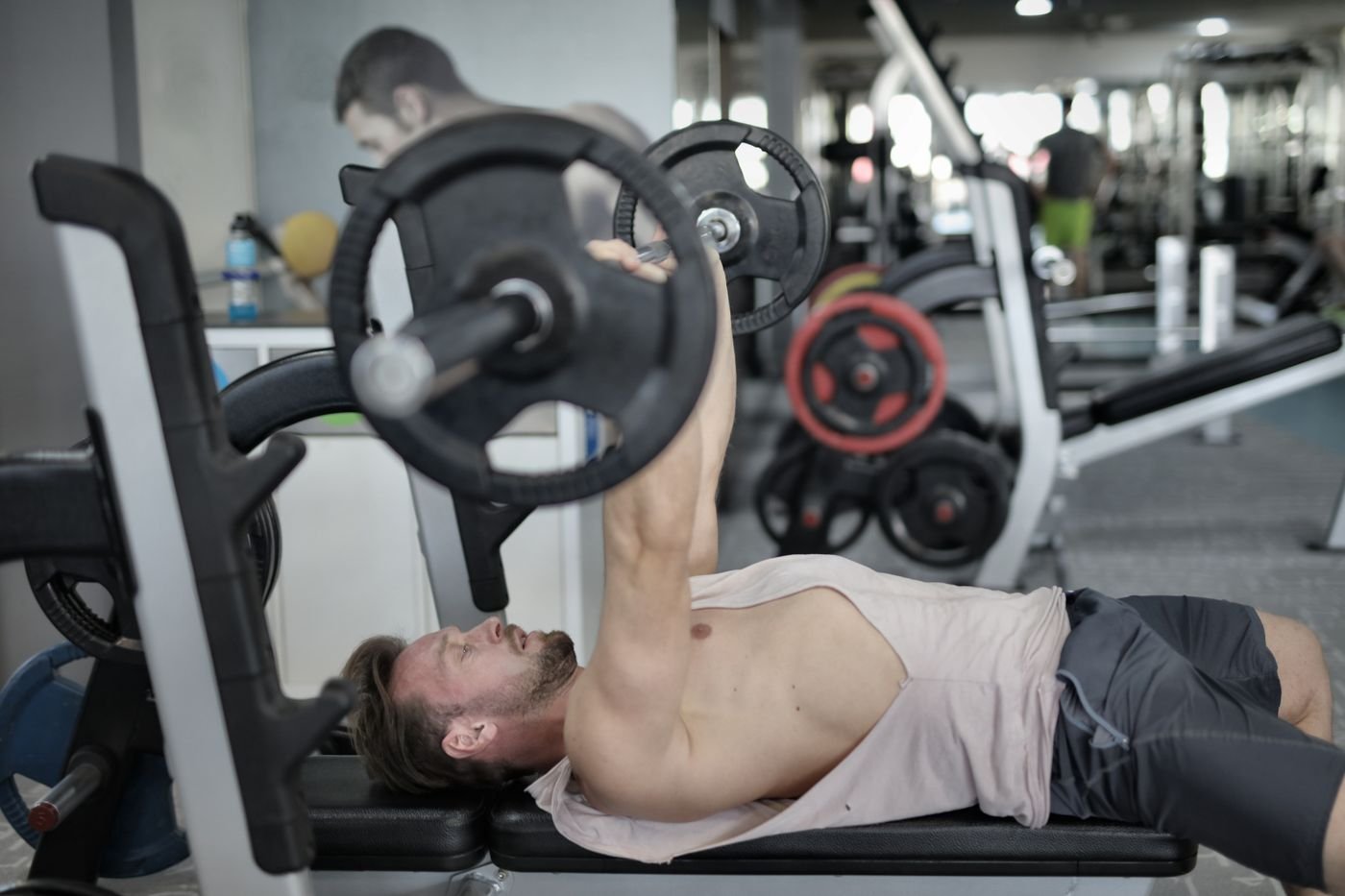
The best use of an estimated one-rep max is often longitudinal tracking. If your bench press moves from 80 kilograms for six clean repetitions to 85 kilograms for six at a similar effort and range of motion, you have a meaningful sign of progress even if the calculator’s absolute maximum is wrong. If the estimated number jumps while your depth, tempo or proximity to failure changes, investigate before celebrating.
Use a narrow, repeatable testing window. For example, after your usual warm-up, perform one technically sound set of four to eight repetitions at roughly one or two repetitions in reserve. Keep the lift, bench angle, stance, equipment and rest interval as similar as practical. Log the exact load, repetitions, perceived effort and any unusual fatigue. Recalculate using the same equation each time rather than changing formulas to obtain the most flattering answer.
For daily programming, start from a load you can control for the prescribed repetitions. An estimated maximum can provide a rough starting percentage, but your actual bar speed, rep quality and remaining repetitions should govern the final adjustment. If a planned set of five suddenly feels like a maximal grind, reduce the load or the work rather than defending a spreadsheet.
Keep separate records for squat, bench, deadlift and major accessory movements. A cable row’s estimated maximum should not be pooled with a barbell row, and dumbbell totals must be recorded consistently. This small amount of bookkeeping prevents many of the most common calculator errors.

Powerlifting Shirts & Lifting Gear
Powerlifting shirts and gym gear for squat, bench and deadlift lifters who live for heavy numbers.

New PR Birthday Cake : Meme T-Shirt
Heavy lifts, good laughs, and a little “New PR Birthday Cake” energy.

5 Plates Bench Club Chest Day Meme T-Shirt
Bring “5 Plates Bench Club” humor to your next gym day.

I’m Strong Barbell Heartbeat Crewneck Pullover for Powe T-Shirt
Bring “I’m Strong Barbell Heartbeat” humor to your everyday gym style.

I Love Deadlifts Gym | Valentine's Day Funny Workout Fo Hoodie
Keep it laid-back with a little “I Love Deadlifts” attitude.

Iron Is My Therapy – Lifting Bodybuilding Powerlifting Tank Top
Your gym-day look, with a playful “Iron Is My Therapy” twist.

I Want You To Break Your PR – Patriotic Uncle Sam Worko Sticker
Put “I Want You To Break Your PR” gym humor on your laptop, bottle, or gym gear.

Big Boy Barbell Club Shirt Meme & Essential Top T-Shirt
Make gym days more fun with “Big Boy Barbell Club” style.

Chest Day Sweater Bench Press & Meme T-Shirt
Add a playful “Chest Day” touch to your casual rotation.


I Love Bench Press | Red Heart Weight Plate Decal Sticker
Put “I Love Bench Press” gym humor on your laptop, bottle, or gym gear.
A four-week plan for testing the trend, not your ego
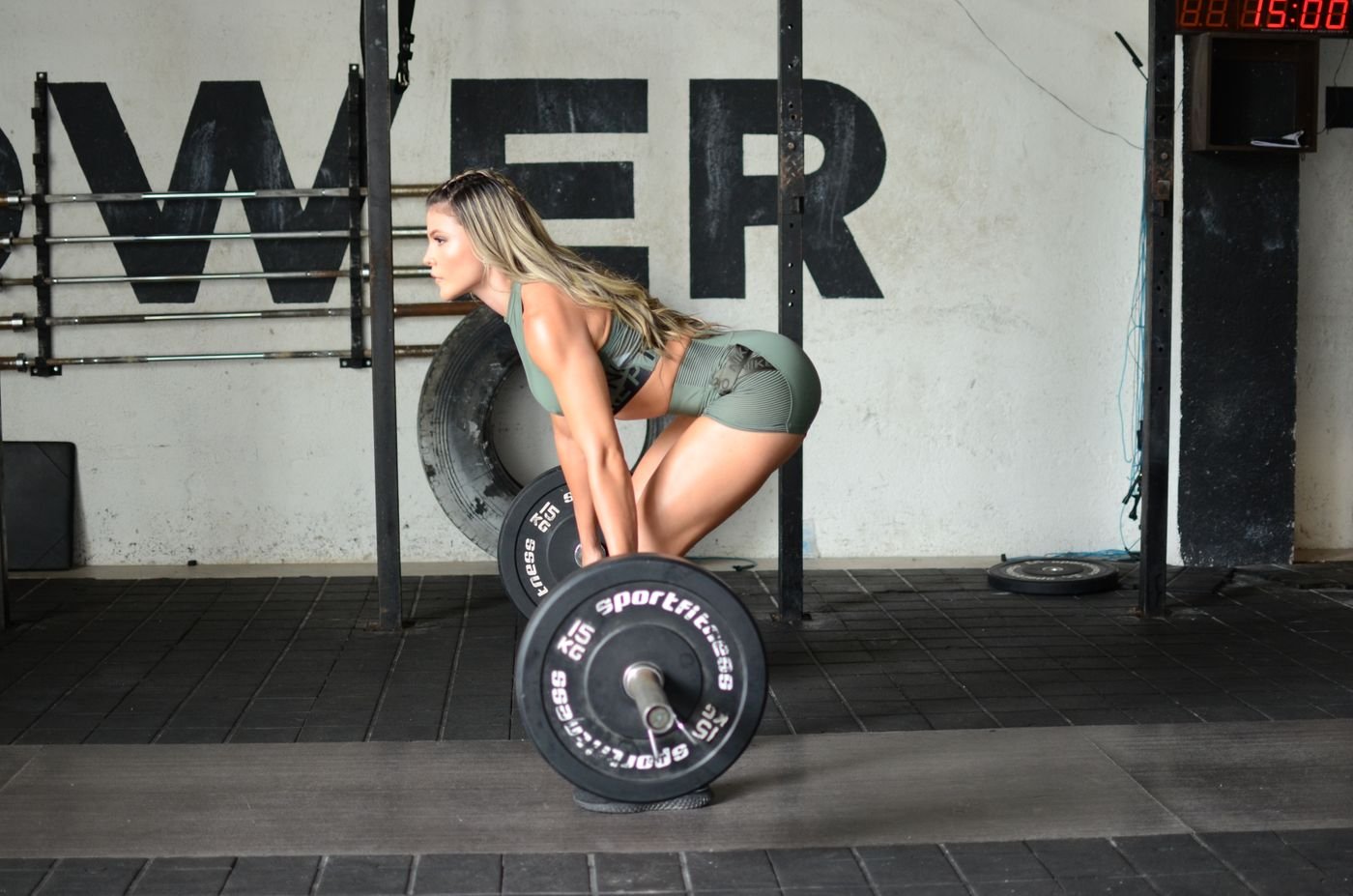
Choose two or three exercises you already perform confidently, ideally one squat or hinge, one press and one pull. Do not introduce unfamiliar heavy lifts just to create a calculator score. Train them normally two or three times per week with appropriate recovery, and collect one comparable benchmark set for each exercise at roughly the same point in the session.
Week 1: establish a baseline. After several progressive warm-up sets, choose a load that allows approximately five to eight clean repetitions with one or two still in reserve. Record load, repetitions, effort, rest and setup. If technique breaks down, stop the set and record what actually happened rather than forcing a target count.
Week 2: repeat the conditions. Keep the same movements and rep targets. If the previous benchmark felt controlled, a small load increase may be appropriate; otherwise repeat the weight and aim for better execution. A stable result can be useful information during a stressful or low-recovery week.
Week 3: progress cautiously. Add a small amount of weight or one repetition where earned, but not both automatically. Keep ordinary training volume manageable so the benchmark is not buried under fatigue. Compare estimated maxima only from sets with similar effort and technique.
Week 4: review the pattern. Look at the raw performance first: load lifted, repetitions completed and movement quality. Then compare your chosen estimate across weeks. A single exceptional day is not a new permanent baseline. If your lifts are steadily improving but the equation barely changes, trust the repeatable performance evidence over a decimal point.
This is a tracking framework, not a study-proven four-week strength program. Experienced lifters may prefer a top set plus back-off work; beginners can use lighter submaximal sets and coaching to establish technique before testing near failure.
Funny Gym Shirts & Workout Gear
Funny gym shirts, tanks, hoodies and workout gear for lifters who like training hard.

The Only Difference Between Good And Great Is One T-Shirt
Bring “The Only Difference Between Good And Great” humor to your next gym day.

Weights & Protein Shakes Tee
Bring “Heavy Weights and Protein Shakes” humor to your next gym day.

Ultimate Bench Press Tee
Heavy lifts, good laughs, and a little “Ultimate Bench Press” energy.

Squats Leg Day Heavy Weights Meme – Essential Top T-Shirt
Bring “Squats Leg Day Heavy Weights” humor to your next gym day.

Be Happy Lift Heavy Happy Weights Smiley Face Weight Pl T-Shirt
Show some gym-day personality with “Be Happy Lift”.

Lift Heavy – Hardcore Heavy Metal Gym Crewneck for Powe T-Shirt
Show some gym-day personality with “Lift Heavy”.

Light Weight Baby Ronnie Hoodie
Show off your lifting humor in a laid-back “Bodybuilding Meme” hoodie.

Grip Training Get A Grip Hoodie
Show off your lifting humor in a laid-back “Grip Training” hoodie.

Knight Of The Iron Weights Medieval Tank Top
Bring “Knight of the Iron Weights” humor to your next lifting session.

Heavy Metal Lift Heavy – Hardcore Powerlifting Gym Deca Sticker
Give your everyday gear a playful “Heavy Metal Lift” twist.
When a real one-rep-max test makes sense
A directly measured one-repetition maximum remains useful when the exact number matters: preparing for a powerlifting meet, calibrating a percentage-based strength block or evaluating a specific lift under standardized conditions. It is not essential for most hypertrophy training, general fitness or recreational progress tracking. You can get stronger for years without regularly testing the heaviest weight you can lift once.
If you do test, choose a familiar movement and use a gradual warm-up with increasingly heavier singles, adequate rest and conservative jumps. A bench press needs competent spotting or properly set safety arms; a squat needs a rack with appropriate safeties. Stop if your technique becomes unsafe or you experience unusual pain, dizziness or symptoms that warrant medical attention. Anyone with relevant health concerns should seek individualized guidance before maximal testing.
Remember that a true maximum is also context-specific. A paused competition bench press is different from a touch-and-go gym rep. A squat judged to a consistent depth is different from a high partial. Sleep, recent training, motivation and equipment can move the number even when underlying strength has not changed much.
The takeaway is not that old calculators are useless or that a new equation has solved strength prediction. Large-scale training logs suggest that fixed rep-to-load conversions miss meaningful variation, while direct validation is still needed. Use estimated maxima as one piece of evidence alongside clean repetitions, effort and recovery. A better training decision is worth more than a more impressive predicted number.