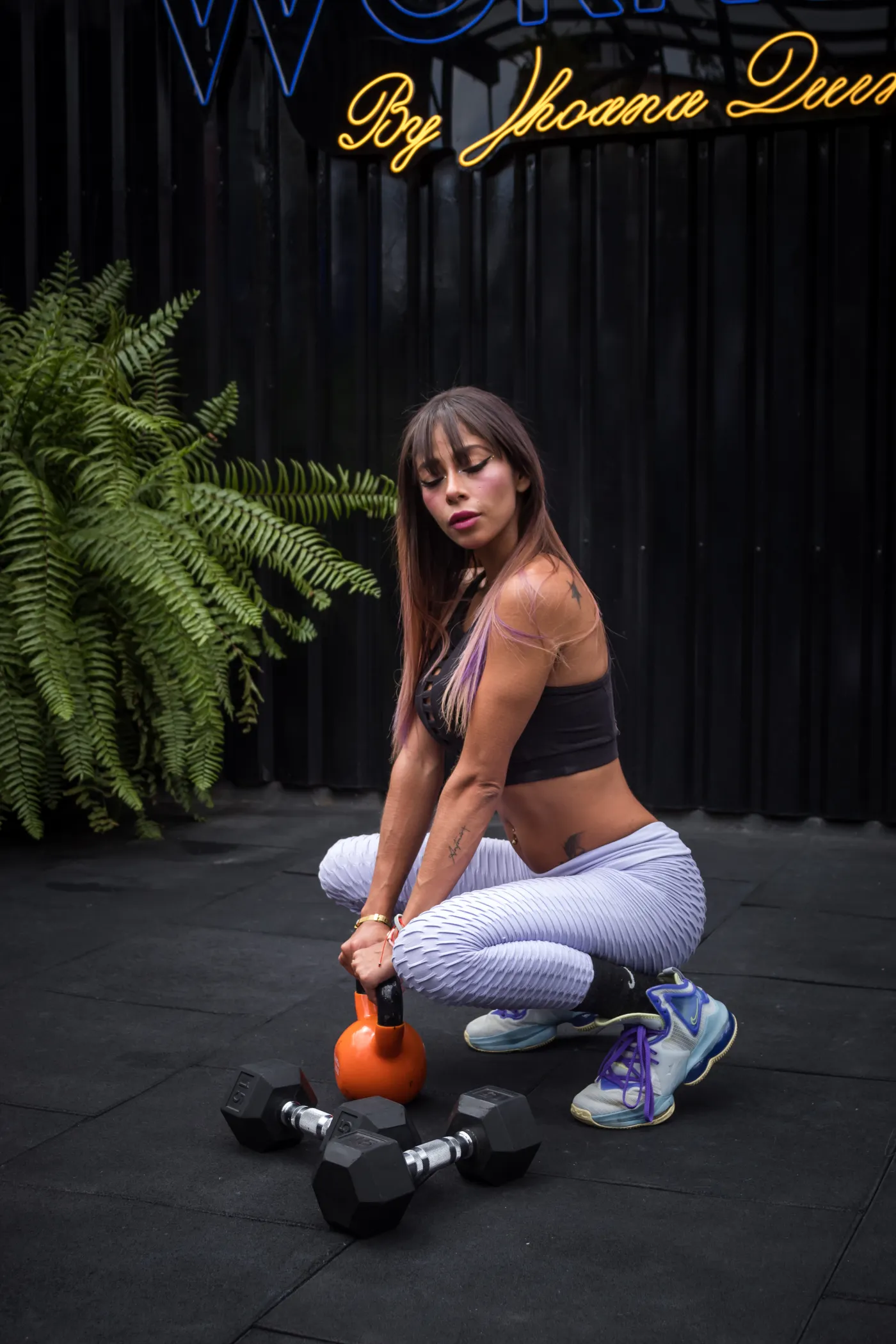
Is a kettlebell complex the same workout as high-intensity functional training? They may share movements, short rests and plenty of sweat, but a 2026 study involving 35 adults found meaningful differences in the oxygen and cardiovascular demands of the two formats.
The headline is not that one method wins for everyone. Functional intervals produced higher average oxygen demand in the tested protocols, while women showed higher relative heart-rate responses despite similar reported effort. Here is what those findings mean for a small home gym, and how to use both formats without confusing a hard session with a better long-term program.
1. What the 35-person experiment measured
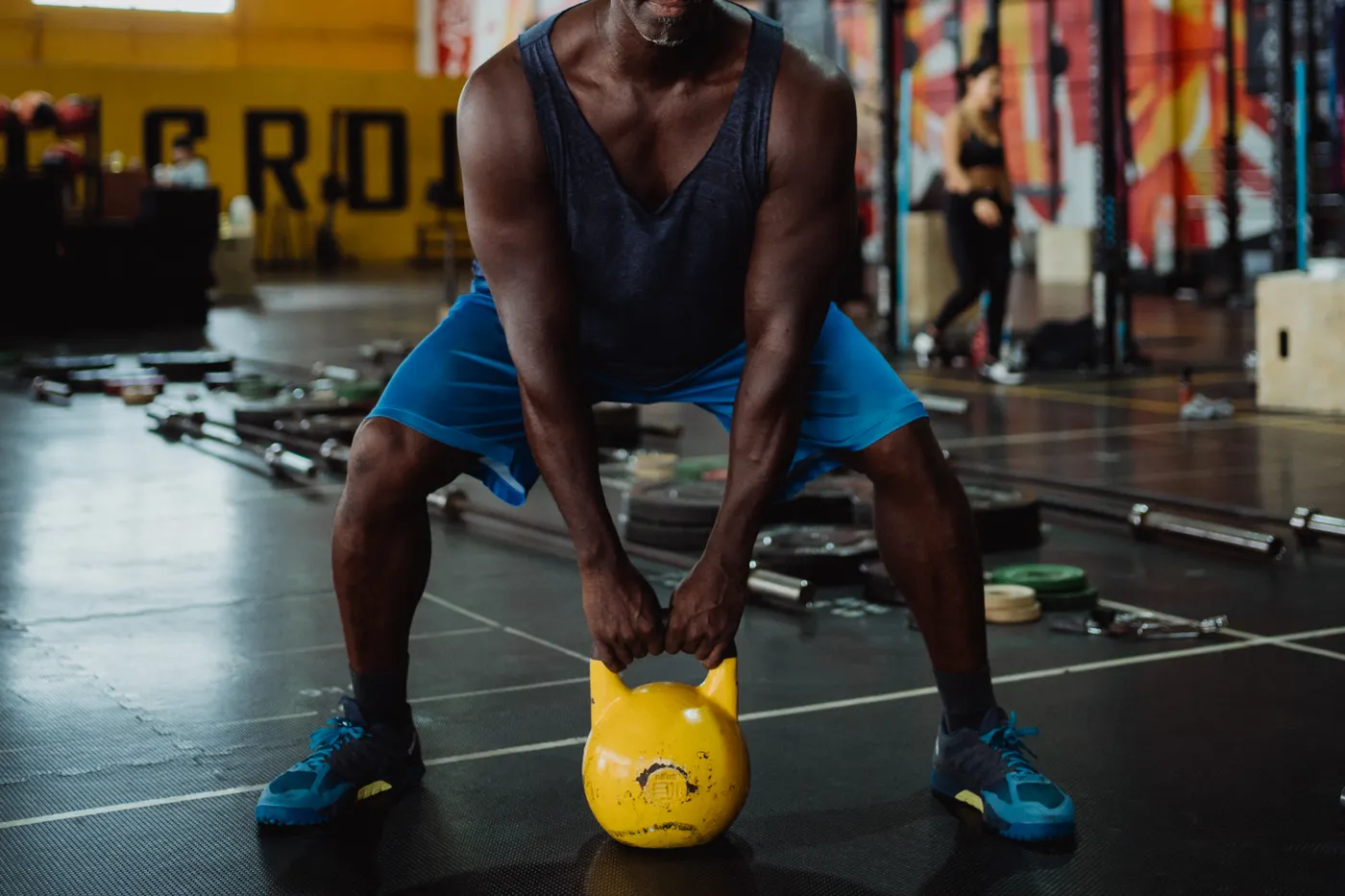
A hard workout can look similar to another session while asking different things of your heart, lungs and muscles. An October 2026 experiment compared high-intensity functional training (HIFT) with kettlebell complexes. Seventeen men and eighteen women completed both protocols while researchers measured oxygen consumption, heart rate, breathing, blood lactate and perceived effort. This was a study of acute exercise responses, not a long-term test of muscle gain or fat loss.
The men averaged about 27 years old and the women about 22. That is an important boundary: the results describe this sample and these particular workouts. They do not establish what every beginner, older adult, competitive athlete or person with cardiovascular disease will experience. Nor can one session reveal which method produces more hypertrophy after months of training.
For a home-gym owner, the useful question is narrower. If you have a kettlebell, adjustable dumbbells and perhaps a cable station, how should you organize demanding conditioning work? Should you chain exercises together or use whole-body intervals? The measurements offer clues about internal workload, but the final choice depends on technique, available space, recovery and your objective. A good comparison starts with the outcome you actually want to improve.
2. Functional intervals produced higher oxygen demand
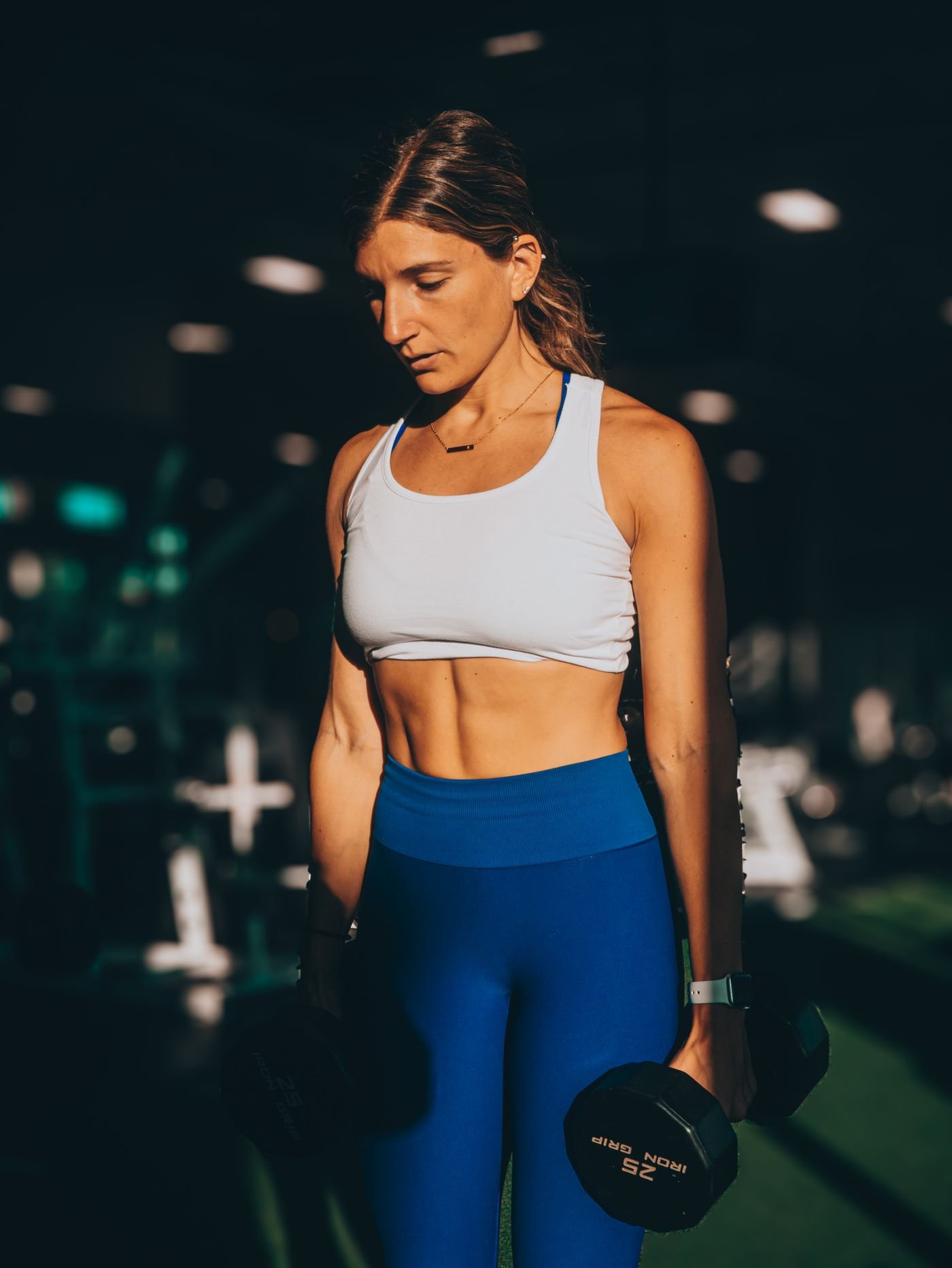
Across participants, HIFT produced higher mean relative oxygen consumption: approximately 63% of measured VO2max versus 58% during the kettlebell complex. Peak oxygen demand was also higher, about 81% versus 73% of VO2peak. Ventilation and respiratory exchange ratio followed the same direction. In ordinary terms, the tested functional interval session challenged the cardiorespiratory system more intensely on average.
That does not make kettlebells ineffective. The complex still imposed meaningful metabolic work, and its value may include repeated hinges, carries, presses and coordinated patterns. An adjustable kettlebell is practical in a small room because one implement supports several exercises without a large footprint. But frequent transitions also increase technique demands as fatigue rises. The implement alone does not determine intensity: load, pace, work periods and rest all matter.
Do not equate a higher immediate oxygen response with guaranteed superior long-term VO2max improvement. Chronic adaptation depends on training frequency, progression, total work, adherence and the comparison program. A slightly less intense session that remains repeatable three months from now may be more valuable than one that exhausts you after ten minutes. Choose a format you can perform safely and consistently instead of simply chasing the highest number on a screen.

Equipment Worth Exploring
Explore equipment, accessories and gear from our carefully selected range.


VOLTRA
Compact digital cable trainer with smooth, adjustable resistance.


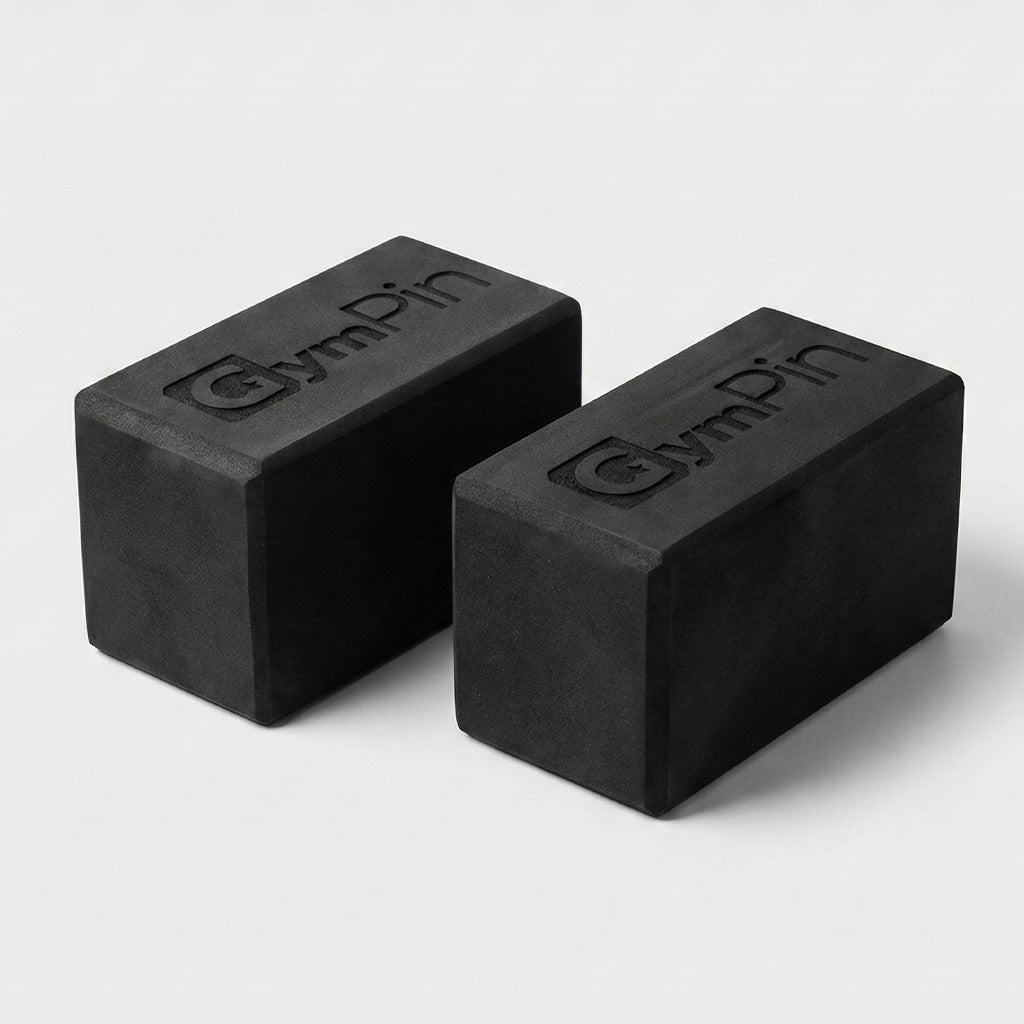
GymPin Starting Blocks
Portable high-density foam blocks for adjusting machine starting positions and range of motion.
3. Higher heart rate did not mean higher reported effort
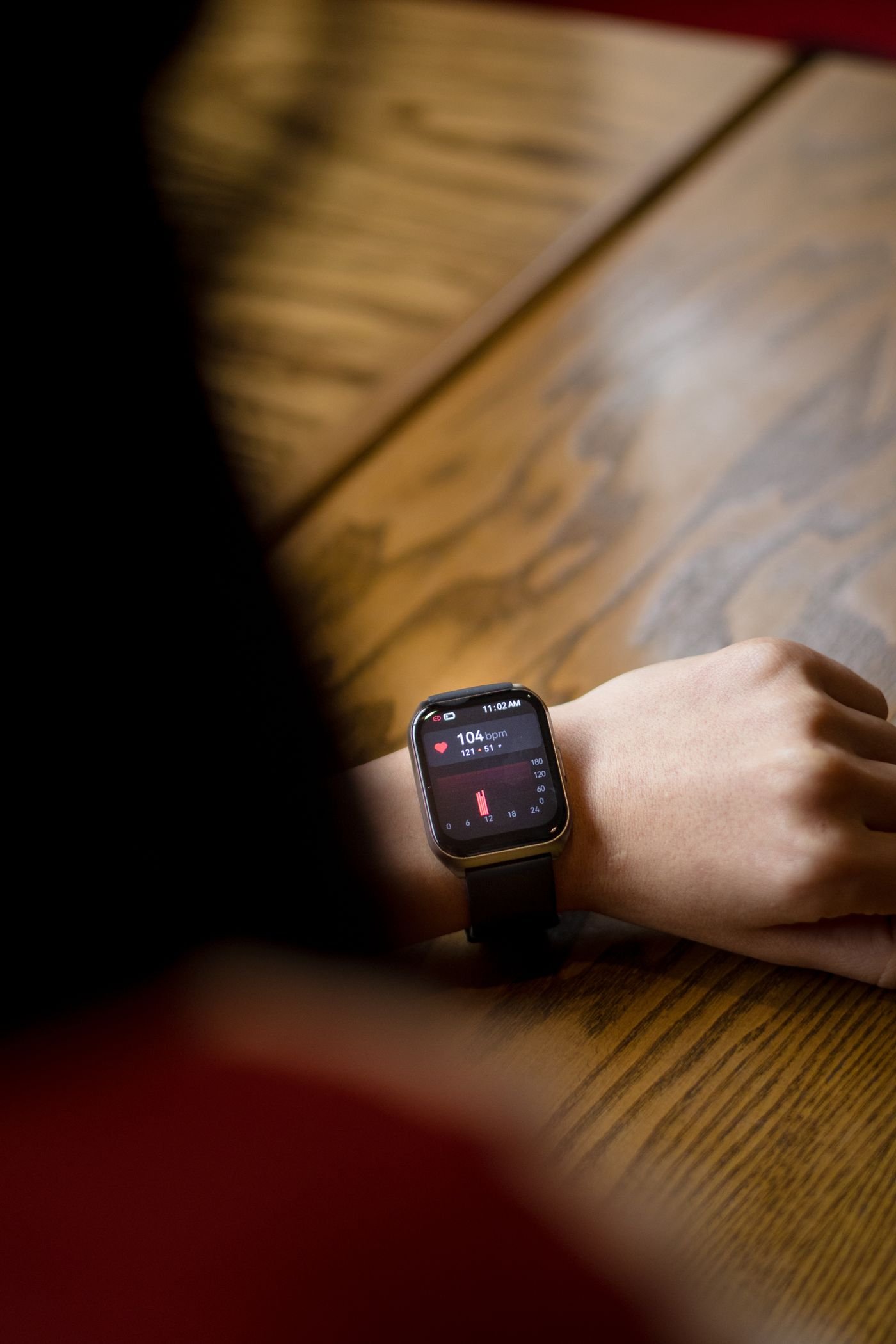
Women recorded an average heart rate of about 156 beats per minute, compared with 134 in men, and reached approximately 84% versus 76% of their individual maximal heart rates. Peak pulse and relative ventilation were also higher. Yet relative oxygen consumption was not significantly different between sexes, while reported exertion, blood lactate and feeling scores showed no significant sex differences.
That is more nuanced than saying women found the workouts harder. Heart rate is one signal, not a direct measure of discomfort or training quality. Differences in baseline fitness, stroke volume, pacing, exercise selection and individual physiology can affect what a given pulse means. Two people may both report eight-out-of-ten effort while displaying very different heart rates. A single population average should not become a universal target.
Pair a heart-rate monitor with a simple effort rating and observation of technique. If breathing is too rushed to stabilize a kettlebell swing, the load or interval is too demanding regardless of whether a watch calls it a target zone. If chest pain, dizziness or unusual breathlessness occurs, stop and seek appropriate medical assessment. Individual responses deserve more attention than averages, especially when you are returning after time away from exercise.

Functional Fitness Shirts & Workout Gear
Functional-fitness shirts, tanks and workout gear for athletes who train strength, conditioning and everything in between.

Break the Stereotype Tee
Show some gym-girl attitude with a playful “Break The Stereotype Gym Girl” tee.

HYROX High Rocks Functional & CrossFit Hooded Hoodie
Stay casual and show some lifting attitude with “HYROX High Rocks”.

HYROX High Rocks Functional & CrossFit Tank Top
Your gym-day look, with a playful “HYROX High Rocks” twist.


Shirt – Strawberry Kettlebell Meme Top Gymbros & T-Shirt
Heavy lifts, good laughs, and a little “Strawberry Kettlebell Meme” energy.

Grunge Kettlebell Shirt Rock Music & Gymbros Top T-Shirt
Rep “Grunge Kettlebell” humor in and out of the gym.


High Rocks Functional Fitness Tee
Show some lifting attitude with a playful “Hyrox High Rocks Gym Bro” tee.

Pink Macaroon Kettlebell – Girly Strength Meme Hooded P Hoodie
Bring “Pink Macaroon Kettlebell” gym humor to lazy days and post-workout plans.

HYROX High Rocks Sweater Functional Fans Meme T-Shirt
Add a playful “HYROX High Rocks” touch to your casual rotation.
4. Lactate, soreness and sweat are not scoreboards
Blood lactate and ratings of perceived exertion did not differ significantly between women and men in this comparison. That warns against treating one biomarker as the whole workout. Lactate is a normal product of energy metabolism, not a toxin that needs to be flushed away. A higher concentration at one moment does not prove that an interval was more effective for your specific goal.
The same applies to sweat, soreness and the urge to lie on the floor afterward. They can accompany hard training, but none independently measures hypertrophy, cardiovascular adaptation or fat loss. A quality session can end with several repetitions in reserve on the final strength set, particularly when more work is scheduled later in the week. Conditioning can be challenging without turning every movement into a maximal effort or making soreness the main achievement.
Track outcomes connected to your objective: stable technique, completed rounds, breathing recovery between efforts and repeatable performance at a fixed load. If muscle gain is the priority, track strength and weekly volume separately. If endurance is the priority, use a standardized interval, distance or recovery measure. A useful measurement system prevents an exciting circuit from distracting you from real progress and helps you recognize when fatigue is becoming counterproductive.
5. Combine kettlebells with genuine strength training
Functional intervals and kettlebell complexes are tools, not replacements for a complete strength plan. Resistance-training guidance continues to emphasize consistency, progressive overload and sufficient weekly work for major muscle groups. In a compact home gym, a sensible structure is to complete demanding strength sets first and add a short conditioning block while technique is still reliable.
Use a cable machine or adjustable dumbbells for controlled squats, rows and presses, then finish with a kettlebell carry or short circuit. A cable station provides precise resistance for pulling and pressing without requiring another large machine. A sled or loaded carry works when floor space and noise permit, but neither is essential. Substitute step-ups or low-impact marching when jumping is inappropriate. Make each exercise serve a purpose instead of collecting equipment for its own sake.
Do not choose the heaviest kettlebell you can swing once and call it a conditioning load. For complexes, pick a weight that allows the least familiar exercise to remain smooth. For HIFT, favor movements you already know. Put explosive or technically demanding work early rather than burying it in a breathless final round. The study tested two defined protocols; it did not compare every possible homemade workout or establish which exercises best build muscle.
Equipment Worth Exploring
Explore equipment, accessories and gear from our carefully selected range.

Go-Tone Pro
Portable digital cable trainer with up to 66 lb (30 kg) of adjustable resistance.

Squat Harness
Wearable harness for hands-free cable squats, sled work, and lower-body training.


FID Bench MAX
Adjustable bench offering flat, incline, and decline positions + adjustable headrest.


Power Tower
Freestanding pull-up and dip station with adjustable handles for bodyweight training.

Angles 90 Grips
Flexible grip attachments that allow natural wrist movement during pulling exercises.
6. Two practical compact-home-gym sessions
Session A: kettlebell complex, around twenty minutes. Warm up for five minutes with easy marching, unloaded hinges and shoulder circles. Complete four controlled rounds of six kettlebell deadlifts, six goblet squats, six alternating rows per side and a twenty-to-thirty-second suitcase carry per side. Rest sixty to ninety seconds between rounds. Use an adjustable kettlebell or dumbbells, but keep transitions deliberate rather than racing the clock. If grip fails before breathing becomes challenging, reduce the load.
Session B: functional intervals, around twenty-two minutes. After a five-minute progressive warm-up, alternate thirty seconds of brisk step-ups, thirty seconds of cable rows or band rows, and thirty seconds of loaded carries or low-impact marching. Allow sixty seconds of easy walking between rounds. Start with four rounds and add one only when you can maintain movement quality and recover normally. The goal is a repeatable conditioning stimulus, not a competition to collapse first.
Space matters. In a room under fifty square feet, a single kettlebell, mat and compact cable unit may be enough. Clear the path for carries, protect the floor and keep swings away from furniture or other people. If overhead pressing or jumping hurts, use a supported row, hinge or step-up instead. Beginners should learn movements before adding time pressure. Keep an easier day between hard full-body sessions if recovery is limited. These examples illustrate sensible programming, not the exact experimental protocol.
7. A four-week audit focused on repeatable progress
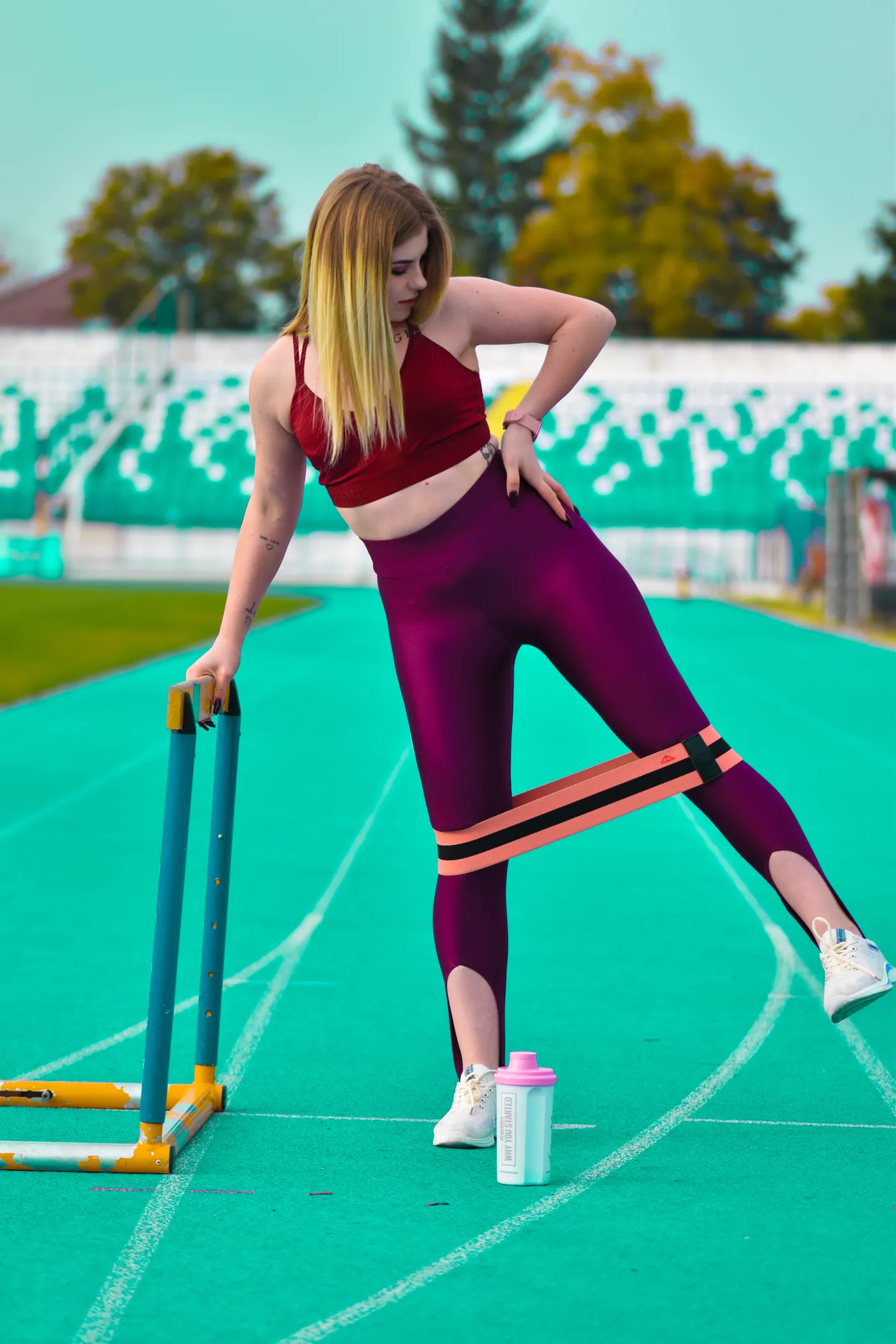
In week one, establish a baseline. Record loads, rounds, session duration, average and peak heart rate if available, and a simple one-to-ten effort score. Also note whether movement quality deteriorates. Use the same warm-up and roughly the same rest periods for comparisons; otherwise an apparent improvement may just reflect a different session.
In week two, improve execution before adding difficulty. Make transitions smoother, hold a stable trunk during carries and finish squats with consistent depth. In week three, progress just one variable: an extra round, slightly more load, or a modest reduction in rest. Changing all three at once obscures what helped and can inflate fatigue. Week four is a reassessment, not a mandatory all-out test. Training needs to remain sustainable alongside work, sleep and ordinary life.
Compare repeatable work, recovery and perceived effort. Completing the same rounds with cleaner technique or lower perceived effort is useful progress even without a dramatic heart-rate change. If the session worsens sleep, aggravates joints or undermines strength training, scale it back. HIFT produced higher oxygen demand in this acute study, but the best compact-home-gym program improves measurable fitness while leaving you ready to train again. Consistency and intelligent progression matter more than winning a single workout.
Gym Girl Shirts & Workout Gear
Gym shirts, tanks and workout gear for women who lift, train hard and live the gym lifestyle.

The Powerlift Girls – Gym Girl Superhero Cartoon Hooded Hoodie
Keep it laid-back with a little “The Powerlift Girls” attitude.

The Powerlift Girls – Gym Girl Superhero Cartoon Decal Sticker
Put “The Powerlift Girls” gym humor on your laptop, bottle, or gym gear.

Girl – Witch Redhead Bootybuilder – Squats Leg Day T-Shirt
Show some gym-girl attitude with a playful “Gym Girl” tee.

Lifterbell Fairy Girl Meme Gains & T-Shirt
Heavy lifts, good laughs, and a little “Lifterbell Gym Fairy” energy.

Smash Weights She-Hulk Decal Girls & Meme Sticker
Give your everyday gear a playful “Smash Weights” twist.

Lifting Angel Gym | Nirvana Workout Jumper For Bodybuil T-Shirt
Bring “Lifting Angel” humor to your everyday gym style.

Break The Stereotype Girl – Strong Woman Dumbbell – T-Shirt
Make gym days more fun with “Break The Stereotype Gym Girl” style.

Girl Strong Woman Leg Day Squats Meme Barbie Tank Top
Show some personality between sets with “Gym Girl Strong Woman”.

Girl – Bootybuilder Leg Day- Squats & Meme – T-Shirt
Rep “Gym Girl” humor in and out of the gym.

I Love Thicc Girls Shirt – & Meme Top T-Shirt
Show some powerlifting attitude with a playful “I Love Thicc Girls” tee.