Advertising disclosure: This page includes affiliate product links that may earn us a commission, as well as products from our own store.
One-Arm or Two-Arm Curls? Separate Muscle Growth From the Strength Test
One-arm curls give you a clear view of each side. Two-arm curls let you train both sides together. Neither description tells you which method will build more muscle, and a stronger result on one particular curl test does not settle that question either.
A comparison involving 54 beginners gives this familiar gym debate a useful boundary. The results support choosing the movement for a reason, keeping the execution repeatable and measuring the outcome you actually care about. They do not justify declaring every simultaneous curl inferior or prescribing single-arm work to everyone.
1. Read the comparison without inventing a universal winner
Fifty-four untrained young women were allocated to bilateral curls, with 28 participants, or unilateral curls, with 26. Elbow-flexor thickness was assessed at two locations, while strength was tested using both one-arm and two-arm curls. There was no clear difference between groups in the muscle-thickness changes or bilateral strength changes.
The unilateral group improved the right-arm unilateral strength test more, but the left-arm comparison did not show a clear difference. That asymmetric finding deserves more care than a headline claiming that single-arm curls simply make both arms stronger. The participants were beginners; the result cannot automatically be transferred to experienced male lifters or every other arm exercise.
A broader synthesis comparing unilateral and bilateral resistance training also found no clear hypertrophy advantage for either approach. That is useful background, rather than proof that all exercise choices produce identical results. Different exercises, populations and testing methods make a precise personal prediction difficult.
For your own program, first write down the decision you are trying to make. Are you comparing convenience, improving a one-arm lift, practising a consistent curl, or finding a comfortable hand position? Those are different goals. A method can be useful for one without being the best answer to all the others.
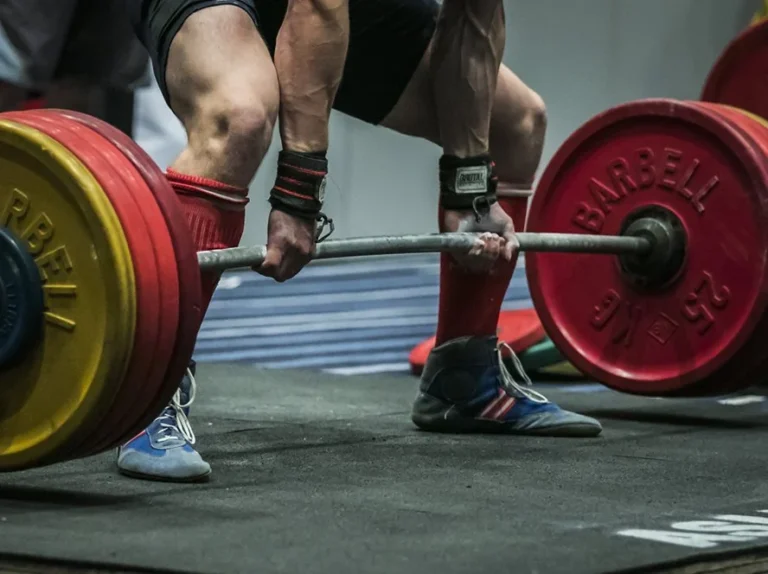
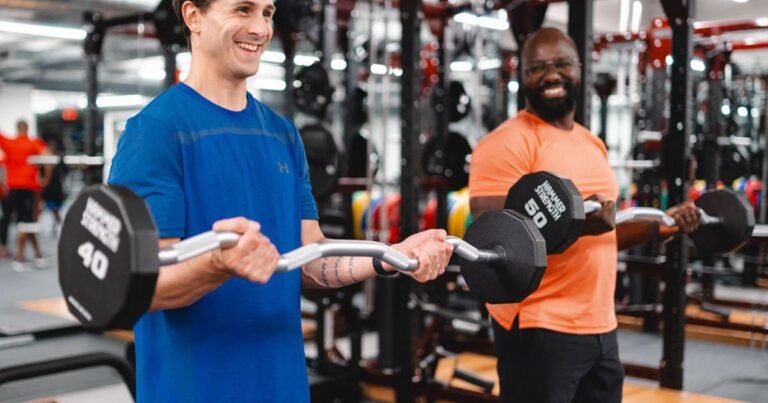
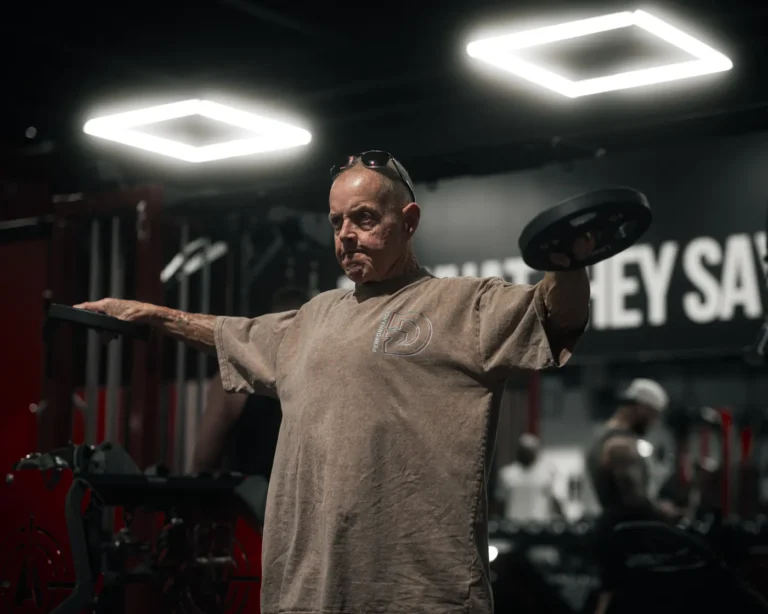
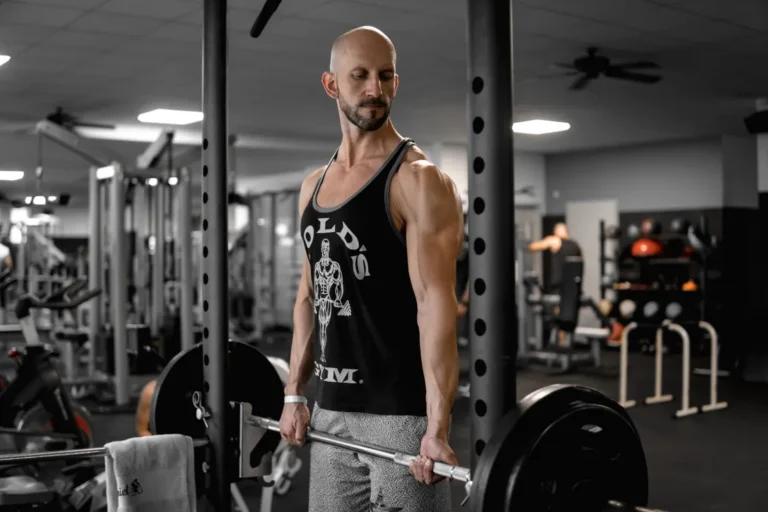
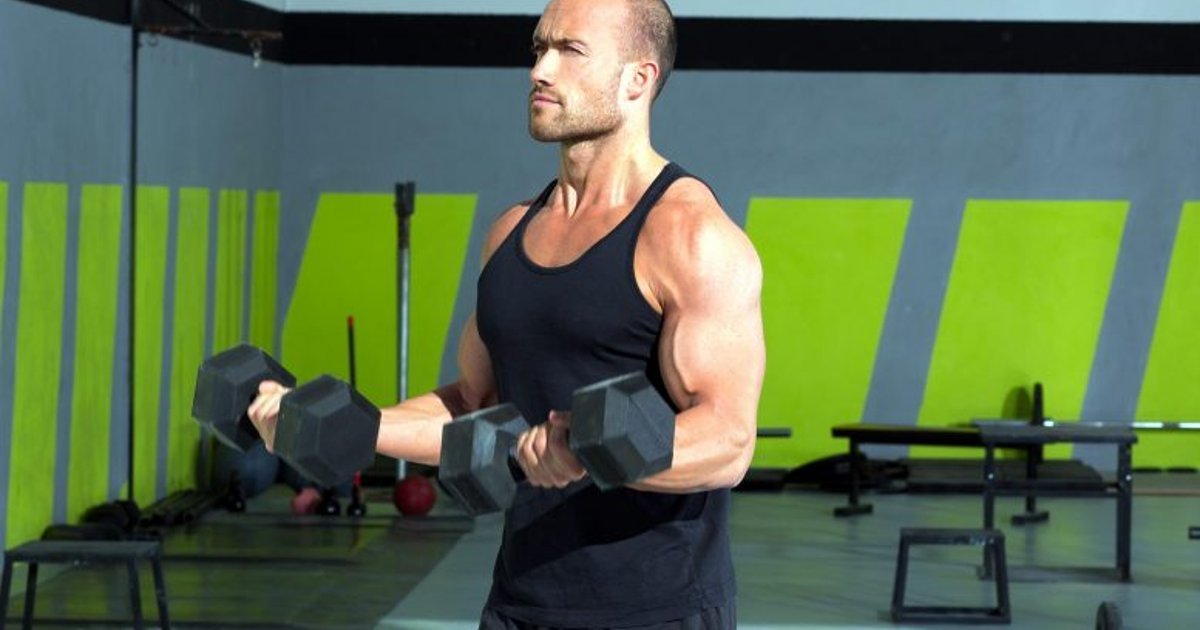
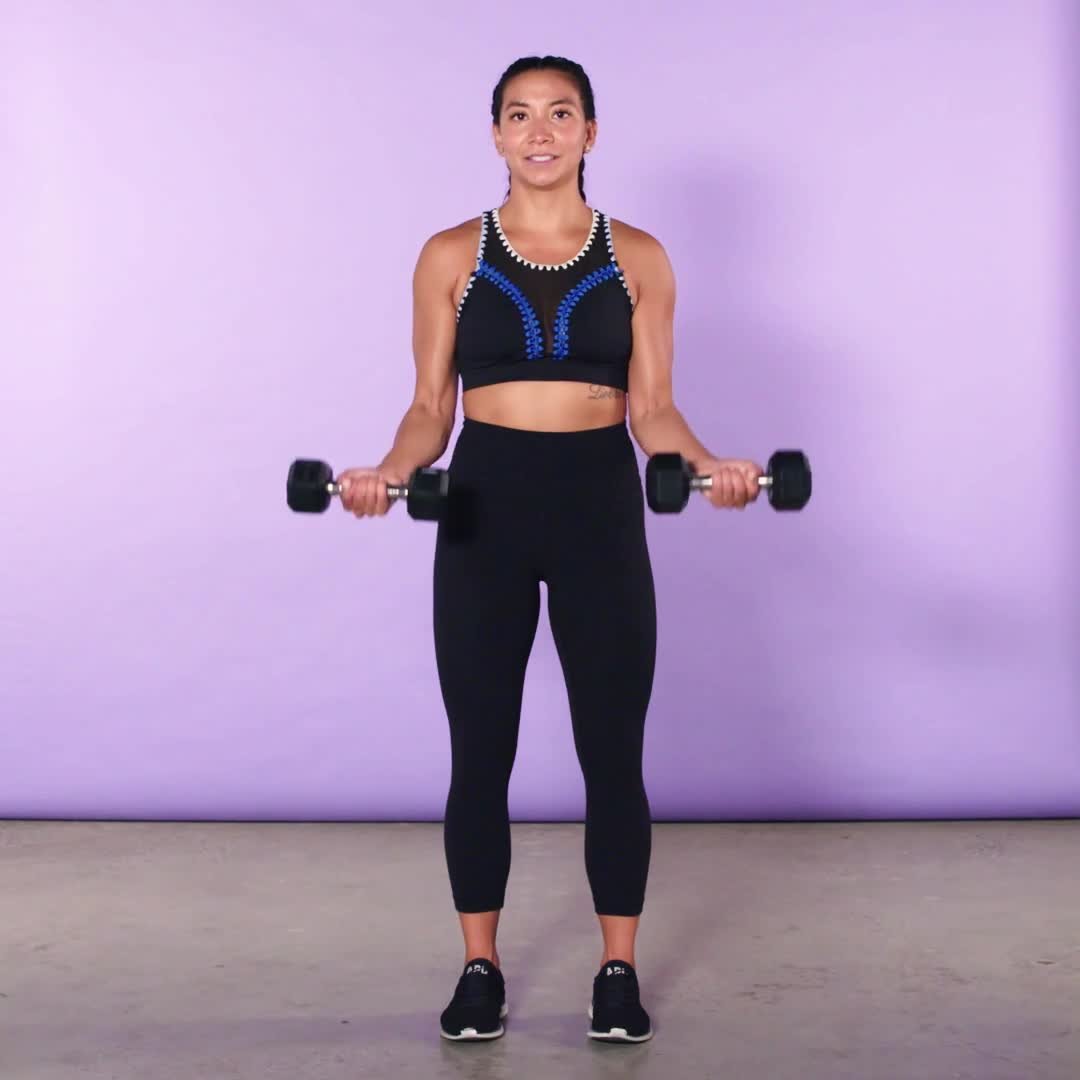
Keep the distinction between evidence and illustration clear. The photographs here show ordinary curl examples, not the study participants or a reconstruction of the laboratory protocol. The practical examples below are ways to organise training, not a promise to reproduce a published result.
2. Choose the curl you want to become better at performing
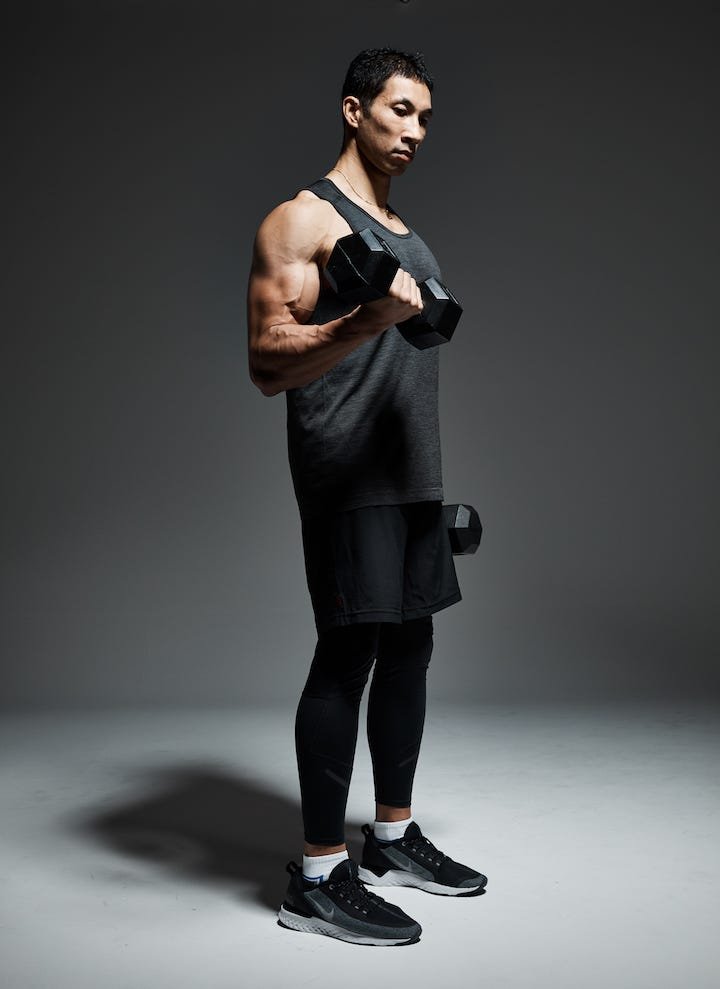
A one-arm curl is a specific task: one hand holds a load while you maintain a position and bend that elbow. A two-arm curl asks you to coordinate both sides at once. If your goal is to improve one of those tasks, it makes sense to practise and record that task consistently rather than judge it only through the other version.
Start by defining what a completed repetition looks like. Choose a comfortable standing stance, keep the wrist aligned with the forearm and bend the elbow under control. Avoid generating the lift by driving the hips forward or throwing the shoulder upward. Lower the weight deliberately rather than letting the final part of every repetition become a free fall.
The dumbbell does not need to touch the shoulder to count. Your available elbow bend, the size of the dumbbell and the position of the upper arm all influence the top position. Choose a repeatable range you can control without forcing the wrist into an awkward angle. A heavier weight with a shorter, swinging path is a different performance.
Unilateral work can make side-by-side record keeping straightforward. Write down the load and repetitions for each arm, including which side went first. If one side needs an easier load to maintain the same execution, recording that honestly is more useful than hiding the difference behind a shared number.
Do not use the word imbalance as a diagnosis based on one tired set. A persistent, large or painful difference deserves individual attention, while an isolated uneven session gives you a reason to check the setup and repeat the observation. There is no need to add unlimited extra sets for the weaker side immediately.
3. Keep body position and equipment changes separate from arm count
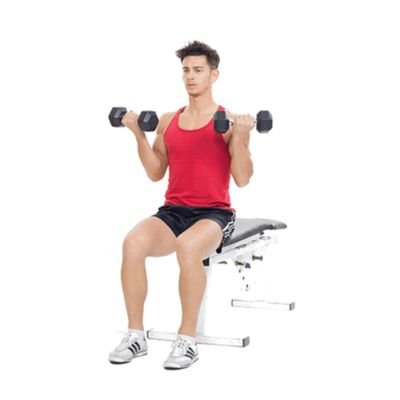
It is easy to compare a seated, supported single-arm curl with a standing simultaneous curl and attribute everything you feel to using one arm. Yet you also changed the support, torso position, possibly the grip and perhaps the effort of holding a second dumbbell. That is not a clean comparison of arm count alone.
A seated curl offers a practical way to make the position more repeatable. Use a stable bench, place the feet firmly and choose a seat position that lets the weights clear your thighs. A back rest can provide a reference for the torso. Keep your wrists comfortable and avoid leaning backwards farther as the set gets harder.
When comparing simultaneous and unilateral work, keep the same bench setting where possible. Use a similar hand orientation, the same intended range and the same definition of a good repetition. If you change all those features at once, simply call it a different curl variation rather than evidence that one arm count is superior.
Equipment also affects what progress you can measure. A large jump between available dumbbells can be too much for a small isolation exercise even when the previous weight feels manageable. Smaller increments may help, provided any add-on is genuinely compatible with the handle or dumbbell and is secured according to its instructions.
Barbells and cable handles are useful alternatives, but they add further differences. A fixed bar connects the hands, while a cable changes the direction of the external pull. Choose them for their own practical advantages, not as interchangeable replicas of a dumbbell study. Clear the lifting area before starting and return weights under control.

Equipment Worth Exploring
Explore equipment, accessories and gear from our carefully selected range.


Rubber Hex Dumbbells
Rubber-coated hex dumbbell pairs with a stable shape for home and commercial strength training.


FID Bench MAX
Adjustable bench offering flat, incline, and decline positions + adjustable headrest.


EZ Curl Barbell
Olympic EZ curl bar with angled grips for curls and triceps exercises.
4. Distinguish alternating repetitions from a complete set on each side
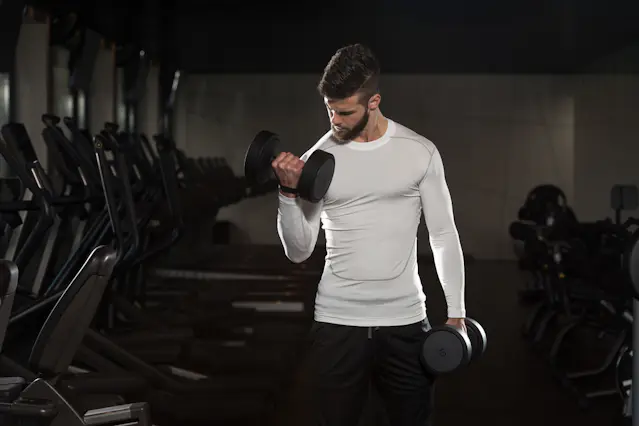
Alternating curls and completing one arm’s entire set before switching are both commonly described as single-arm work. They organise the effort differently. With alternating repetitions, the timing of the opposite arm creates a gap between that arm’s lifts. With a full set on one side, the same arm works repeatedly before you change sides.
Neither arrangement needs to be labelled wrong. The important point is to record which one you used. Ten alternating repetitions total means five per side; ten on each arm means twice that count. A log entry that only says ten curls leaves room for a large misunderstanding when you review it a month later.
Decide how to count before you begin. You could write left: ten, right: ten, or ten per side, alternating. Include a short note when you deliberately pause between repetitions. You do not need laboratory timing, but you do need a description that the next version of you can understand.
Be equally clear about rest. Finishing one side and immediately beginning the other does not mean both arms have received the same recovery interval at every point in the sequence. Keep the order reasonably consistent during a comparison. If time is the main constraint, record total session time rather than assuming one approach must be faster.
For simultaneous curls, watch both sides rather than concentrating only on the stronger arm. If one elbow stops moving while the other keeps going, end the set or reduce the load for the next one. The aim is a dependable task you can progress, not a competition to keep the dumbbells moving by any available method.

Bodybuilding Shirts & Workout Gear
Bodybuilding shirts, tanks and gym gear for lifters chasing muscle, size, symmetry and the pump.

Shirt – Micro Biceps Club President – Gymbros, & T-Shirt
Rep “Micro Biceps Club President” humor in and out of the gym.

OnlyGains Big Biceps & Meme Fans Hooded Hoodie
Make your off-duty look more fun with “OnlyGains Big Biceps”.

Curls The Girls Shirt – Bicep Curls Top & Gymbros T-Shirt
Rep “Curls For The Girls” humor in and out of the gym.

The Real Rocky Mountains Bicep Mountain Meme & T-Shirt
Heavy lifts, good laughs, and a little “The Real Rocky Mountains Bicep Mountain” energy.

Bicep Heart I Love Gym Funny Workout | Muscle Shirt For Tank Top
Train hard, laugh a little, and rep “Bicep Heart I Love Gym”.


Consistency Is Key Stoic Greek God Marble Sculpture T-Shirt
Make gym days more fun with “Consistency is Key Stoic Greek God Marble” style.


Meme Installing Muscles & Lifting Shirt Bros & T-Shirt
Bring “Installing Muscles” humor to your next gym day.
5. Review a training block using the same measurements
Choose a curl variation and give it a stable place in your existing program. If you always test it after a hard pulling session, compare it with another session in that same position. A fresh curl at the beginning of a workout should not be treated as directly equivalent to a fatigued set after rows and pull-ups.
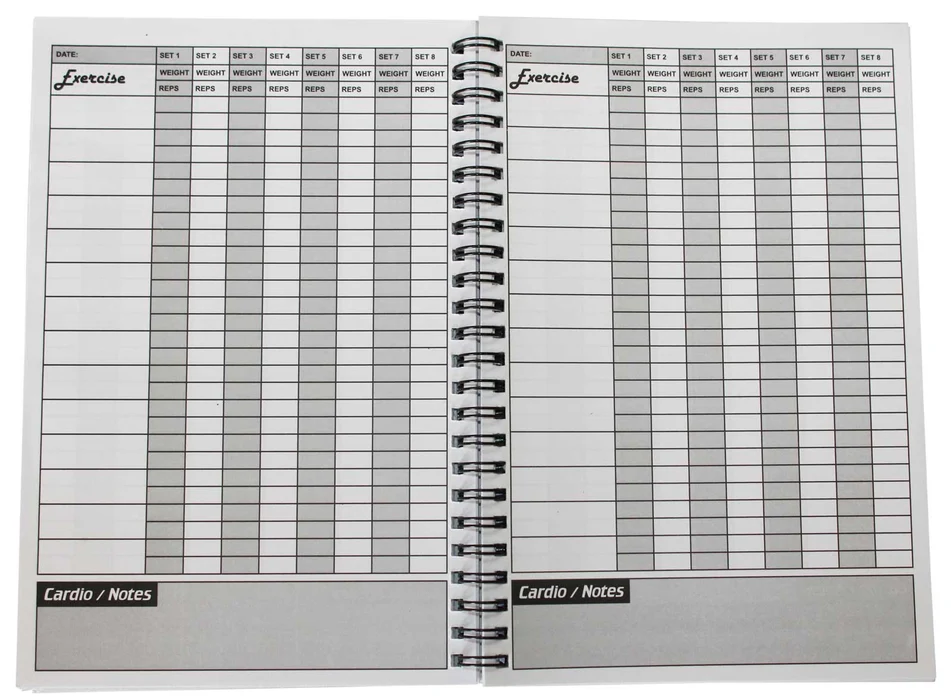
Record load, repetitions, arm order, simultaneous or alternating execution, and the point at which technique started to change. A short note such as last two reps involved torso movement can explain why a larger number was not necessarily a better set. A brief video from the same angle can help you compare the movement itself.
Progress the workload when the current version becomes dependable. That might mean an additional controlled repetition before a small weight increase. It does not require turning every curl session into a maximal single. General progression guidance supports adjusting resistance to demonstrated performance and the person’s goals, rather than increasing load simply because another week has passed.
If muscle size is the goal, keep the assessment conditions consistent too. A pumped arm directly after curls is a poor comparison with a relaxed arm measured on a rest day. Strength records are valuable, but they are not direct measurements of tissue growth. Treat the observations as complementary information, with realistic limits.
At the end of the block, ask what actually improved and what made adherence easier. Keep unilateral work if it helps you execute, track or enjoy the task; keep simultaneous curls if they suit your routine and remain controlled. You can include both without claiming a special growth advantage. The useful choice is the one that gives a clear training purpose, a repeatable movement and a log that tells the truth.