Advertising disclosure: This page includes affiliate product links that may earn us a commission, as well as products from our own store.
B-Stance Romanian Deadlifts: Find Your Kickstand and Own the Hinge
The B-stance Romanian deadlift is an elegant middle ground between a normal two-legged hinge and a balance-heavy single-leg RDL. Move one foot back, let its toes touch lightly and give the front leg most of the work. That looks simple until the rear foot begins pushing, the hips rotate or the dumbbells drift forward. The exercise is most productive when you can repeat the same pattern on both sides.
Rather than chasing the floor with the weights, learn to control three things: front-foot pressure, a square pelvis and a consistent stopping point. Those details make it easier to use the B-stance for hamstring and glute training without mistaking a balance correction for a stronger rep.
1. Place the rear foot like a kickstand, not a lunge
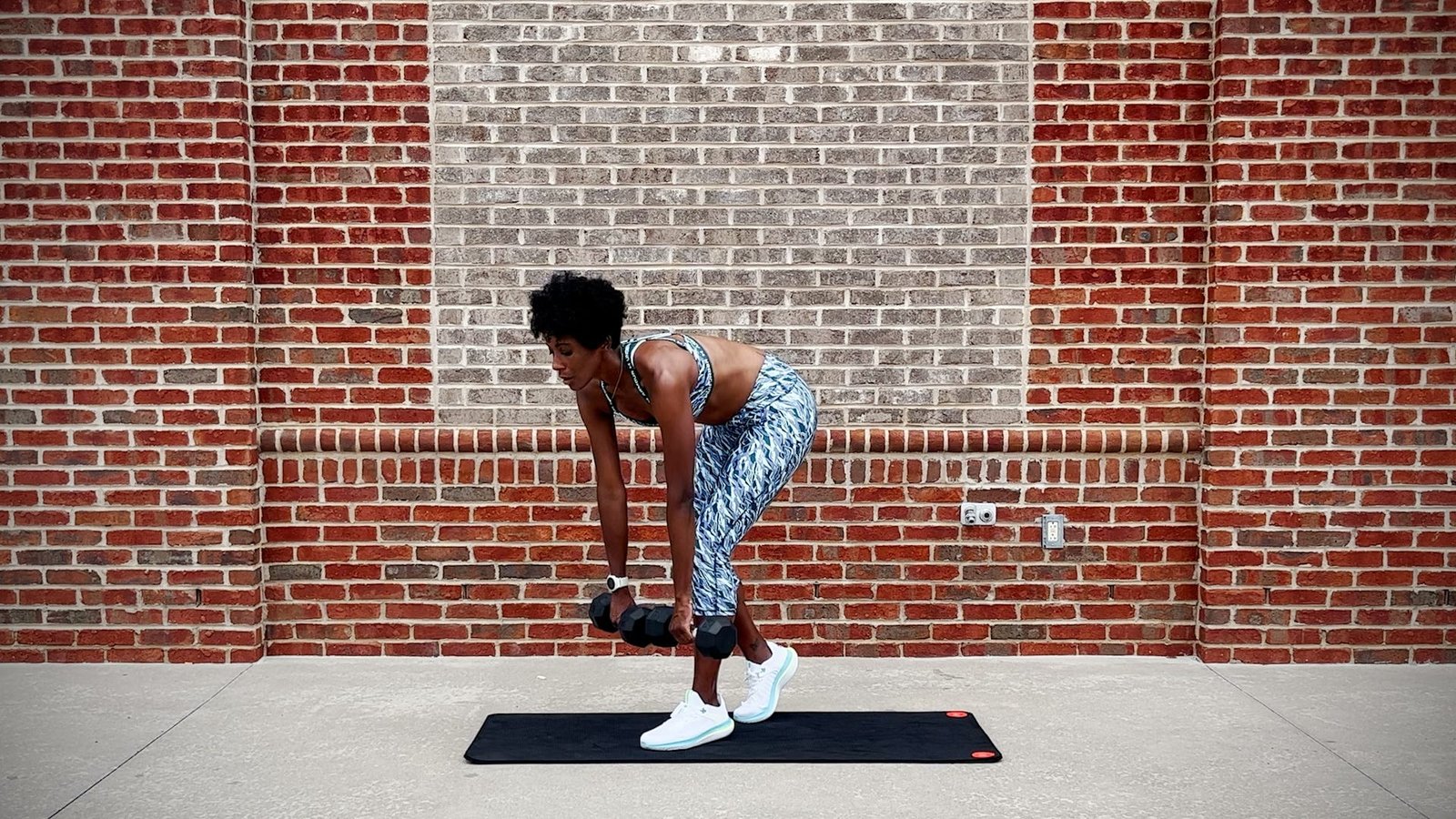
Begin upright holding a light dumbbell in each hand. Keep one foot in front with the entire sole planted; slide the other foot a short distance back until only its ball and toes rest on the floor. Set the feet on two separate tracks rather than in a tightrope line. An extreme split stance encourages you to lunge, while a stance that is too narrow makes staying balanced more difficult than it needs to be. You should be able to stand comfortably without swinging your arms.
Load the front leg by keeping steady pressure under its heel and midfoot. The rear toes offer a little insurance against a wobble, but they should not actively push you up. You do not need to measure a precise bodyweight percentage. Instead, test whether the working hamstring feels loaded when the hips shift backward and whether the back calf remains relatively quiet. If you find yourself driving through the rear foot, bring it closer and make the front leg more obviously responsible for the movement.
Brace gently, soften the front knee and point the hips roughly straight ahead. Try two practice hinges without weights to confirm that the pelvis stays controlled and that your stance still feels stable when your torso tips forward. Make a note of rear-toe distance or foot placement if you are comparing performance over several weeks. It can be surprisingly hard to interpret progression when the stance changes each workout. Leave sufficient space behind you for the hips to move back freely.
2. Hinge back with close dumbbells and a personal bottom
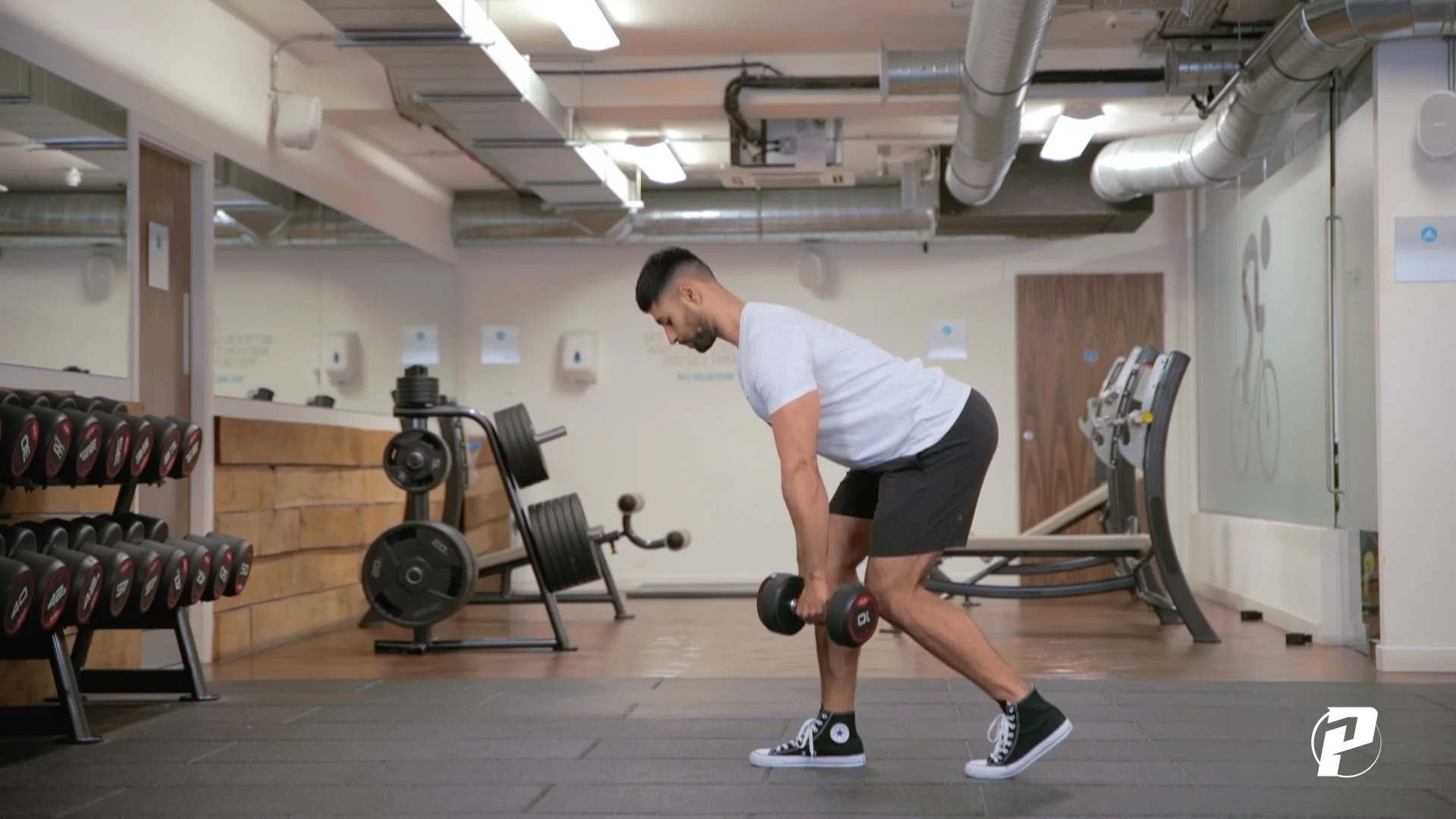
Start the descent by sending the hips backward as the torso leans forward. Keep the front knee softly bent but largely at the same angle rather than continually bending it on the way down. That difference matters: the B-stance RDL is a hip hinge, not a staggered squat. Let the dumbbells follow the thighs and shins with straight arms, almost brushing the legs. If they swing forward toward your toes, the lift becomes harder to control and may feel more like a lower-back endurance test.
Stop when you can feel the hamstrings resisting further hip motion while the spine and hips remain steady. Your personal bottom might be just above the knees or well below them; neither is automatically better. Lowering farther by curling the shoulders or rotating the pelvis does not create a cleaner repetition. Take enough time on the way down to notice where the hip position changes. A simple two- or three-second descent is often more revealing than dropping quickly and trying to catch the weights.
To return, drive through the planted front foot and move the hips toward the start until you stand tall. The back toes can stay grounded, but they should not become a second engine. Finish upright without leaning backward into a large spinal arch. Breathe in and brace before lowering, then exhale as you rise through the demanding part of the motion. If your descent and return follow different paths, lighten the dumbbells and improve control before trying to add more repetitions.

Equipment Worth Exploring
Explore equipment, accessories and gear from our carefully selected range.


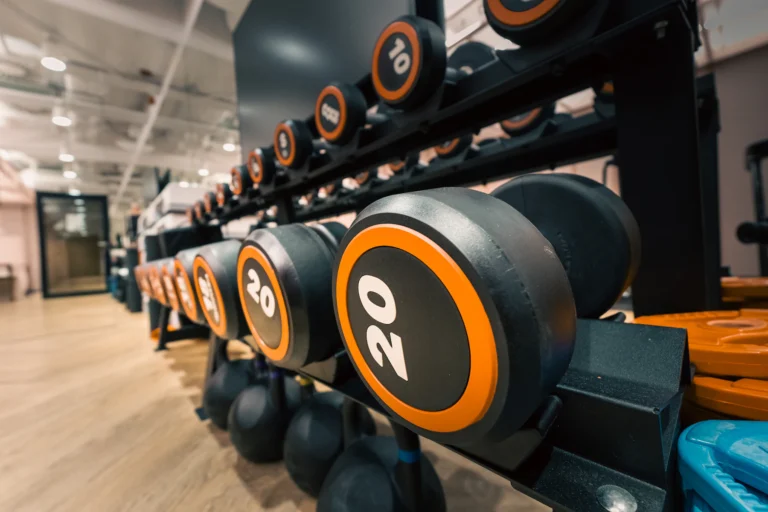
Rubber Hex Dumbbells
Rubber-coated hex dumbbell pairs with a stable shape for home and commercial strength training.


Cast Iron Kettlebells
Textured cast-iron kettlebells for swings, squats, carries, and full-body training.


FID Bench MAX
Adjustable bench offering flat, incline, and decline positions + adjustable headrest.

3. Fix knee drift, hip rotation and a noisy rear foot
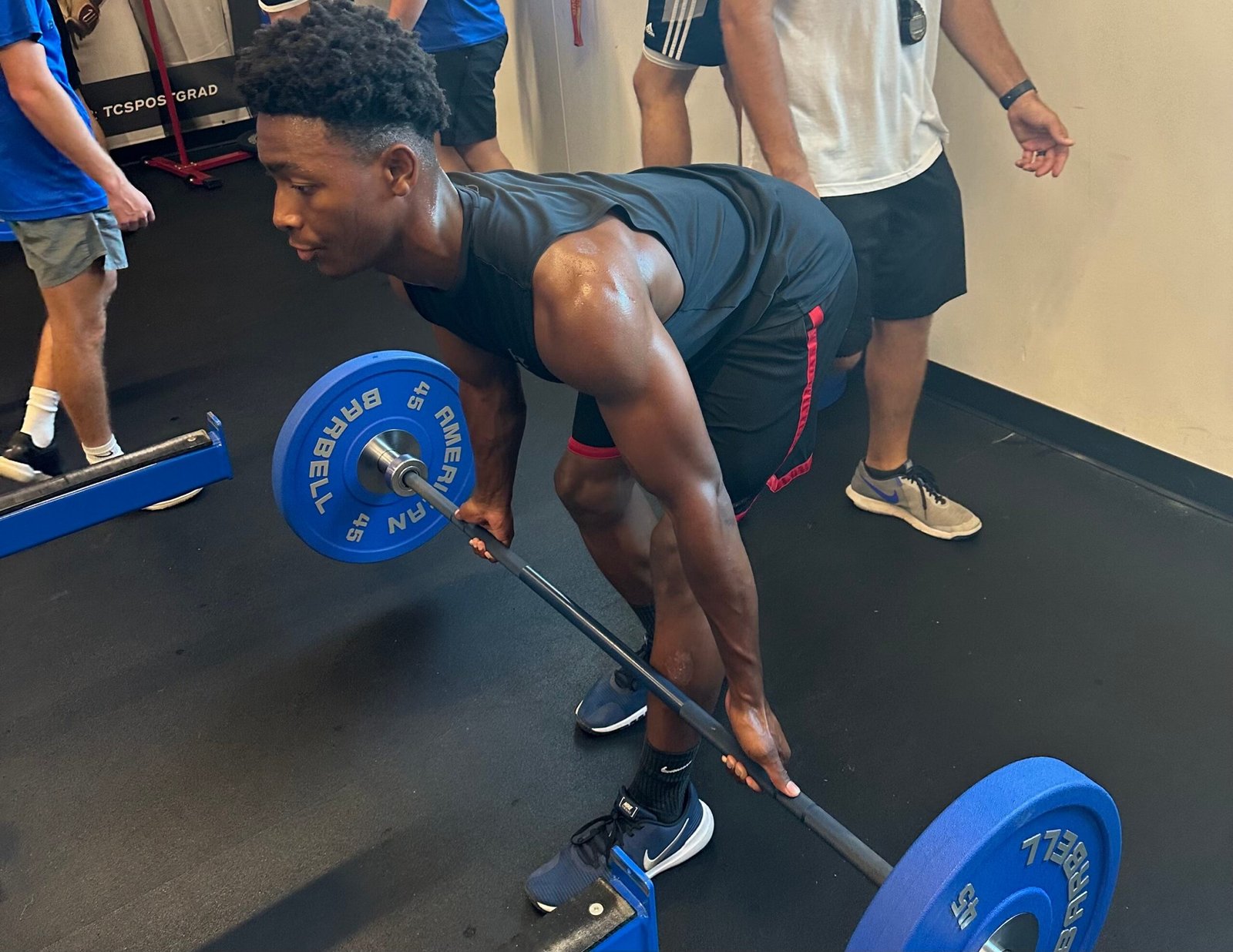
Three common errors can turn this useful single-side accessory into an inconsistent lift. First, the rear foot gradually takes more load as the front hamstring tires. You may feel the back calf contract or notice the rear knee straightening aggressively at the finish. Shorten the kickstand and reduce the weight so the working foot stays dominant. A helper can lightly check that you maintain front-foot pressure, but you should ultimately be able to recognize it yourself.
Second, the pelvis rotates open on the way down. The lifter may lower farther, but that extra range comes from turning rather than controlling the hip hinge. Imagine keeping the two front hip bones aimed toward the same wall. Use a front-angle video to see whether one side opens more than the other. Third, knee bend increases rep after rep until the movement resembles a split squat. Reset the knee angle and move the hips backward, not down.
A little challenge through the abdomen, glutes and back is normal for loaded hinges. However, pain that is sharp, radiating or unfamiliar is not something to push through. If your lower back is the main limiter, check whether you are reaching past your controllable range or allowing the weights to drift away from the legs. Compare sets using the same load, stance and tempo before deciding that one side is weaker. Technique inconsistency can look like a strength imbalance when it is simply a setup difference.
4. Dumbbells, barbells and easier ways to learn the pattern
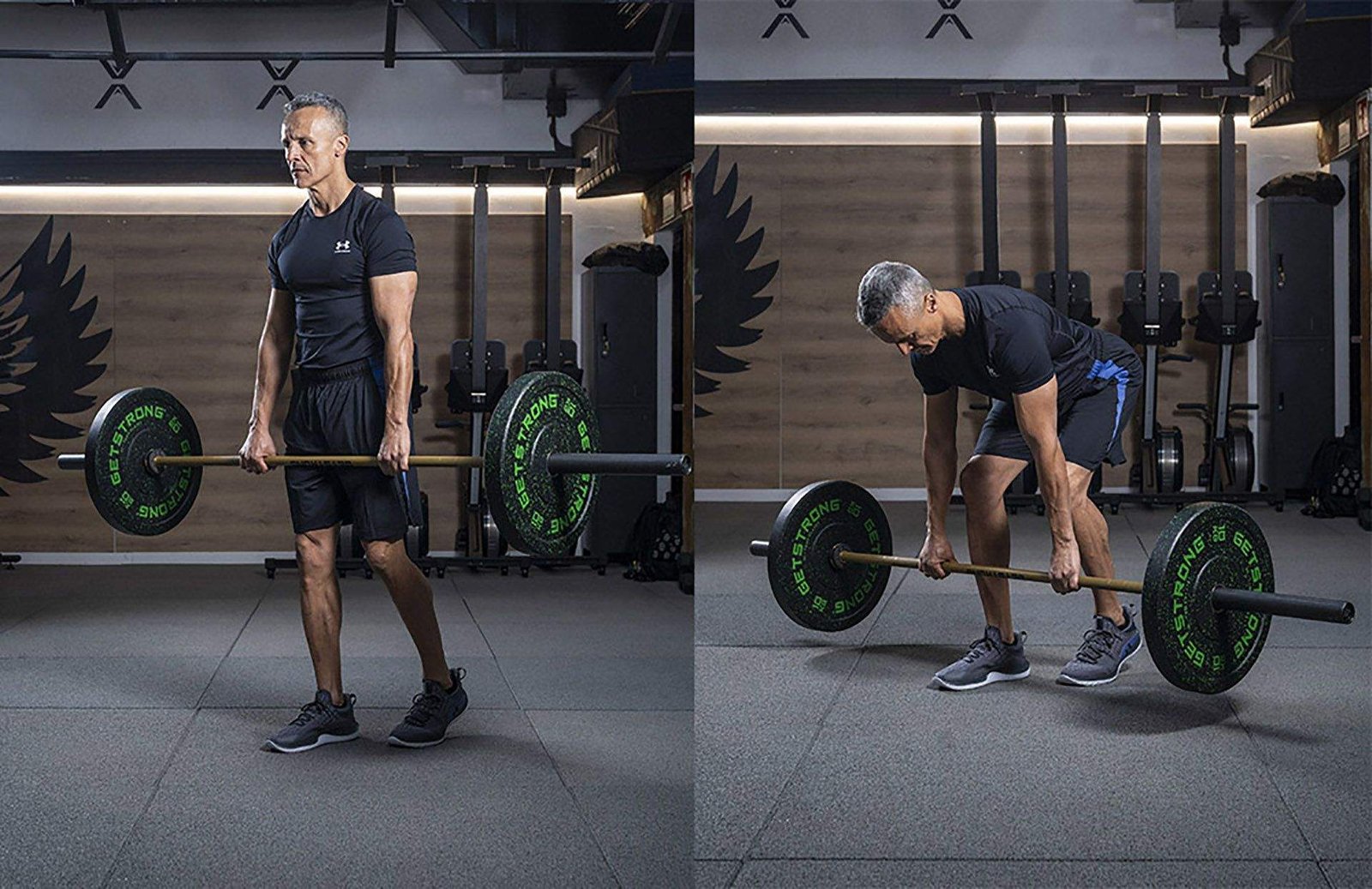
Two dumbbells are usually straightforward for this variation because each weight can hang beside the legs and the grip remains neutral. You can also use one dumbbell, though an offset load increases the demand to resist torso rotation. If your main objective is learning the hinge, two equal dumbbells keep the problem simpler. Another option is a barbell held in front of the thighs, but the bar has to travel around the knees and the working side is less visually obvious.
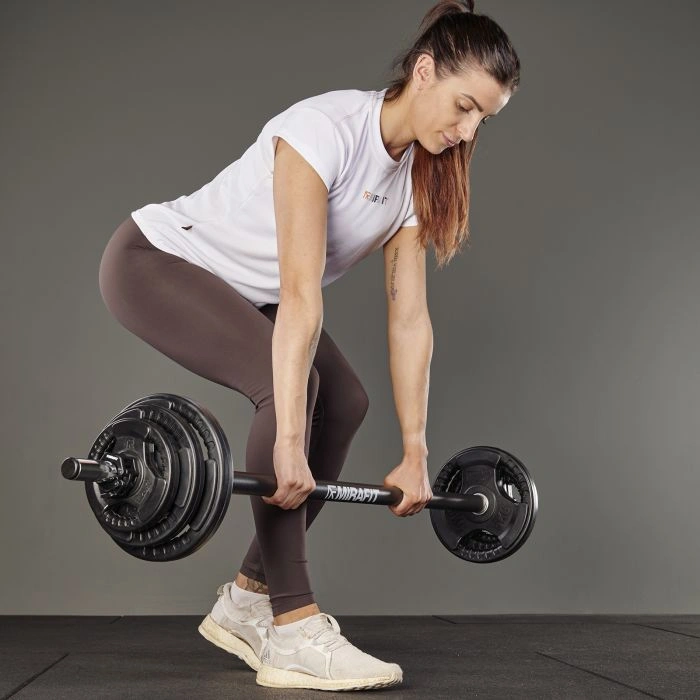
Start the barbell version lighter than your normal two-legged Romanian deadlift. The B-stance is not a shortcut for lifting an ordinary bilateral load with one leg doing most of the work. Practise the same rear-toe spacing, maintain pressure in the planted foot and keep the bar close throughout the hinge. Some lifters prefer a trap bar or a kettlebell if it allows a more natural hand position. The best implement is the one that lets you reproduce the intended movement reliably.
If the kickstand still feels too precarious, return temporarily to a normal RDL with both feet parallel, or use a light handhold for balance without pulling yourself through the lift. A fully single-leg RDL is a different progression because the rear foot is airborne and balance takes a much larger role. You do not need to graduate to it to justify using the B-stance. You can keep both versions in a plan for different reasons, provided their total fatigue fits the rest of your leg training.
Equipment Worth Exploring
Explore equipment, accessories and gear from our carefully selected range.


Open Hex Bar
Open-frame trap bar with multiple handles for deadlifts, carries, and lower-body training.


Competition Plates
Competition-style bumper plates for Olympic lifts and loaded strength training.


Grip Plates
Rubber-coated weight plates with handholds for loading barbells and machines.


45° Hyperextension HPX-650
Angled back-extension trainer with split padding, a ribbed footplate and resistance-band pegs.


Glute Ham Developer GHD-820
Adjustable glute-ham developer with contoured pads and a fold-out knee support.
5. Use a six-week progression that rewards clean repetitions
Here is a practical example rather than a fixed prescription for every lifter. In weeks one and two, perform two sets of eight repetitions per side with a light pair of dumbbells. Lower over approximately two seconds, pause very briefly near the bottom of your own controllable range and stand without a shove from the rear toes. Keep the stance identical across sets. Place the exercise after a primary lower-body lift unless improving this hinge is the day’s main technical goal.
For weeks three and four, work toward three sets of eight to ten reps per leg. Start with the side that feels less coordinated, then match the number of clean repetitions on the opposite side rather than adding messy extras. If foot pressure, hip position and dumbbell path remain consistent, progress by one or two repetitions before moving to heavier weights. Rest sufficiently between sets to begin the next side with the same standards. Effort matters, but a hard rep is not automatically a good rep.
During weeks five and six, build toward ten to twelve controlled reps in each set or make a modest dumbbell increase and return to eight. If the heavier load makes the pelvis twist, knee bend change or rear foot press hard, use the previous weight again and solve that problem first. In your log, note the leading leg, load, reps and range. Include another knee-dominant movement and hamstring knee-flexion work if they serve your program; this one exercise does not cover every function of the lower body.

Leg Day Shirts & Workout Gear
Leg-day gym shirts and workout gear for lifters who never skip squats, lunges and lower-body punishment.

OnlyGains Only Gains Meme – Booty & Leg Day Squats, T-Shirt
Show some leg-day attitude with a playful “OnlyGains Only Gains” tee.

Negative Leg Day Review Leg Day Sucks Meme Squats, T-Shirt
Show some leg-day attitude with a playful “Negative Leg Day Review” tee.

Never Skip Leg Day Squats & Deadlifts Meme , Top T-Shirt
Show some leg-day attitude with a playful “Never Skip Leg Day” tee.

Leg Day Is Calling You Squats, Deadlifts & Gains T-Shirt
Rep “Leg Day Is Calling You” humor in and out of the gym.


Hippo Thrust Meme – Hip Thrusts & Leg Day , Gymbro, T-Shirt
Bring “Hippo Thrust Gym Meme” humor to your next gym day.

Motivation – Barbell Meme Strong , Leg Day Squats & T-Shirt
Make gym days more fun with “Gym Motivation” style.

I Look Better Bent Over – Squats, Deadlifts & Booty T-Shirt
Show some leg-day attitude with a playful “I Look Better Bent Over” tee.


Deadlifts & Dragons Fantasy Swoleplaying Meme & D&D T-Shirt
Bring “Deadlifts & Dragons” humor to your next gym day.
Some product links may be affiliate links, which can support Mind Muscle Perfection at no additional cost to you.