Advertising disclosure: This page includes affiliate product links that may earn us a commission, as well as products from our own store.
A mouthguard can have a clear job protecting teeth, while its promise of extra lifting performance needs a separate test. Before treating one as a strength upgrade, ask what changed in the experiment: the appliance, the instruction to clench, or both. A small trial with three jaw conditions offers a useful example of why the comparison matters. The practical question is whether the evidence justifies your particular purchase and intended use.
What the 12-athlete experiment actually tested
Twelve highly trained rink-hockey athletes completed randomized comparisons of jaw clenching with a customized bite-aligning mouthguard, clenching without it, and keeping the jaw relaxed. The tasks were isometric handgrip, bench press and biceps curl. Force was measured during brief maximal efforts; this was an acute experiment rather than a training programme.
Picture the difference between pushing against an immovable bar and completing a normal repetition. In the first task, a force sensor can register a hard push without the bar travelling. In the second, a lifter has to move the load through a range. Calling both tasks a bench press does not make their measurements interchangeable. A useful result starts with a precise description of the task.
That distinction should guide the shopping question. Someone seeking a heavier conventional bench press wants evidence about that outcome. Someone comparing repetitions across a training block wants something else again. Neither question is answered simply by seeing a force number beside a familiar exercise name. Write down the result you care about before looking at promotional claims, so the measurement does not quietly change halfway through the argument.
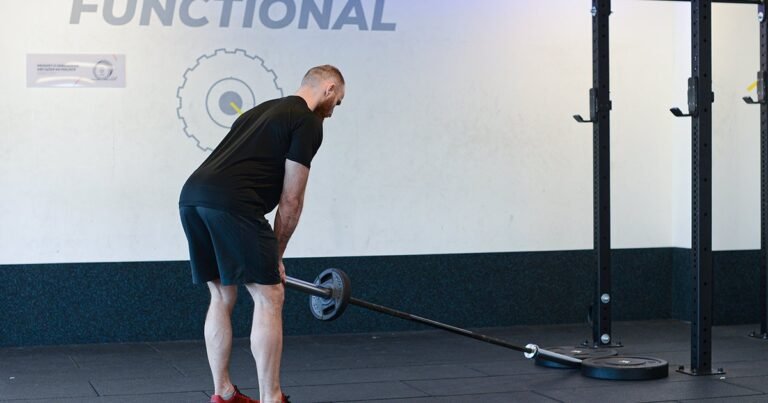
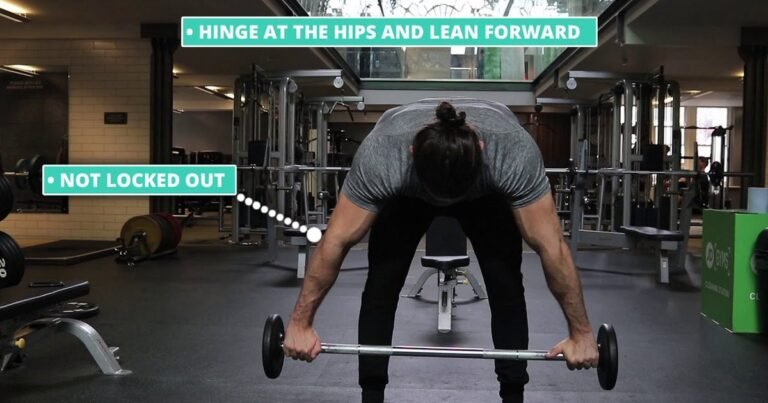
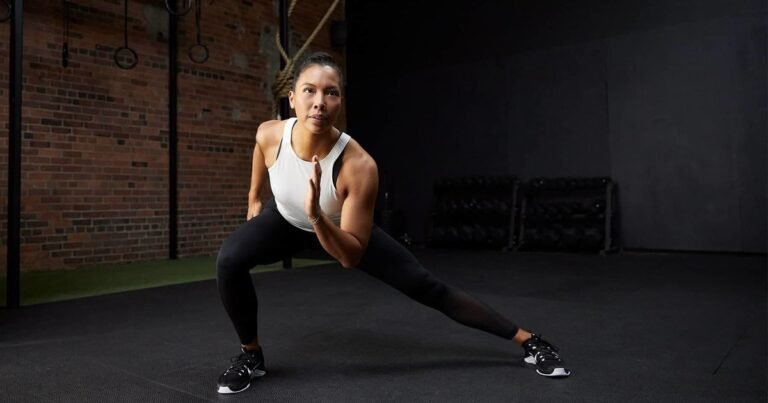
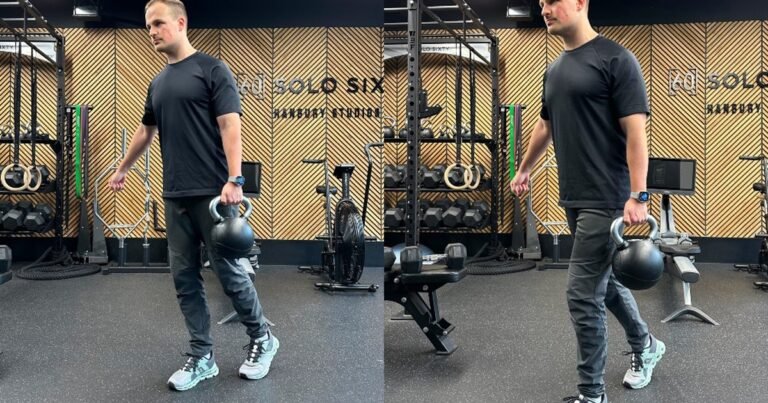
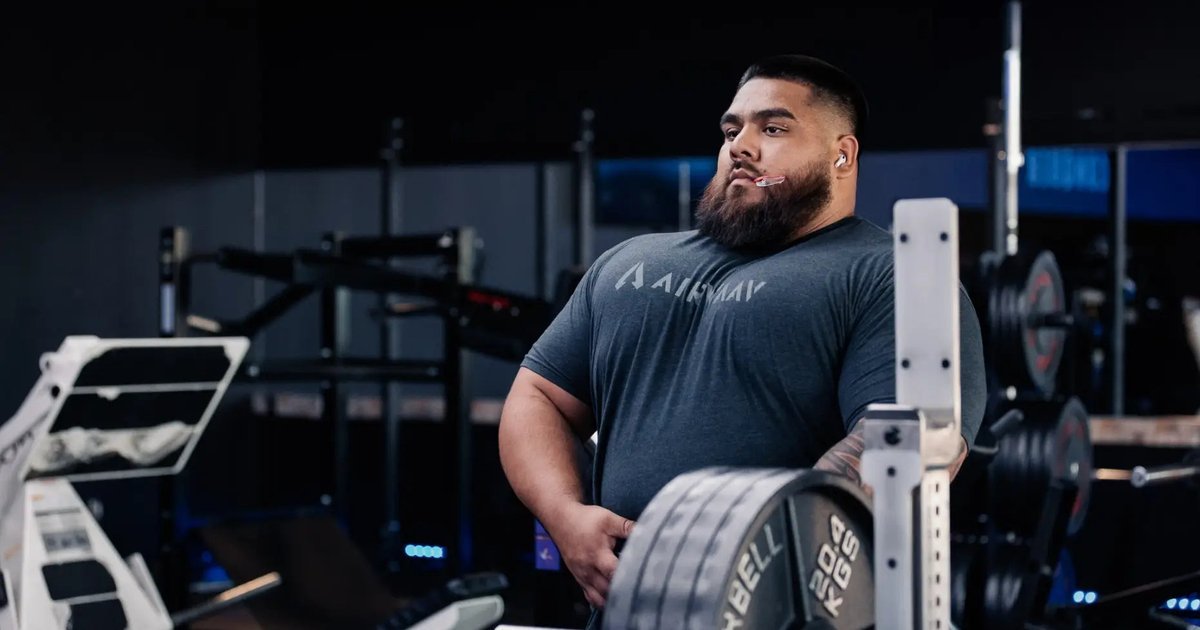
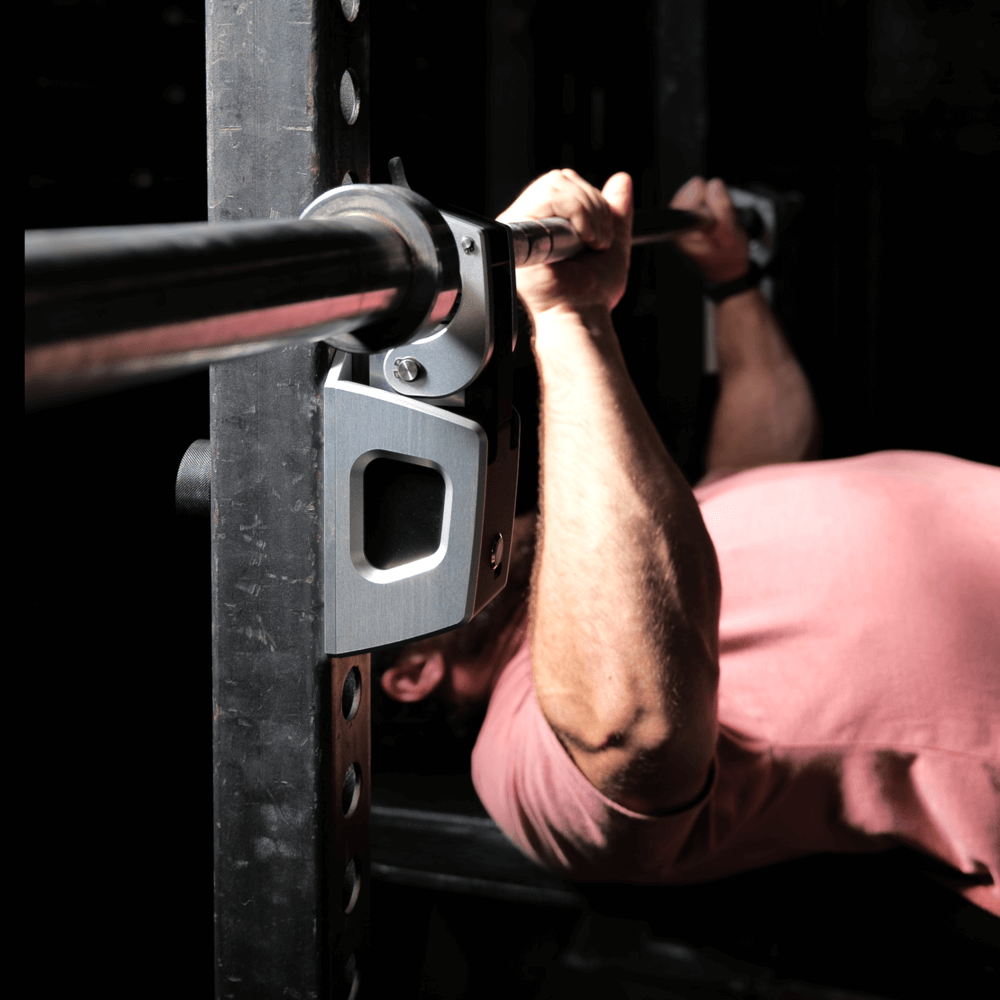
The photographs illustrate mouthpieces and assessment tasks; they do not identify the trial participants or reproduce its exact appliance. A photograph of a strong athlete is context, not evidence that their strength came from the object in their mouth.
Clenching alone is the comparison that changes the claim
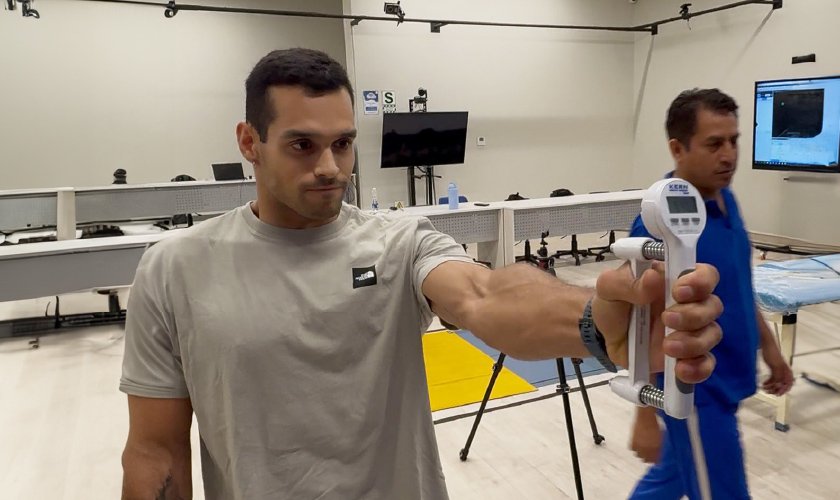
The mouthguard condition produced greater force than the relaxed-jaw condition in all three tests. Clenching without the appliance exceeded the relaxed condition in handgrip and bench press, but not biceps curl. Crucially, the mouthguard and clenching-only conditions did not differ significantly in force output. That result does not establish an added strength benefit from the device.
This is a useful way to interrogate equipment claims generally. Imagine a hypothetical lifting accessory tested alongside a new instruction to concentrate harder. If the comparison group receives neither the accessory nor the instruction, a better score cannot tell the buyer which change deserves credit. A comparison that keeps the instruction similar is much closer to the purchase decision. The question becomes what the item adds beyond the accompanying behaviour.
A statistically non-significant comparison also needs careful wording. It does not certify that every possible appliance has exactly zero effect for every person. It tells us that this experiment did not establish the claimed difference. The sensible response is to keep the conclusion limited, rather than turning uncertainty into either a guaranteed benefit or a universal dismissal.
Do not turn an experimental clenching instruction into a cue to bite as hard as possible throughout your workout. The article is evaluating a performance claim, not prescribing jaw training. Dental comfort and suitability belong in the decision before any attempt to chase a measurement.
Jumping and ballistic pressing answer different questions
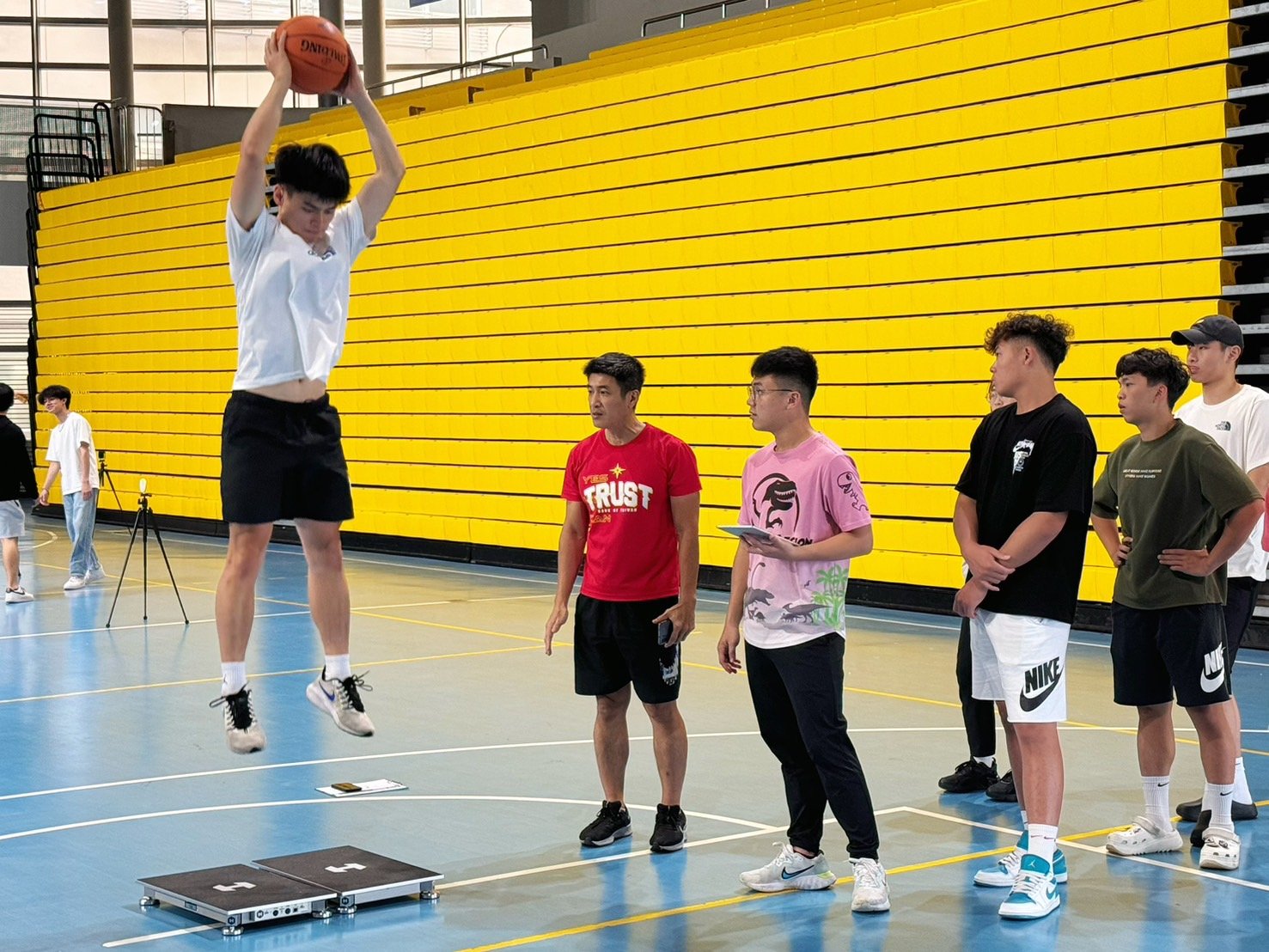
A separate randomized comparison involved 22 male amateur rugby players. They completed ballistic bench pressing on a guided bar at 40% of their previously measured one-repetition maximum. A mouthguard with controlled mandibular position produced higher peak force and acceleration than no mouthguard. The initial maximum established the test load; the finding was not a demonstrated increase in one-repetition maximum.
Another trial involving 13 high-standard male basketball players found better jump outcomes with a customized mouthguard. Agility did not differ significantly, and power results were generally neutral apart from one bench-press load. A positive result on one task should therefore stay attached to that task instead of becoming an all-purpose claim about athletic improvement.
A 2026 systematic review included 13 trials and 335 athletes. Differences in devices, study designs and outcomes prevented a meta-analysis, so the evidence was synthesized narratively. Some findings were positive and others neutral. Its search ended in February 2024: publication in 2026 does not mean the included experiments were newly conducted that year.
For a buyer, these examples suggest a simple reading habit: keep a separate line for each outcome. Jump height, peak acceleration, isometric force and a maximal lift are different entries. Avoid combining them into an imagined average percentage improvement. If the proposed benefit is vague enough to survive any result, the claim needs to become more specific before it deserves your money.
Buy for the job the mouthguard needs to do
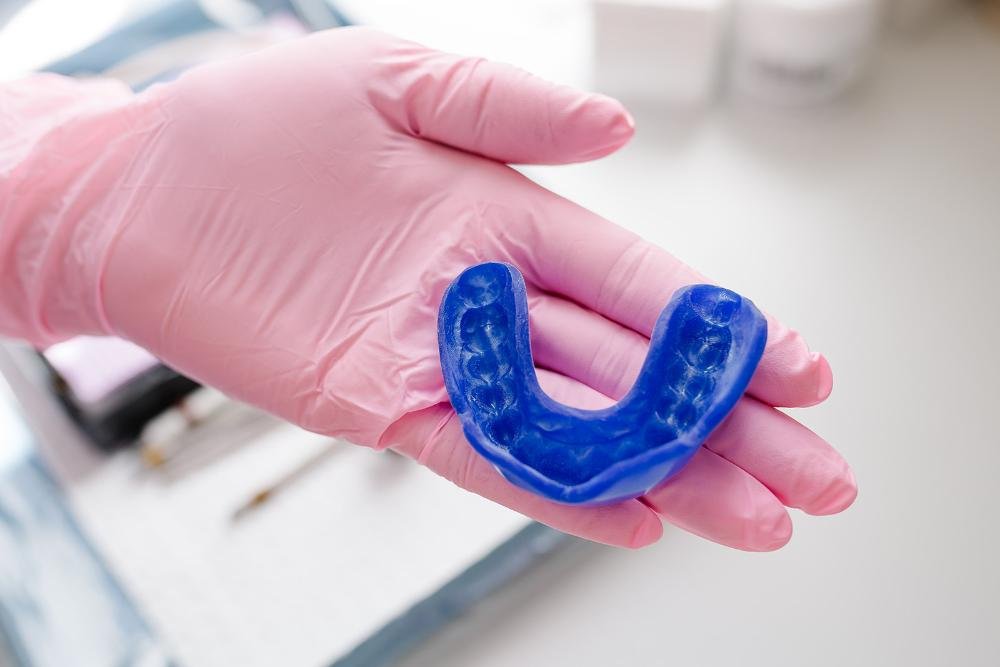
Dental protection is a separate reason to wear a mouthguard. Properly fitted guards help reduce sports-related dental injury risk, particularly where impacts are plausible. An appropriate guard should stay securely and comfortably in place. That protective purpose does not depend on proving an improvement in gym performance.
Custom-made guards are fabricated from individual dental impressions in a dental office or laboratory. Mouth-formed and ready-made guards are different categories. Their existence does not make them interchangeable with a research appliance designed around a particular bite position. For a mouth-formed product, follow its own fitting instructions rather than copying an arbitrary heating time from another model.
Start a purchase conversation with the activity, the required protection and any dental appliances or fit concerns. Ask a dental professional which option suits those circumstances. If a device causes pain, does not stay comfortably in place, or raises questions about your bite, address that issue rather than tolerating it for a promised performance bonus. Do not improvise jaw repositioning to imitate a laboratory condition.
For the home-gym budget, make two separate lists: dental equipment suitable for its intended use, and ordinary lifting equipment needed for your sessions. A stable bench, appropriate rack, bar and compatible plates support a repeatable bench setup. They are optional equipment choices shown alongside this guide, not items proved to reproduce a mouthguard effect. If your existing setup already does the job, this research creates no reason to replace it.

Equipment Worth Exploring
Explore equipment, accessories and gear from our carefully selected range.


FID Bench MAX
Adjustable bench offering flat, incline, and decline positions + adjustable headrest.


Multi Bench MBX-650 2.0
Adjustable multi-bench with roller adjustment, 15 backrest positions and accessory mounts.


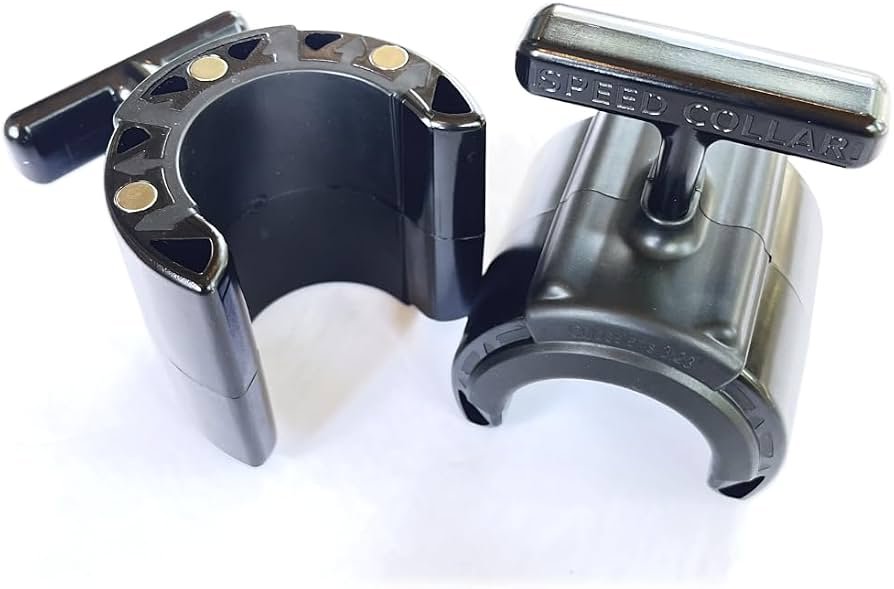
Speed Collar
Quick-release collars designed to secure weight plates on standard two-inch Olympic bars.
Make your training record more useful than the sales pitch
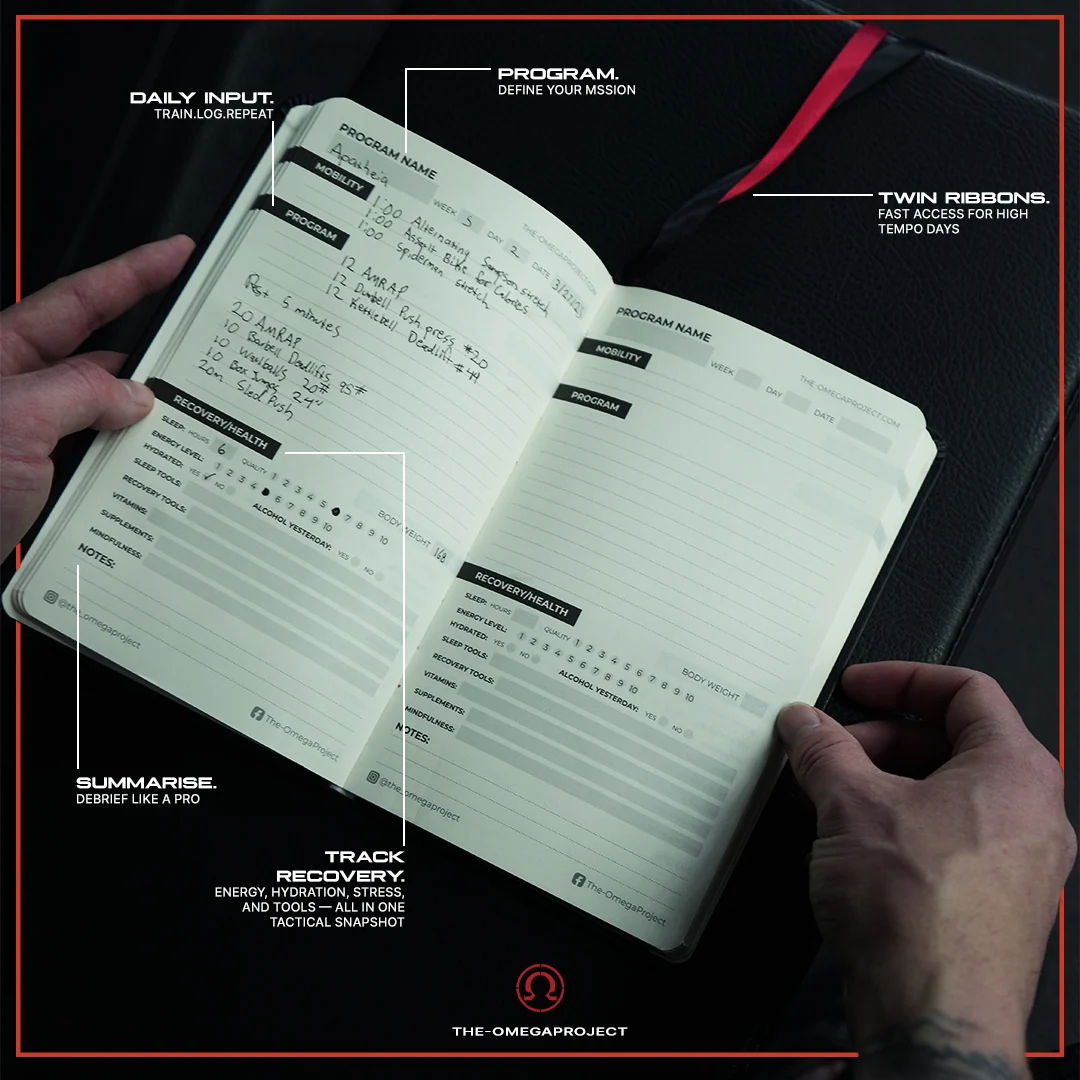
If you already use a professionally suitable mouthguard, a training log can document how sessions feel without pretending to be a clinical trial. Record the actual exercise, load, repetitions, rest periods and relevant setup details. Add whether the device was comfortable and whether you kept interrupting sets to adjust it. Those observations are useful even when they cannot establish a performance effect.
Consider an ordinary logging example: you complete three sets at the same load on two different days. On the second day, you rest longer, use a different bench and stop each set earlier. Even if you also wore a new mouthpiece, the entries do not isolate its contribution. The fix is to describe what happened honestly, rather than crediting whichever purchase was newest. Several simultaneous changes make a neat explanation less convincing.
You do not need to manufacture maximal attempts to investigate a purchase. Continue with your planned training and familiar safety arrangements. Keep any comparison modest, and do not remove protection required for your sport or advised for your situation. A personal impression can remain a personal impression; it does not need a percentage claim attached to it to be worth recording.
The useful takeaway is a purchasing standard: specify the intended job, match the evidence to that job and keep the unknowns visible. Mouthguards can be worthwhile protective equipment without being established shortcuts to a stronger bench. For strength claims, ask what the device added beyond the comparison condition. For your own sessions, value clear records and comfortable, repeatable training over the excitement of a single unusually good set.

Funny Gym Shirts & Workout Gear
Funny gym shirts, tanks, hoodies and workout gear for lifters who like training hard.

Ultimate Bench Press Tee
Heavy lifts, good laughs, and a little “Ultimate Bench Press” energy.

I Love Bench Press | Red Heart Weight Plate Decal Sticker
Put “I Love Bench Press” gym humor on your laptop, bottle, or gym gear.


Gym Sir Swole of Benchalot Medieval Knight Bench Press Hoodie
Show off your medieval humor in a laid-back “Sir Swole of Benchalot Medieval Knight” hoodie.

Shirt – Broscience – Meme & Gymbros T-Shirt
Make gym days more fun with “Broscience” style.

Swolenomics Bro Science Muscle Graph : The Ultimate T-Shirt
Heavy lifts, good laughs, and a little “Swolenomics Bro Science Muscle Graph” energy.

Mind Muscle Perfection Brain and Biceps Gym for Science Tank Top
Bring “Mind Muscle Perfection Brain and Biceps” humor to your next lifting session.


One More Rep Shirt: Motivational & T-Shirt
Make gym days more fun with “One More Rep” style.