How many more repetitions could you really have completed? That question is at the heart of repetitions in reserve (RIR), a practical way to judge effort without forcing every set to failure. It is especially useful in a home gym, where you may train alone, use different resistance devices and need a repeatable way to progress without wasting energy.
RIR can be surprisingly accurate under controlled conditions, but it is not automatically precise for every exercise. Here is how to calibrate your own effort ratings using ordinary equipment and a consistent training log.
1. What repetitions in reserve actually measures
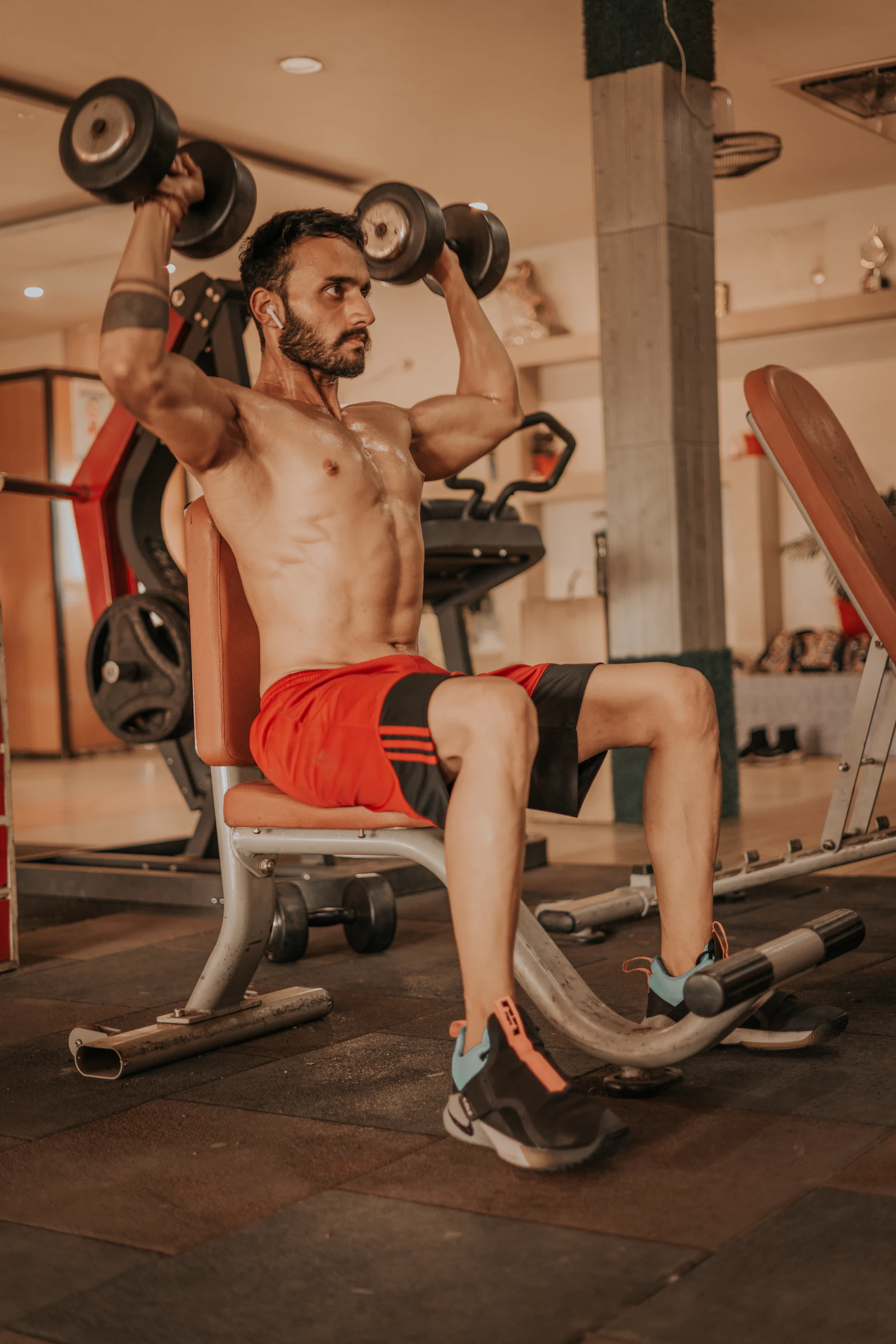
Repetitions in reserve is an estimate of how many additional technically acceptable repetitions you could complete before reaching momentary muscular failure. If you stop a set of eight presses and believe you could complete two more with the same movement standard, that is a two-RIR set. Zero RIR means the next full repetition is not available. It is an effort estimate, not a fixed weight or a promise that every muscle in an exercise has been exhausted equally.
RIR is useful because a prescribed set of ten can be extremely easy with one load and brutally hard with another. Two people can use the same dumbbell and have very different reserves. Even the same person may have different reserves after poor sleep, a hard previous session or a change in exercise order. An effort estimate adds context to the repetitions and weight recorded in a training log. It can help you decide whether to add load, maintain the current weight or stop before technique deteriorates.
The catch is that the number is subjective. A lifter who says “three left” might actually manage one, five or more, depending on the exercise and familiarity with hard sets. The best way to use RIR is as a working estimate that becomes more informative when compared with actual performance. It should never override safe setup, a spotter requirement or a machine’s operating limits.
2. How accurate are lifters when they say two reps are left?
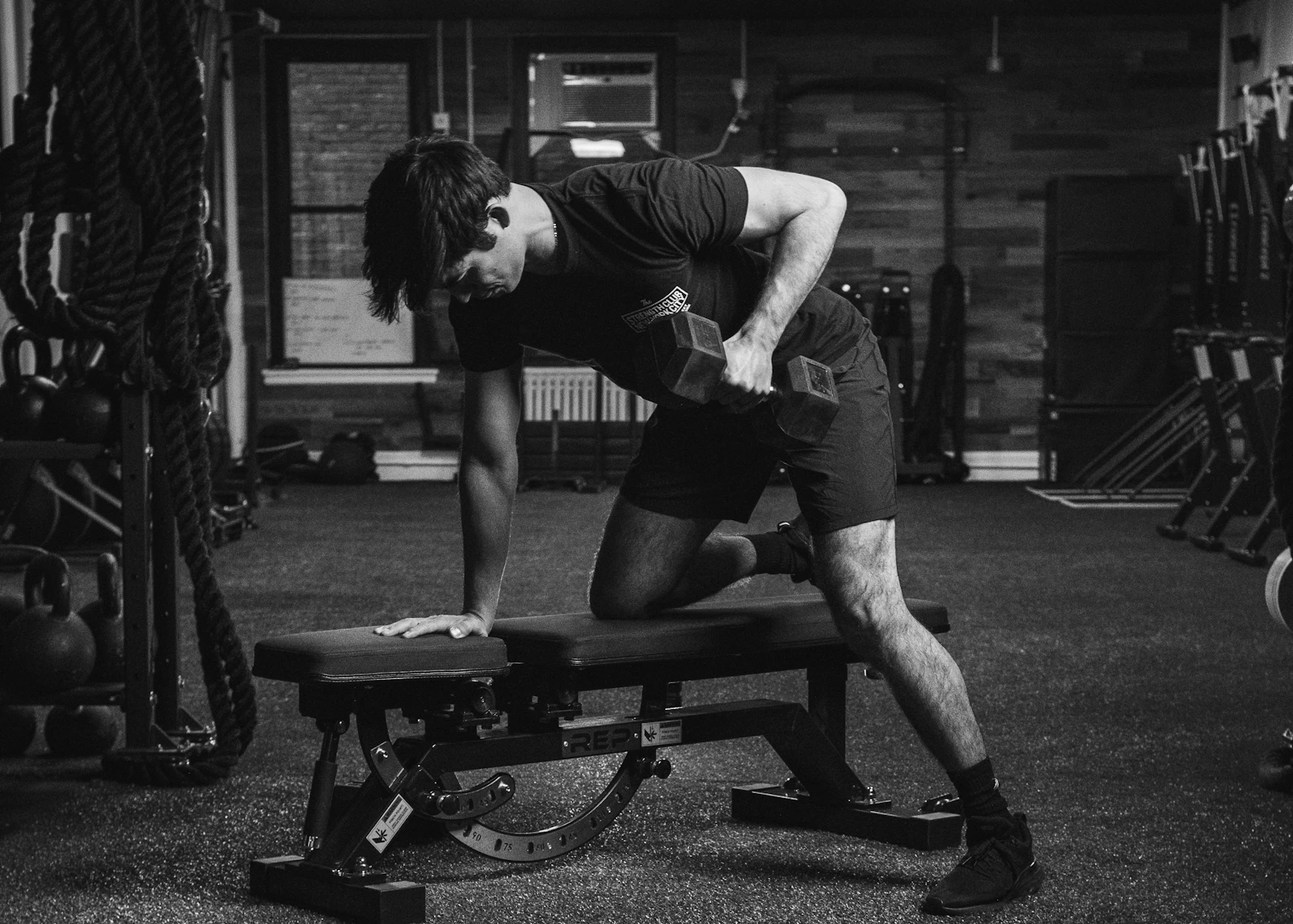
One controlled bench-press experiment tested 24 resistance-trained adults, evenly divided between men and women. Participants pressed a barbell at 75% of their one-repetition maximum and announced when they believed they had three or one repetition remaining. They then continued until momentary muscular failure, allowing their estimates to be checked against what actually happened. Across the observations, the mean absolute error was about 0.65 repetitions, with considerable individual variation. That is encouraging for the specific task studied; it is not evidence that every person can identify RIR perfectly on every lift.
Other research adds useful nuance. In a study involving 58 trained and untrained men and women using biceps curls, triceps pushdowns and seated rows, estimates tended to improve as participants approached failure and in later sets. A separate bench-press comparison involving 36 resistance-trained men and women found that individualized movement-velocity measurements sometimes estimated remaining repetitions more accurately than subjective calls, especially in early sets and at lower relative loads. The advantage was not universal across all conditions.
These differences matter when planning a home workout. A near-failure set of curls may be relatively easy to judge because the next repetition simply will not move through the required range. A heavy squat can end because bracing, balance or confidence fails before the target muscles are fully exhausted. RIR should therefore be recorded by exercise, not treated as a magical personal score that transfers unchanged from curls to deadlifts.

Equipment Worth Exploring
Explore equipment, accessories and gear from our carefully selected range.


FID Bench MAX
Adjustable bench offering flat, incline, and decline positions + adjustable headrest.


Leather Lifting Straps
Padded leather straps support grip during heavy rows, deadlifts and pulling exercises.
3. A practical calibration method without constant failure
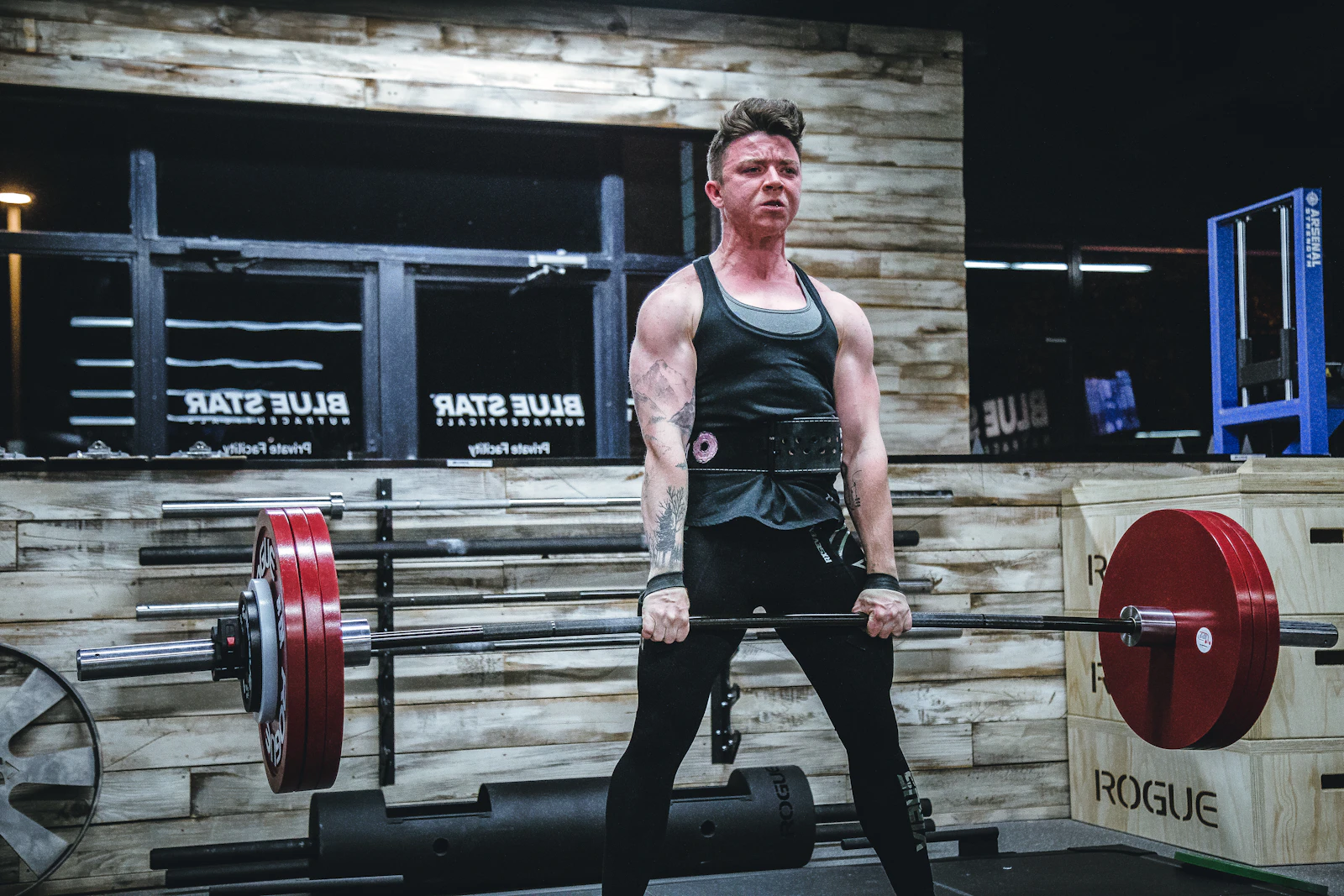
Start with one familiar, relatively stable movement, such as a dumbbell curl, supported row or machine press. Warm up normally, choose a load that should permit roughly eight to fifteen repetitions, and perform a controlled set. When you believe two repetitions remain, say the number aloud or record it immediately. On an occasional calibration set, continue for additional repetitions with unchanged technique to learn whether your estimate was close. A spotter or safety arms are essential for barbell movements where failure could trap you; a safe single-joint exercise is often a better first choice.
Suppose you predicted two repetitions left at rep ten but then completed five more clean repetitions. Your original estimate was too conservative: at that point you had about five remaining, not two. If only one more acceptable repetition was possible, you were slightly closer to failure than expected. Record both the prediction and the observed result. The useful lesson is not that you must fail every set, but that your own estimates need periodic reality checks under comparable conditions.
Repeat calibration across several weeks rather than treating one test as definitive. Use the same range of motion, tempo, exercise setup and definition of a completed rep. Some evidence suggests estimates can improve with repeated exposure, while other short-term work found little change in absolute accuracy; improvements should not be assumed. Most regular sets can stop at the planned reserve. Reserve occasional safe calibration attempts for movements and days where the extra fatigue will not disrupt the rest of your training.

Powerlifting Shirts & Lifting Gear
Powerlifting shirts and gym gear for squat, bench and deadlift lifters who live for heavy numbers.

Meme – Shhh I'm Doing Math Plate Math Weightlifting T-Shirt
Heavy lifts, good laughs, and a little “Shhh I'm Doing Math Plate Math” energy.

Dost Thou Even Hoist Sir? – Do You Even Lift, Bro? T-Shirt
Make gym days more fun with “Dost Thou Even Hoist Sir?” style.


Lift Eat Repeat – Weightlifting & – Meme Bros & T-Shirt
Make gym days more fun with “Lift Eat Repeat” style.


Platehead Powerlifting Tee
Heavy lifts, good laughs, and a little “Platehead Gym Skull” energy.


Gymhead Skull Plate – , Meme Shirt Bros & T-Shirt
Make gym days more fun with “Gymhead Skull Plate” style.

Deadlift Lovers – Grim Reaper Skeleton , Bros & Leg T-Shirt
Rep “Deadlift Lovers” humor in and out of the gym.

4. Why RIR feels different on squats, rows and cable exercises
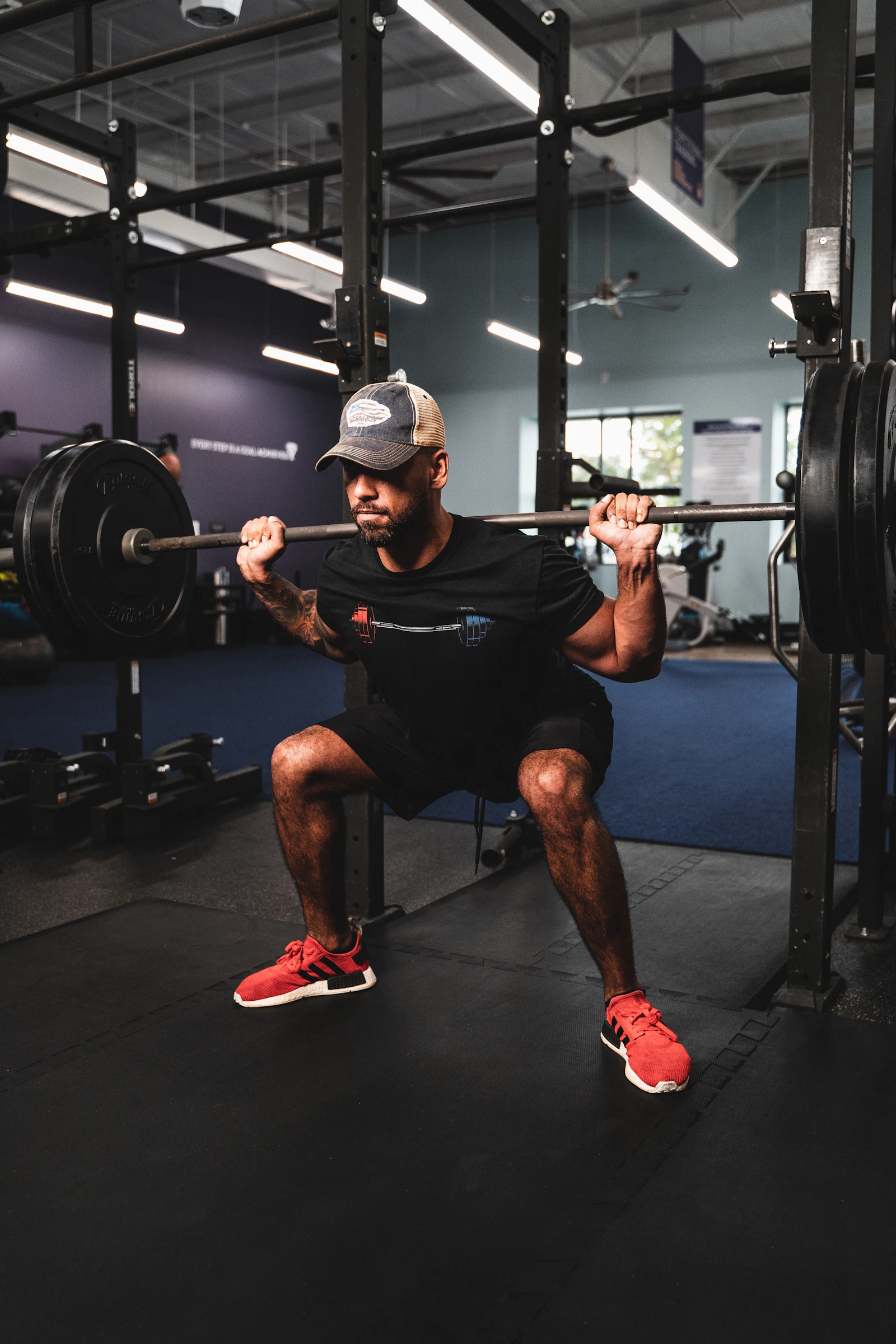
RIR is not independent of exercise selection. A set of leg extensions can make the quadriceps the obvious limiting factor. In a barbell squat, breathing, trunk stability, technical consistency and the willingness to attempt another heavy repetition may become limiting factors first. A supported cable row removes some balance demands, but grip fatigue or a poorly adjusted seat can still end the set before the back receives the intended challenge. Compare effort estimates within the same movement rather than expecting one universal sensation.
Rep ranges also change the experience. Five demanding repetitions with a heavy barbell may feel intense from the first rep, whereas a fifteen-repetition cable set may not feel difficult until the final few. Long sets can be especially deceptive because burning and breathlessness do not always map neatly onto the number of clean repetitions still possible. In either case, the practical question is whether another full repetition could be completed with the same movement standard—not whether you are uncomfortable.
For a compact home gym, stable equipment makes RIR easier to track. A bench, adjustable dumbbells and a repeatable cable attachment position can create consistent conditions. Write down bench angle, pulley height, resistance mode and grip when those change the exercise substantially. A digital cable trainer’s displayed load is not necessarily equivalent to a barbell load because resistance curves and pulley mechanics differ. Compare an exercise with its own history rather than translating every setting into a supposedly identical number of pounds.
5. Do velocity trackers make effort estimates more objective?
Bar speed can provide another clue about fatigue. As a challenging set progresses, repetitions often slow, especially when the lifter is trying to move the weight quickly. Sensors can measure movement velocity more consistently than the eye can, and individualized models sometimes predict remaining repetitions reasonably well. That does not mean there is a universal speed at which everyone has exactly two reps left. The relationship varies with exercise, load, technique, fatigue and the way the model was built.
A device that reports a slower final rep is measuring movement, not directly reading muscle failure. Some people deliberately lift with a slow tempo; others change their technique or pause between repetitions. Those choices affect speed without necessarily changing true reserve in a simple predictable way. A velocity estimate can also be misleading when you switch from a barbell to a cable system or from one resistance mode to another. Treat the number as additional context rather than an infallible stopping command.
If you already own a velocity sensor or a digital resistance machine with useful performance feedback, establish your own baseline on one repeatable movement. Record the weight, repetitions, set order, rest period, effort estimate and any velocity trend. Look for patterns over several sessions instead of chasing an arbitrary threshold. If you do not own a sensor, you do not need to buy one merely to use RIR: a consistent training log, stable exercise execution and occasional safe calibration sets can provide a practical starting point.
Equipment Worth Exploring
Explore equipment, accessories and gear from our carefully selected range.
VOLTRA
Compact digital cable trainer with smooth, adjustable resistance.

Go-Tone Pro
Portable digital cable trainer with up to 66 lb (30 kg) of adjustable resistance.


Original GymPin
Adds Olympic plates to compatible cable-machine weight stacks for extra resistance.

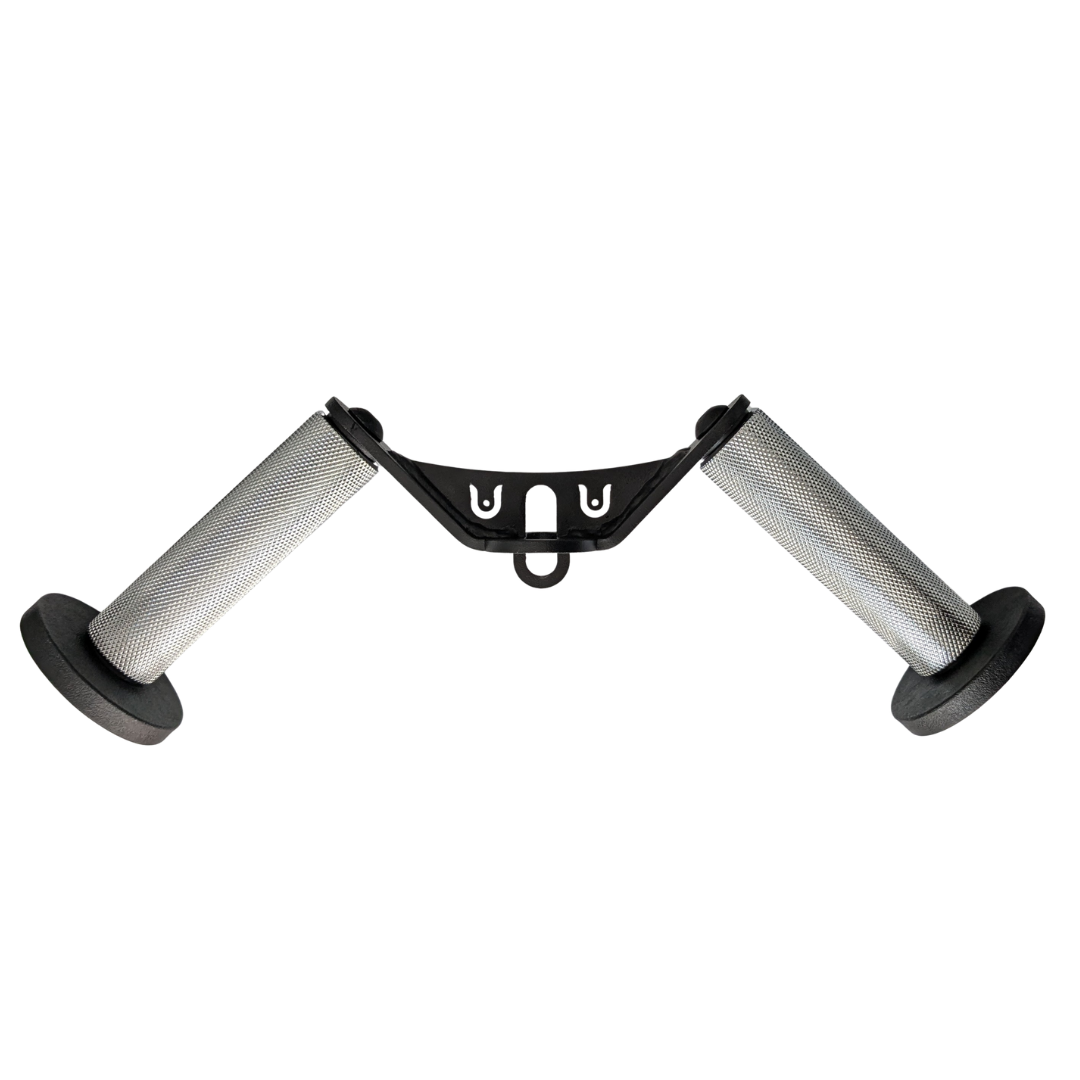
W Grip
Angled cable grip for comfortable rows, pushdowns, and curls.

GymPin Ergo Handles
Pair of ergonomic cable handles shaped for comfortable triceps and pulling exercises.

HUSLA Leg Extension Pad
Pad attachment designed to increase usable range of motion on compatible leg-extension machines.
6. How close to failure should your home-gym sets finish?
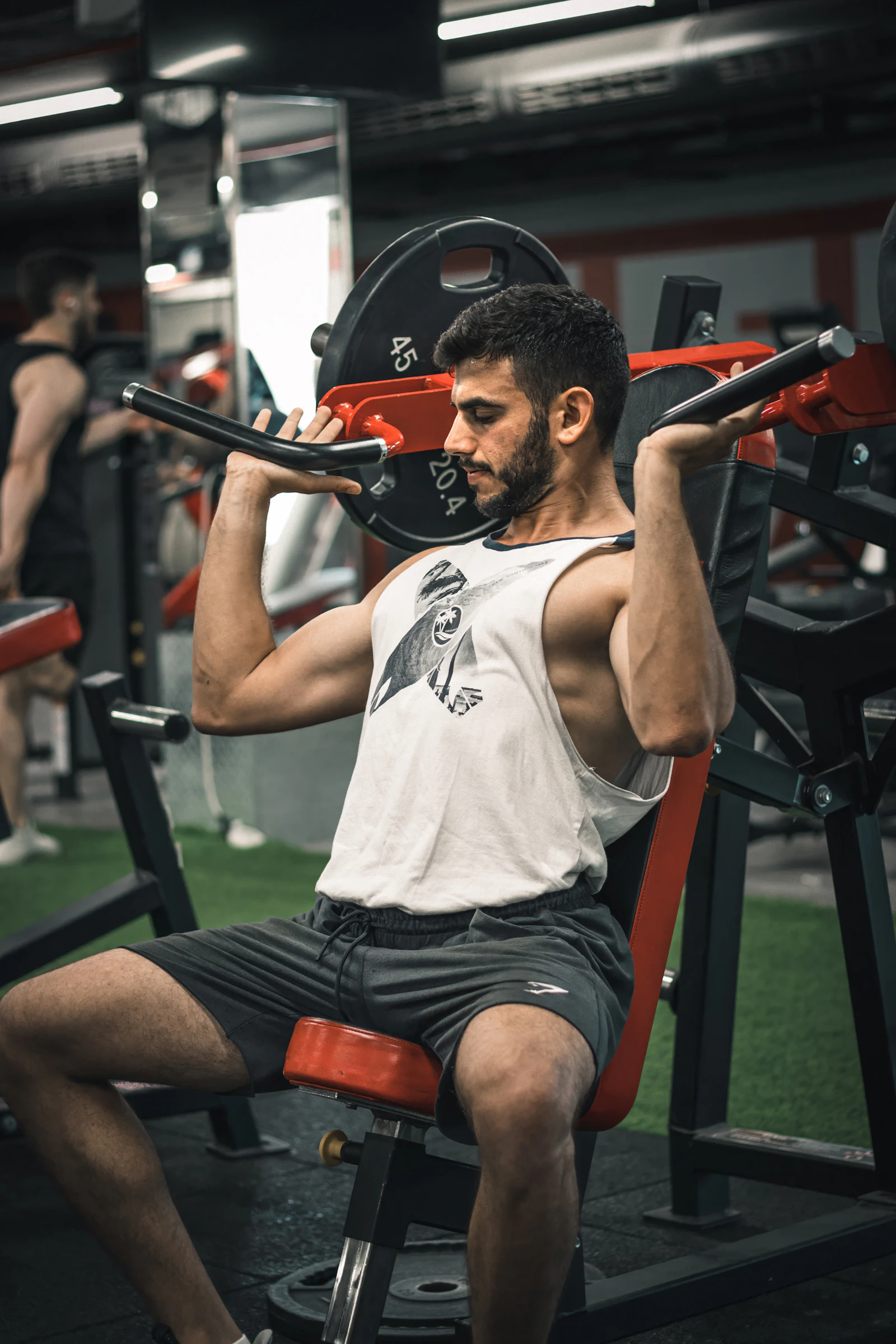
There is no single ideal reserve for every goal, movement and training week. For general muscle growth, challenging sets finished with roughly one to three good repetitions remaining can be a useful default for many exercises. It is a practical starting range, not a scientifically proven exact optimum for every person. A large evidence synthesis found a tendency for greater muscle growth as sets were performed closer to failure, while the corresponding relationship with strength gains was much less clear. The analysis relied on estimated reserve values and could not establish a precise prescription.
Heavy multi-joint strength work often benefits from keeping enough reserve to preserve consistent technique and repeat high-quality sets. An experienced lifter might use two to four RIR on some heavy squat or press sets, then move closer to failure on a stable accessory exercise. On isolation movements such as curls, lateral raises or cable pushdowns, occasional near-failure work may be easier to manage. The sensible stopping point also depends on the next day’s training and the consequences of a failed repetition.
Do not confuse proximity to failure with the total training stimulus. A single all-out set does not automatically replace sufficient weekly volume, and ten easy sets are not automatically productive because they look impressive in a spreadsheet. Progress is easier to evaluate when you keep exercises consistent, gradually improve repetitions or resistance, and recover between sessions. RIR helps regulate effort inside that broader plan; it does not replace exercise selection, progression or recovery.
7. A four-week RIR practice plan for a small home gym
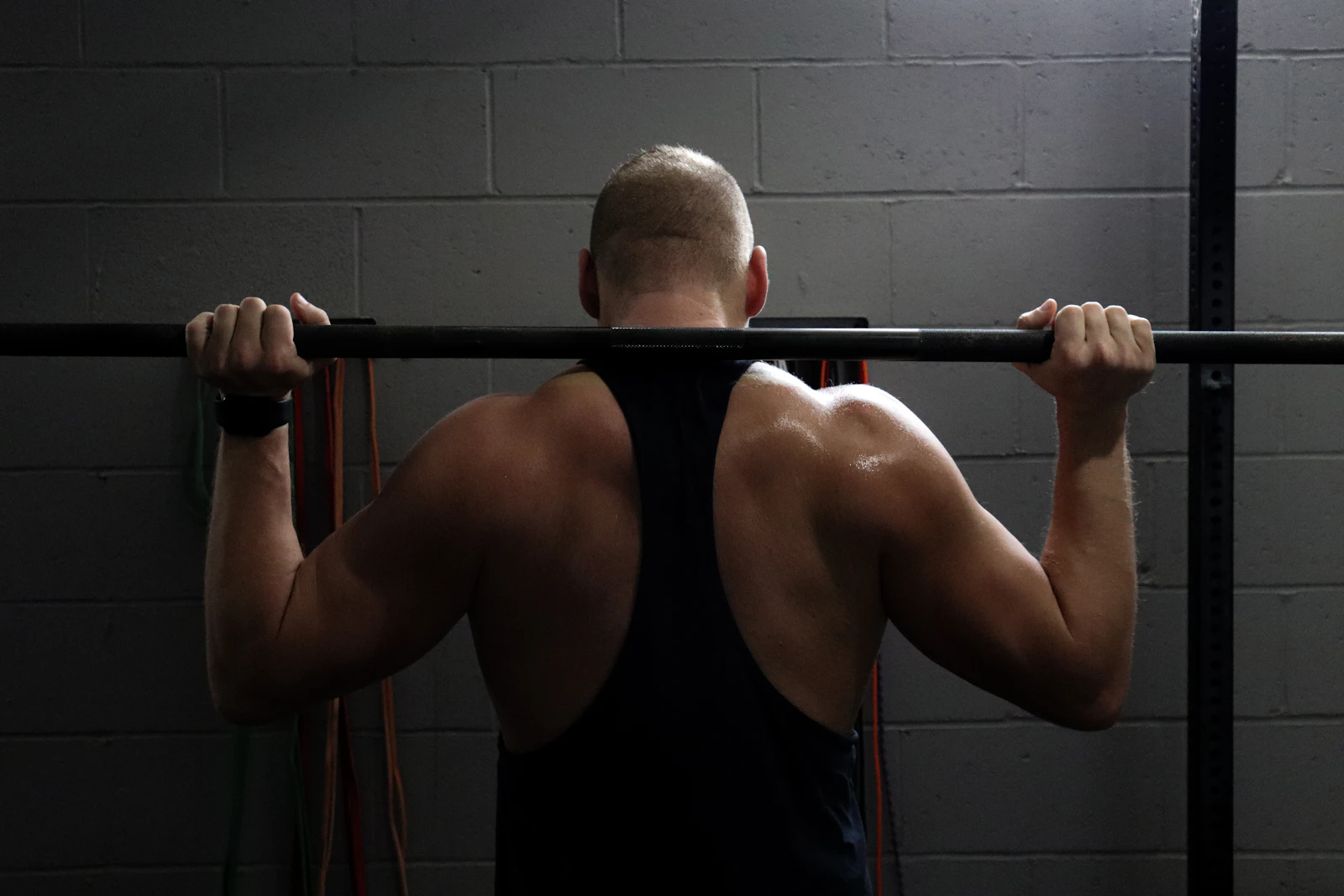
Week one is about consistency. Pick four or five staple movements that cover a knee-dominant exercise, a hinge, a press, a pull and an accessory. Record resistance, repetitions, exercise setup and estimated RIR for the last working set. Keep most sets at a comfortable two to four repetitions in reserve while learning to recognize what a clean rep looks like. Do not run an unspotted barbell press to failure simply to obtain a data point.
In week two, keep the same exercises and introduce one safe calibration set on a stable movement, preferably one where stopping or failing does not create a trapping or falling hazard. Predict two RIR, then see how many additional full repetitions are actually possible. Record the difference without turning the session into a competition. If you have a cable trainer, use the same attachment, pulley position and resistance mode as in previous sessions. The goal is to understand your estimate, not to maximize exhaustion.
During week three, use your notes to adjust loads. If a prescribed eight-repetition set repeatedly ends with five or six repetitions left, a small load increase may be appropriate. If technique breaks down before the target range, reduce the resistance or choose a more stable variation. Week four is a review: compare equivalent sets and ask whether your estimate, repetitions and load are becoming more consistent. Keep the useful habits, drop the needless complexity and continue with a sustainable program. The most valuable RIR number is the one that helps you train productively next week, not the one that makes today’s session look hardest.
Bodybuilding Shirts & Workout Gear
Bodybuilding shirts, tanks and gym gear for lifters chasing muscle, size, symmetry and the pump.

Mind Muscle Connection Tee
Show some lifting attitude with a playful “Mind Muscle Connection” tee.

Abolish Sleevery Abraham Lincoln Huge Arms Meme T-Shirt
Make gym days more fun with “Abolish Sleevery” style.

OnlyGains Meme – Bros – & Lifting, Humor T-Shirt
Rep “OnlyGains Gym Meme” humor in and out of the gym.

5 AM Squad Morning Bro Meme & T-Shirt
Heavy lifts, good laughs, and a little “5 AM Squad” energy.

Right To Bare Arms – Huge Arms 4th Of July Meme – T-Shirt
Bring “Right To Bare Arms” humor to your next gym day.


Meme Installing Muscles & Lifting Shirt Bros & T-Shirt
Bring “Installing Muscles” humor to your next gym day.


Everything Hurts And I'm Tired Duck Meme , Lifting & T-Shirt
Heavy lifts, good laughs, and a little “Everything Hurts And I'm Tired” energy.

Everything Hurts And I'm Hungry – Motivation Lifting T-Shirt
Show some lifting attitude with a playful “Everything Hurts And I'm Hungry” tee.
The takeaway: Treat RIR as an adjustable training skill. Predict how many clean reps remain, verify that prediction occasionally on safe exercises, and compare performance under consistent conditions. When estimates are imperfect, the solution is usually better calibration and clearer technique standards—not blindly pushing every set to failure.